Questo vino
Vineyard and terroir
The Cabernet Sauvignon is grown in Massa Marittima at 60 m above sea level. The soil is sandy silt with a significant clay component and abundant rock fragments. Mechanical weeding is practiced, while pruning, shoot thinning, suckering, leaf removal and green harvesting are performed exclusively by hand.
The variety produces small bunches with thick skins and lively, silky tannins. The fruit ripens slowly beneath the foliage, extending into the beginning of autumn.
Grapes
Cabernet Sauvignon. The wine belongs to the limited-production Solo collection of varietal wines, made only in vintages when the grapes attain the intended balance between pulp acidity and sweetness, together with aromatic, crisp skins.
Vinification
The grapes are harvested by hand in small crates. Alcoholic fermentation takes place in stainless-steel vats at a controlled temperature of 25 °C.
Ageing
The wine matures for 12 months in 300 L tonneaux and then spends at least 12 months in bottle after assembly.
Technical data
2015 vintage. IGT Toscana Cabernet Sauvignon. Alcohol: 14% vol. Production: 1,500 bottles.
Tasting profile
An intense, caressing and full-fruited Cabernet Sauvignon. Balsamic notes of eucalyptus and basil lead into blackberry, marasca cherry and ripe, sweet fruit, followed by a complex spicy finish. The palate is pulpy and tactile, with lively yet silky tannins.
Serving and pairing
Suitable for cured meats, aged cheeses, stewed meats and game. It can also accompany strongly flavoured fish dishes, including baby squid or cod stewed in tomato sauce.
Label / history
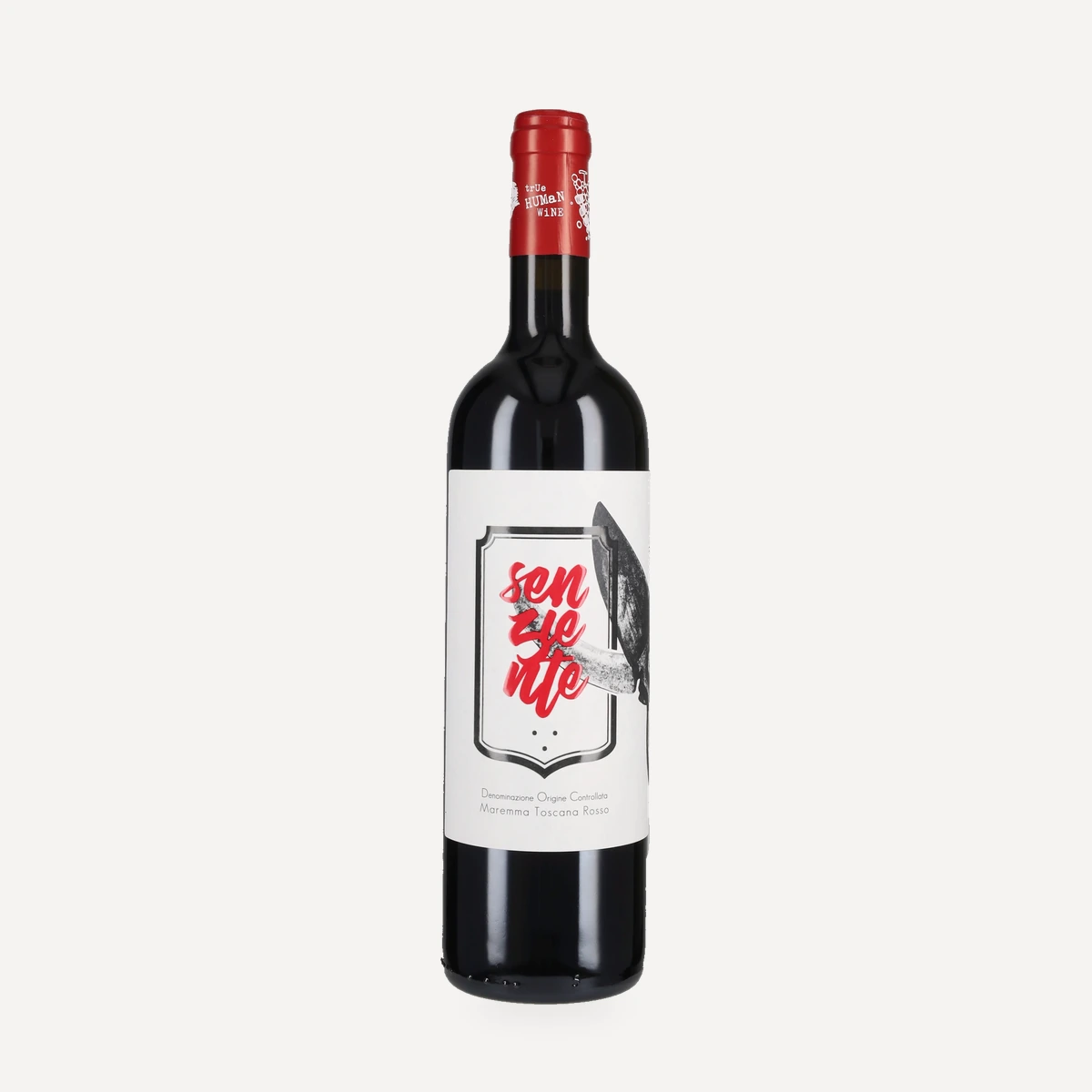
The wine presents Cabernet Sauvignon as a variety deeply adapted to Maremma, drawing a parallel between its initially fragile shoots, their later resilience and the character associated with the local landscape and its people.