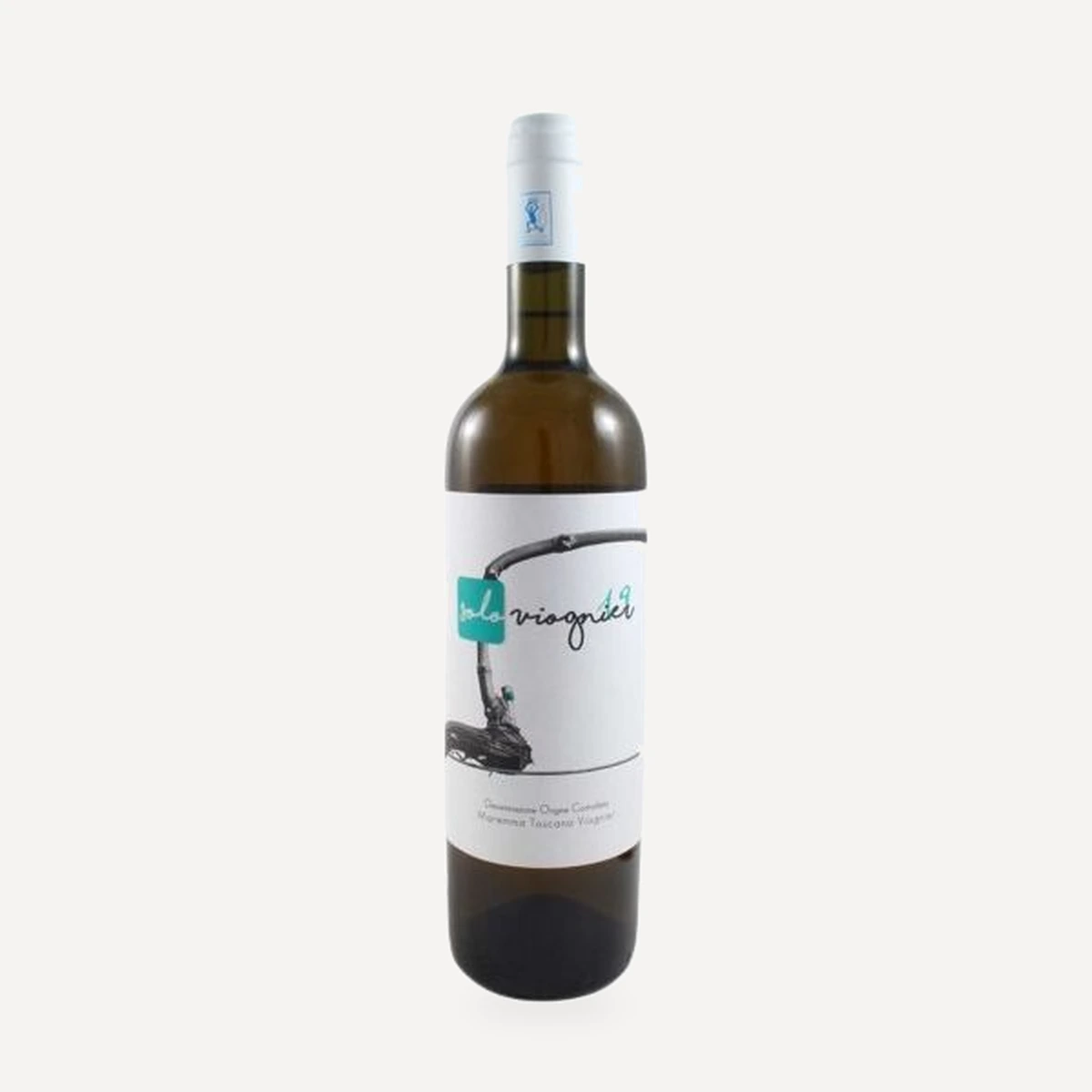
Storia
Reviving an old vineyard
Ranieri’s most detailed historical account concerns the recovery of a neglected Sangiovese vineyard more than 60 years old. The vines had been left untended, many plants were beyond recovery, and numerous posts and wires were broken. After being offered the opportunity to work the site, the team spent two years restoring it. There was no harvest during that period.
The work bore fruit with the 2015 vintage. The surviving vines, supported by their deeply established roots, produced a Sangiovese whose refinement led Ranieri to bottle it as a varietal wine rather than incorporate it into a blend.
Evolution of the range
The earlier range was organized around two complementary ideas. Senziente and Sardonico were conceived as blended, broad views of the vineyards, seasons and territory. The limited-production Solo label was reserved for varietal wines in the best vintages, and only when the fruit achieved the intended balance between acidity, sweetness, aromatic skins and crispness.
The current range retains the Senziente and Sardonico names while presenting its varietal wines under individual labels: Post Pink, Vertigine, Incroci, Frangenti, Avversario and Enomalia.
Terroir
The vineyards lie in a valley at Massa Marittima, 60 m above sea level and 9 km from the Gulf of Follonica coast. Rolling hills and Mediterranean scrub frame the site. A stream and an extensive forest are nearby, and both cultivated and wild plants contribute to the valley’s biodiversity. Horses, olive trees and buzzards also form part of the surrounding landscape.
The vineyards are continually exposed to the maritime Mistral and Libeccio. The Mistral arrives from the gulf carrying cool, humid and saline air, while the proximity of the sea and Elba Island forms part of the estate’s broader coastal setting.
The current description identifies a sandy-loam soil with a high clay content. Earlier material adds that the ground contains abundant rock fragments and is ferrous and mineral-rich, reflecting the area’s mining history. It is characterized as firm soil that requires regular cultivation to prevent compaction.
Vinificazione
Ranieri’s vineyard work combines mechanical cultivation with extensive manual operations. Weed control is mechanical, while pruning, shoot thinning, suckering, leaf removal and green harvesting are carried out by hand. Grapes are harvested manually into small crates.
The recovery of old vineyards is a central practical commitment. In the old Sangiovese parcel, this required two years without a crop, removal or replacement of vines that could not be recovered, and repair of the supporting posts and wires. The broader objective is to keep mature vineyards from falling into abandonment while preserving the valley’s existing natural heritage and biodiversity.
Grapes across the documented range are harvested by hand into small crates. Fermentation takes place in temperature-controlled stainless-steel tanks, with distinct protocols for white, rosé and red production.
White grapes undergo two days of cryomaceration at 5 °C before fermentation in steel at 15 °C. The resulting wines remain on their fine lees in stainless steel for 10 months. The rosé receives a three-hour press maceration with dry ice, ferments in steel at 15 °C and likewise spends 10 months on fine lees in steel.
Red wines ferment in stainless steel at 25 °C. Skin contact varies from 25 to 75 days, allowing the maceration regime to be adapted to the material. Maturation uses either 300-litre tonneaux or 750-litre TAVA clay amphorae. The red blend receives 45 days on the skins and matures in 300-litre tonneaux; the varietal reds employ macerations of 25 or 75 days, followed by either tonneaux or amphora ageing.
Filosofia
Ranieri treats wine as living material capable of retaining memory. Vineyard and cellar work are framed as an ongoing dialogue with the vines, shaped by observation, trial, doubt and the changing conditions of every season. The winemaker’s role is deliberately restrained: careful farming and watchful cellar work should support the wine without placing the producer ahead of it.
The objective is to express character, place and the differences among vintages rather than force every year into a fixed model. The estate identifies itself with artisanal work and regards the protection of old vineyards and the surrounding natural heritage as part of that responsibility.
Its current conception of wine is explicitly human and social. Wine is made to be opened, placed at the center of the table and shared. Terroir therefore extends beyond soil and climate to encompass growers, friends, relationships and the people who drink the wines. The range’s irreverent visual and verbal language reinforces a preference for independent choices and routes outside established conventions.
Vini
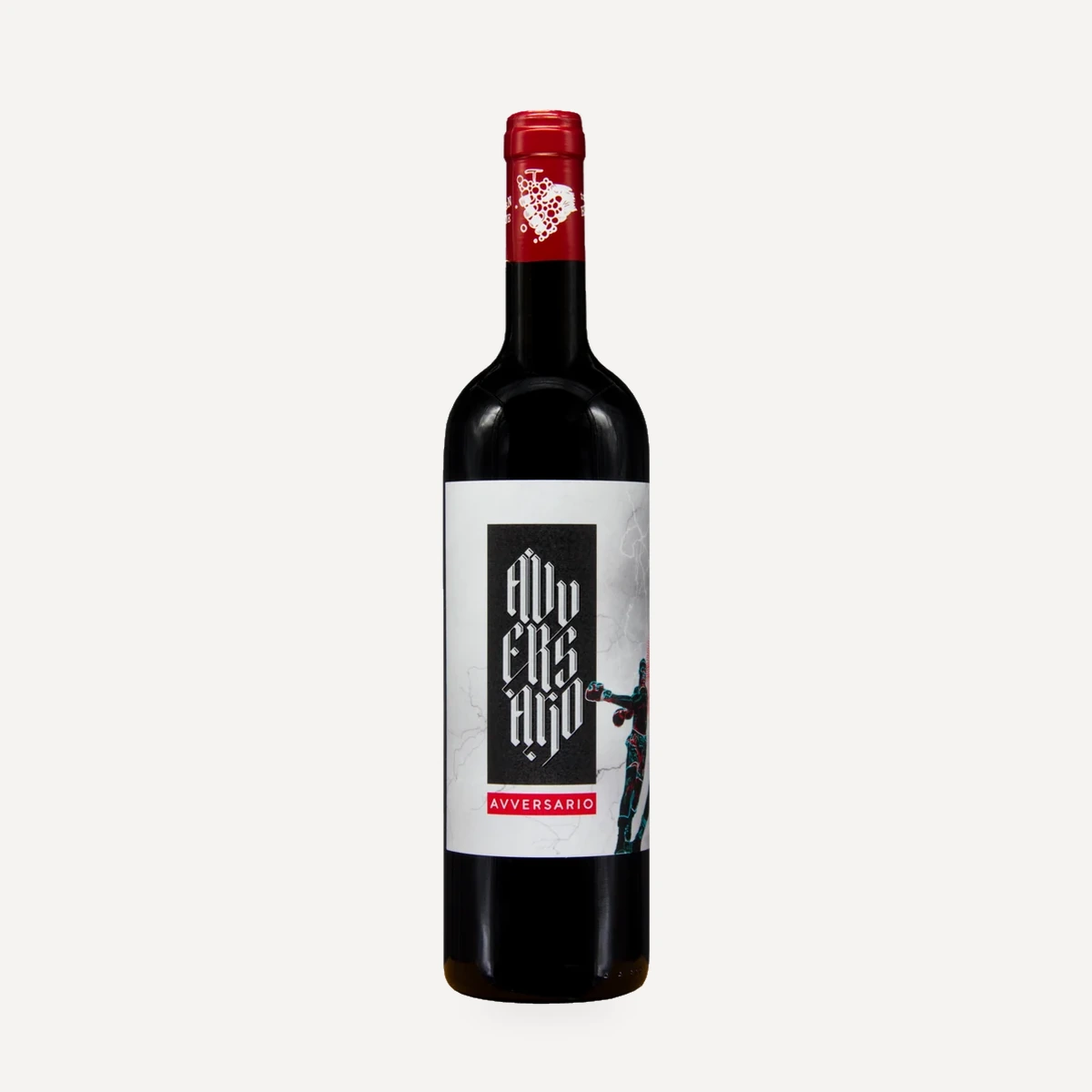
Avversario
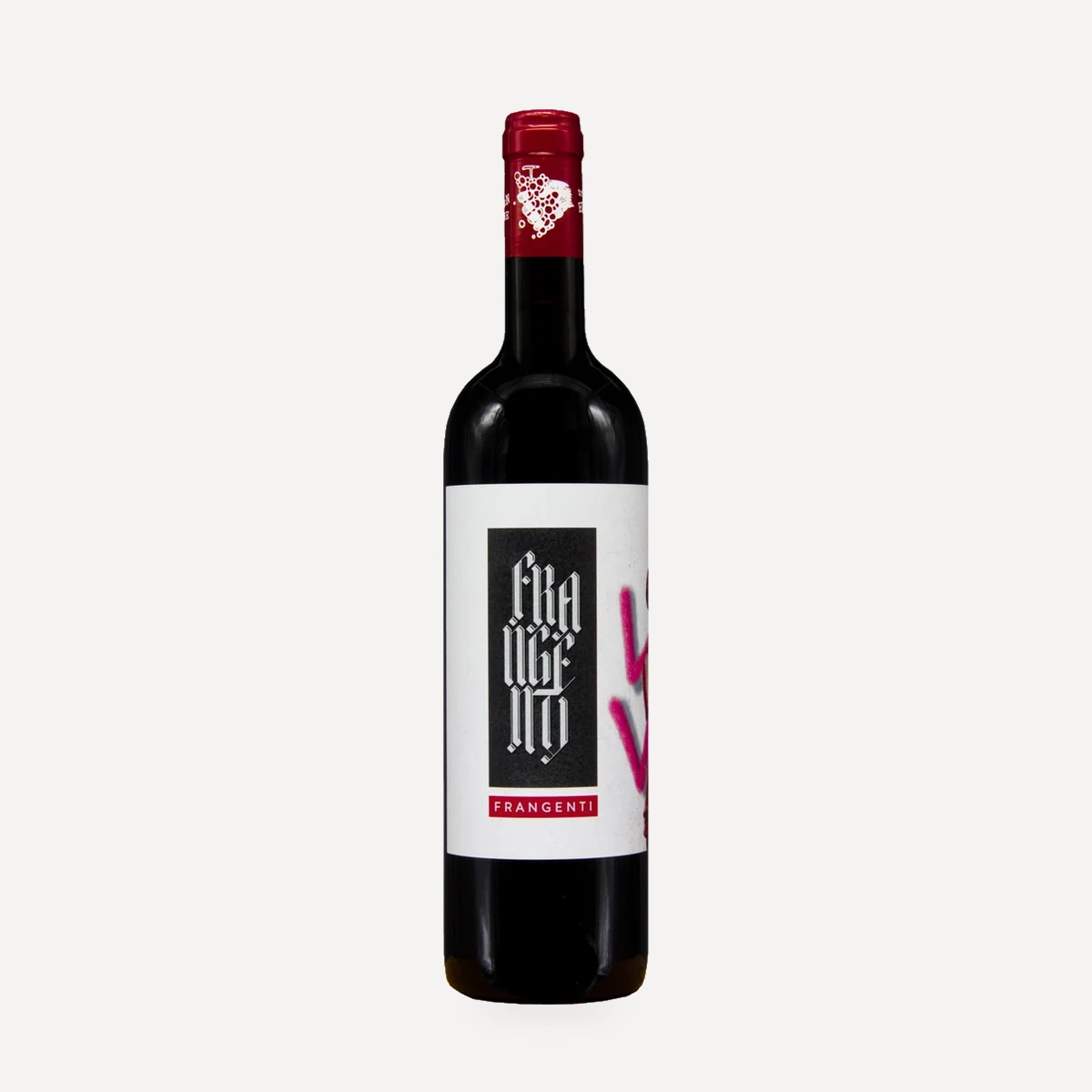
Frangenti
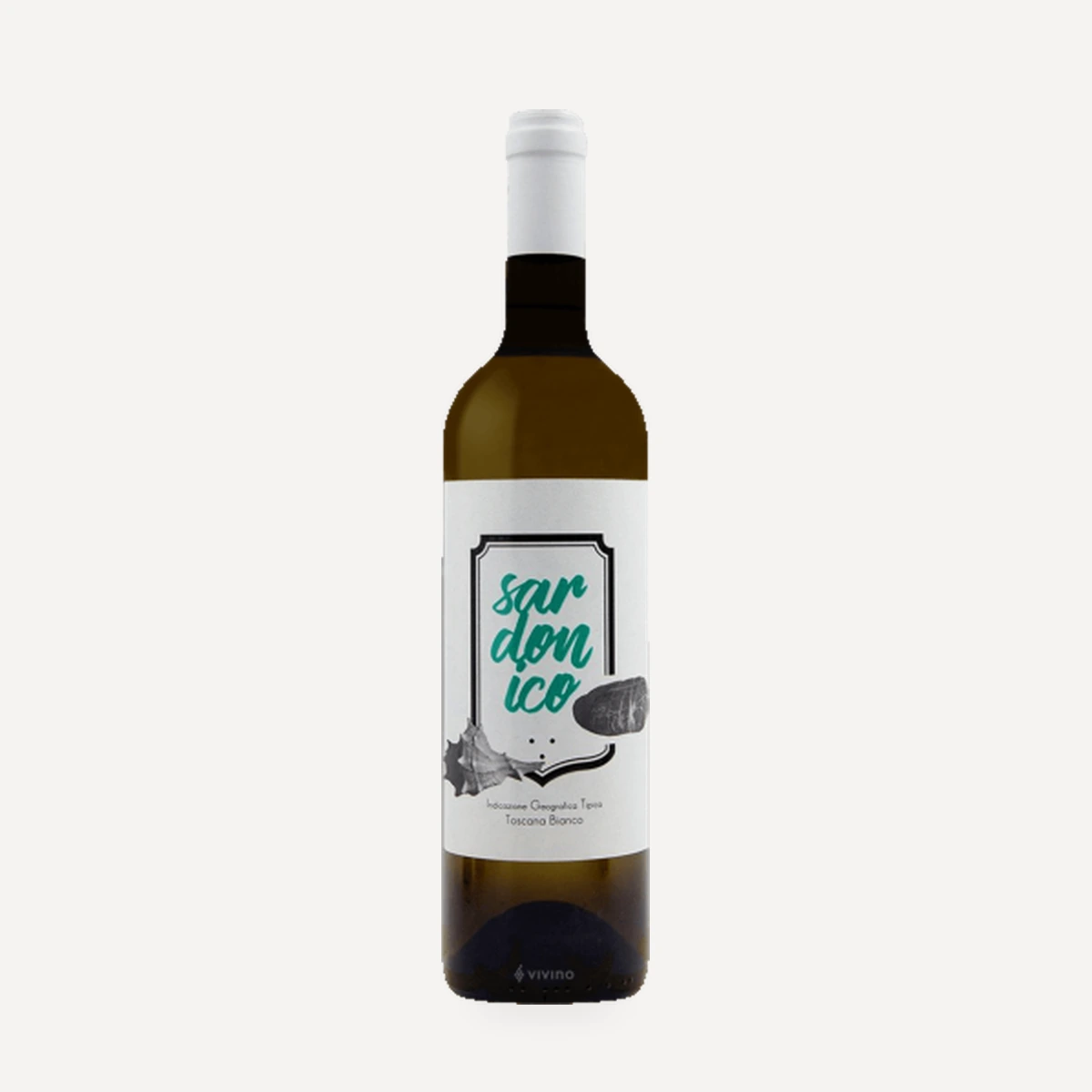
Sardonico
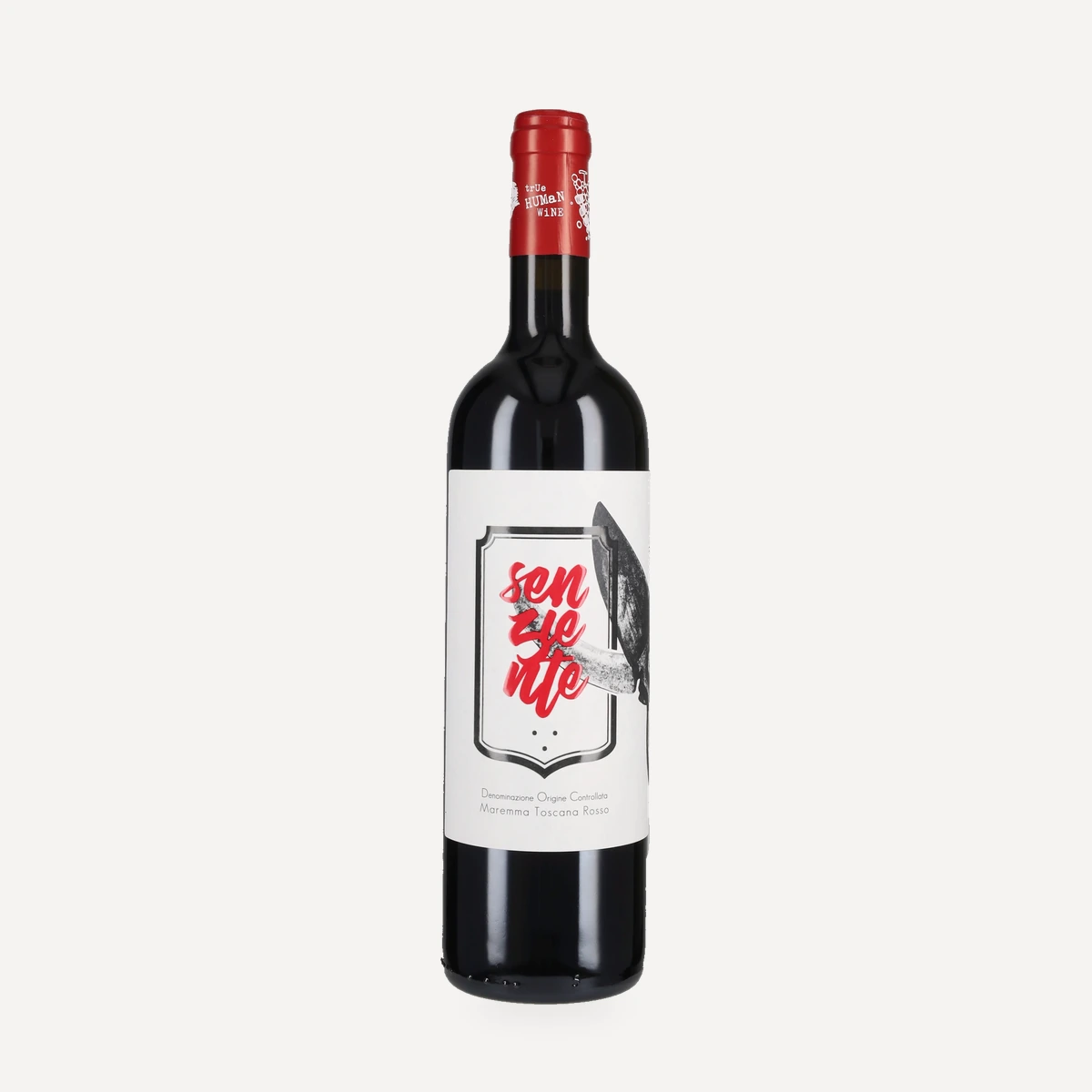
Senziente
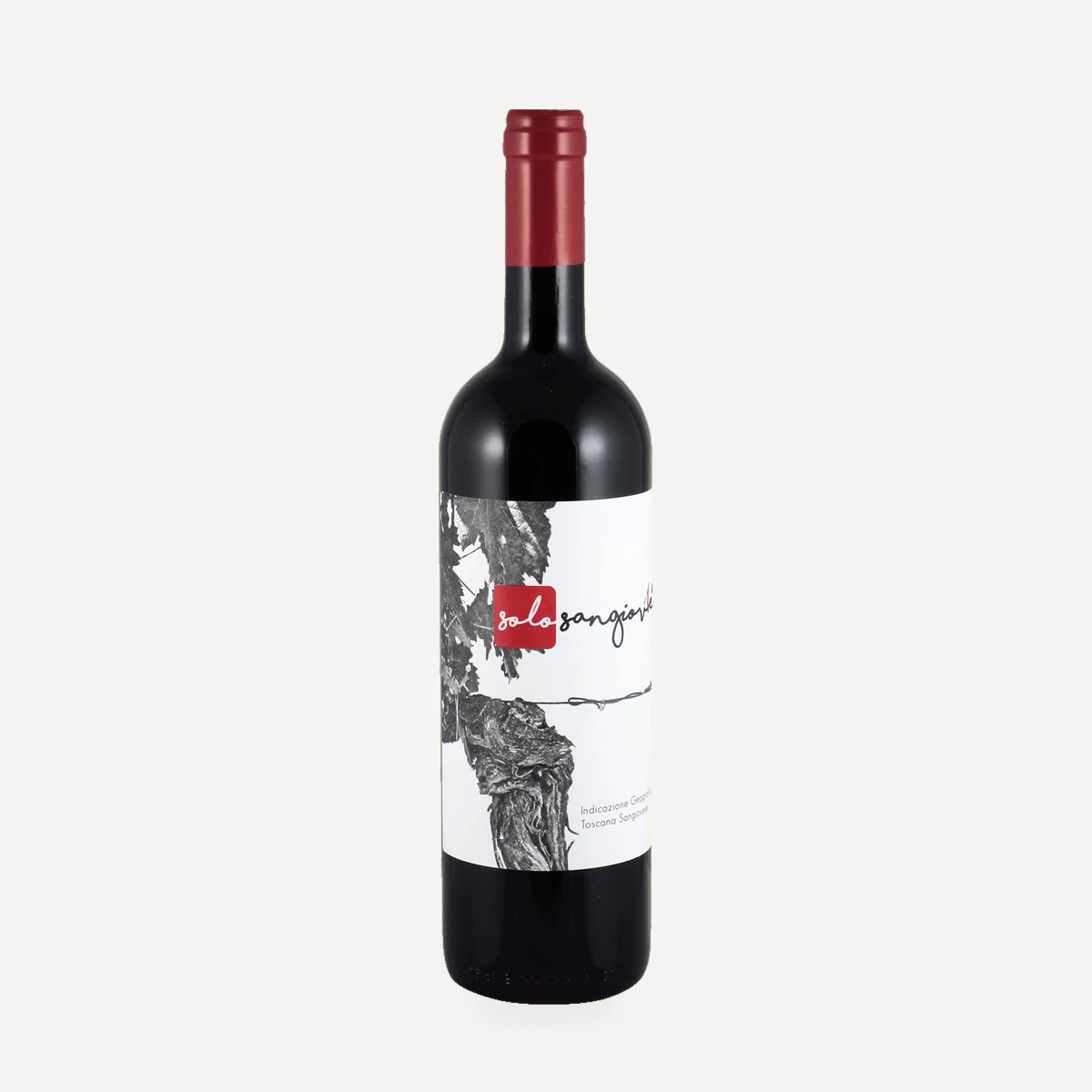
Solo Sangiovese