Questo vino
Vineyard and terroir
The vineyard lies on a river plateau in Maremma, within a natural corridor connecting Monte Amiata and the Tuscan archipelago. Its surface soils are red clay, underlain by rounded stones. Air currents arrive alternately from the sea and the mountains according to the time of day.
Days are warm but moderated by sea breezes, while cool, humid air descends from the hills in the evening. These pronounced temperature shifts allow the fruit to retain natural acidity while developing complexity and length. Mediterranean scrub surrounds the vines, with thyme, wild sage, plum, wild pear, Etruscan santolina, broom and wildflowers among the local aromatic and medicinal plants.
The Chia family planted the vineyard specifically within this distinctive landscape. Syrah is described here as naturally low yielding.
Vinification
The grapes are harvested by hand and vinified in Montalcino. Bottling and subsequent ageing take place at Castello Romitorio.
Ageing
The 2021 release was aged in oak. The type of oak, vessel size, proportion of new wood and duration are not specified.
Technical data
Toscana IGT. Production of the 2021 vintage amounted to 2,900 bottles.
Tasting profile
The 2021 is a deep, dark and nearly opaque purple-red. Its complex, spicy nose combines red pepper, juicy plum, thyme, mocha and cocoa, alongside blackberry preserve, cured-meat nuances and exotic spice. The palate is silky and smooth, with generous fruit wrapped in chocolate tones. Sweet tannins accompany medium-plus intensity, elegance and marked tension, leading to a very long finish. The wine retains the slender, energetic structure and natural acidity associated with the site while carrying notable complexity and length.
Vintage notes
The 2021 was presented as a new addition to the Castello Romitorio range. Its primary fruit was considered best enjoyed while still fresh.
Label / history
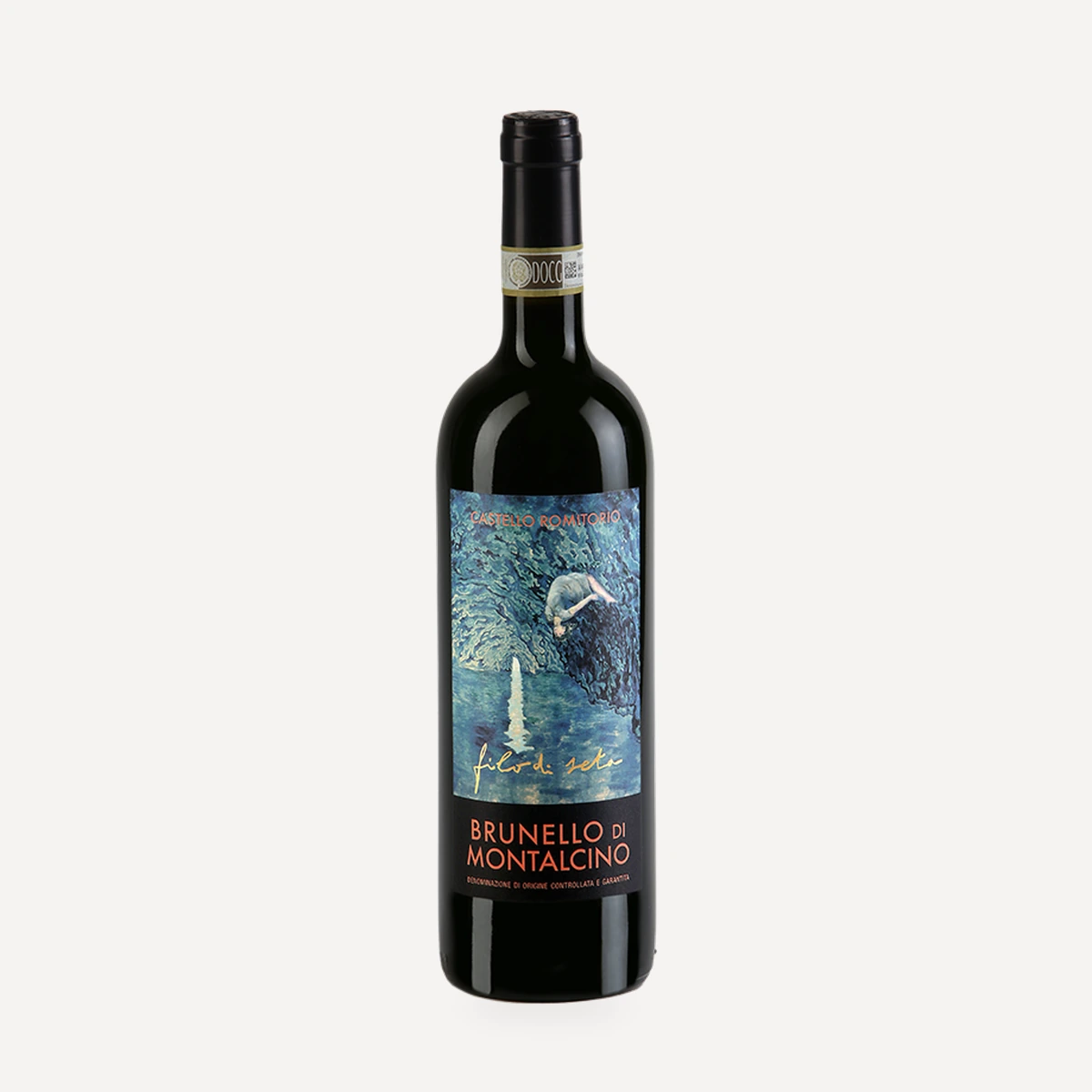
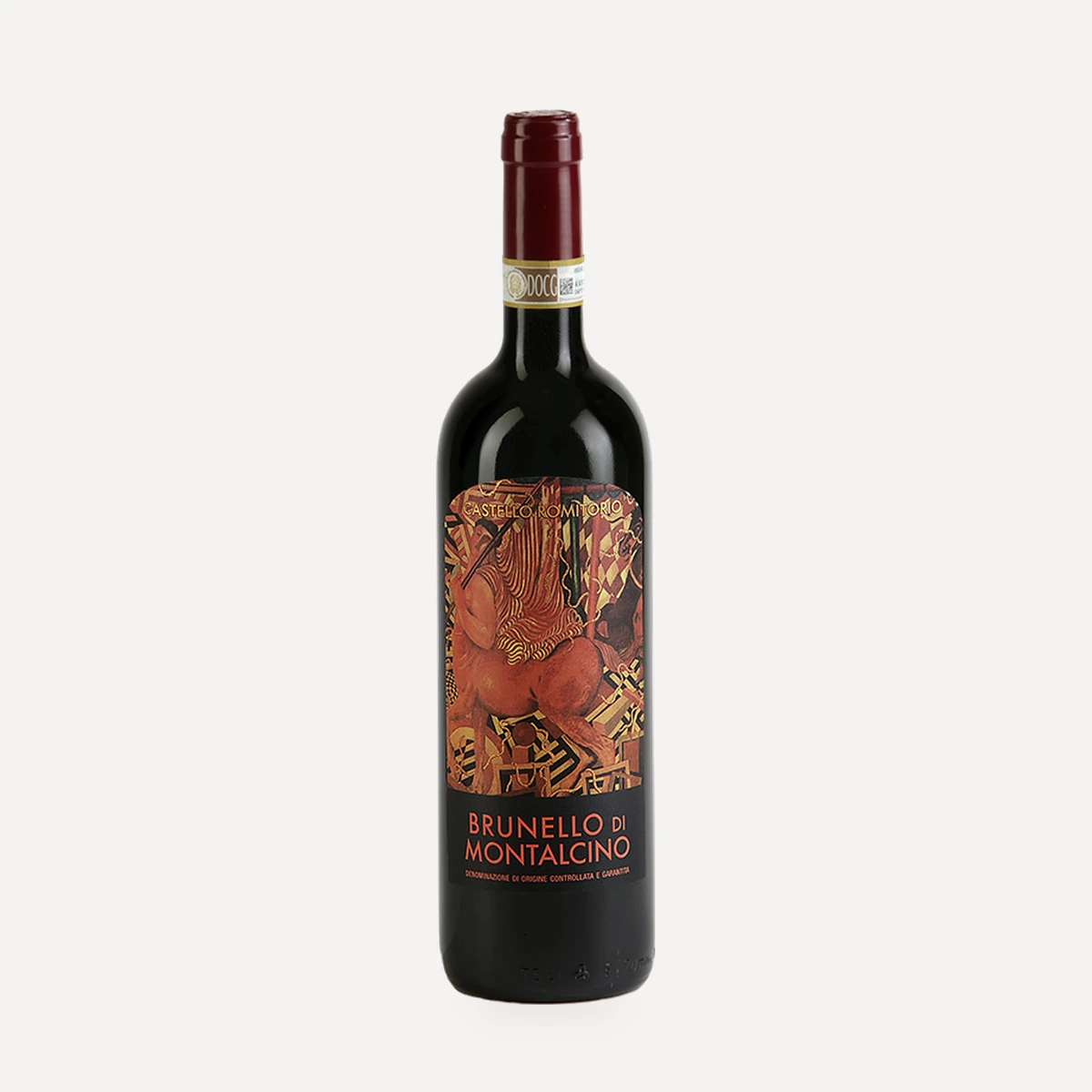
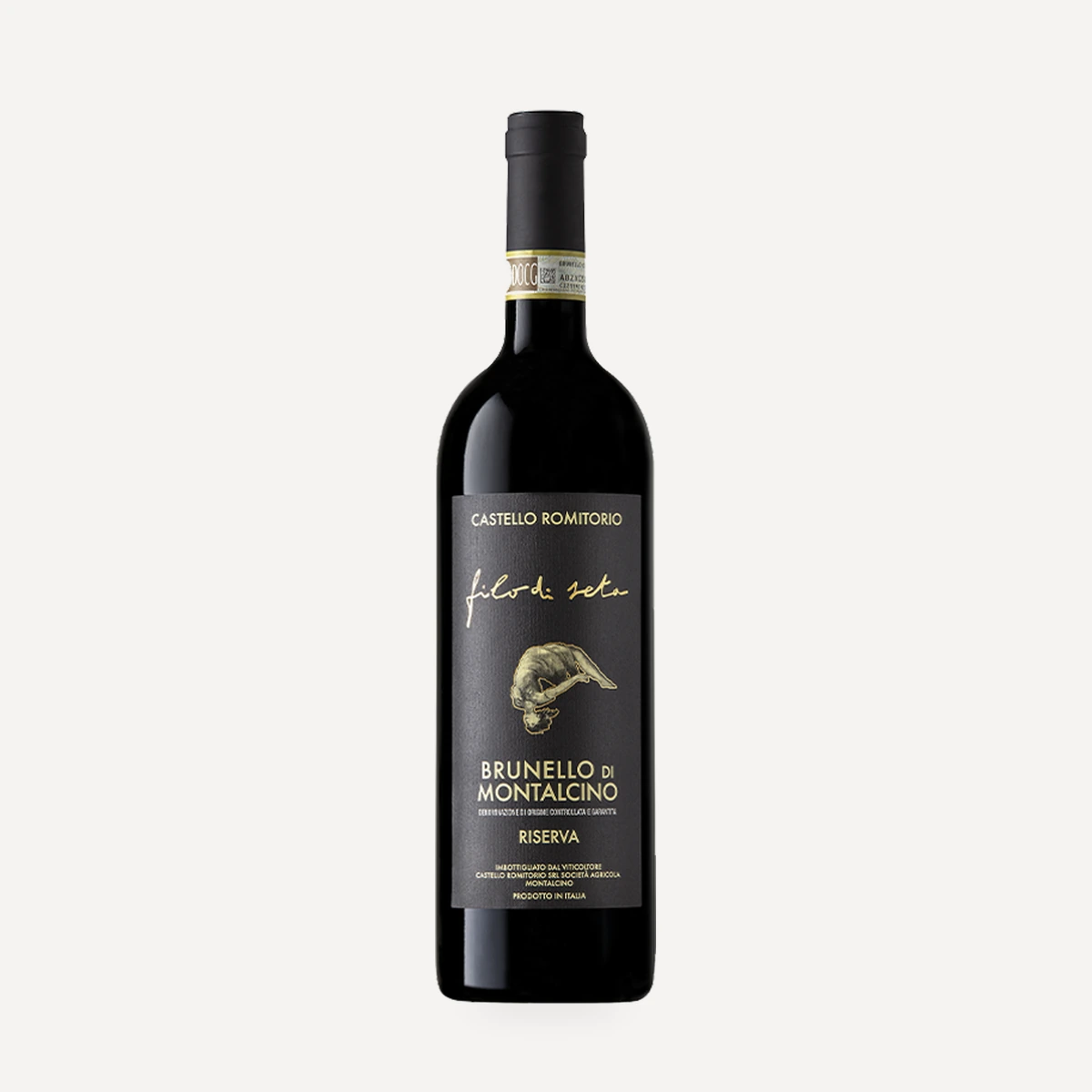
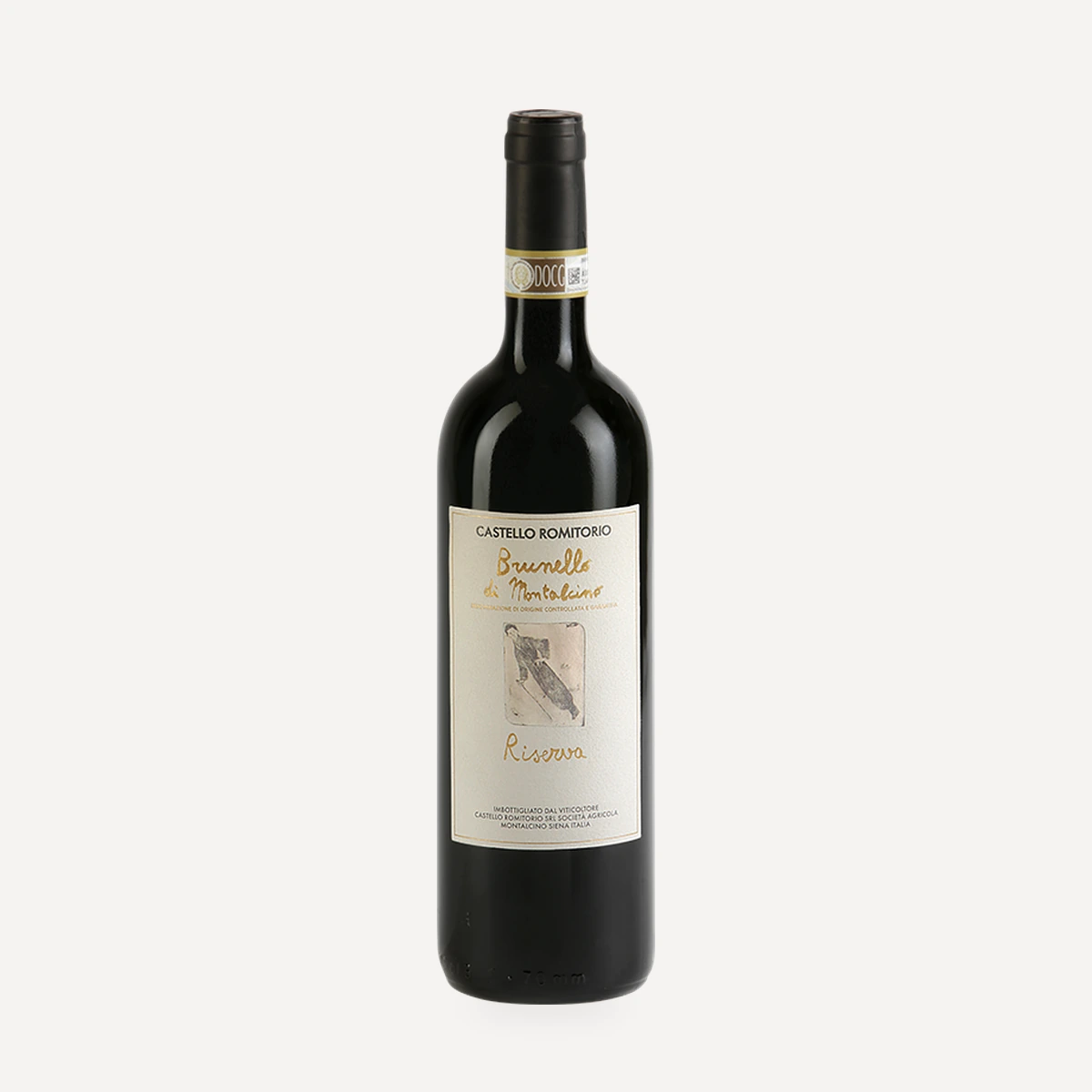
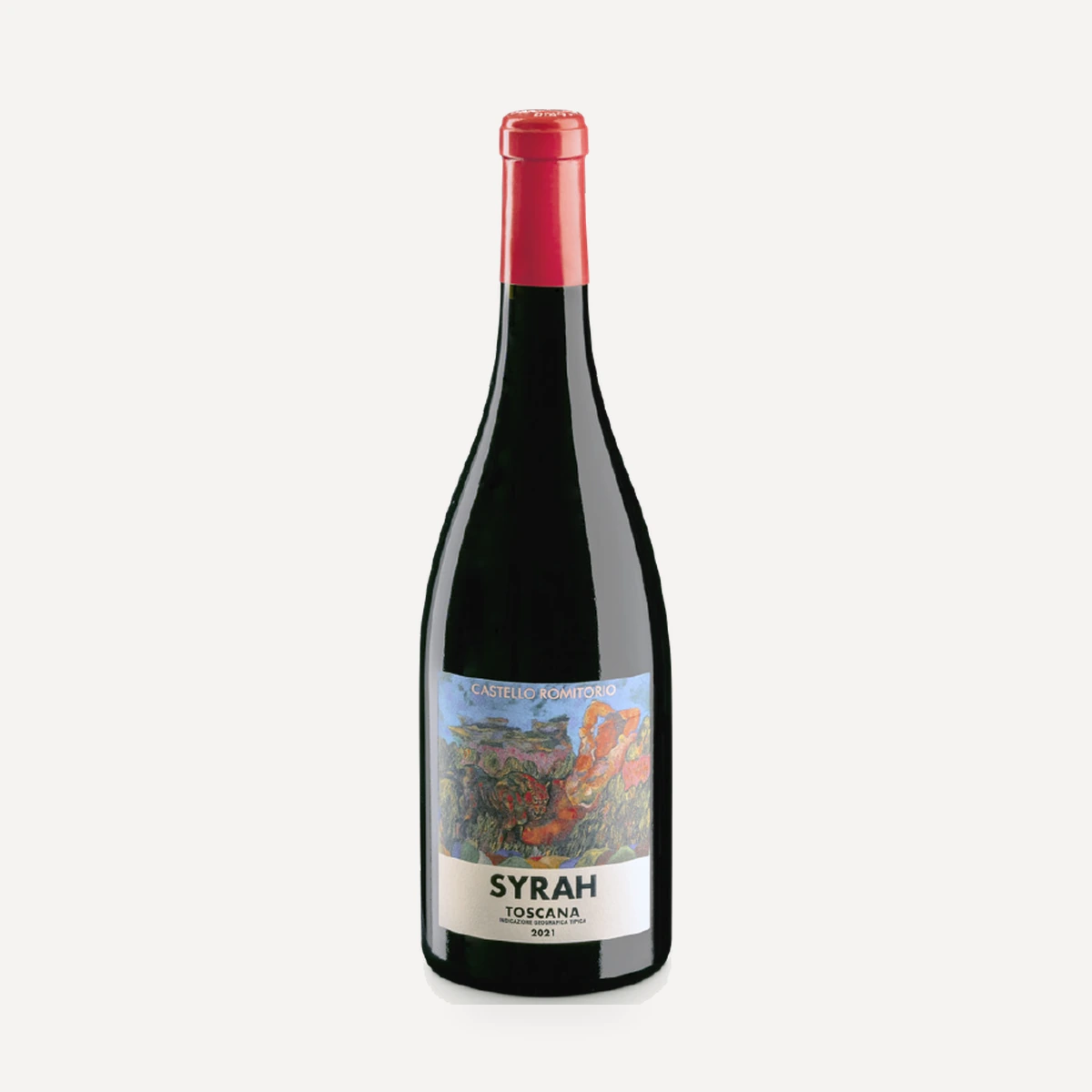
The label features the artwork “Leave the Artist Alone,” conceived as a tribute to the time, inspiration, imagination and protected space required for artistic work. The connection extends to winemaking: continued experiments with grape varieties, clones and plantings ultimately produce new wines. This Syrah emerged from 20 years of artistic research followed by a moment of inspiration.