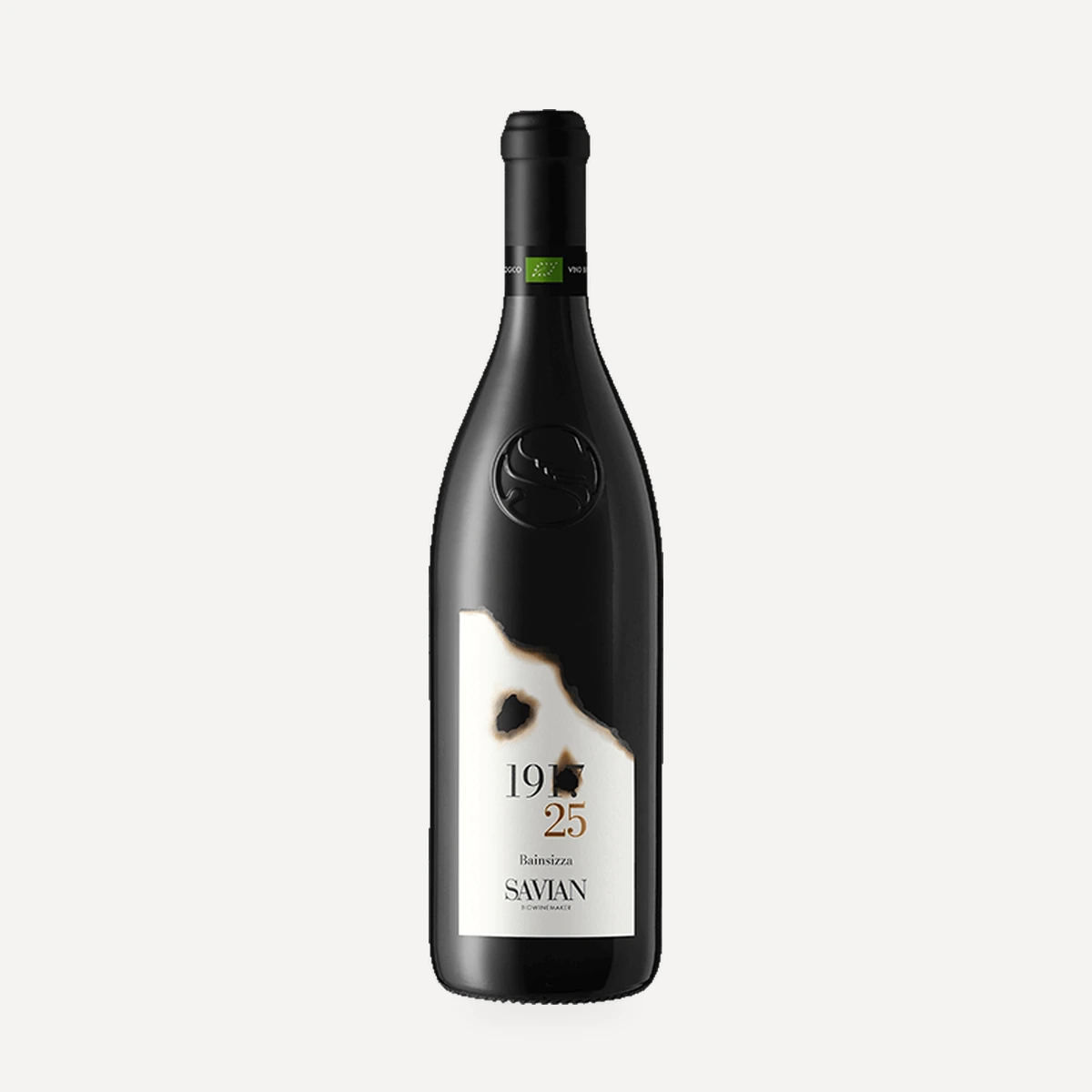
Questo vino
Vineyard and terroir
The Merlot is grown at Loncon di Annone Veneto on calcareous-clay soil. The wine is organically produced. The webpage specifies Guyot training, while the November 2023 technical sheet includes both Guyot and Sylvoz.
Grapes
100% Merlot.
Technical data
Alcohol is 13.50% vol. Total acidity is 5.50 g/L. Residual sugar is reported as 4.00 g/L on the wine page and 2.20 g/L in the November 2023 technical sheet. The available format is 750 ml.
Tasting profile
Deep ruby red with garnet reflections. Ripe sour cherry and plum aromas give way to cinnamon, clove and liquorice, accompanied by woodland, hay and mineral nuances. The palate is full, elegant, structured and naturally soft, with lively freshness, a savoury-mineral balance and substantial yet rounded tannins. The technical sheet also describes a pleasantly bitter-toned finish.
Serving and pairing
Serve at 16–18°C. Pair with oven-roasted or grilled red meats, stewed noble poultry and game.
Label / history
Bainsizza was the name given to the founder Marco Savian's first estate, recalling the First World War battles in which Italian forces took the Bainsizza Plateau from the Austro-Hungarian Empire. The wine commemorates the founder and the moment he first lit a fire in his new home on land once called Bandida, marking the beginning of new projects there. The label was redesigned in 2021. Its fire motif contrasts the destructive fire of war with the spark of renewal. Two dates mark the battle and the acquisition of the Bainsizza estate; the burned paper symbolically removes the horror of war and replaces its negative association with the estate's founding year.