Storia
Bandida before the estate
In the early twentieth century, the area now occupied by Savian was known as Bandida, or less dialectally Bandita. Extensive oak woods covered land associated in local memory with bandits and brigands. The neglected terrain was subsequently cleared and reclaimed through demanding cultivation and drainage work.
1925: Marco Savian and Podere Bainsizza
Founder Marco Savian had served in the First World War. In 1925 he received a four-hectare holding named Podere Bainsizza, commemorating an important wartime battle on what is now the Italy–Slovenia border. He was the first assignee to settle there and described himself as having lit the first fire in Bandida—both literally in his new home and symbolically in land that had previously been abandoned and burdened by a poor reputation.
Marco worked the hard, dry, clay-rich ground with persistence. The first modest vineyard eventually emerged from this effort. That original four-hectare farm became the starting point for an estate now extending across 42 owned hectares.
Vineyard development
Refosco dal Peduncolo Rosso was already planted at the estate during the 1970s. Material selected from an old estate clone was later established in modern, low-production plantings. The estate also retained mature Merlot vines, some approximately 60 years old when described in 2020, alongside newer clones.
1993: transition to organic agriculture
In 1993 Savian began converting its vineyards to organic farming and applying the cultivation and plant-health rules established by European organic regulations. The decision joined two objectives: producing genuine, closely controlled wines and protecting the surrounding environment. The operation subsequently obtained organic certification through ICEA — Istituto per la Certificazione Etica ed Ambientale.
2007: clean-energy investment
During the closing months of 2007, the family decided to install a photovoltaic system at the winery so that clean electricity could be used during production. The installation was expanded over time to a stated capacity of 280 kW.
2014: winery renovation
The winery was completely renovated in 2014. Its plan later became part of the visual language used on Savian labels, where a striped background evokes the building’s layout and three gold lines represent the third generation managing the estate.
Food-safety management and resistant vines
Savian obtained Food Safety System Certification 22000 (FSSC 22000) for the management system covering its production of still white, red and rosé wines. Its quality program emphasizes continuing improvements to production structures and the laboratory, hygienic controls involving the entire workforce and facility, periodic review, worker safety, supplier management and environmental safeguards.
After several years of study and research, the estate produced its first vintage from Merlot Khorus, a resistant variety selected for tolerance to powdery and downy mildew. In 2023 Savian joined PIWI International, the network devoted to disease-resistant grape varieties. The project broadened the family’s environmental work by reducing phytosanitary treatments, tractor passages, pesticide use, soil compaction and associated carbon emissions.
Terroir
Savian’s vineyards lie at Loncon di Annone Veneto, between the Livenza and Tagliamento rivers, near the meeting point of the provinces of Venice, Pordenone and Treviso. The land sits between Veneto and Friuli within the Lison Pramaggiore and Venezia denomination area. The Quota 7 range takes its name from the locality’s elevation of approximately 7 metres above sea level.
The terrain is firm and difficult to work, with calcareous clay and carbonates occurring at shallow depth. Estate technical material also describes the vineyard soils more simply as clay and limestone. The historical account characterizes the founder’s original ground as hard, dry and clay-rich.
The local microclimate brings hot summer days followed by cool nights around harvest. These conditions support grape ripening and elevated sugar accumulation while helping to shape the fruit’s character. The Lison Classico vineyards occupy a recognized micro-area within the broader Lison DOCG zone, selected for its particular suitability to that production.
The natural setting between two rivers, the low elevation, the calcareous-clay soils and the contrast between warm days and fresh harvest-season nights form the principal environmental framework for the estate’s vineyards.
Vinificazione
Savian has applied organic cultivation and phytosanitary practices since 1993, following the rules set by European organic-farming legislation. Its entire 42-hectare estate is organically cultivated and the operation holds certification from ICEA — Istituto per la Certificazione Etica ed Ambientale. The organic program is intended to combine controlled, transparent production with protection of soil and the wider environment. Synthetic agricultural products are excluded from the organically farmed holdings used for the Quota 7 range.
Plant-health work includes the cultivation of resistant grape varieties. Savian joined PIWI International in 2023 and has worked with Merlot Khorus, whose resistance to powdery and downy mildew permits a very limited number of phytosanitary treatments. Fewer treatments also mean fewer tractor passes, reduced pesticide releases, less soil compaction, lower carbon emissions, lower treatment costs and reduced operator exposure.
Sylvoz is the most frequently documented training method for estate vineyards, including Merlot, Refosco dal Peduncolo Rosso, Chardonnay, Pinot Grigio, Lison Classico and the Mybrid resistant-variety plantings. Guyot is documented for Podere Bainsizza. The modern Refosco plantings are managed for low production per vine, while fruit for the estate’s wines is carefully selected.
The environmental program extends beyond the vines. Savian aims to prevent pollution of water, air and soil; reduce its consumption of energy, water and raw materials; rationalize waste generation; and recover waste where possible. A photovoltaic installation supplies clean power for production and has been expanded to 280 kW.
Savian bases production on careful grape selection and vinification protocols designed to preserve and emphasize the character of the raw material. Refinement methods have been developed through repeated use and adjustment over the years. The red-wine program combines organic fruit from the ecosystem between the Livenza and Tagliamento rivers with modern winemaking technology.
The winery was completely renovated in 2014. Production is managed as an integrated chain extending from vineyard cultivation and wine production through bottling, packaging and dispatch. Savian describes a combination of traditional, innovative and advanced production cycles rather than adherence to a single technical model.
Food safety and process control are central to the cellar program. The operation holds FSSC 22000 certification for the safety-management system used in the production of still white, red and rosé wines. The management policy includes continuous upgrades to production facilities and the laboratory, compliance with current regulations, hygienic controls involving both personnel and the facility, periodic review of operations, teamwork, worker safety, supplier oversight and continuing refinement of verification and control systems.
The estate’s environmental controls include reduced consumption of energy, water and materials, pollution prevention and waste recovery where possible. Clean electricity for multiple production stages is generated by the on-site photovoltaic installation. Reusable and fully recyclable glass closures have also been adopted for the Mybrid white bottling as an alternative to cork.
Filosofia
Savian’s central theme is balance: between history and the future, strength and finesse, nature and culture, and daily work and long-term ambition. The family connects present-day decisions to Marco Savian’s persistence in transforming difficult land, while treating innovation as a continuation of that history rather than a break from it.
The family identifies belief in its work, the estate’s potential and the value of the finished product as the force behind its gradual growth from a four-hectare holding. Quality and safety are treated as starting points for continuing improvement rather than final achievements. This approach supports investment in updated facilities, laboratory controls, organic farming, clean energy and resistant grape varieties.
Environmental responsibility is defined through the careful use of the estate’s resources, protection of water, air and soil, reductions in energy and material consumption, waste recovery and a lower need for vineyard treatments. William Savian’s vision for the Mybrid project presents the vineyard as a living structure capable of accommodating plants, animals and people in equilibrium.
The winemaking philosophy emphasizes careful selection of fruit, techniques adapted to the expressive qualities of the grapes and maturation practices refined through experience. Across the family’s ranges, wines are intended to communicate the estate’s history, cultural roots and relationship with its land while remaining responsive to changing techniques and market expectations.
Vini
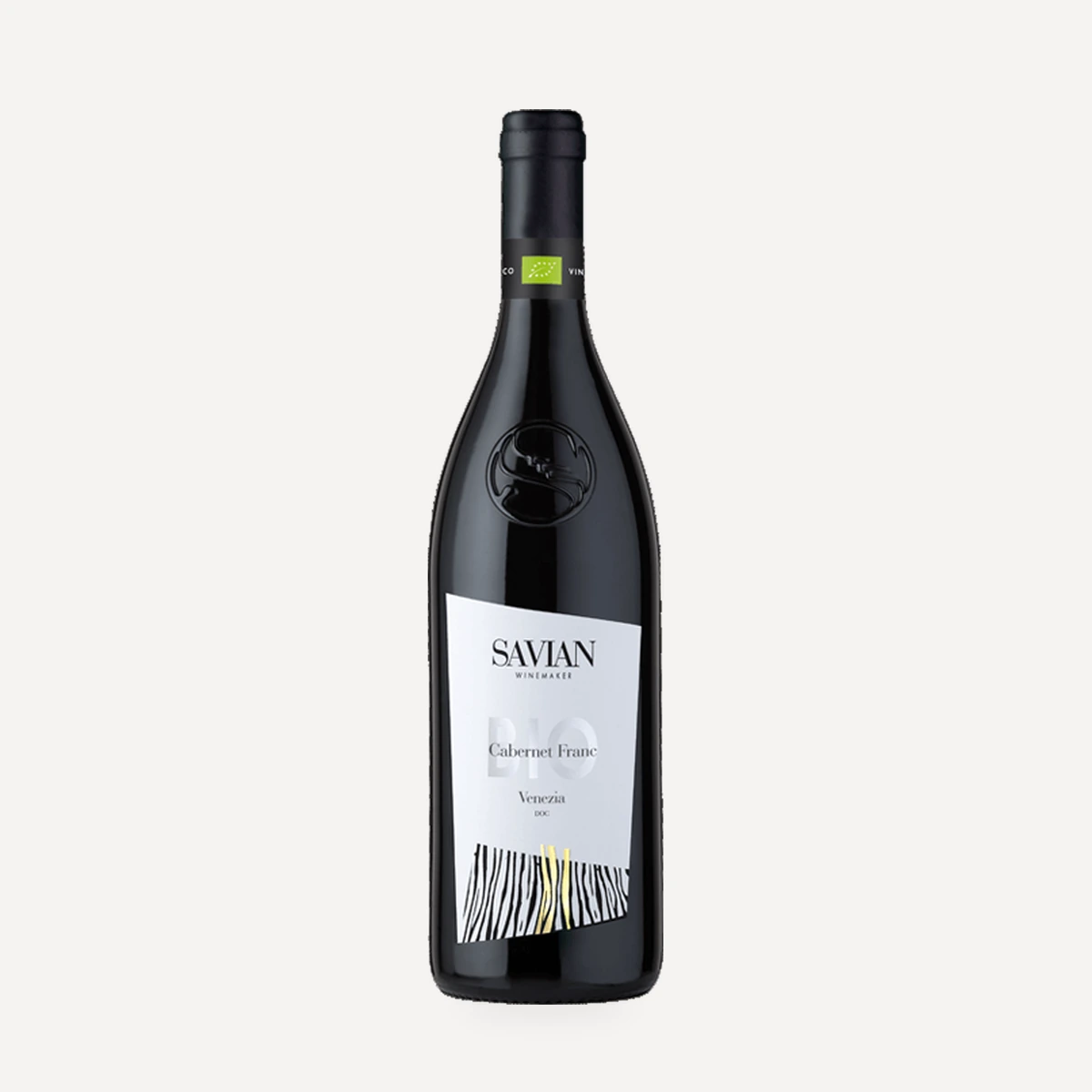
Cabernet Franc DOC Venezia
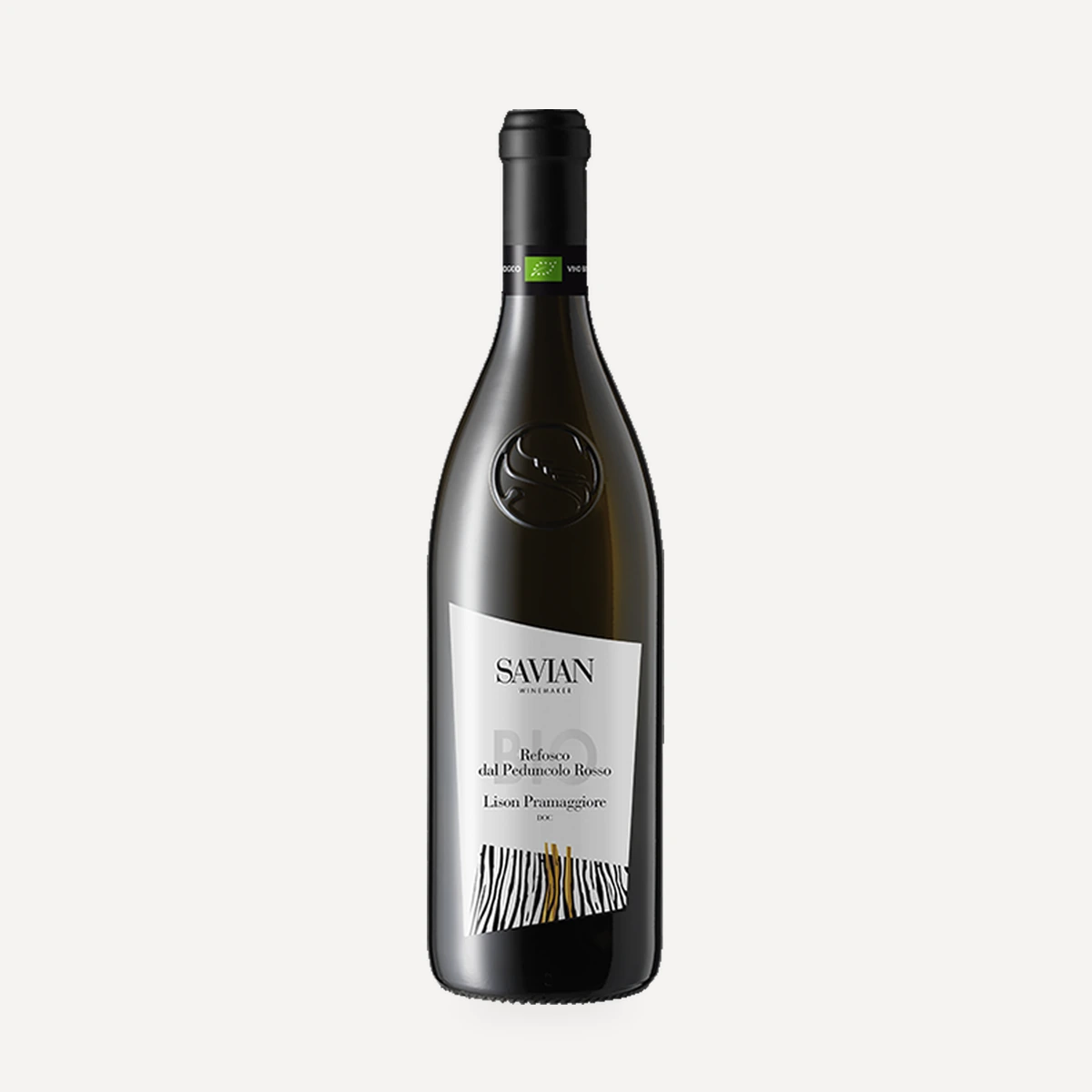
Refosco dal Peduncolo Rosso DOC Lison Pramaggiore
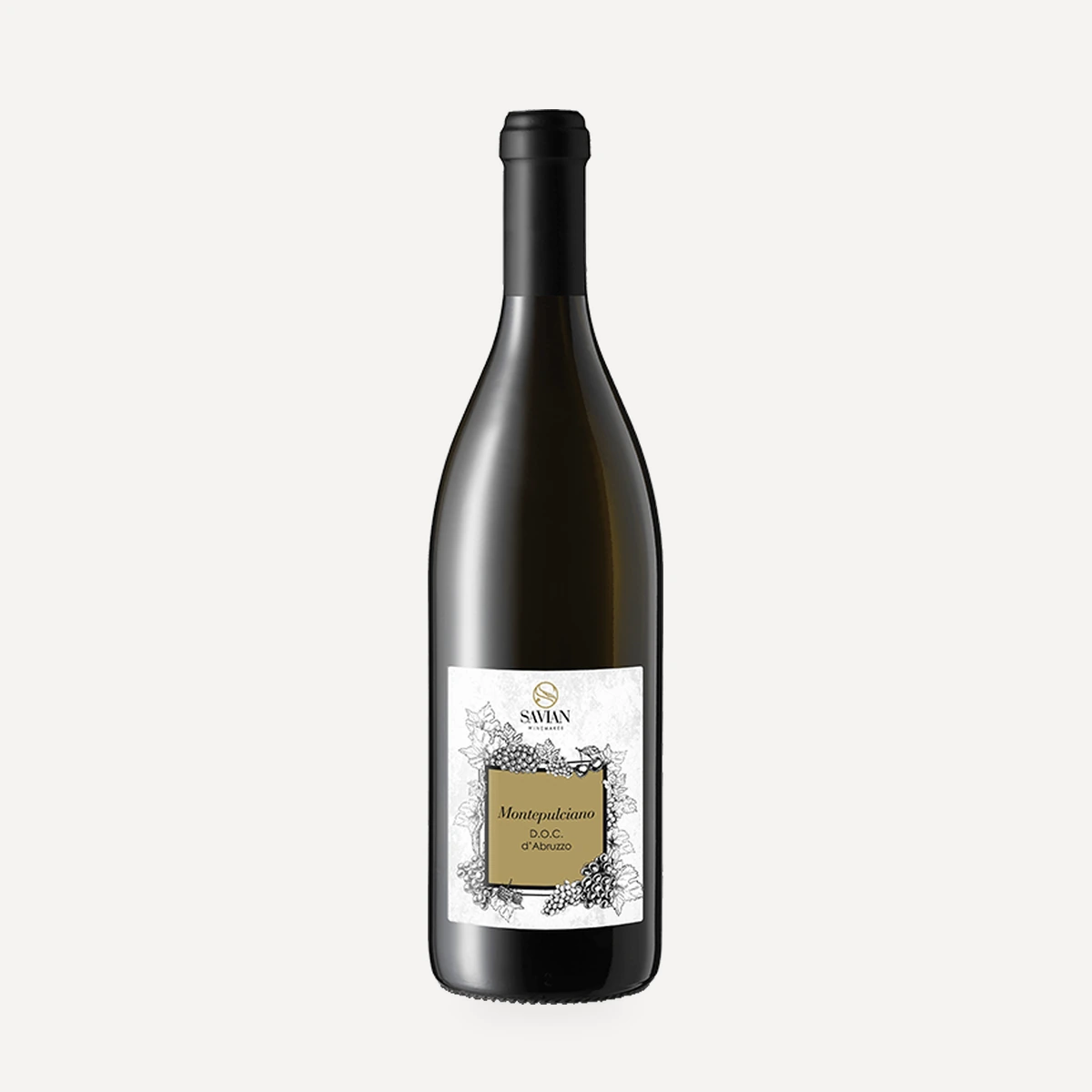
Le Selezioni Montepulciano DOC d'Abruzzo
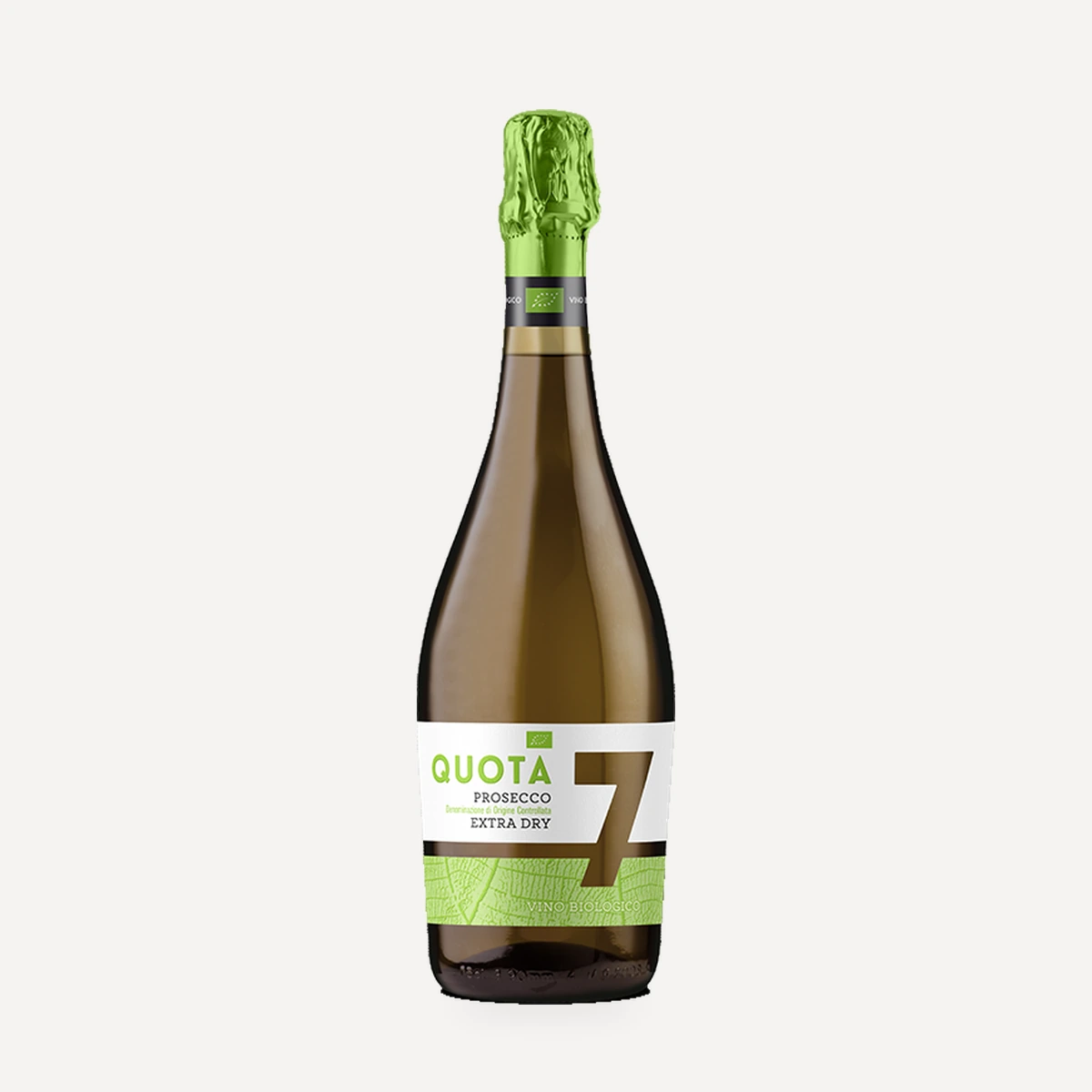
Quota 7 BIO Prosecco DOC Extra Dry
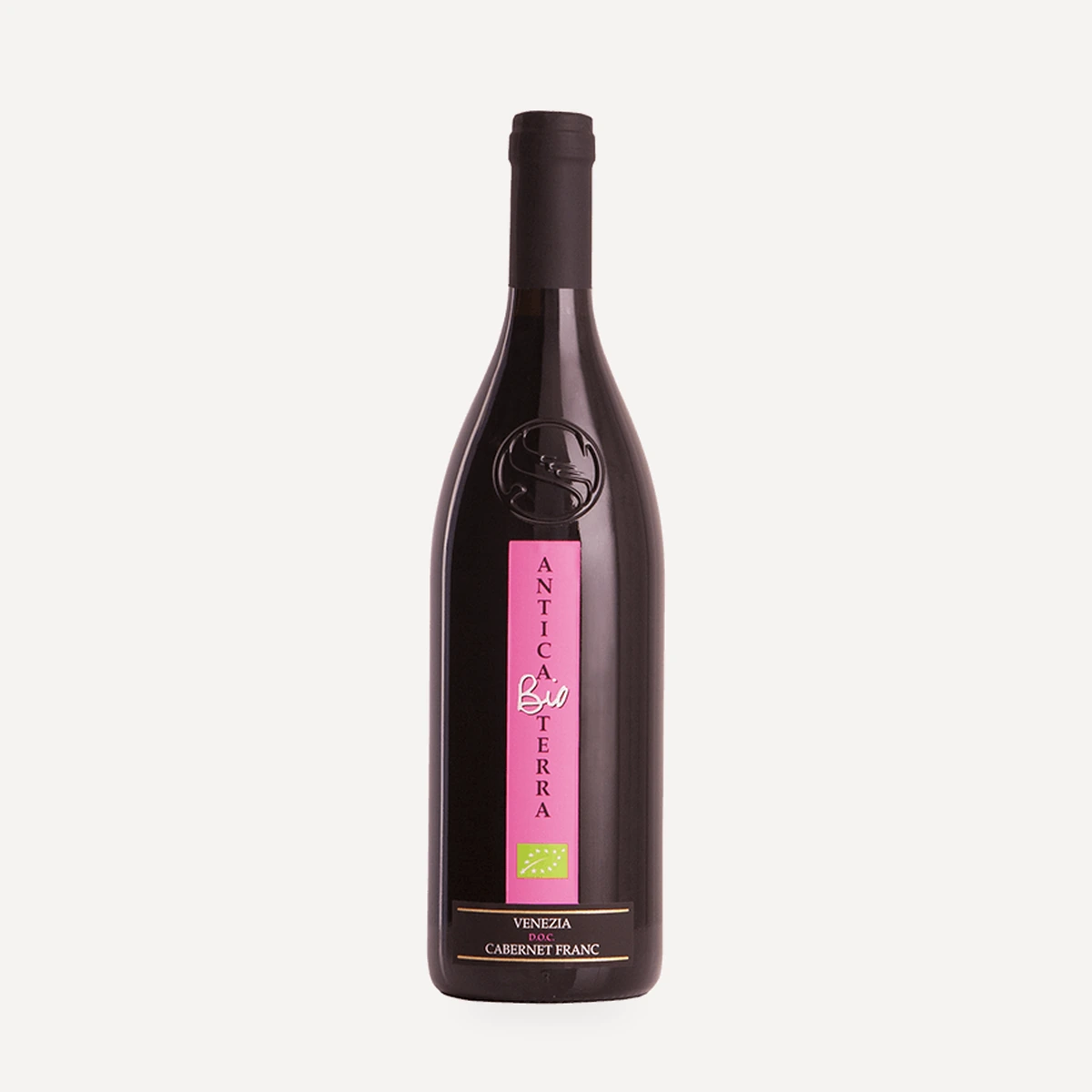
Antica Terra BIO Cabernet Franc DOC Venezia
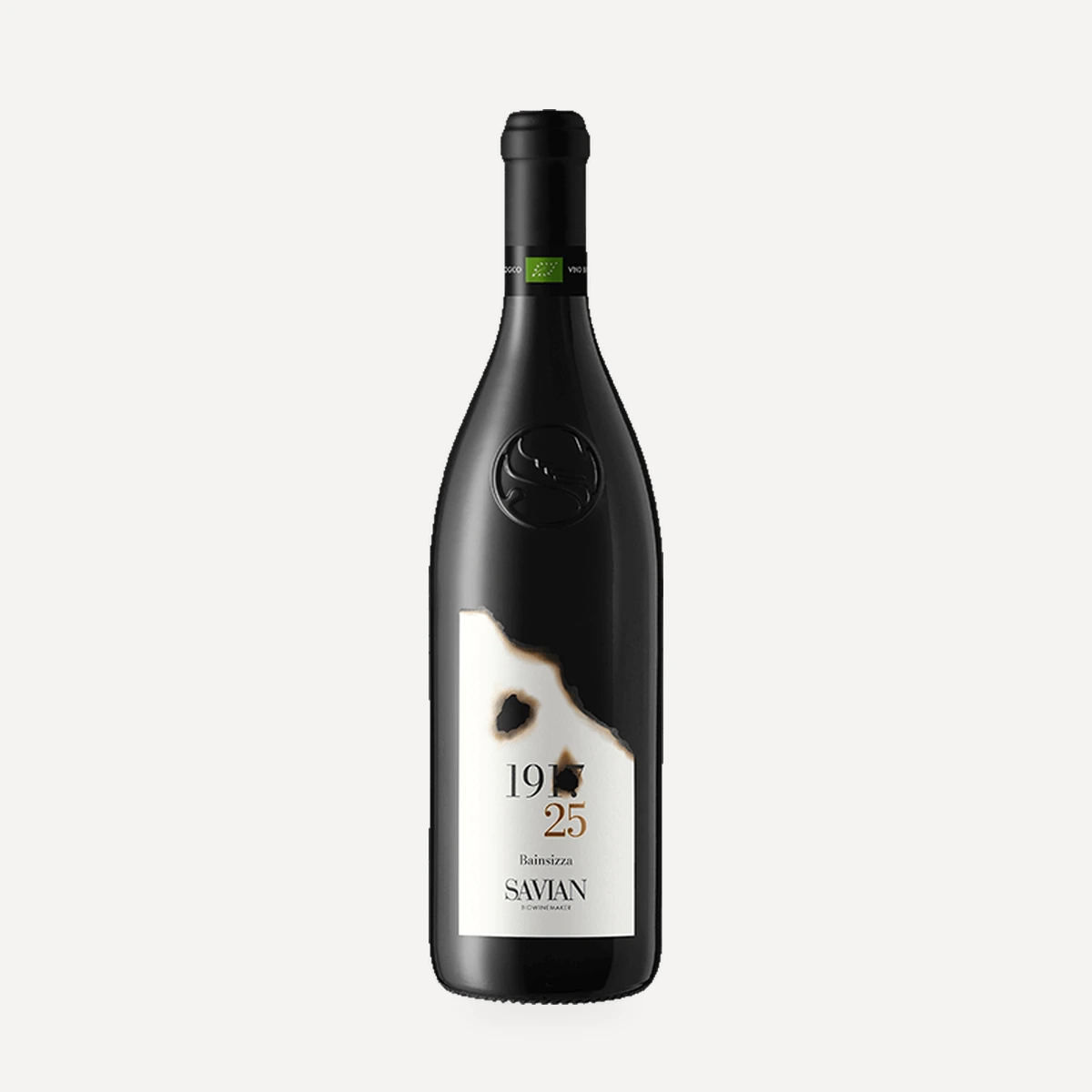
Bainsizza IGT Veneto
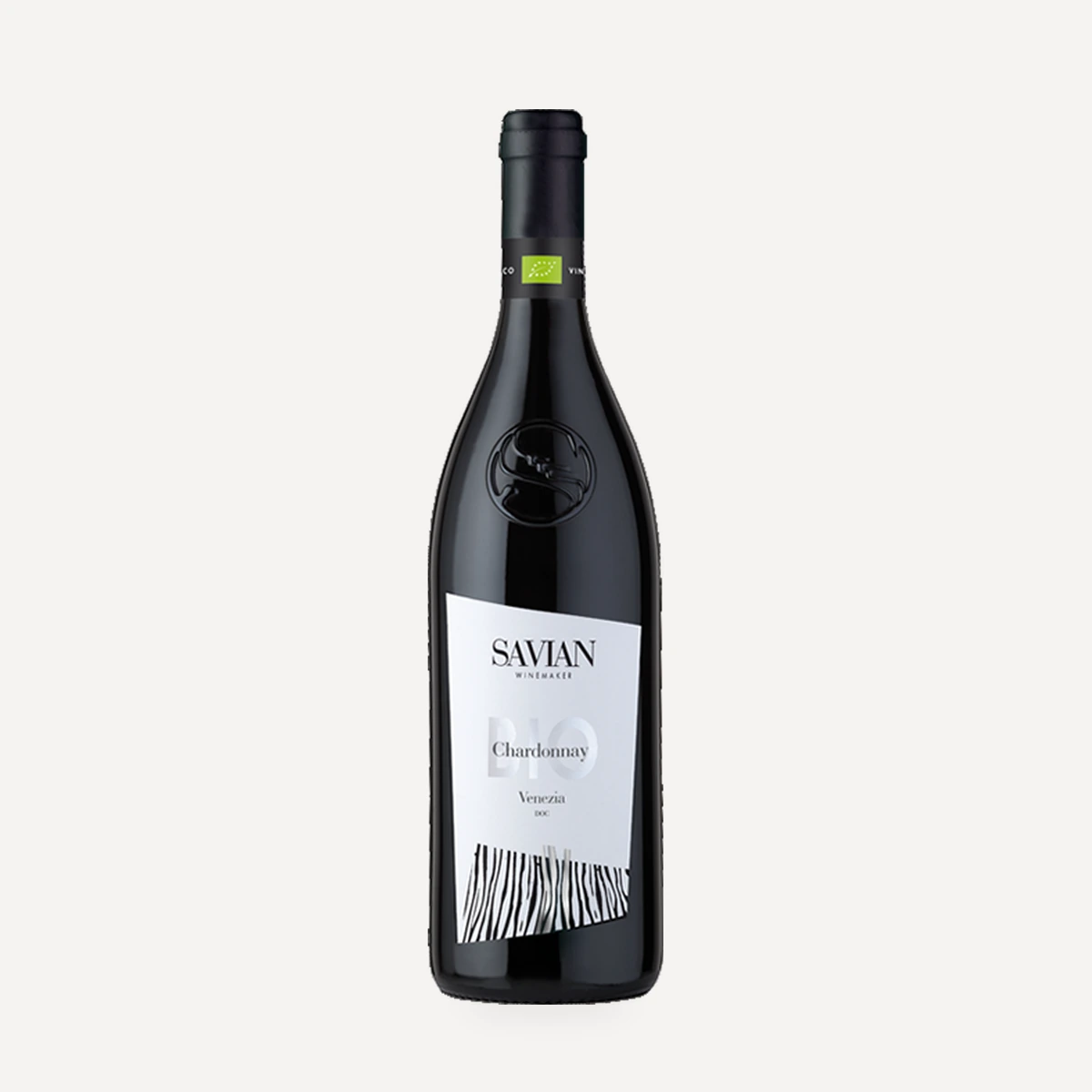
Chardonnay DOC Venezia
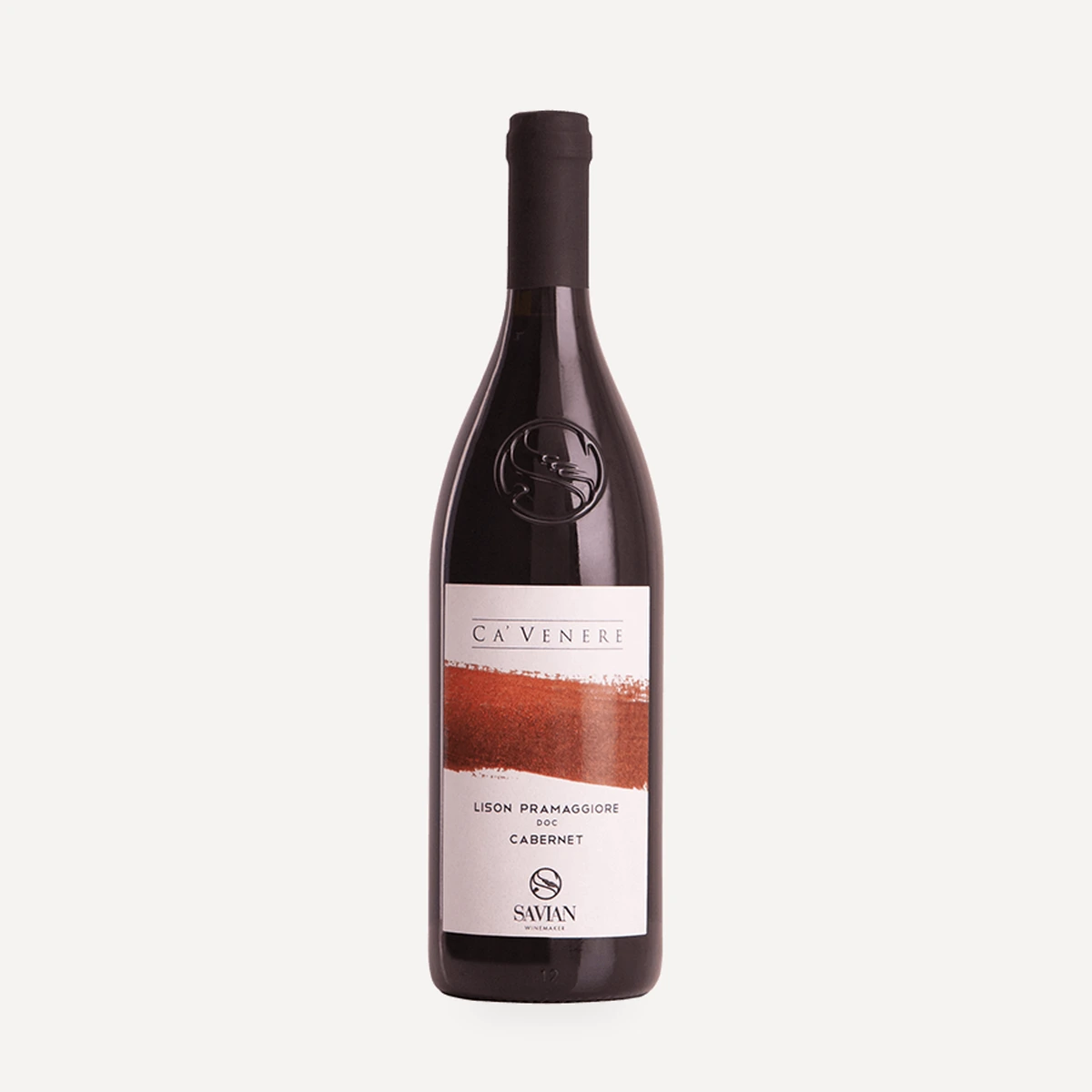
Cà Venere Cabernet DOC Lison Pramaggiore
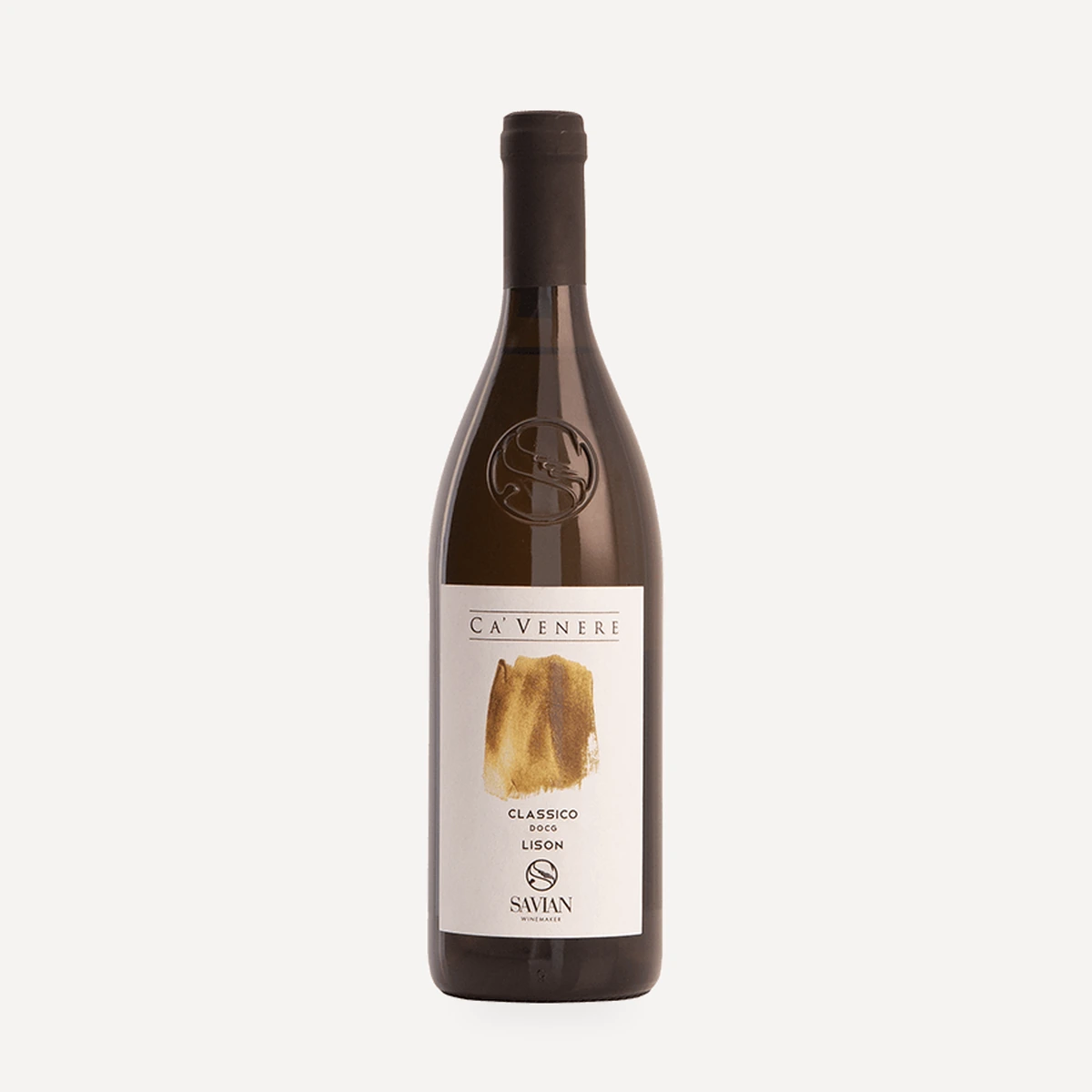
Cà Venere Classico DOCG Lison
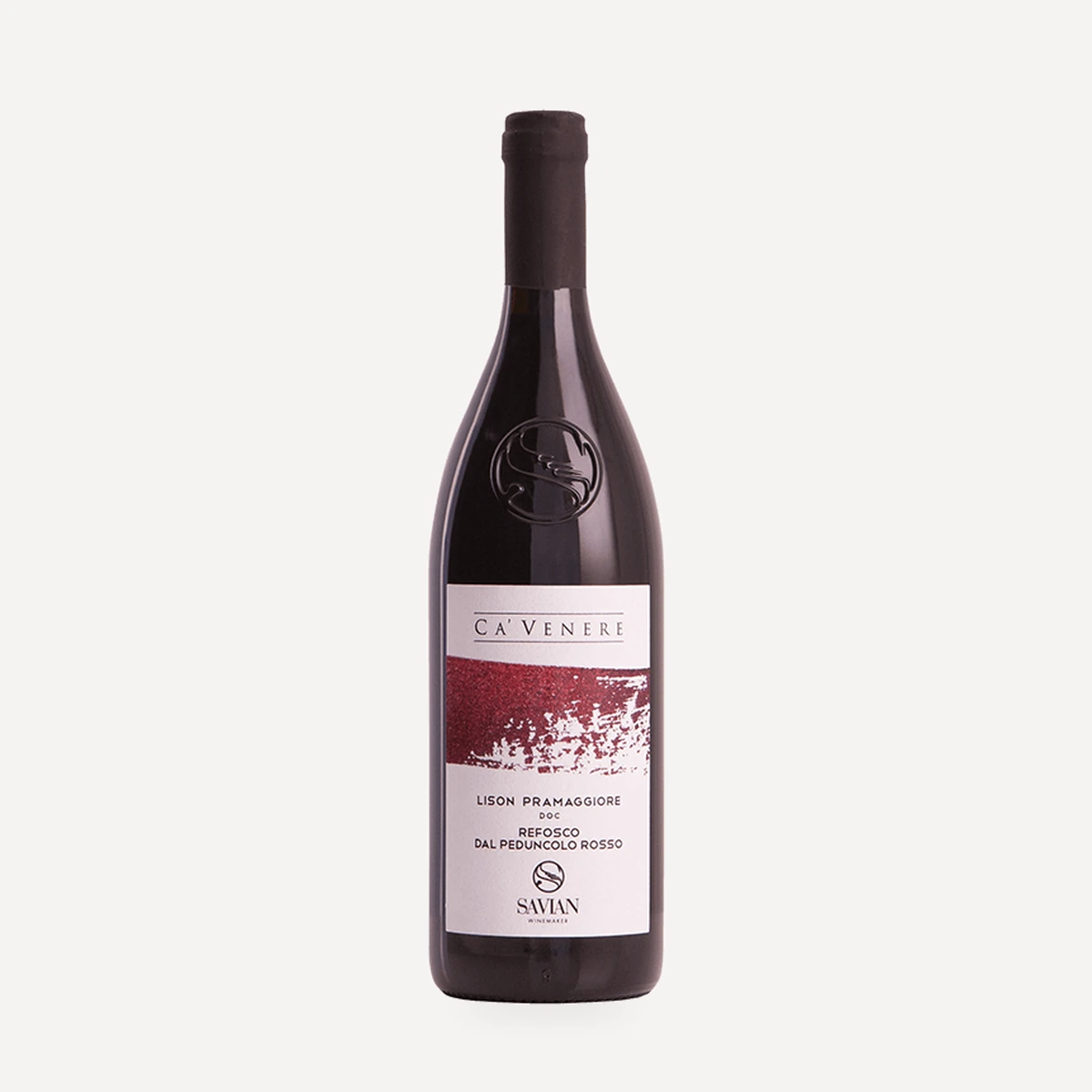
Cà Venere Refosco dal Peduncolo Rosso DOC Lison Pramaggiore
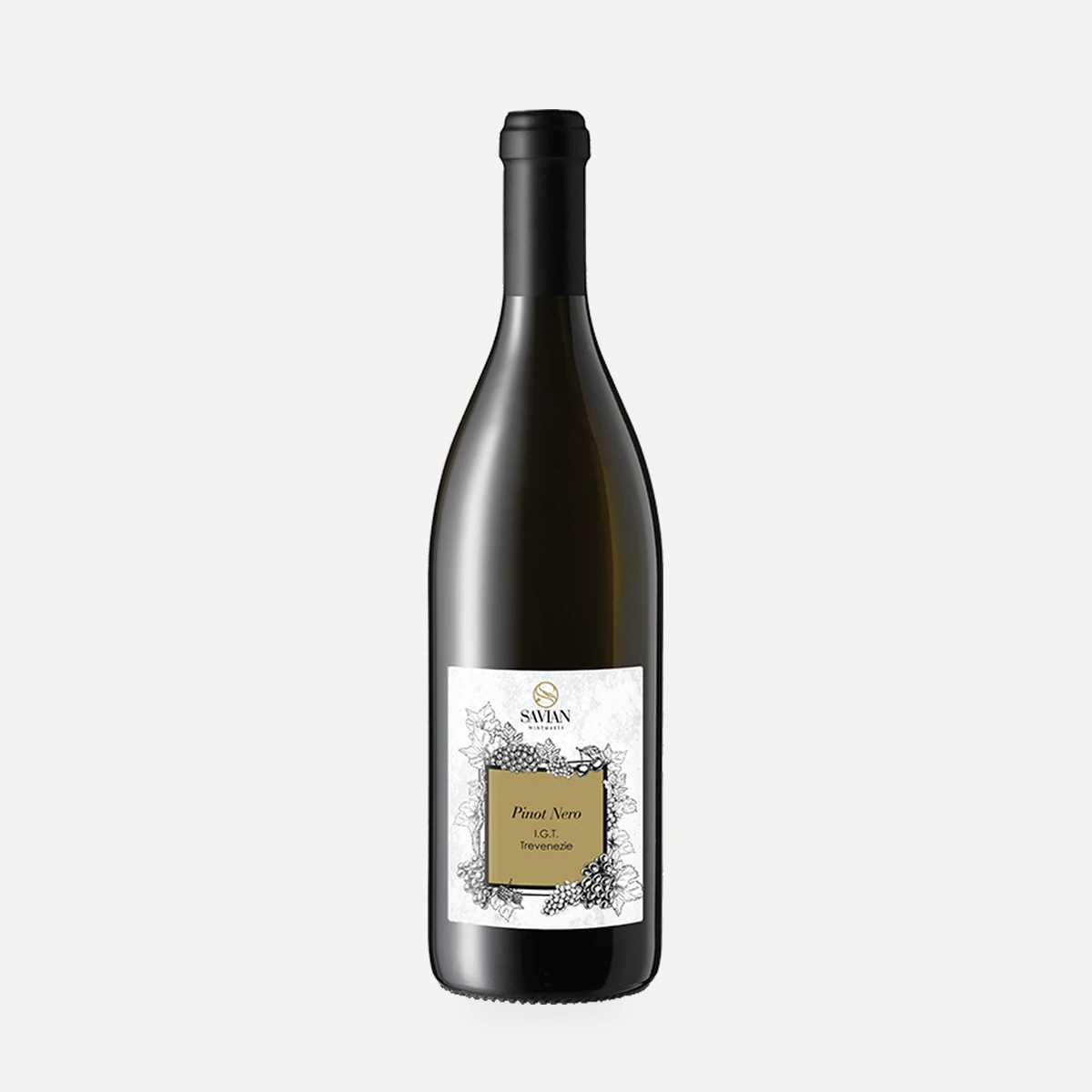
Le Selezioni Pinot Nero IGT Trevenezie
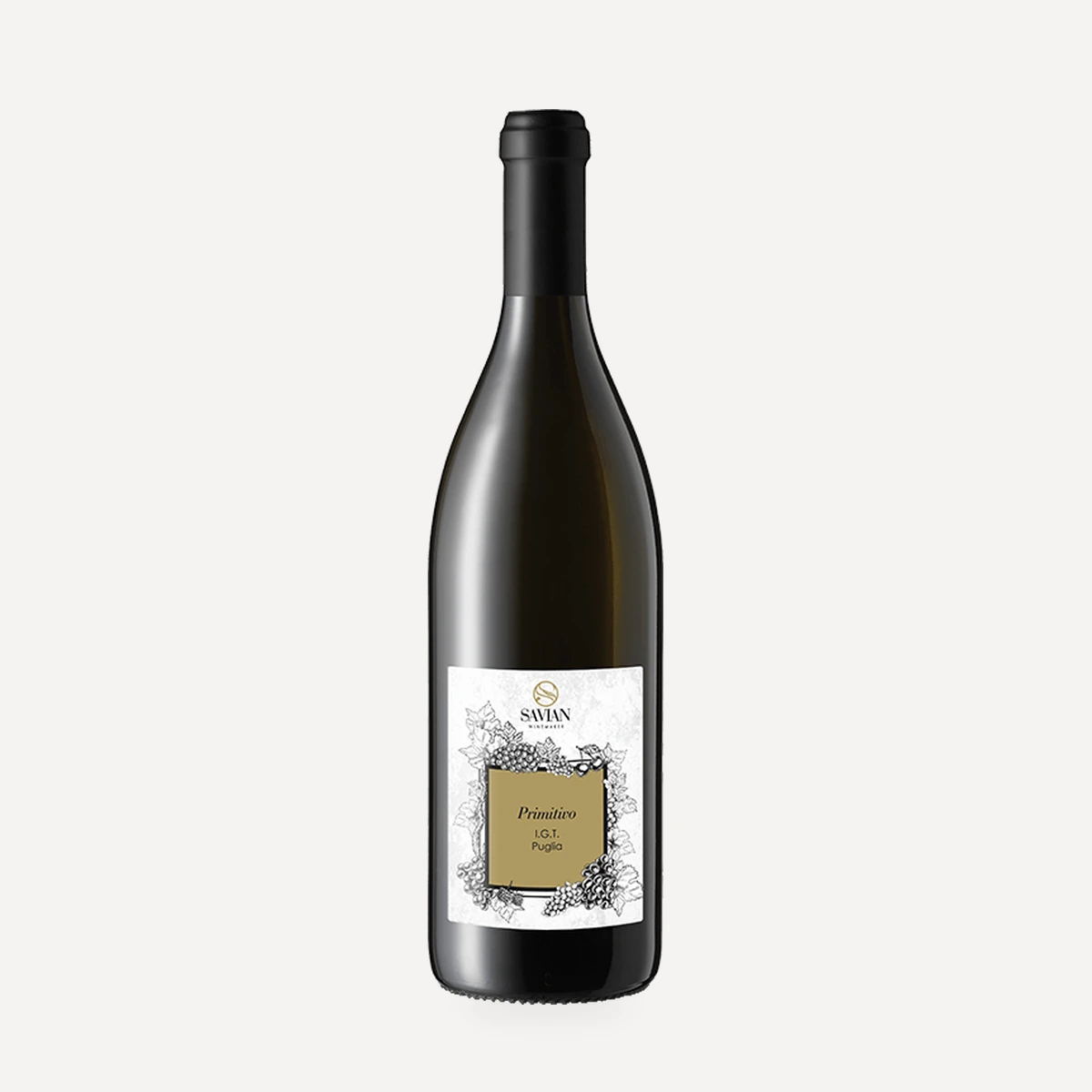
Le Selezioni Primitivo IGT Puglia
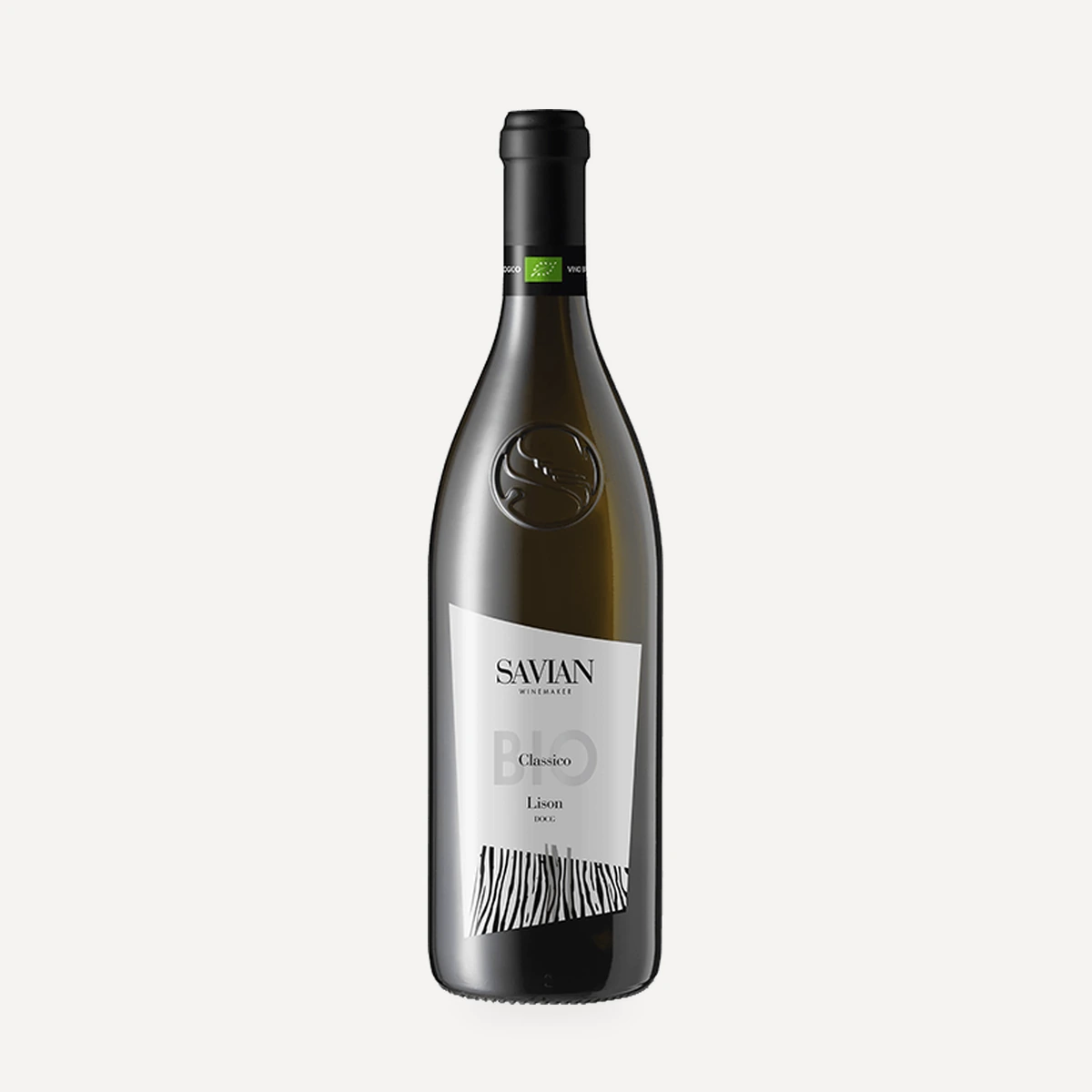
Lison Classico DOCG Lison
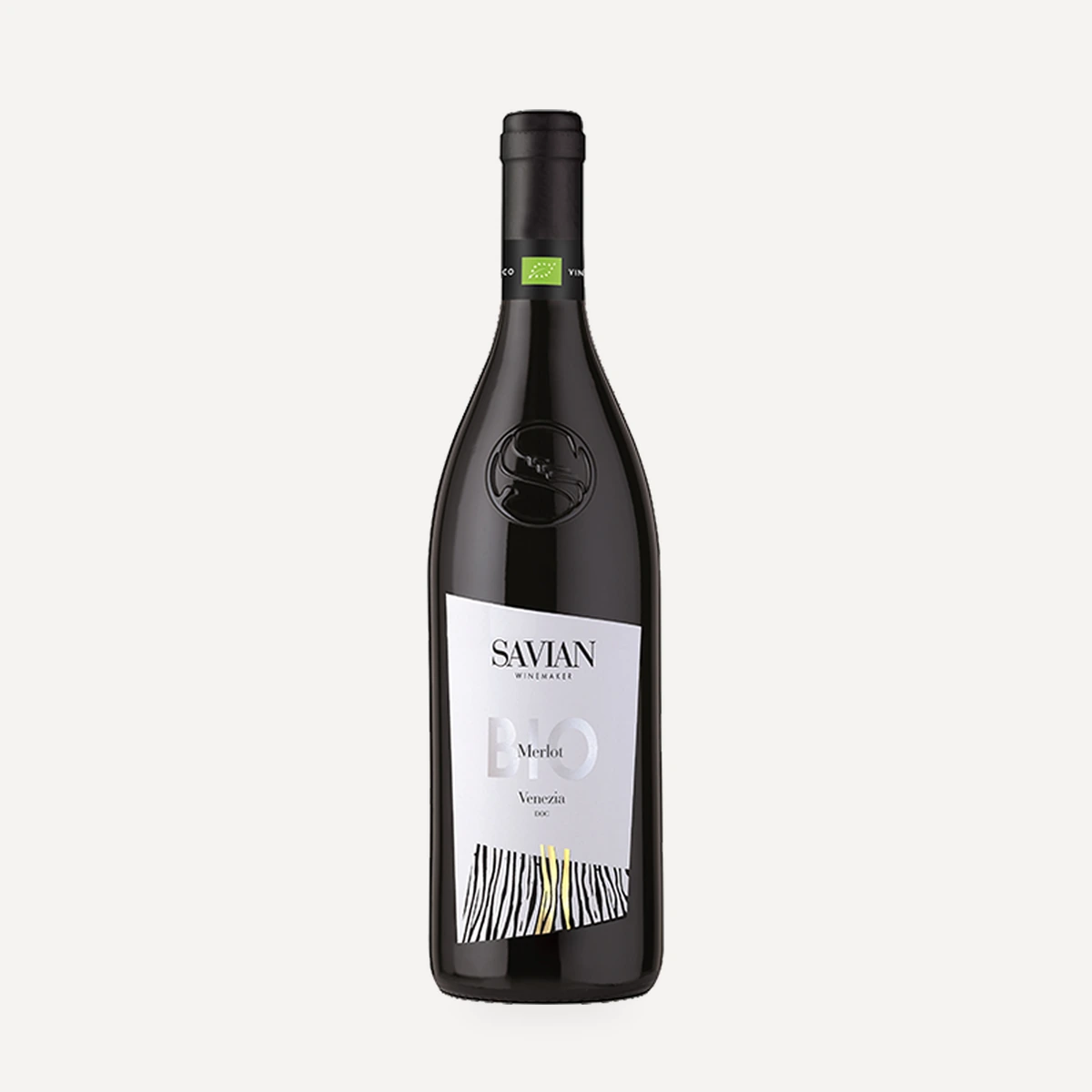
Merlot DOC Venezia
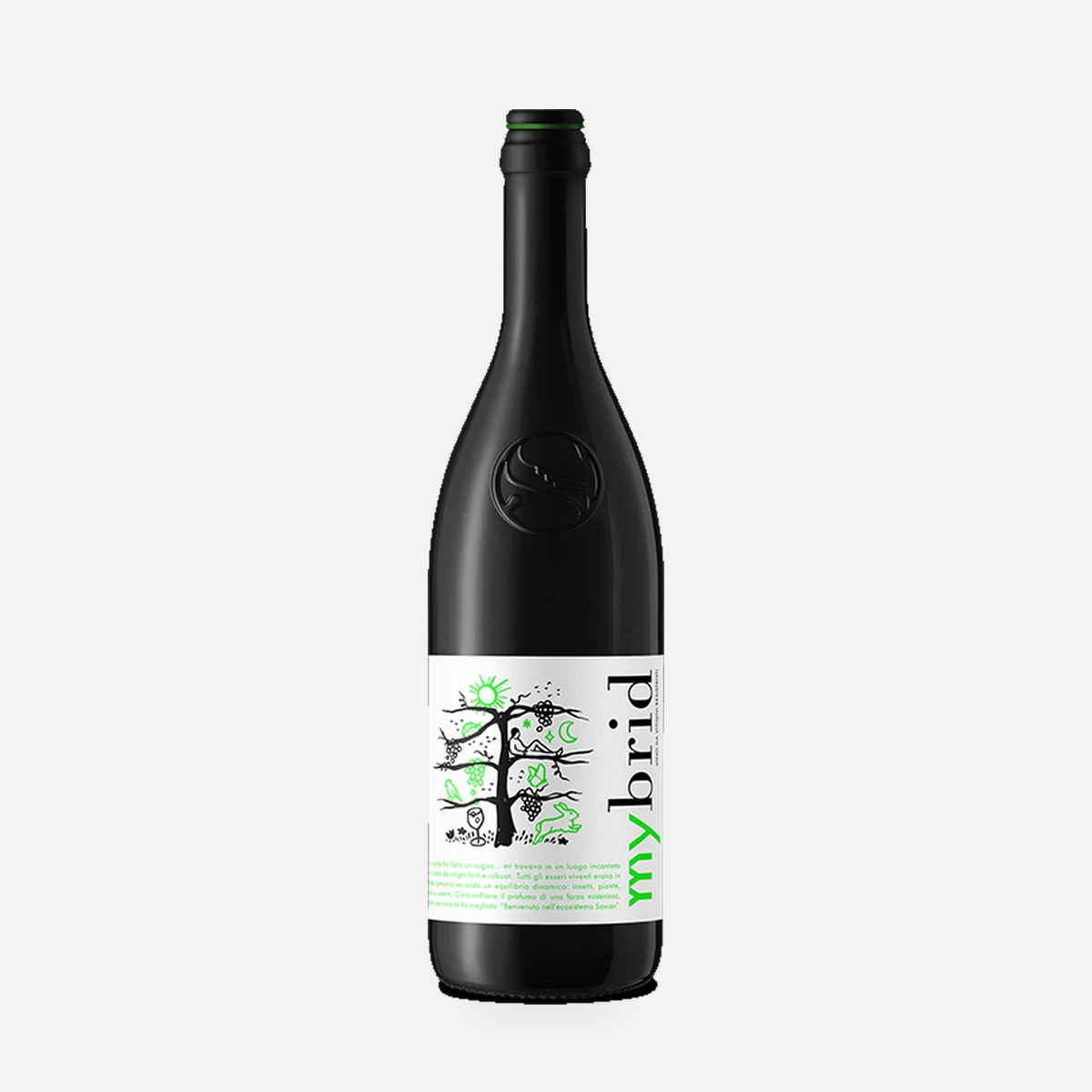
Mybrid IGT Veneto Bianco
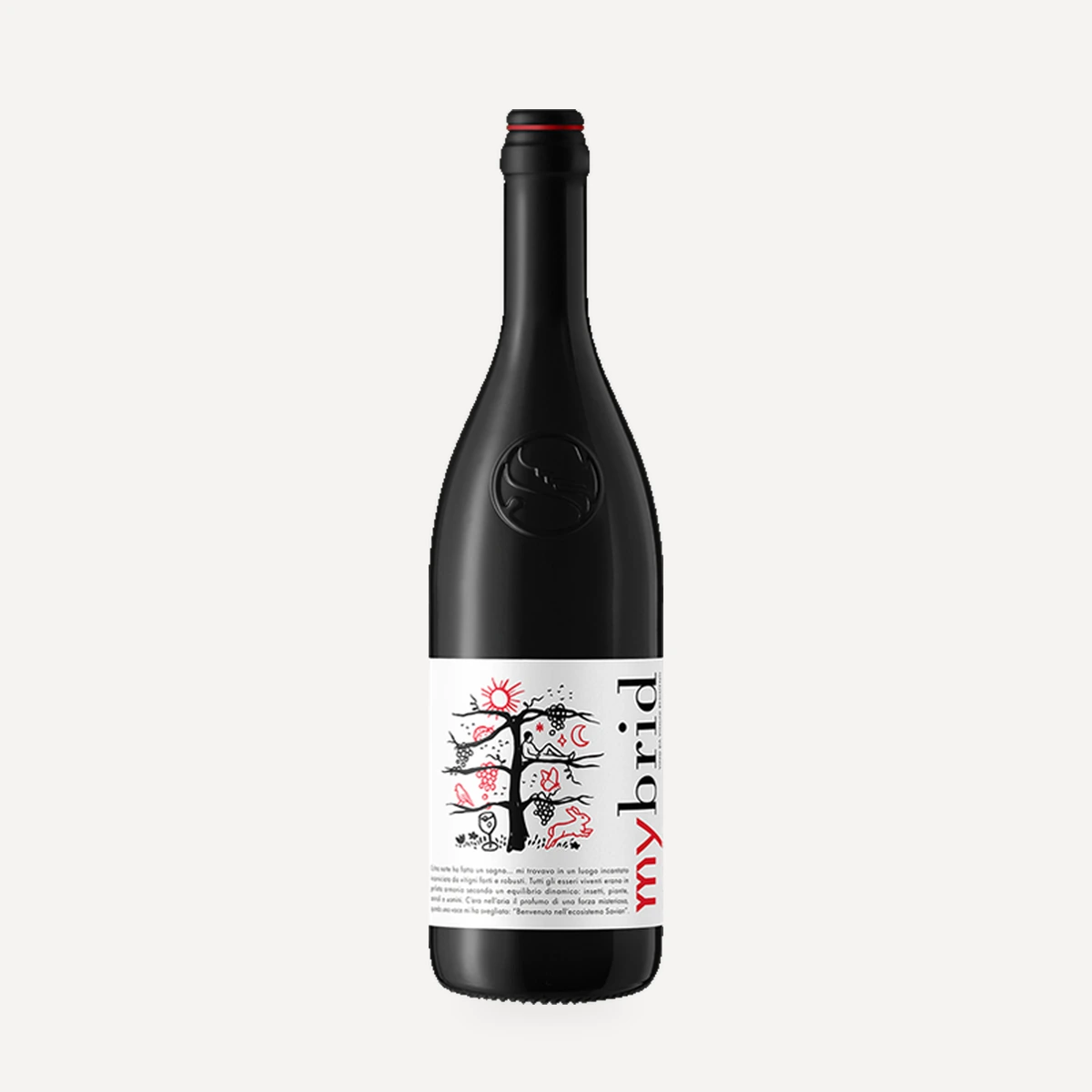
Mybrid IGT Veneto Rosso
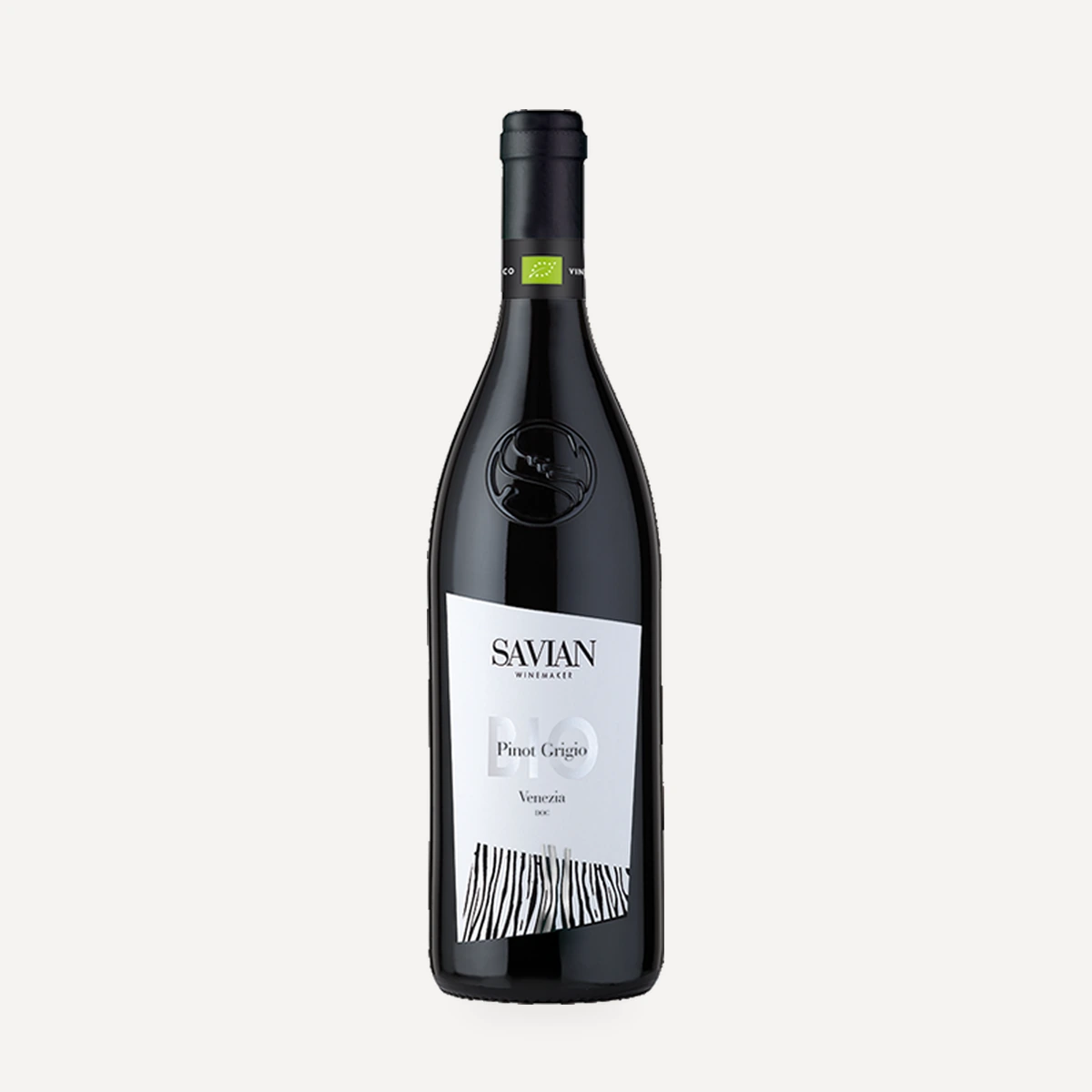
Pinot Grigio DOC Venezia
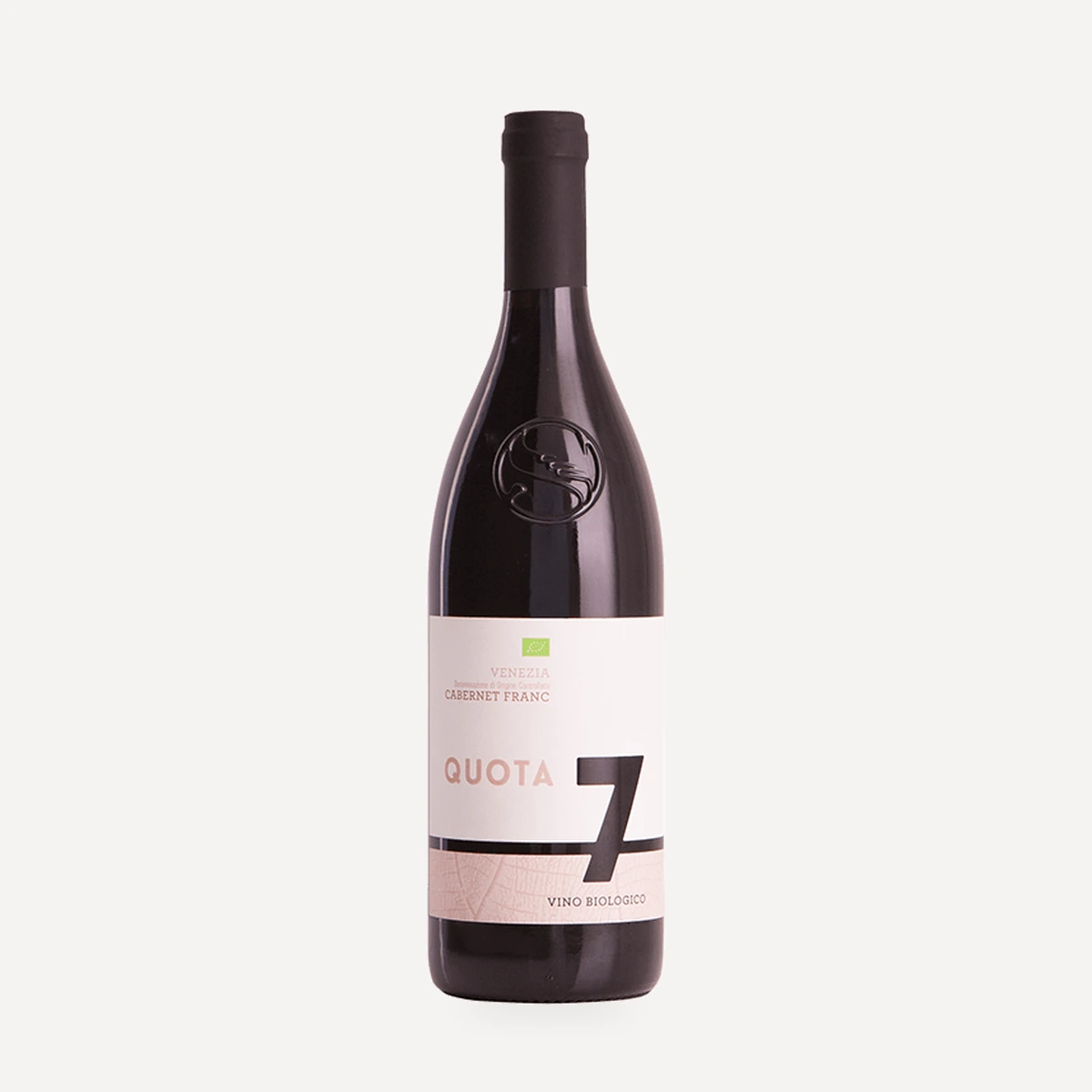
Quota 7 BIO Cabernet Franc DOC Venezia
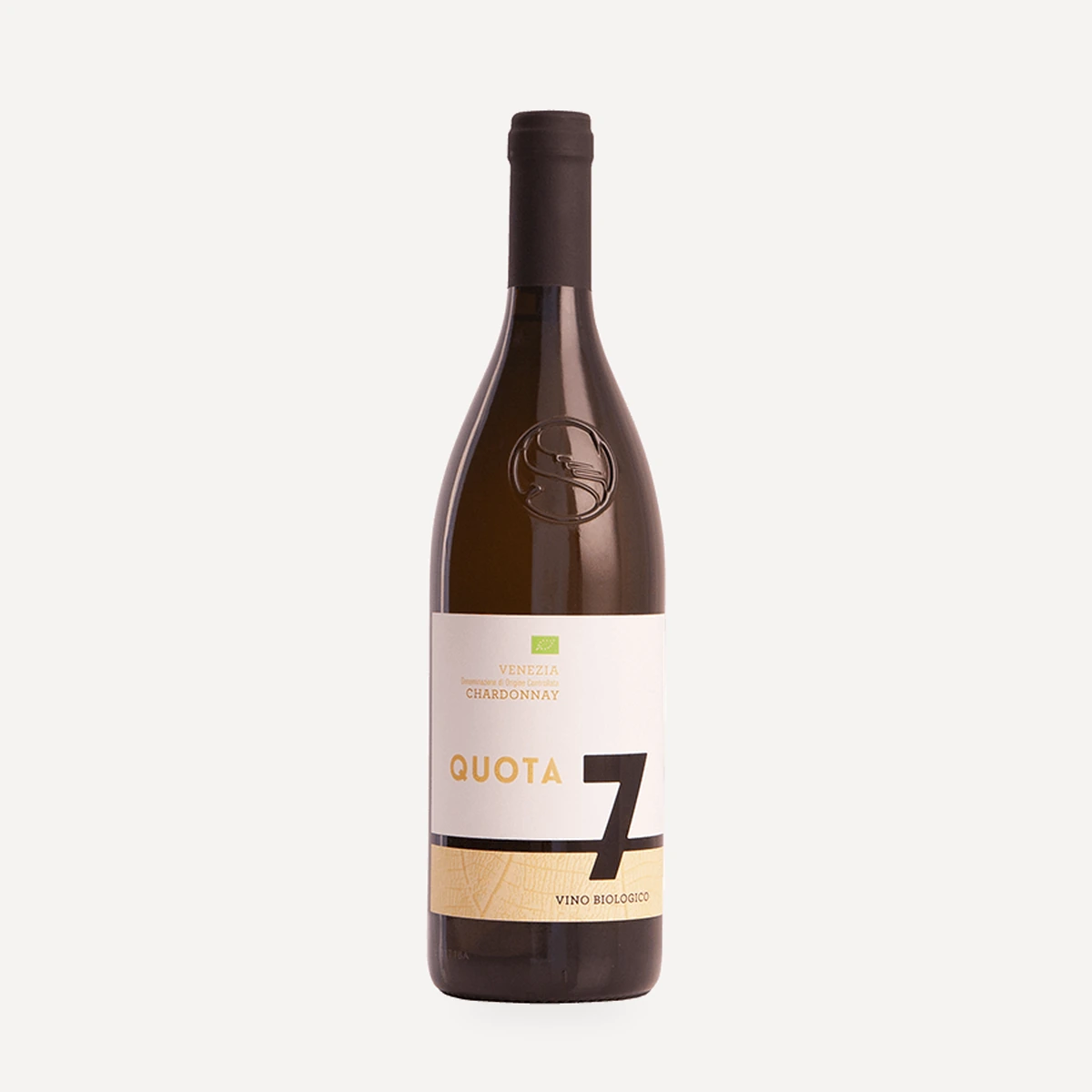
Quota 7 BIO Chardonnay DOC Venezia
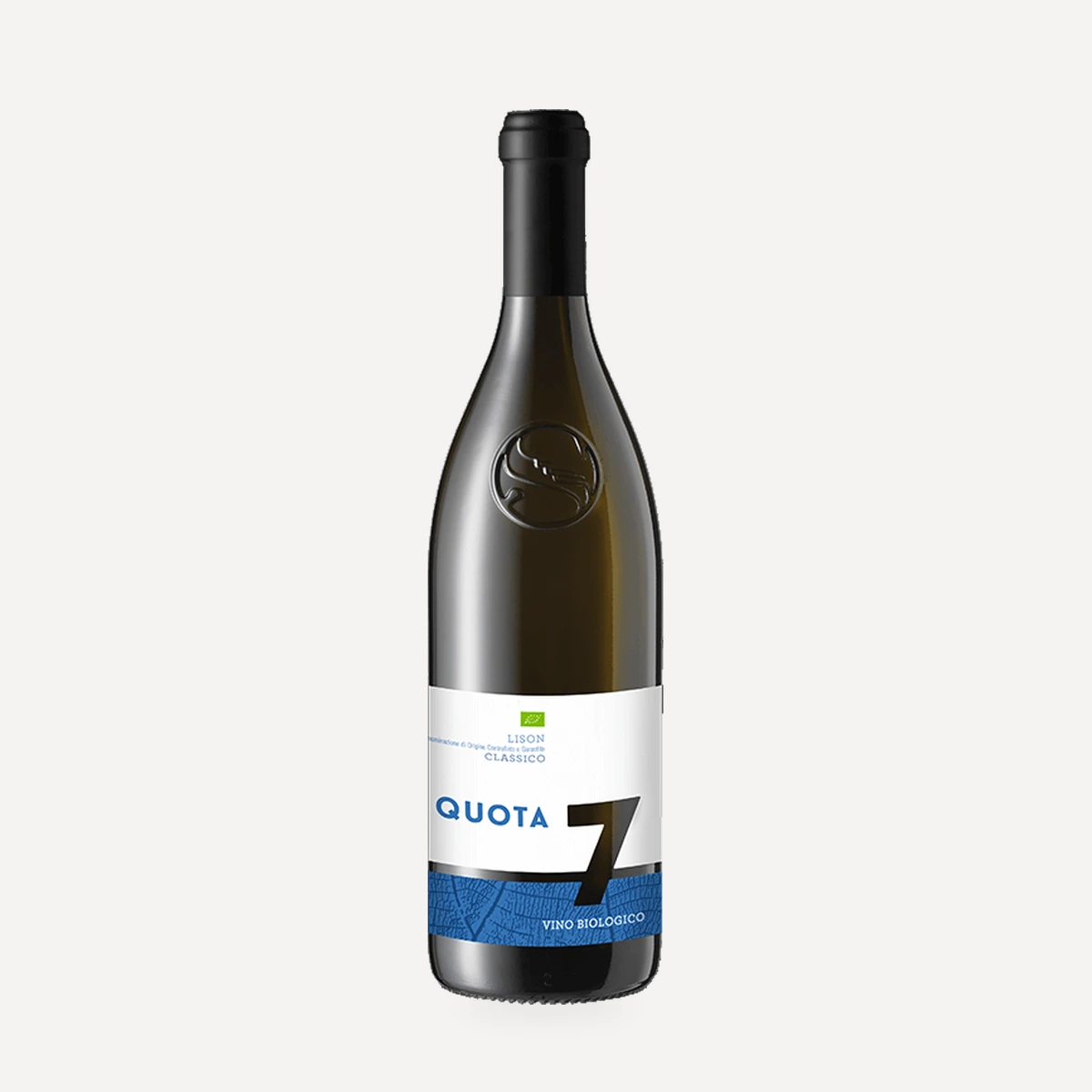
Quota 7 BIO Lison Classico DOCG
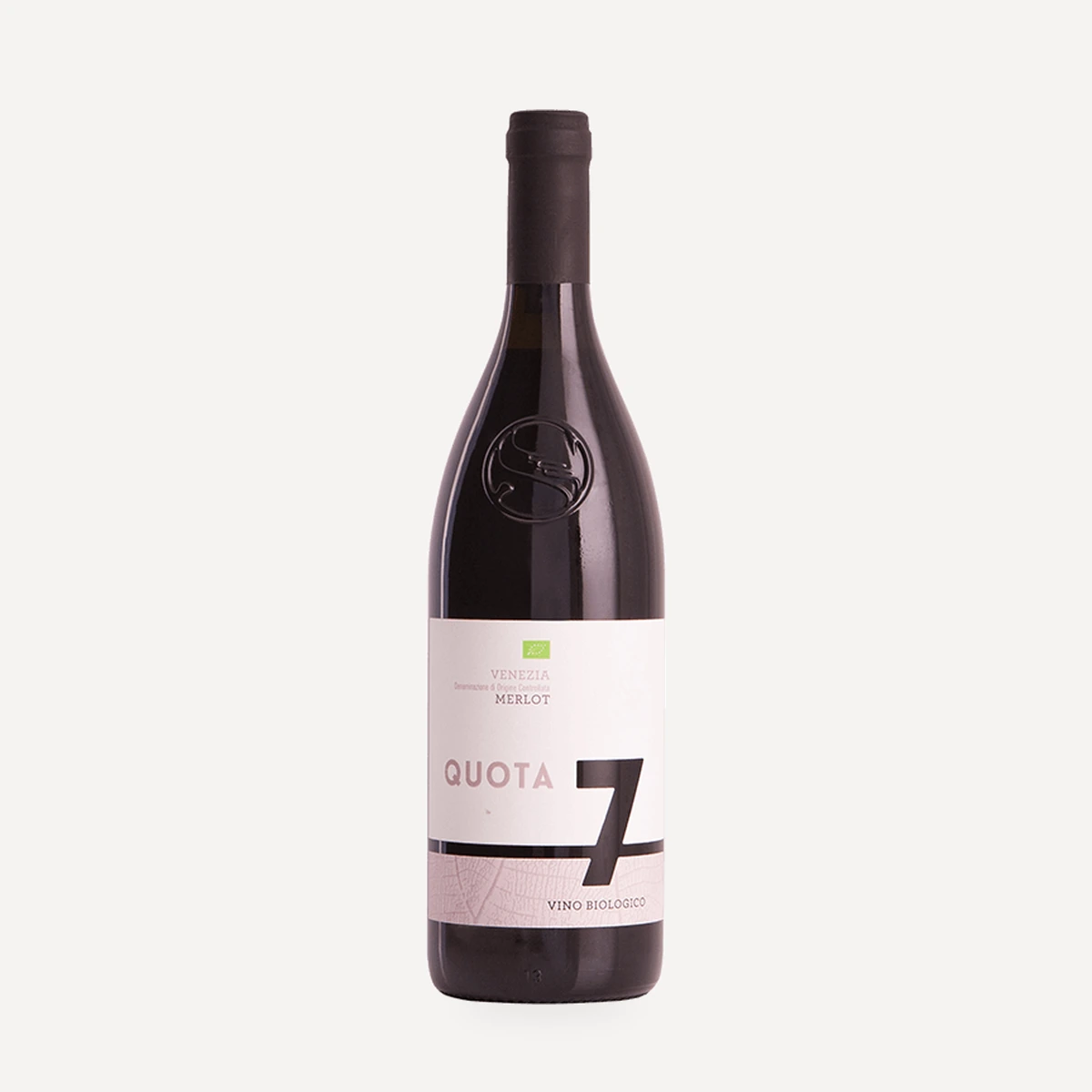
Quota 7 BIO Merlot DOC Venezia
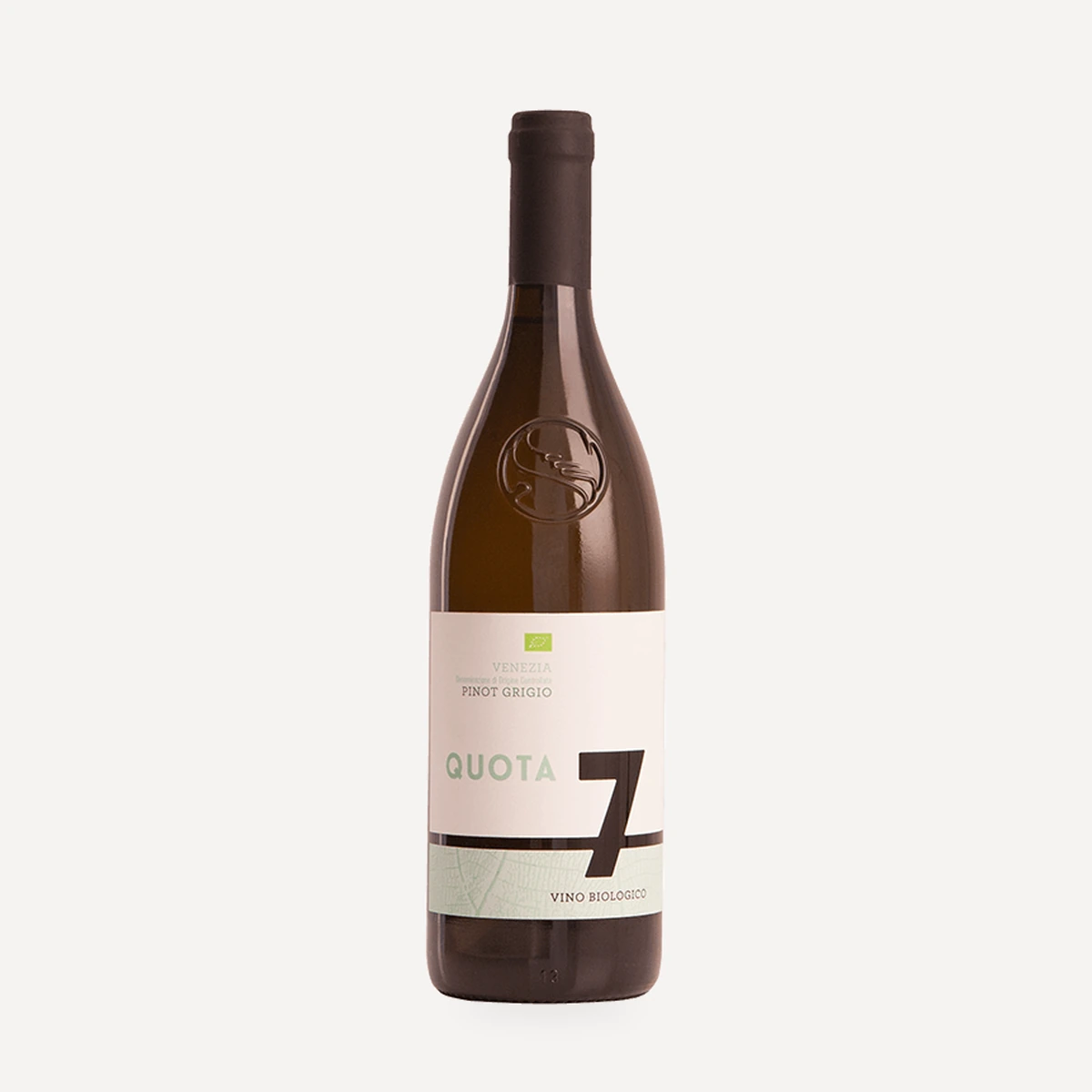
Quota 7 BIO Pinot Grigio DOC Venezia
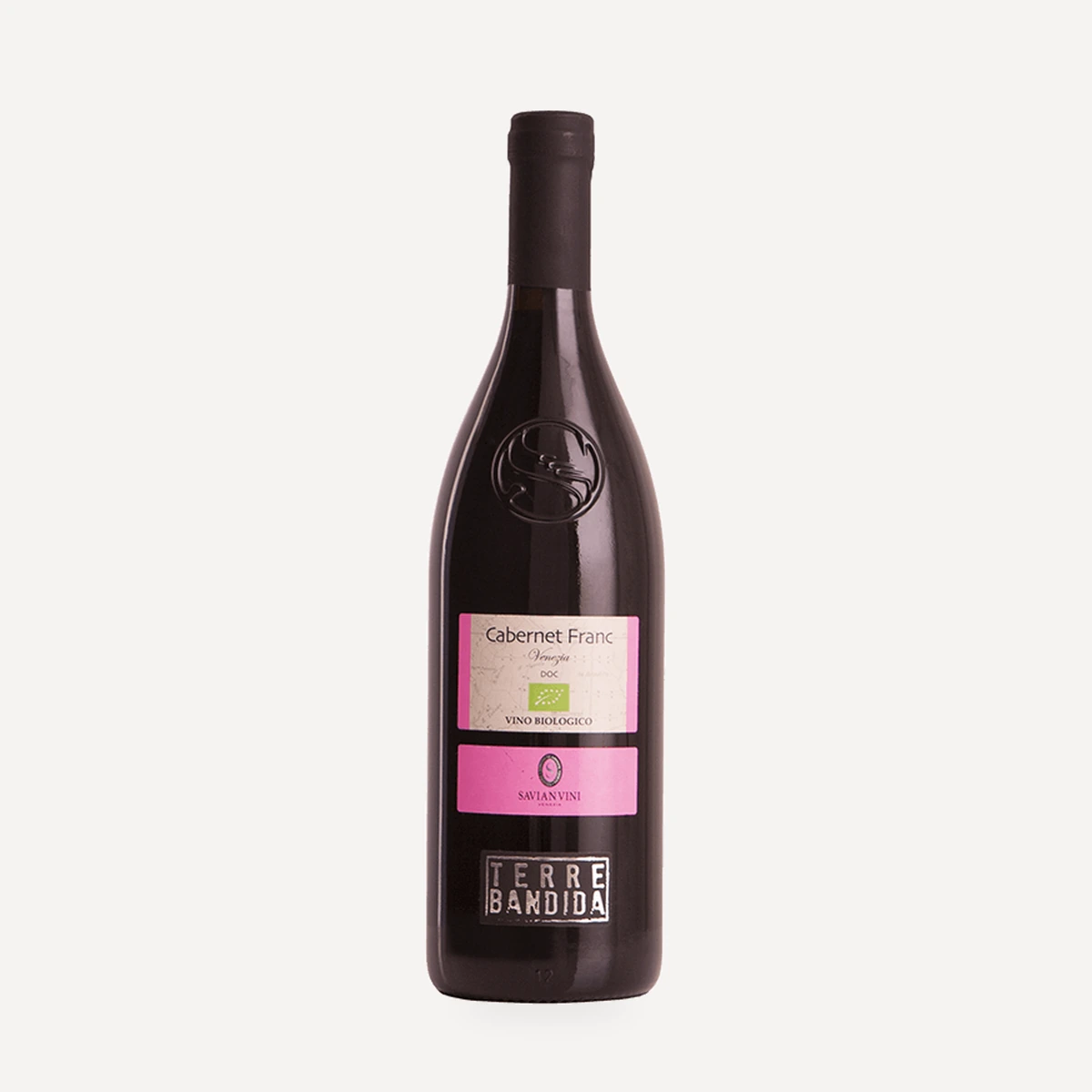
Terre Bandida BIO Cabernet Franc DOC Venezia
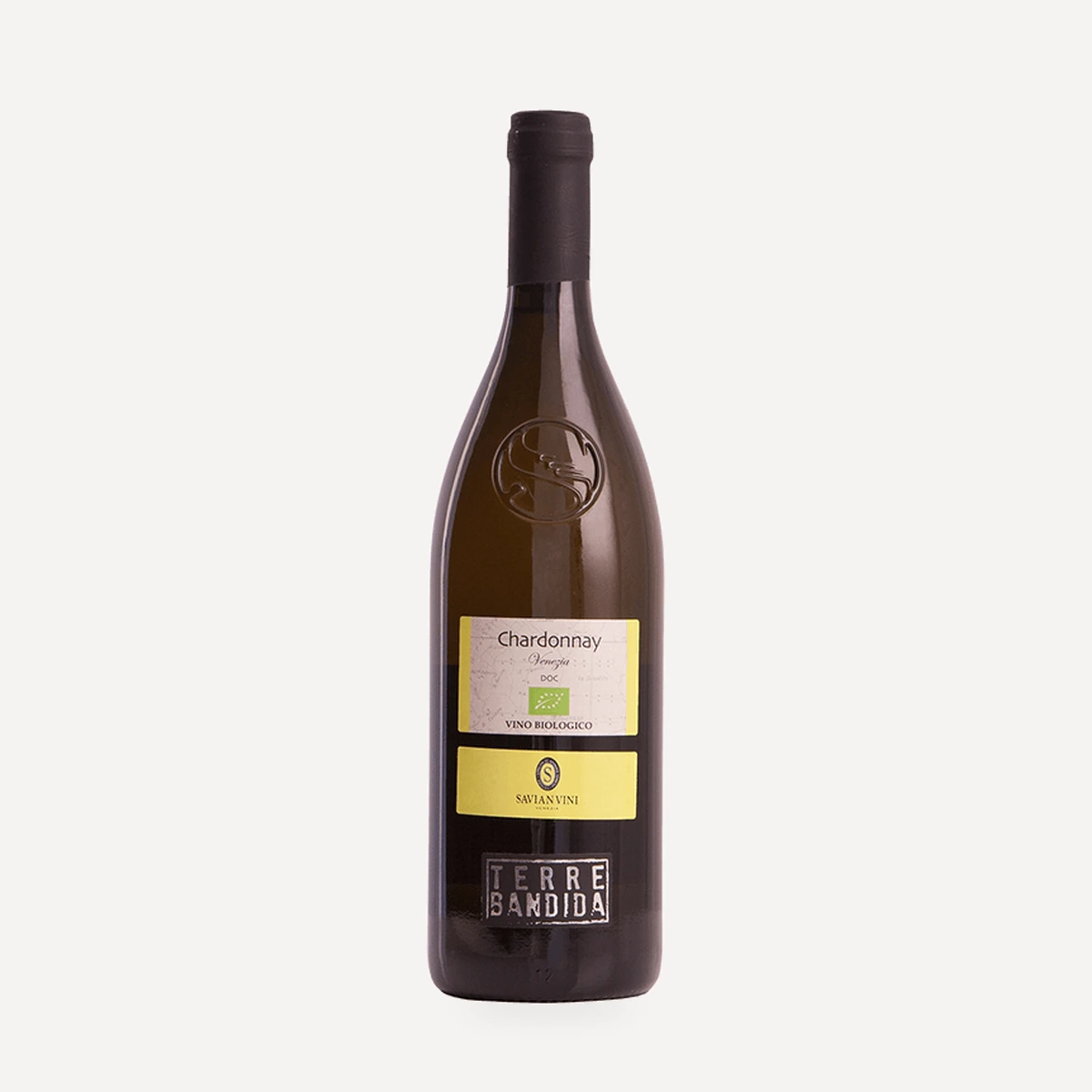
Terre Bandida BIO Chardonnay DOC Venezia
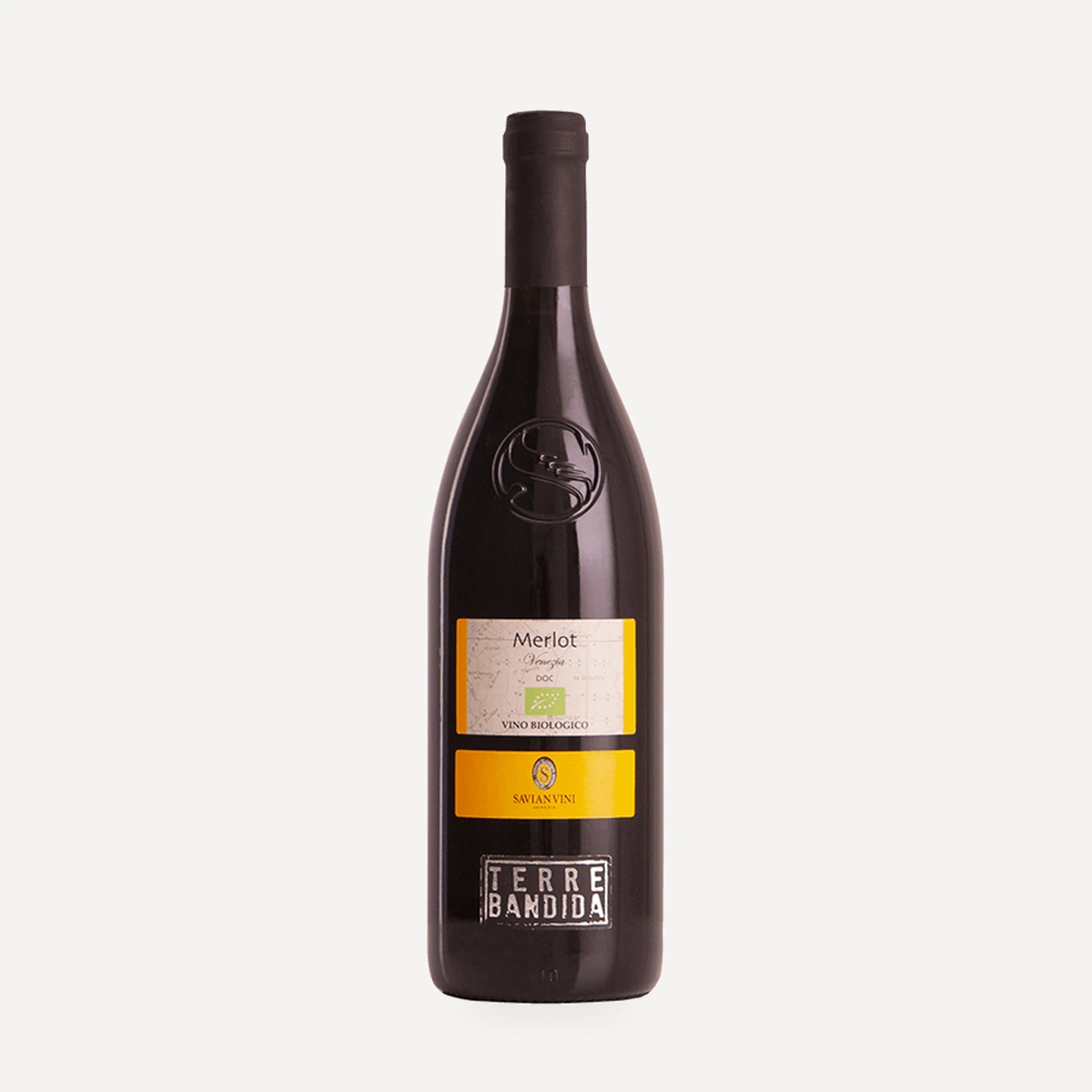
Terre Bandida BIO Merlot DOC Venezia
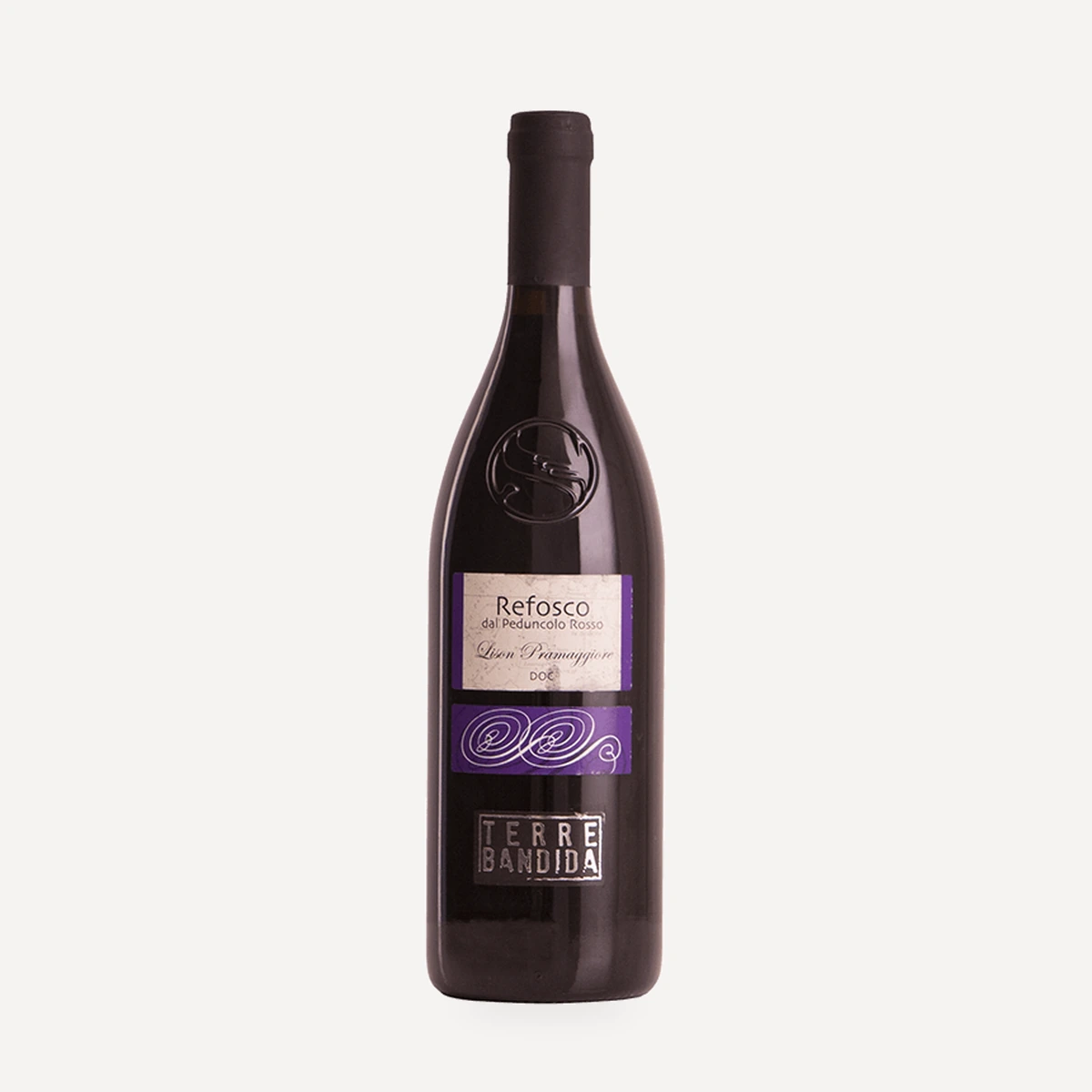
Terre Bandida Refosco dal Peduncolo Rosso DOC Lison Pramaggiore
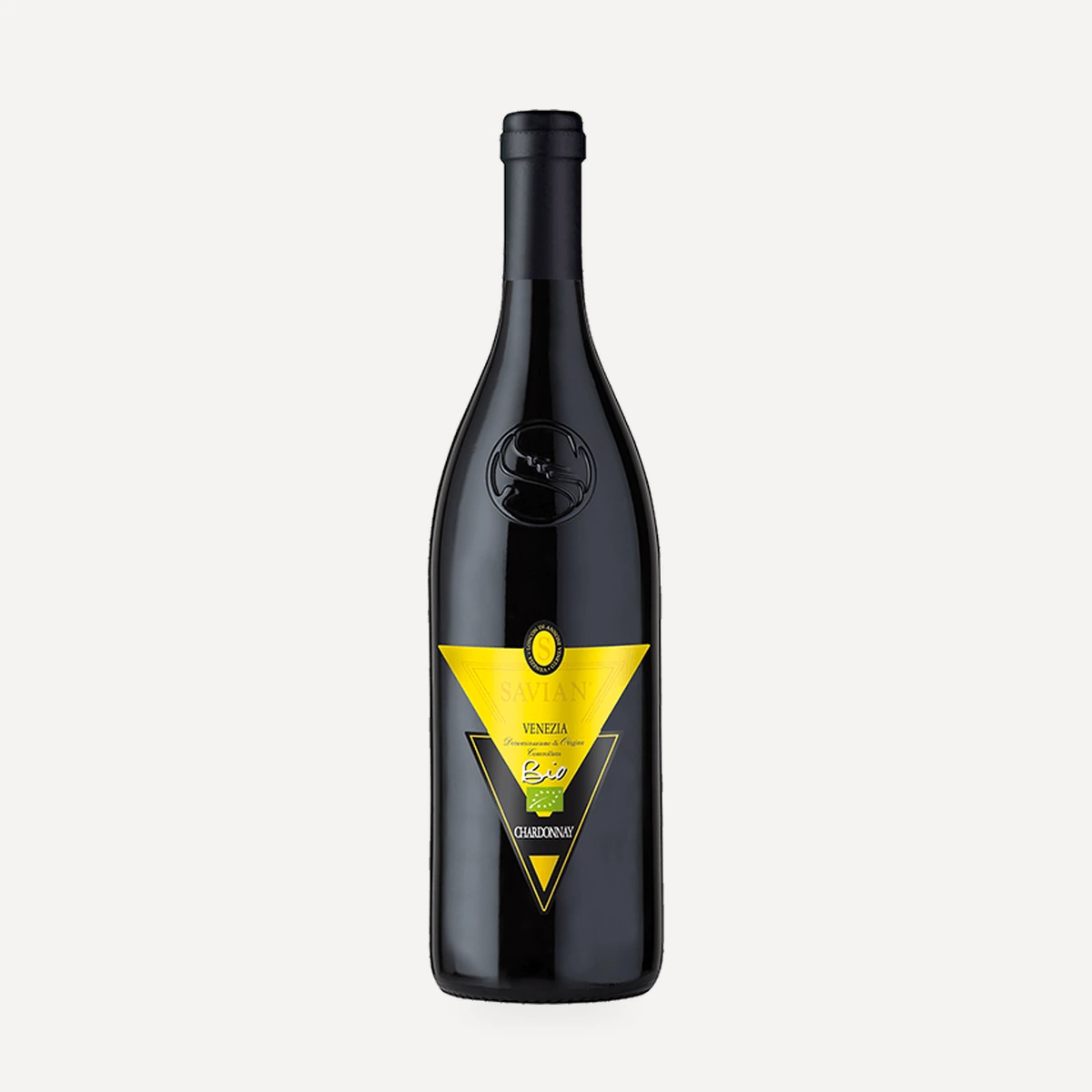
Triangolo BIO Chardonnay DOC Venezia
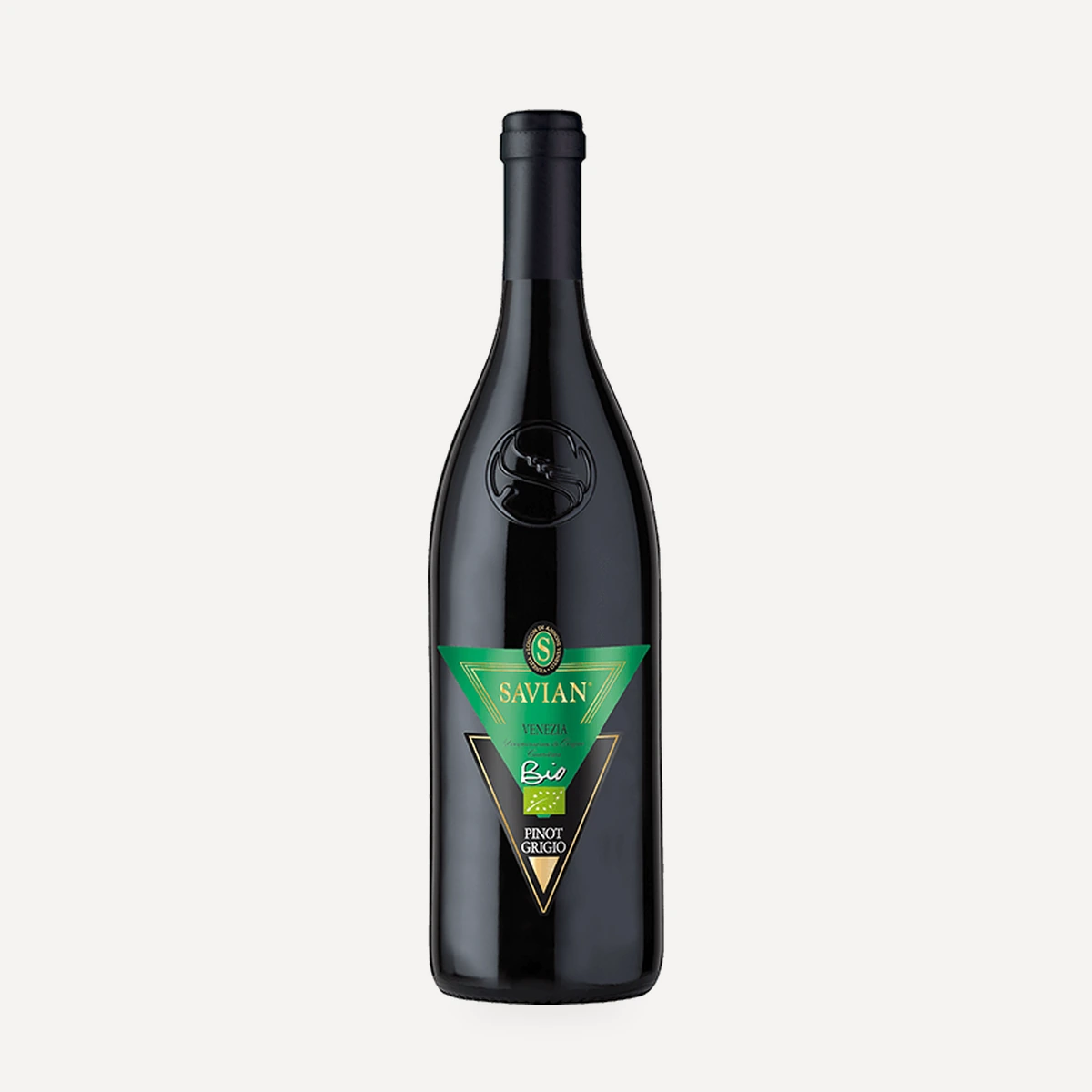
Triangolo BIO Pinot Grigio DOC Venezia
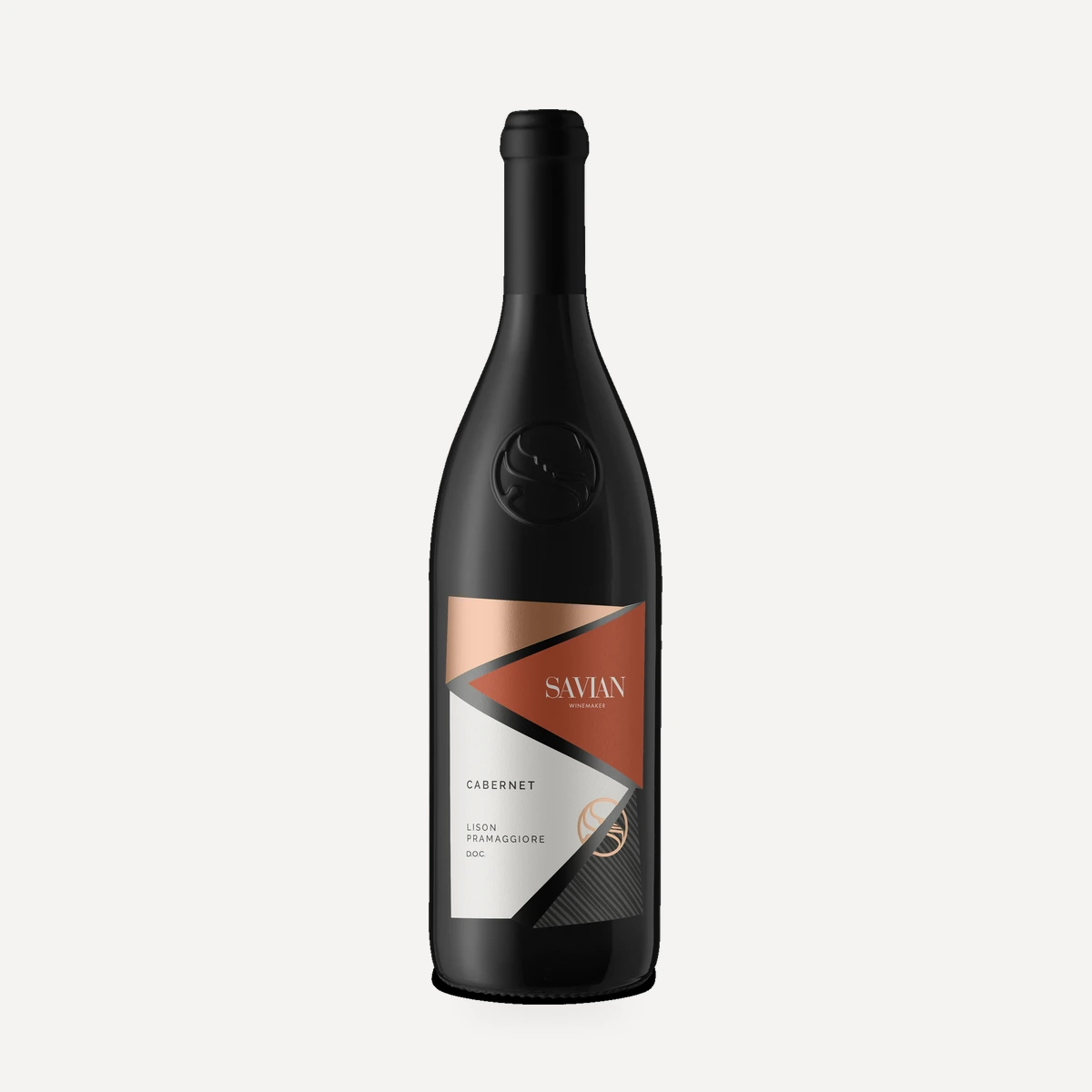
Triangolo Cabernet DOC Lison Pramaggiore
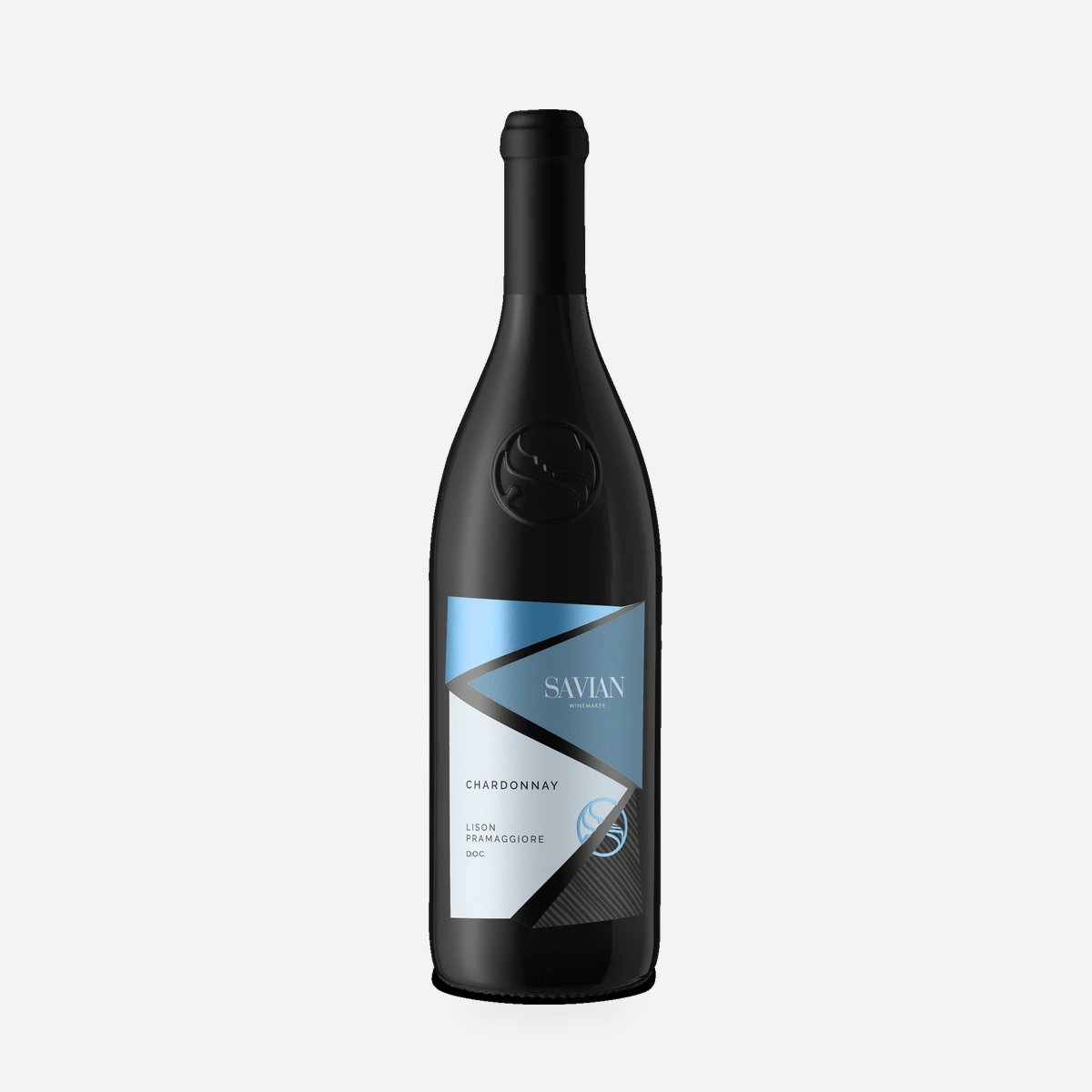
Triangolo Chardonnay DOC Lison Pramaggiore
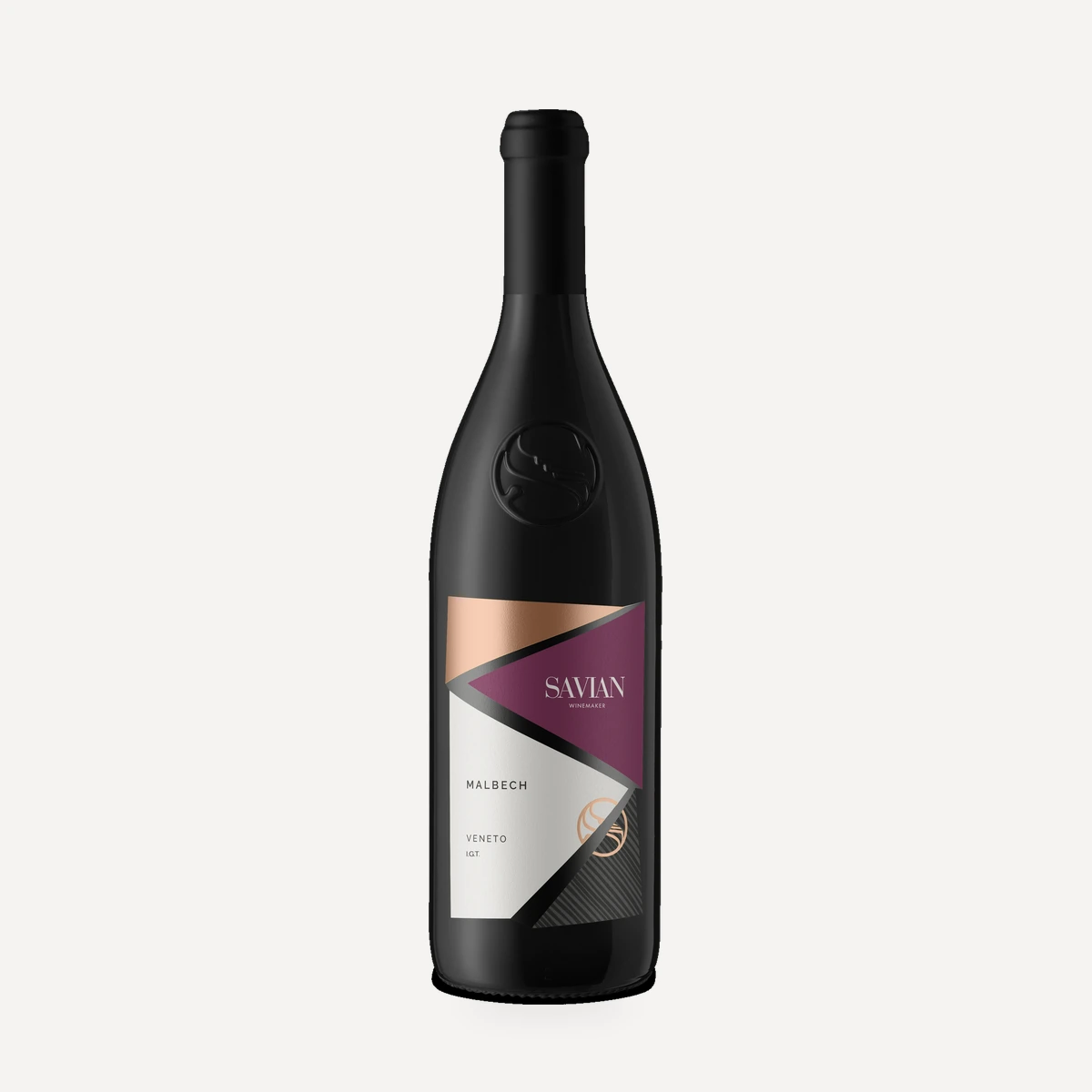
Triangolo Malbech IGT Veneto
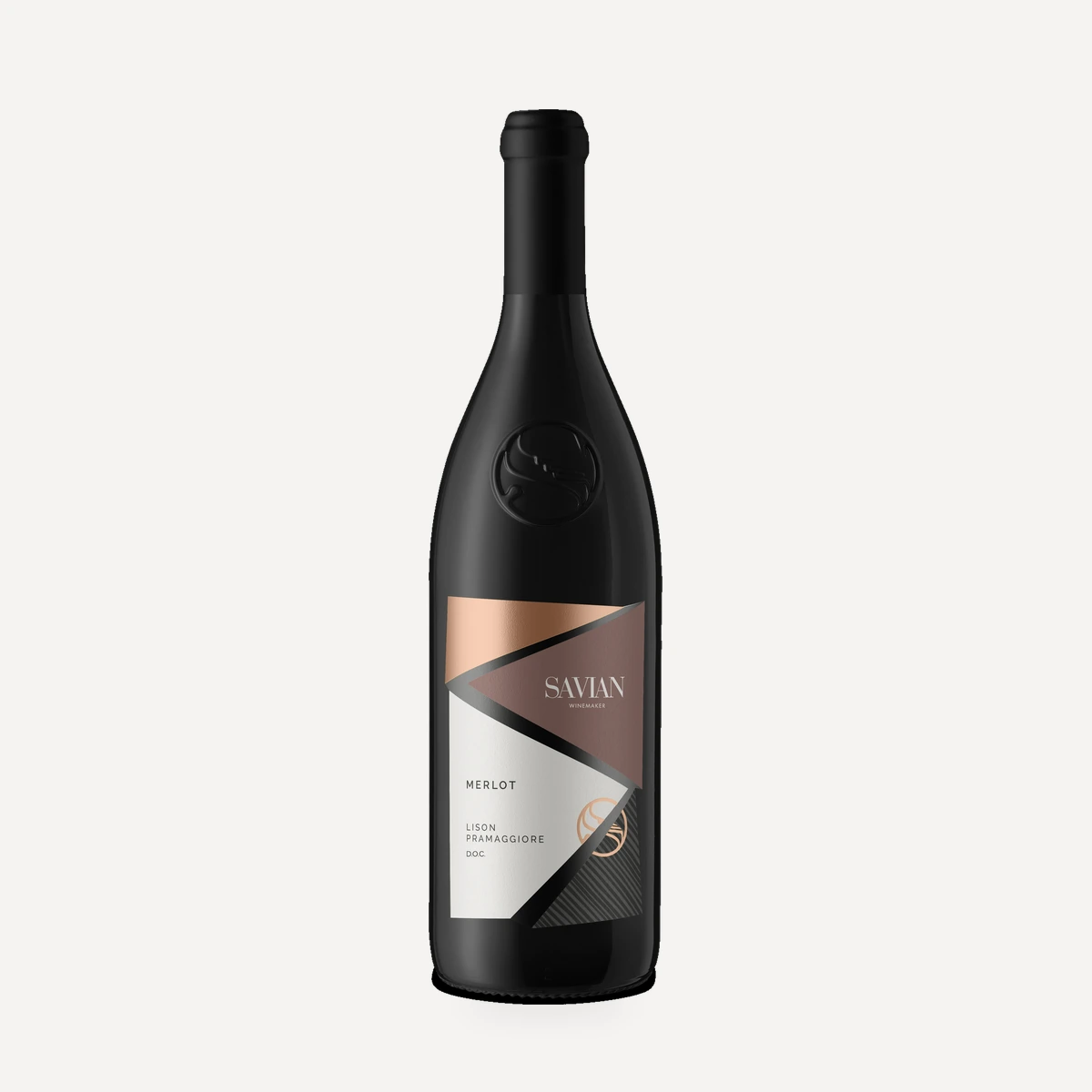
Triangolo Merlot DOC Lison Pramaggiore
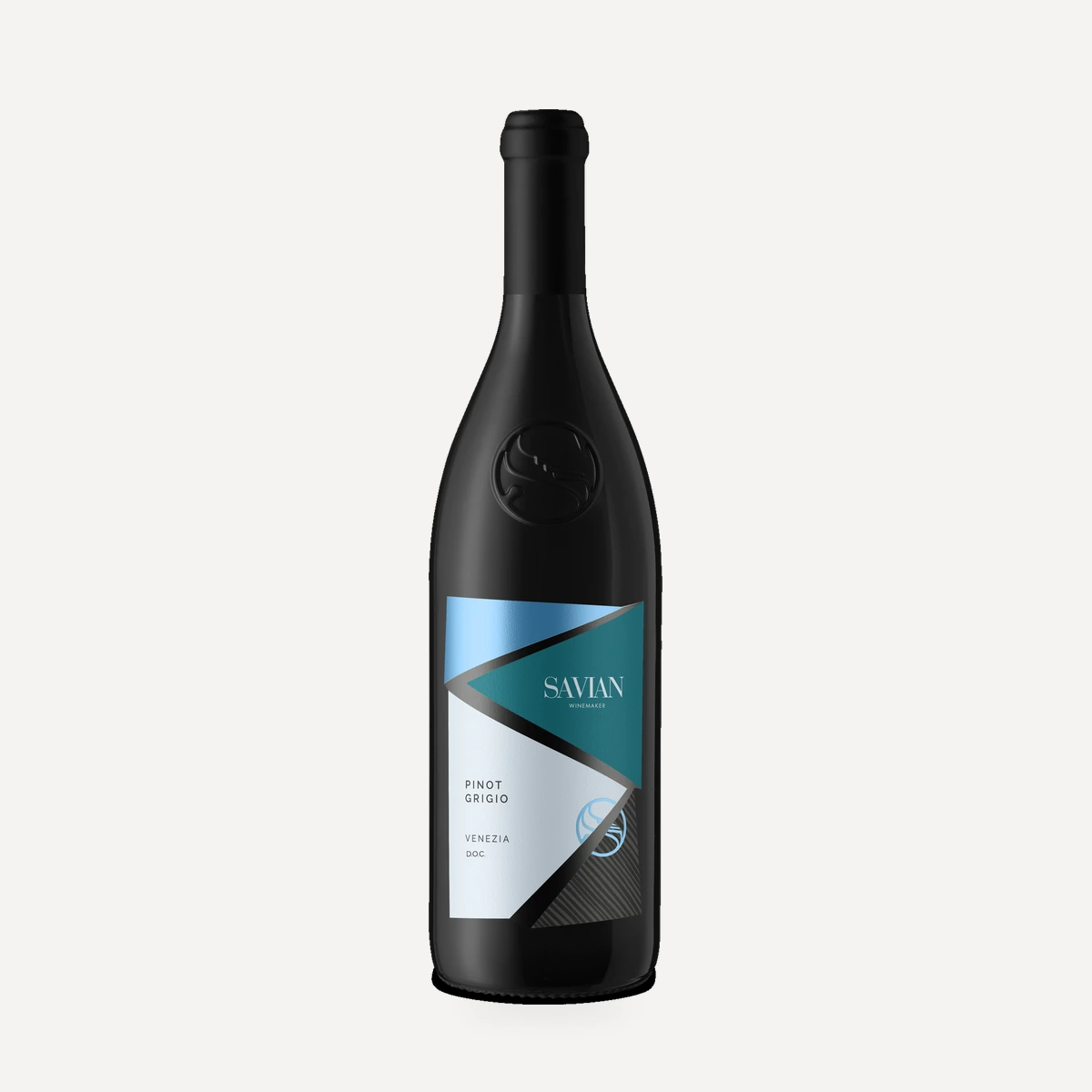
Triangolo Pinot Grigio DOC Venezia
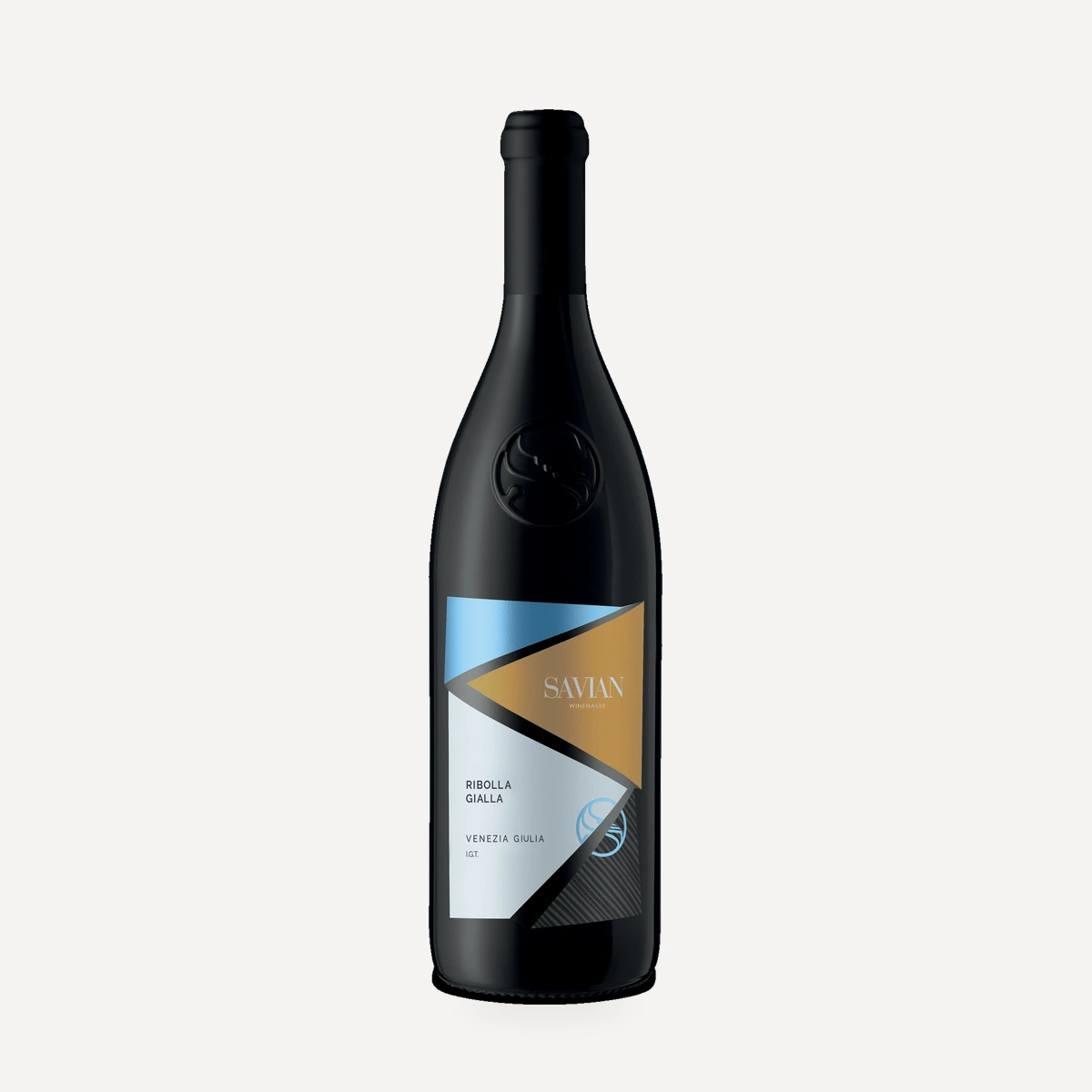
Triangolo Ribolla gialla IGT Venezia Giulia
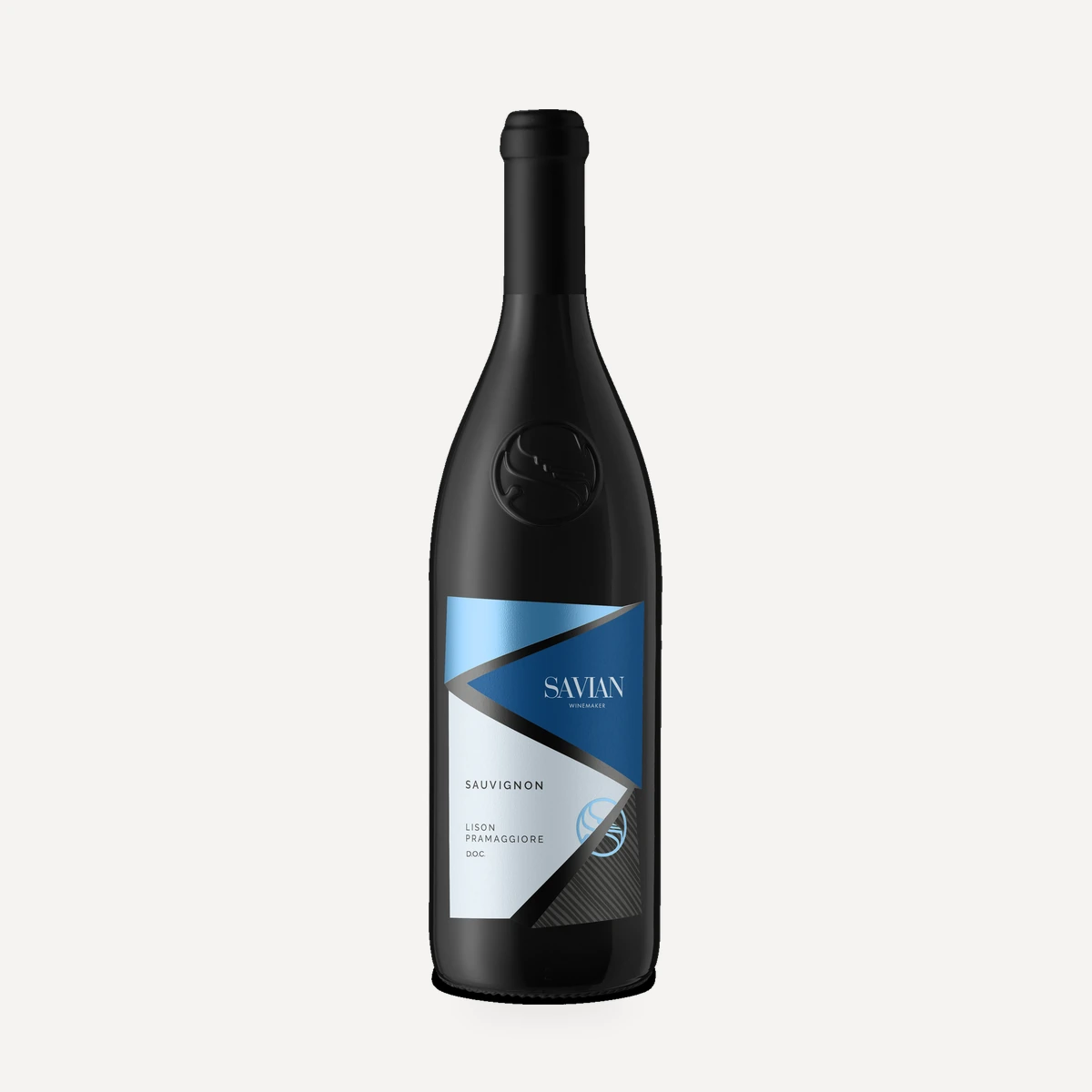
Triangolo Sauvignon DOC Lison Pramaggiore
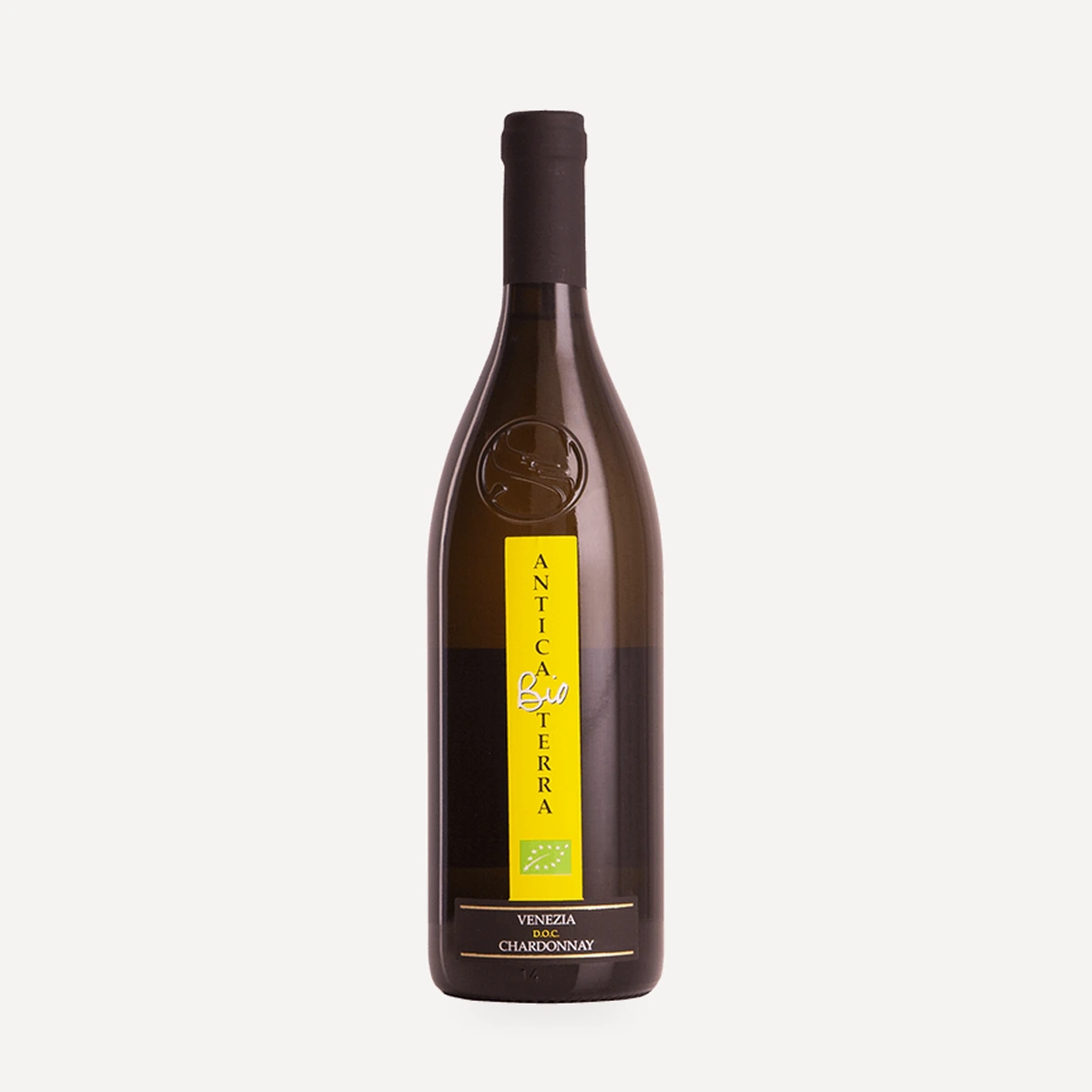
Antica Terra BIO Chardonnay DOC Venezia
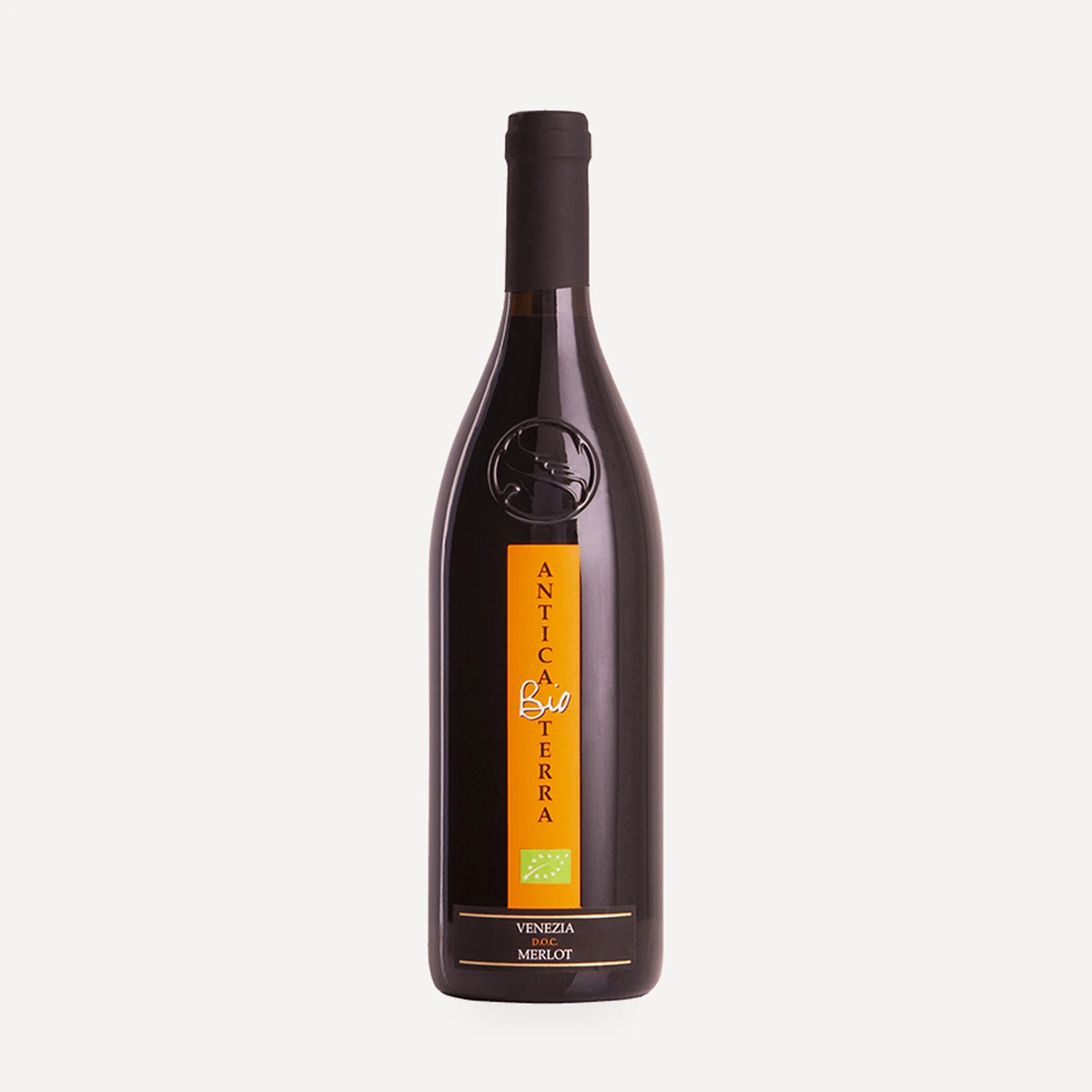
Antica Terra BIO Merlot DOC Venezia
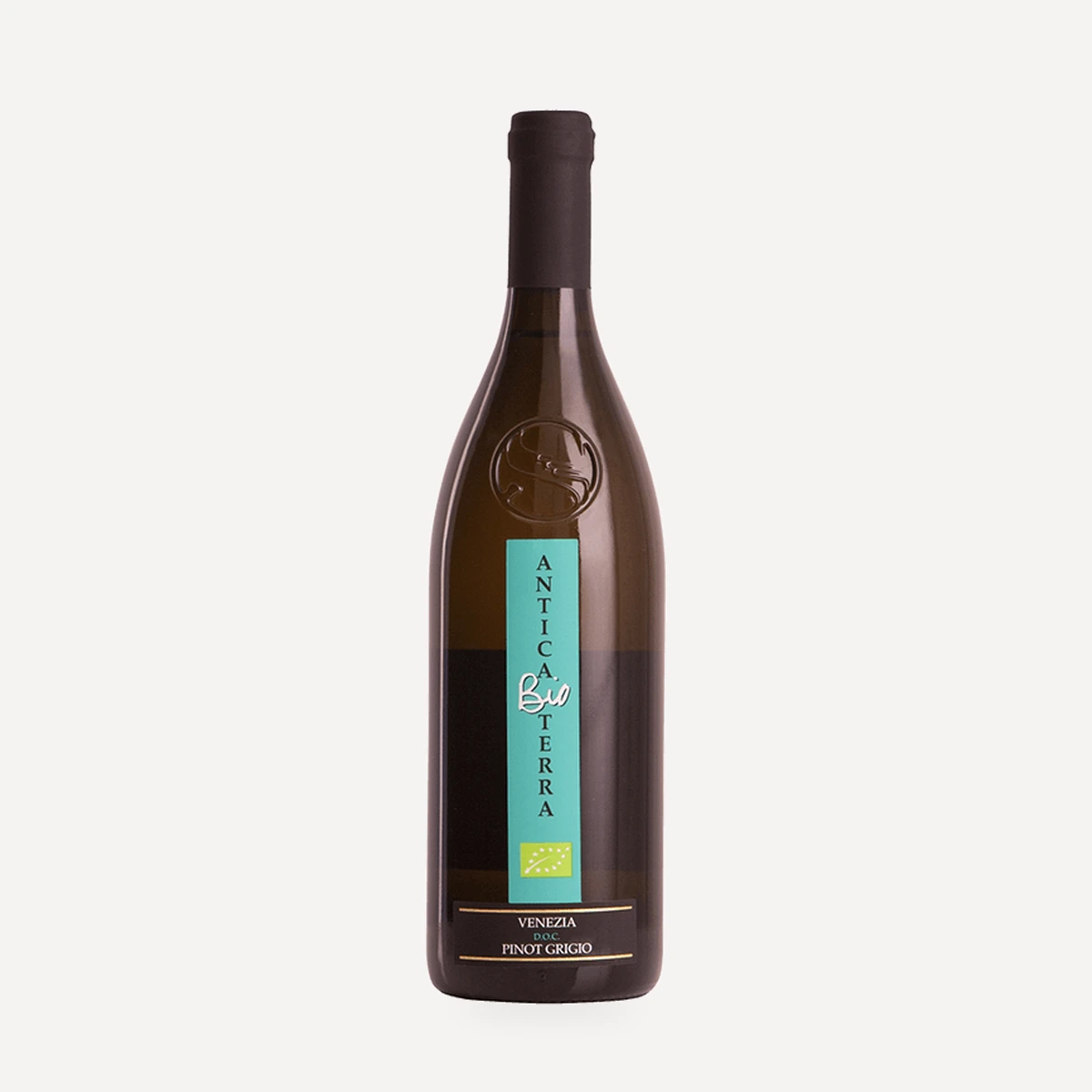
Antica Terra BIO Pinot Grigio DOC Venezia
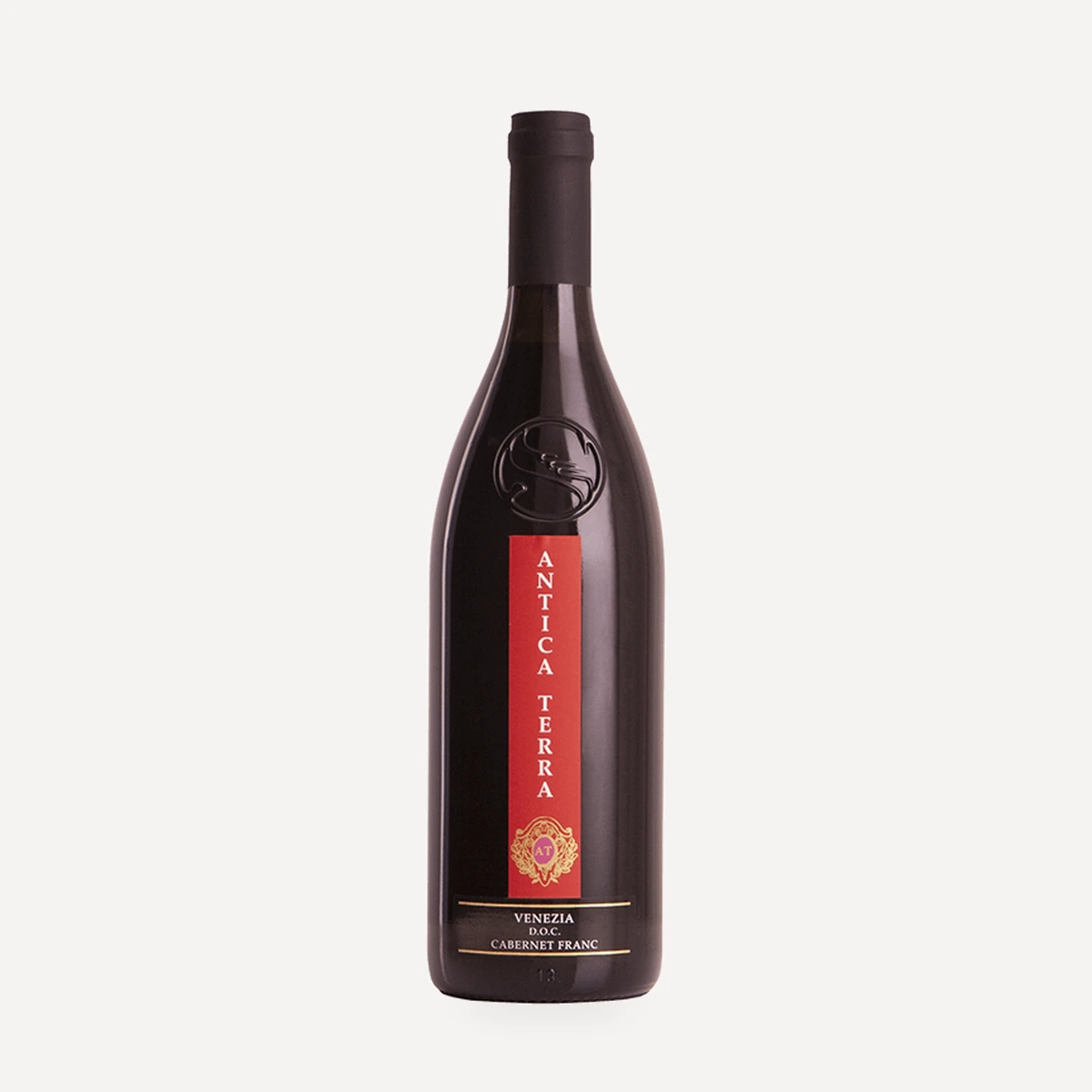
Antica Terra Cabernet Franc DOC Venezia
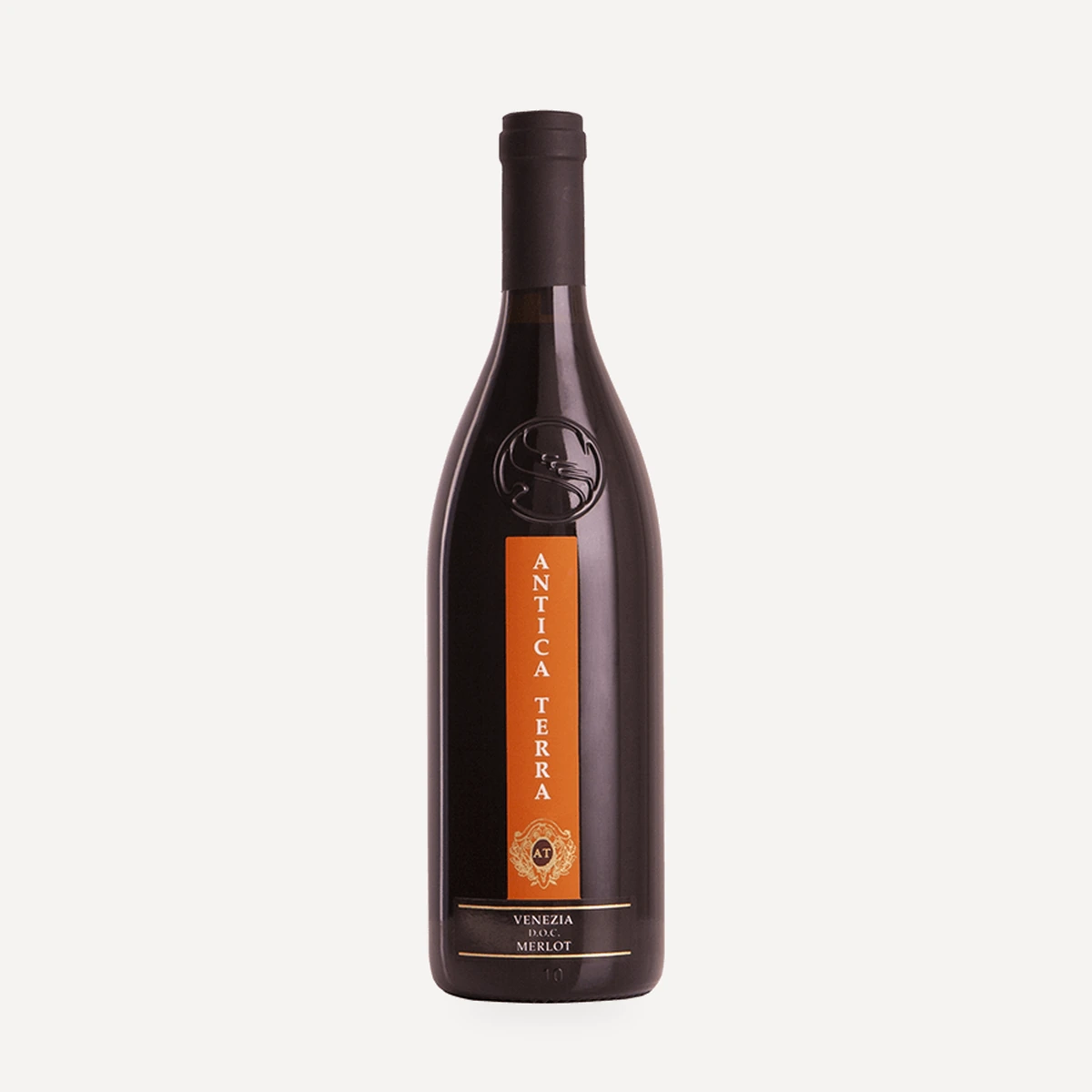
Antica Terra Merlot DOC Venezia
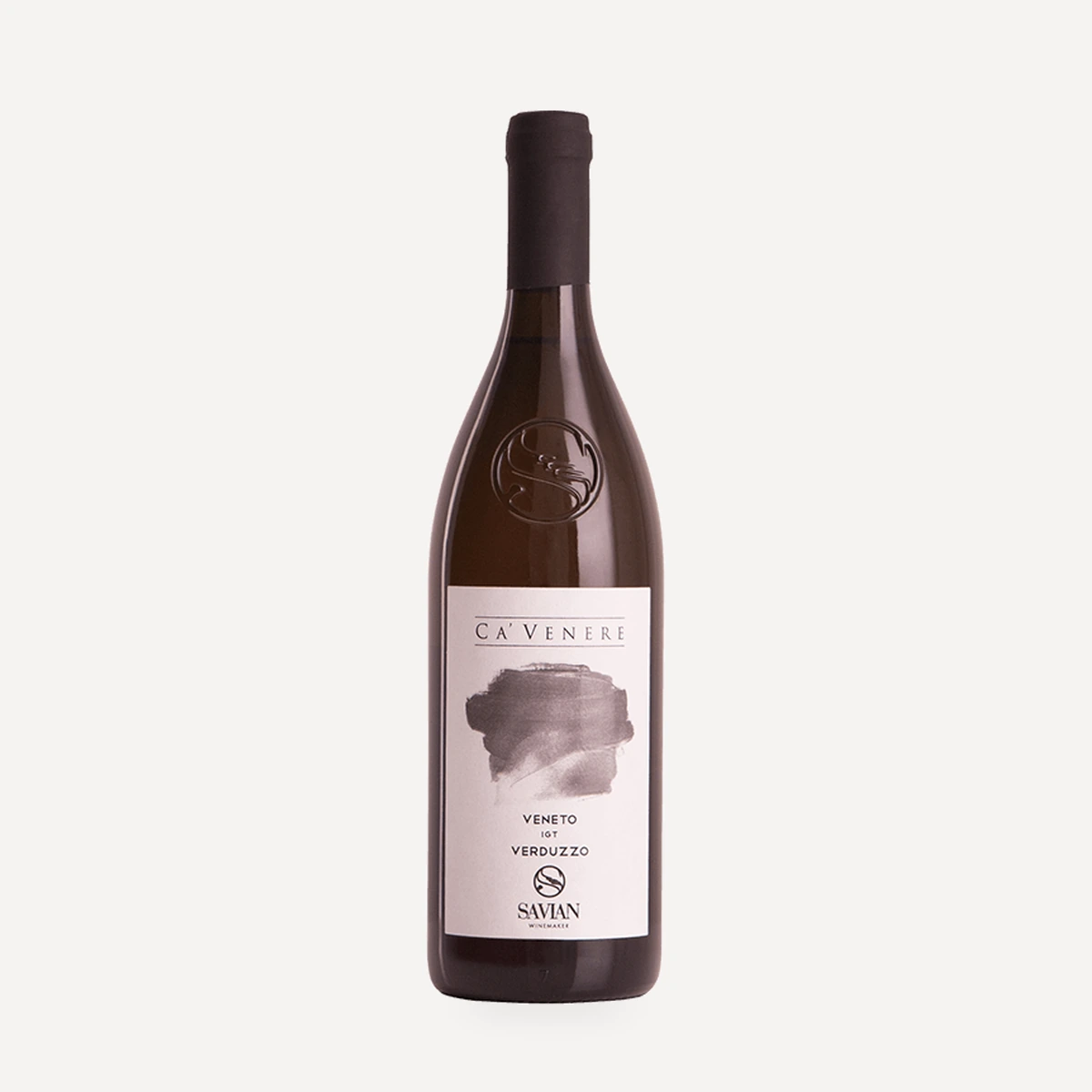
Cà Venere Verduzzo IGT Veneto
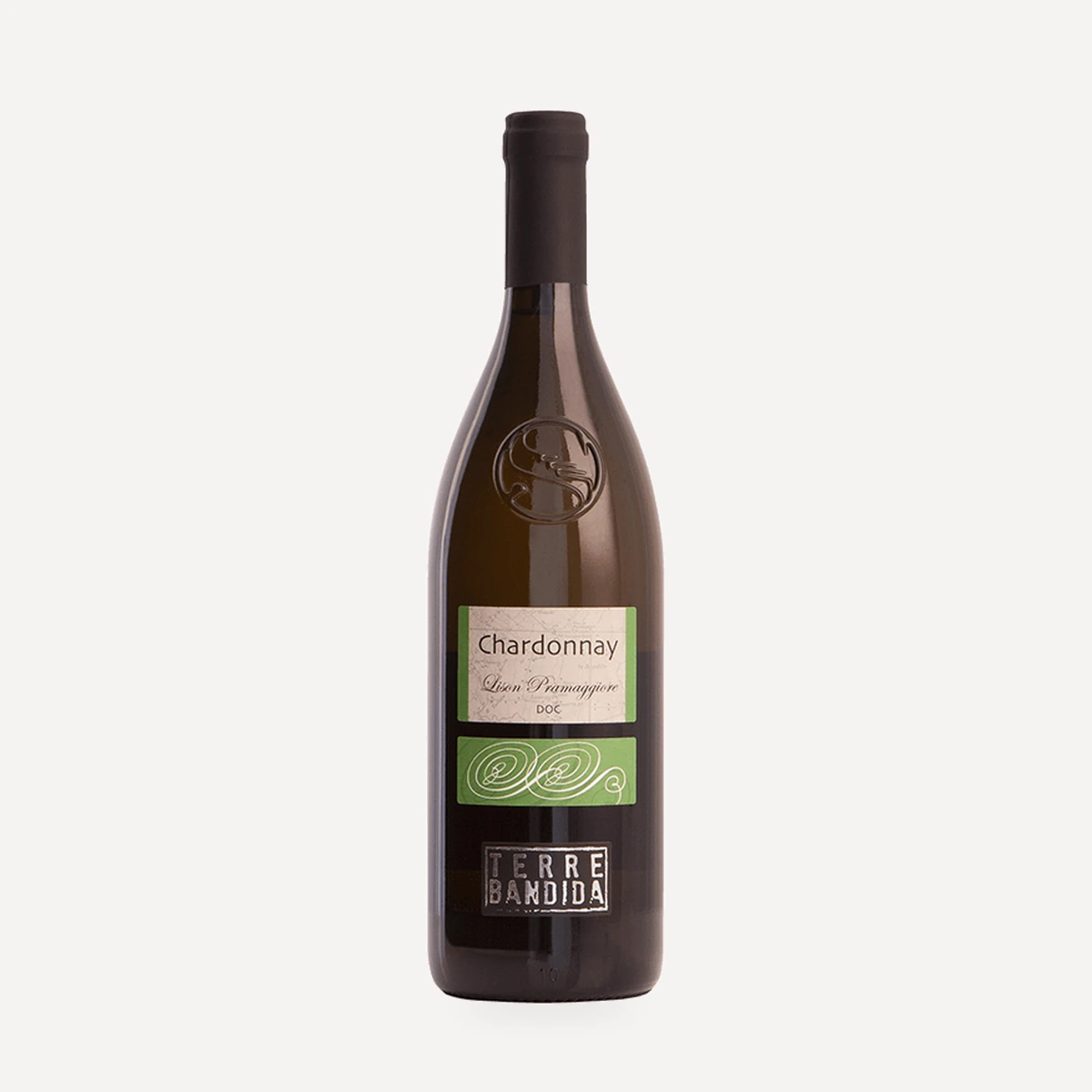
Terre Bandida Chardonnay DOC Lison Pramaggiore
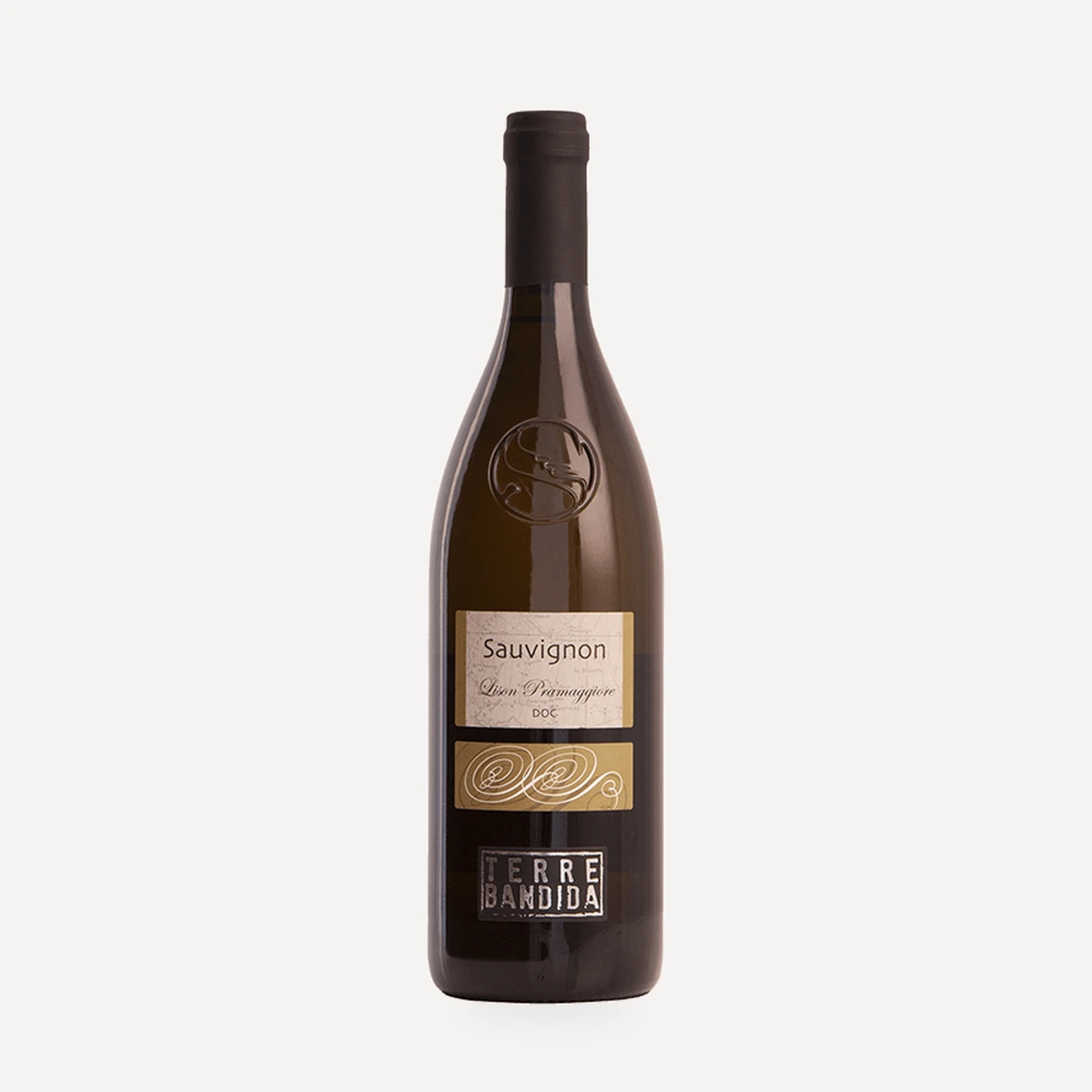
Terre Bandida Sauvignon DOC Lison Pramaggiore
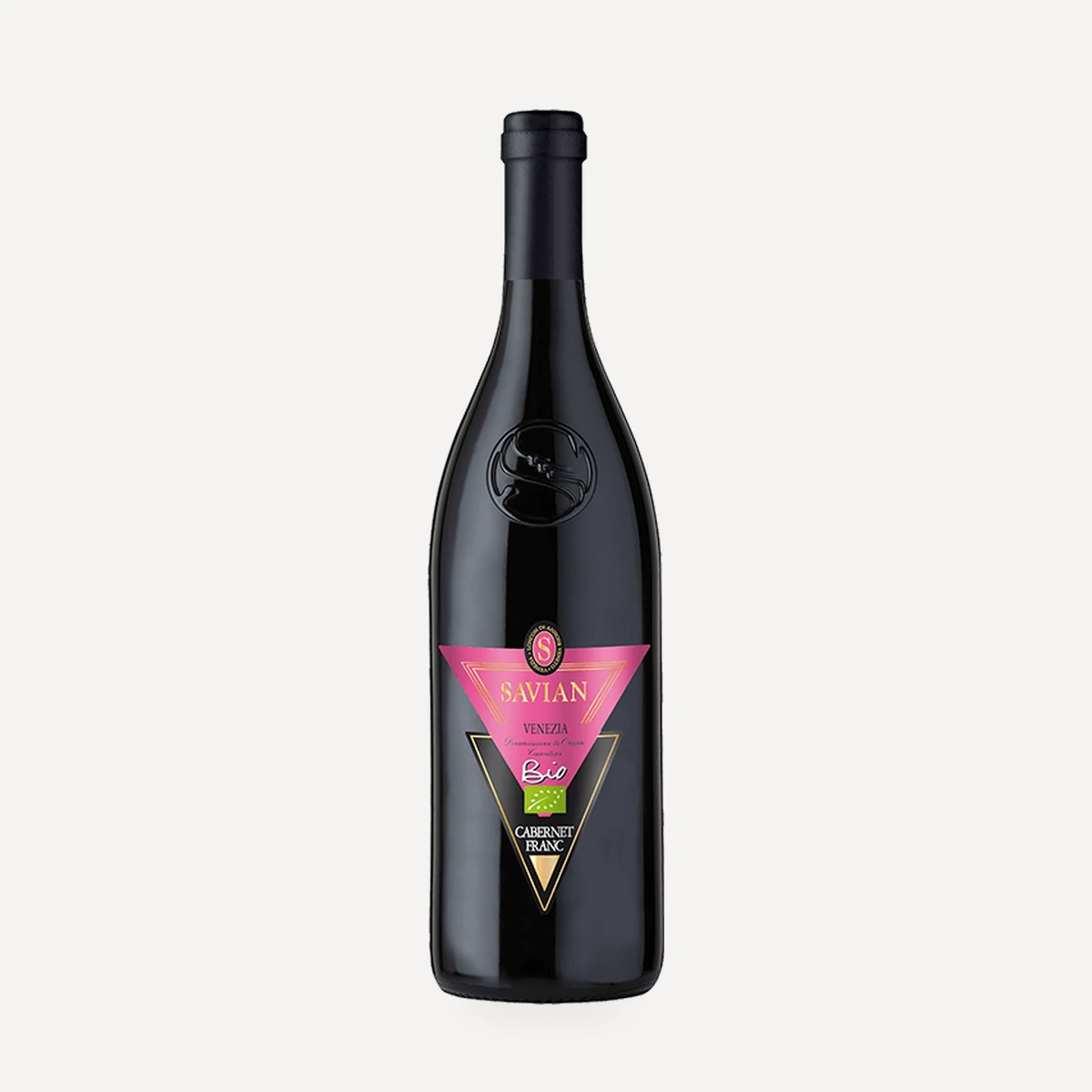
Triangolo BIO Cabernet Franc DOC Venezia
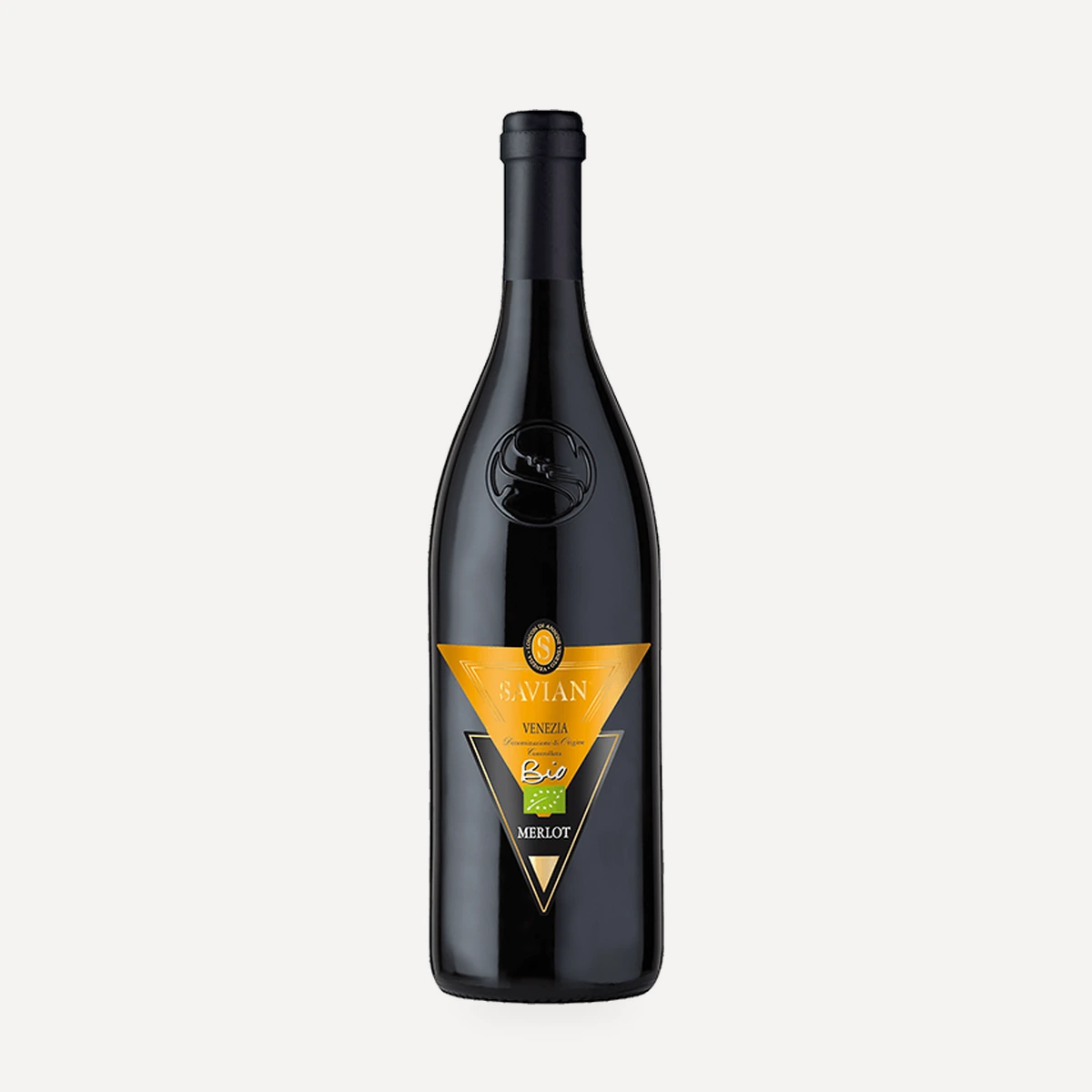
Triangolo BIO Merlot DOC Venezia
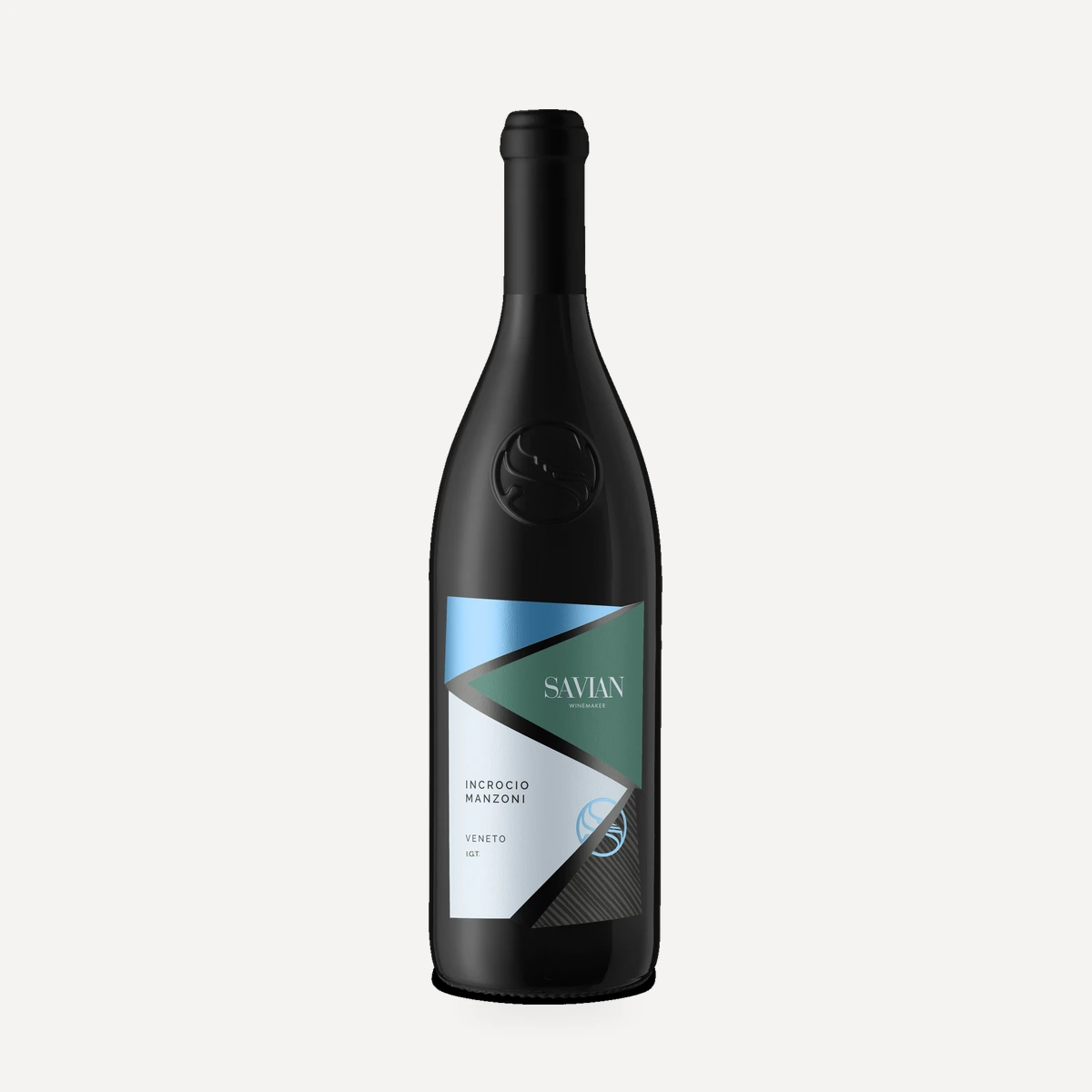
Triangolo Incrocio Manzoni IGT Veneto
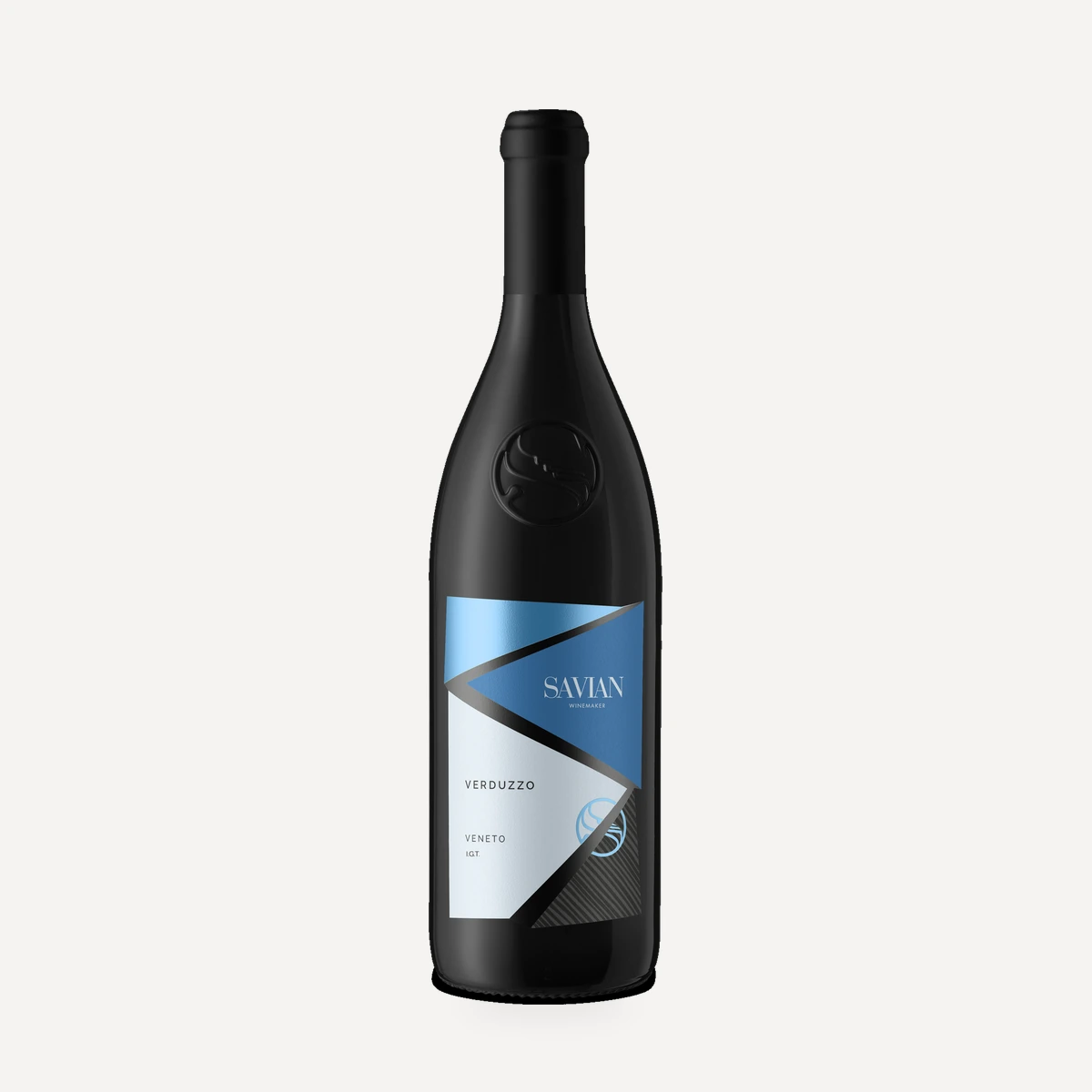
Triangolo Verduzzo IGT Veneto
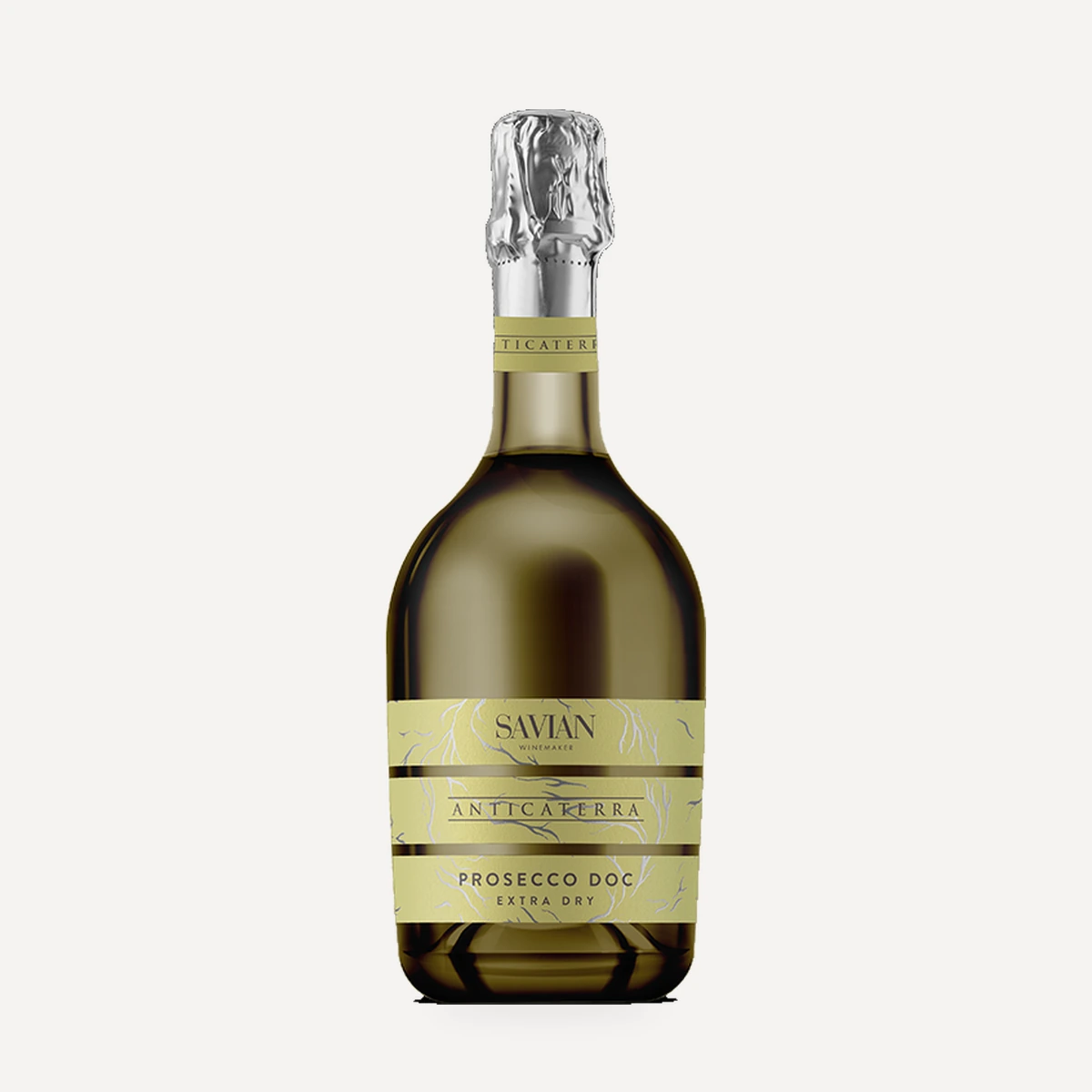
Antica Terra Prosecco DOC Extra Dry
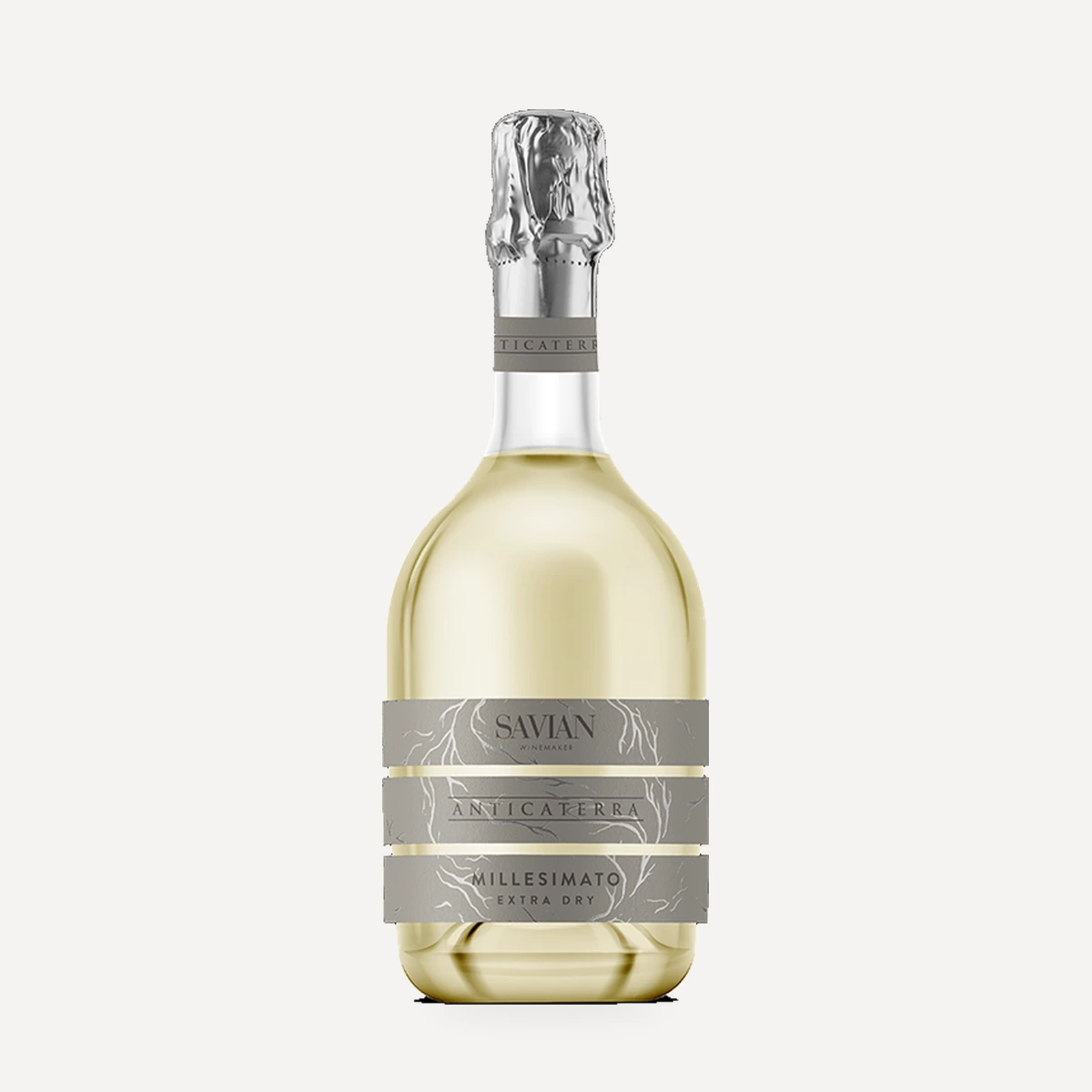
Antica Terra Millesimato Extra Dry