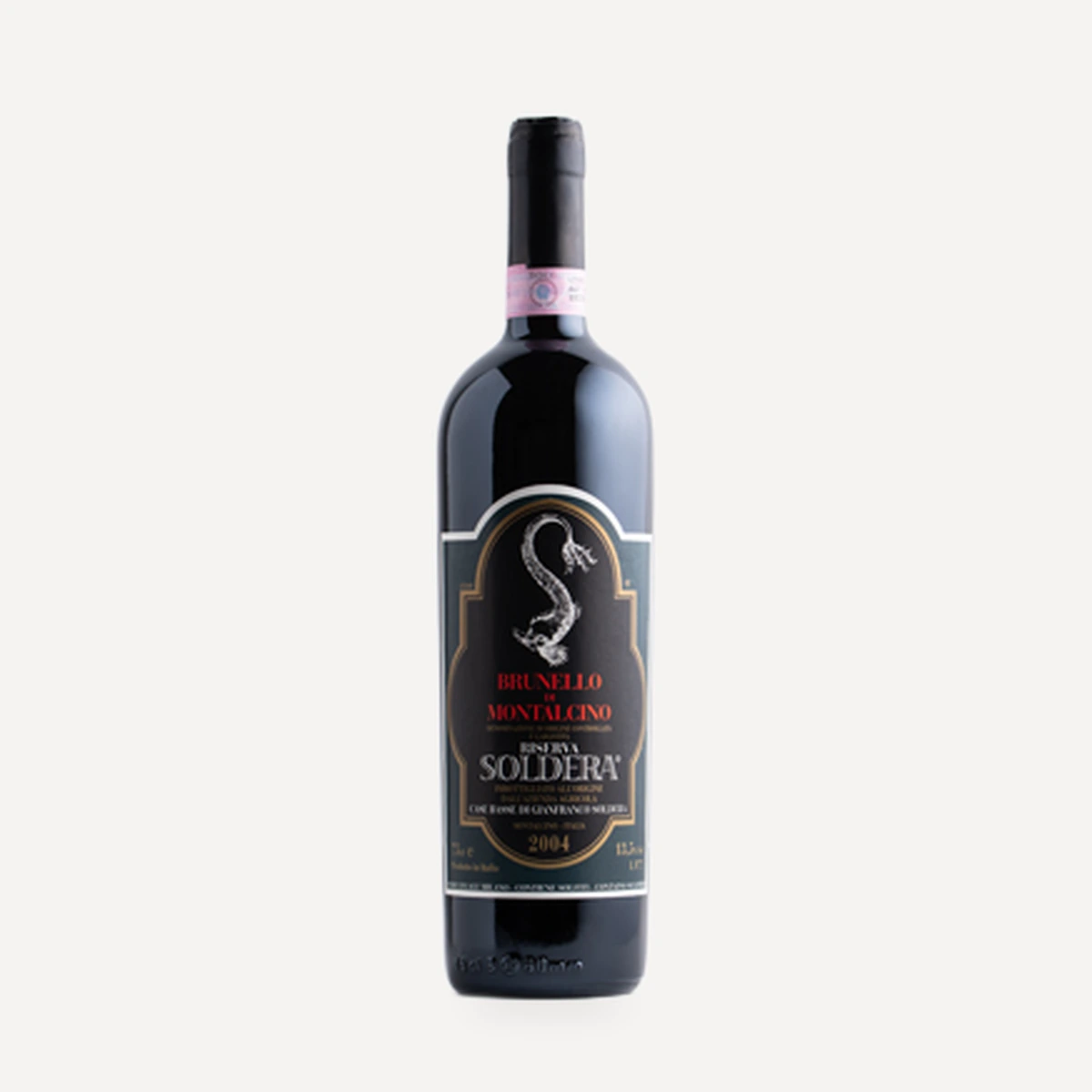
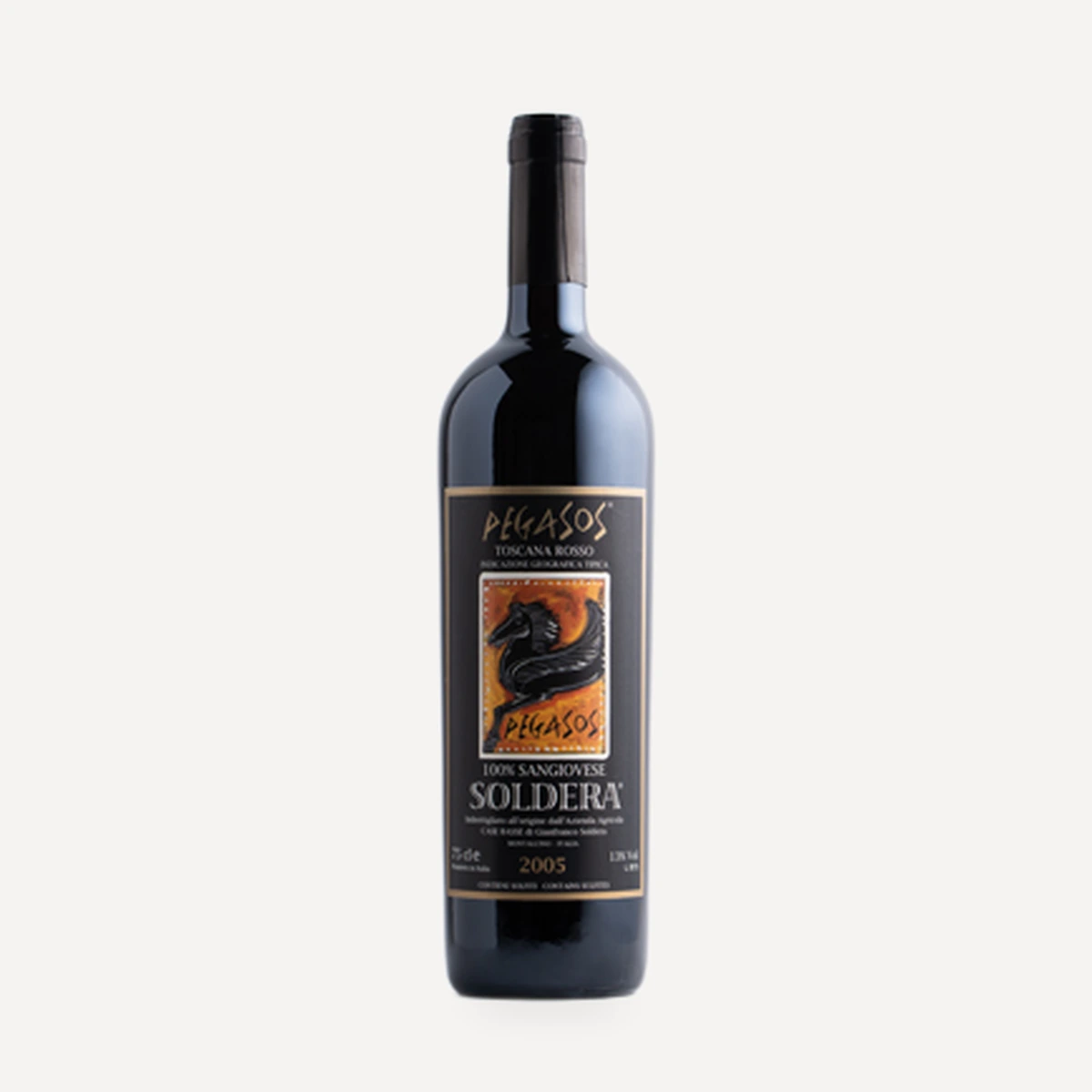
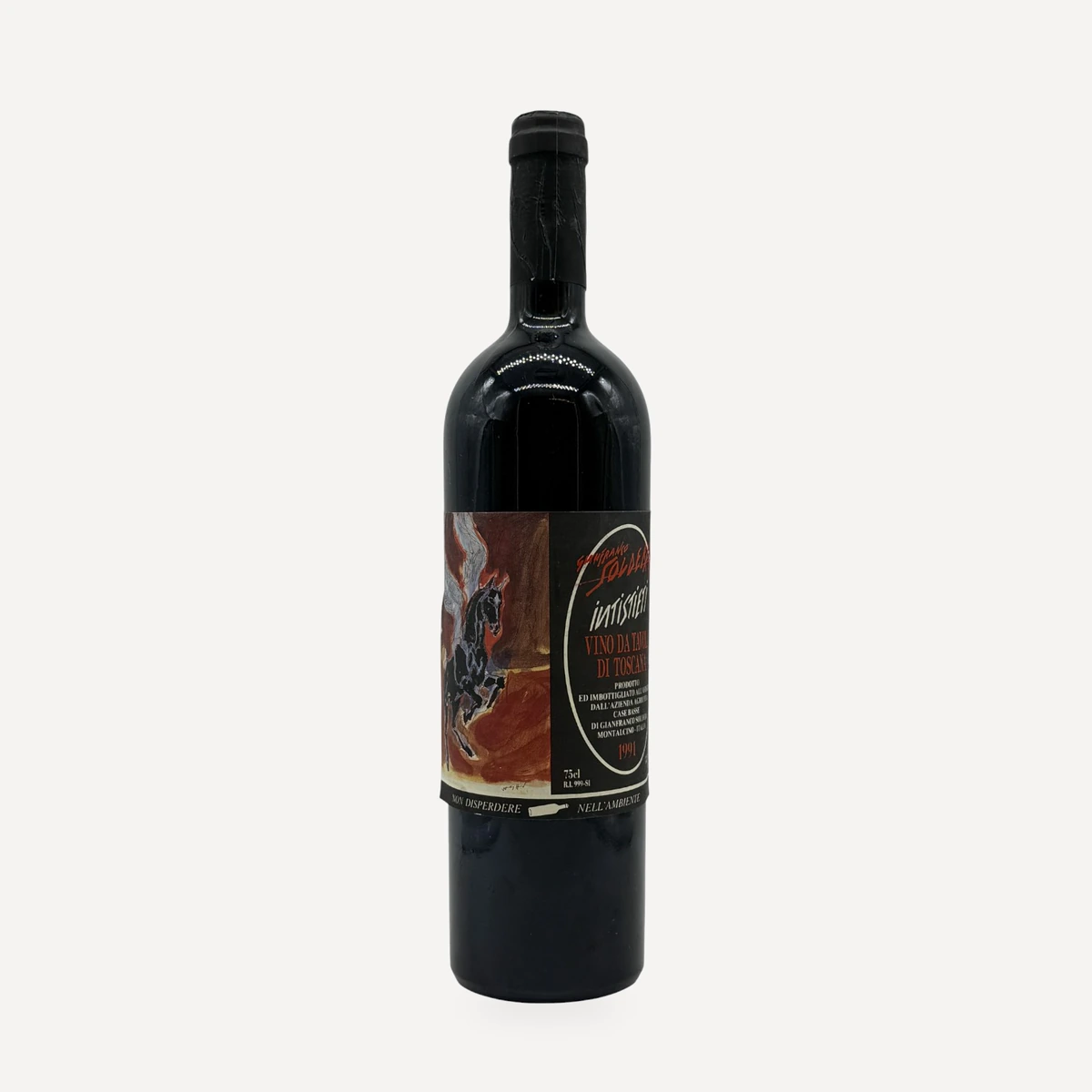
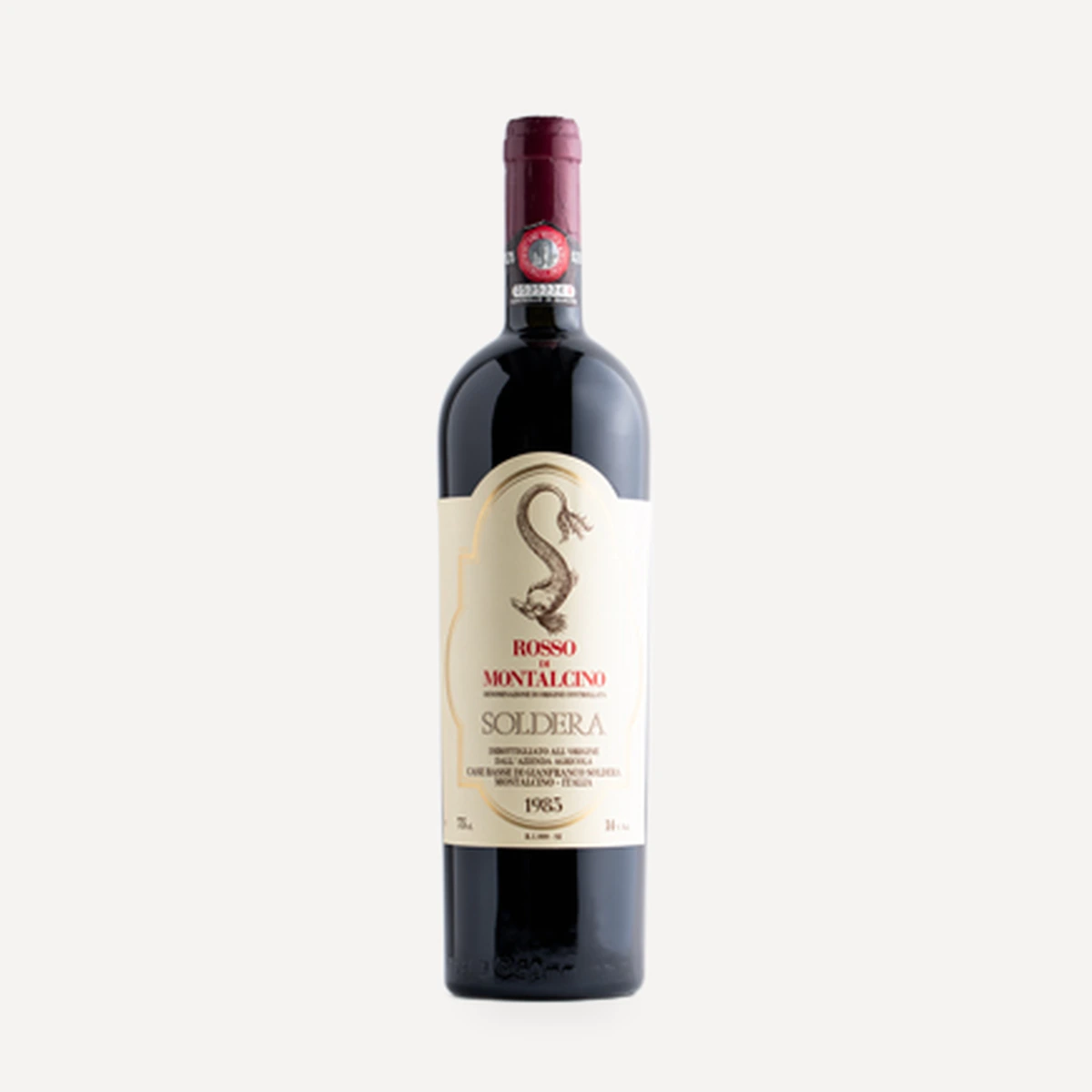
Questo vino
Vineyard and terroir
Approximately 10 hectares at Case Basse are planted exclusively with Sangiovese. The vines grow within a complex ecosystem rich in plant, animal and insect life, and vineyard management is directed toward maintaining biodiversity. Protection during the 2021 growing season relied on minimal copper and sulphur, natural antagonists and highly selective plant-protection measures.
Canopy work was manual. Shoot thinning began around the start of May. Long canes were placed on frames above the vines rather than trimmed, preserving natural vine vigour. Side shoots and basal leaves were managed to improve air circulation and reduce trapped humidity. Excess bunches were removed manually between late May and mid-June, while fruit in imperfect condition continued to be removed through harvest.
Grapes
100% Sangiovese. Ripening was followed more than once a week from the second third of August through sensory assessment and microbiological and chemical-physical analysis. Monitoring covered microorganism populations, sugars, acidity, pH, potential and extractable anthocyanins, polyphenols and seed ripeness.
Vinification
The selected bunches were hand-picked into small crates to avoid crushing and taken to a selection table for manual inspection. A conveyor carried them to a vibrating destemmer, which gently removed the stems and sorted berries by size. The whole berries then passed across another selection belt for final manual sorting before entering the fermentation vat.
Fermentation began spontaneously with native yeasts in truncated-cone Slavonian oak vats holding more than 100 hl. No commercial yeasts were added and no physical temperature control was used. Probes provided continuous temperature readings, while frequent tastings and daily chemical and microbiological analyses guided pumping over.
During the first phase of the 2021 fermentation, the non-Saccharomyces yeasts Kloeckera apiculata and Starmerella bacillaris remained active until the wine reached about 2% alcohol, with populations of approximately 20 million cells per millilitre. Saccharomyces cerevisiae then became dominant and completed alcoholic fermentation in about two weeks, reaching more than 100 million cells per millilitre.
Natural malolactic fermentation, conducted by Oenococcus oeni, started approximately two weeks after racking and finished after about six weeks.
Ageing
After fermentation, the wine matured for a long period in large Slavonian oak barrels. Its development was followed through frequent tastings and monthly chemical and microbiological analyses. Racking and sulphiting took place only when strictly necessary. Before bottling, the wine received no chemical-physical pretreatment, clarification or filtration. It rested in the cellar for more than six months after bottling and was released in spring 2026.
Technical data
The 2021 vintage yielded 19,166 numbered 0.75 L bottles and 1,522 numbered 1.5 L magnums. Sulphite content was substantially below the legal limit. Average glycerol concentration was approximately 10.5 g/L, contributing body and softness.
The 0.75 L format uses the antique-green “Special series 15 Soldera Case Basse” Bordeaux bottle. It weighs 750 g, has an accentuated punt intended to retain sediment or residue, and is closed with a 26 × 49 mm cork. The wine is not filtered.
Tasting profile
The wine has a pronounced purplish ruby-red colour. Its approximately 10.5 g/L average glycerol concentration contributes body and softness, while spontaneous fermentation with a diverse native yeast population supports aromatic and sensory complexity.
Serving and pairing
Serve at 17–18°C. Store the bottle vertically at 12–16°C in a well-ventilated place with at least 70% humidity, protected from direct sunlight and sudden temperature changes.
Vintage notes
The 2021 season was dry and cool. A wet winter built strong water reserves, followed by a generally cool, dry spring and a summer with near-average temperatures but markedly less rain than the preceding 19-year series. Budbreak occurred slightly early, around 29 March. Temperatures fell to −1.2°C overnight on 7–8 April without causing significant damage at Case Basse. Cool, dry conditions in April and May delayed full flowering until 1 June. Full veraison occurred around 28 July. August was close to average apart from four days above 35°C; the subsequent temperature drop favoured and accelerated ripening. Harvest ran from 8 to 13 September, reflecting notably uniform ripening across the vineyards.