12 Barolos ready to drink now, from youthful 2022s to a 2020 Monforte wine
A tasting across Barolo found that changing growing conditions and cellar practices are producing wines that can become approachable earlier. The selection includes 12 complete recommendations priced from $35 to $70.
A more approachable expression of Barolo
During a visit to Barolo in northwestern Piedmont, VinePair’s writer tasted close to 100 wines, spanning forthcoming releases, somewhat older vintages and bottles aged for roughly 2 decades. The tasting included 25 wines from the not-yet-released 2023 vintage of Serralunga d’Alba, assessed blind.1
The 2023 growing season moved between excessive rain and excessive heat but ultimately produced wines with generous fruit, firm yet manageable tannins, sufficient balancing acidity and a measure of elegance. They still require time to develop, although many appeared capable of being enjoyed relatively early.1
Roberto Bruno, managing director of the historic Serralunga d’Alba estate Fontanafredda, said climate change has increased fruit concentration and made young wines more accessible. Producers have also adjusted their cellar work to retain freshness and a lighter profile.1
Marchesi di Barolo winemaker Davide Abbona has returned to very large, neutral oak casks for the estate’s traditional blend. He is moving away from the toasted small barrels adopted decades ago to soften Barolo more quickly, an approach that also imposed a more forceful, oak-led international style. Abbona said the aim is to retain Barolo’s identity while making it gentler for occasional drinkers, and he expects “lighter” to become an increasingly important description of the wine.1
Structure, origins and aging
Barolo’s pale and sometimes nearly transparent color can disguise its power. Alcohol frequently reaches 14.5% or more, generally countered by Nebbiolo’s acidity. Outside the relatively compact Barolo zone in the Langhe, Nebbiolo also produces Barbaresco and less costly sought-after wines including Langhe Nebbiolo, Nebbiolo d’Alba, Roero and Gattinara.1
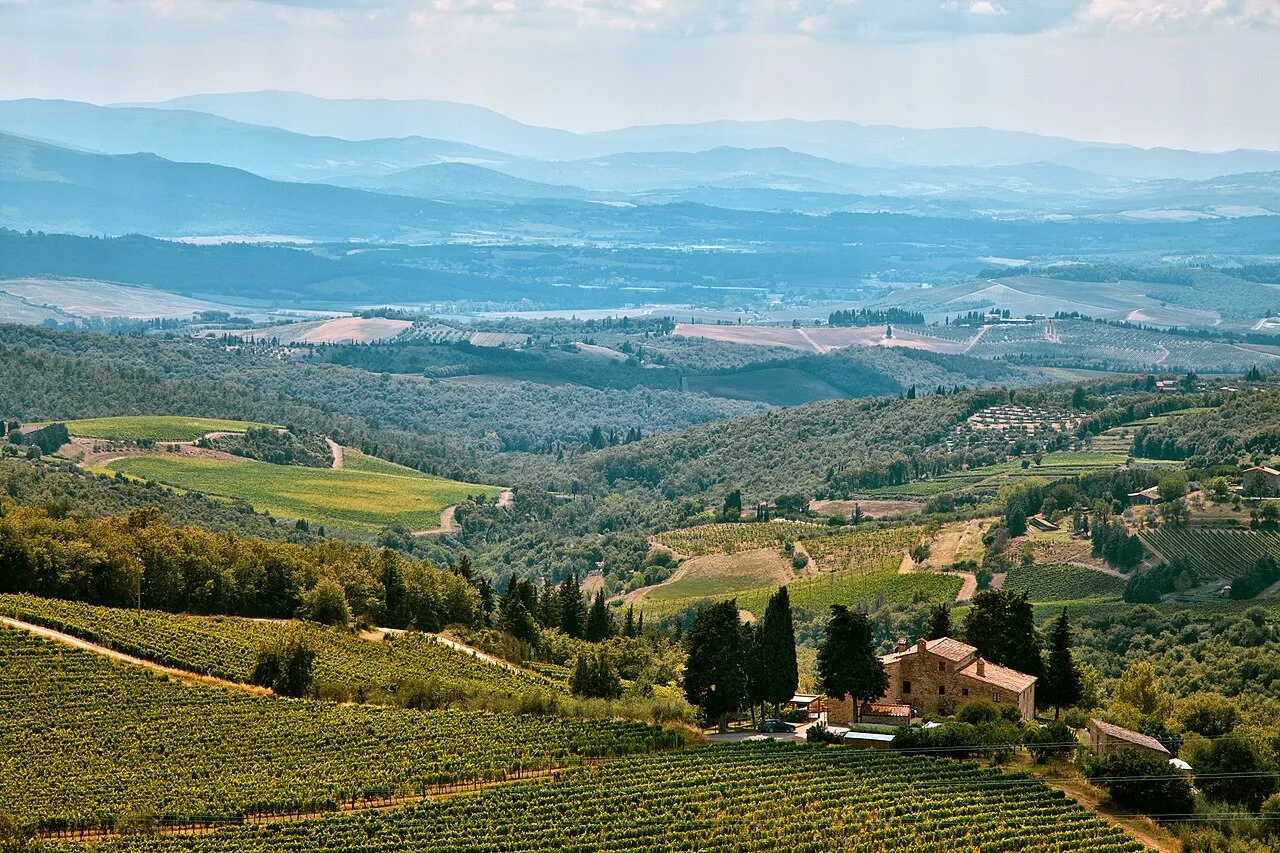
The Barolo area contains 11 villages whose soils and microclimates give their wines distinct identities. Alongside Serralunga d’Alba, prominent names include La Morra, Barolo, Monforte d’Alba and Verduno; village designations such as Barolo del Comune di Verduno and Barolo del Comune di Serralunga d’Alba can appear on labels.1
The broad hierarchy begins with classic Barolos, usually blends from multiple communes and generally the most immediately accessible. Village wines form the next level, followed by single-vineyard, or cru, bottlings that usually benefit from more time. Barolo cannot be released until it has aged for at least 38 months, including 18 months in wood; classic and village wines can gain further harmony and loosen their tannic hold with at least another 1–2 years.1
Top mature Barolos can reach 3- or 4-figure prices comparable with leading Burgundy, but less expensive choices remain available below $100. Classic blends are normally the lowest-priced category, with some below $50, and are often among the easiest to drink on release.1
Josetta Saffirio owner Sara Vezza stressed serving temperature as an important factor for young Barolo. She advised against pouring these high-alcohol wines at room temperature: at 55–60°F, acidity and freshness become more evident and alcohol less dominant.1
The 12 selected Barolos
1. Vietti Barolo 2021 — An unusually dark Barolo combining freshness and balance, with concentrated blackberry, blueberry cobbler and baking-spice notes over fine tannins. Abundant acidity supplies the crisp, energetic quality associated with young Barolo. Price: $54.1
2. Ettore Germano Barolo del Comune di Serralunga d’Alba 2022 — Tasted less than 1 year after release, it was already approachable, with gentle tannins around red and dark fruit, including cassis. Cumin seed, fallen leaves, vanilla and restrained minerality add detail to a ripe, fresh wine showing well in youth. Price: $57.1
3. Fontanafredda Barolo 2022 — From Barolo’s largest single-estate producer, this wine offers ripe strawberry, raspberry and cherry aromas with underbrush and mineral accents. Moderate tannins permit drinking now or aging for several years. Fontanafredda’s Barolo del Serralunga d’Alba is another recommended bottle. Price: $53.1
4. Mirafiore Barolo 2022 — This classic blend centers on cassis and dark plum, with earth, dried mushroom and cinnamon. It remains notably tannic, so opening it about 1 hour before service and preferably decanting it are advised. Price: $48.1
5. G.D. Vajra Barolo “Albe” 2022 — A widely available U.S. value with relatively gentle tannins and red and dark fruit joined by braised meat, baking spice, mineral and citrus notes. “Albe” means “sunrises” in Italian. At the winery, Francesca Vaira, who manages G.D. Vajra with her brothers, described it as a Friday-night wine suitable for drinking now or in 20 years. Price: $35.1
6. Marchesi di Barolo Tradizione 2021 — A polished, moderately tannic wine showing overripe raspberry and strawberry, plus balsamic, orange-peel and coffee nuances. It drinks well now and can continue aging for years; retailers were selling the 2020 vintage at the time of publication. Price: $61.1
7. Fratelli Alessandria Barolo del Comune di Verduno 2021 — This lighter Verduno expression opens to red fruit and violet, accompanied by earth, orange and oak. A slightly baked character in the fruit does not diminish its elegance. Price: $60.1
8. Cristian Boffa Barolo del Comune di La Morra 2021 — A small-production, complex La Morra wine scented with wild berries, including raspberry and black cherry, as well as rose petals, lavender and a faint earthy note. Its firm tannins relax with air, producing a polished Barolo that paired successfully with grilled duck breast and a blackberry, fig and Barolo reduction. Price: $54.1
9. Giacomo Borgogno Barolo 2022 — A balanced classic Barolo with integrated tannins, red and dark fruit, underbrush, tomato leaf and substantial spice. The 2021 was the vintage available through the cited retailer; for a more expensive option, the complex, concentrated 2019 Barolo Riserva was also recommended. Price: $65.1
10. Diego Morra Barolo “Zinzasco” 2022 — Made from 10 Nebbiolo vineyards in La Morra and Verduno, it combines concentrated fruit with ripe, integrated tannins. Black cherry, cocoa, rose petal and a trace of leather define the profile. The 2021 vintage was the one available through the cited retailer. Price: $40.1
11. Josetta Saffirio Barolo del Comune di Monforte d’Alba 2020 — Still youthful and spicy, this Monforte d’Alba wine should become more open with additional age but is drinkable now. Very ripe red fruit, principally raspberry and strawberry, is joined by fig, herbs and floral notes. Price: $65.1
12. Palladino Barolo del Comune di Serralunga d’Alba 2022 — Despite a stated alcohol level of 15.5%, refreshing acidity and slightly chilled service keep the alcohol from standing out. Moderate tannins frame dark-fruit, herbal and floral notes. Price: $70.1
Sources
Written by the Dionysus editors from the sources above.