Benziger Family Winery named Wine Enthusiast’s 2026 Environmental Advocate of the Year
The Sonoma County winery received the Wine Star Awards distinction for its longstanding work in sustainability, responsible farming and biodynamic winegrowing. The recognition is due to be celebrated in San Francisco on January 25, 2027.
Wine Star Awards recognition
Benziger Family Winery has been named Environmental Advocate of the Year in Wine Enthusiast’s 2026 Wine Star Awards. According to the winery’s announcement, the distinction recognizes its commitment to environmental sustainability, responsible farming, wine quality and protecting the land for future generations. The award will be celebrated at the Wine Star Awards Gala in San Francisco on January 25, 2027.1
Chris Benziger, a second-generation vintner, said the family’s decision to convert the winery to biodynamic farming was not understood by many friends and neighbors at the time. More than 20 years later, he described the award as confirmation of the family’s values and environmental commitment, as well as encouragement to pursue further progress.1
Four decades of certified farming
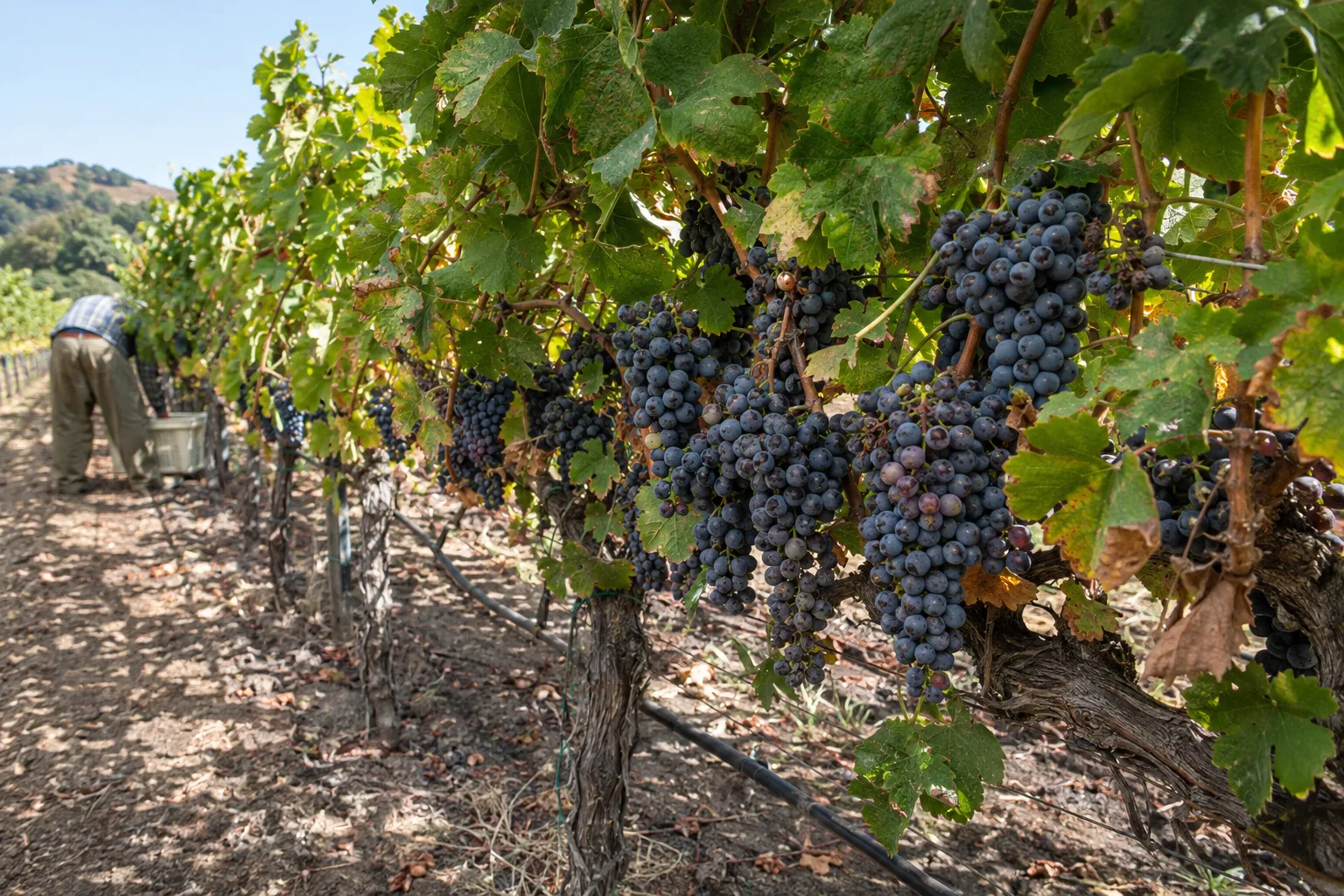
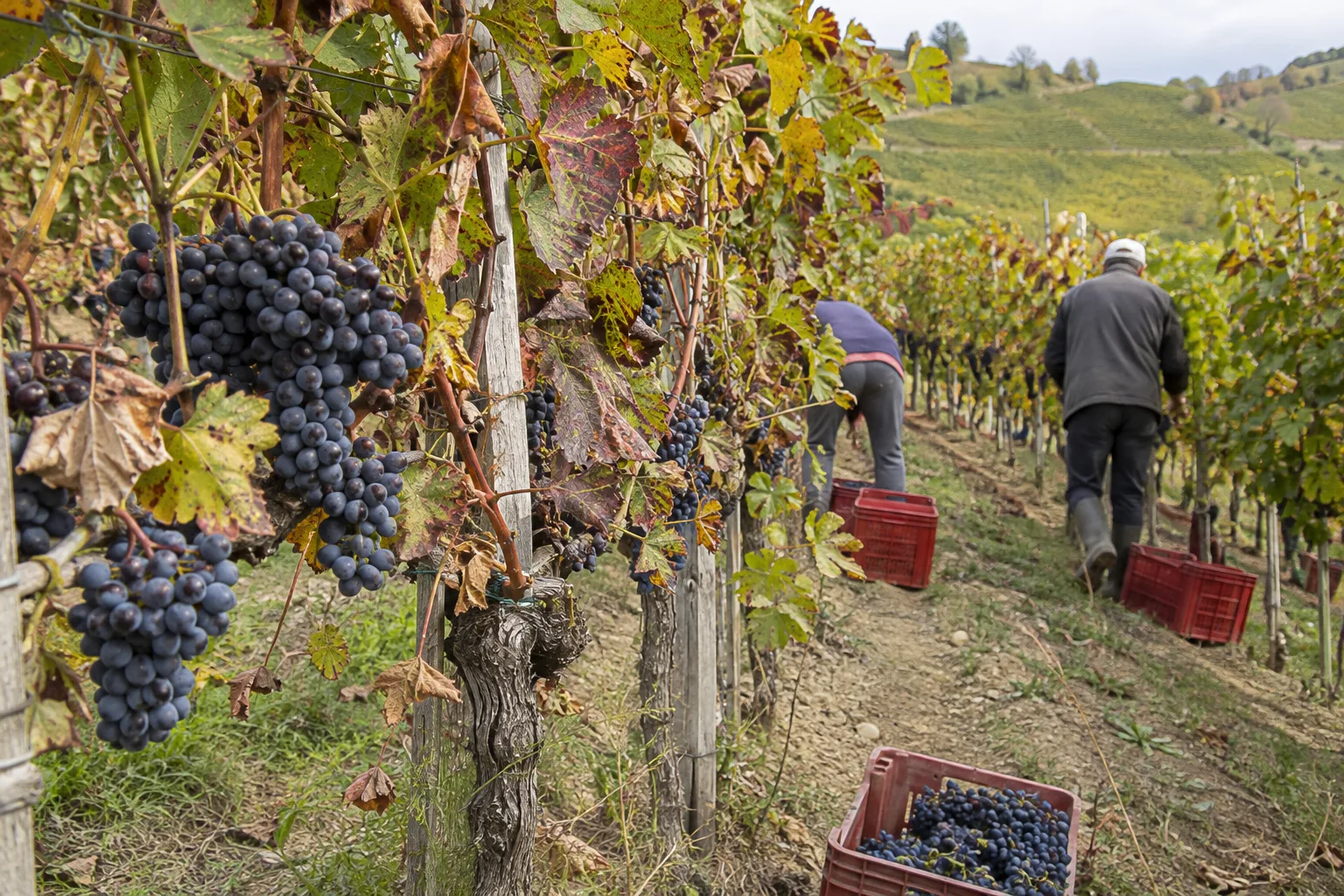
Mike Benziger established Benziger Family Winery with his family’s support in 1980 on an 85-acre estate in Glen Ellen, on the slopes of Sonoma Mountain. Sustainability has guided its winemaking for more than 4 decades. In 2000, it became the first winery in Sonoma or Napa to receive Demeter Biodynamic certification.1
Every wine in the Benziger portfolio now has third-party certification under at least one of three programs: California Sustainable Winegrowing Alliance certified sustainable, California Certified Organic Farmers certified organic, or Demeter certified Biodynamic. The winery says its farming is intended to produce wines that reflect their grape variety, vintage and vineyard.1
The estate as an ecosystem
Benziger manages its Sonoma estate as an interconnected system in which animals, plants, insects and soil have distinct roles. Sheep graze between the vines to control vegetation and fertilize the soil naturally. Scottish Highland cattle consume grasses from the property, while beneficial insects and birds help maintain balance in the vineyards. These practices are designed to support biodiversity and vineyard health while reducing dependence on synthetic chemicals.1
Visitors can observe the estate’s approach through the Biodynamic Tractor Tram Tour and the Tribute Estate Tour & Tasting. Both guided experiences enter the vineyards and aging caves and present the property’s wildlife and sustainable farming methods.1
Sources
Written by the Dionysus editors from the sources above.