DWWA 2026: 15 top-scoring Tempranillo wines from Spain
Decanter’s selection of Tempranillo-dominant wines from the 2026 Decanter World Wine Awards comprises 15 Spanish bottlings scoring 96 or 97 points. Condado De Haza Reserva 2021 from Ribera del Duero earned Best in Show and 97 points, while ten wines received Platinum medals and four won Gold.
Tempranillo’s rise and origins
Tempranillo is now the world’s third most widely planted wine grape, behind Cabernet Sauvignon and Merlot. It stood 24th in the global ranking in 1990, but its area has since increased fivefold, driven largely by Spanish growers replacing extensive Airén vineyards. The variety is also established in Portugal and is cultivated in countries including Argentina, Australia and the United States.1
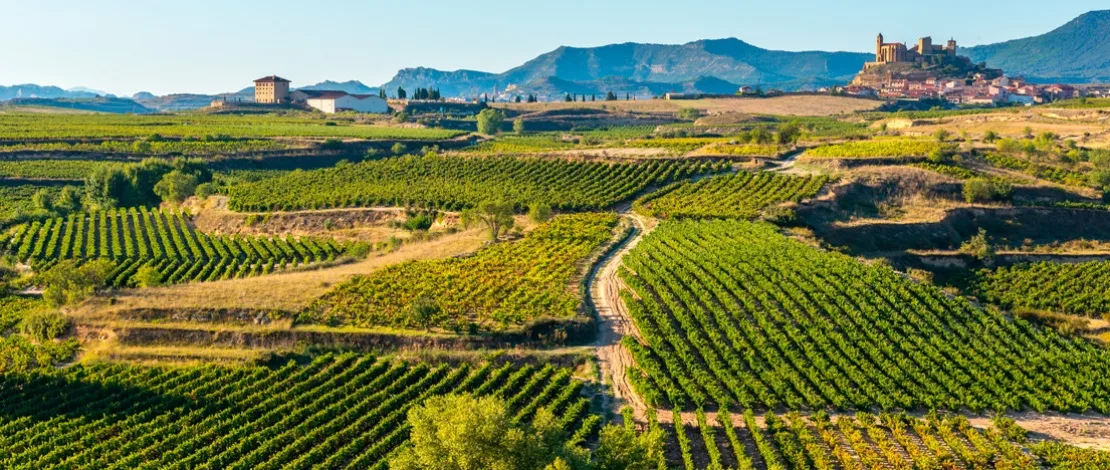
Native to northern Spain, Tempranillo is traced to the Ebro Valley through Rioja and Navarra. DNA research published in 2012 identified it as a natural cross of the white Albillo Mayor and the little-known red Benedicto, disproving the former belief that it was related to Pinot Noir. Its name comes from temprano, Spanish for “early,” reflecting its comparatively early ripening.1
Early ripening suits high-altitude continental vineyards, where warm days help build flavour and cool nights preserve freshness, while allowing harvest before autumn weather deteriorates. Young examples are generally fruit-forward; barrel and bottle ageing can produce softer tannins and notes such as leather, tobacco and dried fruit. American oak traditionally contributes vanilla and coconut tones in Rioja, whereas French oak usually brings more restrained spice.1
Names, regions and styles
The grape is called Tinto Fino or Tinta del País in Ribera del Duero, Tinta de Toro in Toro, Cencibel in La Mancha and Ull de Llebre in Catalonia. In Portugal it is known as Tinta Roriz in the Douro—where it is an important Port variety—and Aragonez in Alentejo.1
Tempranillo commonly produces medium- to full-bodied wines with red cherry, plum and dried-herb flavours. Oak can add vanilla and spice, while mature bottles may develop leather, tobacco and dried-fig notes. Principal regions include Rioja, Ribera del Duero and Toro in Spain; Douro and Alentejo in Portugal; Mendoza in Argentina; McLaren Vale in Australia; and Southern Oregon in the United States. Suggested pairings include roast lamb, chorizo, jamón ibérico, grilled pork, substantial stews and Manchego.1
Spanish labels often emphasize origin rather than the grape. Their ageing terms provide stylistic guidance: Joven denotes a young wine with little or no oak, while Crianza, Reserva and Gran Reserva indicate progressively longer maturation. Joven is generally intended for drinking within one or two years of release and Crianza within roughly five years, whereas leading Reserva and Gran Reserva wines can mature for decades.1
Best in Show and Platinum: 97 points
Condado De Haza Reserva, Ribera del Duero 2021 — Best in Show, 97 points; 14.5% alcohol. The deepest-coloured red among the competition’s Top 50, it combines concentrated dark fruit with restrained oak and avoids overt overripeness. Broad, soft and harmonious on the palate, it is sustained by high-altitude acidity and energetic tannins, with a long finish suggesting further savoury development. This was Ribera del Duero’s third consecutive appearance in the Best in Show selection and its second during that run for a red wine.1
Arzuaga Reserva, Ribera del Duero 2022 — Platinum, 97 points; 14.5% alcohol. Red plum and cherry aromas are joined by cedar and graphite, with a pencil-shaving character. Chocolate-toned tannins and juicy acidity support a firm, complete structure.1
Bodegas Olarra Nucerro Gran Reserva, Rioja 2020 — Platinum, 97 points; 13.5% alcohol. Rose petal, dark plum, cherry and berry notes integrate with cedar oak and a graphite-like mineral frame. It is developing while retaining a youthful character.1
Campillo 57 Selección Especial, Rioja 2019 — Platinum, 97 points; 14.5% alcohol. A combination of power and elegance, with red plum and cherry over a savoury mineral centre, polished tannins and a creamy texture. Paprika-like piquancy shapes the finish.1
El Coto Coto De Imaz Gran Reserva, Rioja 2020 — Platinum, 97 points; 14% alcohol. Black cherry and cassis sit over charcoal and coffee tones in a modern style. A pronounced oak structure is balanced by rounded tannins and linear acidity that builds through the long finish.1
Further Platinum winners: 97 points
Finca Rodma Gran Rodma, Ribera del Duero 2022 — Platinum, 97 points; 14.5% alcohol. Smoky oolong tea leads into ripe red plum and damson. Its energetic profile and close integration of fruit and oak indicate strong ageing potential.1
Marqués De Cáceres Gaudium Reserva, Rioja 2021 — Platinum, 97 points; 14.5% alcohol. Black-cherry compote, smoky chocolate-toned oak and peppered mushroom flavours accompany a full, structured palate, forceful tannins and vivid acidity. It is designed for extended ageing.1
Monteabellón Finca Matambres, Ribera del Duero 2021 — Platinum, 97 points; 15% alcohol. Expressive aromas of black-cherry jam, violet and coffee lead to a plush oak centre, with goulash-like savouriness and black pepper. The palate is full and velvety, with enveloping tannins and a savoury finish.1
Tobelos Tahon Reserva, Rioja 2019 — Platinum, 97 points; 14% alcohol. Red and black fruit and floral aromas broaden into a graphite-like structure with supple tannins. Succulent acidity carries the persistent finish.1
Valduero 6 Años Reserva Premium Reserva, Ribera del Duero 2019 — Platinum, 97 points; 14% alcohol. Sage and lavender precede plum, fig and crème de cassis on a precisely structured palate, with generous cedar oak adding breadth.1
Final Platinum and Gold winners
Viña Salceda Picopalomares, Rioja 2023 — Platinum, 97 points; 14.5% alcohol. Floral, red-fruit and spice aromas introduce a generous, juicy wine with compact powdery tannins. Bright acidity runs through the texture, contributing freshness and potential longevity; the wine is a blend.1
Conde De San Cristóbal Reserva Especial Reserva, Ribera del Duero 2020 — Gold, 96 points; 14% alcohol. Hedgerow fruit and floral notes are framed by structured oak. The palate is plush and velvety, with firm tannins and a savoury turn on the finish.1
Finca Museum Numerus Clausus, Cigales 2020 — Gold, 96 points; 14.5% alcohol. Black fruit and floral undertones are layered with mocha-coffee oak and a rich leathery texture. Redcurrant-like acidity cuts through and extends the finish.1
Pago De Los Capellanes Reserva Ribera del Duero 2022 — Gold, 96 points; 15.5% alcohol. Ripe cherry and berry aromas are set against dark chocolate. Rich and full-bodied, it has sleek tannins, a creamy texture and a coffee-bean finish.1
Portia Alta, Ribera del Duero 2023 — Gold, 96 points; 14.5% alcohol. Deep and dense, with restrained power, the wine combines dark fruit with lively acidity, black-tea tannins and a sustained clove-spice note.1
International Tempranillo Day
The Tempranillo Advocates, Producers and Amigos Society, known as TAPAS, established International Tempranillo Day in the United States in 2011. It is observed worldwide on the second Thursday of November: Thursday was selected because restaurants and wine shops are often busiest at weekends, while the second week avoids conflicts with All Saints’ Day, the Day of the Dead and Thanksgiving.1
Sources
Written by the Dionysus editors from the sources above.