Farms accelerate compost spreading ahead of winter rains
Vineyards and other farms are applying 4–5 tons of compost per acre after sowing cover crops, aiming to limit erosion and improve soil before anticipated heavy winter rain.
Compost before the rains
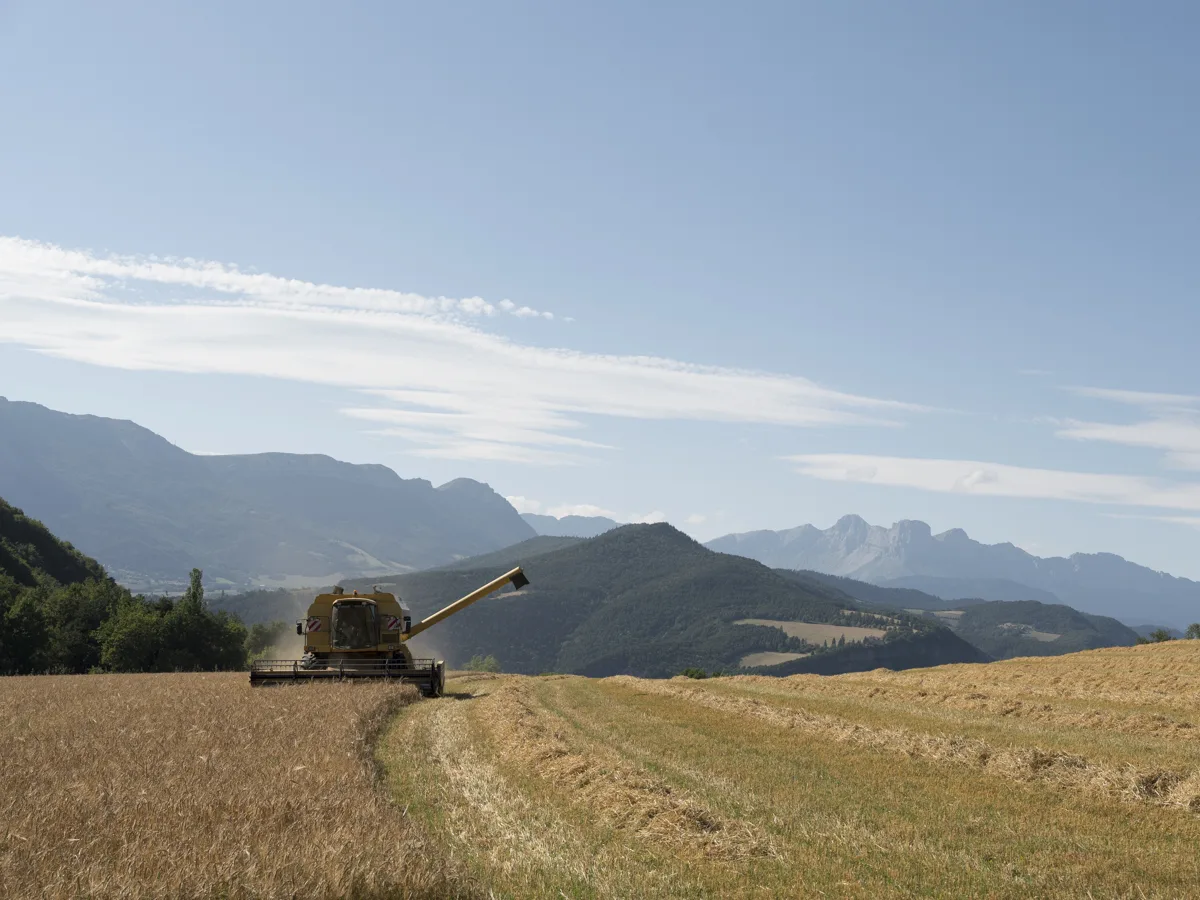
An article published on 2026-11-11 reports that vineyards and other farms, after planting cover-crop seed in recent weeks, are spreading 4–5 tons of nutrient-rich compost per acre. With heavy winter rain anticipated, farms have placed large orders and directed crews to distribute a layer about 0.5 inch deep across vineyards, orchards and other fields. The cover crops and compost help protect topsoil from erosion.1
The participating farms produce almonds, pistachios, citrus, wine grapes, table grapes and numerous other crops. Residents and businesses in nearby cities are encouraged to place food scraps, sticks and leaves in curbside composting bins instead of sending them to landfills. More than 90% of the resulting compost is used on local farms, supporting food production and an economy in which agriculture has a substantial role.1
Changing soil management
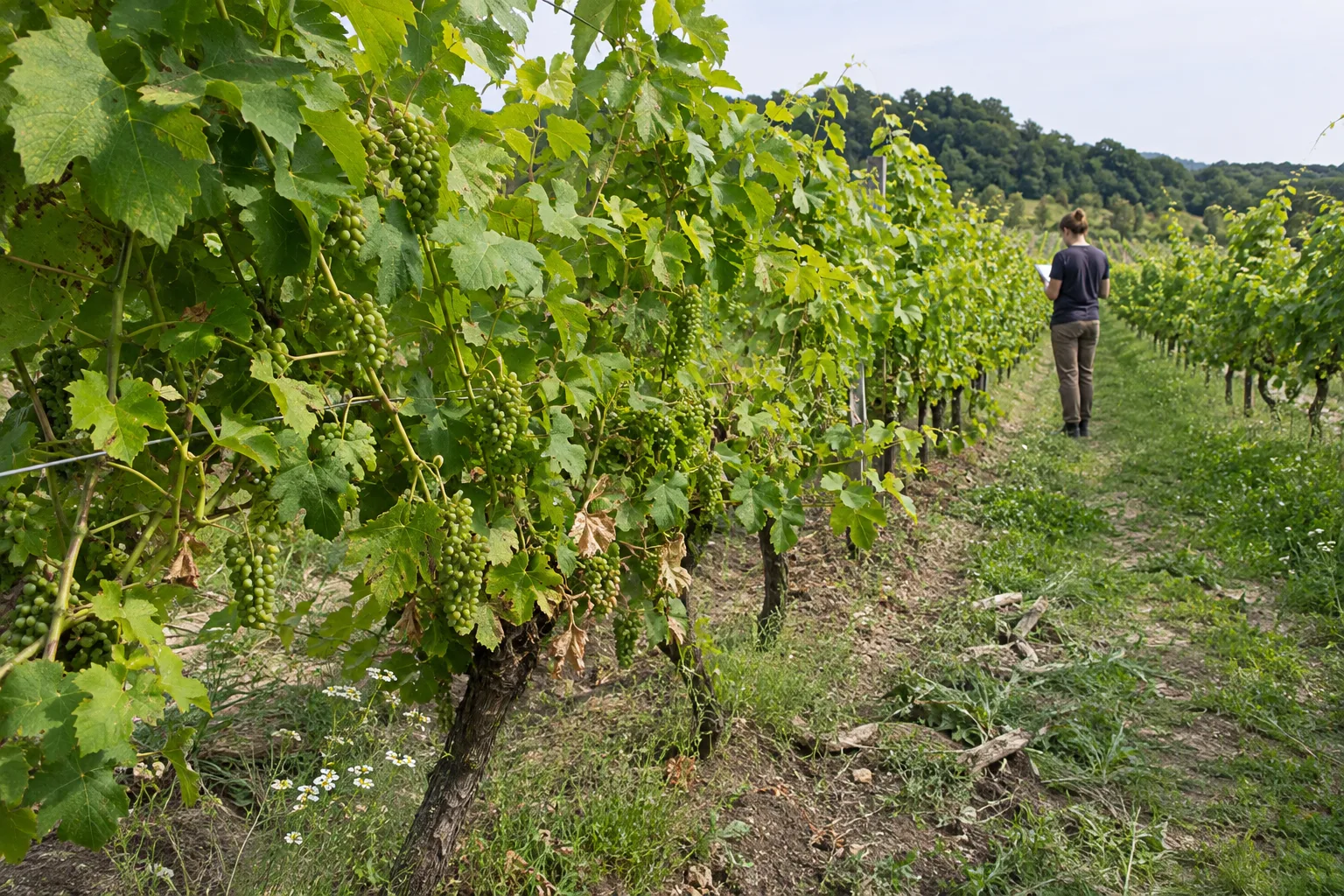
About 20 years ago, many vineyards tilled the ground between vine rows. Many vineyards and other farms now use compost to establish cover crops, including yellow mustard and white daikon radish, between rows. Agronomist Bob Shaffer says growers adopted the combined compost and cover-crop system over time after observing its benefits.1
The cover crops resemble grass about 8 inches tall in mid-December and continue growing through winter. By March, they rise above the fields with yellow and white growth. Besides limiting erosion, the plants take carbon and nitrogen from the atmosphere and move them through their roots deep into the soil, nourishing microorganisms within the upper 14 inches of soil where food crops grow.1
Experience in orchards and vineyards
Jonathan Romero, farm manager at Labrode Land Company, says compost adds organic matter, improves soil health and increases moisture retention. The company applies Recology compost between rows of pistachio trees in large orchards. Romero says growers continually seek soil improvements and sustainable methods that will benefit crops and the environment over the long term.1
Eric Lamb of Cordero Vineyards, east of Napa, says Recology compost has supported the development of healthy, resilient vineyards for Lost Valley Wines for more than 15 years. Debra Becker Lamb of Lost Valley Wines says returning organic material collected from communities to farmland is a rewarding way to support sustainable agriculture.1
Municipal composting at scale
In 1996, San Francisco became the 1st large city in the United States to introduce curbside collection of food scraps for composting. Approximately 600 cities nationwide have since established municipal compost-collection programs.1
Recology owns and operates 8 composting facilities on the West Coast. Fall is its busiest season for loading delivery trucks with finished compost for local farms, creating urgency as growers prepare their fields before the rains.1
Sources
Written by the Dionysus editors from the sources above.