Gut Oggau plans to plant only mildew-resistant hybrids
The Demeter-certified Burgenland estate says repeated vineyard treatments against downy and powdery mildew can compact the soil. Eduard Tscheppe therefore plans to use only resistant hybrids based on Austrian varieties for future plantings.
The estate and its outlook
Eduard Tscheppe and Stephanie Tscheppe-Eselböck run Gut Oggau and farm 20 hectares of old vines in Burgenland. The Demeter-certified estate follows biodynamic practices and makes its wines with limited intervention. The couple presented the wines and their story in London through importer Dynamic Vines.1
They acquired an old property in Oggau in 2007, on the western shore of Lake Neusidel near the Hungarian border. Its previous owner had not produced wine for 10 years. The vineyards were then 30–60 years old, and the couple chose sensitive farming to restore them at a time when they had few natural-wine models to follow. Their cellar approach similarly developed without a local template and has remained non-interventionist.1
Tscheppe describes a vintage as the record of a particular season’s weather, climate and wider natural conditions, while terroir conveys the more enduring influence of soil. Because both evolve, he rejects the idea that wine can be standardized and values the feelings it produces alongside its flavors. His account of biodynamics emphasizes a balance between the forces of the earth below and energy from the surrounding cosmos.1
The couple say they did not set out to provoke the wine trade, although their wines challenged conventional expectations. Stephanie Tscheppe-Eselböck adds that perfection is subjective and can mean different things to different people.1
Biodiversity, cellar work and new varieties
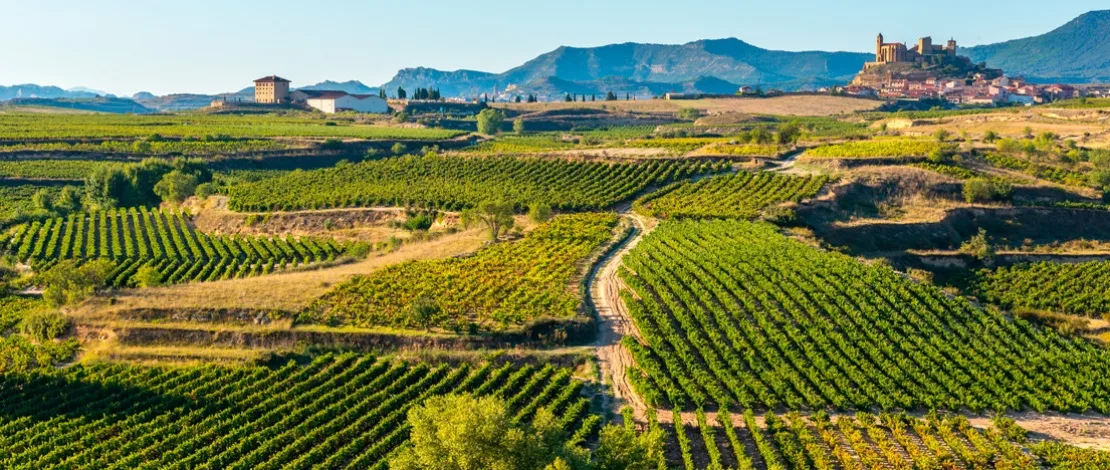
Gut Oggau is moving its vineyards away from monoculture. It plants trees to modify the microclimate, connect roots with mycorrhizae and attract birds and insects, while cover crops, bushes and herbs add further diversity. The estate accepts a smaller grape crop in exchange for greater resilience and quality.1
Red and white grapes can be combined, and cellar decisions are not determined simply by their color. White grapes undergo skin contact, while red grapes receive less than a conventional full maceration because the estate believes excessive tannin can obscure the mineral energy that supports freshness. Most wines therefore combine skin-macerated and directly pressed portions. Sulfites are used only shortly before bottling.1
The cellar uses Stockinger barrels made from slow-growing oak from northern Austria, with the wood seasoned outdoors for more than 5 years to reduce green tannins. After visiting Georgia in 2015, the couple considered importing qvevri but decided that the vessels belonged in their Georgian context. They avoid stainless steel because ageing wine needs oxygen, using it only to hold blends shortly before bottling.1
The estate does not classify vintages as good or bad, asking instead how much work is required to obtain balanced grapes. Humid seasons demand more physical effort, whereas dry and hot years create greater mental strain. Its policy is to accept each season’s natural conditions without setting expectations at the outset.1
Repeated treatments against downy and powdery mildew have raised concerns about soil compaction, prompting a change in future plantings. Tscheppe says the estate will plant only resistant hybrids because Vitis vinifera has no inherent tolerance to those diseases. It is using nursery material that combines Austrian genetics with mildew tolerance. The hybrids will still be grafted, so they will connect to the soil through rootstocks in the same way; Tscheppe sees the reduced treatment burden as a major relief for the vineyard system.1
A family of wines across different elevations
The contrasting personalities of the estate’s early wines inspired a set of fictional characters. German designer Jung von Matt created faces from the profiles, and every wine was named for a character whose portrait appears on its label. The characters form a family tree of children, parents and grandparents, expressing the identity the couple perceives in each wine.1
These generations also correspond to vineyard position. The younger generation represents flatland sites at 120 m, while older generations come from progressively higher hills, reaching 300 m.1
The 9 wines tasted
Gut Oggau Anastasius 2025, Burgenland, Austria — 93/100. Sourced from 7 flatland parcels with gravel and limestone soils, it is supple and combines red cherry and raspberry with vivid redcurrant. A pronounced stony quality, savory accent and clear line of acidity shape the fruit.1
Gut Oggau Theodora 2023, Burgenland, Austria — 94/100. From gravel soils, this youthful yet substantial wine has a complex texture. Honey, dried grass, lemon, wet stone and spice are joined by ripe apple, with notable presence and tension.1
Gut Oggau Timotheus 2023, Burgenland, Austria — 95/100. Grown on limestone and slate, it has a deep yellow-gold color. The wine is powerful, concentrated and textured, with some structure and pear and white-peach fruit. Its aromatics are restrained, but the components are harmonious.1
Gut Oggau Emmeram 2022, Burgenland, Austria — 94/100. A rare wine from 1 variety, it is Gewürztraminer, which the estate finds too dominant for a blend, grown on limestone. Slightly cloudy and deep yellow, it smells of grapes, pears and white peach. Fresh acidity balances its depth, while warm spice, dried herbs, a chalky quality and a degree of grip complete the profile.1
Gut Oggau Cecilia 2023, Burgenland, Austria — 95/100. This pink wine comes from southeast-facing limestone hills planted with red and white varieties. The blend is 2/3 white and 1/3 red, co-fermented. Lime, cherry and herbs lead into an energetic, focused palate of cherry and cranberry, supported by a subtle fine-grained structure and a sour-cherry note.1
Gut Oggau Josephine 2021, Burgenland, Austria — 94/100. Part of the parent generation, it blends south-facing vineyards acquired in 2011, the estate’s warmest sites. Its principal grape is Roesler, a teinturier hybrid. The vivid wine remains very fresh, combining acidity and chalky, stony minerality with raspberry and blackcurrant fruit, depth and balance.1
Gut Oggau Joschauri 2021, Burgenland, Austria — 95/100. From stonier ground at 300 m, the wine offers complexity, energy and purity. Floral aromas accompany expressive red cherry and redcurrant, while modest structure, a defined line of acidity and good intensity maintain an elegant style.1
Gut Oggau Metchtild 2022, Burgenland, Austria — 96/100. This grandparents’ generation wine comes from the oldest vineyards, which are more than 70 years old, on limestone and schist. Whole clusters are fermented and then pressed in a restored 200-year-old beam press. It is complex, fresh and tannic, with orange peel, ripe pear, grip and harmonious energy. Its ripeness and tannins bring no bitterness, allowing the wine’s detail to remain clear.1
Gut Oggau Bertholdi 2019, Burgenland, Austria — 96/100. Made from Grüner Veltliner and Blaufränkisch and pressed in the old beam press, it has tension, energy and firm acidity beneath cherry and raspberry fruit. Wet stone and a touch of redcurrant add detail to its supple, fine and focused passage across the palate.1
Representation
Dynamic Vines is Gut Oggau’s agent in the United Kingdom. The estate’s website is www.gutoggau.com.1
Sources
Written by the Dionysus editors from the sources above.