Heat and drought brought Germany an early, smaller 2026 grape harvest
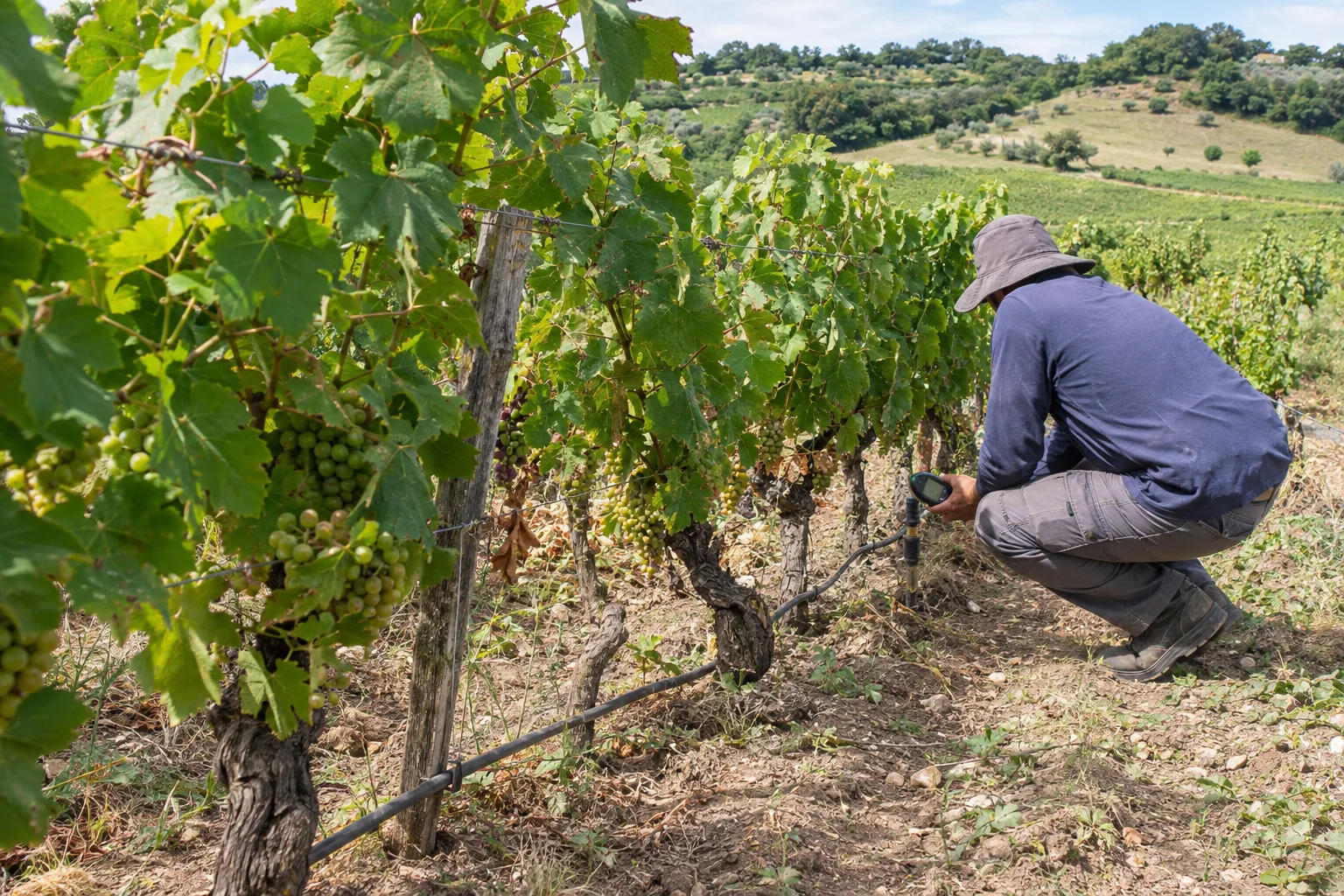
Germany’s 2026 grape harvest began in late August and was complete by the end of September after a dry, hot growing season. The German Weather Service expects a smaller crop but considers the vintage likely to offer good quality.
An unusually early grape harvest
On 27 November, the German Weather Service, known as DWD, said Germany’s 2026 agricultural year had shifted from a relatively snowy winter to a dry and very hot 2nd half. Several crops produced lower yields, while the wine harvest was earlier and was expected to be smaller.1
Grape picking began as early as late August because of the warmth and heat, and it was complete by the end of September, much earlier than usual. DWD said Germany’s wine-growing regions had been dry and forecast a smaller harvest, although it judged the vintage likely to be of good quality.1
Moisture gains faded during spring
Snow and cold periods during winter initially helped stabilize soil moisture in parts of Germany. Long dry and sunny periods followed in spring, accelerating plant growth and rapidly depleting moisture. Regional contrasts and successive weather extremes characterized the wider growing season.1
Fields dried quickly enough for summer grain to be sown about 1 week earlier than usual in March. Vegetation was also developing around 1 week ahead of recent years, but late cold caused damage: a cold spell at the end of March affected early-flowering fruit trees in some locations, and stronger April frost caused widespread losses in Saxony.1
Spring rain reduced the initial dryness in parts of central and northern Germany, while the south received only about 1/3 of its normal spring rainfall. Drought pressure on crops consequently increased there, despite a temporary return of cooler, unsettled and rainy weather in May.1
Record heat followed an unsettled June
June initially brought moderate temperatures, occasional rain, thunderstorms and unstable conditions. Agricultural work was briefly interrupted from North Rhine-Westphalia to southern Lower Saxony. From late June, however, recurring high pressure drew hot to extremely hot air across Germany, producing prolonged heat waves interrupted only briefly by local storms.1
Between 26 and 28 June, Möckern-Drewitz in Saxony-Anhalt recorded 41.8°C, a new all-time German temperature record. DWD associated the extreme heat with persistent high pressure, and the summer as a whole became the 2nd warmest since records began.1
Severe dryness accompanied the heat, particularly in the south, where some locations were even drier than during the major 2018 drought. Wildfire danger remained at level 4 or higher for more than 30 days, and large forest fires occurred in numerous places.1
Storms added localized losses
Heavy thunderstorms struck parts of southern Germany in July. Exceptionally large hail caused complete crop failure at individual sites.1
On 19 August, a severe storm line crossed central Germany with hurricane-force gusts and numerous tornadoes. It caused extensive damage to vegetation and further localized harvest losses.1
Other crops recorded mixed results
Cereal production excluding grain corn was 7.3% below the strong 2025 harvest and 2.1% below the 6-year average. Apple production fell 18% from the previous year and was 5% below the 2016–2025 average.1
Cherry production moved in the opposite direction and was expected to increase by about 4%. Periods of rain that arrived at important stages helped the crop.1
Strong differences across Germany
DWD characterized 2026 as wetter in the 1st half and exceptionally dry in the 2nd. Outcomes varied substantially among regions and crops, with a pronounced northeast-to-southwest divide for some crops. In parts of the southwest, vegetation emerged from winter dormancy as early as February, while the colder northeast remained dormant longer, contributing to uneven development from the beginning of the season.1
The season’s contrasting phases were also evident during June. Early rain and unstable weather disrupted field work in some areas, while the later return of high pressure initiated repeated heat waves. The timing and location of rainfall remained important to agricultural results.1
Deep soils remained dry into autumn
Measurable rain returned by early autumn and moistened the topsoil, but deeper layers remained well below the required moisture thresholds. In southern Germany, soil moisture continued to decline toward the end of September, prolonging drought stress and causing plants to brown.1
Persistent dryness also delayed some autumn field operations. Winter rapeseed sowing was postponed in places because the soil remained too dry for too long. Across German agriculture, earlier sowing, frost, heat, storms and drought produced outcomes that differed by crop, location and the timing of rain.1
Sources
Written by the Dionysus editors from the sources above.