Napa Valley’s small, early 2026 vintage shows promising quality
White-wine picking began in mid-July, 3–4 weeks earlier than usual, after a growing season shaped by early budbreak and uneven fruit set. Napa Valley producers now report encouraging young whites and reds despite limited volumes.
An unusually early harvest
Napa Valley’s 2026 vintage had the earliest beginning and conclusion in recent memory. A mild winter and warm weather in March prompted early budbreak, requiring vineyard and winery teams to prepare ahead of their normal schedules. The season also featured a warm spring and a light crop.1
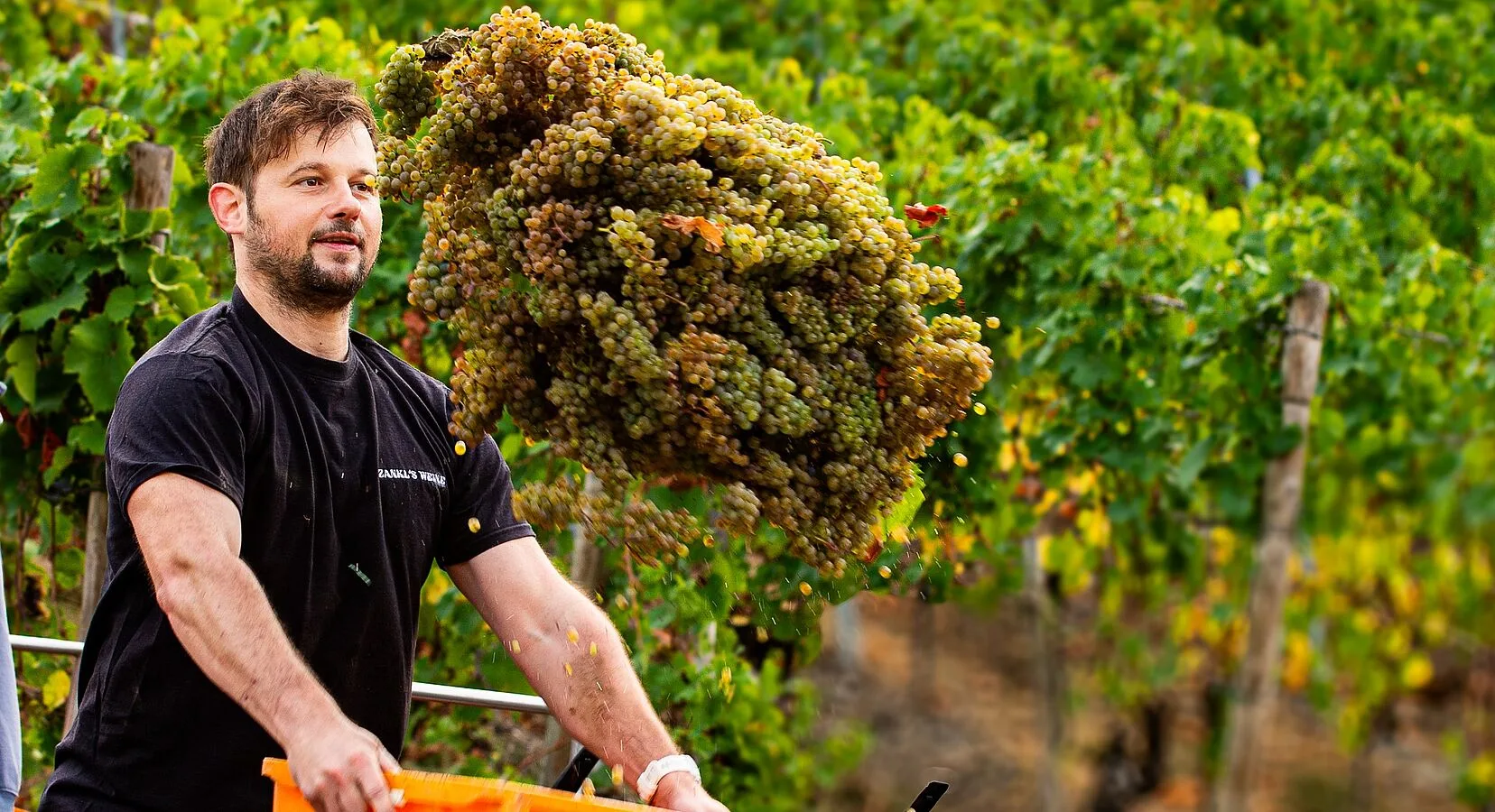
A cooler, wetter April interrupted flowering and reduced fruit set, with Sauvignon Blanc particularly affected. Vineyards that flowered later sustained less impact. Picking for white wines started in mid-July, 3–4 weeks ahead of schedule, forcing wineries to bring forward staffing and bottling plans; some producers also sought additional tonnage because the crop was smaller.1
Timing decisions in the vineyards
Following the white harvest, some wineries stopped briefly before beginning the reds, while others continued picking without a break. Heat in early September accelerated the season, after which cooler conditions gave teams more freedom to choose their picking dates. Alpha Omega winemaker Melissa Paris said decisions depended on detailed knowledge of each vineyard.1
Paris also described cooperation between wineries and growers over the amount of fruit to receive, as producers worked through the short crop. Franci Dewyer, vice president of North Coast winegrowing at The Duckhorn Portfolio, said the early start meant teams had to respond once vine growth was underway.1
Early assessments of quality
Ted Henry, director of winegrowing at Groth Vineyards & Winery, said the young white wines were among the best he had seen. His early tastings covered Sauvignon Blanc, Chardonnay and Sémillon, with consistently strong results across multiple lots. He also regarded 2026 as too distinctive to compare readily with another growing season, an assessment shared by Paris.1
At Joseph Phelps Vineyards, director of viticulture and vineyard operations Nathalie Buckland reported promising young reds with deep color and soft, plush tannins. She said quality was high even though quantity was limited. Paris highlighted the reds’ combination of richness and elegance, as well as their fruit expression, structure, depth and retained freshness.1
The organizations behind the briefing
The findings were discussed at a 2026 Vintage Briefing convened by Napa Valley Grapegrowers and Napa Valley Vintners for a panel of local winemakers and viticulturists. Samantha Cole-Johnson, senior US editor at JancisRobinson.com, moderated the discussion.1
Napa Valley Vintners, founded in 1944, represents nearly 525 wineries and has invested more than $249 million in healthcare, youth development and environmental initiatives in Napa County. Napa Valley Grapegrowers, established in 1975 as a 501(c)(3) nonprofit, represents nearly 600 growers and provides science-based education while advocating for Napa Valley grape growing and environmentally minded vineyard practices.1
Sources
Written by the Dionysus editors from the sources above.