Ontario vineyard trial finds similar early results across 3 types of ground cover
Brock University says 2 years of observations at 2 organic vineyards found broadly comparable grape yields and fruit quality with native cover crops, annual ryegrass and spontaneous vegetation.
Comparable results after 2 years
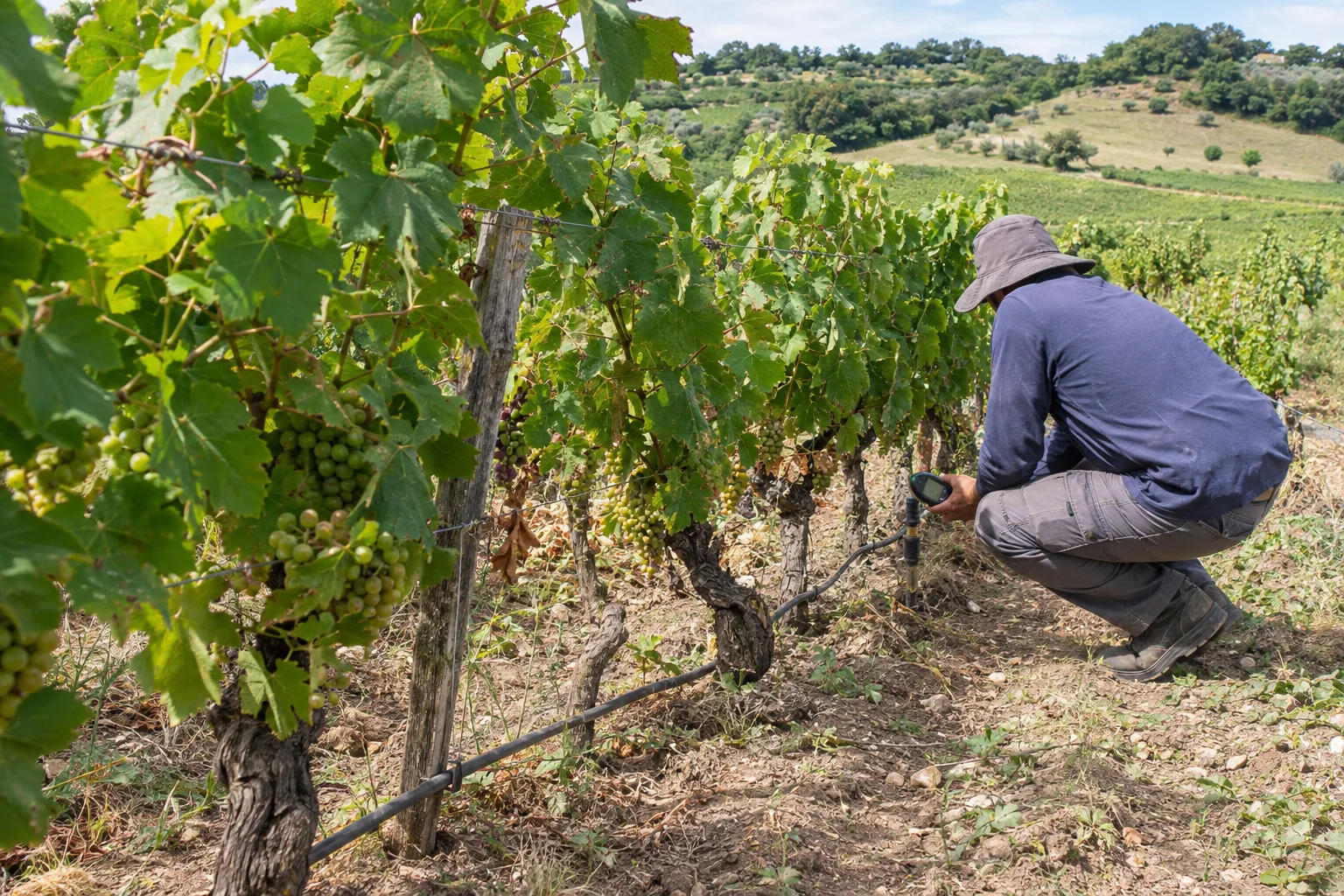
Brock University reported on 27 November 2026 that preliminary observations at 2 organic vineyards in Ontario found generally similar grape yields and fruit quality under 3 approaches: native cover crops, annual ryegrass and spontaneous vegetation. Cover crops are deliberately grown in or between vineyard rows, while spontaneous vegetation establishes without intentional seeding.1
The 2-year project examined whether native cover crops could perform comparably to more familiar forms of vineyard ground cover. According to information published on the university’s UNESCO Chair website, the early results showed broadly similar yield and grape-quality outcomes across the 3 treatments at both sites.1
Preliminary findings, not a long-term verdict
Brock characterized the findings as preliminary. The 2-year observation period therefore does not support a final judgment about the long-term effects of native cover crops, because vineyard performance can vary with weather, soils, vine age and local management over successive growing seasons.1
The Ontario setting also limits how widely the findings can be applied: vineyard conditions differ between regions, and results from one wine-growing area may not transfer directly to another. For the 2 organic sites studied, however, native cover crops showed no evident disadvantage in the yield and fruit-quality measures described.1
A possible option for vineyard management
The comparison provides local field evidence for growers weighing productivity, weed control, labor and sustainability when deciding what to cultivate between or beneath vines. It places native species alongside annual ryegrass and unseeded plant growth as approaches that can be evaluated under Ontario conditions.1
If longer-term research confirms these early results, native cover crops could offer vineyards another way to pursue sustainability goals without presuming a loss of production. Such evidence could also inform winery decisions concerning grape supply, farming costs and long-term site management, but the current findings remain an initial assessment rather than a definitive recommendation.1
Sources
Written by the Dionysus editors from the sources above.