Penfolds expands its French strategy with major investment at Château Lanessan
Penfolds is restructuring Château Lanessan in the Médoc, where 21 hectares have been cleared and replanted and a modern winery is planned. The Australian producer is increasing Cabernet Sauvignon’s share of the vineyard while considering Malbec and Marselan for future plantings.
From Adelaide to an international portfolio
Founded in 1844 near Adelaide by Dr Christopher Rawson Penfold and Mary Penfold, Penfolds developed under Mary’s leadership into Australia’s largest producer at the time, exporting wine throughout the British Empire. The company is now part of Treasury Wine Estates, and Peter Gago has served as its chief winemaker since 2002.1
Penfolds’ postwar development was shaped by winemaker Max Schubert. Following a formative visit to Bordeaux, he made the first experimental Grange in 1951. In the 1960s, he established a broader family of distinctive wines including Bin 128, Bin 389, Bin 707 and St-Henri. The word “Bin” refers to the numbered storage locations in the cellars at Penfolds Magill Estate where wines were traditionally matured.1
The portfolio later expanded into age-worthy white wine with Yattarna Chardonnay, created in 1995, while RWT Shiraz brought a Barossa red matured in French oak. These wines joined a house style associated with richness and long cellaring potential.1
Peter Gago’s career at Penfolds
Gago began his working life as a mathematics and science teacher before answering what he described as a call to wine eight years later and earning an oenology qualification. He joined Penfolds in 1989 as a sparkling-wine maker, moved into still wines and became a red-wine oenologist in 1993. In 2002, he succeeded John Duval as chief winemaker.1
A long-term investment in the Médoc
Penfolds began its French property strategy by acquiring five Médoc estates between 2019 and 2022, including Château Cambon La Pelouse and Château Lanessan. Cambon La Pelouse first underwent substantial work, including vineyard restructuring and construction of a new vat room; investment has now shifted toward Lanessan.1
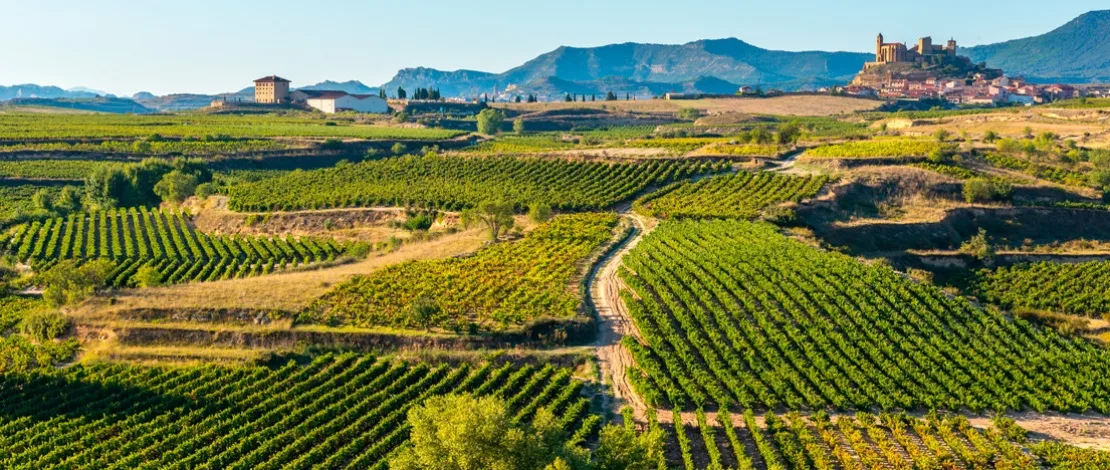
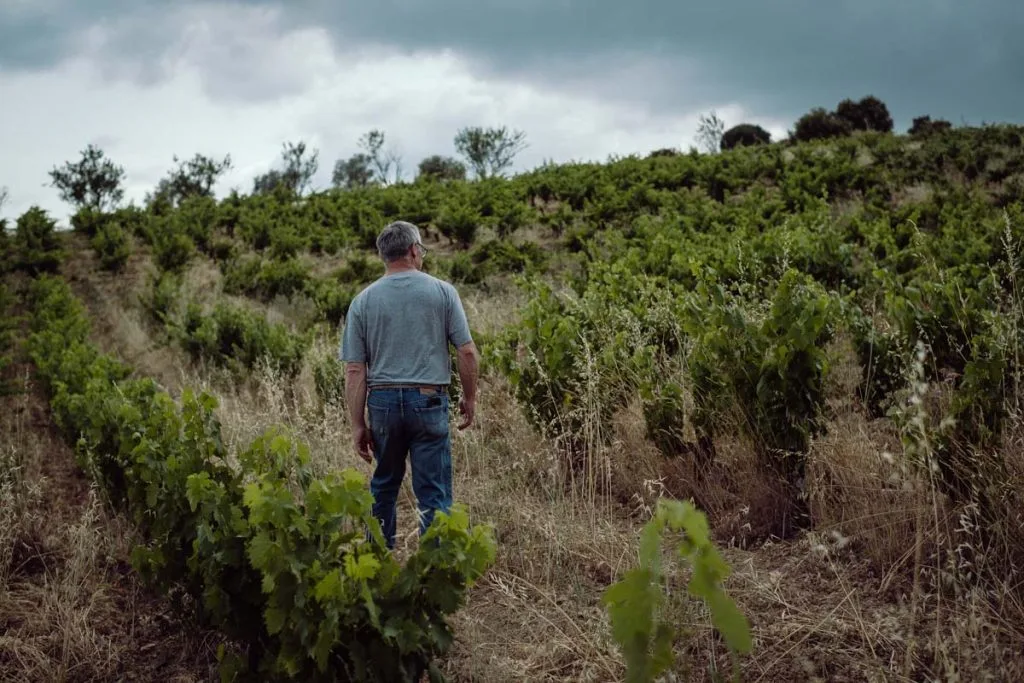
At Château Lanessan, Penfolds has cleared and replanted 21 hectares, notably using massal selections of Cabernet Sauvignon to increase the variety’s proportion in the vineyard. A detailed study of the terroir could also support future plantings of other grapes, including Malbec or Marselan. The company plans to construct a modern winery at the estate in the coming years.1
Penfolds says its Médoc properties provide high-quality grapes that can be blended into premium branded wines. It also sometimes supplements its estate supply with purchased fruit from Bordeaux and other regions for wines such as FWT 543, whose initials stand for “French Winemaking Trial.”1
Champagne and cross-continental blends
Penfolds has also entered Champagne through a partnership with Thiénot. Its first two releases were deliberately unconventional single-vineyard styles: a blanc de noirs from Aÿ and a blanc de blancs from Avize, both finished with dosage liqueur matured in Penfolds Yattarna barrels. Although Penfolds has produced sparkling wine in Australia for more than a century, Gago described direct involvement in Champagne as a childhood dream and said the goal remains to express the two terroirs as clearly as possible.1
Other French collaborations include wines made with Dourthe in Bordeaux and Jaboulet’s La Chapelle in the Rhône, combining French and Australian components in inter-hemisphere blends. For the 2021 and 2022 vintages of Grange x La Chapelle, the emblematic wines of the two properties were united in a single cuvée.1
Sources
Written by the Dionysus editors from the sources above.