Vouvray maps soils to refine vineyard decisions
The IFVV is studying soil behaviour across the Vouvray AOC, including terroir earliness and water-storage capacity, to help growers adapt plant material and vineyard practices.
Mapping soil behaviour
The Institut français de la vigne et du vin (IFVV) is conducting a terroir study in the Vouvray appellation. Its main objectives include mapping soils throughout the AOC and examining how they function, particularly their earliness and water-storage capacity, according to François Bouteille, director of the Syndicat des vignerons de Vouvray.1
The work is intended to give growers a more precise understanding of each plot’s potential and constraints, supporting decisions about plant material and vineyard practices. The issue is especially relevant in dry years: maturation can stall on the most calcareous sites, while technical choices such as controlling yields can help reduce water stress.1
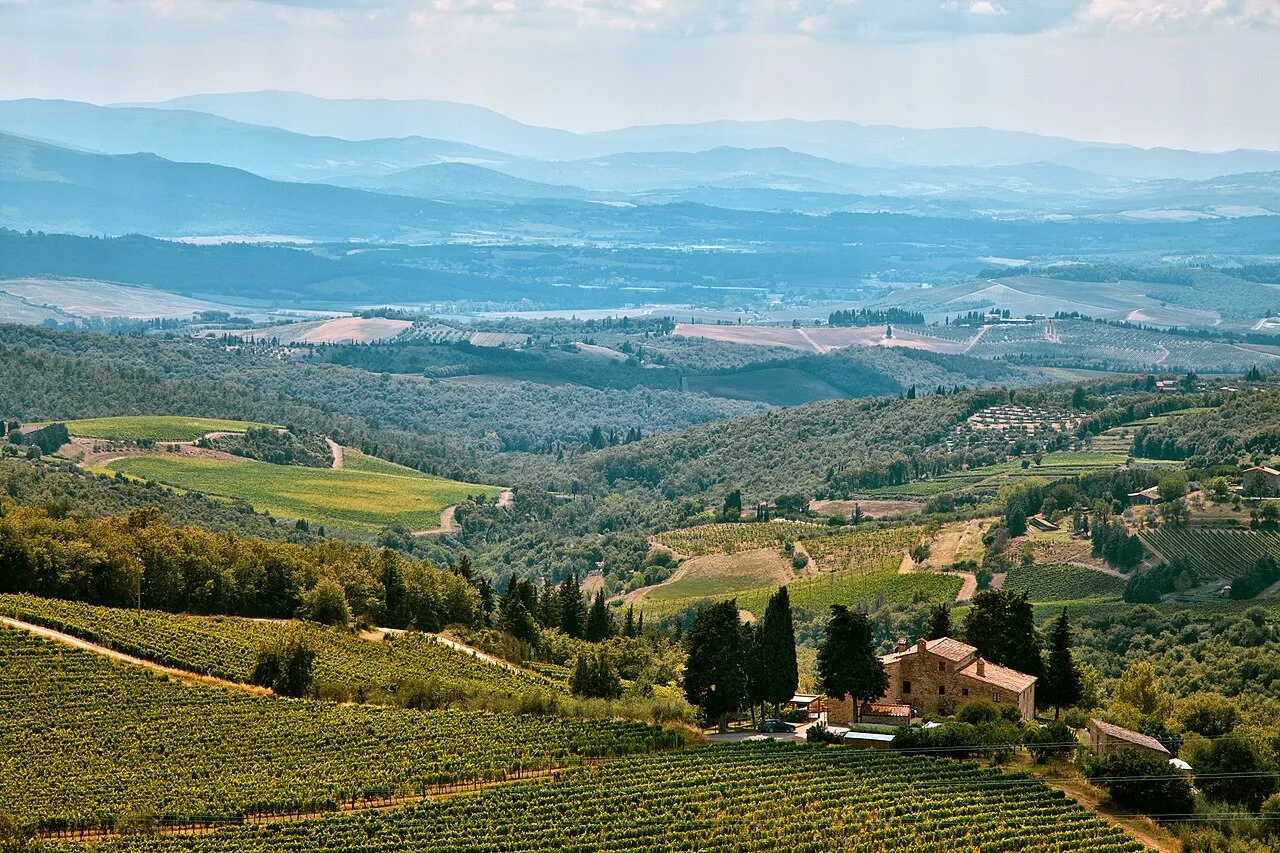
Vouvray covers 2,300 hectares and is entirely planted with Chenin. Its vineyards lie on tuffeau chalk topped by clay-silica formations and, in places, wind-deposited silt. IFVV’s Sam Schrock says silt and clay generally retain water well, whereas soils directly over chalk tend to have lower water-storage capacity, lower vine vigour and earlier ripening, although stronger exposure to water stress means that pattern is not systematic.1
Sources
Written by the Dionysus editors from the sources above.