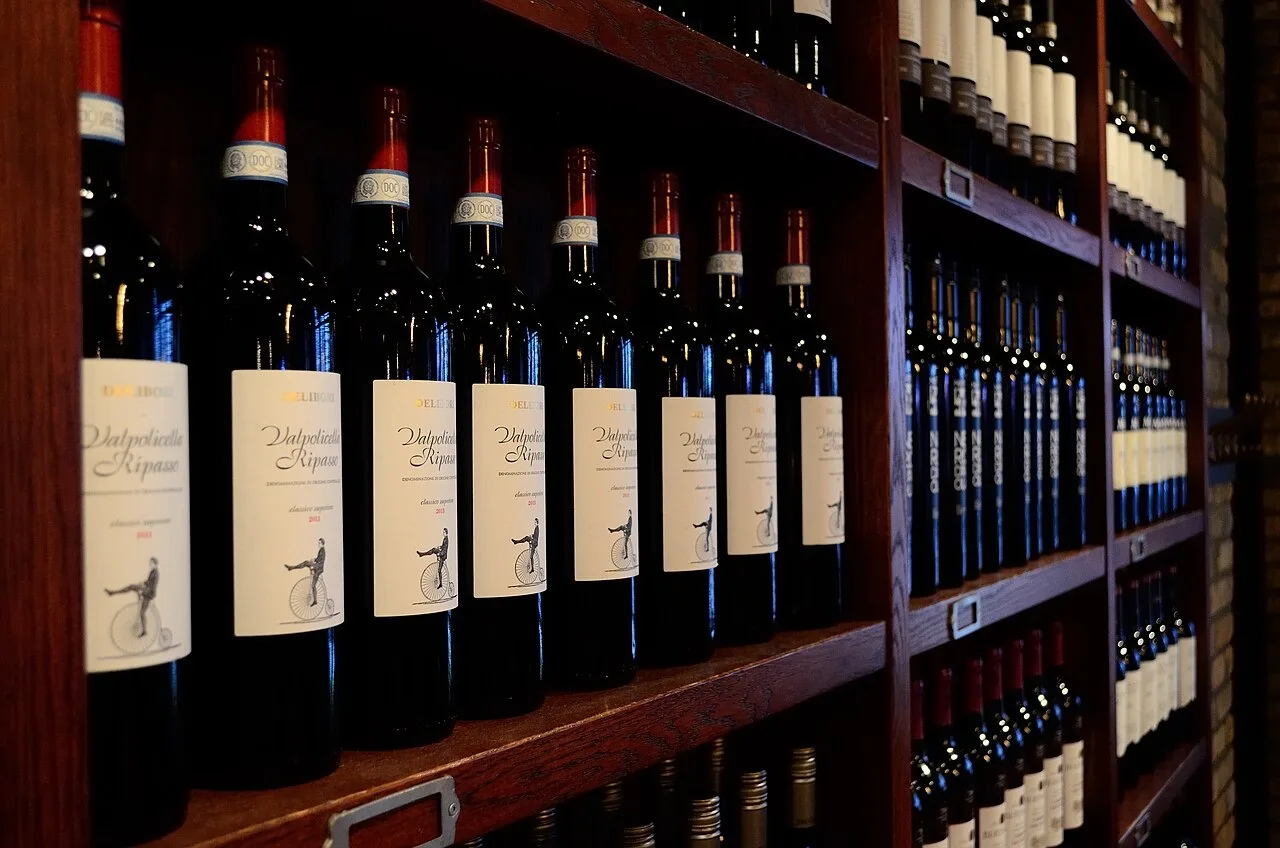
Wine leads the purchases Italians are cutting as living costs rise
A Noto Sondaggi survey for Il Sole 24 Ore found that 52% of respondents had changed their spending during the year; among those buying less, 35% named wine, the highest share for any listed product.
Perceived inflation far exceeds the official rate
The Noto Sondaggi survey for Il Sole 24 Ore, released on 2 November, found that respondents estimated inflation at 13.3% in October, while Italy’s national statistics agency, Istat, measured annual inflation at 5.4%. The 7.9-percentage-point difference was larger than in October 2023, when the respective figures were 11.4% and 5.3%.1
The national poll covered 2,000 adults and was conducted from 14 to 19 October. Participants assessed price changes over the previous 12 months, and their answers were compared with official inflation data. The results suggest that households continue to feel price increases accumulated over multiple years even though measured inflation has slowed.1
Figures cited in the survey put the overall price increase between October 2023 and October at 7.5%, rising to 20.1% when compared with December 2021. This longer accumulation appears to be shaping consumers’ assessments of current prices, particularly for everyday necessities.1
The largest gaps occur in routine expenses
For transport goods and services, perceived inflation was 19.3%, against Istat’s 9.3%. In October 2023, consumers had estimated 14.4% for the same category while the measured figure was 5.1%. Food and nonalcoholic beverages registered 14.3% perceived inflation and 2.9% measured inflation.1
Consumers estimated inflation of 14.5% for clothing and footwear, compared with an official 0.7%; 15.6% for personal goods and services, against 2.8%; and 12.9% for accommodation and restaurant services, against 3.3%. Housing, electricity and fuels were an exception: the perceived rate of 18.1% was close to Istat’s 18.7%.1
Perceived and measured inflation were respectively 11.1% and 1.3% for health and medical services; 10% and 2.3% for alcoholic beverages and tobacco; 9.5% and 2.3% for furniture, household articles and home services; 9.5% and 1.4% for recreation, entertainment and culture; 9.2% and 1.3% for education; and 7.4% and 4% for communications.1
Households are changing spending habits
A total of 52% of respondents said they had changed their spending during the year by abandoning some purchases or reducing consumption. Another 30% had not yet made changes but thought they might do so in the coming months, while 18% had neither changed their habits nor expected to change them.1
Energy was identified as the heaviest burden on family budgets by 76%, followed by fuels at 65% and housing at 40%. Health was cited by 30%, restaurants by 16%, leisure by 12%, clothing by 10%, communications by 7%, education by 5%, and culture and other items by 3%. The purchasing pattern suggests that living-cost pressure may already be weighing on demand for wine, beer and other beverages; if it persists, producers and retailers may face greater pressure to revise prices, pack sizes, promotions and product ranges.1
Wine heads the list of cutbacks
Concern about future inflation remained widespread: 65% expected it to rise in the coming months, up from 54% in October 2023. The share expecting broadly stable prices fell to 23% from 33%; 3% expected a decline, compared with 1% in 2023; and 9% were unsure, down from 12%.1
Among respondents who had reduced purchases, 35% named wine, the highest result on the list. Beer followed at 30%, fruit juice at 29%, fish and seafood at 26%, chocolate at 23%, and butter, cured meats and sausages at 22%. Jam and honey were cited by 21%, red meat by 20%, mineral water by 15%, and sugar and white meat by 11% each. Flour was named by 9%, while bread, cheese, dairy products and milk were each cited by 8%. The findings indicate that consumers appear to be responding to accumulated bills and higher food and transport costs by trimming both discretionary purchases and products previously treated as routine household consumption.1
Sources
Written by the Dionysus editors from the sources above.