Zorneding process returns wine’s own aromas after dealcoholization
A company near Munich has developed a patented method that separates aromatic compounds from an alcohol-containing fraction and returns them to dealcoholized wine. The Franconian cooperative GWF is already using the technology and plans a 2nd installation.
Recovering aromas after alcohol removal
A company in Zorneding, near Munich, has developed a patented process intended to retain more aroma and texture in alcohol-free wine. Its method starts by gently heating wine under vacuum, allowing ethanol to be separated at lower temperatures than in a conventional process. This produces a dealcoholized base and an alcohol-containing fraction in which much of the wine’s aroma is concentrated.1
The company says it spent about 10 years refining the next stage: a solid-phase filtration system extracts aromatic compounds from the ethanol fraction so they can be returned to the alcohol-free base. The filter’s precise composition has not been disclosed and is protected as a trade secret.1
Using the wine’s own recovered compounds is important under German wine law, which does not allow producers simply to add external flavorings while continuing to market the product as wine. The process is designed to reintroduce native aromas rather than foreign ones.1
Trials and research
Wineries can submit about 10 liters for a trial costing roughly €750 to assess whether a wine is suitable for an alcohol-free version, according to BR24. The company also operates plants based on the system in other countries, while its Zorneding site lets growers evaluate the commercial potential of alcohol-free ranges.1
The work includes laboratory analysis that represents aromas through charts and curves, as well as cooperation with other research projects. Claudia Geyer, who helped develop the process, said considering dealcoholization when choosing grape varieties, vineyard sites and production methods could help carry a wine’s origin and an individual winemaker’s style into its alcohol-free counterpart.1
Passerina tasting shows progress and limits
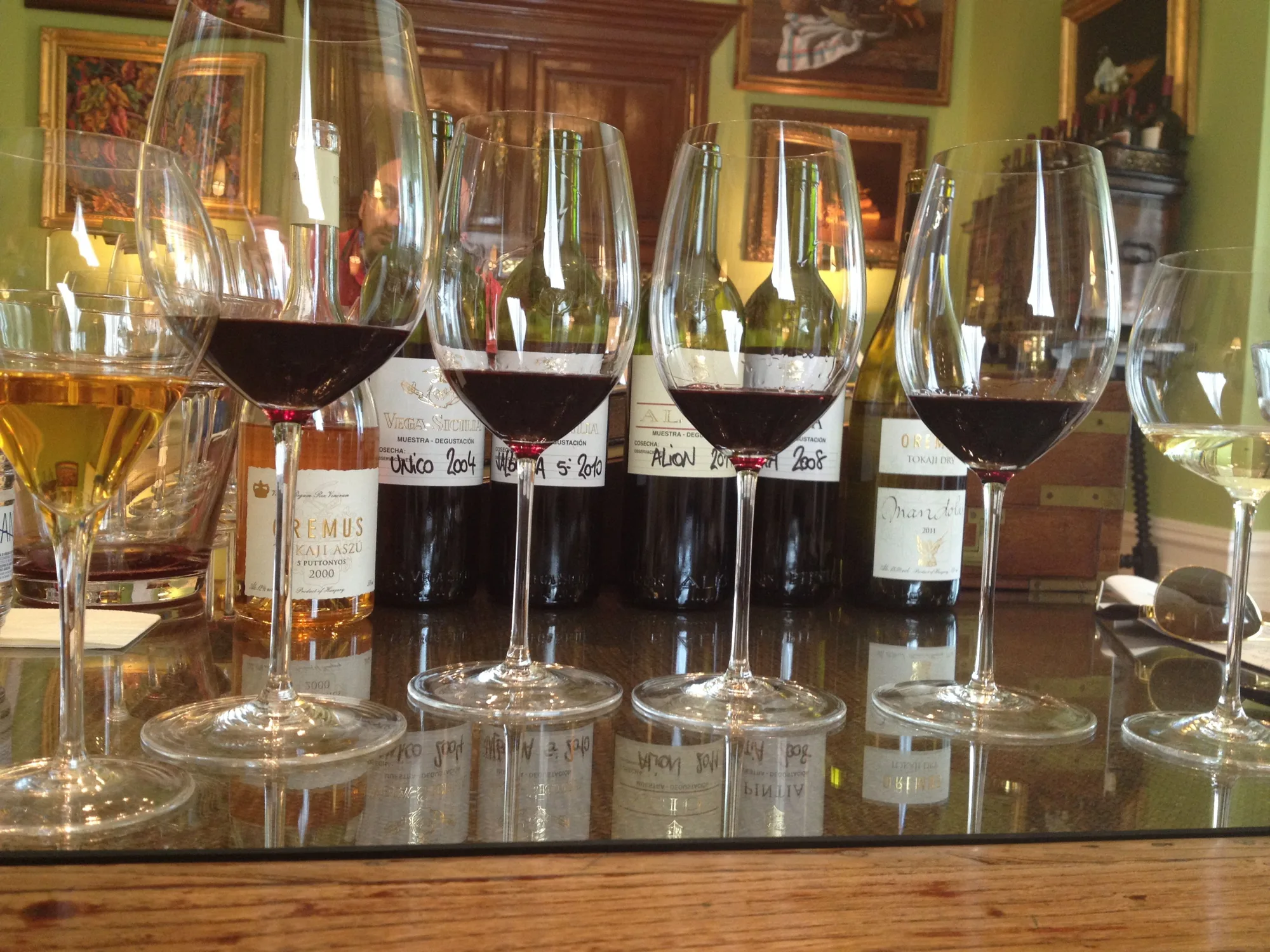
BR24 reported on a test involving a Passerina white wine originally priced at about €10. Sommelier Alexander Gottschalk, a specialist in alcohol-free wines and sparkling alternatives, found the dealcoholized sample without aroma recovery light and fairly neutral, with some spice but little intensity or body and a water-like character. After the aromas were restored, he detected a clear difference from the initial smell, finding the wine more expressive and recognizable as wine, broader on the palate and longer in its finish.1
Lea Hüttenhofer of Munich restaurant Waltz offered a more qualified assessment. She said alcohol-free wines had improved markedly in recent years and had moved beyond products resembling sweet, sparkling grape juice. She found the aroma-restored Passerina pleasant and floral on the nose, but still short of depth and persistence on the palate. In her view it was sound and better than many alcohol-free wines already available, though not yet a complete solution.1
A small category with rising demand
German Wine Institute figures show that retail sales of alcohol-free wine recently rose by 44%, although the category represents only about 2% of total wine revenue. Of 506 businesses surveyed by the institute, 1 in 3 already offered alcohol-free products.1
Changing habits among younger adults are also influencing the market. In Germany, the proportion of 18- to 25-year-olds drinking alcohol every week fell from 44% in 2011 to 25% in 2025, according to figures cited by BR24. Producers are consequently seeking products that accommodate moderation while retaining a recognizable wine identity.1
GWF expands capacity in Franconia
The Franconian wine cooperative GWF has commissioned 1 dealcoholization plant using the Zorneding technology and plans to install a 2nd. Specialists cited by BR24 pointed to alcohol-free beer as a possible precedent: nearly 10% of beer in Bavaria is now alcohol-free, and breweries have used the segment to help compensate for declines elsewhere.1
Aroma loss remains a major obstacle for wineries, restaurants and beverage companies seeking to make alcohol-free wine a distinct category rather than a compromise. The Zorneding process could give producers and hospitality businesses more scope to offer differentiated products that reflect grape variety, origin and producer style, provided it proves dependable across different grapes and wine styles.1
Sources
Written by the Dionysus editors from the sources above.