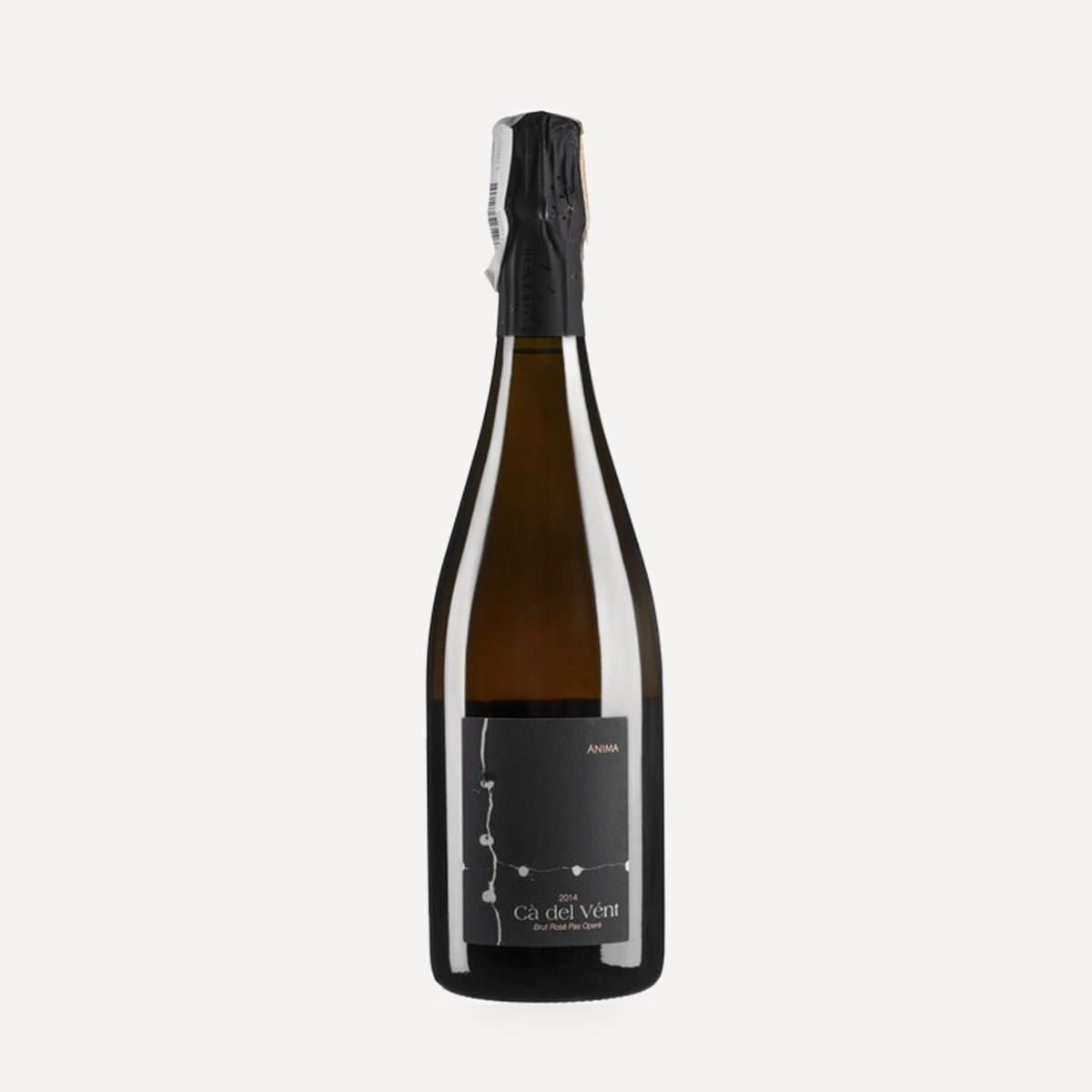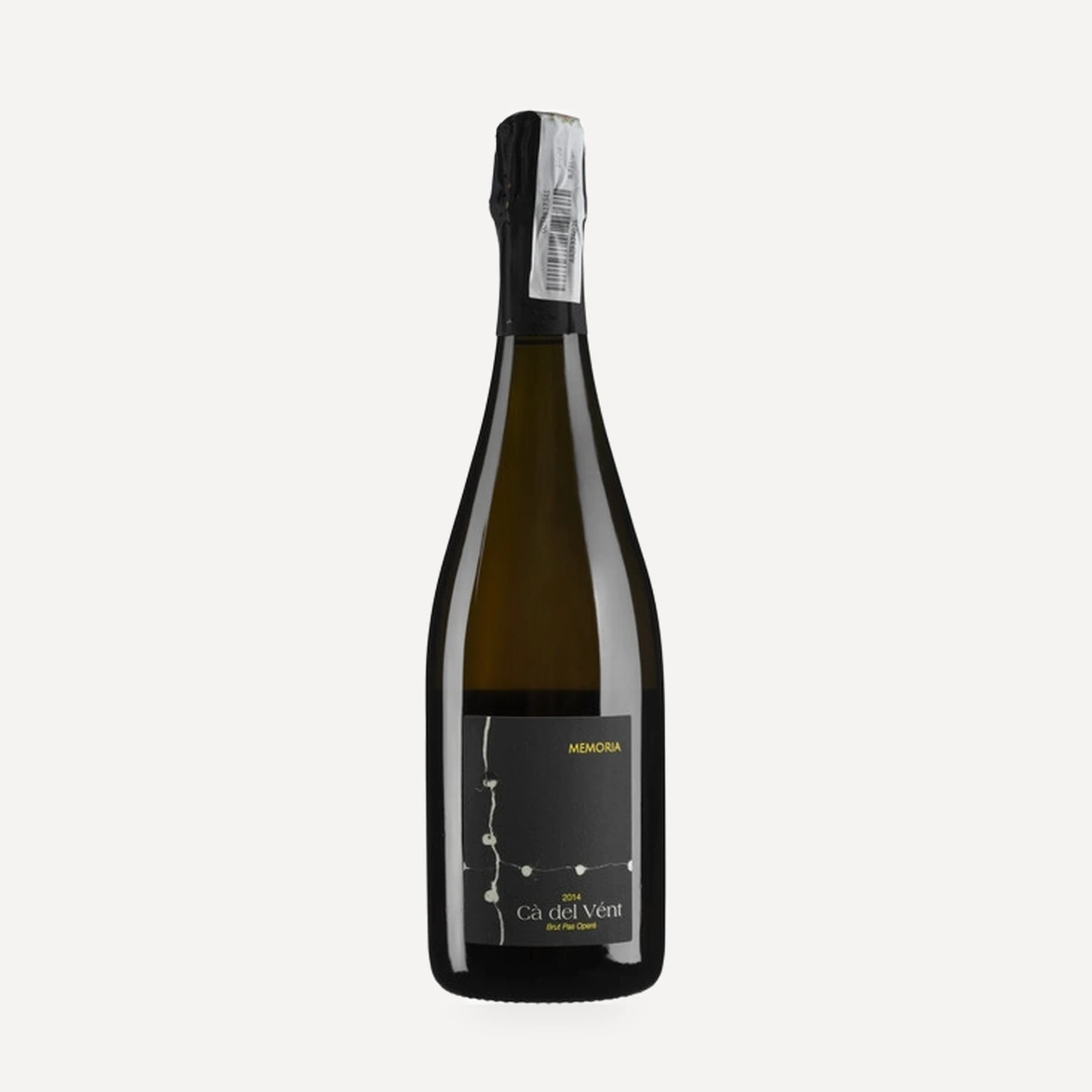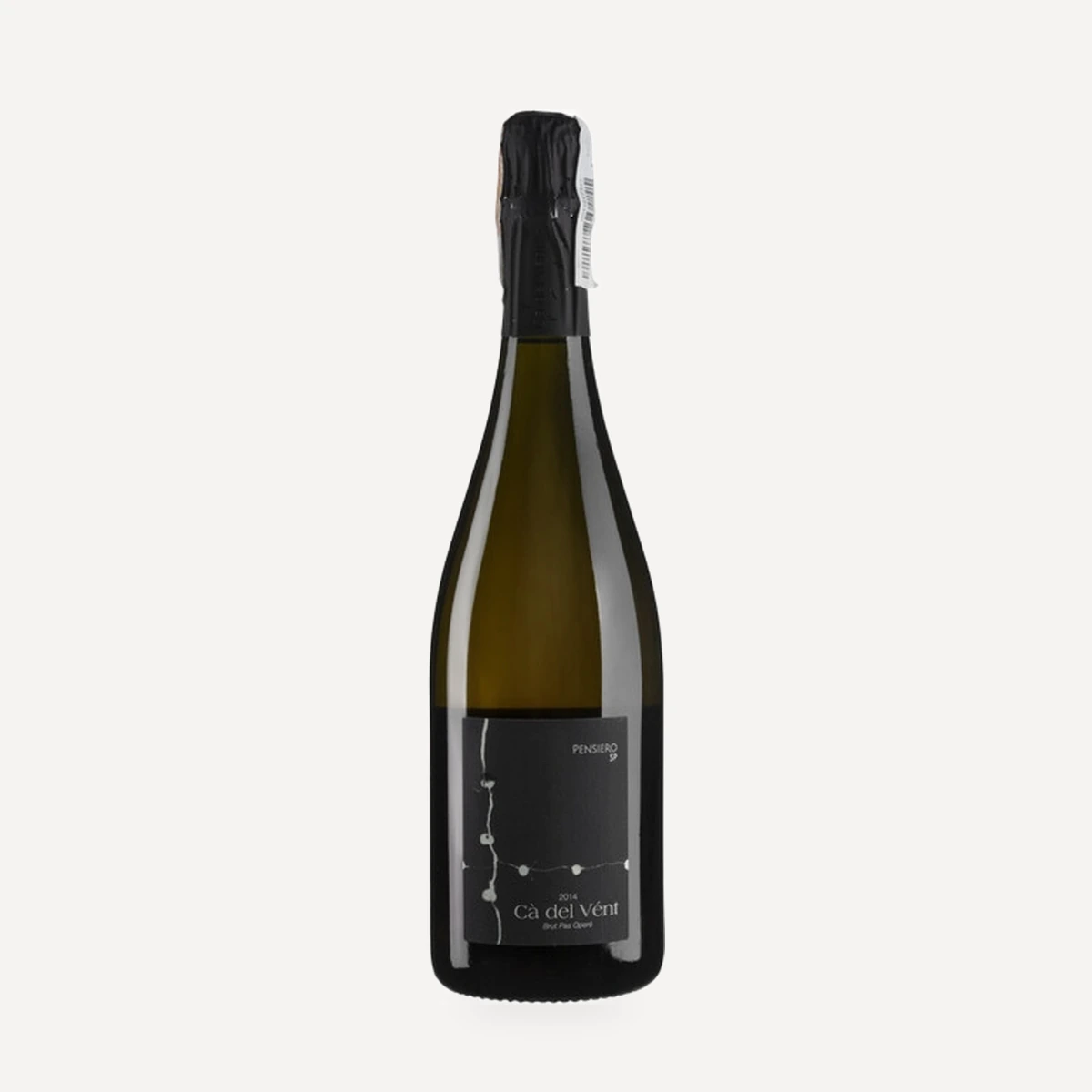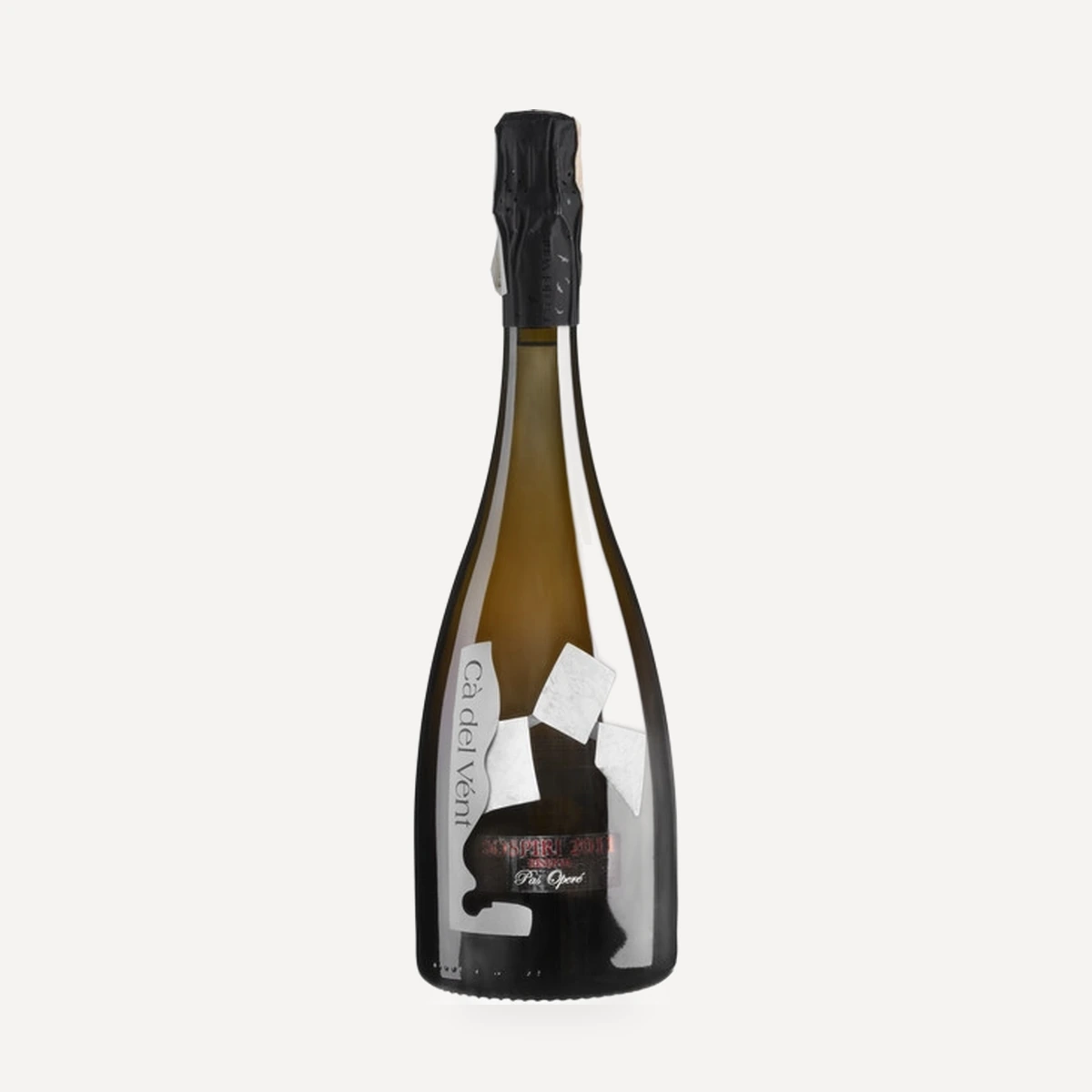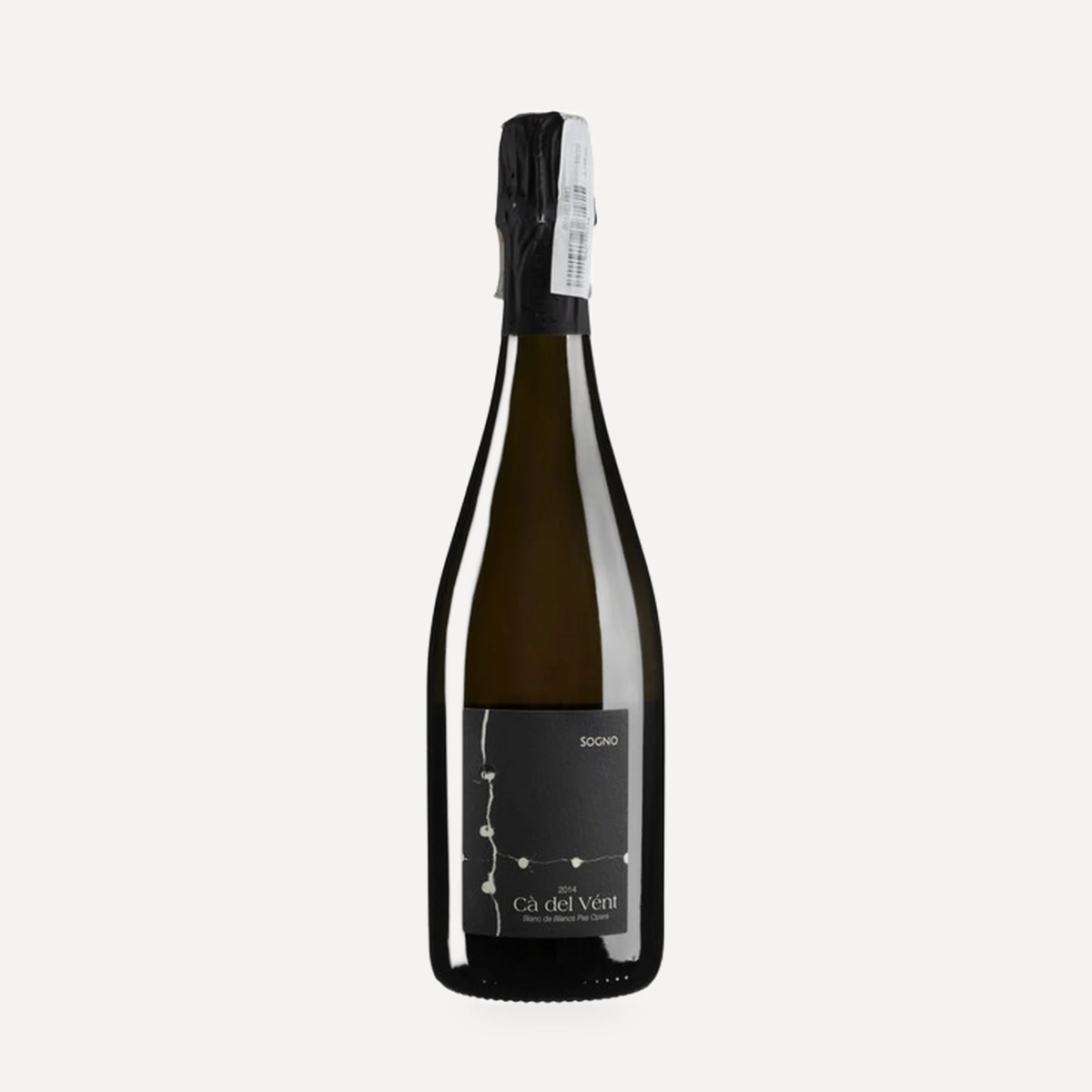
About this wine
Vineyard and terroir
The grapes are grown at 350–430 metres above sea level in the commune of Cellatica, Lombardy. In summer, warm, sunny days alternate with cool nights, allowing the fruit to ripen while retaining acidity. Low rainfall and a constant warm breeze restrict the development of downy mildew, botrytis and other principal vine diseases, reducing the need for protective treatments.
The Campiani hills contain a dense network of underground springs. Their deposits of mineral and organic particles have gradually formed a complex mosaic of predominantly clay soils rich in limestone, minerals and organic matter.
The vineyards are planted at 7,000 vines per hectare, with some vines up to 50 years old. All vineyard work is performed by hand, with an emphasis on biodynamic principles.
Vinification
The grapes are harvested by hand during the first half of August, then pressed slowly. The must is allowed to settle before fermentation begins naturally with native yeasts, without temperature control. Malolactic fermentation is prevented.
Secondary fermentation takes place in the bottle after the addition of grape sugar. After disgorgement, the bottles are topped up solely with wine from other bottles in the same batch; neither sugar nor dosage liqueur is added.
Ageing
The base wine spends seven months in 225-litre French oak barrels. Secondary fermentation and maturation in bottle last 45 months.
Tasting profile
Fresh and elegant.
Label / history
“Blanc de Blancs” means “white from white” and refers here to the traditional production of sparkling wine exclusively from white grapes. “Pas Opere” denotes the absence of added sugar or dosage liqueur after disgorgement.