History
1998 — Foundation
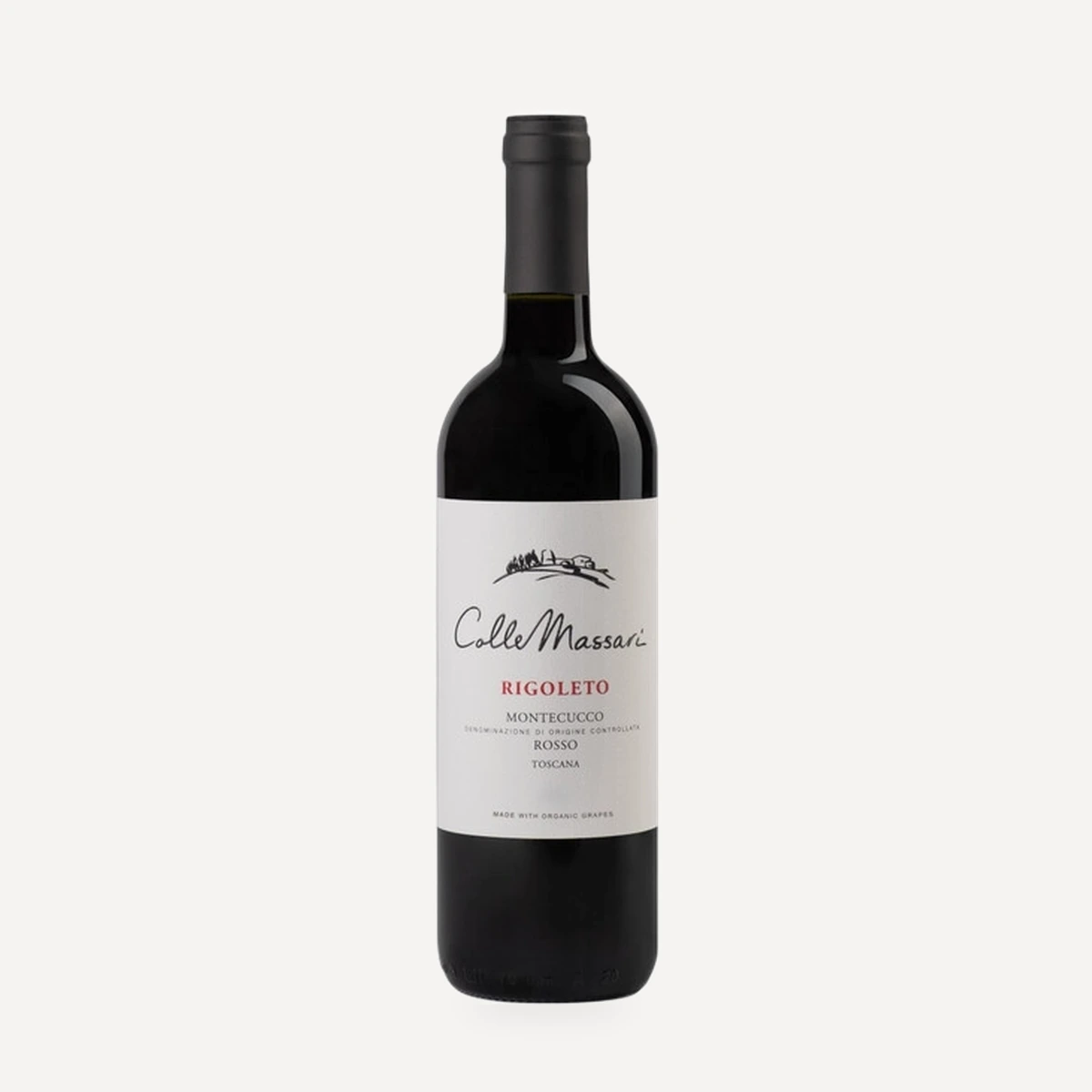
Castello di ColleMassari was founded in 1998, the same year in which the Montecucco DOC was established. The Tipa-Bertarelli family selected the area for an integrated agricultural project combining viticulture, landscape stewardship, biodiversity, research and the preservation of Maremma’s historic Sangiovese material. The initial work encompassed vineyard planting, the selection of old local biotypes and the creation of a production ecosystem intended to operate in balance with its surroundings.
The project was developed by the family that continues to own the estate. Maria Iris Tipa Bertarelli and Claudio Tipa are the sister and brother associated with the creation of the wider family domaine and its commitment to nature and wine.
2000–2001 — Experimental production
The first experimental vintages were produced during 2000 and 2001. The 2000 harvest was the estate’s first produced vintage, while 2001 marked the beginning of the production history of ColleMassari Riserva.
2002 — Construction of the gravity-flow winery
Architect Edoardo Milesi designed the winery in 2002. The building was inserted into the natural profile of the hill and arranged over three levels, allowing grapes and wine to move through production by gravity while limiting mechanical intervention and reducing the building’s environmental impact.
The ageing area was excavated into the rock so that the thermal inertia of the ground could maintain stable temperature and humidity without artificial air conditioning. Passive ventilation, rainwater recovery, phytodepuration, cedarwood interiors, integrated nitrogen conduits and solar generation were incorporated into the design.
2003 — Organic certification
The estate obtained organic certification in 2003. Organic farming became the basis of a broader regenerative model concerned with soil fertility, biodiversity, water autonomy, renewable energy and the resilience of the agricultural landscape.
2004 — First vinification of two defining wines
Poggio Lombrone and Irisse were vinified for the first time in 2004. Poggio Lombrone originated in a Sangiovese vineyard planted more than seventy years earlier; Irisse emerged from experimentation with Vermentino and Grechetto. Their creation documented two parallel areas of work: the recovery of old Sangiovese genetics and the study of white varieties suited to the estate’s cooler sites.
2007 — Castle restoration and Alinghi partnership
Restoration of the Castello di ColleMassari was completed in 2007, returning the historic building to use and establishing it as a symbol of the estate and its territory. That year ColleMassari also continued as wine partner of the Alinghi sailing team when it won the America’s Cup for the second time.
2008 — First cru, hospitality acquisition and a new winemaker
In 2008, Poggio Lombrone was formally recognised as the estate’s first cru, expressing the genetic memory of Maremma Sangiovese. The estate also acquired the property that would become the Wine Relais in Montecucco. Giovanni Puccioni began his role as winemaker in the same year.
2011 — Montecucco becomes a DOCG
Montecucco received Denominazione di Origine Controllata e Garantita status in 2011. Castello di ColleMassari had participated in the denomination from its beginnings and contributed to the collective work behind this recognition.
2012 — Estate olive mill
An olive mill reserved for the family group was built within the estate in 2012. Its purpose was to shorten the production chain and extend direct quality control to the estate’s organic olive oil.
2014 — Winery of the Year
Gambero Rosso’s Vini d’Italia guide named ColleMassari its Winery of the Year in 2014, recognising the team and the consistency of the agricultural project.
2016 — Completion of the Wine Relais
The renovation of the Wine Relais in Montecucco was completed in 2016, eight years after its acquisition. The work preserved the architecture of an old Maremman agricultural village and formed the central property of the estate’s hospitality activity.
2024 — Montecucco Organic District
Castello di ColleMassari was among the promoters and founders of the Distretto Biologico del Montecucco, formally established by the Region of Tuscany in 2024. Centred on the municipality of Cinigiano, the district encompasses almost 9,000 hectares across the provinces of Grosseto and Siena. It brings together farmers, public institutions, associations and local communities in an integrated agroecological initiative connecting agriculture, landscape and community life.
Terroir
Position and landscape
Castello di ColleMassari lies a few kilometres from Cinigiano in the Montecucco area of Tuscan Maremma. The vineyards occupy a natural plateau at approximately 300–320 metres above sea level. The plateau faces the Tyrrhenian coast and is protected inland by Monte Amiata.
Woodland, ridges and natural terraces influence air movement, support biodiversity and create a relatively stable microclimate suited to gradual, balanced ripening. The estate is surrounded by 650 hectares of woodland, Mediterranean scrub and olive groves. This extensive natural belt moderates the local climate, protects the soil and vineyards, and provides habitat for a wide range of organisms.
The cooler sectors with south-westerly exposure are used for the white varieties. Individual vineyard conditions are studied through continuing soil mapping, allowing parcels to be managed according to differences in geology, exposure and microclimate.
Geological matrix
The estate’s geological mosaic was formed through ancient seabeds, tectonic movements and volcanic transformations associated with Monte Amiata. Approximately two-thirds of the vineyards stand on macigno sandstone. These lean, freely draining soils restrict vegetative vigour and are associated with aromatic finesse.
Other components include calcareous marl, sandy clay and sedimentary rock. Calcareous marl is associated with vertical structure and refined tannins; sandy clay retains moisture and contributes structure; sedimentary rocks are associated with savoury depth.
Older parcel mapping further distinguishes five principal matrices: fractured sandstone; cemented marine gravel; limestone and marly clay; red clay; and clay loam. This variation is treated as a defining feature of the estate rather than as a uniform vineyard environment.
Winemaking
Organic and regenerative management
All 115 hectares of vineyard have been managed under certified organic farming since 2003. The wider agricultural model is integrated, regenerative and designed for increasing self-sufficiency. Its stated priorities are soil fertility, biodiversity, vineyard resilience and the continued viability of the landscape.
The surrounding 650 hectares of woodland and Mediterranean scrub buffer the vineyard microclimate, protect soils and provide habitat. Approximately 400 hectares of arable land are rotated between ancient cereals and legumes to build fertility and support the estate’s food autonomy. More than 16,000 olive trees, including local cultivars and ancient wild olives, form another component of this mixed agricultural ecosystem.
Water is managed through a connected system of hill reservoirs, artesian wells, rainwater collection and phytodepuration. Purified water is returned to the agricultural cycle, while the combined system is intended to maintain water balance during dry periods.
Vineyard research and genetic conservation
Sangiovese accounts for 60% of the vineyards. The estate’s selection work began with the old plants of Poggio Lombrone and was developed with the Universities of Pisa and Florence. Historic biotypes were studied through massal selection rather than replaced with a single uniform source.
Fifteen genetically distinct Sangiovese families were identified, catalogued and geolocated. Selected cuttings were propagated in a reference vineyard and subsequently used to plant new vineyards. The estate also preserves material from four ungrafted Sangiovese vines more than a century old and originating in the province of Grosseto.
Ciliegiolo accounts for 9% of the vineyards, Montepulciano for 6% and Cabernet Sauvignon for 5%. Ciliegiolo was recovered from older plantings and retained for its agronomic compatibility with Sangiovese. Among the white varieties, Vermentino represents 90% and Grechetto 10%. White grapes are concentrated in cooler, south-westerly exposed sectors and are harvested in successive passes according to ripeness.
Continuous pedological mapping supports parcel-by-parcel decisions, reflecting the estate’s view that each vineyard responds differently to soil, exposure and microclimate.
Gravity-flow cellar
The winery designed by Edoardo Milesi in 2002 follows the natural slope of the hill over three levels. Grapes and wine move downward by gravity, reducing pumping and other mechanical handling. The building’s form is intended to minimise intervention in both the raw material and the surrounding landscape.
The ageing area is cut into the rock. Ground thermal inertia keeps temperature and humidity stable through the year without artificial climate control. Aeration chimneys provide passive ventilation and adjust to seasonal conditions. Cedarwood used within the building also serves as a naturally antibacterial material, while nitrogen conduits are incorporated into the handrails for practical cellar use.
Rainwater is collected, cleaned through phytodepuration and returned to the agricultural cycle. Photovoltaic panels provide approximately 80% of the winery’s energy requirement.
Fermentation and maturation
The principal red wines ferment in tapered, truncated-cone oak vats. They receive daily manual punchdowns and extended macerations. Other reds, together with the white and rosé wines, ferment in temperature-controlled stainless steel.
Maturation is adapted to the material and may take place in large oak casks, tonneaux or stainless-steel tanks. White grapes are harvested in successive passes, gently pressed and given differentiated maturation according to site and character. Across the cellar, technology is used as a supporting tool, with the objective of guiding rather than overriding the qualities developed in the vineyard.
Philosophy
Castello di ColleMassari defines itself as a fully integrated agricultural project and an open-air laboratory. Its central idea is that viticulture should renew the relationship between cultivation and nature while protecting the genetic imprint of the landscape.
Research informs work on biodiversity, historic varieties and vine resilience. The preservation and propagation of distinct Sangiovese families express a preference for maintaining genetic complexity rather than standardising the vineyard resource.
In the cellar, the guiding principle is to follow natural rhythms without forcing the raw material. Gravity, passive environmental control and restrained mechanical handling are used to reduce intervention. Technology is treated as a supporting instrument whose role is to clarify expression rather than impose a predetermined style.
Sustainability is understood as a prerequisite for the continuity of the landscape, not as an isolated certification target. Organic farming, mixed agriculture, renewable energy, water autonomy, protected woodland and collaboration with the surrounding community form parts of the same model. Agriculture is consequently presented as regenerative, conscious and communal: cultivation is inseparable from care for soil, people and place.
Wines
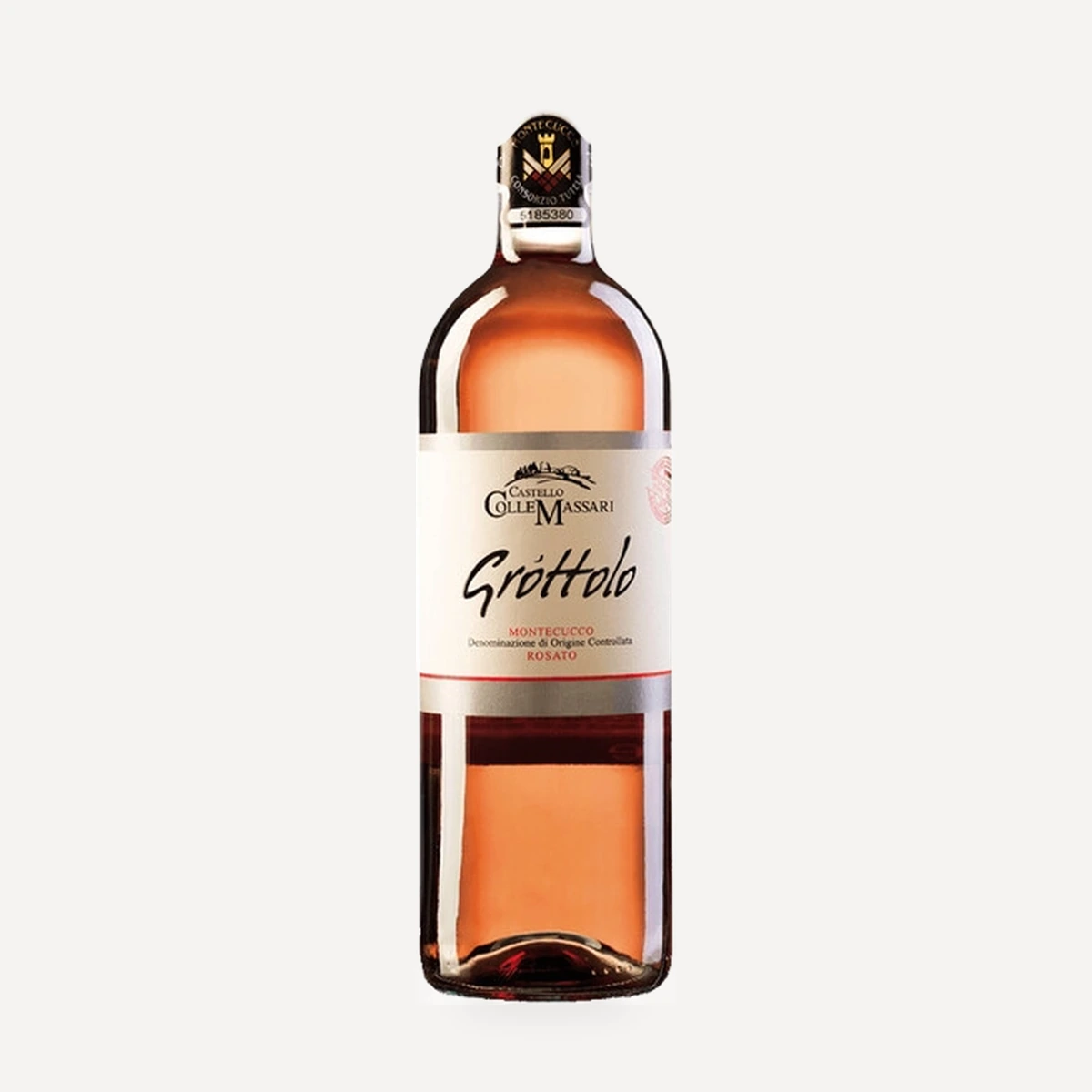
Grottolo
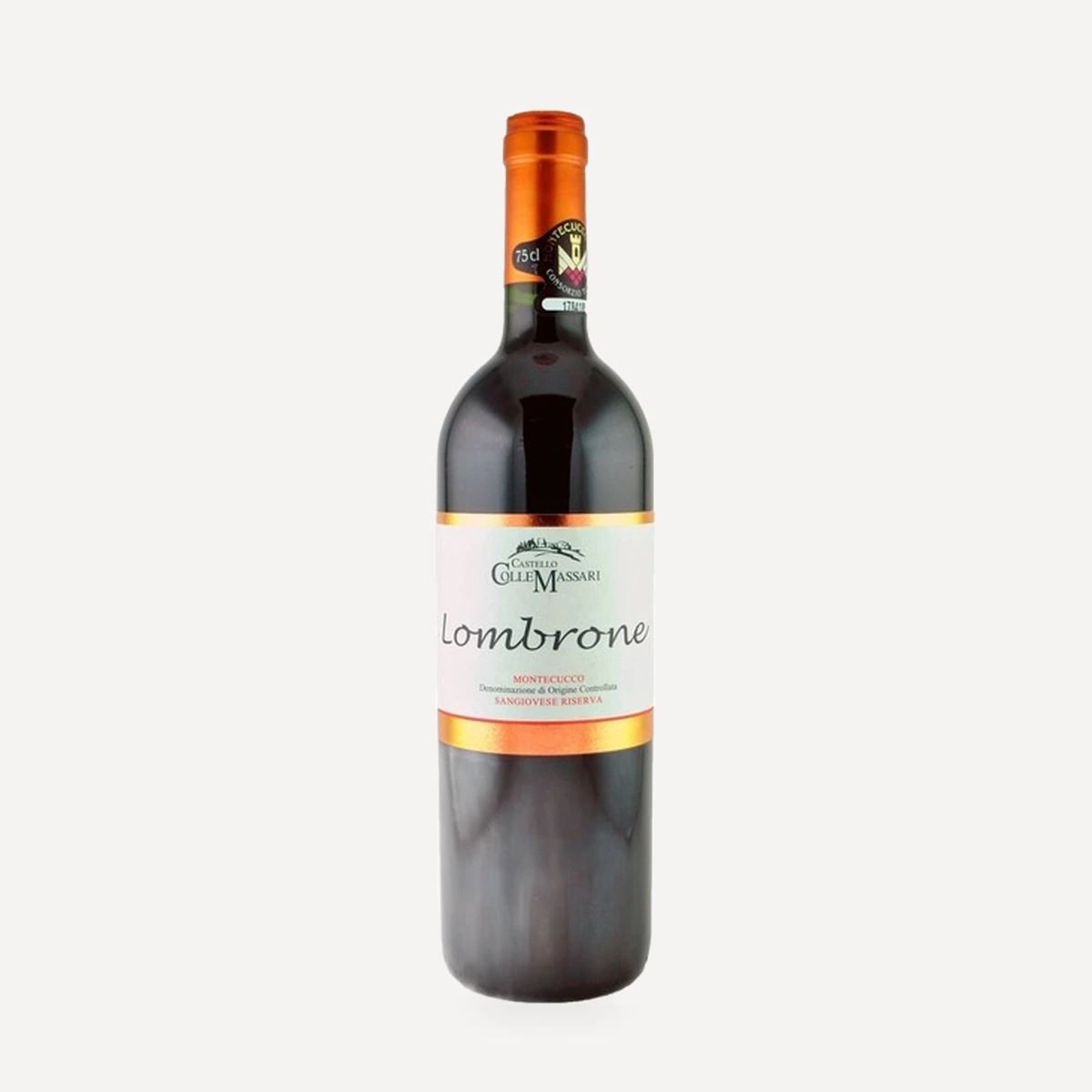
Poggio Lombrone
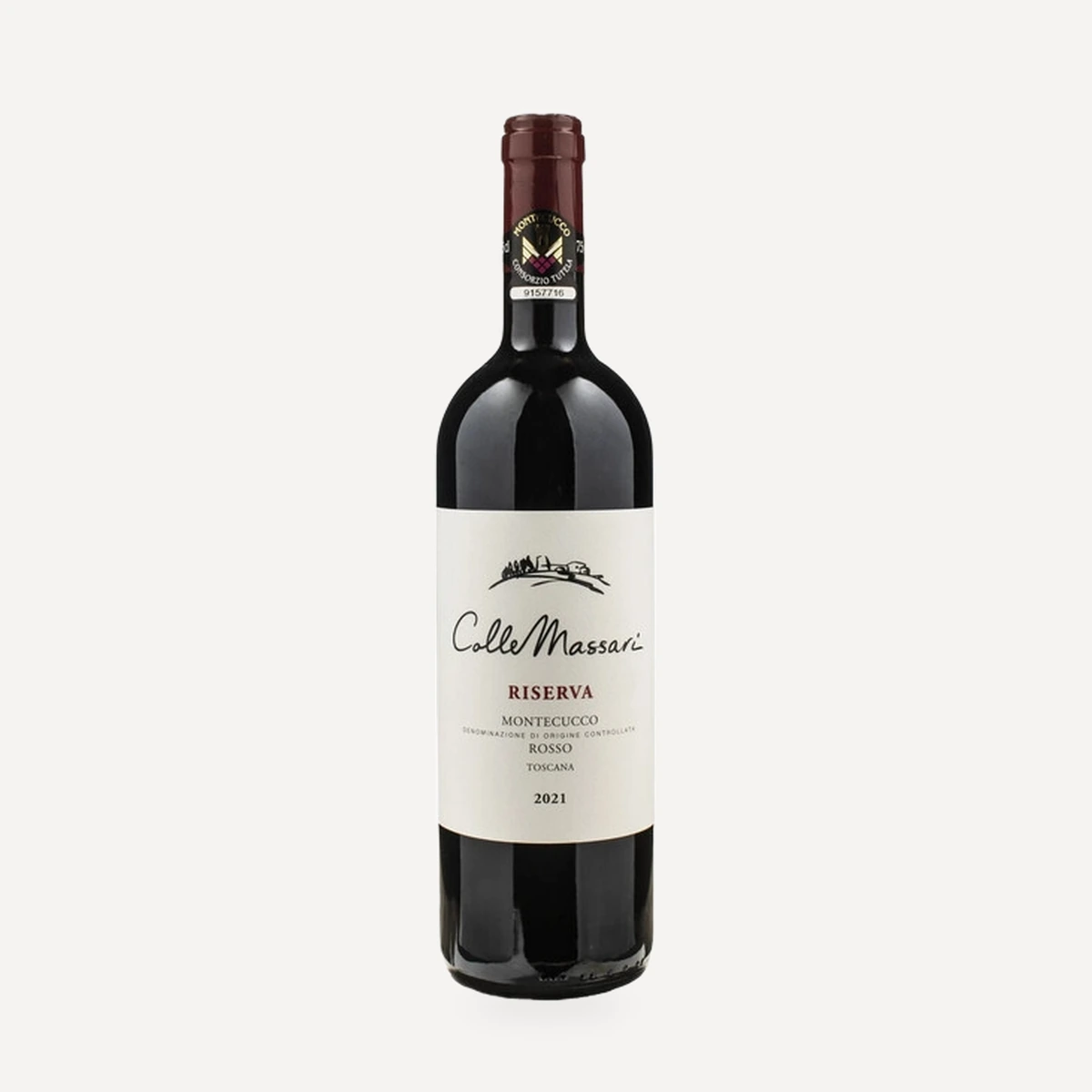
Collemassari Riserva
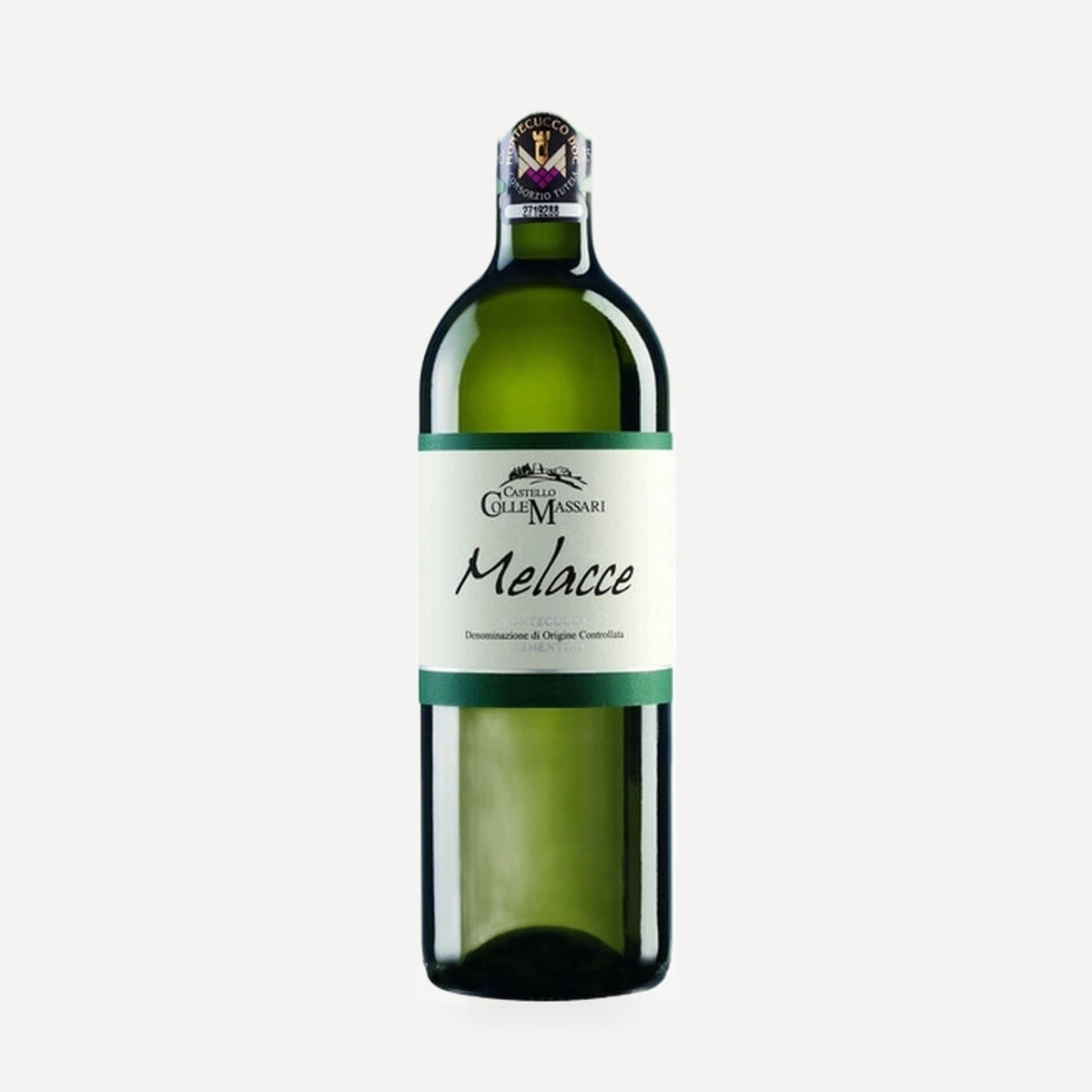
Melacce