History
Ancient roots and the origin of the name
The name Lunae reaches back to the Roman history of the area. In 177 BC, the colony of Portus Lunae was founded at the mouth of the Magra River. In AD 65, Pliny the Elder praised the wine of Luna in Naturalis historia. The ancient colony and its wine inspired the winery’s name and its connection with the viticultural culture of the surrounding territory.
Four generations of the Bosoni family
The Bosoni family has been rooted in the area for four generations. Across those generations, its work has centred on cultivating vines, making wine and preserving the agricultural culture and history of the Colli di Luni. Paolo Bosoni founded the winery and became the central figure in the modern development of Lunae.
More than forty years ago, Paolo Bosoni produced his first Vermentino wine, Etichetta Grigia. Its production method has been maintained over time, and the label became an emblem of the cellar.
Recovery of native varieties
Vermentino remained the principal reference variety, while the family also undertook the preservation and replanting of other traditional grapes. Vermentino Nero, which had nearly disappeared after the Second World War, was rediscovered toward the end of the 1980s. In the early 2000s, Lunae planted a dedicated vineyard of approximately 3 ha, becoming one of the early local proponents of the variety’s recovery.
This work extended to Albarola, Pollera Nera and Massareta, along with other locally established grapes. Research in the vineyard and cellar was directed toward expressing their individual identities rather than pursuing novelty as an end in itself.
Terra Viva Lunae and organic viticulture
The Terra Viva Lunae project developed as an agricultural, social and economic network linking the winery with more than 100 small local growers. Approximately 20 ha are managed by these growers with assistance from Lunae’s technical team. The collaboration has helped restore particularly suitable vineyard areas, recover old native varieties, sustain small farms and preserve the relationship between the rural community and its landscape.
In 2019, approximately 10 ha of the 50 ha of vineyards owned by the family entered full management under organic-viticulture methods, with technical support from agronomists Ruggero Mazzilli and Giorgio Baccigalupi.
The new winery
In 2023, the family presented a new Lunae winery created through a collaboration between designer Andrea Del Sere and winegrowers Paolo and Diego Bosoni. The building was conceived as both a production facility and an artistic environment in dialogue with the surrounding vineyards and Apuan landscape. It was presented on 10 June and scheduled to open for guided visits in the second half of October.
The project received support from the European Agricultural Fund for Rural Development under the 2014–2020 Rural Development Programme. Its environmental systems include photovoltaic generation, electricity sourced entirely from renewables, geothermal conditioning, a planted façade and rainwater-recovery tanks.
The current generation
Diego Bosoni, the latest generation of the family, directs the winery and its new projects. Paolo Bosoni remains identified as the founder and driving spirit of Lunae, while Antonella Bertolla oversees administration and Debora Bosoni directs hospitality at Ca’ Lunae.
Terroir
Cantine Lunae lies in the Colli di Luni, at the eastern edge of Liguria between the Gulf of La Spezia and the Apuan Alps. Vineyards occupy both valley and hillside settings and receive breezes from the sea and mountains. The surrounding landscape combines marble, olive groves, Mediterranean scrub and the nearby sea.
The territory’s geography and land-use history divide the vineyards into small plots no larger than 2–3 ha. This fragmentation is accompanied by substantial geological variation. Hillside and foothill vineyards have medium-textured soils rich in stones, while flatter areas are dominated by silt and clay. Sandy soils also occur on the Luni plain, including in sites close to the sea. These contrasting settings give individual vineyard areas distinct profiles.
Altitude and small variations between individual Colli di Luni plots are treated as meaningful components of terroir. Vermentino Nero, for example, is grown both on medium-textured foothill soils and on the predominantly sandy soils of the plain.
Vigna Luna occupies approximately 3 ha on the Luni plain. The site is 3 km from the Ligurian Sea and 15 km from the Apuan Alps. Its vines surround and protect the remains of ancient Luni and its Roman amphitheatre. The soil is loose and sandy, and the vineyard has a warm, ventilated microclimate.
Winemaking
Lunae’s vineyard work is centred on traditional varieties and the distinctions between small individual sites. Vermentino is the principal variety, accompanied by Albarola, Vermentino Nero, Malvasia, Pollera Nera and Massareta. The family preserves, replants and studies native grapes, including varieties that had become rare or had nearly disappeared.
All Lunae vineyards are managed without herbicides for weed control. Fertilization is natural, and harvest is carried out by hand into small crates. New vineyards are cultivated with reference to older local practices.
Since 2019, approximately 10 ha of the family’s 50 ha of vineyards have been managed entirely according to organic-viticulture methods. Agronomists Ruggero Mazzilli and Giorgio Baccigalupi provide technical support for this work.
The Terra Viva Lunae network extends vineyard stewardship beyond the family’s own land. More than 100 small growers manage approximately 20 ha with assistance from the winery’s technical staff. Alongside grape production, the project seeks to maintain biodiversity, preserve native varieties, restore vineyard land and sustain the rural economy and agricultural knowledge of the Colli di Luni.
The cellar works separately with the fruit and characteristics of individual vineyards and production areas. Vinification takes place in temperature-controlled stainless-steel tanks. Maturation is conducted primarily in large wooden casks, with the aim of retaining freshness, balance and the identity of each label.
The production philosophy treats wine as a living material that changes during its development and differs with each harvest. Vinification is kept simple and is intended to accompany these natural variations without artificial interventions that would obscure the wine’s character.
Fruit comes from both family-owned vineyards and the vineyards of collaborating growers, including the small producers involved in Terra Viva Lunae. Hand harvesting into small crates protects the grapes before cellar processing.
The new production building combines functional work areas with individually designed architectural and artistic elements. Its partially subterranean rooms benefit from natural conditioning supported by horizontal geothermal probes and the planted exterior surface.
Philosophy
Wine as living material
Lunae regards wine as a living organism shaped by the interaction of nature and human work. It evolves, reveals a distinct character and changes from one harvest to another. Human intervention should guide this development without forcing it, allowing the finished wine to remain an authentic expression of its place.
Listening to individual places
Each site is understood to possess its own character, created by habitat, altitude and small variations in soil and position. The purpose of vineyard and cellar work is to interpret these nuances while respecting the integrity of the landscape. Native and traditionally established varieties are central to this approach, particularly Vermentino and grapes at risk of disappearance such as Vermentino Nero.
Knowledge, sensitivity and relationships
The family describes its work as a union of knowledge and emotion rather than a fixed chemical formula. Experience is transmitted across generations and matured through practice. The same importance is given to relationships among vineyard and cellar professionals, growers, distributors and the wider local community.
Tradition and experimentation
Experimentation is used to develop the inherent qualities of traditional grapes, not to pursue novelty for its own sake. Simple vinification, acceptance of vintage variation and restraint in artificial intervention are intended to preserve freshness, harmony and identity.
Beauty, ethics and sustainability
Beauty and quality are treated as connected values. This principle extends from wine to the design of the cellar, the well-being of those who work there and the environmental relationship between the building and its landscape. Renewable energy, geothermal conditioning, water recovery, organic vineyard management and collaboration with small growers form part of the same commitment.
Wines
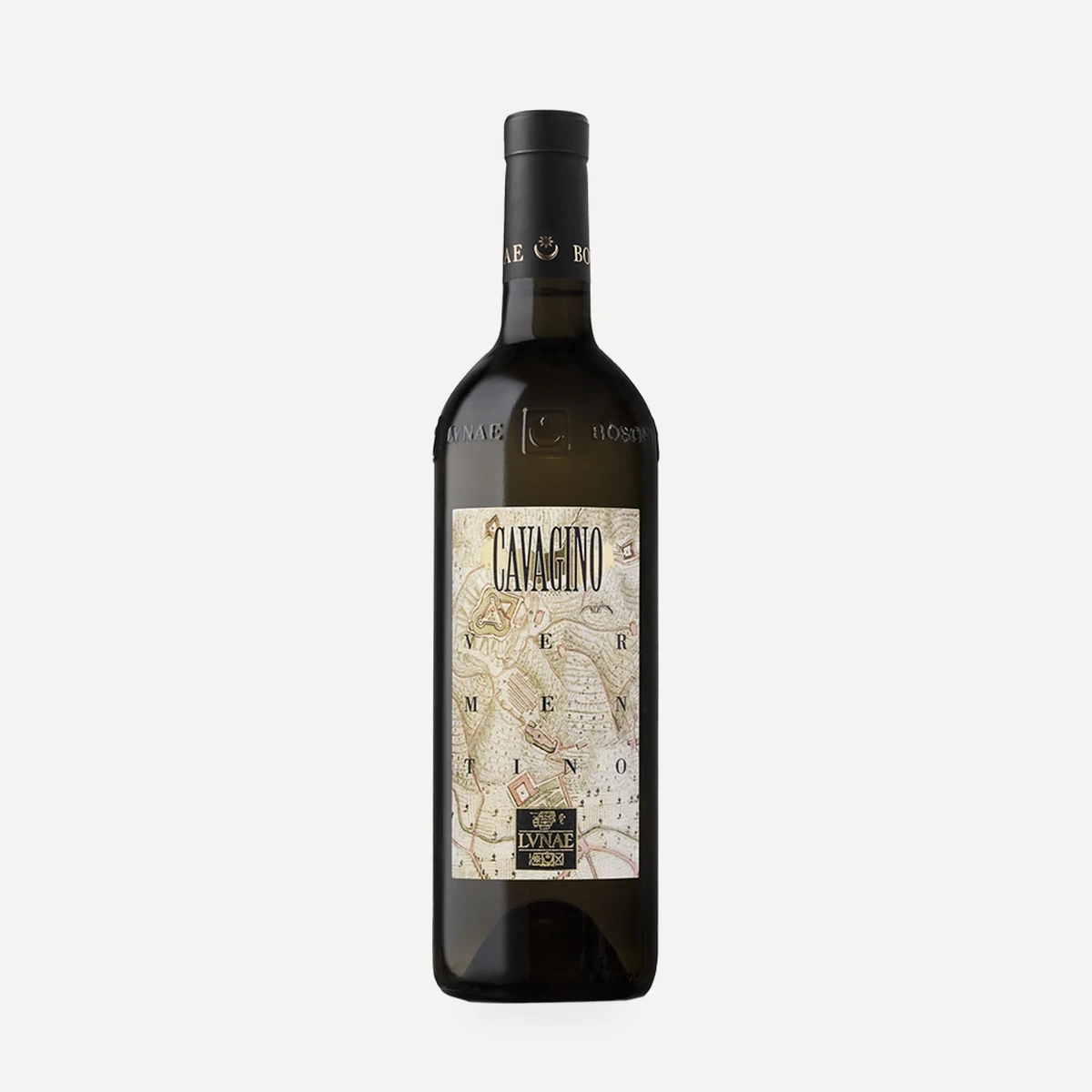
Cavagino
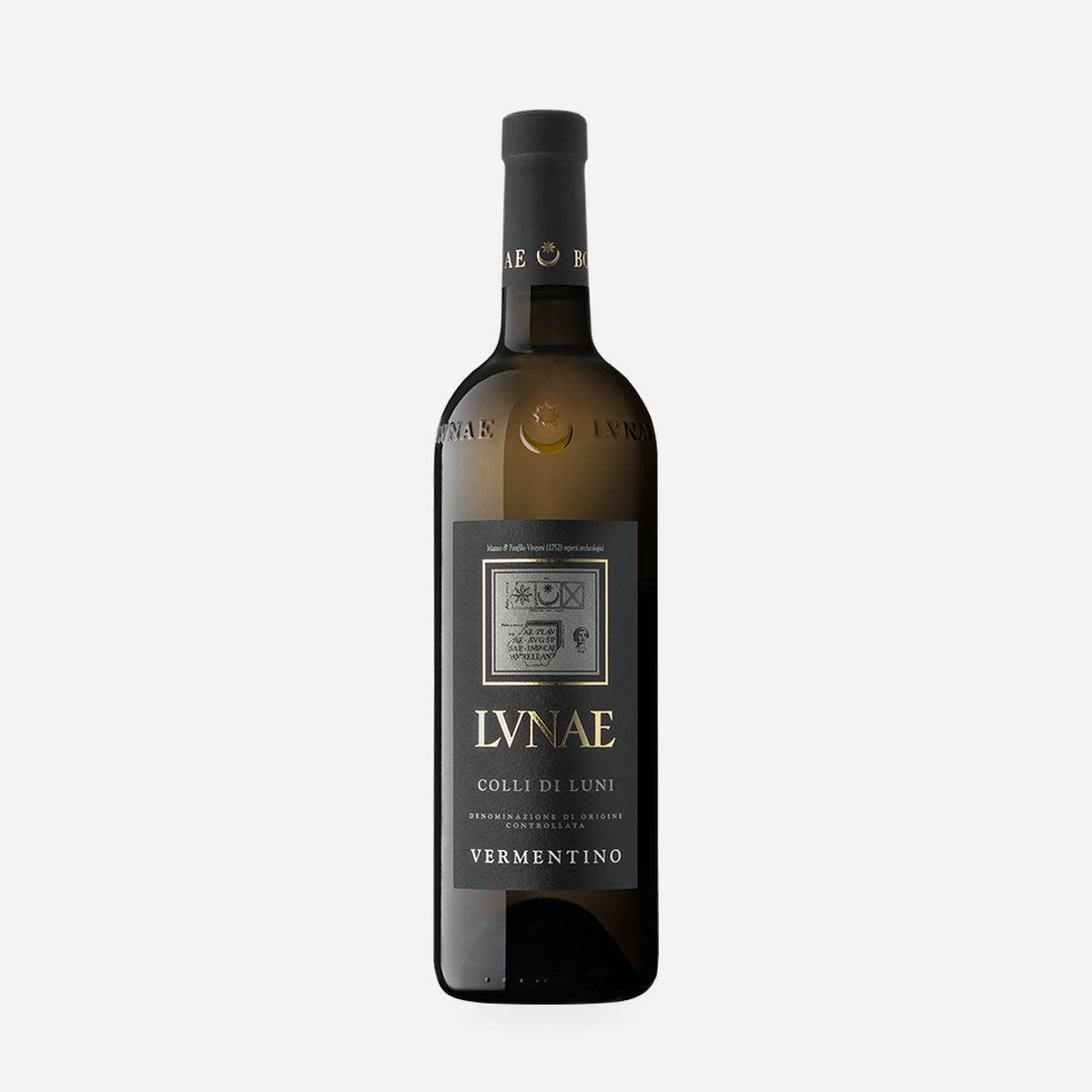
Vermentino Etichetta Nera
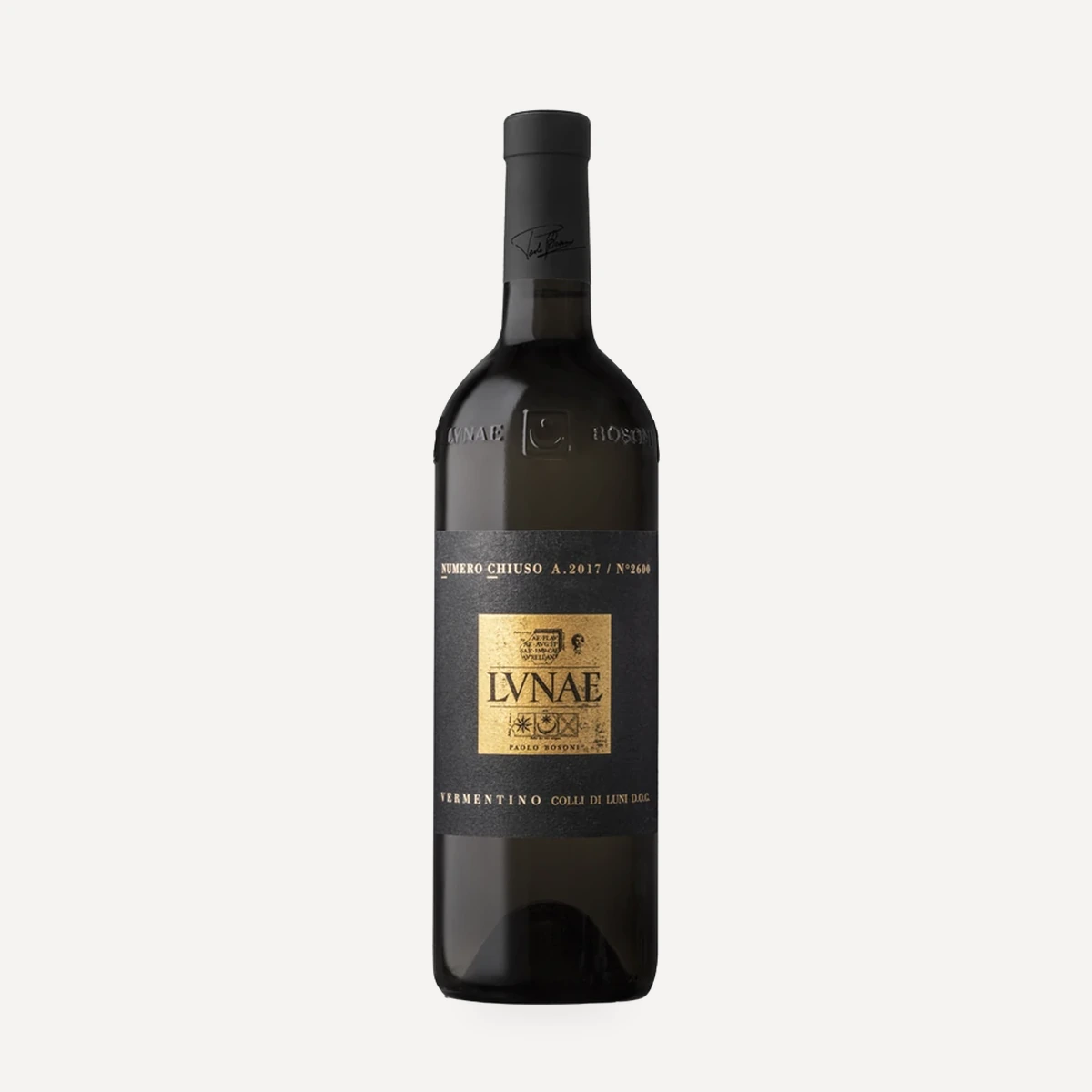
Numero Chiuso
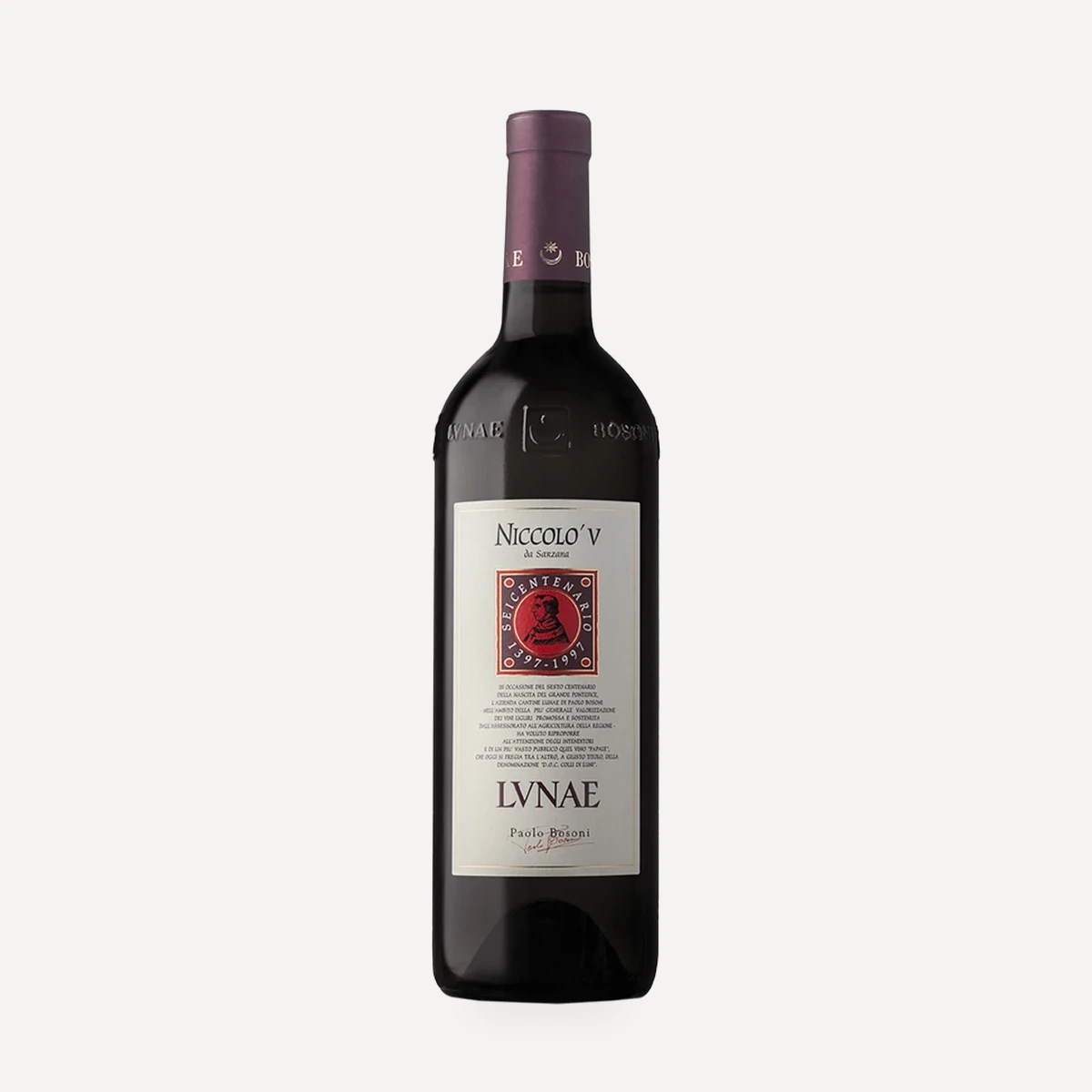
Niccolò V
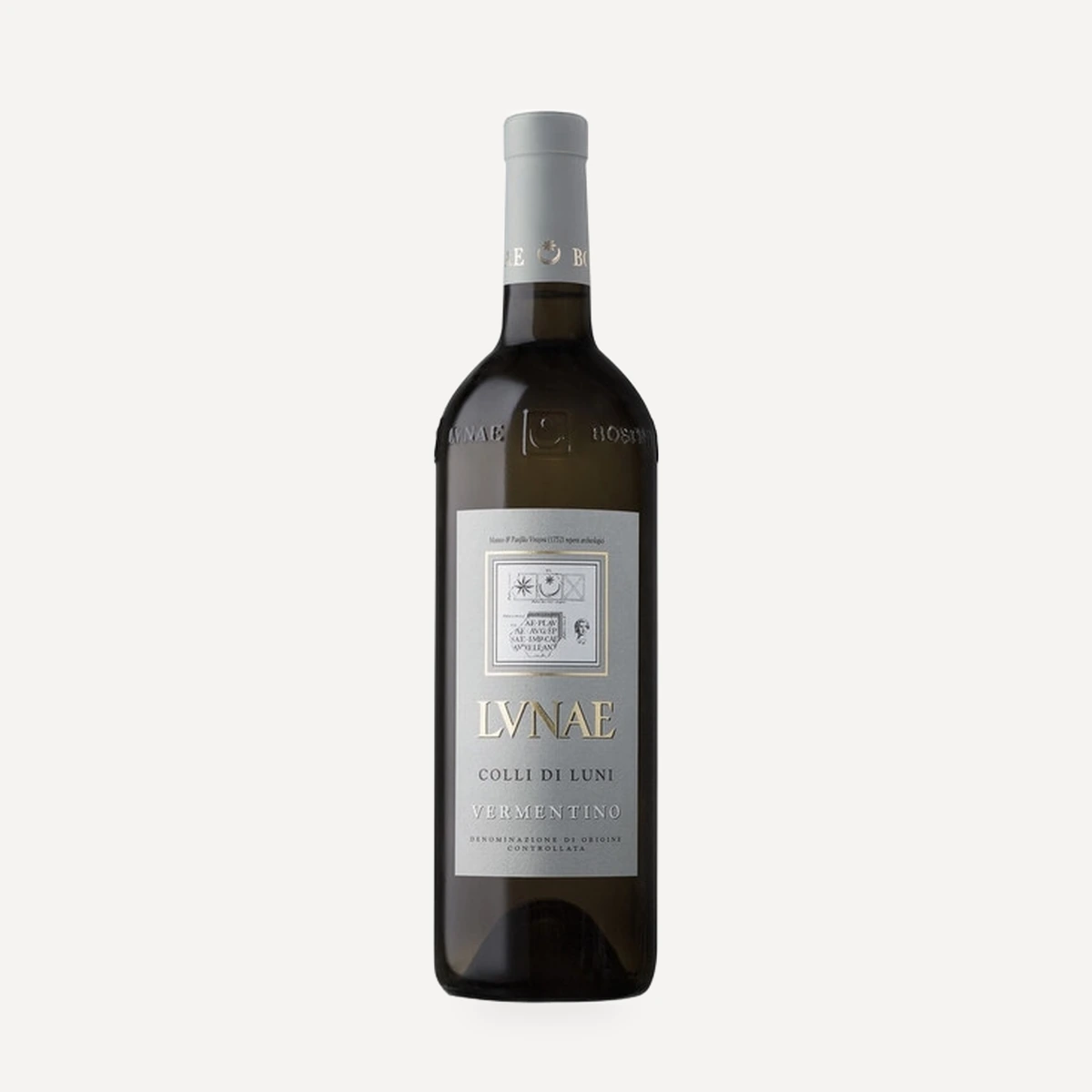
Vermentino Etichetta Grigia
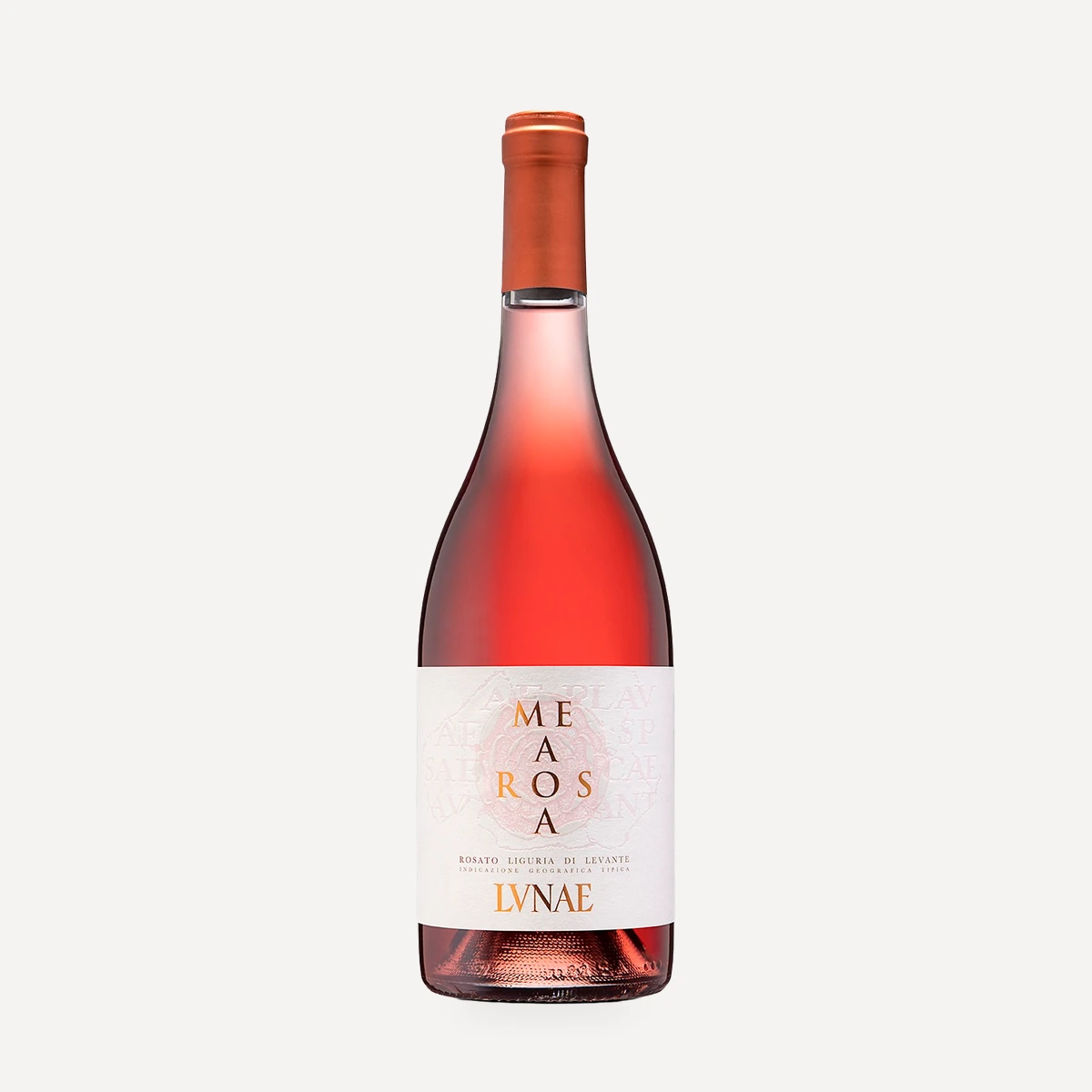
Mearosa
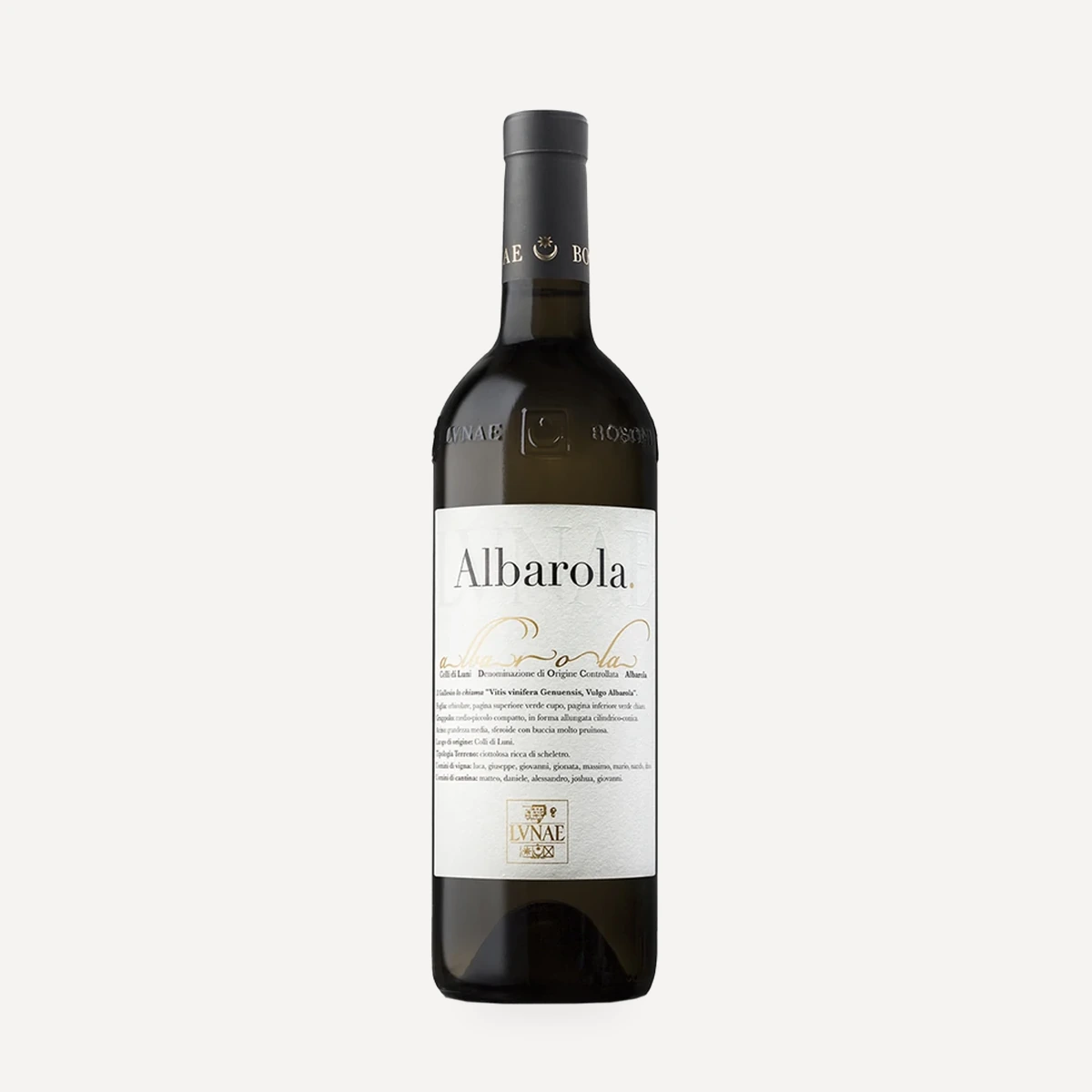
Albarola
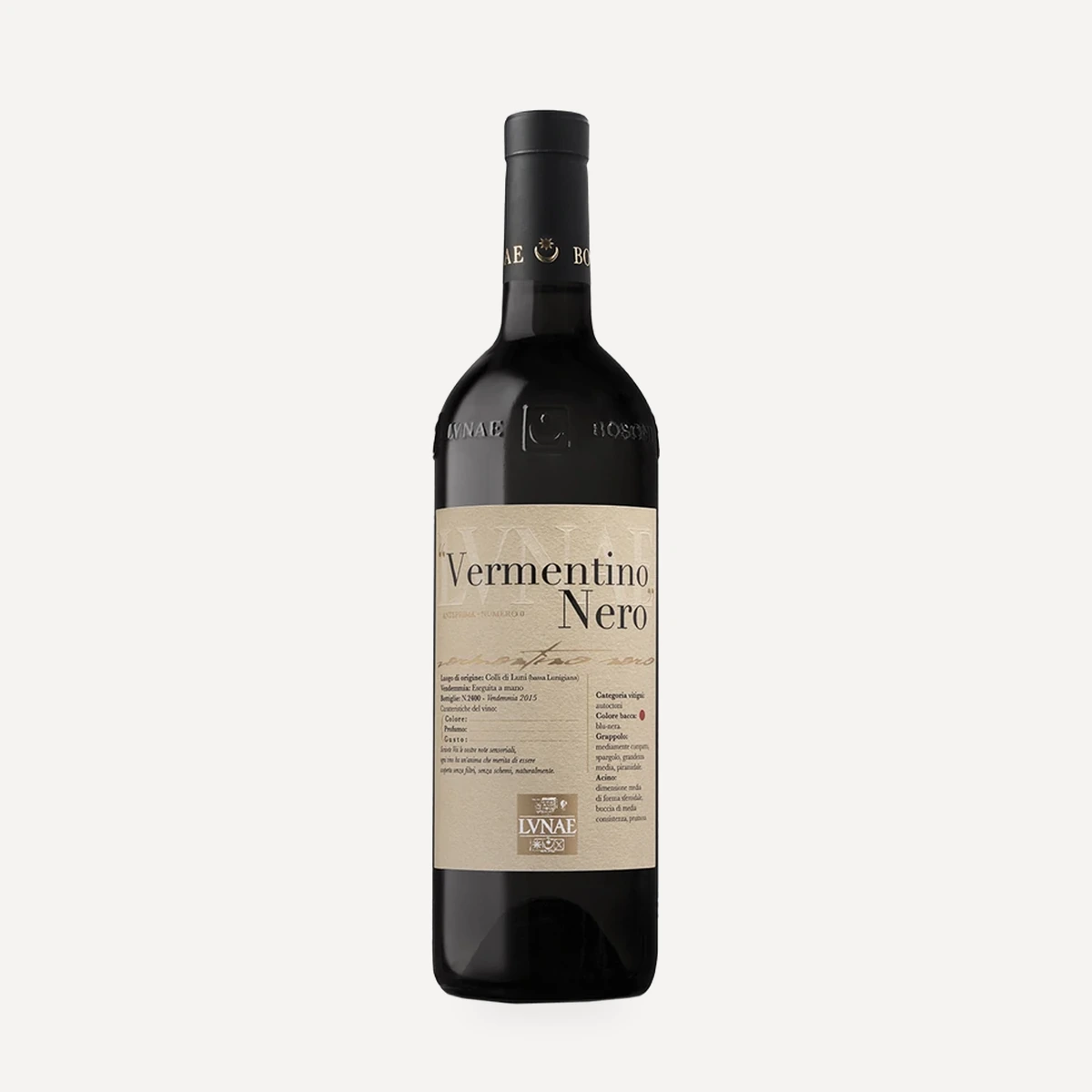
Vermentino Nero
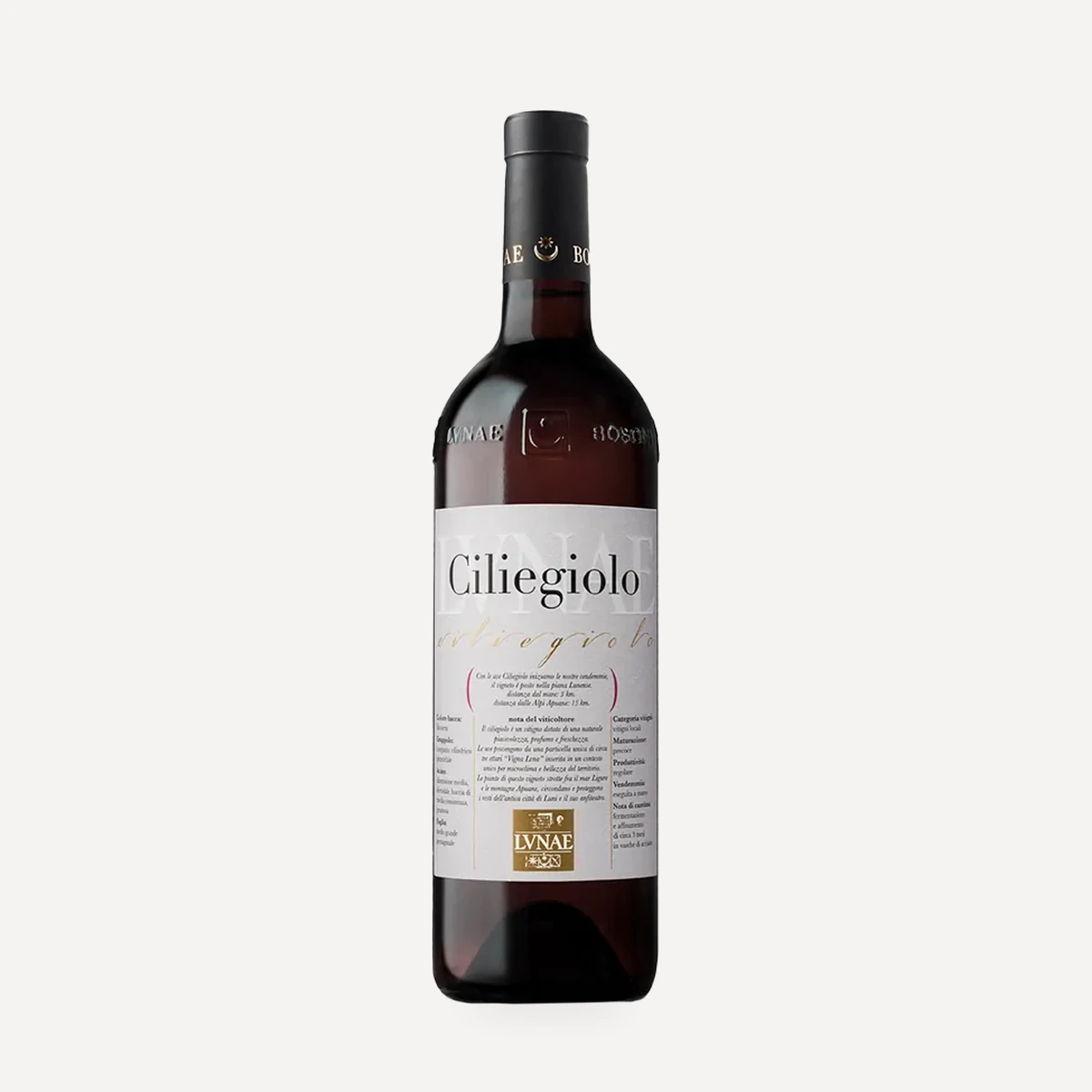
Ciliegiolo
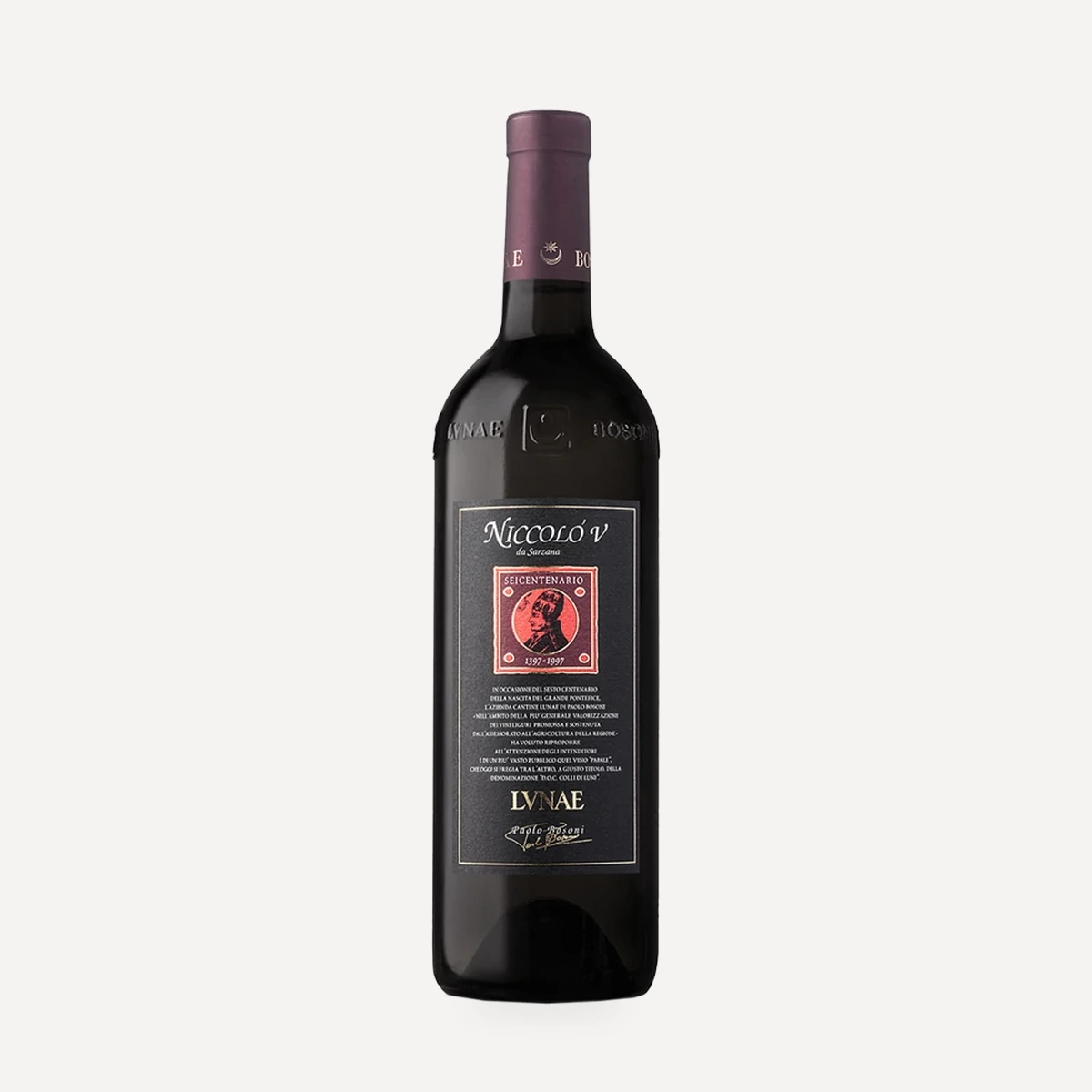
Niccolò V Riserva
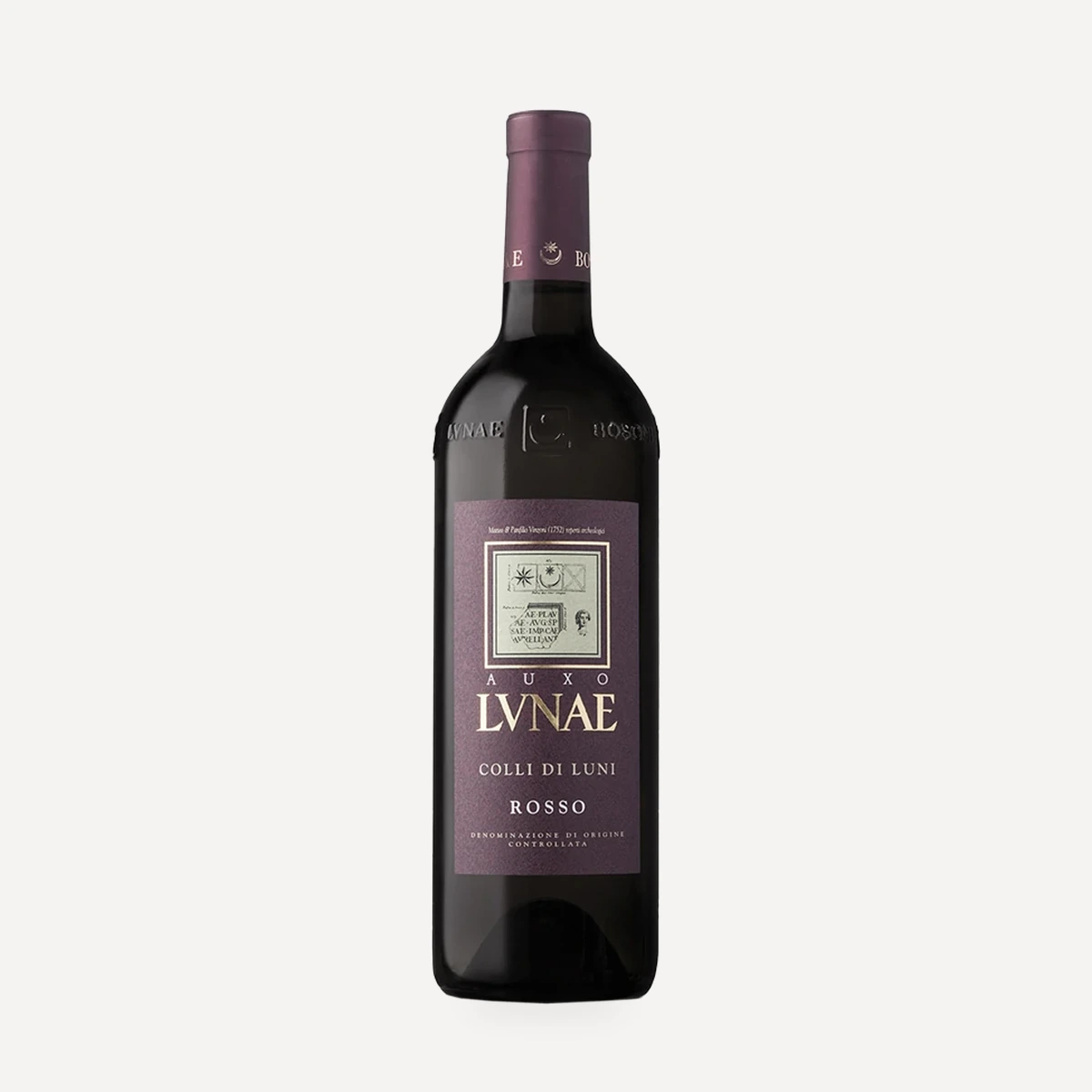
Auxo
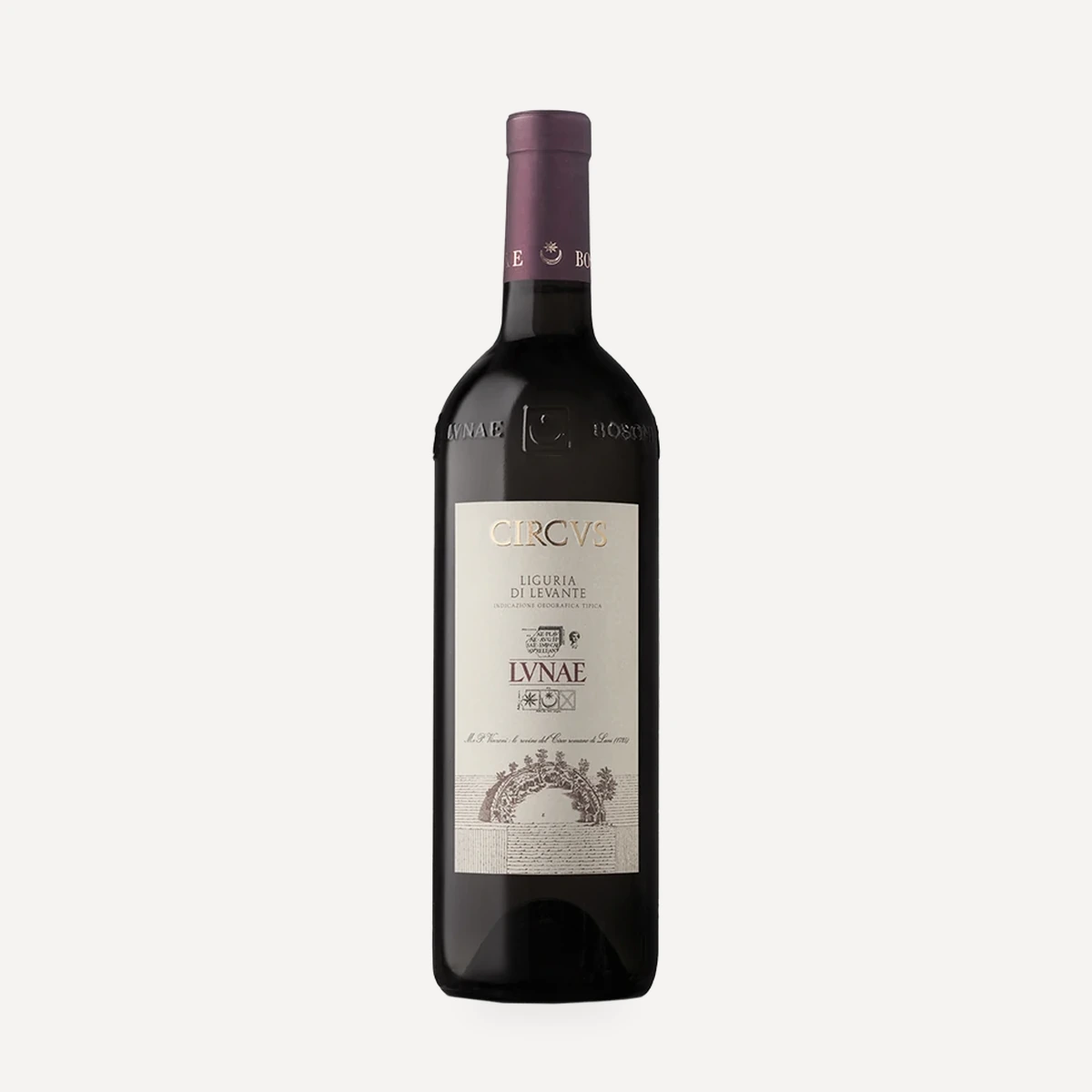
Circvs
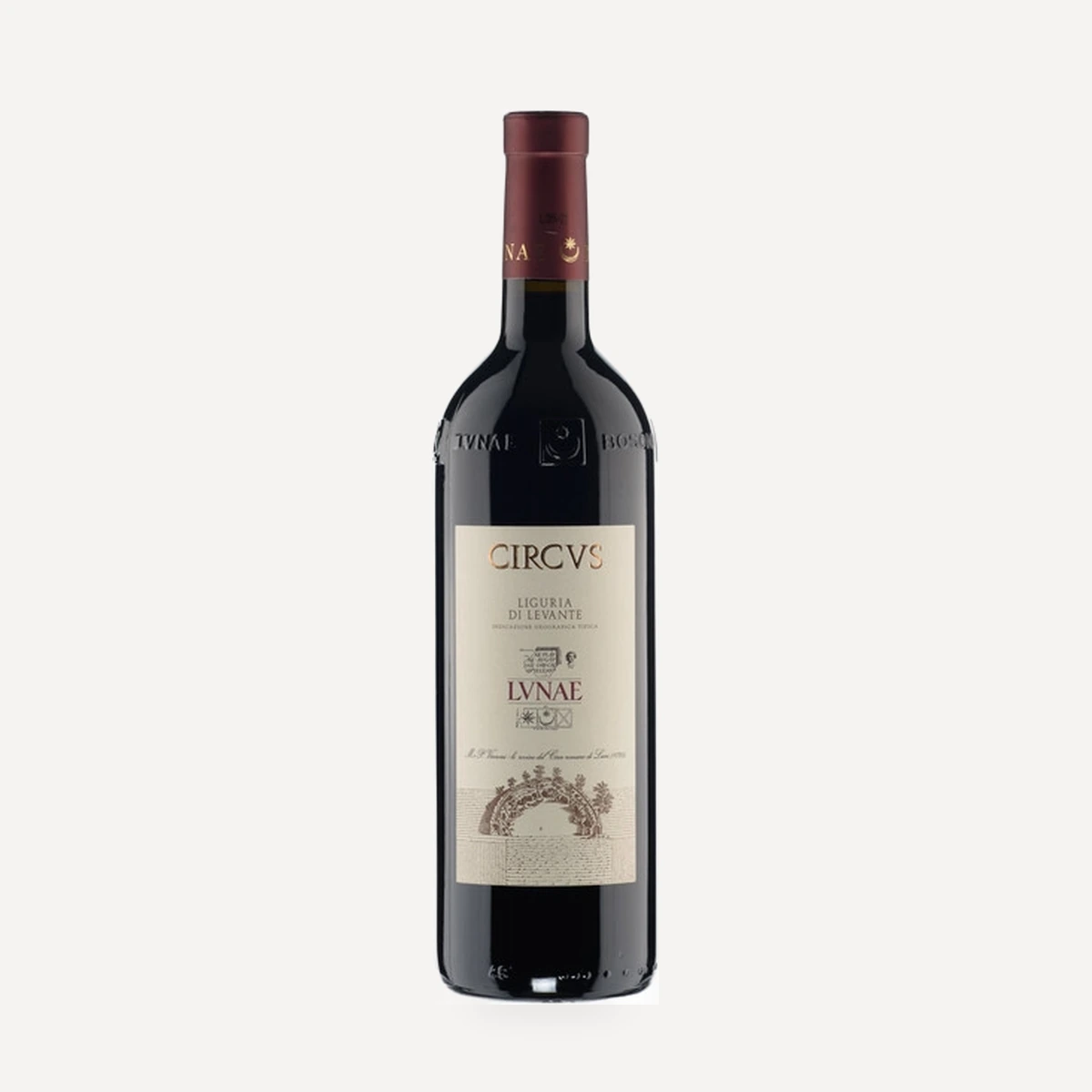
Circus Liguria di Levante IGT