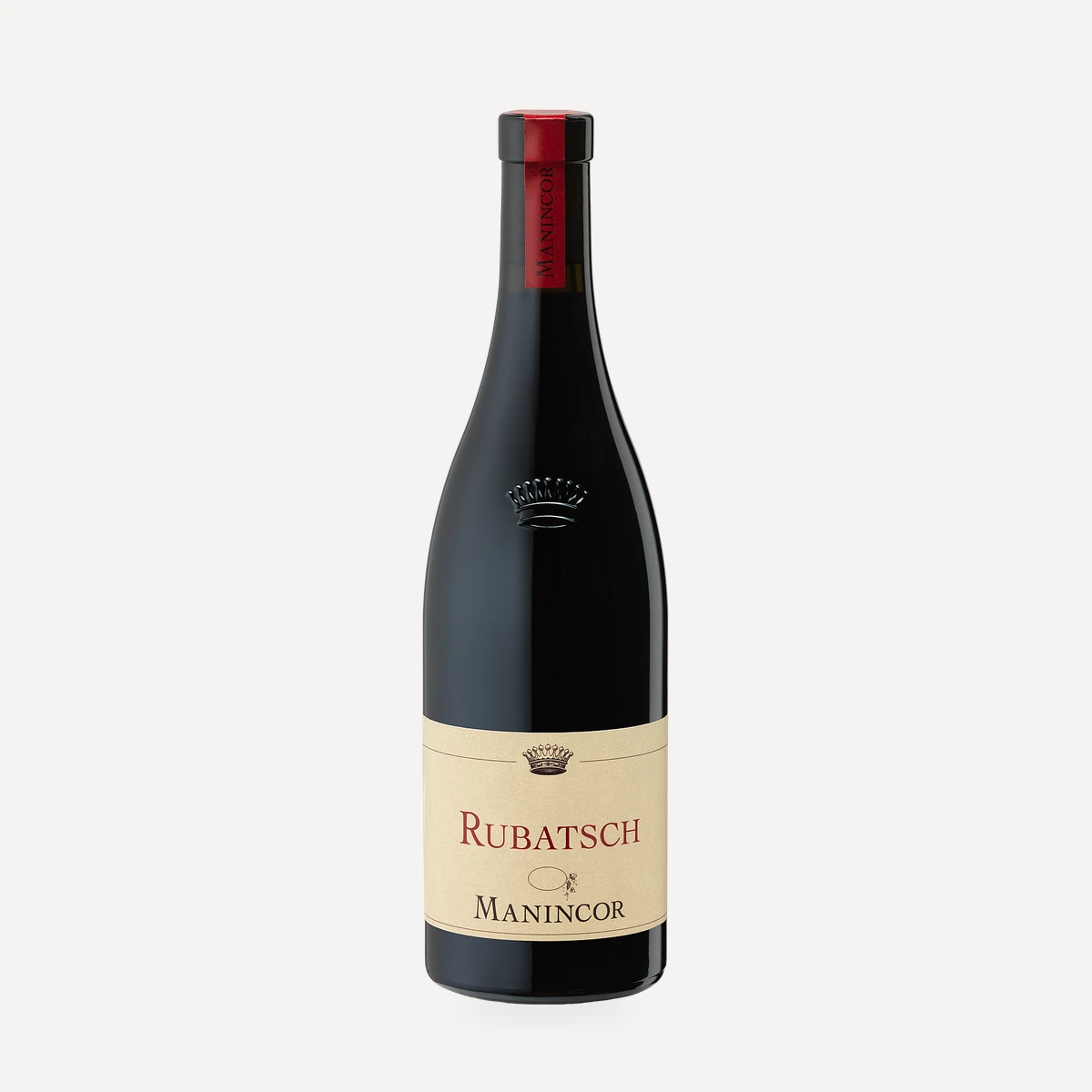
About this wine
Vineyard and terroir
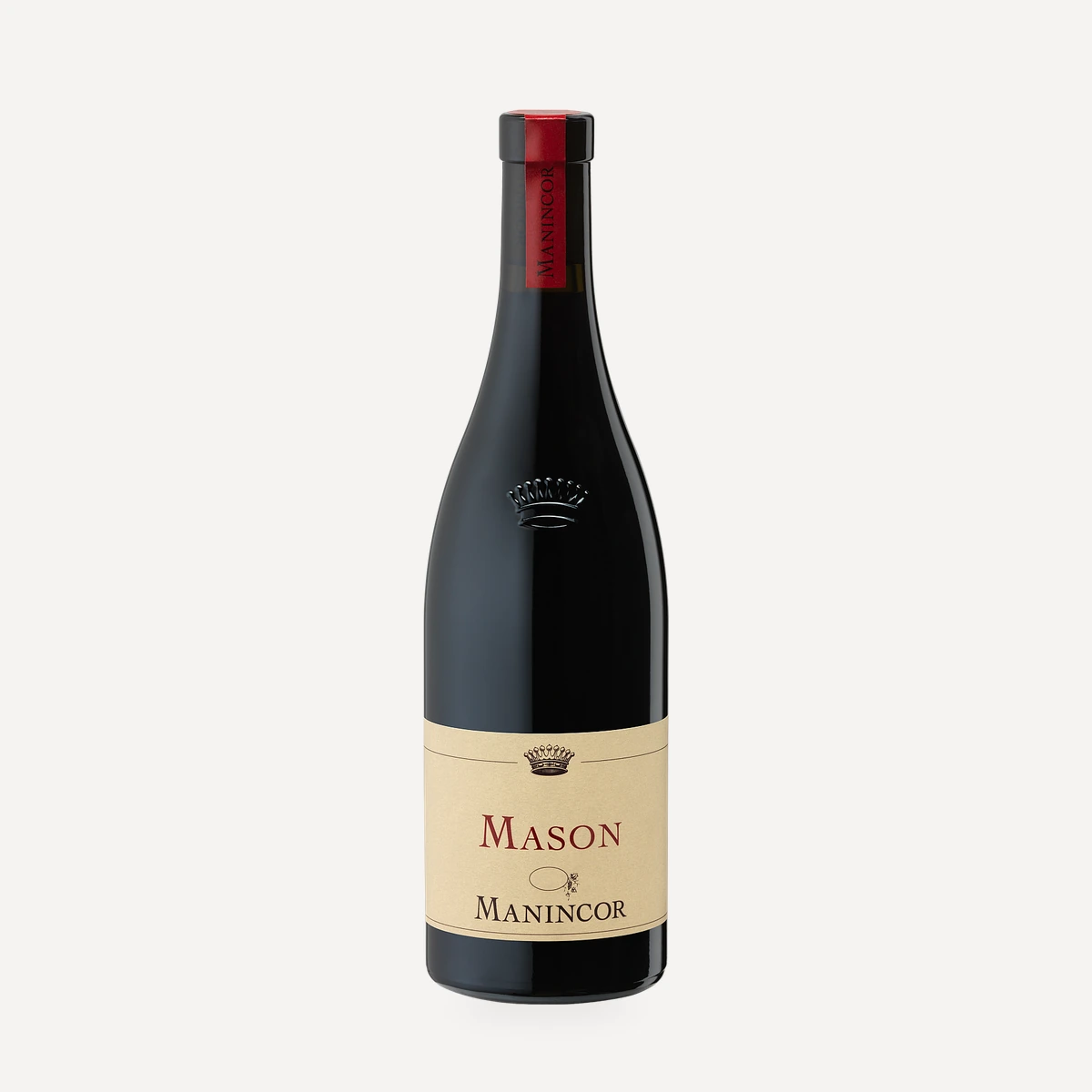
Two-thirds of the fruit comes from the Rubatsch vineyard at Terlan and one-third from Seehof at Kaltern. Both sites lie at 250 m. Rubatsch faces south-west and has sandy soil mixed with eroded porphyry; it contributes subtlety and elegance. Seehof overlooks Lake Kaltern and has sand and clay mixed with limestone gravel, contributing body and structure.
Grapes
100% Lagrein.
Vinification
Skin fermentation took place in open-top oak vats and was initiated by indigenous yeasts. During two weeks of maceration, the cap was punched down daily to extract colour and tannins gently.
Ageing
Sixteen months in barriques, with new barrels accounting for 20%, developed mellowness and harmony.
Technical data
The 2023 wine has 12.5% alcohol, 4.9 g/l total acidity after malolactic fermentation and 0.3 g/l residual sugar. Production comprised 12,800 standard bottles and 229 magnums. The wine is biodynamic, Respekt-BIODYN certified and vegan.
Tasting profile
Opaque purple. The nose combines dark woodland berries, ripe plum, elderflower syrup and liquorice, suggesting further complexity with maturity. The palate is muscular, velvety and concentrated, with assertive yet ripe tannins.
Serving and pairing
Serve just below room temperature, at 16–18 °C, in large Bordeaux glasses. Decant while young. Optimum maturity runs from 2027 through the end of 2033. Pair with braised or quickly fried meats, especially game and venison, or with cheese.
Vintage notes
A wet spring and hot, dry summer made 2023 challenging, while a favourable autumn allowed full ripening. Physiological maturity, sugar and acidity reached a balanced point, giving the wine ripe fruit, cool-toned character and moderate alcohol. The Rubatsch Lagrein was harvested in early October at near-perfect physiological ripeness.