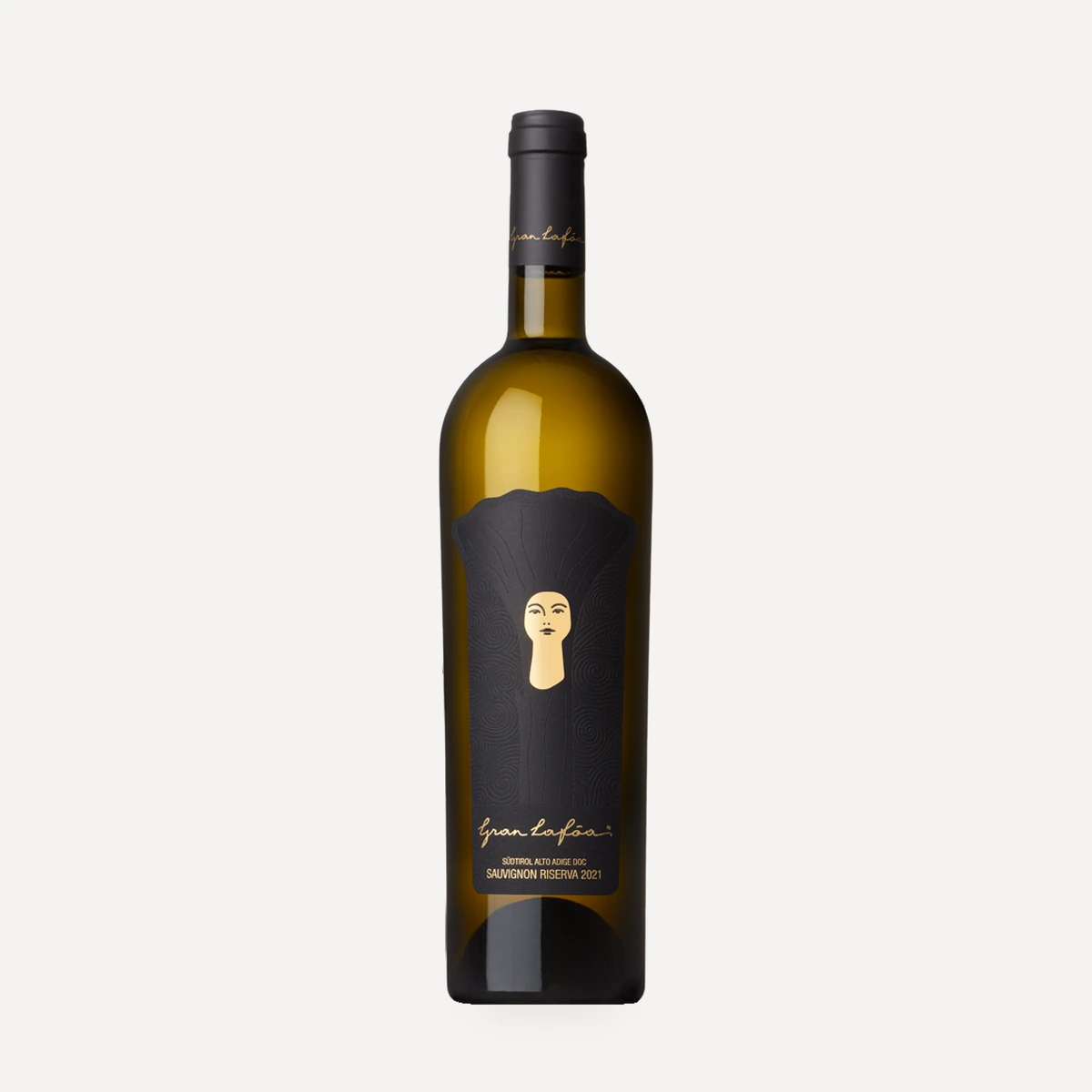
About this wine
Vineyard and terroir
The grapes come exclusively from a historic parcel in Cornaiano planted with French Sauvignon Blanc clones in the late 1980s. The vineyard lies at approximately 450 metres above sea level on a dry, sunny site with a very gentle south-west-facing slope. Its morainal soil is sandy and gravelly. Only the oldest vines—now more than 35 years old—supply Gran Lafóa, and their fruit is picked separately by hand. Yield is 45 hl/ha.
Grapes
100% Sauvignon Blanc.
Vinification
The fully ripe grapes are pressed gently. The must settles for four days at 5°C before fermenting in barriques. The selected fruit from the oldest vines is vinified separately.
Ageing
The wine matures on its lees in barriques for ten months, then spends eight months in 600-litre wooden barrels and another 12 months in stainless-steel tanks. After bottling, it matures for seven further months. Release takes place three years after harvest.
Technical data
2022 vintage: 14% alcohol, 6.0 g/L total acidity and 0.8 g/L residual sugar.
Tasting profile
The complex bouquet layers ripe apricot, gooseberry, passion fruit and papaya with light floral notes, refined toast, graphite, vanilla and flint. Ripe passion fruit, gooseberry, Mirabelle plum, pineapple and mango appear immediately on the palate, supported by fresh, lively and mature acidity. Mineral and fruit characters remain in sustained tension, giving the wine length and balance.
Serving and pairing
Serve lightly chilled at 12–14°C. Pair with herb-based and fish dishes, richly flavoured white meats and cream-cheese preparations. Cellaring potential is 8–10 years.
Vintage notes
Gran Lafóa debuted with the 2021 vintage. That inaugural release received Tre Bicchieri and was named White Wine of the Year in the Gambero Rosso Vini d’Italia 2025 guide. It comprised a limited edition of 4,085 bottles.
Label / history
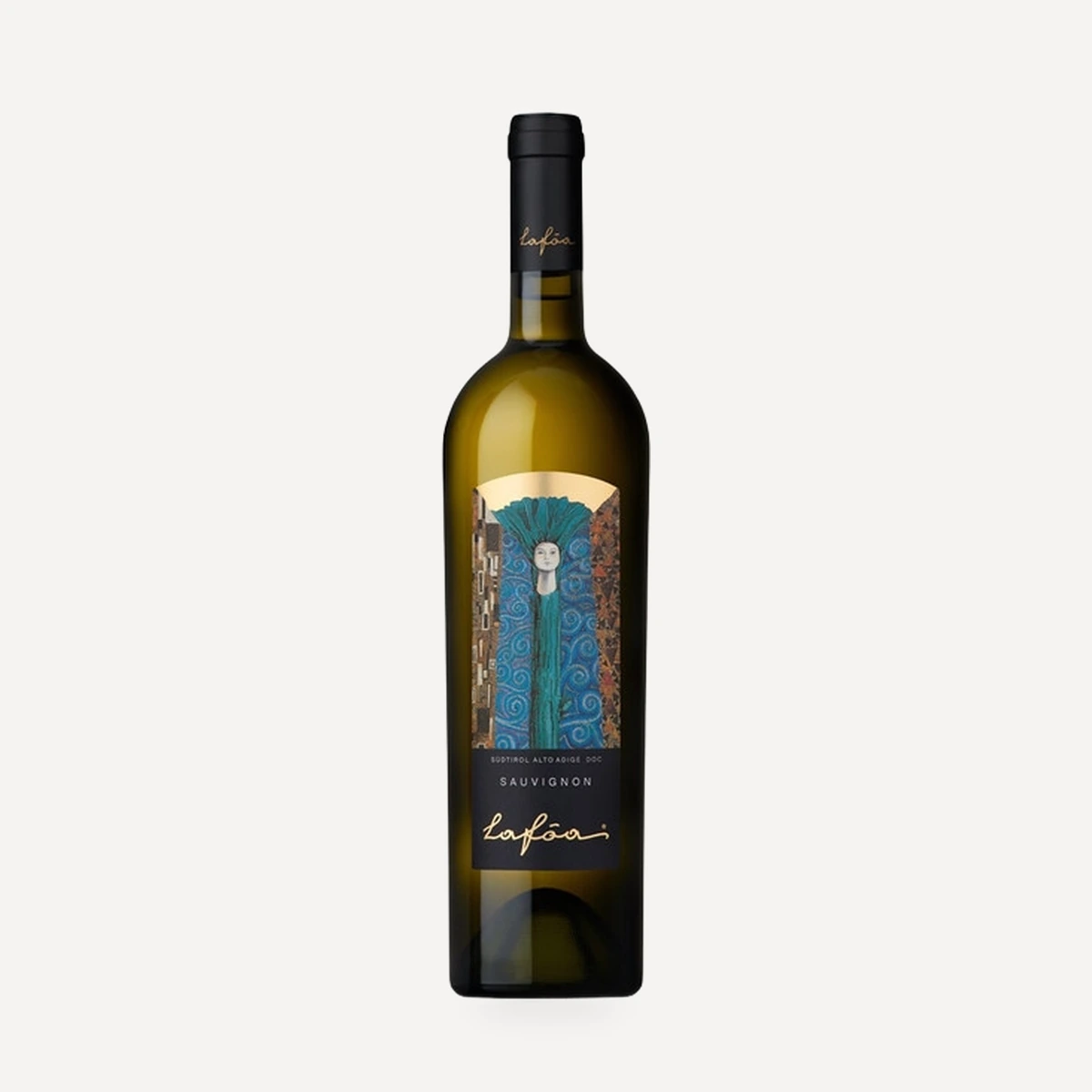
Gran Lafóa pays tribute to the heritage of Lafóa and represents the culmination of a quality project begun in the late 1980s. Konrad Schweigkofler planted the vineyard’s first Sauvignon Blanc vines from French clones at that time; his nephew Ulrich Prast formally assumed responsibility for the vineyard in 2018. The label draws on the historic Lafóa design and places the Lafóa statue from the manor overlooking the historic vineyard at its centre.