About this wine
Vineyard and terroir
The grapes grow in Maremma, in the Morellino di Scansano area, 16 km from the Mediterranean Sea, at 170–300 m above sea level. The vineyard faces south and southwest. Soils are stony, limestone and clay.
Vinification
The grapes are strictly selected. Fermentation is slow at a controlled temperature, with maceration and gentle, careful punch-downs in small open stainless steel vats. The wine is not filtered.
Ageing
The lots are aged separately, partly in oak barrels and partly in stainless steel tanks, followed by a further 4 months in bottle.
Label / history
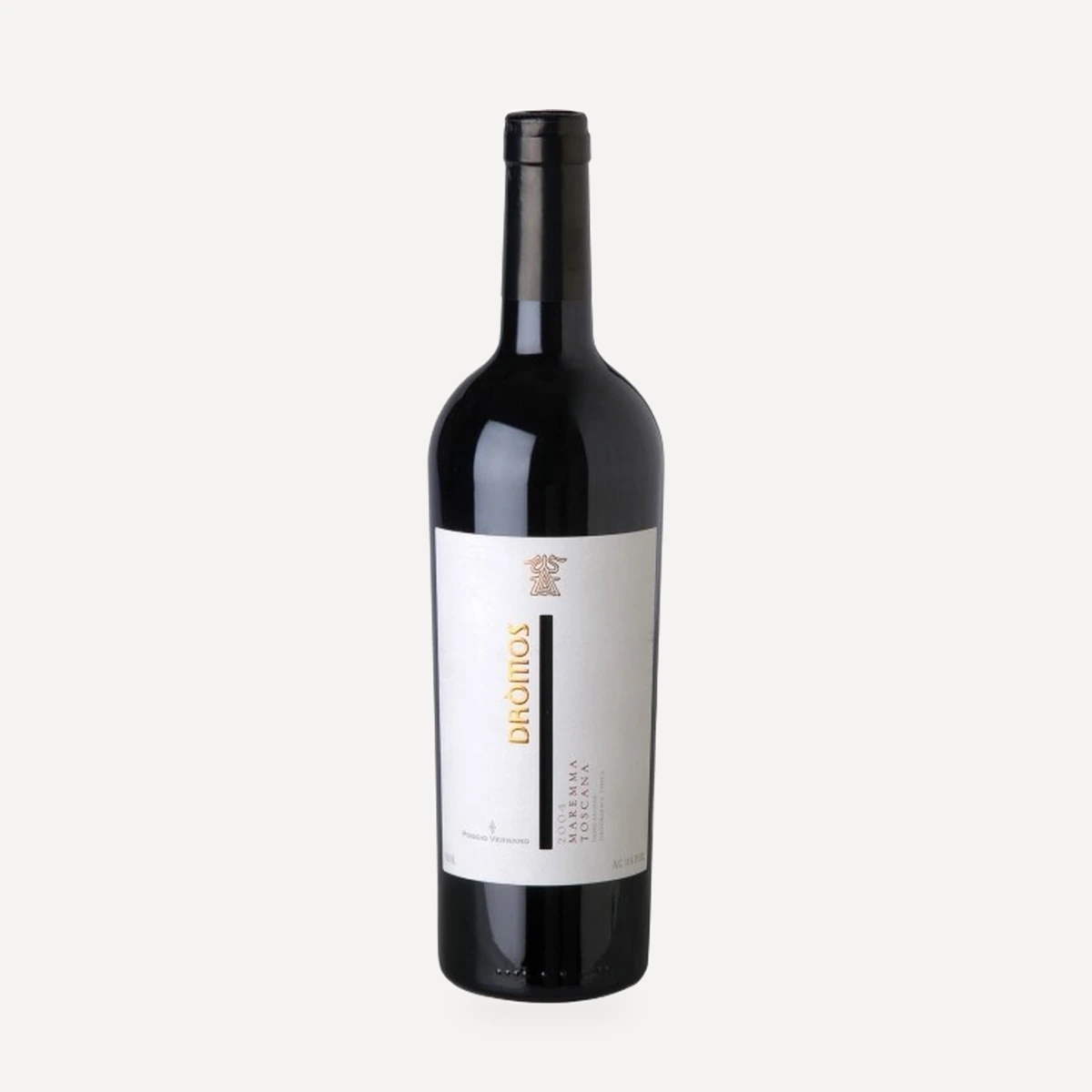
Poggio Verrano is a winemaking project founded in 2000 by Francesco Bolla, who bought 27 hectares in Maremma and built a winery and cellars. The winery is underground and covered with vines. Bolla comes from a winemaking family: his great-grandfather founded the Bolla winery in Abele, his grandfather Alberto Bolla made the first Amarone, and his father owned the Fratelli Bolla winery. Francesco joined Bolla in 1987 and became Chairman of the Board and Managing Director in 1995. He served on the Federvini Council in Rome and was president of its Wine Syndicate. He was also a board member of Unione Italiana Vini, President of the Verona Winemaking Association, and Chairman of the Wine Advisory Committee at the Italian Food & Wine Institute in New York.
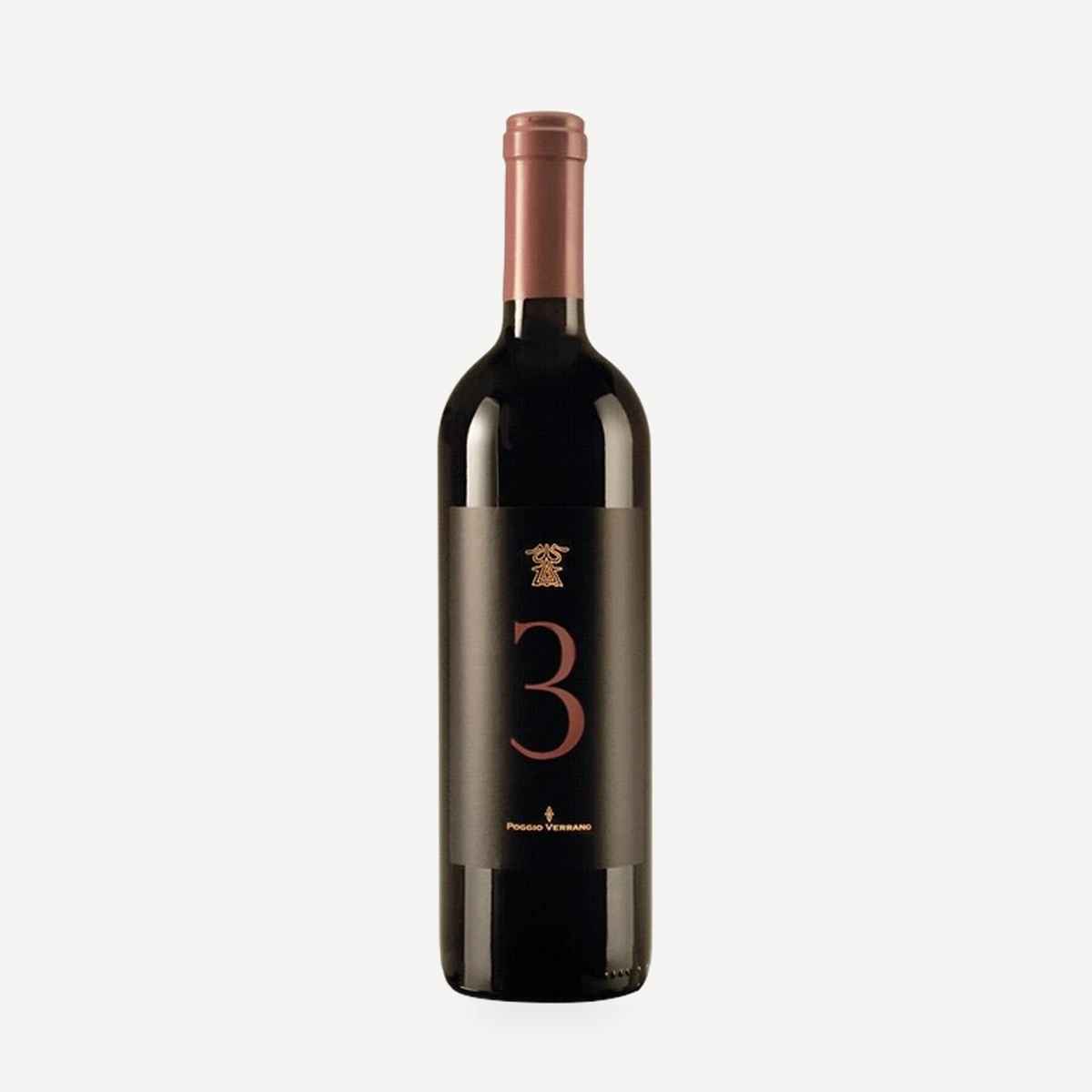
The estate's vineyards are planted with a mix of native and international varieties: Sangiovese, Alicante, Cabernet Sauvignon, Cabernet Franc and Merlot. The labels show an ancient Etruscan symbol, a triangular winged pendant with a bird's bust, in tribute to the Etruscan civilisation, present in Tuscany and Maremma around 500 BC. Etruscan archaeological sites survive near the estate.