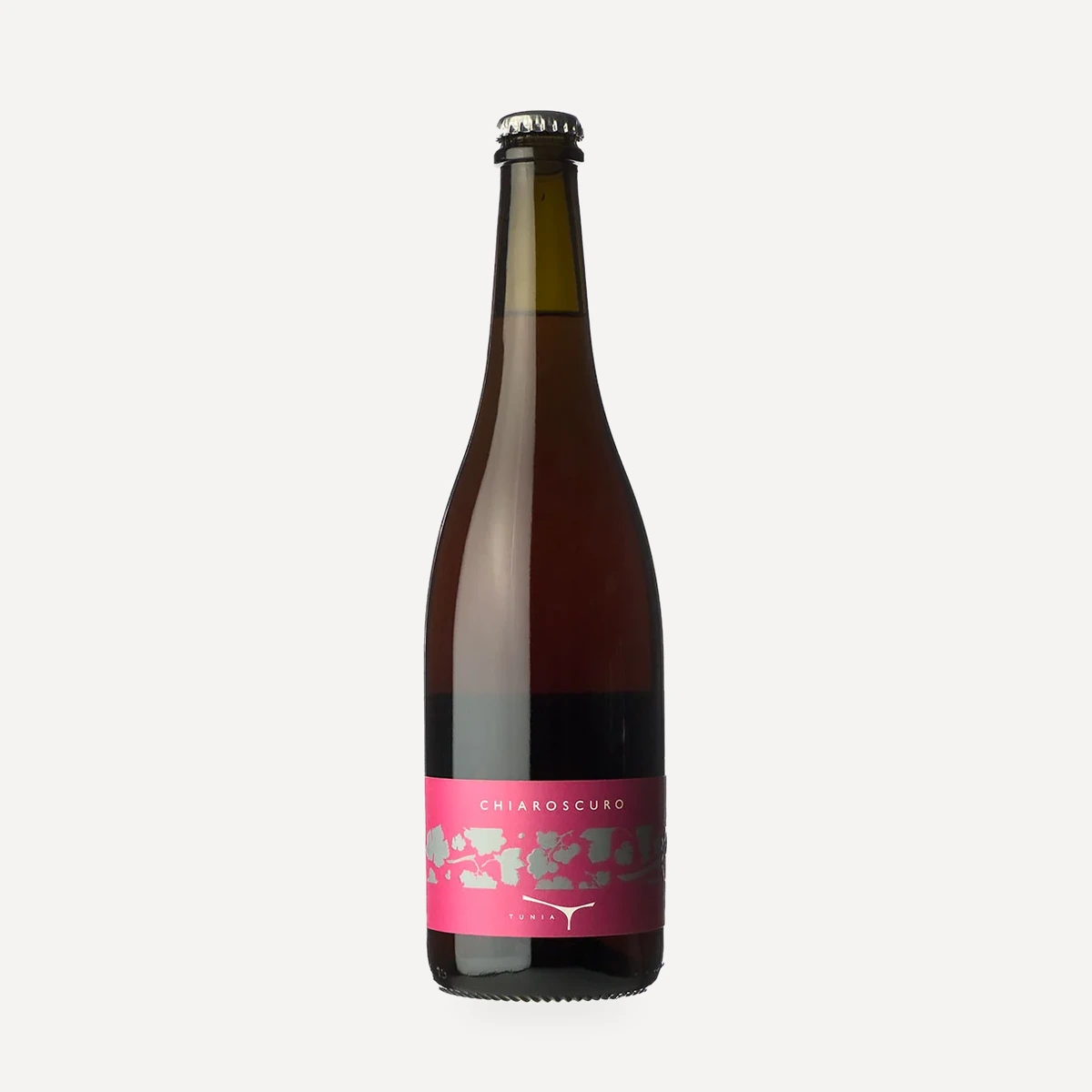
About this wine
Vineyard and terroir
Sottofondo is made from Trebbiano vines planted in 1970 on the hills forming the northern boundary of Val di Chiana. The vineyard lies at 300 metres above sea level, faces south-west and has calcareous-clayey soil. Yields are approximately 2,500 kilograms per hectare, and harvesting is carried out by hand into crates.
Grapes
100% Trebbiano.
Vinification
Sottofondo is made through traditional secondary fermentation in bottle and is not disgorged, leaving the lees in the finished wine. Trebbiano harvested early in late August provides freshness and acidity; it ferments spontaneously without skins in stainless steel. A second portion is picked fully ripe at the end of September and ferments on its skins for approximately one month, contributing body, structure and colour.
The two still base wines remain separate, without clarification or filtration, until February. A third portion of grapes is dried in the cellar and then pressed. Its must supplies sugar, yeast and dried-grape aromas for the secondary fermentation. The components are blended and bottled together, and the yeasts restart fermentation in bottle. Fine, delicate bubbles develop after several months.
Ageing
The wine remains on its lees in bottle and is released without disgorgement, retaining its crown cap. It continues to evolve through the presence of the yeasts and their residue. No clarification or filtration is performed.
Tasting profile
Sottofondo has a deep amber tone derived from skin maceration and the dried-grape must used for bottle refermentation. It is naturally cloudy because the lees remain in the bottle. Freshly poured, it shows an assertive yeast aroma reminiscent of bread crust, together with raisins. Orange blossom and flint emerge afterward. The very fine perlage fills the palate, while lively acidity brings freshness and leads into a soft, gently bitter finish.
Serving and pairing
Serve at 8–10°C. Pair with fried foods, local cheeses, white meats, vegetable-based first courses, eggs, cured meats or pizza.