Storia
1919 — Foundation
Carlo Nada founded the estate in Rombone, then part of the municipality of Barbaresco.
1955 — Second generation
His son Giovanni Nada succeeded him and continued working as a winegrower.
1989 — Third generation
Gian Carlo Nada, Carlo’s grandson and an oenologist, gave the estate new energy and a more innovative direction together with his wife Ada.
2001 — Fourth generation
Anna Lisa and her husband Elvio took over the management of the estate.
Today
Following Gian Carlo’s premature death in 2012, Elvio assumed responsibility for both vineyards and cellar. Anna Lisa focuses mainly on the agriturismo. Their daughters Elisa, Serena and Emma represent the next family generation.
Terroir
The vineyards are in Treiso in the Langhe, at elevations between 200 and 350 metres. The soils are calcareous white marl with a low clay content and marine origin. Individual wines come from south, south-east, south-west, east and west-facing sites. The Barbaresco wines are linked to the Rombone subzone.
Vinificazione
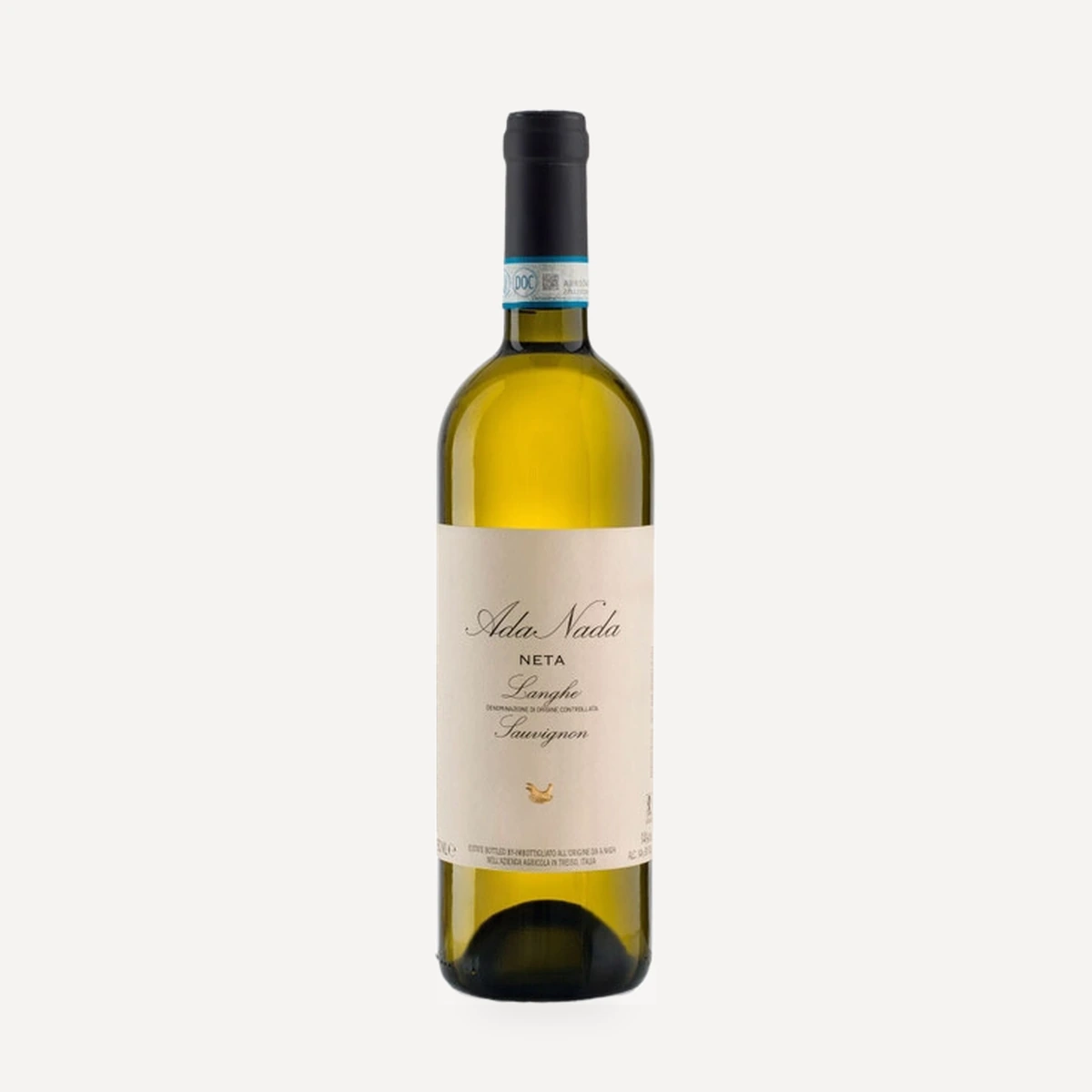
Harvesting is carried out by hand. Bunches are selected and placed in ventilated crates or baskets. Sauvignon Blanc is picked during the coolest early-morning hours. Depending on the wine, yields range from 50 to 85 quintals per hectare.
Red grapes are destemmed and gently pressed before fermentation in stainless steel. Macerations range from approximately 5 to 15 days, with temperatures adapted to each variety. Alcoholic and malolactic fermentation are completed in steel. Barbaresco and Barbera mature in large oak casks, while Langhe Nebbiolo and Langhe Rosso use barriques. Most wines are bottled without filtration and receive additional bottle aging. Sauvignon Blanc is protected from oxidation with dry ice, fermented at 15–16°C and matured in temperature-controlled steel.
Filosofia
The family states that it has produced Piedmont’s traditional wines for four generations while respecting what the vineyards provide. The approach combines inherited family practice, careful manual selection and restrained cellar work.
Vini
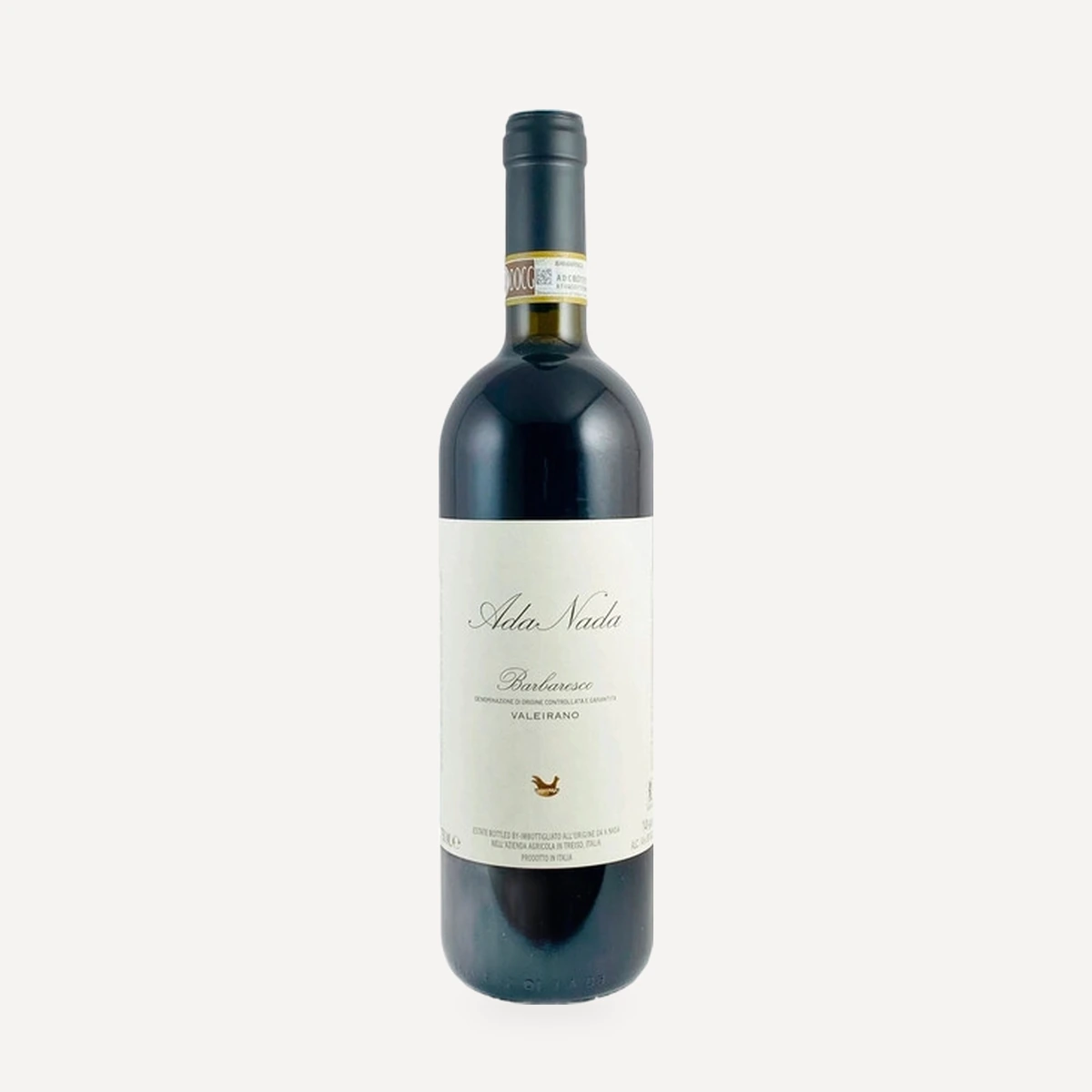
Valeirano
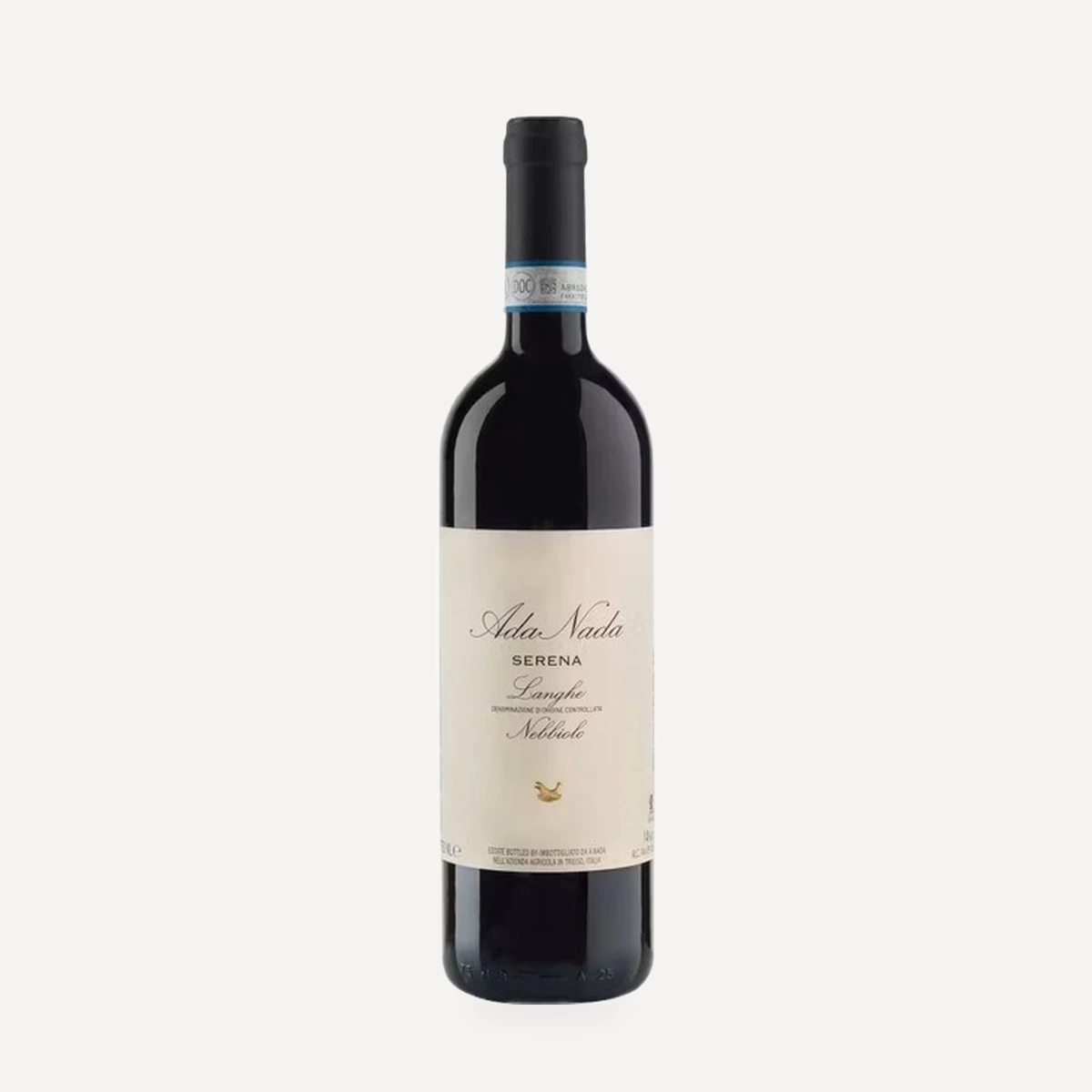
Serena