Storia
1940 — Giuseppe and the first family wine
The family’s winemaking history begins with Giuseppe, known to his friends as Bepi. He produced a naturally sparkling wine called El vin del nono. Made on its lees in the customary manner of the period, it became the family’s first wine and established a tradition that remains part of Al Canevon’s identity.
1970 — Abramo founds Al Canevon
In 1970 Giuseppe’s son Abramo founded Al Canevon in the hills of Conegliano Valdobbiadene. He continued to work directly in the vineyards, developing more than five decades of practical experience and passing his knowledge of the vines and the land to the next generation.
2001 — The move into sparkling-wine production
Al Canevon adopted sparkling-wine production in 2001. This stage joined the family’s agricultural tradition to modern cellar technique and established the production model used for its Prosecco ranges.
The third generation
Al Canevon is now carried forward by Abramo’s daughter Manuela and her children Sandy and Nicola. Manuela leads its commercial development, drawing on the approach inherited from Giuseppe and Abramo. Sandy contributes through administration, commercial management, communications, sales-channel development and participation in national and international trade fairs. Nicola works alongside Abramo in the vineyards and directs the cellar stages from vinification through sparkling-wine production.
The family continues to cultivate approximately 40 hectares across the hills of Valdobbiadene, Cartizze and Collalbrigo. Its current approach combines inherited vineyard knowledge with technology intended to assist, rather than replace, direct attention in the vineyard and cellar.
Terroir
Al Canevon’s vineyards occupy a continuous hilly area of approximately 40 hectares, at elevations between 240 and 290 metres. They extend from Valdobbiadene through the Cartizze subzone to Collalbrigo. Each of these hills has its own soils and microclimate.
Valdobbiadene
The Valdobbiadene vineyards lie on steep, breezy hills. Rows follow the natural contours of the slopes. The pale, mineral soils consist of marl and sandstone, associated with freshness and finesse in the resulting wines.
Cartizze
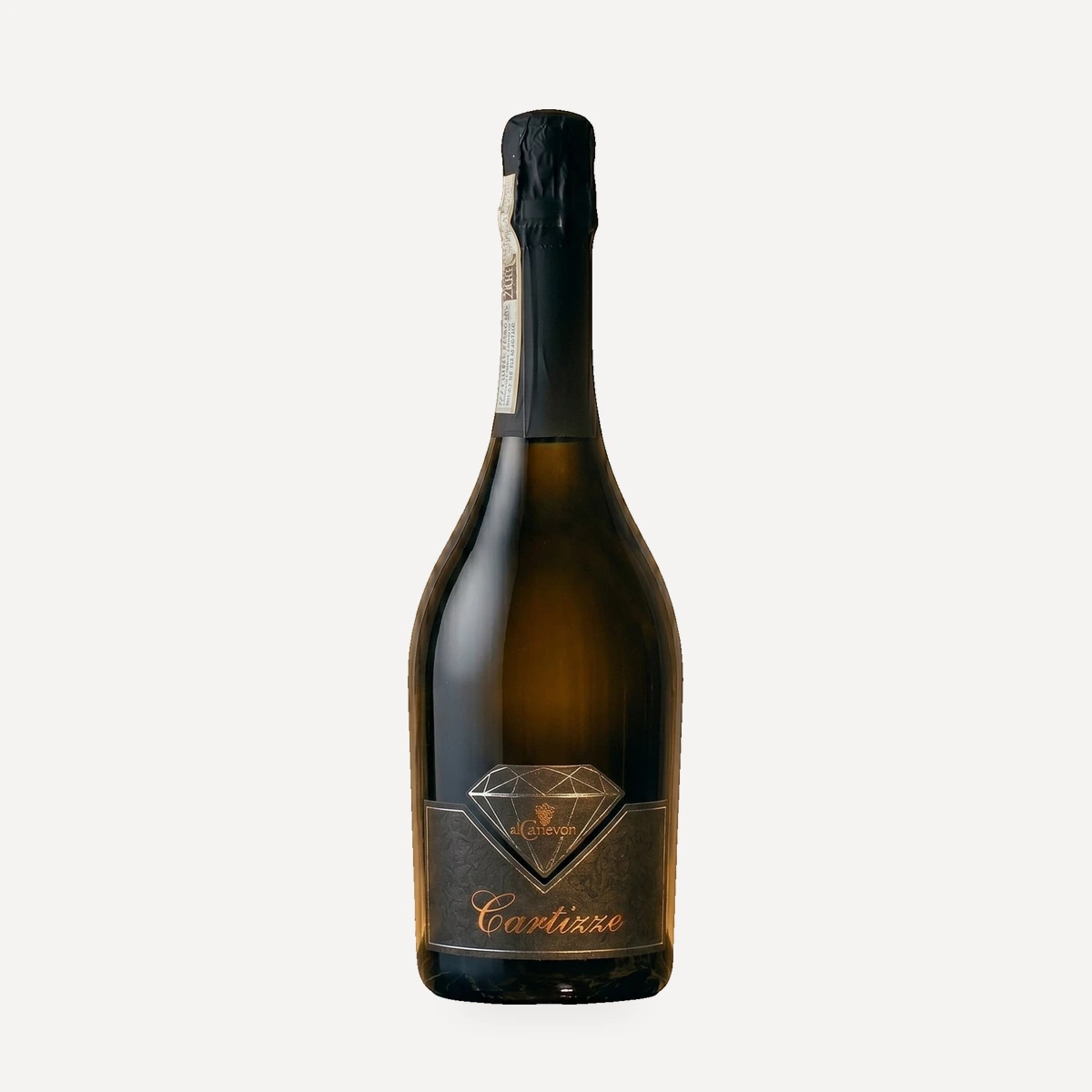
Cartizze covers only 108 hectares in total. Its interlocking microclimates allow the grapes to ripen slowly. The soils are described as ancient, sandy, poor and aromatic, conditions associated with the rounded character of Cartizze.
Collalbrigo
At Collalbrigo, in the Conegliano hills, the slopes become gentler and the soils richer. The brown soils contain clay and conglomerates, contributing structure, fruit and generosity to the wines.
Vinificazione
All grapes are harvested by hand, bunch by bunch. In the steep Valdobbiadene vineyards, the rows follow the contours of the hills and manual work is the only stated harvesting method.
Freshly picked bunches are placed in bins to protect them from damage. Tractors and dedicated trailers then carry the fruit quickly to the cellar, preserving bunch integrity and aromatic freshness.
For the Glera used in the Valdobbiadene Prosecco Superiore wines, harvest takes place in September. The stated maximum yield is 135 quintals per hectare, equivalent to 13.5 tonnes per hectare.
Al Canevon entered sparkling-wine production in 2001, combining its established agricultural work with modern cellar technique.
After the entirely manual harvest, grapes travel in bins and are moved promptly to the cellar by tractor and dedicated trailer. The fruit undergoes gentle, off-skins pressing, retaining only the first, most delicate fraction of must.
The must is statically settled at low temperature in stainless-steel tanks. Primary fermentation then proceeds under temperature control. For the Valdobbiadene Prosecco Superiore range, the secondary fermentation lasts 40 days in 25- or 50-hectolitre pressure tanks, using the Charmat method. This approach is intended to retain the grapes’ original aromas and emphasize Prosecco’s fruit and floral character.
After sparkling-wine production, the wine is filtered and bottled with the objective of preserving freshness, fine bubbles and aromatic definition.
Filosofia
Al Canevon defines its approach through three connected aims: respecting the land, preserving family memory and improving with each harvest. Vineyard knowledge is treated as something acquired through continual presence, precise manual work and close observation of the vines.
Technology has a supporting role: it assists the work without replacing agricultural experience or direct attention. In the cellar, precision is paired with respect for the identity of Prosecco and for the fruit delivered by each season.
Family continuity is central to this outlook. Each generation has chosen to remain involved with the land, learn from the preceding generation and refine its work. Quality is understood as the result of care at every stage from grape to bottle, including choices that require additional time, attention and responsibility.
The same principles shape Al Canevon’s partnerships and hospitality: projects should respect the territory, cultivate authentic relationships and create value for everyone involved.
Vini
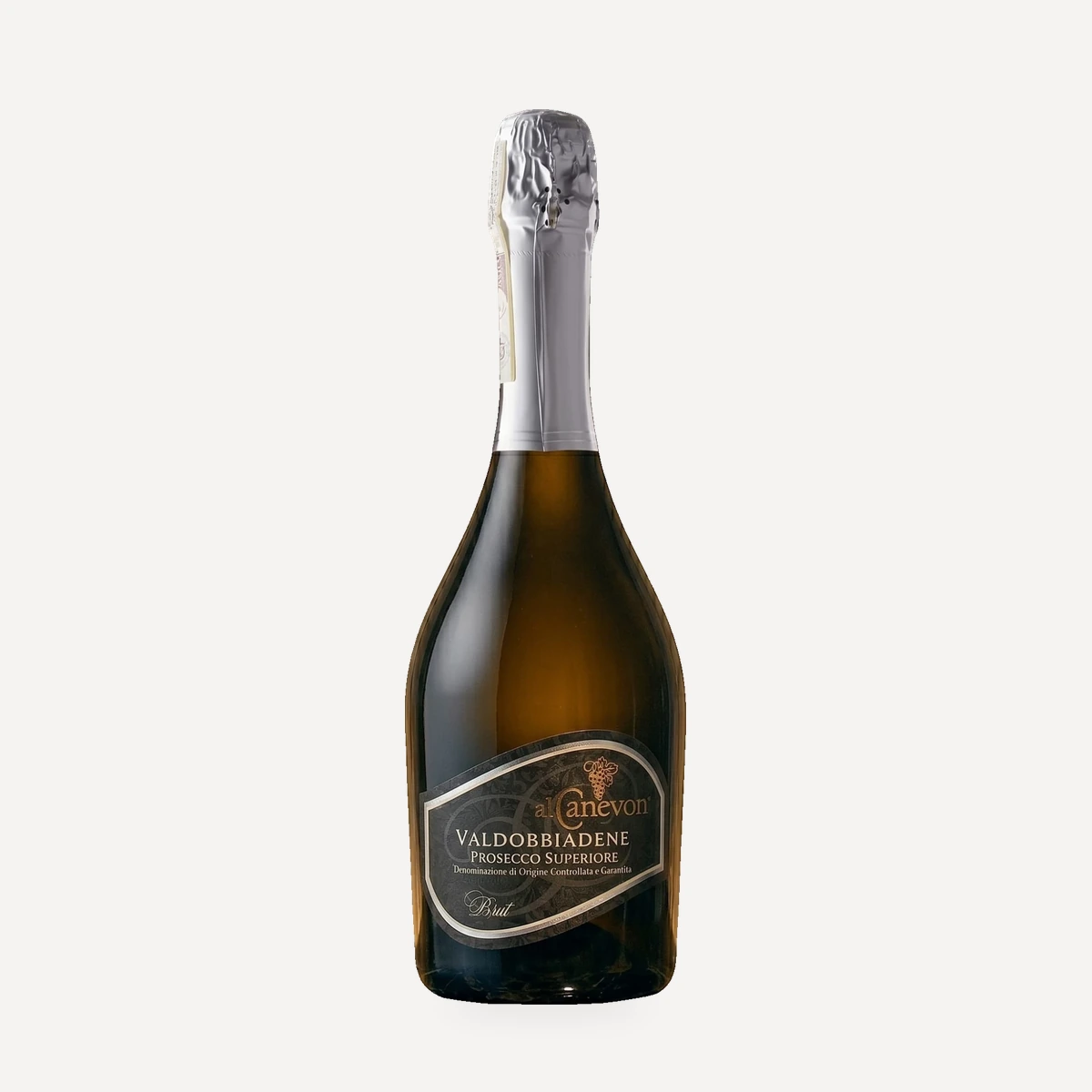
Valdobbiadene Prosecco Superiore DOCG Brut
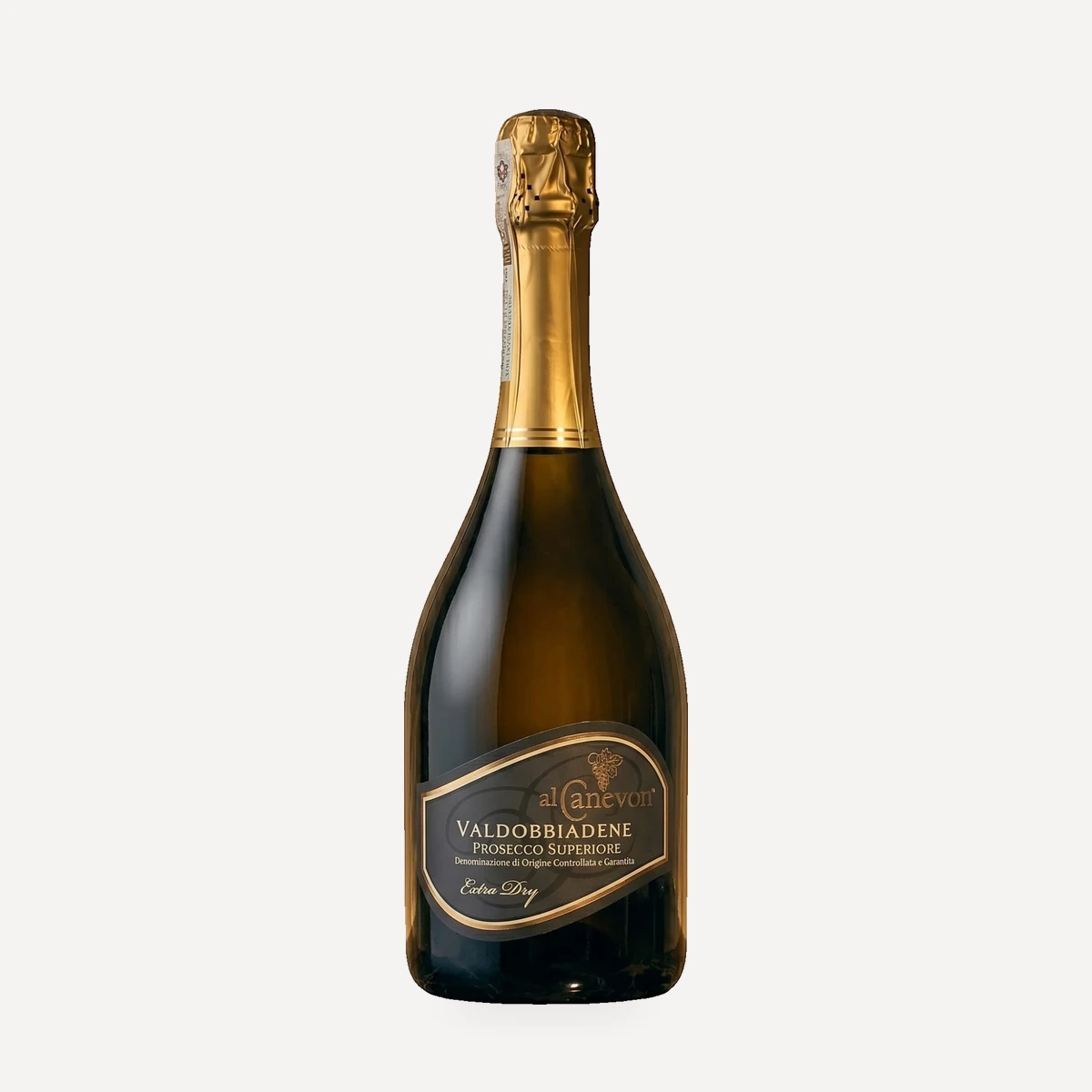
Valdobbiadene Prosecco Superiore DOCG Extra Dry
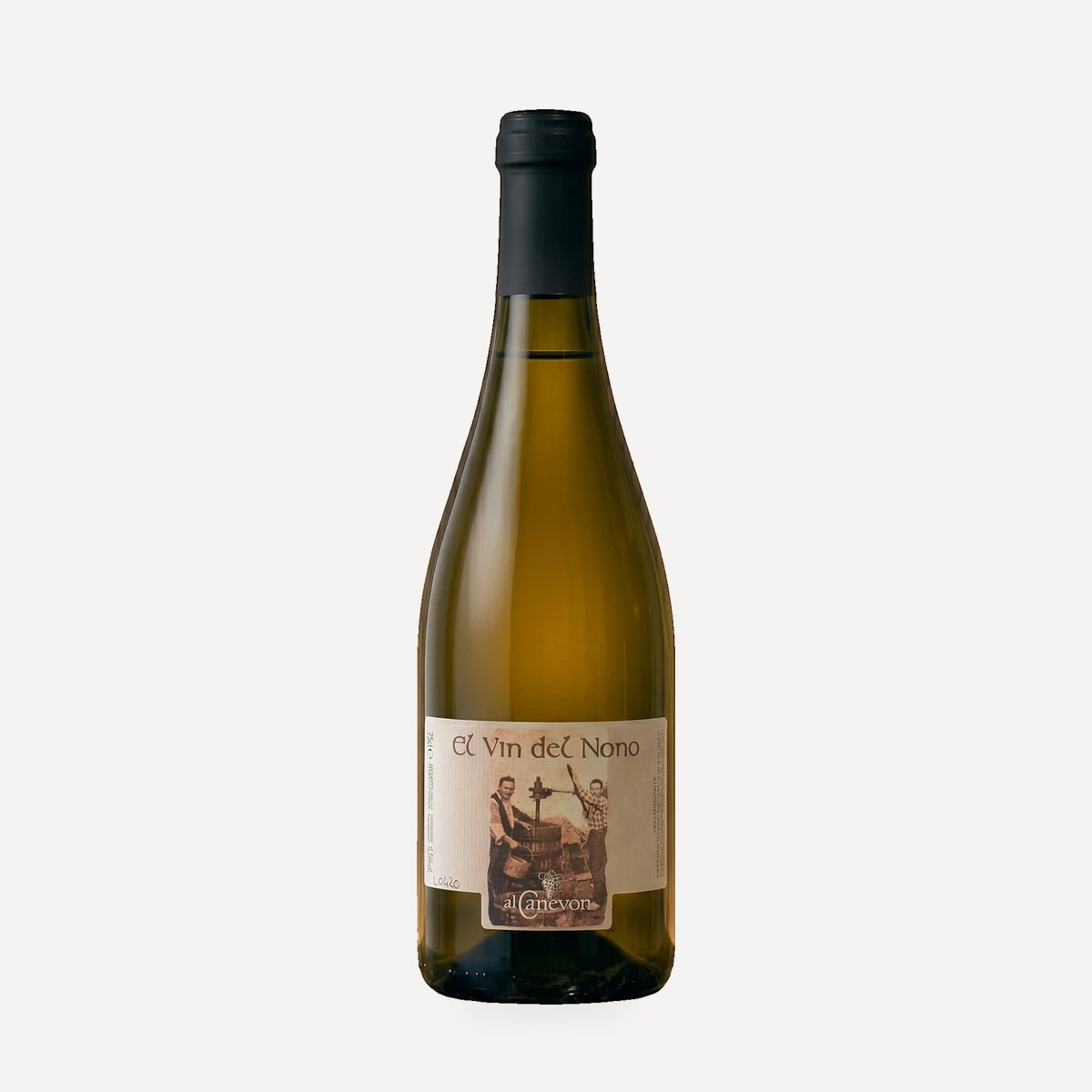
"El Vin del Nono" Vino frizzante
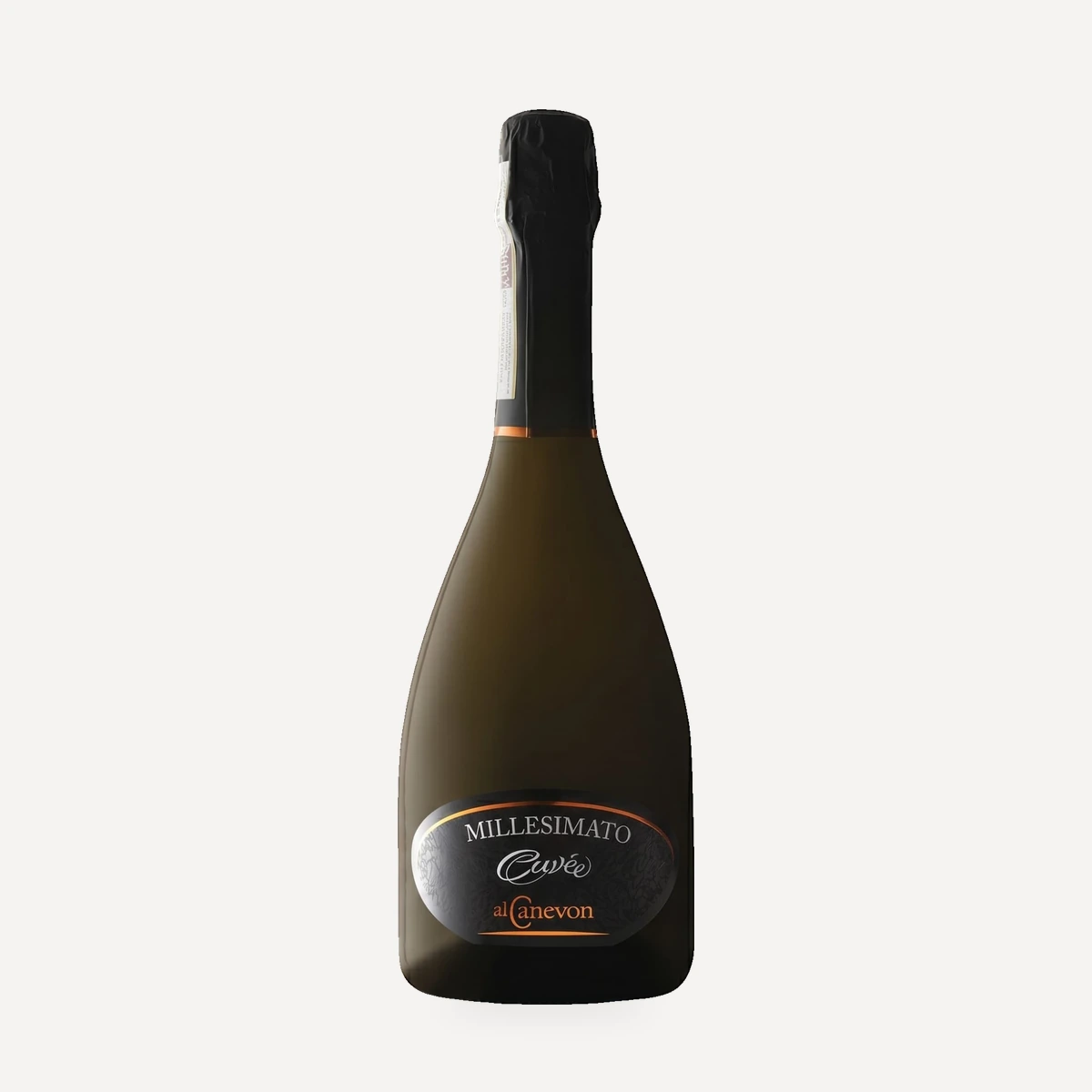
Prosecco Superiore Millesimato Cuvee
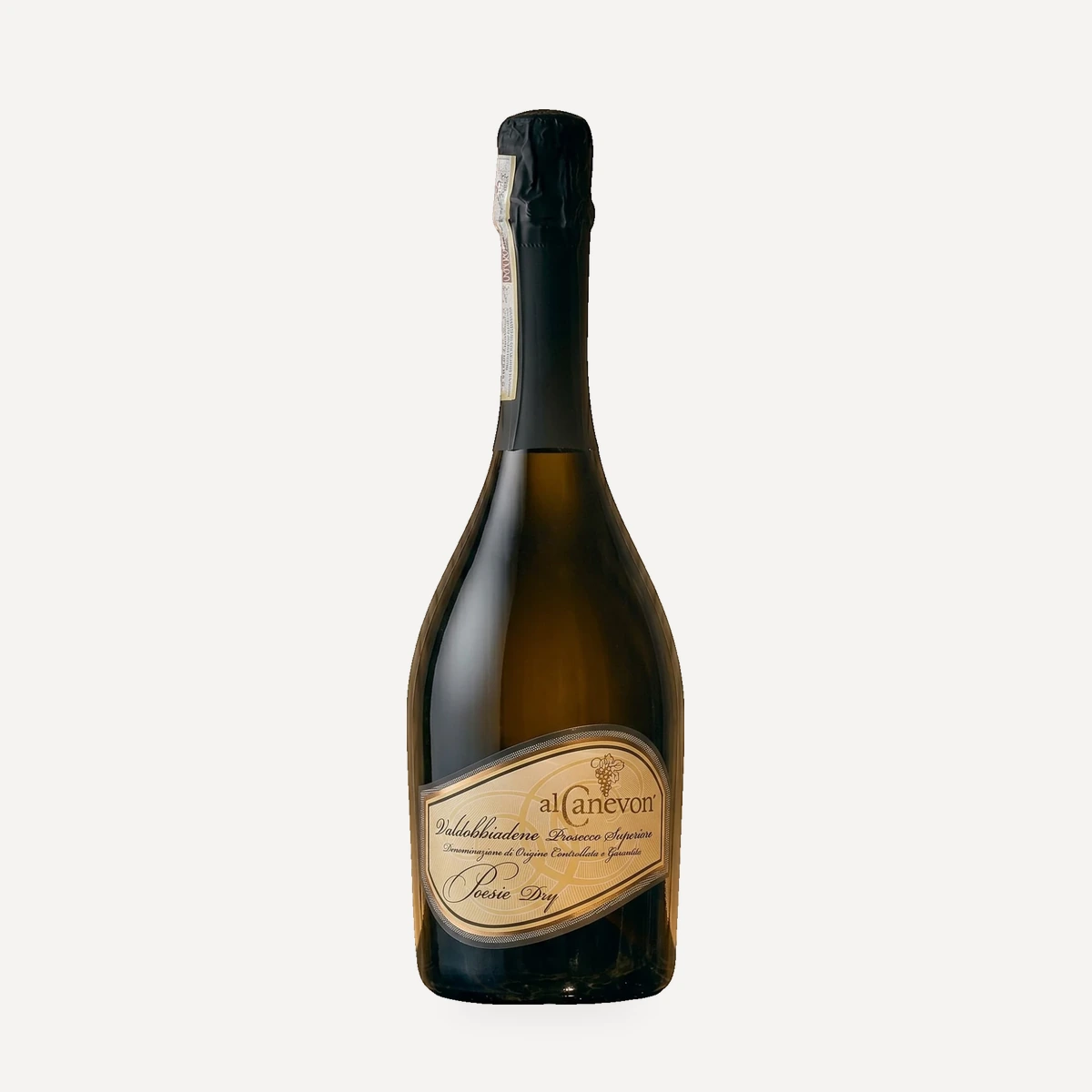
Valdobbiadene Prosecco Superiore DOCG Dry
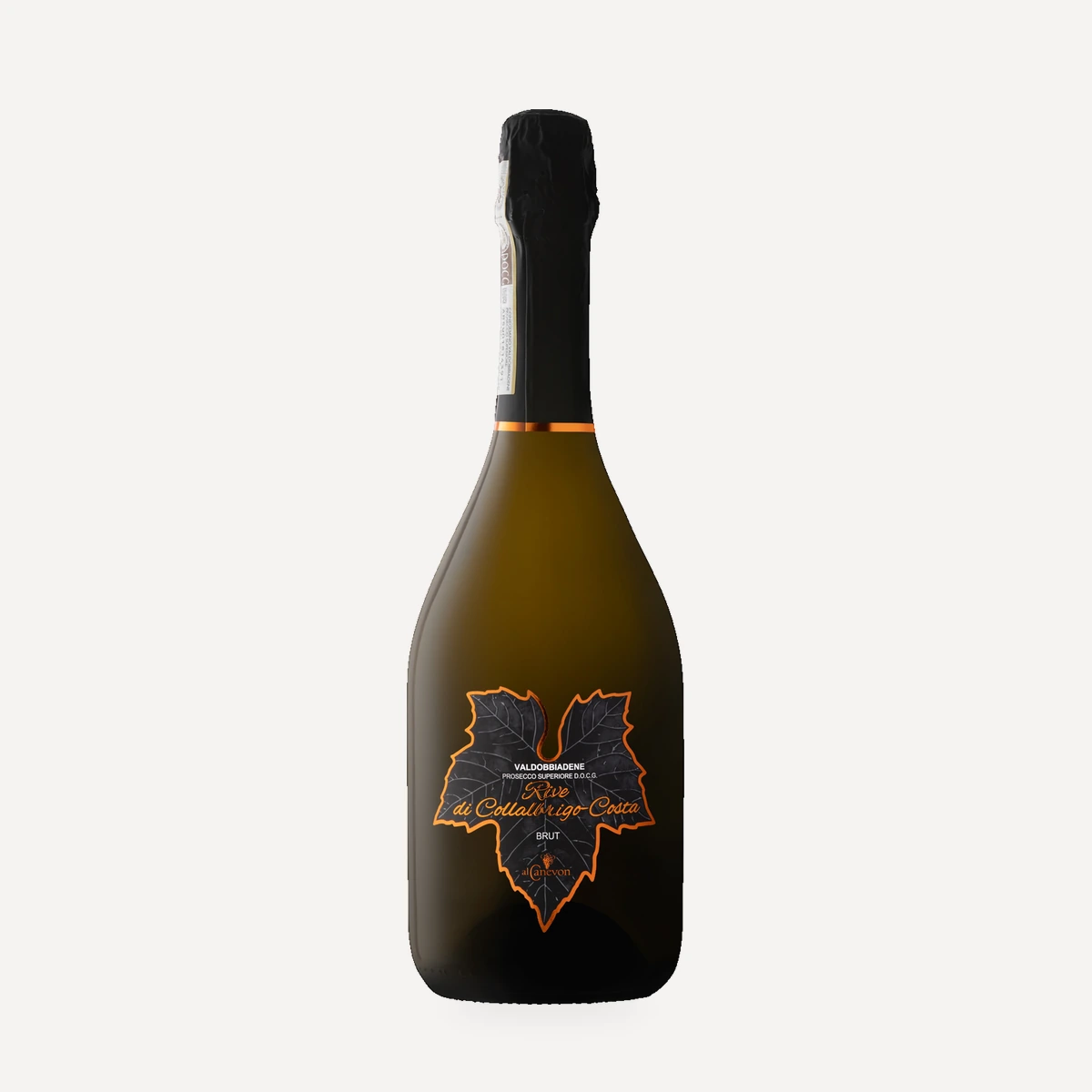
Rive di Collalbrigo - Brut