Storia
Roots in Valdobbiadene
The earliest documentary evidence places the Bisol family in Santo Stefano di Valdobbiadene in 1542. The family was already cultivating vines and making wine in the area historically called Chartice, now the Cartizze hill. The family narrative extends across five centuries and 21 generations, closely tied to the steep hills where Prosecco Superiore developed.
The historic family cellar in Santo Stefano di Valdobbiadene dates from the late nineteenth century. Dug into the local rock and earth, it remains preserved in its original form.
Eliseo Bisol and the First World War
At the beginning of the twentieth century, Eliseo Bisol developed a modest but successful wine trade. Its progress was interrupted by the First World War: Valdobbiadene lay directly along the opposing Austro-Hungarian and Italian lines.
Eliseo’s son Desiderio restored momentum to the family’s winegrowing activity in the mid-1920s.
Desiderio “Jeio” Bisol
After the Second World War, Desiderio—affectionately called Jeio by his wife—crossed the hills of Valdobbiadene and Conegliano on a red Moto Guzzi motorcycle in search of outstanding parcels to acquire. He sought steep, difficult sites whose gradients, soils and complementary terroirs could give the wines distinct identities.
Desiderio later assigned responsibilities to his four sons in keeping with their training: Antonio handled administration, Eliseo oversaw winemaking, Aurelio cared for the vineyards, and Claudio managed the business as a whole. Aurelio, nicknamed Relio, regarded the steep Ronce vineyard in the Rive di Guia as one of the area’s finest sites.
The family continued buying demanding hillside parcels. Gianluca Bisol recalled that his grandfather Desiderio and father Antonio deliberately pursued the steepest and most difficult land because its gradients and soil composition were particularly suitable for Glera.
International development
Gianluca Bisol joined the family company in 1987. He subsequently became its president and an international ambassador for Valdobbiadene and Prosecco Superiore. By 2022 he had spent 35 years presenting Bisol wines in the United States.
The Conegliano Valdobbiadene production area received DOCG status in 2009. Bisol had already been producing individual cru expressions before that classification.
Gruppo Lunelli and the modern phase
Bisol became part of Gruppo Lunelli in 2014. The change initiated a new phase of investment in vineyards and cellar facilities, the introduction of new technology and a stronger sustainability focus. Agricultural and methodological work in the vineyards was accompanied by more exacting harvest procedures and the use of bins for selected hand-picked grapes.
In 2018, after four years of integration into the group, Bisol revised its range and brand identity with Robilant Associati. The new logo brought the date 1542 to the foreground, referenced Valdobbiadene and used a stylised steep hill recalling Cartizze. A vivid green became the identifying colour, inspired by the cultivated hills during flowering. The range was reorganised around Prosecco Superiore DOCG and the interpretation of distinct soils and terroirs. Relio Rive di Guia and Rive di Campea were introduced as two new Rive expressions.
The hills of Conegliano and Valdobbiadene were inscribed as a UNESCO World Heritage Site in 2019.
In 2022, Bisol became the official Prosecco partner of the Venice Gondoliers’ Association and dedicated I Gondolieri to the relationship between Valdobbiadene and Venice.
By 2024, the investment programme had produced the new Cantina dei Cru, designed to process musts separately and apply tailored vinification to individual vineyard material. The programme also encompassed agricultural and methodological vineyard renewal, biodiversity protection and preservation of the structure of Valdobbiadene’s historic heroic vineyards.
Bisol today
Bisol concentrates on Prosecco Superiore from the heroic hills of Valdobbiadene. Twenty vineyard holdings with differing slopes and exposures support an approach in which harvests and musts are kept separate according to vineyard and soil, allowing bespoke vinification for individual sites.
Terroir
Conegliano Valdobbiadene
Bisol works in the steep hills of the Conegliano Valdobbiadene Prosecco Superiore DOCG, an area of 15 hillside municipalities in the historic Alta Marca Trevigiana. The estate’s holdings are concentrated around Valdobbiadene and encompass contrasting gradients, exposures, soils and microclimates.
The hills lie between the Adriatic Sea and the Dolomites. Constant ventilation, ample sunlight and meaningful day–night temperature differences shape their microclimates. The slopes are sufficiently precipitous that vineyard cultivation and harvesting are largely or entirely manual.
Ancient soils can change structurally over only a few kilometres. Bisol treats that variability as central to its work, separating material from different sites and soils rather than blending away their distinctions. The range encompasses clay, marl, sandstone, limestone, conglomerate, moraine and ancient marine formations.
Cartizze
Cartizze is a steep, 107-hectare hill divided among approximately 140 families, including the Bisol family since 1542. Its vineyards rise to about 300 m and are protected from cold winds. Bisol’s upper-hill vines are entirely south-facing at 250–300 m, with a panoramic position overlooking the landscape between the Dolomites and Venice.
The upper Cartizze soils consist predominantly of calcareous sandstone and ancient marine sands. Friable surface soil lies over rocky material. The combination of marine geology, exposure and sheltered microclimate maintains acidity while allowing the grapes to accumulate natural sugars.
Rive di Campea
Campea extends continuously from the valley floor to the hilltop. Its upper section is laid out across the slope, faces south and contains shallow sandstone-rich soils. The lower, southwest-facing section follows the fall line and has more marl and clay-limestone material. The differing exposures allow slow, gradual ripening.
The site has a cool, well-ventilated microclimate and a wide day–night temperature range. Sandstone at the summit is associated with tension and mineral definition, while the increasing presence of clay-calcareous marl toward the valley contributes structure and persistence.
Ronce, Rive di Guia
Ronce is a steep, old, mixed-age vineyard in the Rive di Guia. It faces northwest and lies high on the slope. A thin sandstone–marl surface covers calcareous conglomerate rock with a substantial limestone component. Its cool conditions preserve acidity and a pronounced mineral character.
Other soil expressions
Morainic sites used for the Molera expression consist predominantly of sandstone and conglomerates over a sedimentary base. Their relatively shallow soils allow roots to approach thin layers of ancient limestone. These sites connect the floral character of Valdobbiadene with the fruit profile of the area toward San Pietro di Feletto.
The clay sites associated with Crede lie over marl and sandstone. The local term crede means clay. These soils retain rainwater around the roots, protecting vines during dry periods. The ancient slopes were once seabed; subsequent uplift bent their strata into an almost vertical arrangement.
Other selected vineyards combine clay-limestone soils with sandstone and marl. General Bisol cuvées draw on heterogeneous hillside soils with predominantly southern exposures.
Vinificazione
Viticulture on the precipitous Valdobbiadene slopes is described as heroic: the terrain prevents conventional mechanisation, so vineyard cultivation and harvesting are carried out largely or entirely by hand. Work can require as much as 1,000 hours per hectare, approximately ten times the labour needed in mechanised vineyards on the plains.
Bisol favours difficult, steep plots for their gradients, exposures and soil composition. Vineyard layouts respond to the shape of each hill, including contour-aligned girapoggio rows and rows running directly down the slope in ritocchino formation.
Training and pruning vary by site. Double-inverted training is used at Campea and in several selected vineyards, while Ronce and Cartizze employ the traditional Valdobbiadene pruning system derived from the double-inverted form. Some broader cuvée vineyards also use Sylvoz. Documented planting densities are 3,000 vines/ha in Campea, the morainic and clay sites, and 3,300 vines/ha in Ronce and Cartizze.
Harvesting is selective and manual, generally in September, with grapes placed in bins. The use of bins forms part of the post-2014 quality programme and is intended to protect the condition of fruit arriving at the winery.
Agricultural and methodological vineyard renewal is linked to a project for safeguarding biodiversity and preserving the physical structure of Valdobbiadene’s historic heroic vineyards. Environmental techniques and sustainability are part of the estate’s modern direction, although no named organic or biodynamic certification is identified.
Parcel-led production
Bisol keeps vineyard harvests and musts separate to retain the distinctions created by individual soils, exposures and microclimates. The Cantina dei Cru was created for separate must processing and tailored vinification. This parcel-led approach is applied within a wider range devoted exclusively to Prosecco Superiore DOCG.
Pressing and primary fermentation
Selected hand-harvested grapes arrive in bins. The documented cellar protocols use gentle pressing and selection of the free-run must. For Campea, up to 50% of the pressed material is selected as free-run must. Grapes from Campea, Ronce and Cartizze are refrigerated before pressing. Ronce and Cartizze musts then undergo cold settling for approximately one week.
Primary fermentation takes place in stainless steel. Base wines mature on fine lees until blending. Frequent bâtonnage is used for the Campea and Ronce base wines.
Blending and secondary fermentation
Secondary fermentation takes place in autoclaves using the Martinotti method, generally for approximately three months in the spring following harvest. The timing allows the separately produced base wines to remain on their fine lees before blending and prise de mousse.
The Bisol1542 Brut and Extra Dry cuvées combine different vintages and heterogeneous hillside soils. Their blended cuvées receive an addition of 15–20% must before autoclave refermentation.
I Gondolieri follows a distinct protocol: its cuvée is composed of approximately 50% base wine and 50% must. It undergoes about three months of autoclave fermentation in the spring after harvest and receives no dosage after secondary fermentation, retaining part of the grapes’ original sugar.
Historic cellar
The historic cellar in Santo Stefano di Valdobbiadene is dug into the rock and earth. It maintains a naturally stable temperature of 10–15°C throughout the year and preserves historic bottles produced by the family. The cellar has been maintained with its original architectural details intact.
Filosofia
Bisol’s guiding ambition is to create a precise expression of Prosecco Superiore from the steep hills of Valdobbiadene. The approach begins by choosing difficult hillside land and accepting the manual labour it demands rather than favouring easily mechanised sites.
Variation is treated as an asset. Glera is considered particularly responsive to changes in soil and microclimate, so harvests are separated and vinified according to vineyard and soil. The objective is not to erase differences between sites but to express the distinct character of clay, moraine, sandstone, marl, limestone and ancient marine formations.
The modern programme combines inherited knowledge with technology: traditional pruning, manual work and the preserved historic cellar coexist with refrigerated fruit, stainless-steel fermentation, autoclaves and the parcel-focused Cantina dei Cru. Vineyard and cellar investments since 2014 are directed toward greater precision rather than higher volume.
Dedication, tenacity and loyalty to Valdobbiadene are recurring family values. In its contemporary phase, Bisol also links quality to biodiversity, protection of the heroic vineyard landscape and recognition of the difference between generic Prosecco and terroir-led Prosecco Superiore DOCG.
Vini
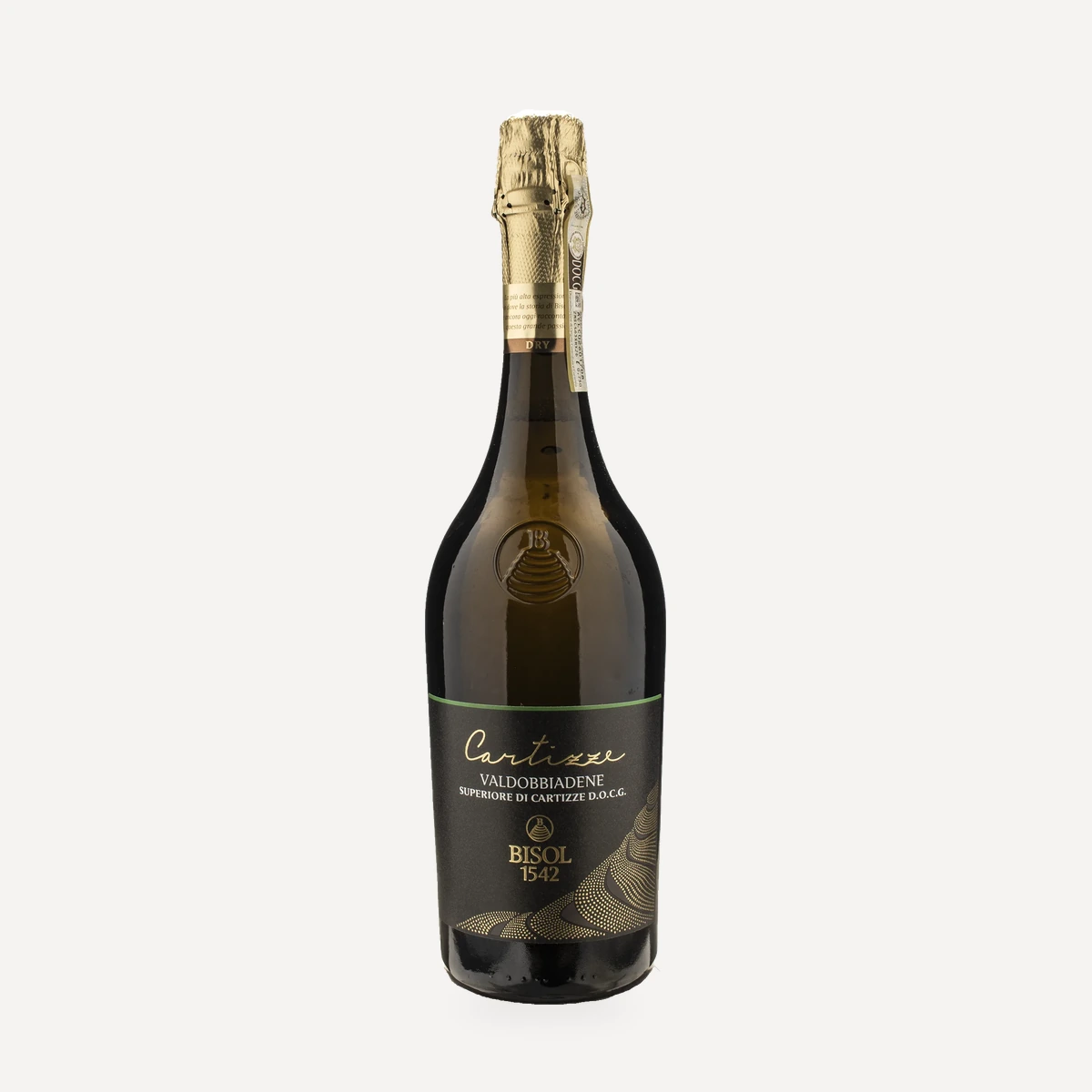
Bisol1542 Cartizze Dry
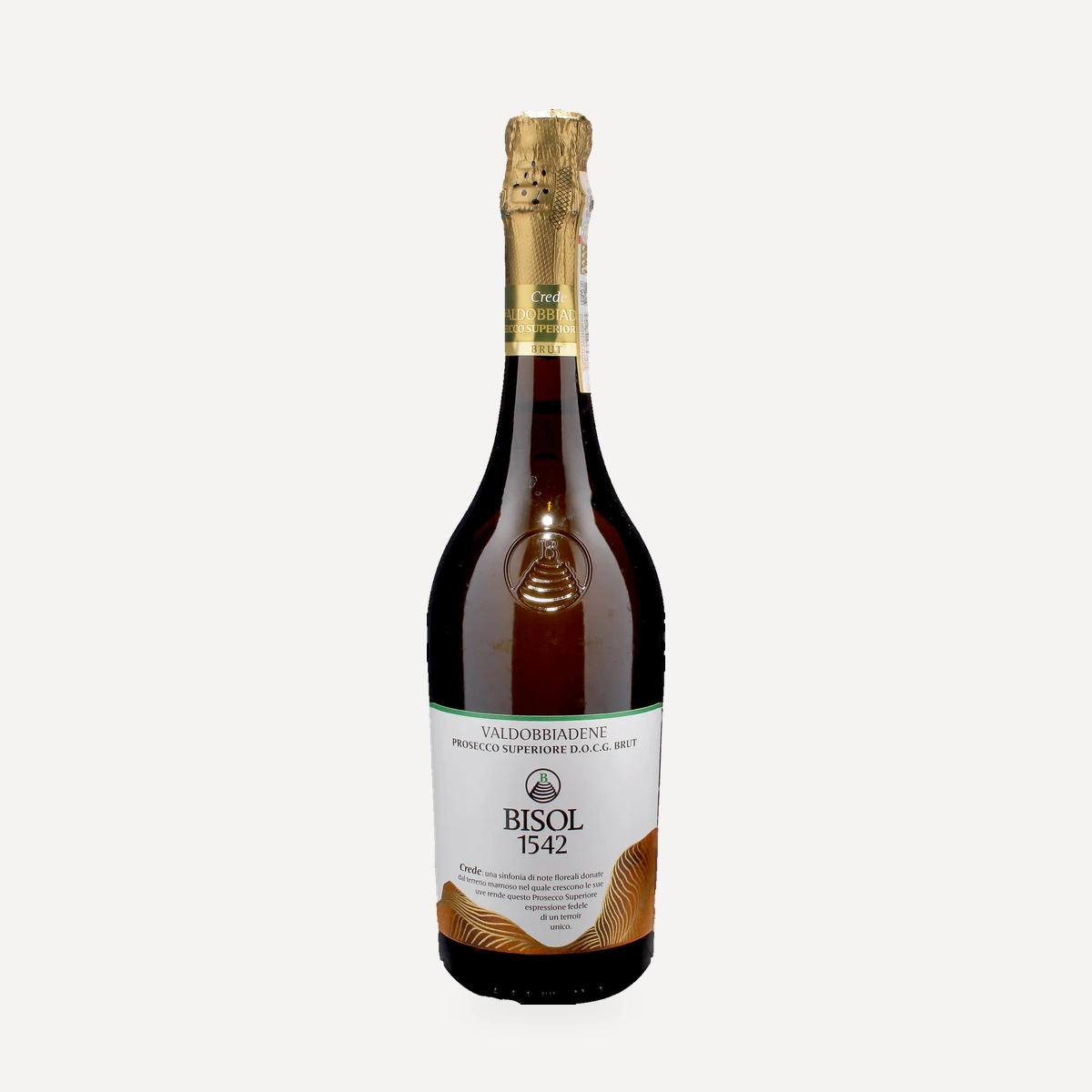
Bisol1542 Crede Brut
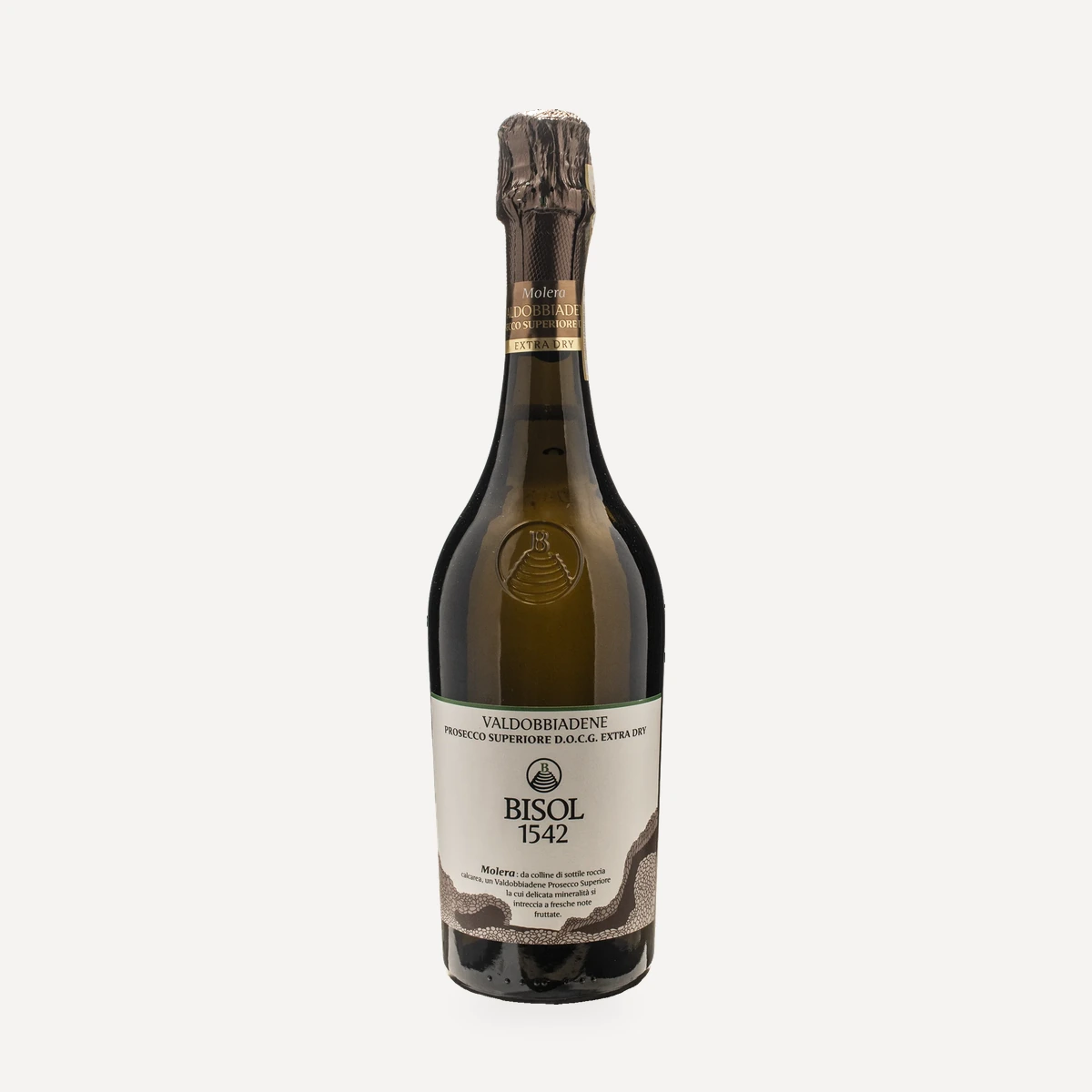
Bisol1542 Molera Extra Dry
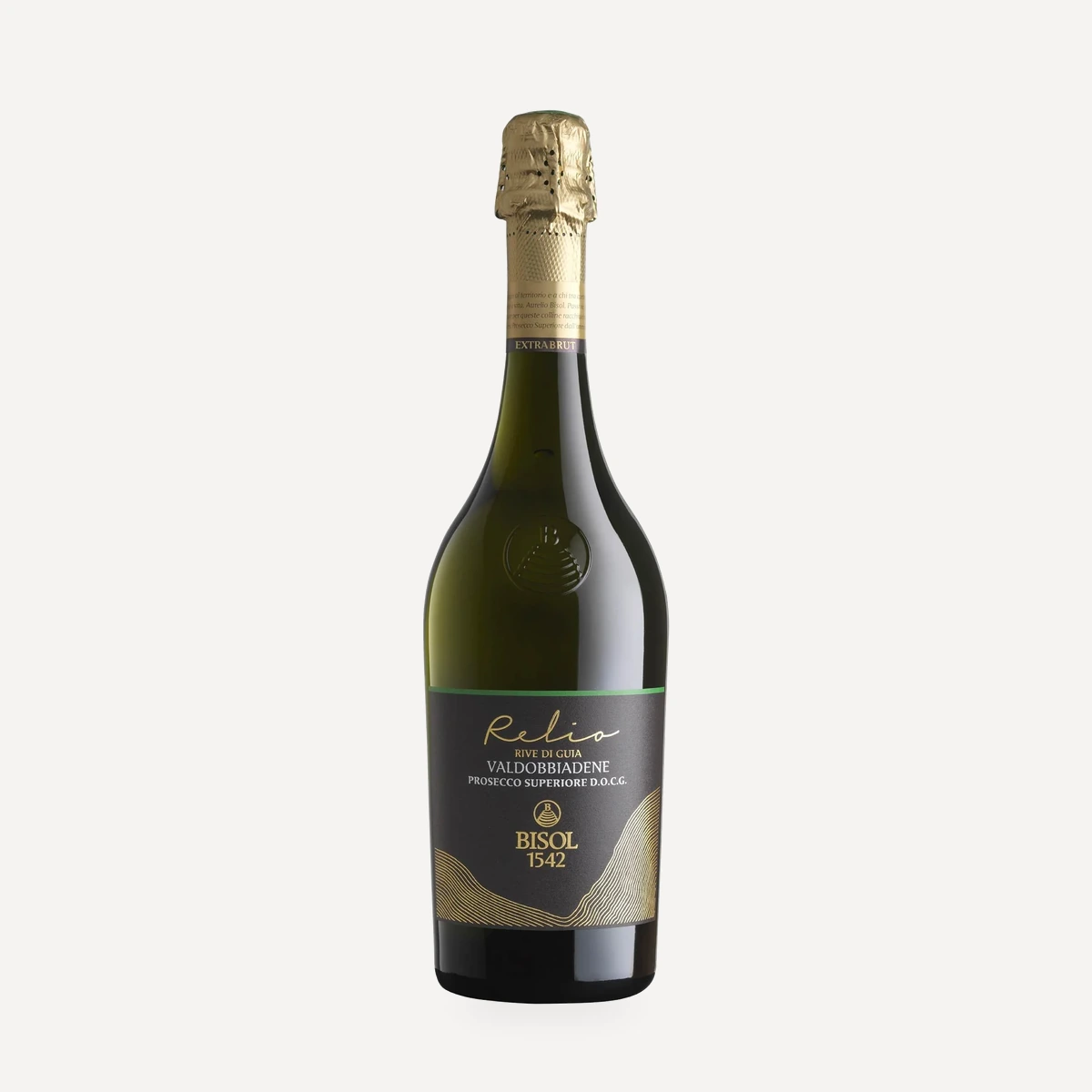
Bisol1542 Relio Rive di Guia Extra Brut
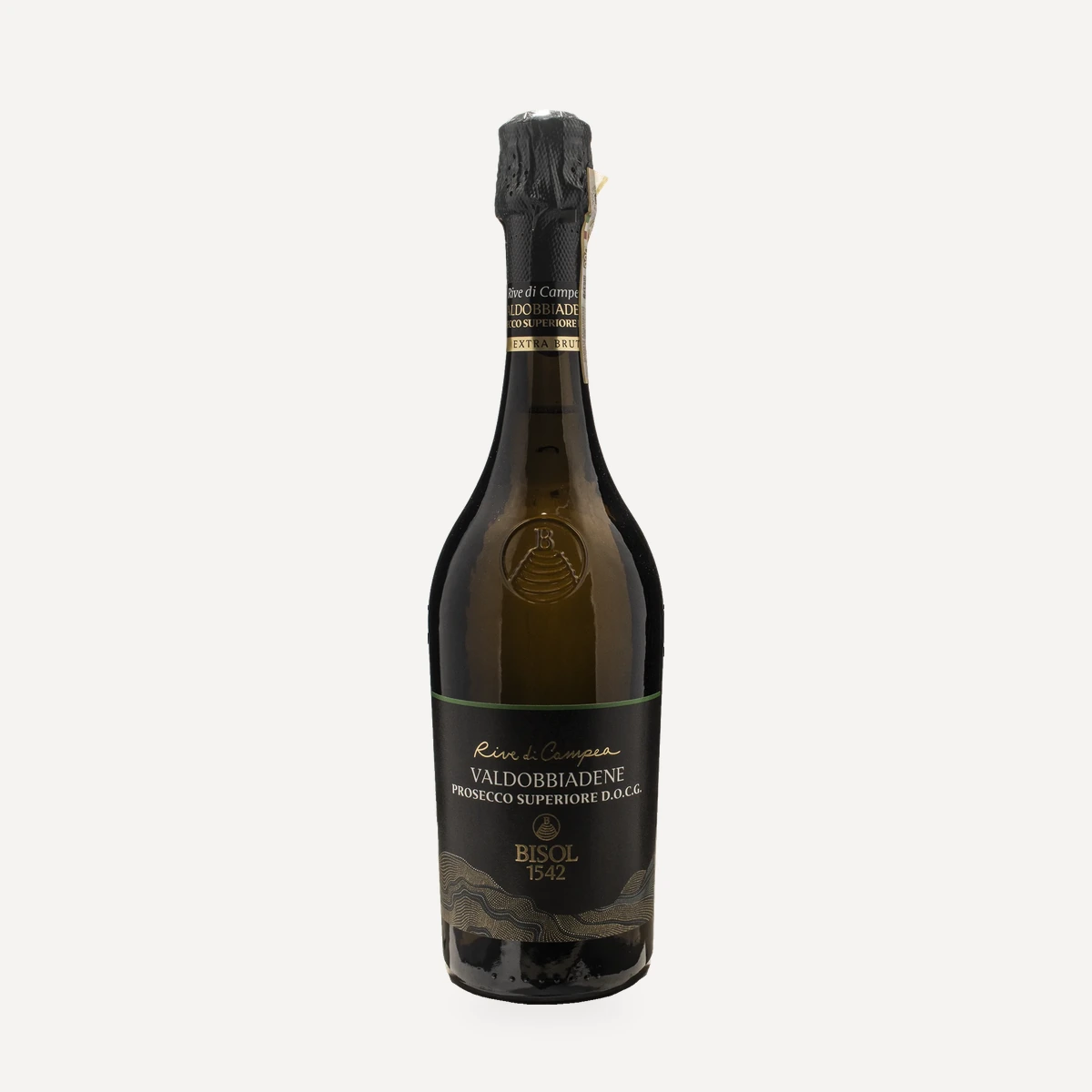
Bisol1542 Rive di Campea Extra Brut
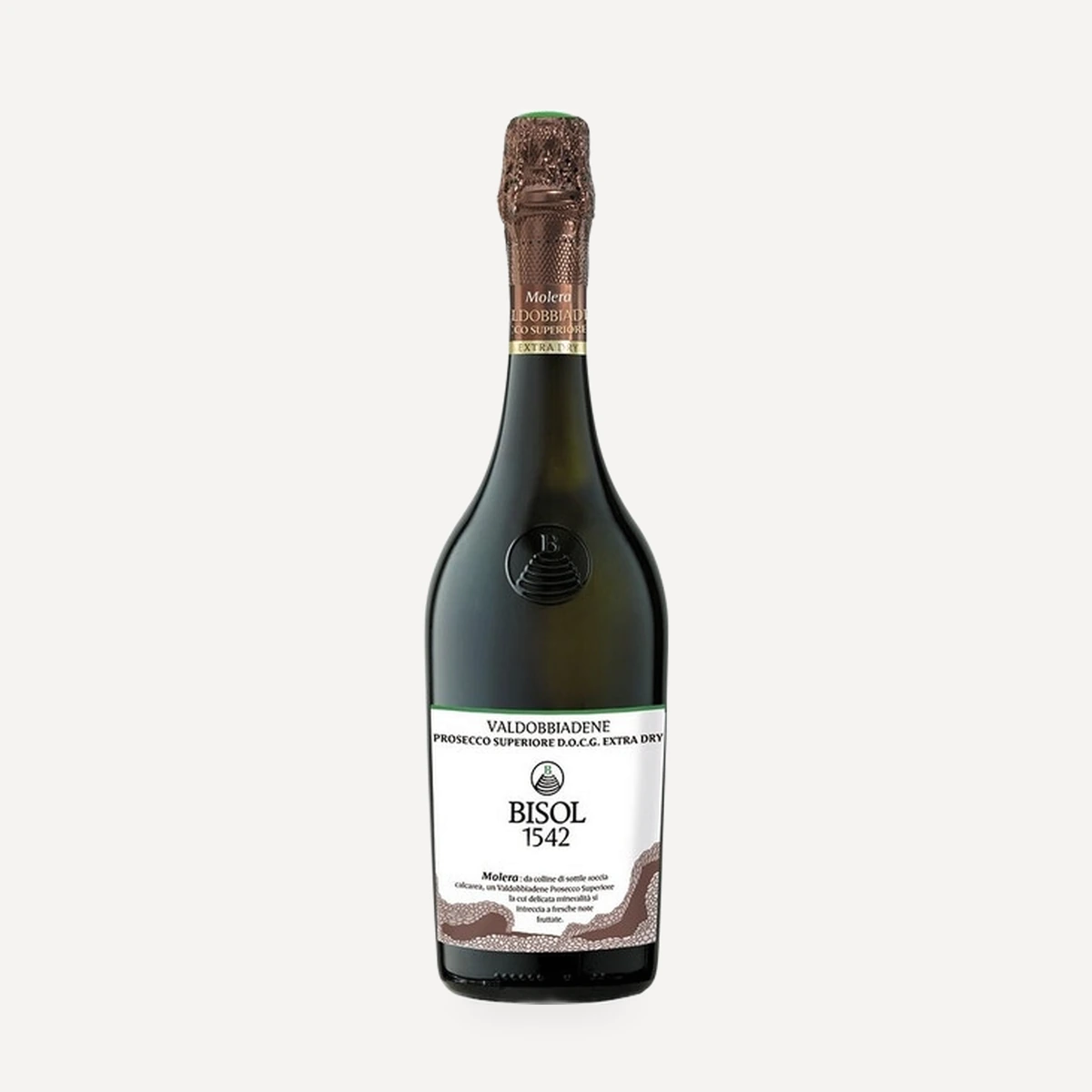
Molera Valdobbiadene Prosecco Superiore Extra Dry DOCG
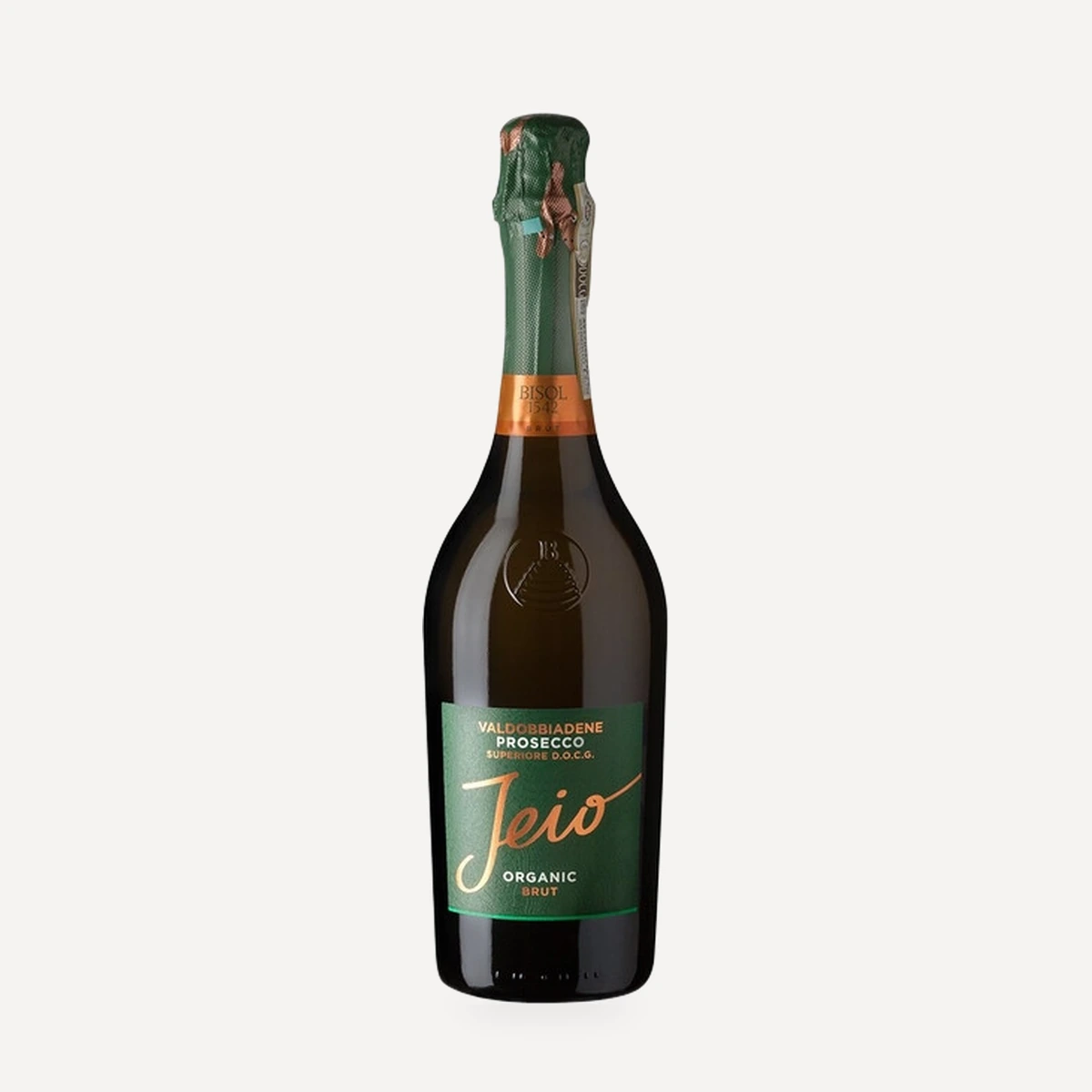
Jeio Valdobbiadene Prosecco Superiore Brut Bio DOCG
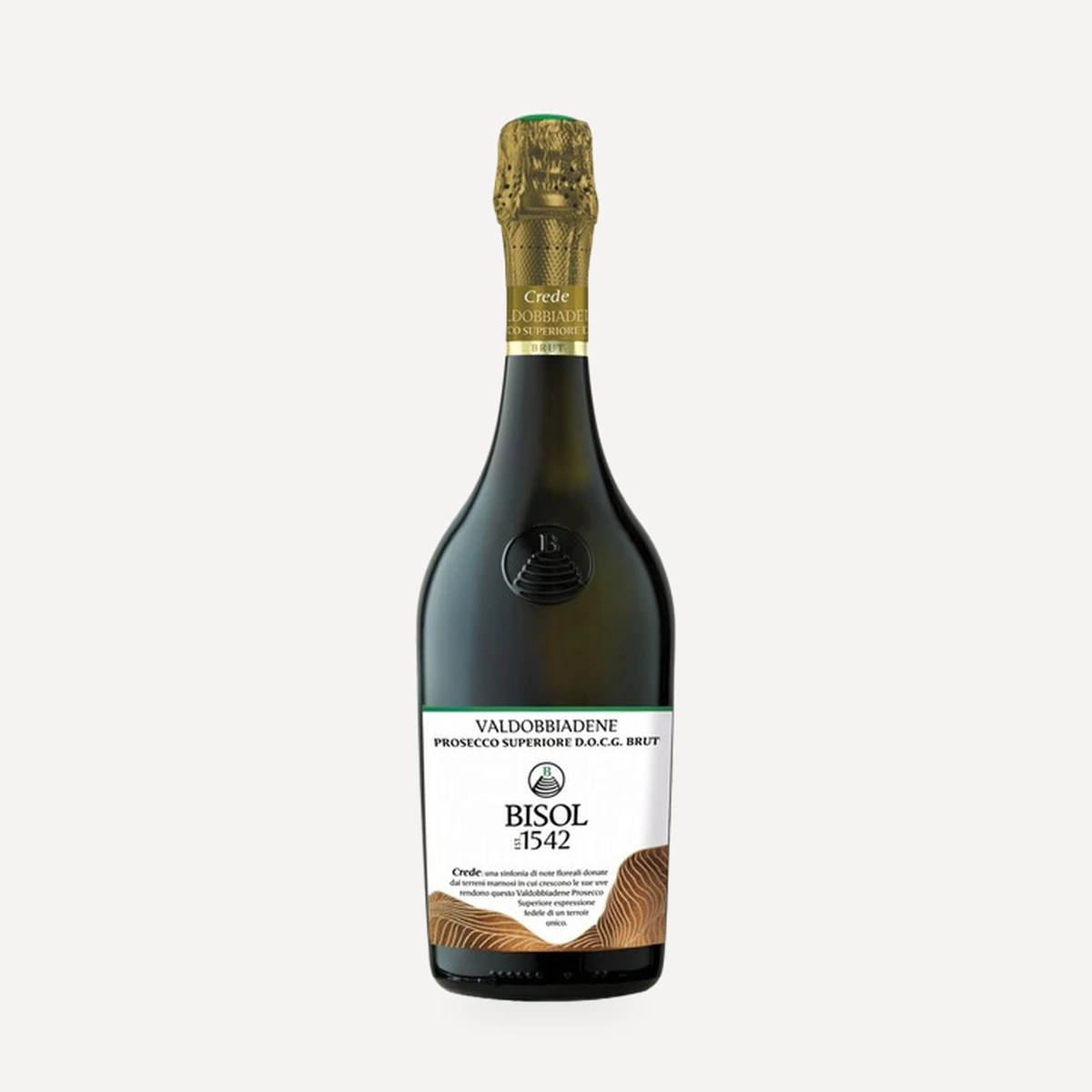
Crede Prosecco di Valdobbiadene Superiore Brut DOCG
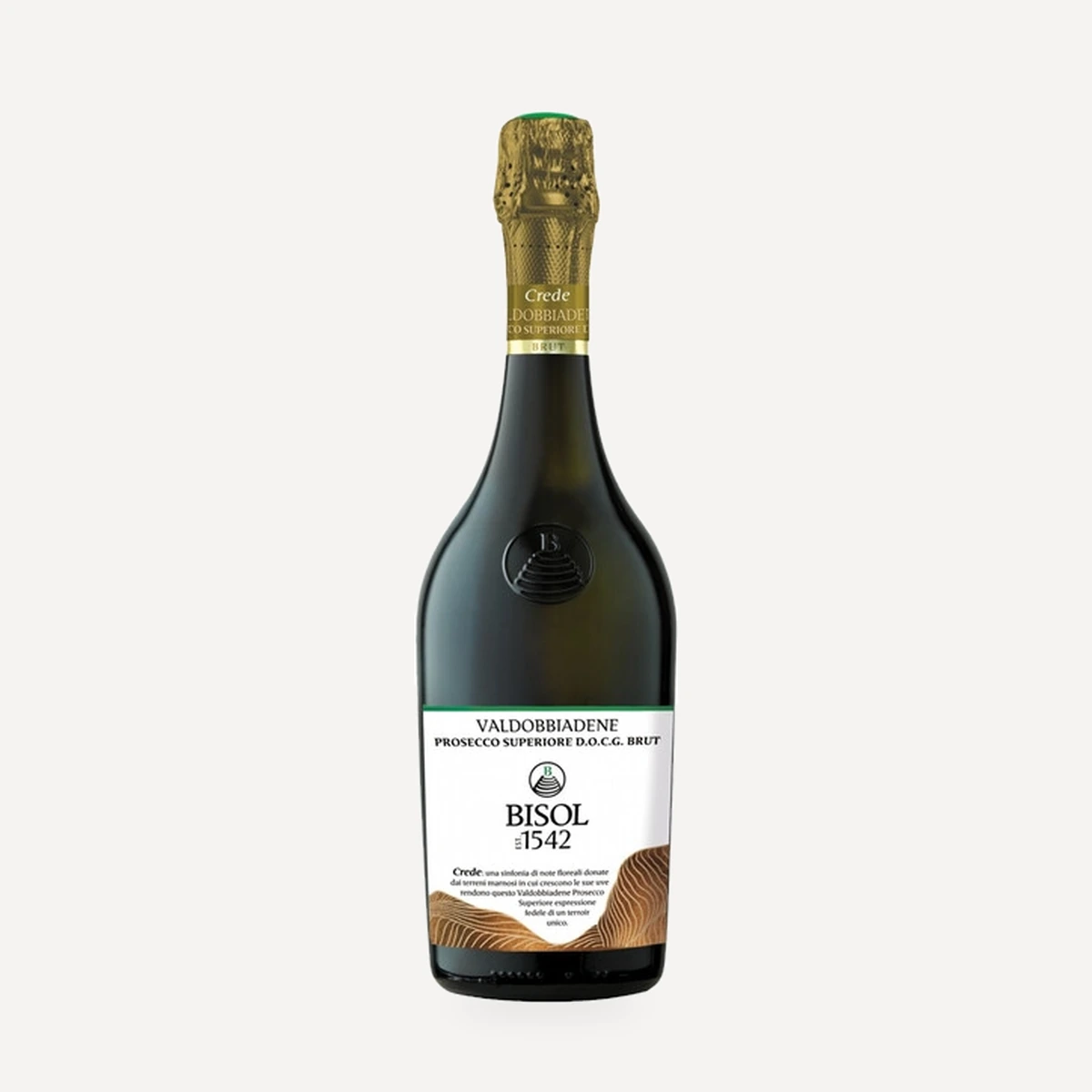
Crede Prosecco di Valdobbiadene Superiore DOCG
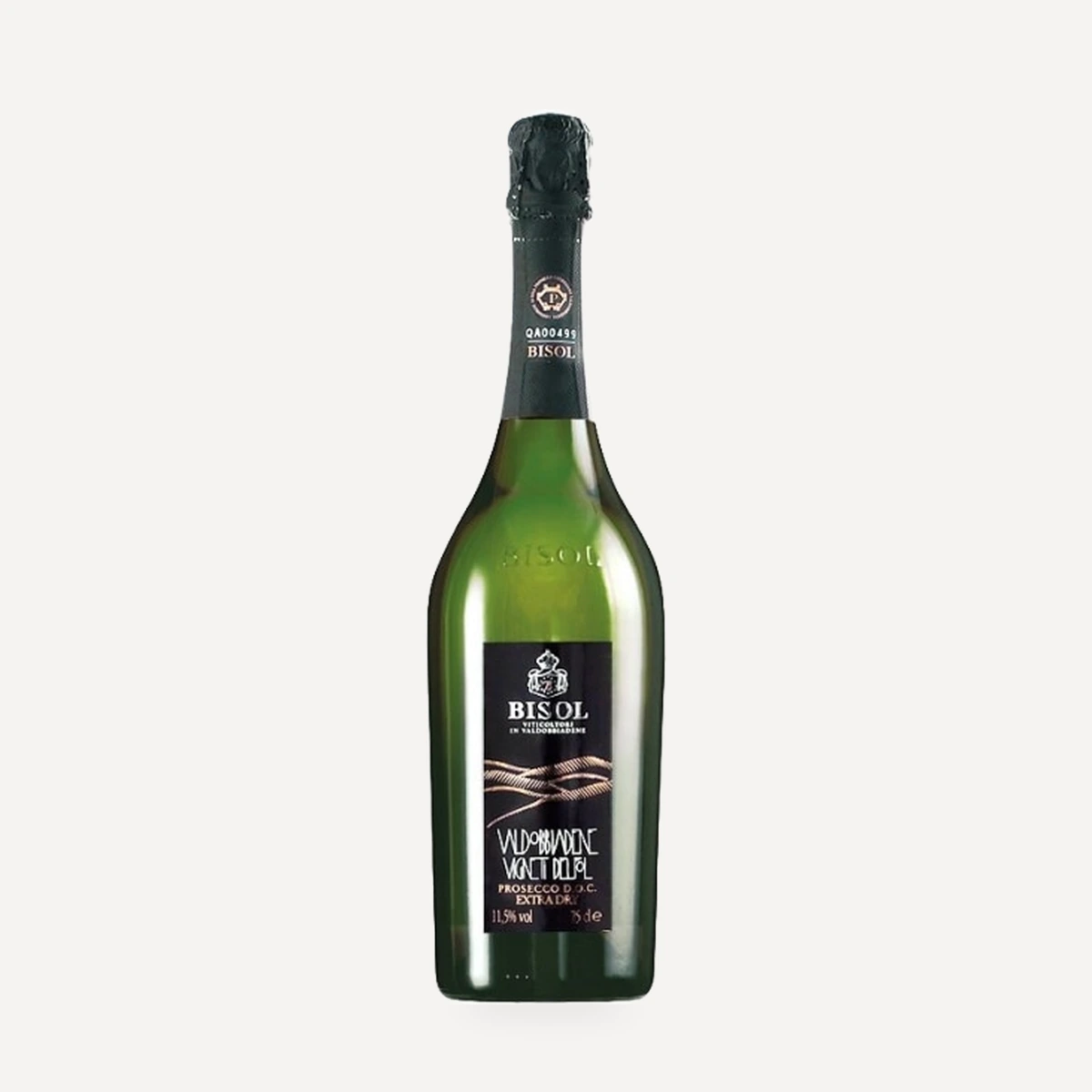
Bisol Vigneti del Fol Prosecco di Valdobbiadene Superiore DOCG
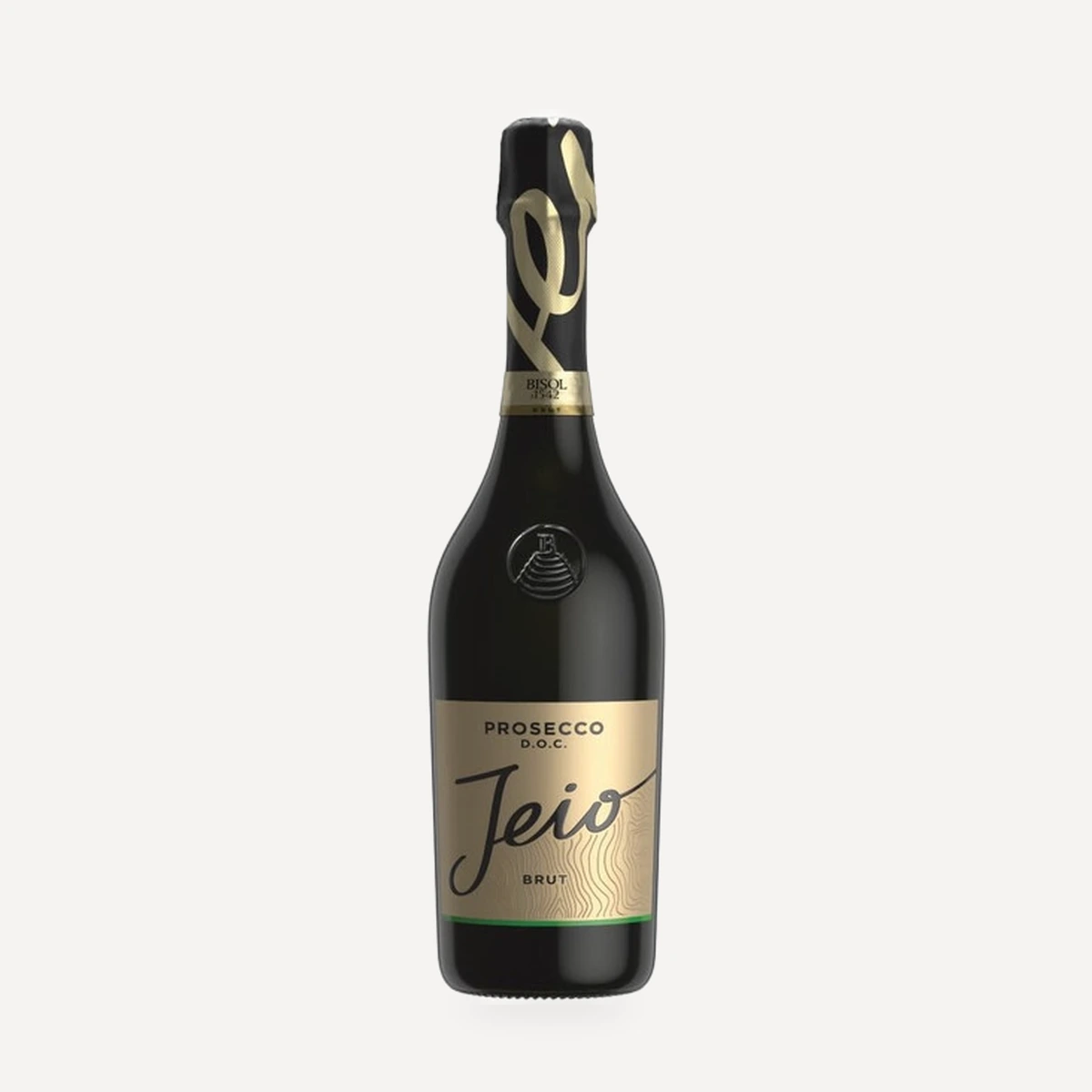
Jeio Prosecco Brut DOC
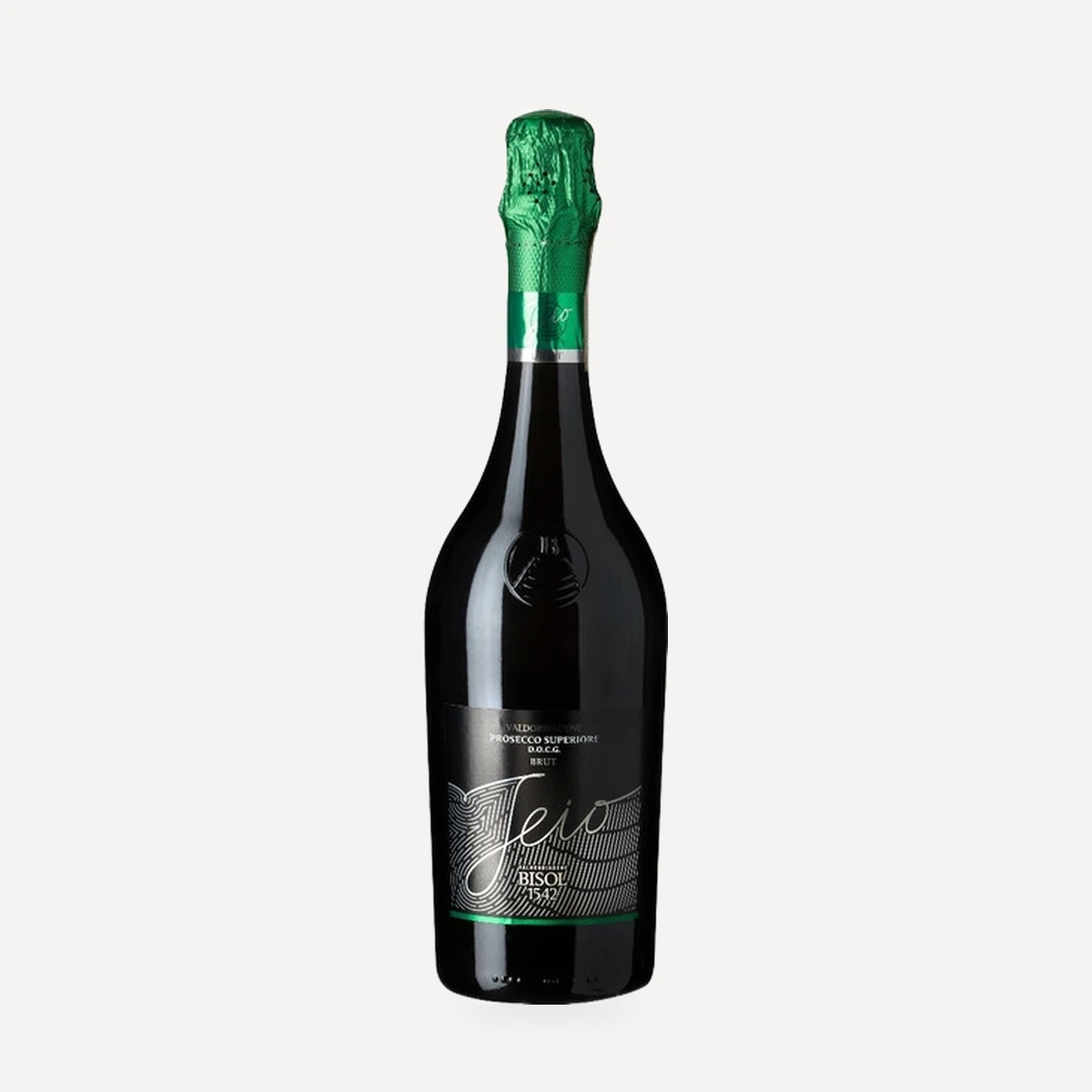
Jeio Valdobbiadene Prosecco Superiore DOCG
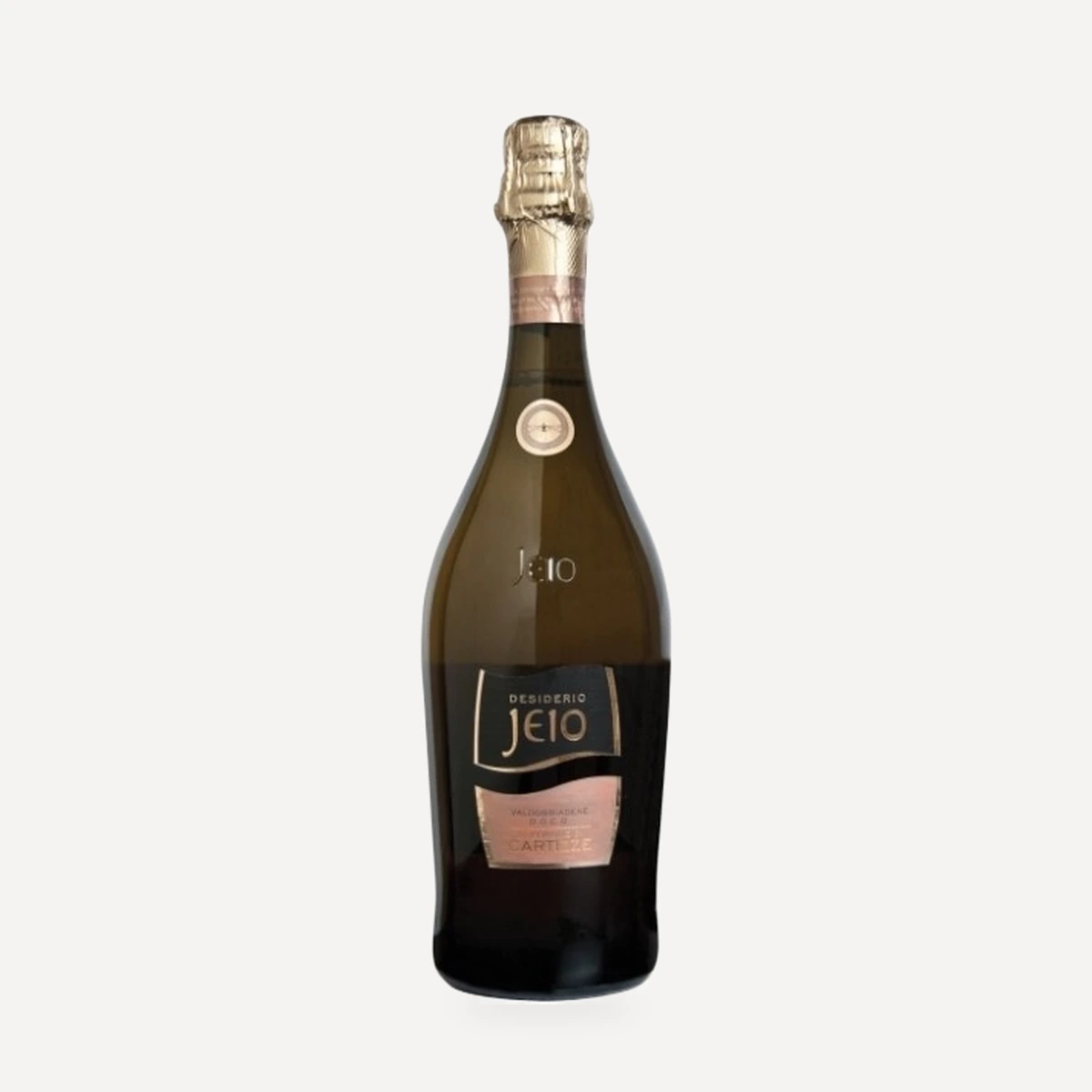
Jeio Valdobbiadene Superiore di Cartizze DOCG
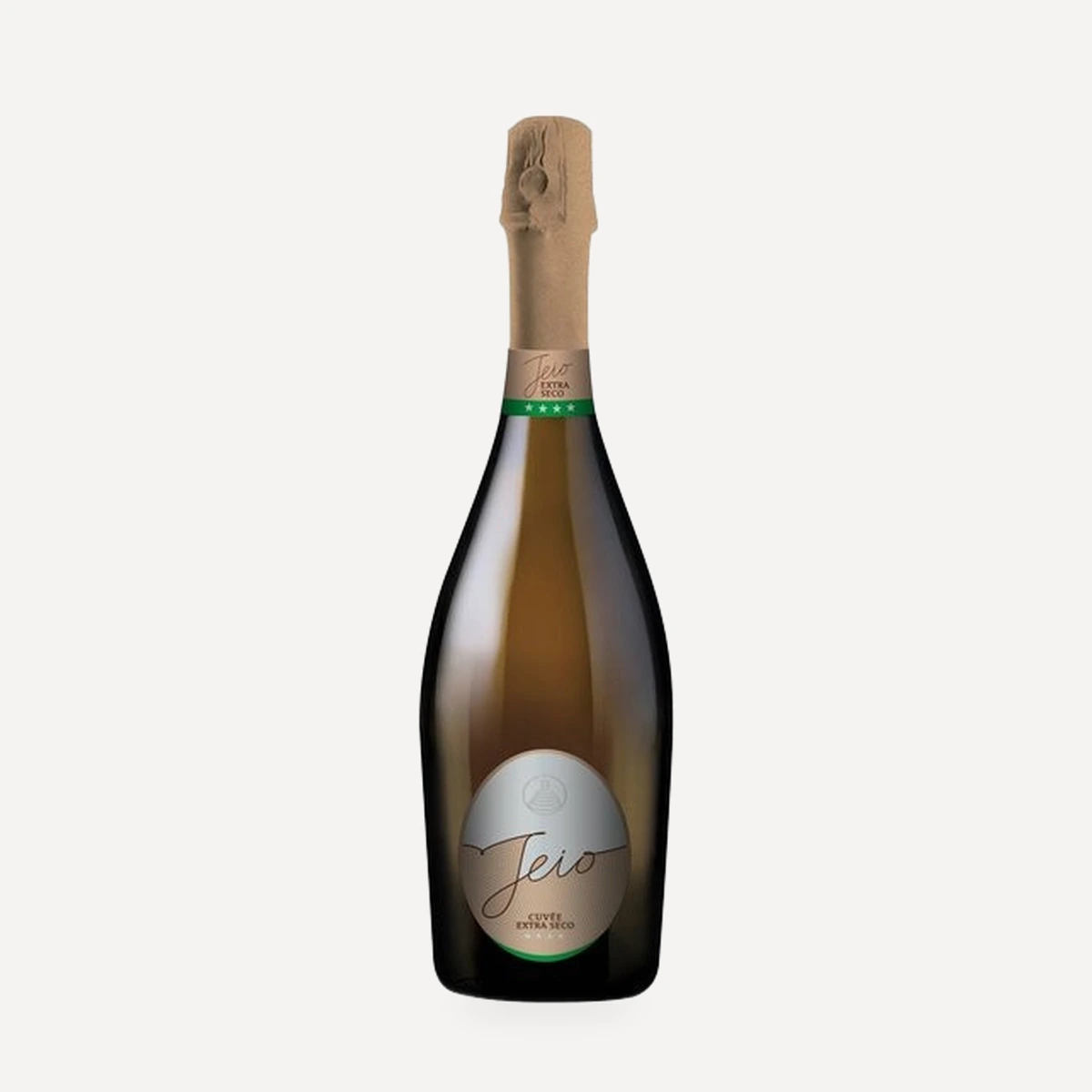
Jeio Cuvee Extra Seco
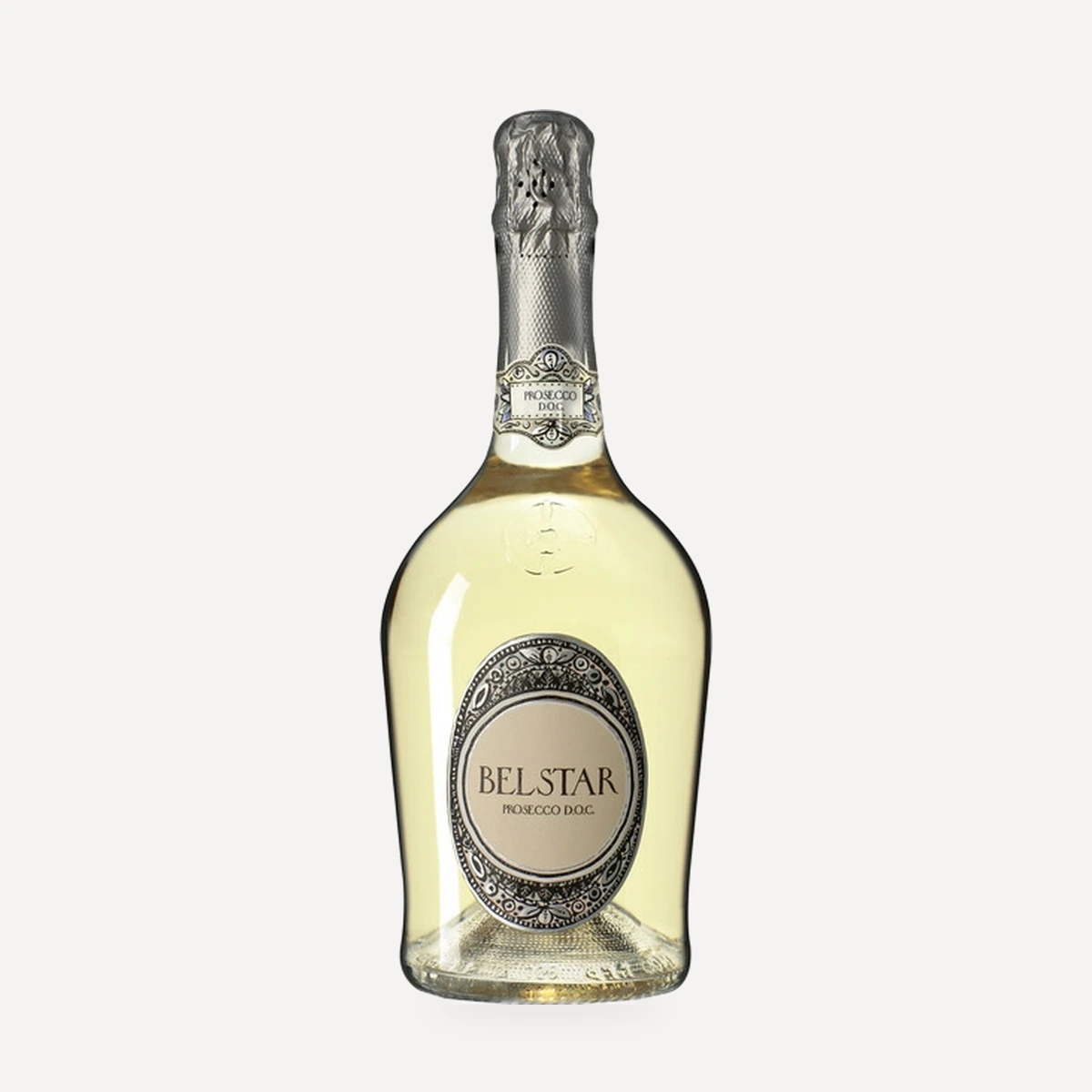
Belstar Prosecco Brut DOC
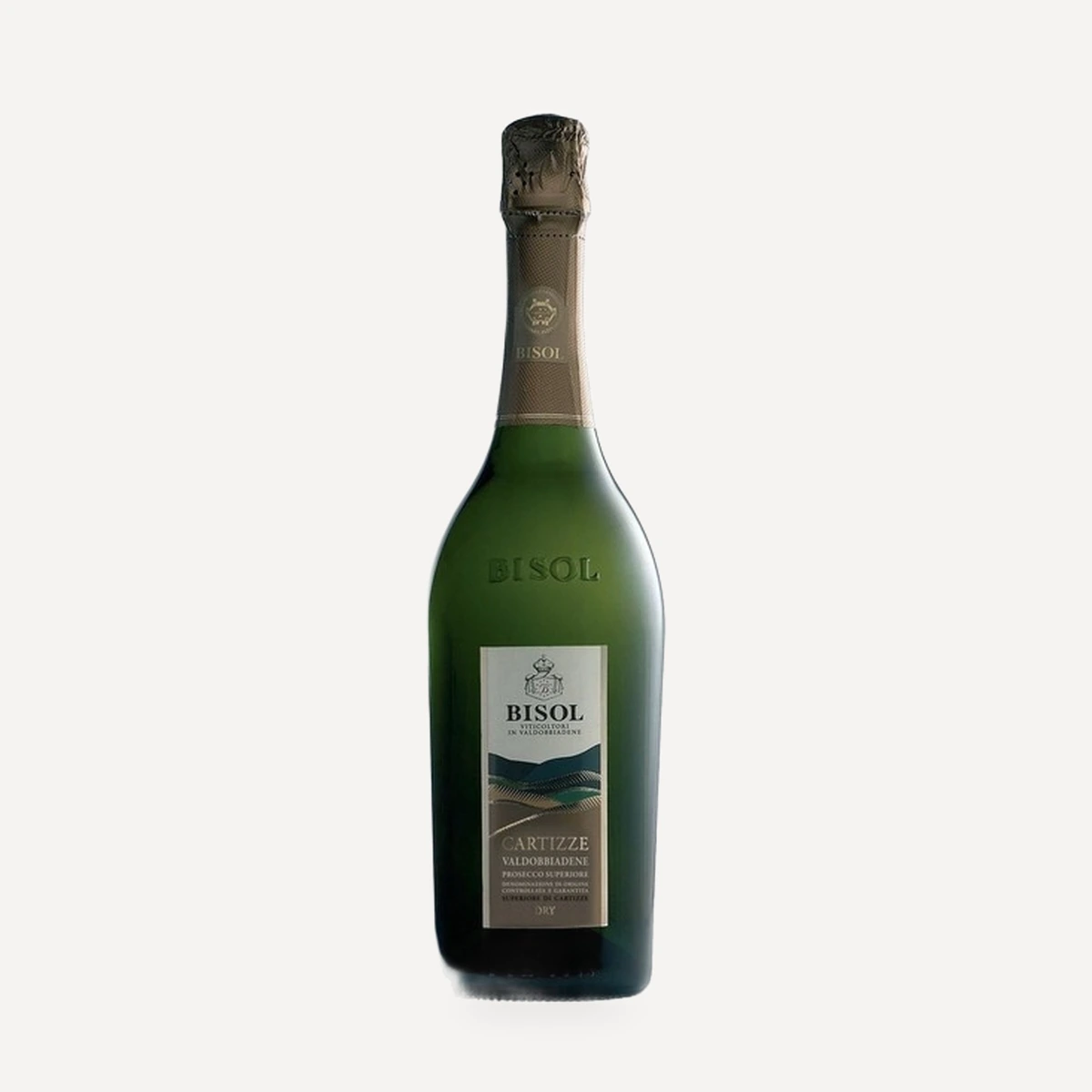
Prosecco Cartizze Valdobbiadene Superiore di Cartizze Dry (Veneto) DOCG
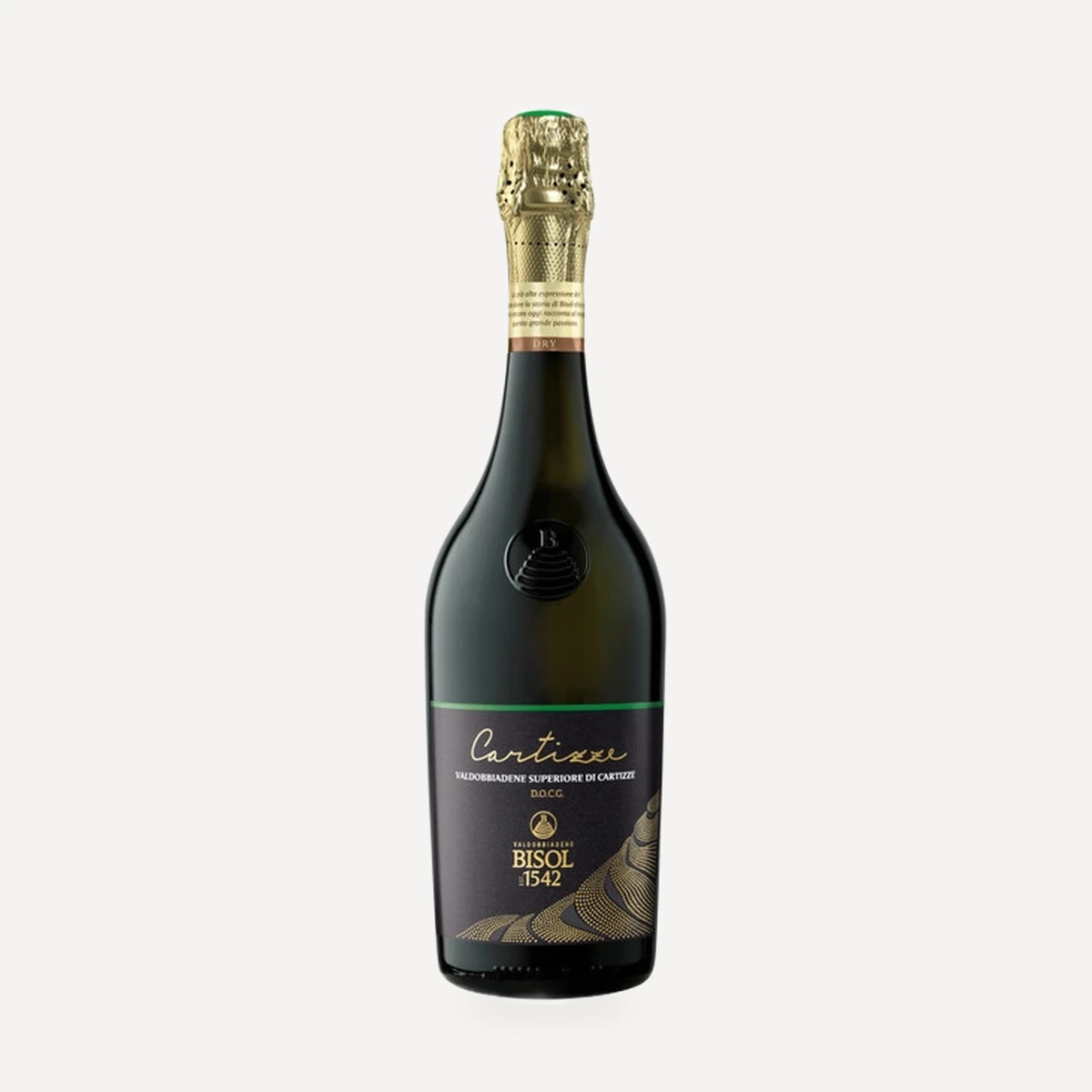
Cartizze Valdobbiadene Superiore di Cartizze Dry DOCG
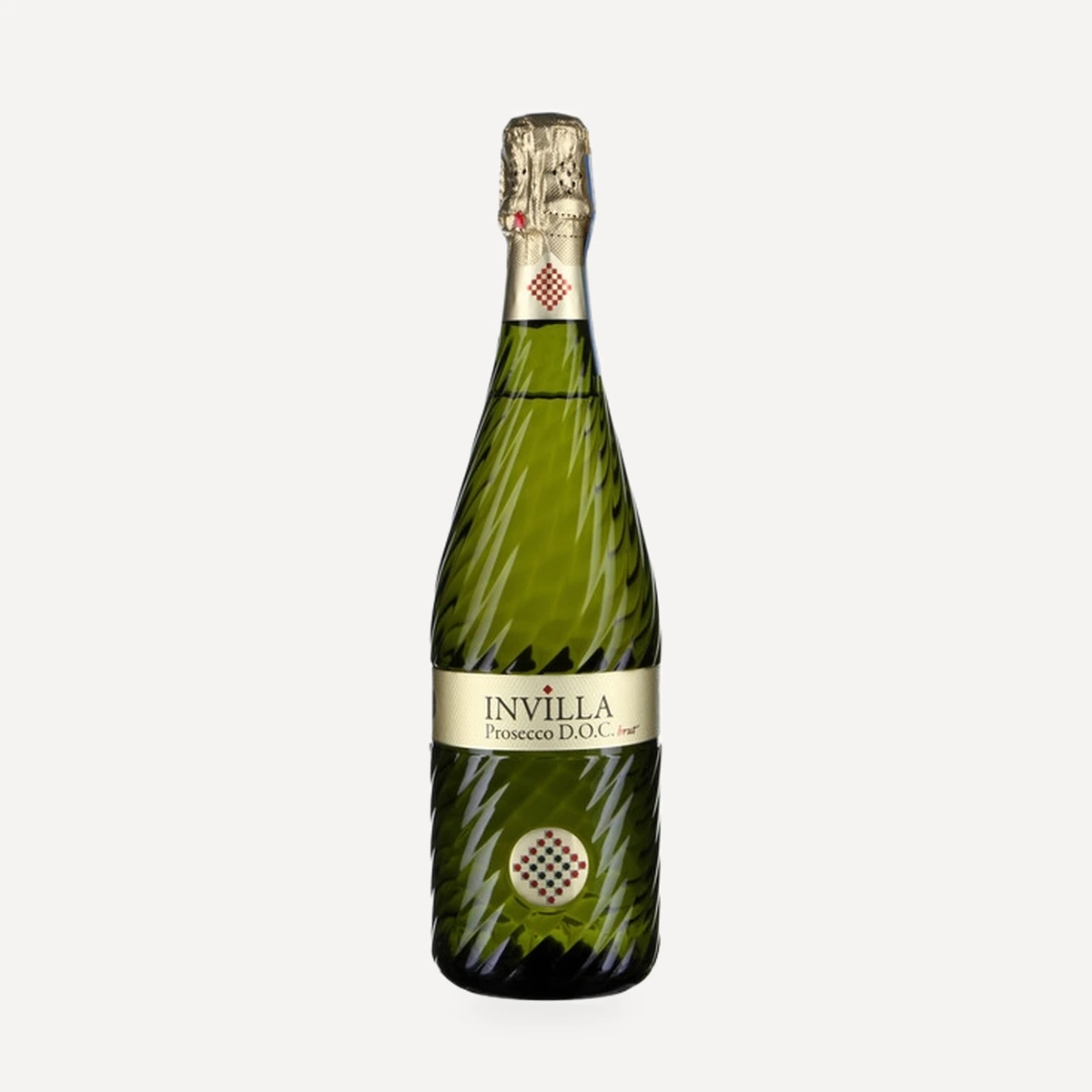
Invilla Prosecco Brut DOC
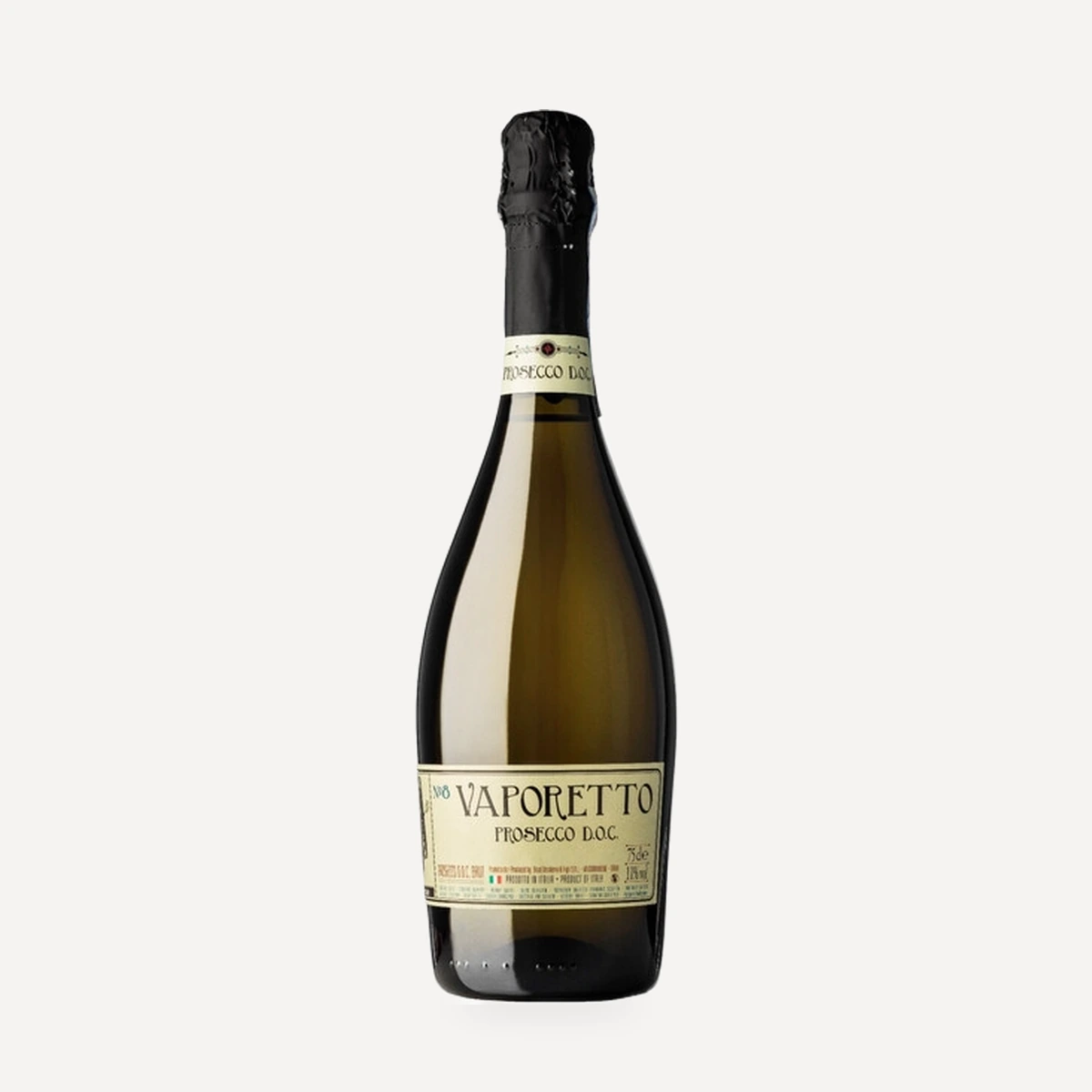
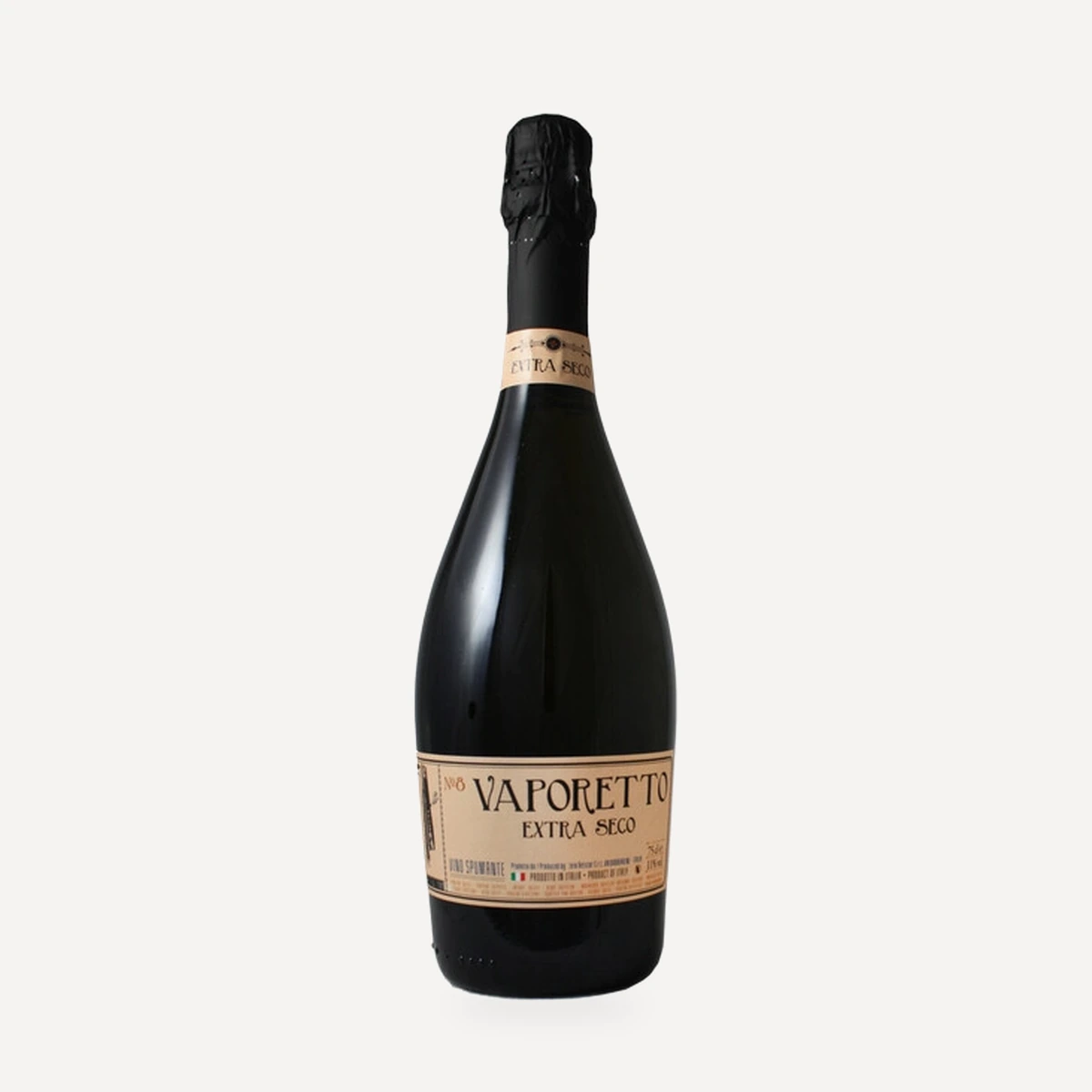
Vaporetto Prosecco Brut DOC
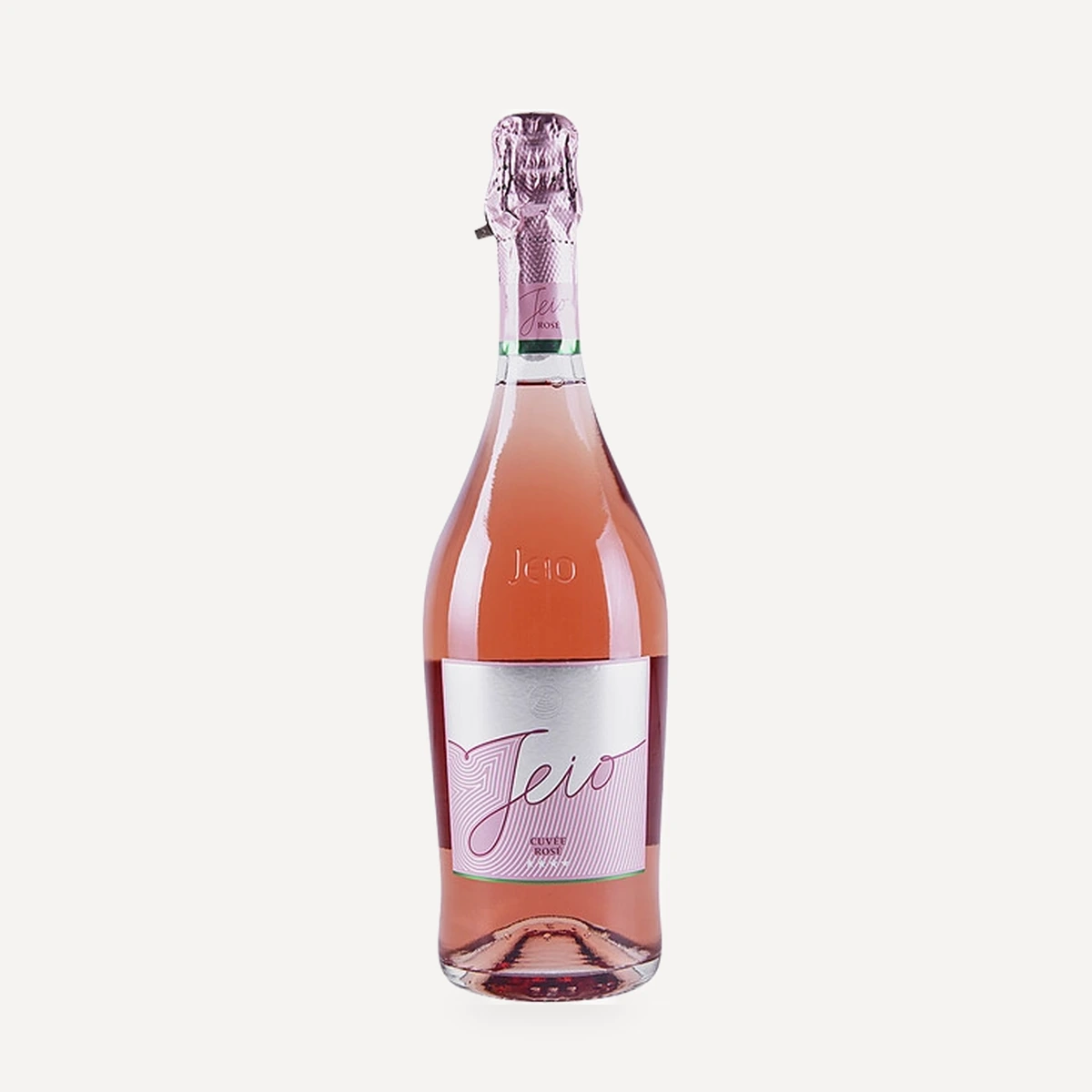
Jeio Cuvee Rose Brut
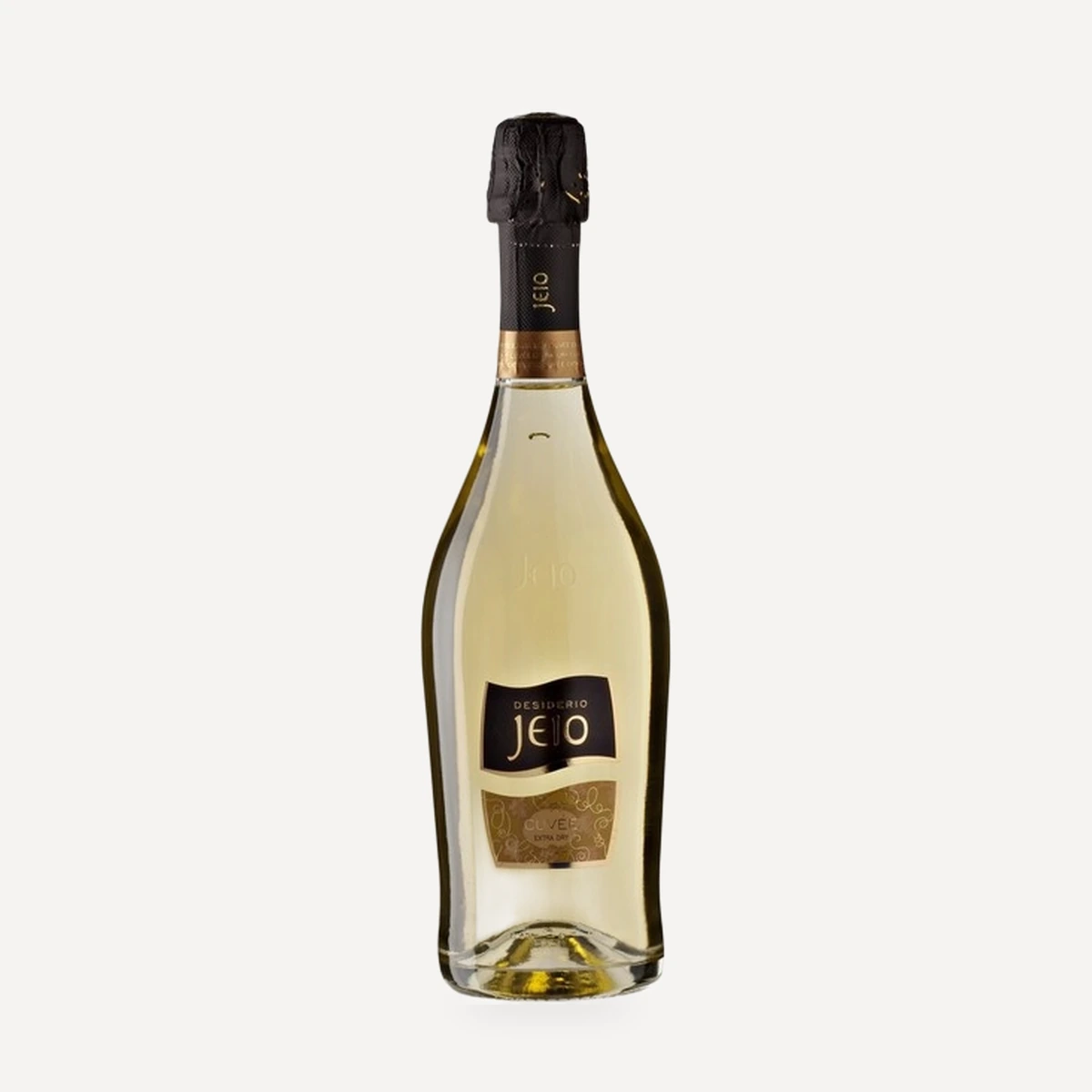
Jeio Cuvee Extra Dry
Bisol1542 I Gondolieri Brut
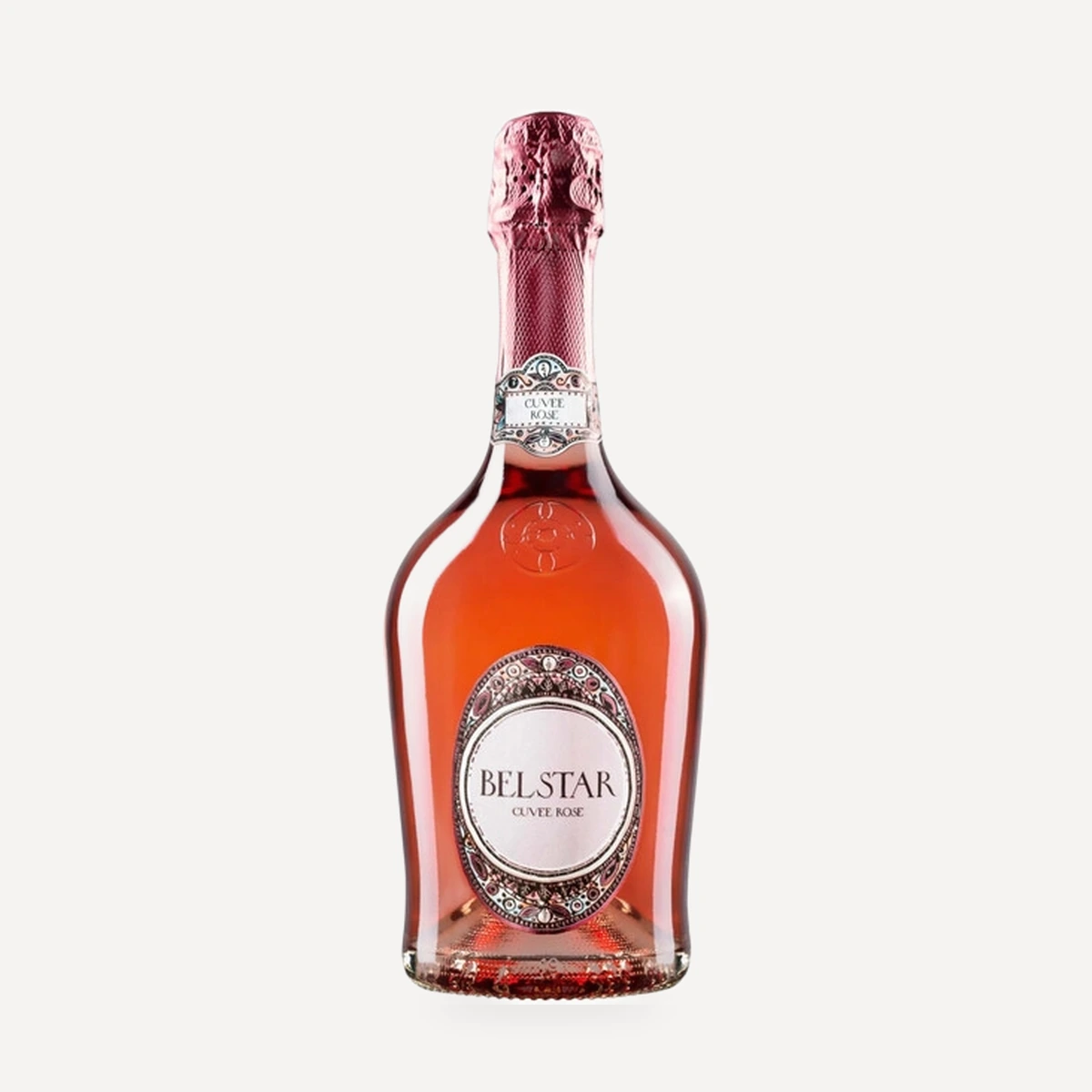
Belstar Cuvee Rose Extra Dry
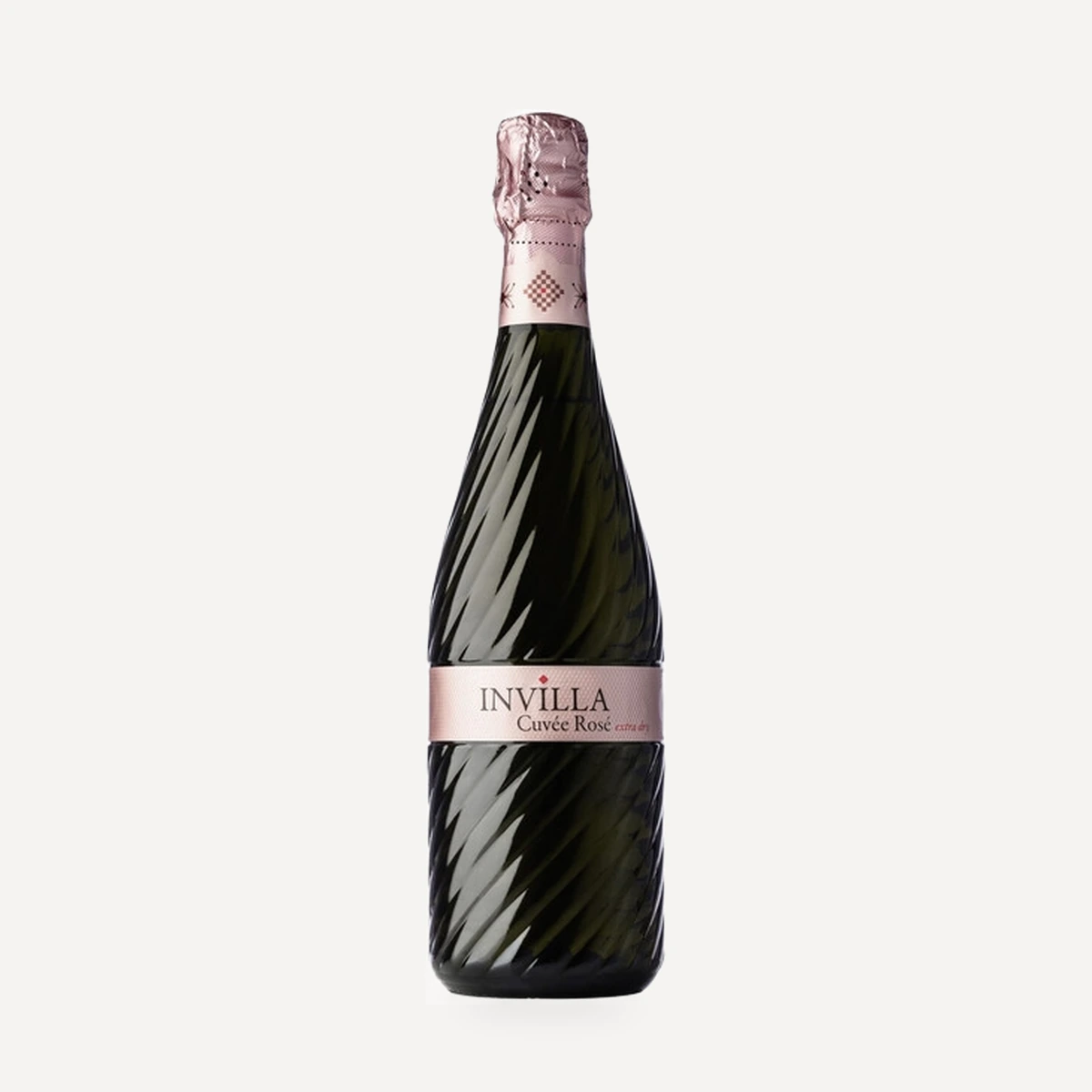
Invilla Cuvee Rose Extra Dry