Storia
The territory before the estate
The Camporeale countryside formed part of the powerful Archbishopric of Monreale, established under Norman rule around 1100. Camporeale takes its name from the Latin campus regalis, meaning a field worthy of a king. The settlement’s foundation dates to 1779, when King Ferdinand of Bourbon granted Giuseppe Beccadelli, Marquis of Sambuca, the feud of Macellaro. The area was already an important agricultural centre with a high concentration of vineyards.
Early 20th century: the family’s roots
The Alessandro family has known and farmed this land since the beginning of the 20th century. The present estate traces its agricultural and viticultural continuity through four generations, beginning with the current generation’s unnamed great-grandfathers. Their experience and attachment to the land passed to the next generations rather than beginning with a single documented corporate foundation date.
The preceding generation
Brothers Rosolino, Antonino and Natale Alessandro inherited the family’s viticultural commitment. Together with their children, they developed a production model centred on the vineyards and careful winemaking practice. This period established the working relationship between accumulated knowledge of the land, manual vineyard care and cellar technique that continues to shape the estate.
1988: the oldest documented vineyard
The estate’s oldest identified vineyard was planted with Catarratto Extra Lucido in Contrada Mandranova in 1988. It occupies a hill above the contrada and later became the source of the estate’s Monreale Bianco cru.
1989: Syrah at Contrada Mandranova
Syrah was planted in Contrada Mandranova in 1989. The family regards the variety as closely connected to the estate’s subsequent history. The original Syrah vineyard lies on the hill where the winery stands and supplies the estate’s riserva interpretation in selected vintages.
Fourth generation
Management and specialist responsibilities passed to three cousins: Anna Alessandro and two cousins both named Benedetto Alessandro. Anna oversees administration and wine tourism; one Benedetto supervises marketing; the other is the oenologist responsible for the entire production process in both vineyard and cellar. The family presents this generation as a renewal of the estate grounded in inherited knowledge and a shared production project.
The fourth generation has continued to develop native varieties—Nero d’Avola, Catarratto, Grillo and Perricone—alongside Syrah and Sauvignon Blanc. Perricone’s inclusion completes the current group of western Sicilian native varieties cultivated and interpreted at the Camporeale estate.
Current direction
The estate now farms 40 hectares of vines. Its cellar processes only estate-grown grapes and is managed through continuing research and technical updating. The current approach combines manual organic viticulture, biodiversity measures and low-intervention cellar work intended to preserve the identity of individual varieties and vineyard plots. The family’s wider activity also includes local events, cultural and environmental initiatives, collaboration with other organisations in the area, and hospitality at the Camporeale winery.
Terroir
Location and landscape
The estate lies at Contrada Mandranova in Camporeale, within the Monreale DOC area in Palermo province and the hills of the Belìce Valley in western Sicily. Its vineyards occupy valleys, knolls and hills between 300 and 600 metres above sea level. The landscape is agricultural, with vines interspersed with cereals, legumes, olive trees and vegetable cultivation.
The hilly site is well ventilated while remaining sheltered from weather fronts arriving from the north. These conditions vary across the estate’s individual plots, which are assessed separately in both vineyard and cellar.
Climate
The climate is mild and Mediterranean with a pronounced semi-continental component. Strong temperature differences between day and night accompany the elevation. The combination of altitude, climate and soil is associated with the estate’s objective of retaining freshness and mineral character while developing aromatic complexity.
Soils
Across the 40 hectares of vines, the principal soil descriptions are calcareous-clayey and sandy. More detailed plot descriptions include clay loam, sandy loam and variable quantities of rocky material or skeleton. The family treats these differences among soils and parcels as distinct identities to be understood and preserved rather than homogenised.
Vinificazione
All operations on the vines are performed manually according to organic-farming principles. The seasonal work specifically includes green pruning, shoot topping, leaf removal, bunch thinning and harvest. Grapes are picked and selected by hand.
Green manure is used between the rows: herbaceous crops, including legumes, are sown to fertilise the soil and protect it against erosion. An earlier estate description also records roses as vineyard sentinels for the early indication of fungal pressure.
Biodiversity measures include planting hedges and shrubs and creating stone piles beside the vine rows. These structures provide habitats for organisms that assist in controlling vineyard pests. The programme is presented as an application of detailed, accumulated knowledge of the estate’s different soils and vineyards rather than a uniform treatment of every parcel.
The estate follows the natural cycle of the vineyard and links sustainable production to manual work, soil fertility, erosion control and habitat creation. Organic status is also attached to the current wines, although the certification organisation and initial certification date are not identified.
The cellar was built according to contemporary technical criteria and is treated as a strategic part of the estate. Only grapes grown on the family property are vinified there.
Production is supported by continuing research and technical updating, together with knowledge of the cultivated varieties transmitted through the family. The work is organised parcel by parcel so that the identity of individual sites can be understood and preserved.
Cellar practices are deliberately unobtrusive. The guiding principle is maximum respect for the raw material, with the aim of retaining each variety’s own character and the features associated with its place of origin. Contemporary methods are used to reinterpret Sicilian tradition rather than to impose a uniform style across the grapes.
Across the range, the estate employs temperature-controlled steel fermentation and maturation, lees ageing, French-oak tonneaux and bottle ageing where appropriate. Both alcoholic fermentation and malolactic conversion are adapted to the grape and wine; documented red-wine practice includes maceration in steel or truncated-cone vats, daily punching down in the latter, and malolactic conversion with indigenous lactic bacteria. White grapes are destemmed, chilled and softly pressed before low-temperature fermentation. Traditional-method sparkling wines undergo extended lees ageing, with a separate late-disgorgement release. These applications vary by wine rather than constituting one universal recipe.
Filosofia
Alessandro di Camporeale defines its work through the relationship between family continuity, Camporeale and the character of individual grape varieties. The aim expressed by Benedetto Alessandro is to make wine while respecting the history and features of the land and to give value to its surrounding culture and nature.
In both vineyard and cellar, tradition is treated as accumulated knowledge rather than a fixed recipe. Sicilian practice is reinterpreted through contemporary, sustainable methods, with manual organic farming and unobtrusive winemaking forming the operational basis.
The grapes are regarded as the primary material to be protected. Individual parcels are followed closely, and cellar choices are intended to reveal rather than obscure varietal and site identity. Research and technical improvement are therefore combined with knowledge transmitted through four generations.
The family’s territorial commitment extends beyond wine production. It includes supporting local initiatives, organising events and cooperating with other organisations to promote and safeguard Camporeale’s cultural, agricultural and natural setting.
Vini
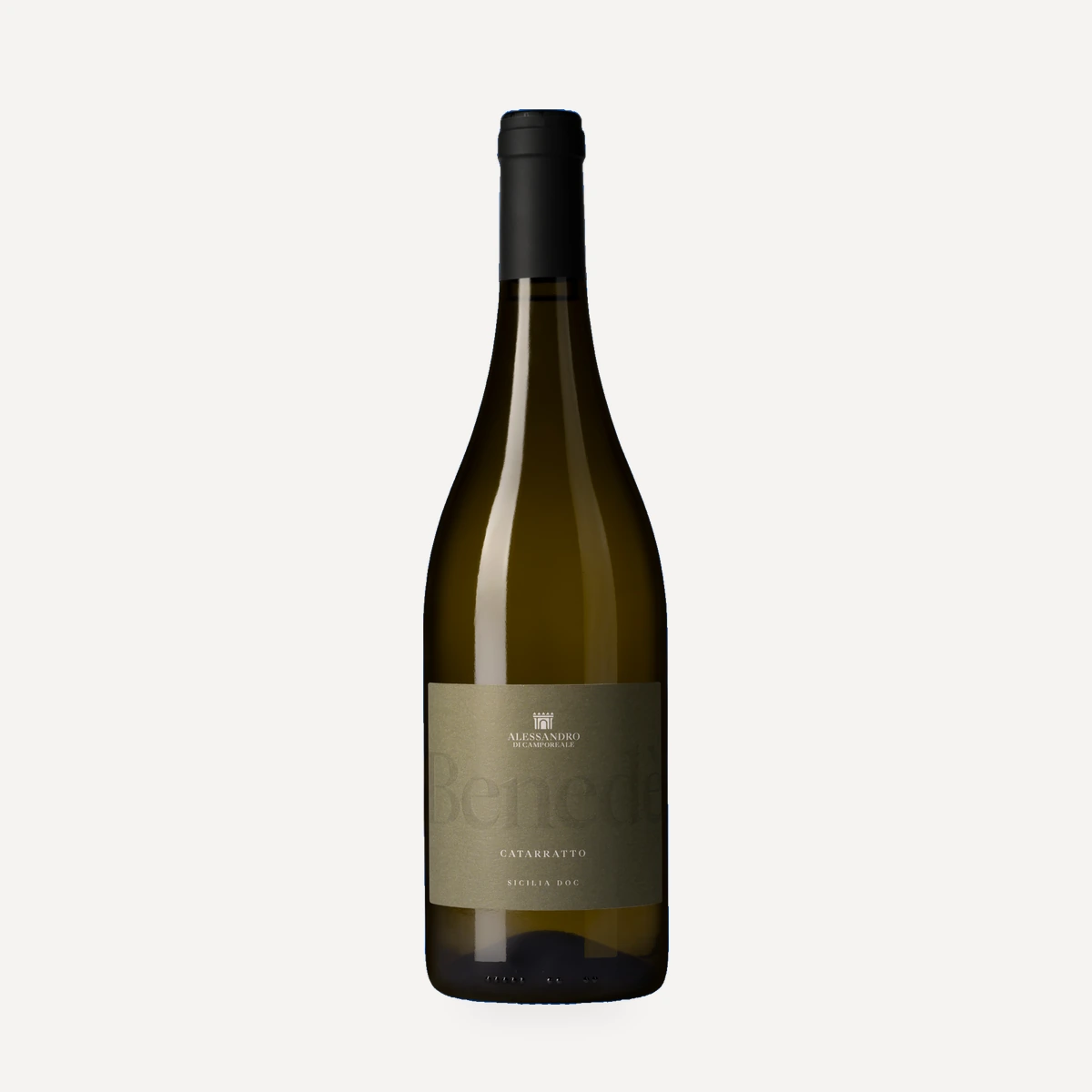
Benedè Catarratto
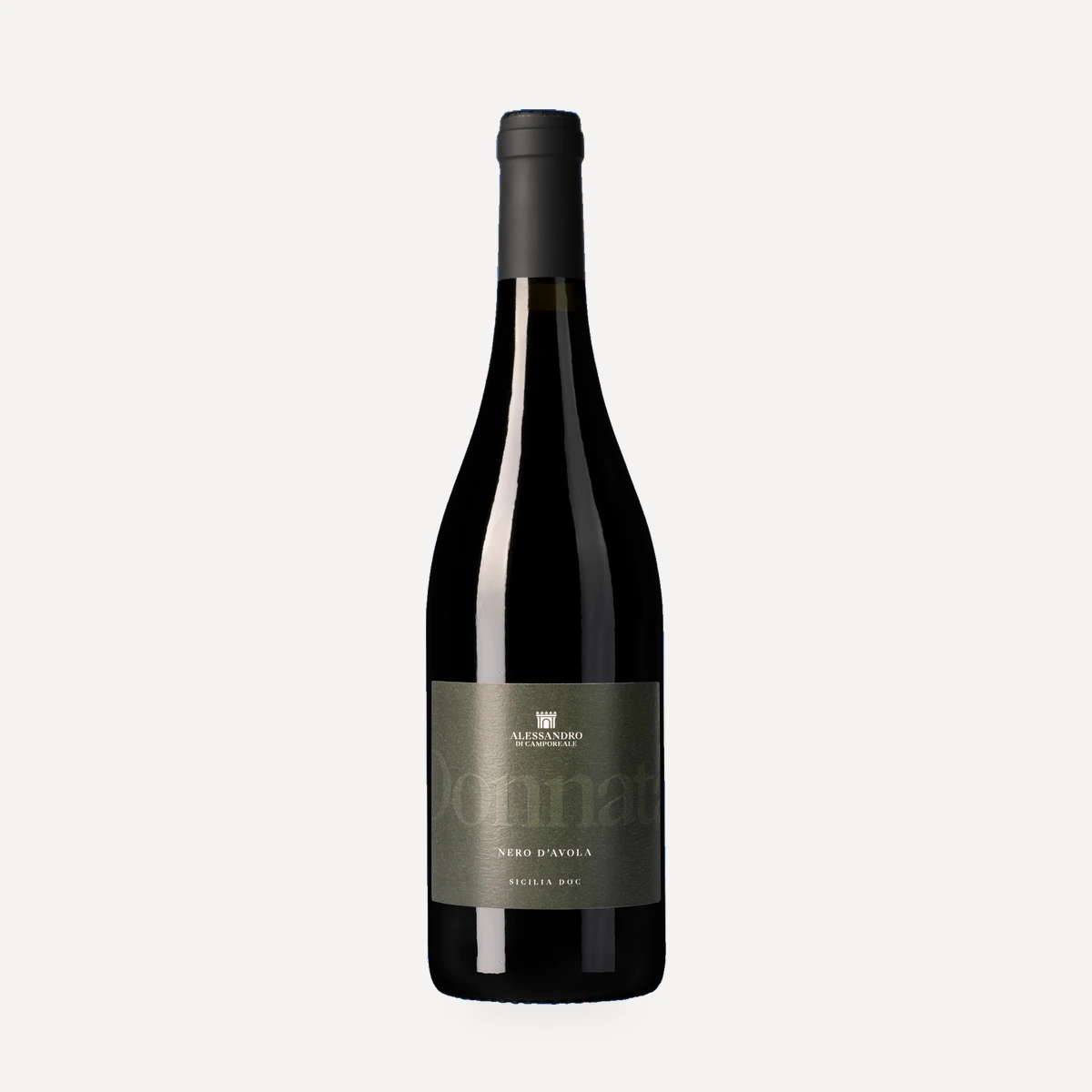
Donnatà Nero d'Avola
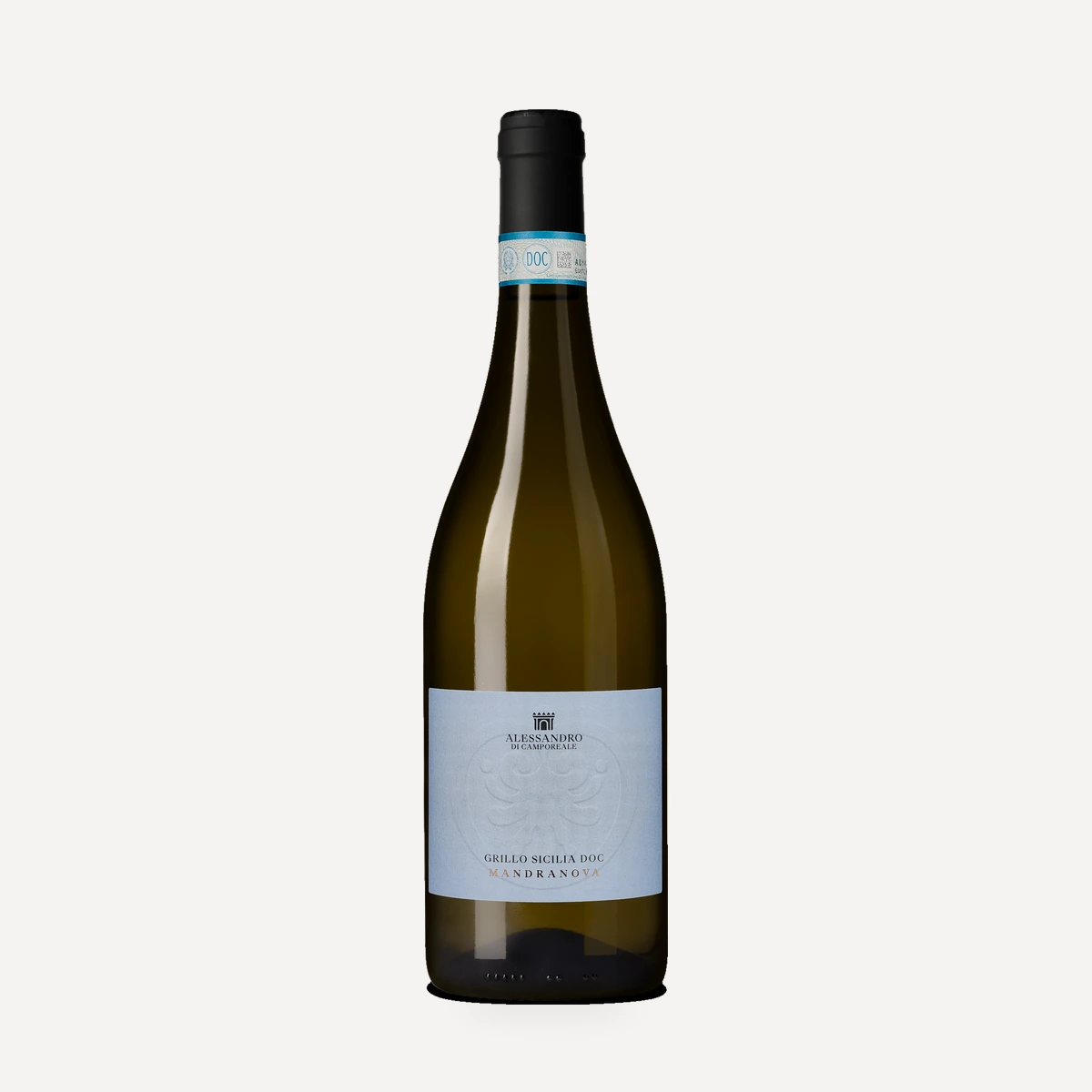
Grillo Mandranova
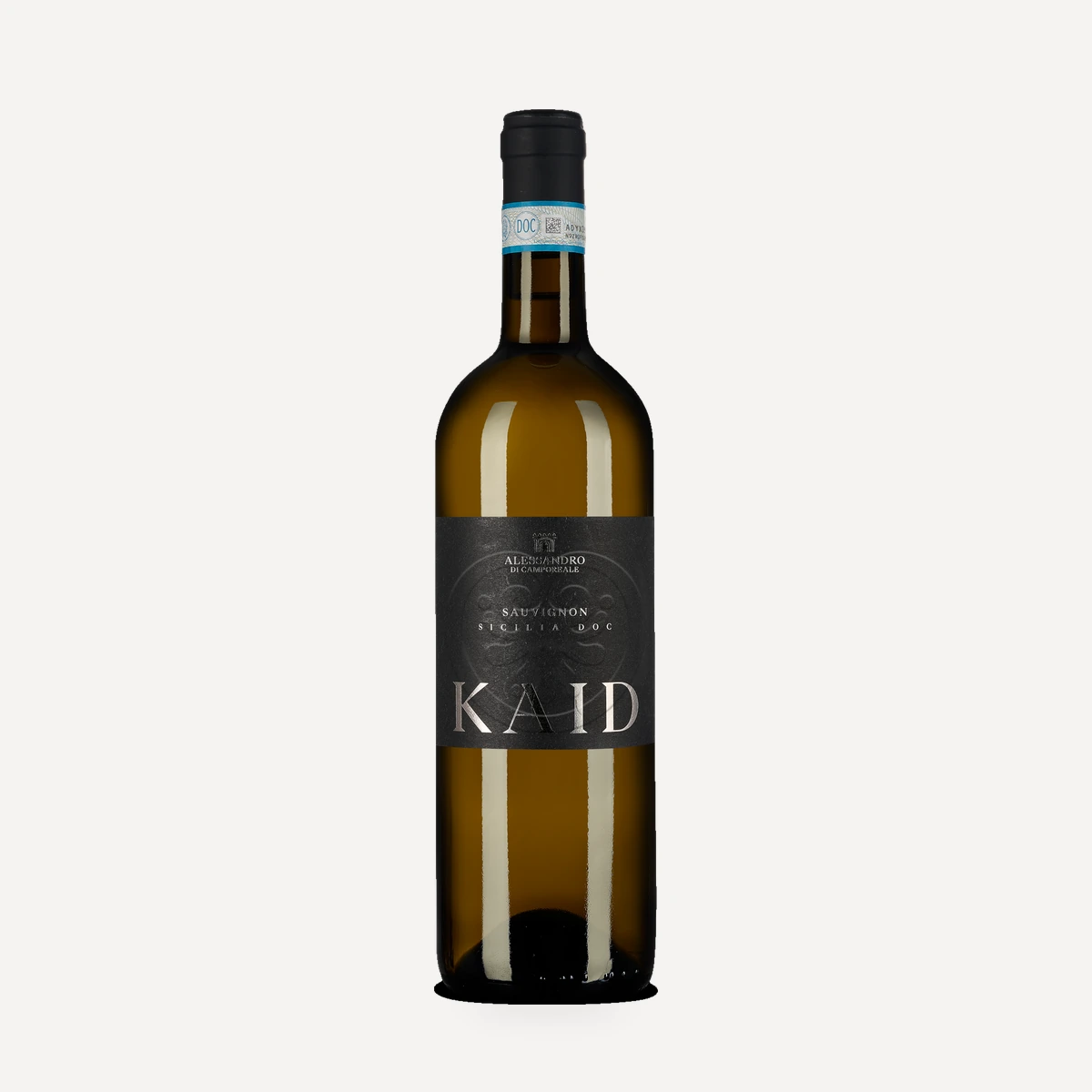
KAID Sauvignon
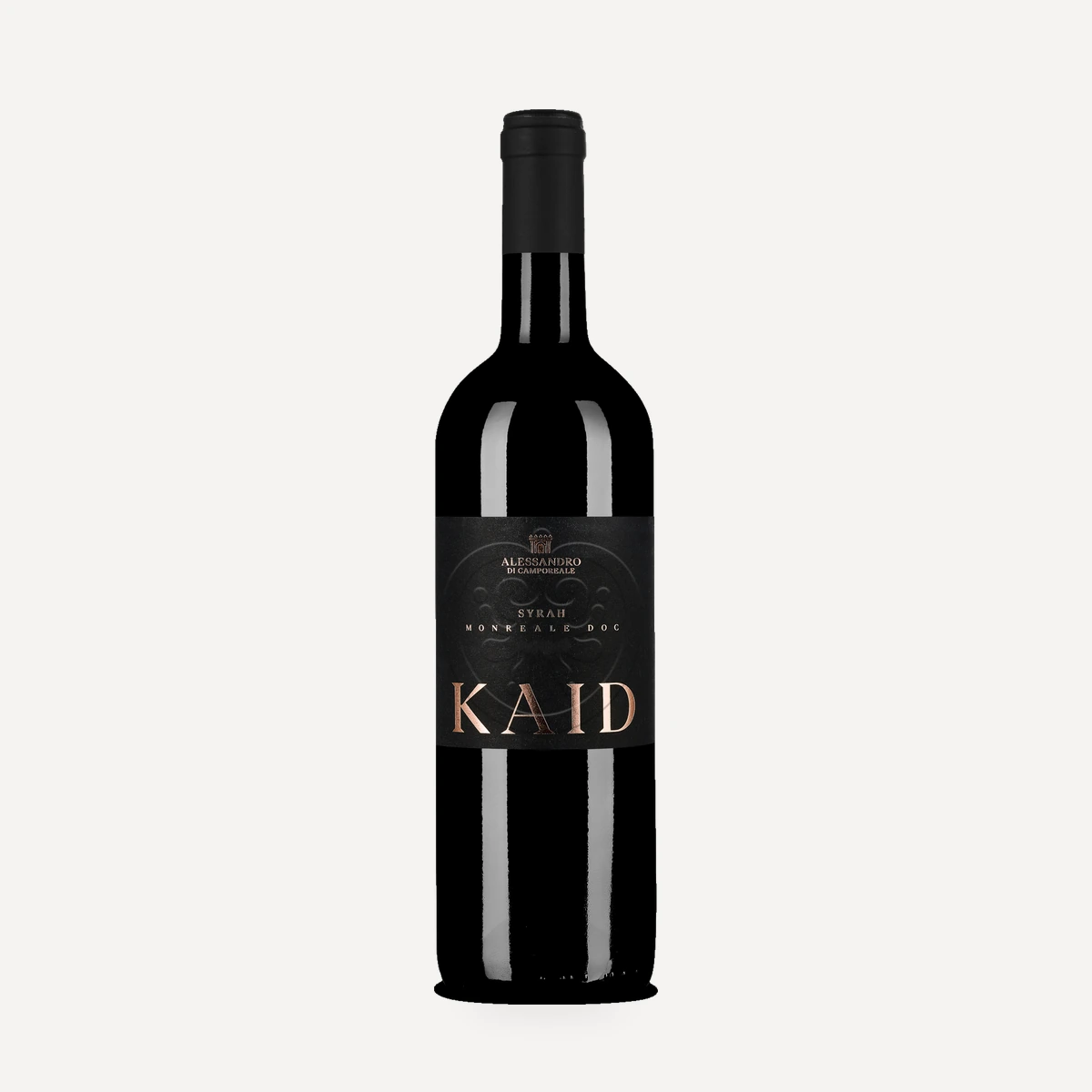
KAID Syrah
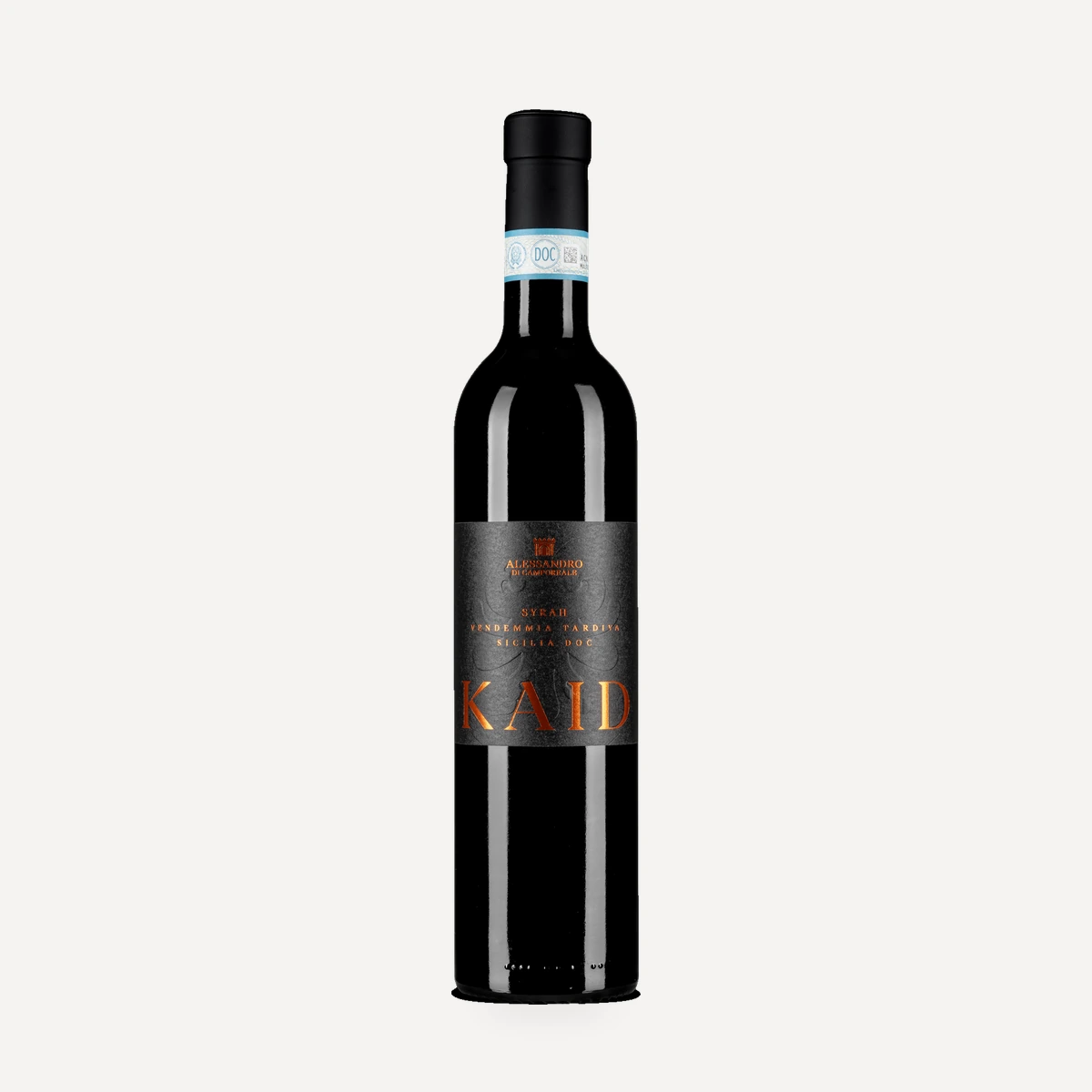
KAID Vendemmia Tardiva
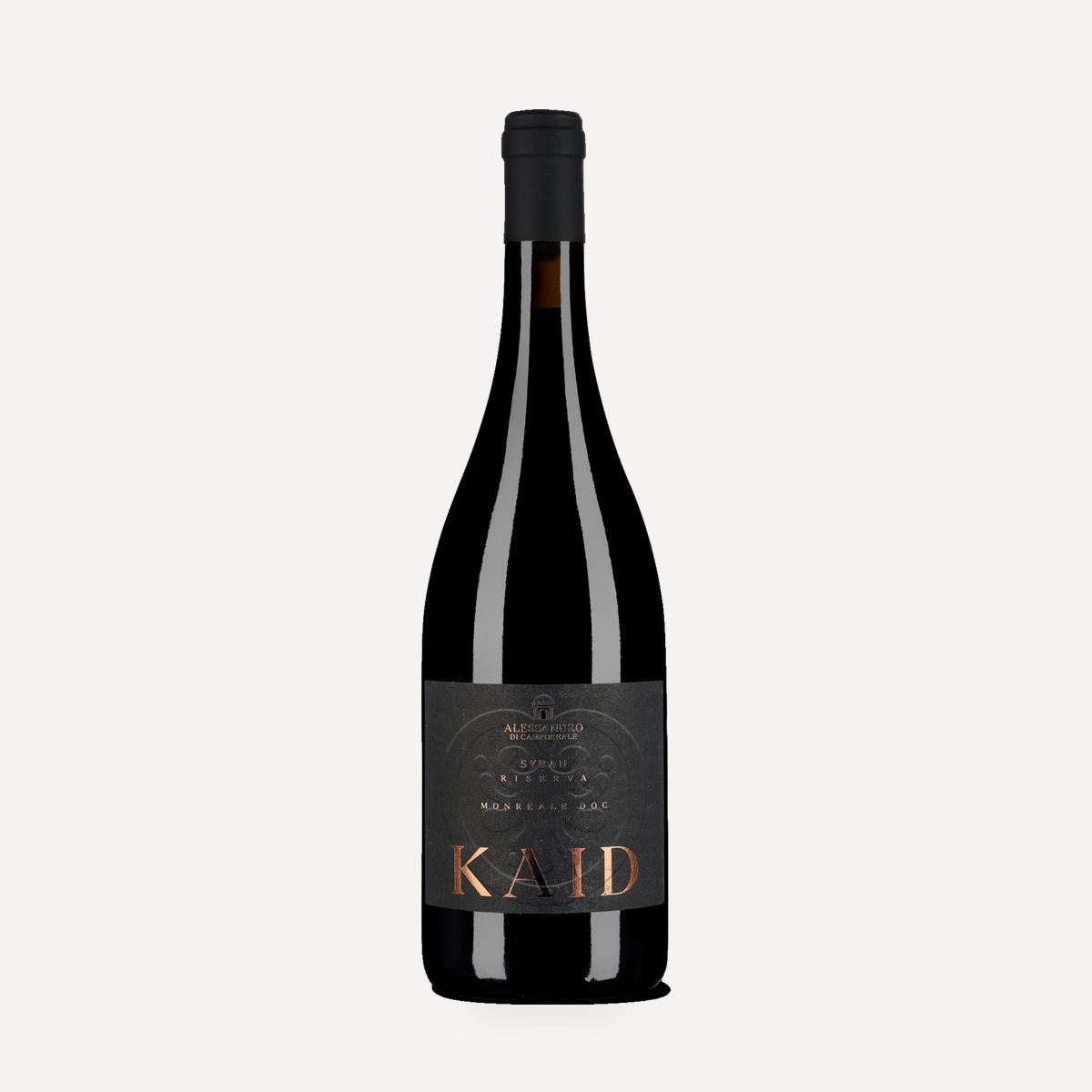
Kaid Syrah Riserva
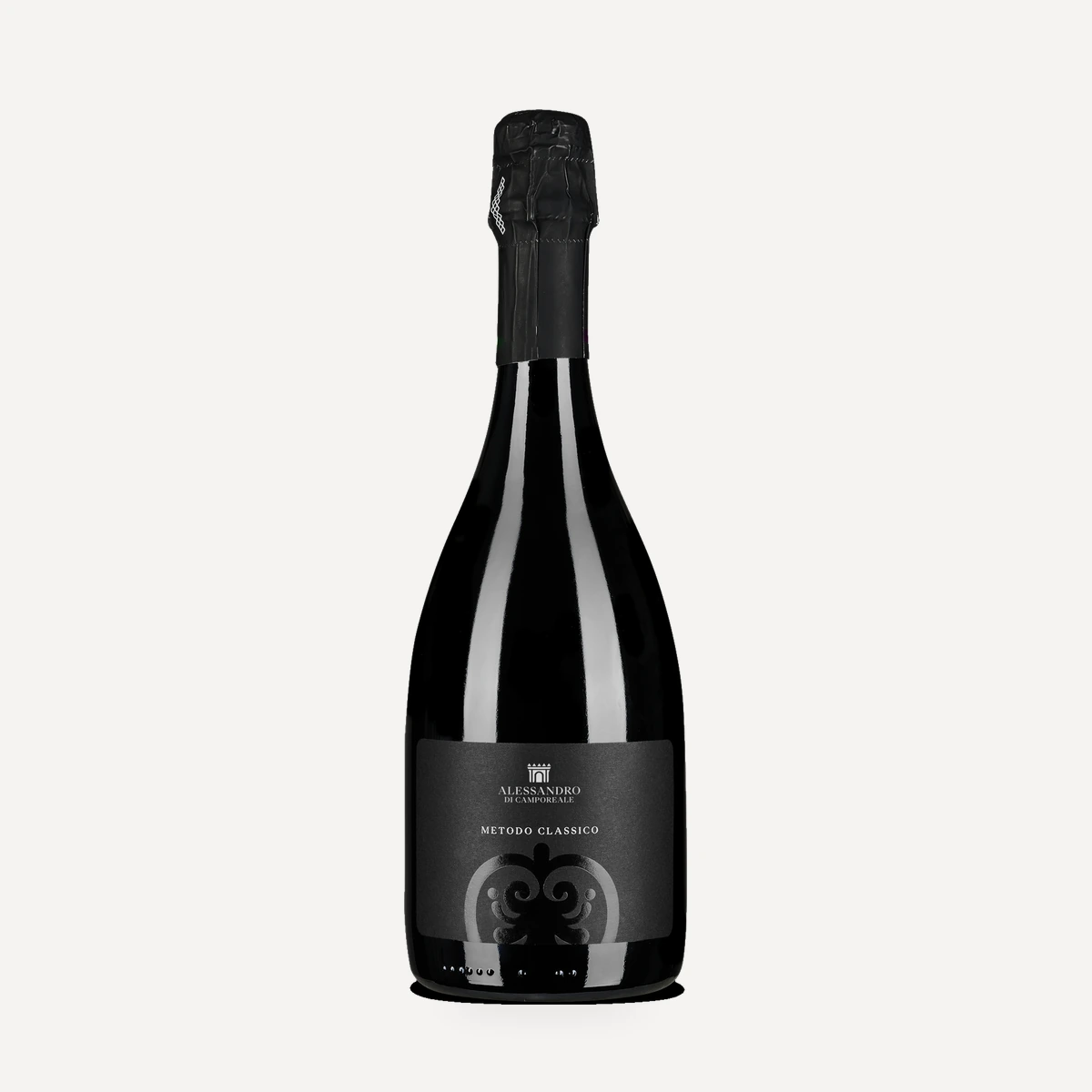
Metodo Classico
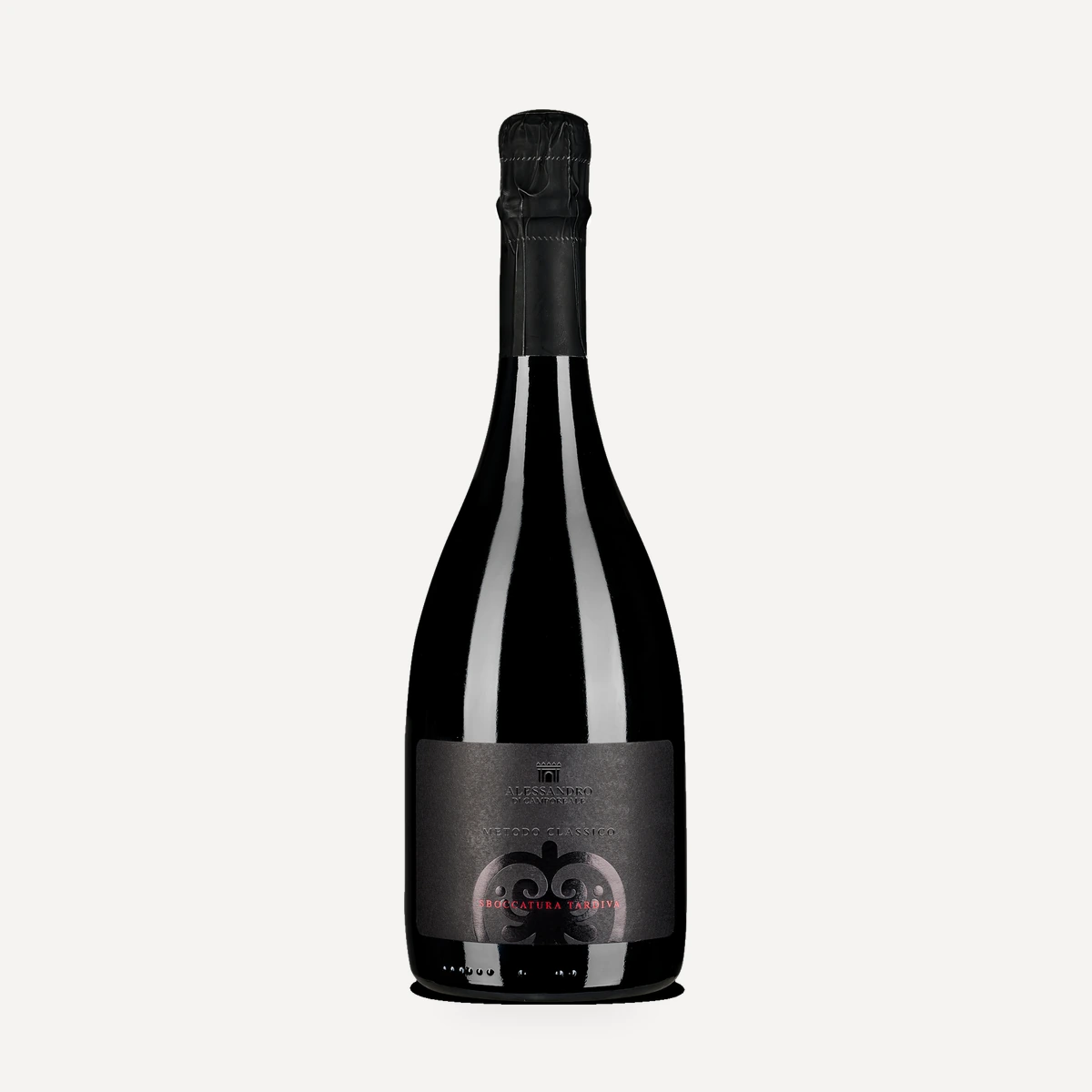
Metodo Classico Sboccatura Tardiva
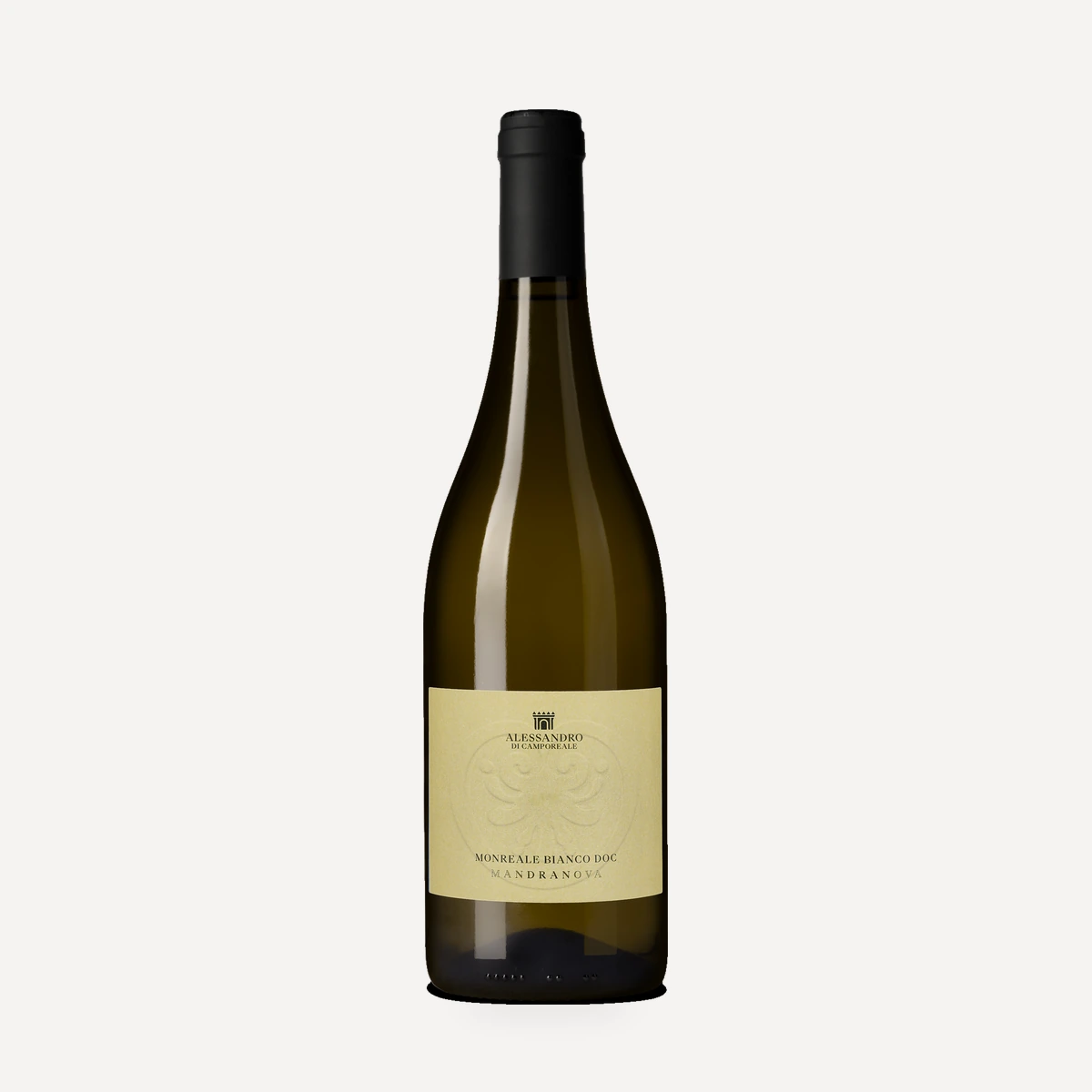
Monreale Bianco Mandranova