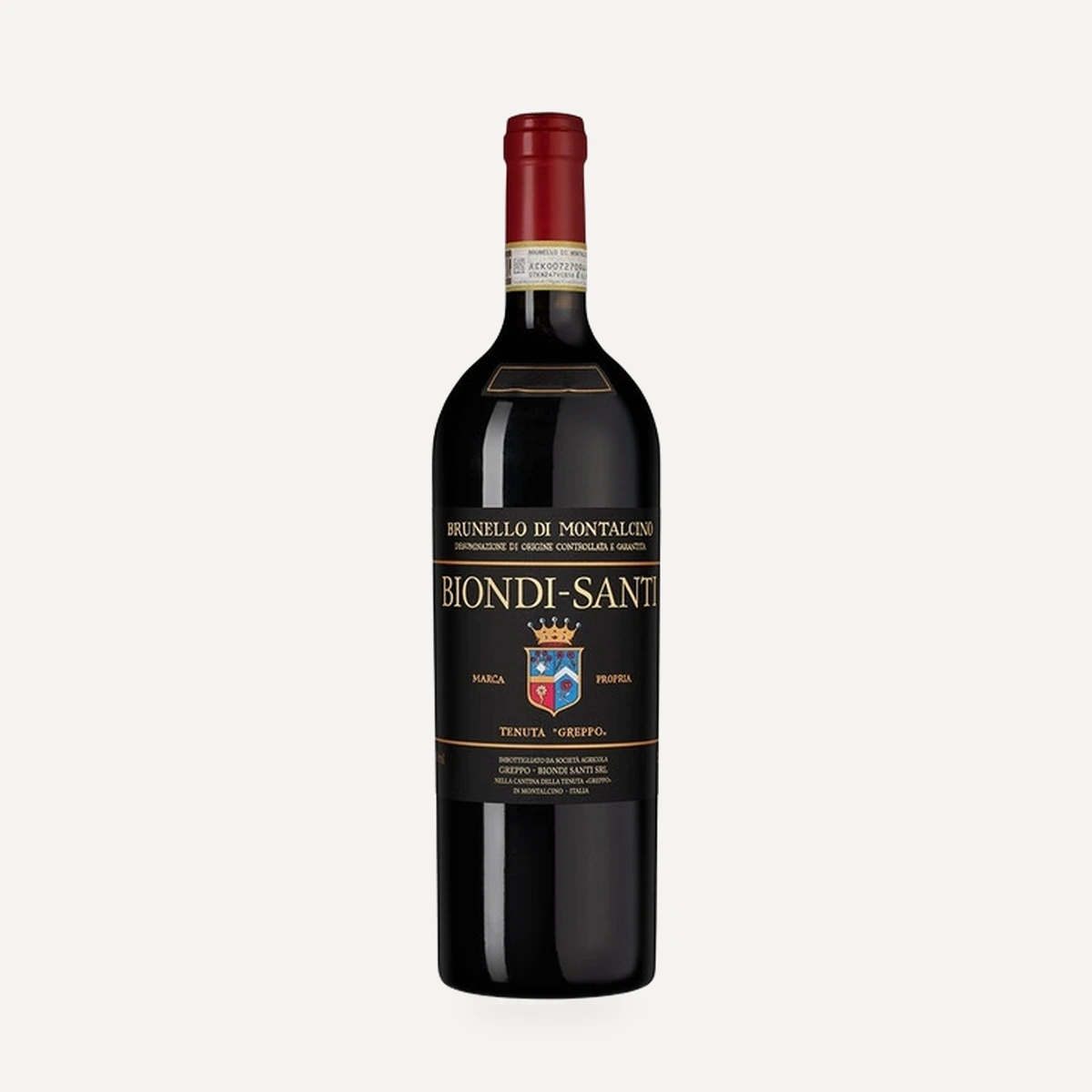
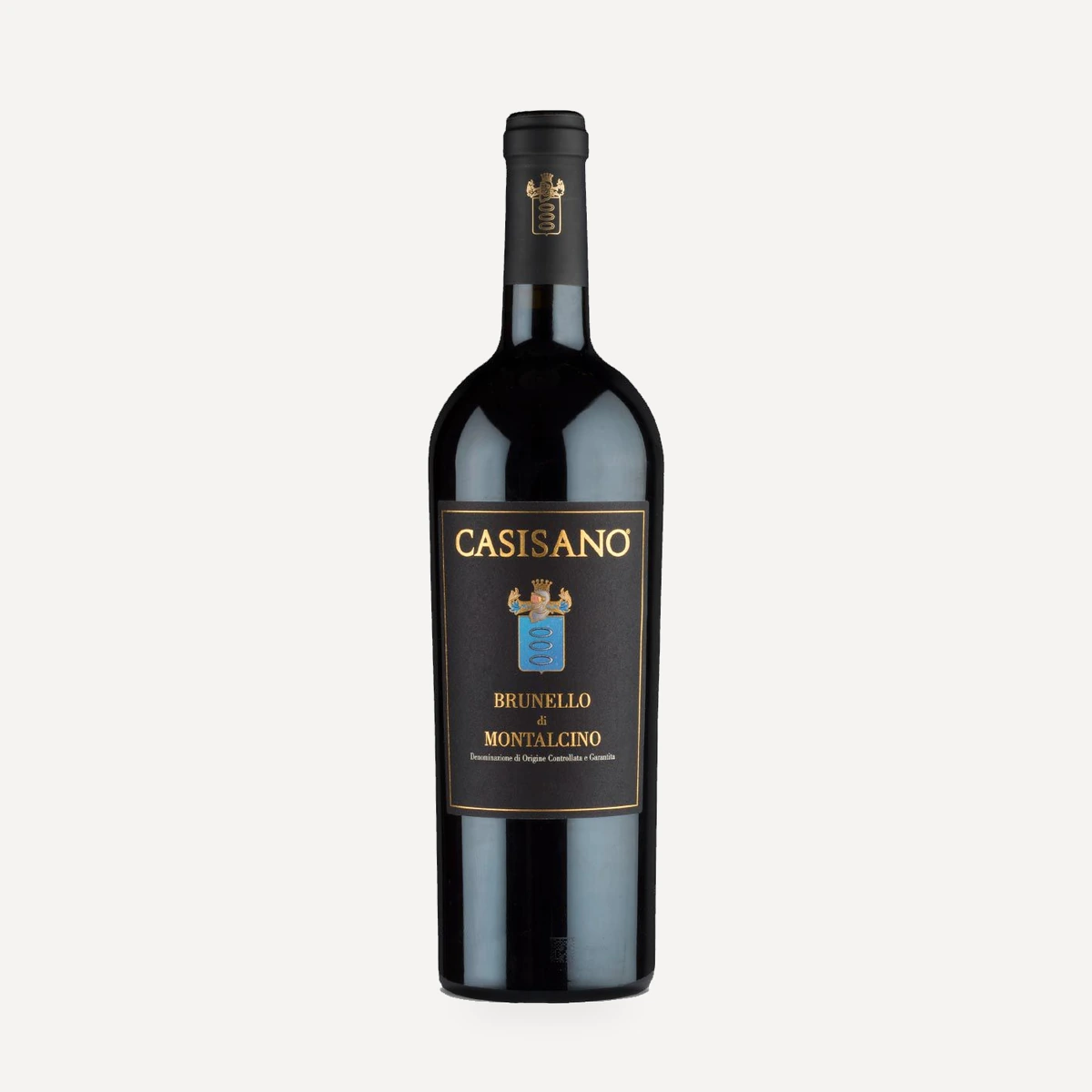
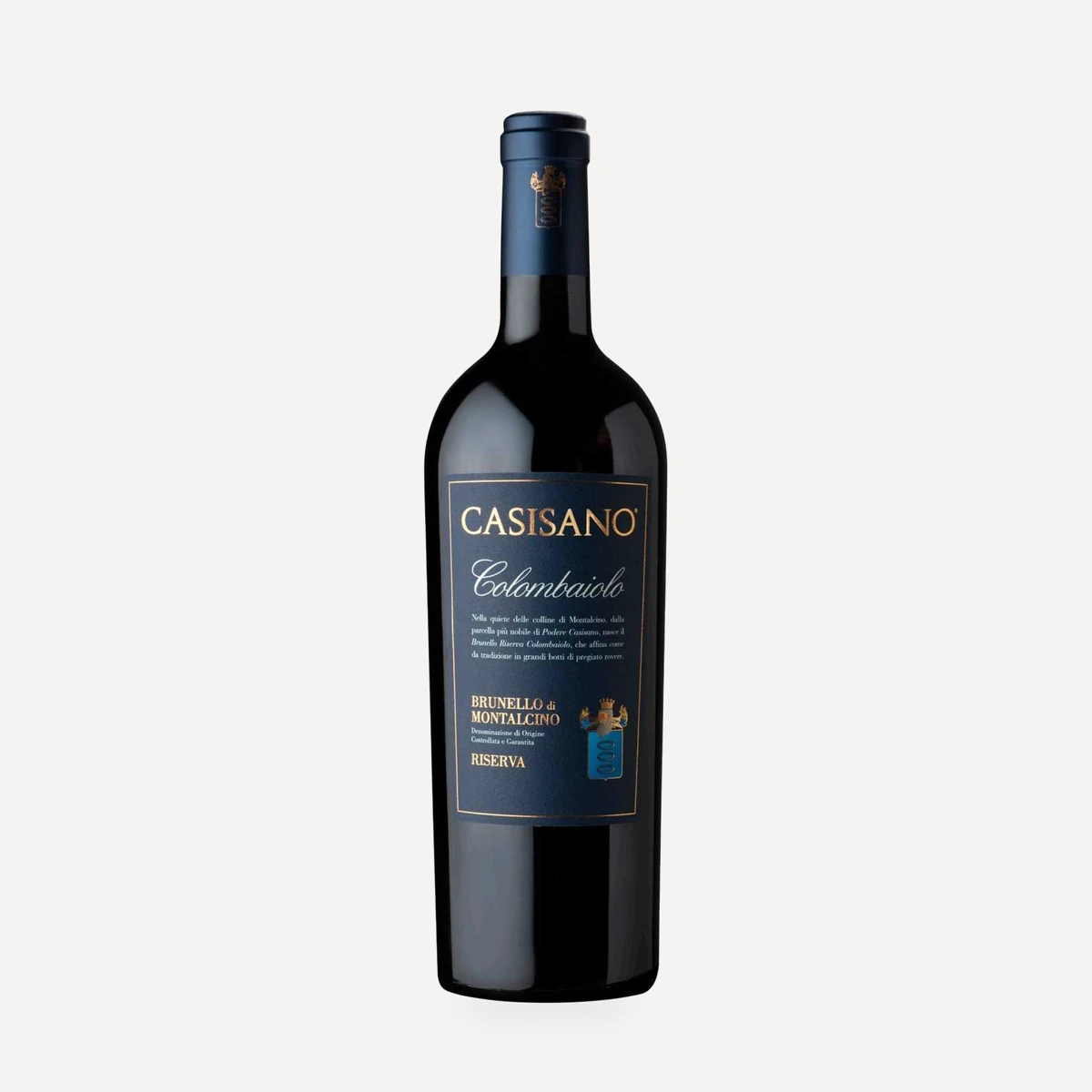
Questo vino
Vineyard and terroir
The wine comes from Montalcino in Tuscany. For the 2011 vintage, the vineyards were situated at 350–450 metres above sea level on medium-textured soils containing abundant clay. Planting density was 5,000 vines per hectare, the vines were trained to spurred cordon, and the stated yield was 6 tonnes of grapes per hectare.
Grapes
100% Sangiovese.
Vinification
For the 2011 vintage, traditional red vinification took place under temperature control. Fermentation was conducted at 28°C for 18 days.
Ageing
The 2011 wine matured for 24 months in barriques, comprising 20% new barrels and 80% second- and third-use barrels, followed by at least 24 months in bottle.
Technical data
Blend proportions vary by vintage. Latest published composition: 100% Sangiovese.
Tasting profile
The 2021 has a ruby-red colour with garnet highlights. Fresh citrus notes of blood orange and plum combine with balsamic nuances and light toast on the nose. The palate is harmonious and enveloping. The 2011 description presents a broad, assertive bouquet with characteristic varietal aromas and a harmonious, lingering palate.
Serving and pairing
Serve at 18°C. Pair with grilled or braised red meats, game, substantial pasta dishes with meat ragù, traditional Tuscan cuisine and aged cheeses. Dishes featuring porcini mushrooms or truffles are also recommended. The 2011 sheet additionally suggests stews and roasted meats.
Vintage notes
The 2021 growing season began with a generally mild winter during which temperatures seldom fell below freezing. Rainfall was limited, increasing only toward the end of winter. Early vine activity prompted delayed pruning to slow budbreak, helping protect the buds when temperatures dropped sharply in April. Rain in May replenished water reserves. June and July were predominantly hot and dry; rainfall in late August lowered temperatures and supported slow, even ripening.