Storia
Historic agricultural setting
Baglio Gibellina occupies a traditional Sicilian agricultural complex overlooking the new town of Gibellina and the vineyards of the surrounding hills. Its defining architectural feature is the baglio: the internal courtyard of a masseria, enclosed by rural warehouses that were formerly used to receive and process grapes.
Family continuity
The winery connects its wines with an old family tradition and with the work of Sicilian growers. The family has cared for vineyards at Gibellina for many years, adapting its work to the seasons and natural cycles so that each wine retains a distinct identity. No founding date or dated succession of generations is identified.
Baglio Gibellina today
The production and aging cellars operate in Gibellina Nuova, in the province of Trapani. The winery’s legal address is also in Gibellina, while its administrative and commercial offices are in San Bonifacio, Verona. The present Baglio Gibellina range is centered on Sicilian varieties and blends under the U..Passimiento, Assurdo and Miraggio names.
Terroir
Baglio Gibellina is based at Gibellina in western Sicily, approximately midway between Castellammare del Golfo to the north and Sciacca to the south. The baglio overlooks the valley and is surrounded by the hills of Salemi and Santa Ninfa.
The landscape alternates vineyards with broom and prickly pear, alongside fields of sulla and soft wheat. Marine breezes, abundant sun and persistent wind shape the growing environment. The constant airflow helps keep the vineyard environment healthy, while sunshine supports full ripening. Warm winds from the south and colder currents from the north reach the old vineyards associated with U..Passimiento.
Selected hillside vineyards lie between 300 and 600 metres above sea level. Their clay soils, slope positions, thermal variation and ventilation create distinct growing conditions. The white-variety vineyards have favorable hillside exposure, while differences in soil texture and local microclimate contribute further variation.
A separate Zibibbo site is described at 70 metres above sea level on clay soils in the area between Erice and Mazara del Vallo in western Sicily.
Vinificazione
Vineyard work follows the rhythms of the seasons and natural cycles. Persistent wind helps maintain healthy growing conditions, while Sicily’s sunshine supports ripening. Selected hillside vineyards at 300–600 metres are Guyot-trained and managed for limited yields; the white-variety vineyards are likewise described as low yielding.
Harvest decisions vary by variety and intended expression. Frappato for the red U..Passimiento is picked at its first stage of ripeness to preserve freshness. Nero d’Avola for the same range remains on the vine longer for light drying and natural dehydration, after which the fruit is carefully placed in wooden boxes. For the Assurdo blend, Pinot Nero is harvested at the end of August, while Nero d’Avola is gathered between late September and the first ten days of October.
The white varieties are harvested with an emphasis on keeping bunches intact and avoiding skin maceration. Zibibbo for the late-harvest expression is collected during the first ten days of October after natural drying on the vine; both its harvest and subsequent destemming are performed manually.
Production and aging take place at the cellar in Gibellina Nuova, Trapani. The historic baglio is organized around the internal courtyard of a masseria and is bordered by rural warehouses formerly used for collecting and processing grapes.
Across the Baglio Gibellina range, the cellar works with separate vinification of varieties, stainless-steel vessels, controlled-temperature fermentation, gentle pressing and maturation tailored to the component wines. Small steel tanks are used for selected fermentations. Some lots remain in stainless steel, while selected Pinot Nero is matured in 500-litre tonneaux before blending and subsequent bottle aging.
For white grapes, intact bunch handling, gentle pressing and controlled-temperature fermentation are used without skin maceration. Late-harvest Zibibbo receives cold maceration followed by temperature-regulated fermentation. Other U..Passimiento components may undergo slow fermentation, cold arrest of fermentation and gradual blending in proportions adjusted to the character of the harvest.
Filosofia
Baglio Gibellina presents wine as the result of three connected elements: family tradition, the skill of Sicilian growers and the work shared between the land and people. Its vineyard philosophy is based on observing the seasons and following natural rhythms, allowing each wine to retain an individual identity.
The winery also frames its work as an expression of Sicily’s landscape, traditions and colors. U..Passimiento is conceived as a narrative of the family, the land and the harmony of Sicily, with the character of the vineyards shaped by sun and opposing warm and cool winds.
Vini
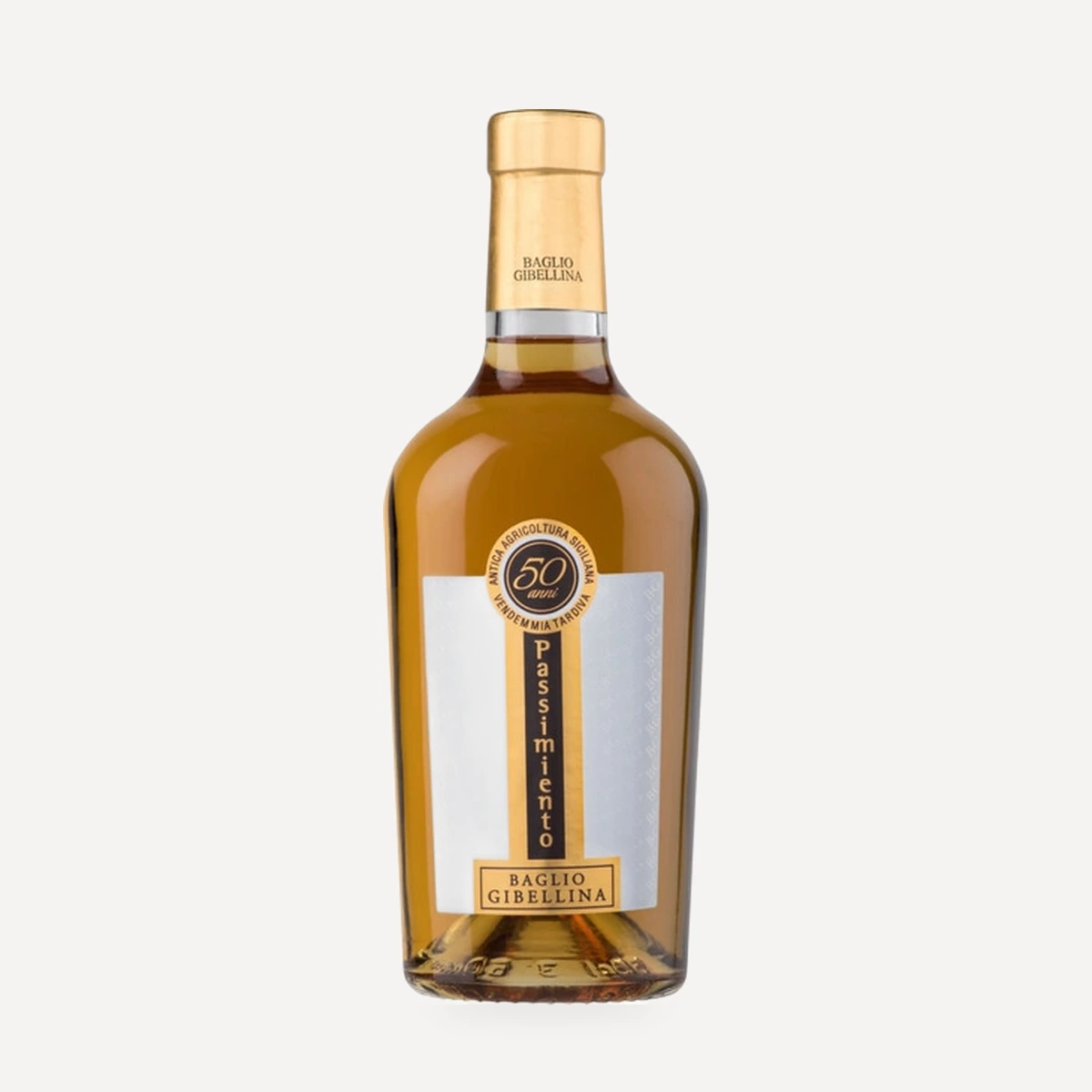
U...Passimiento Zibibbo Vendemmia Tardiva Terre Siciliane IGT
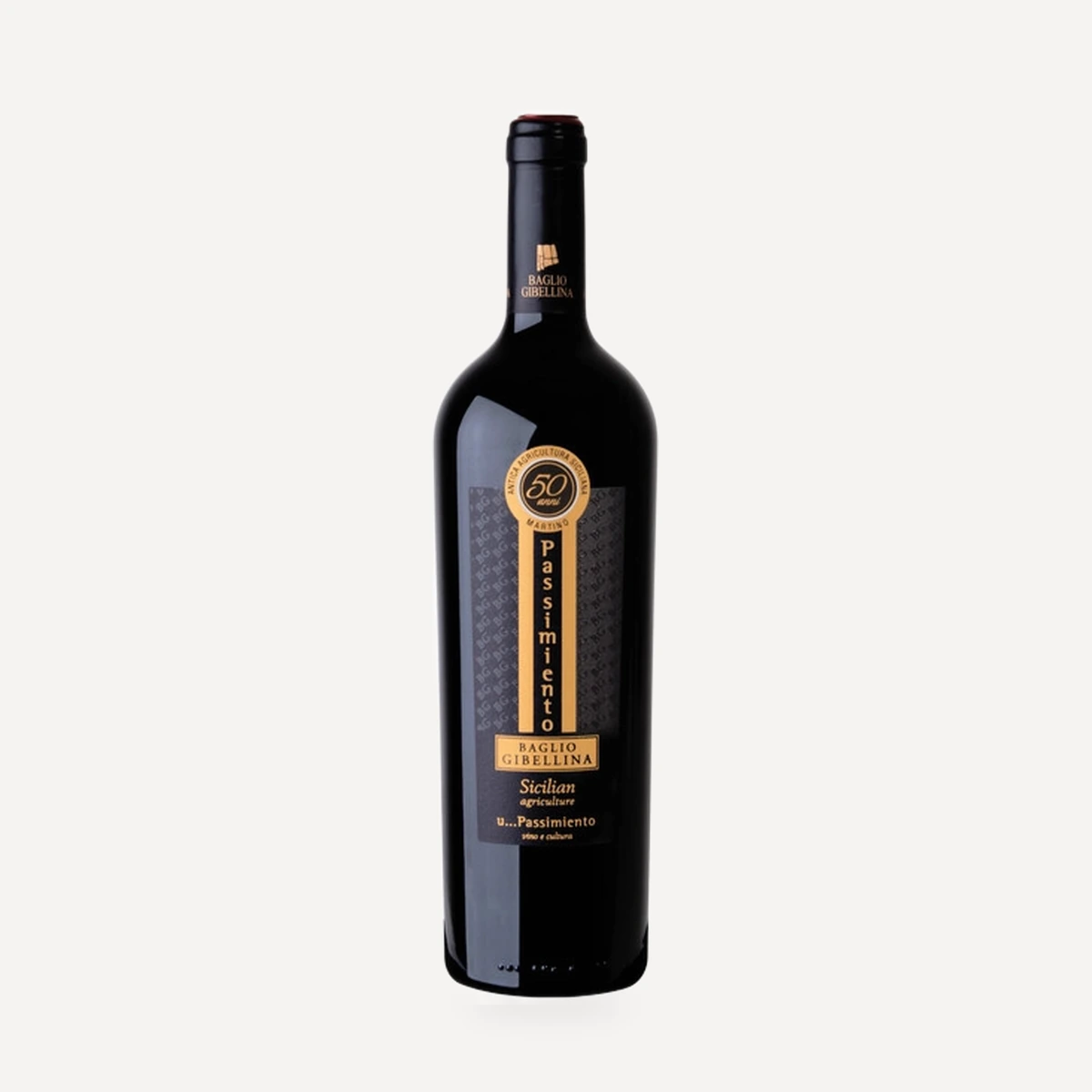
U...Passimiento Nero d'Avola Frappato Sicilia DOC
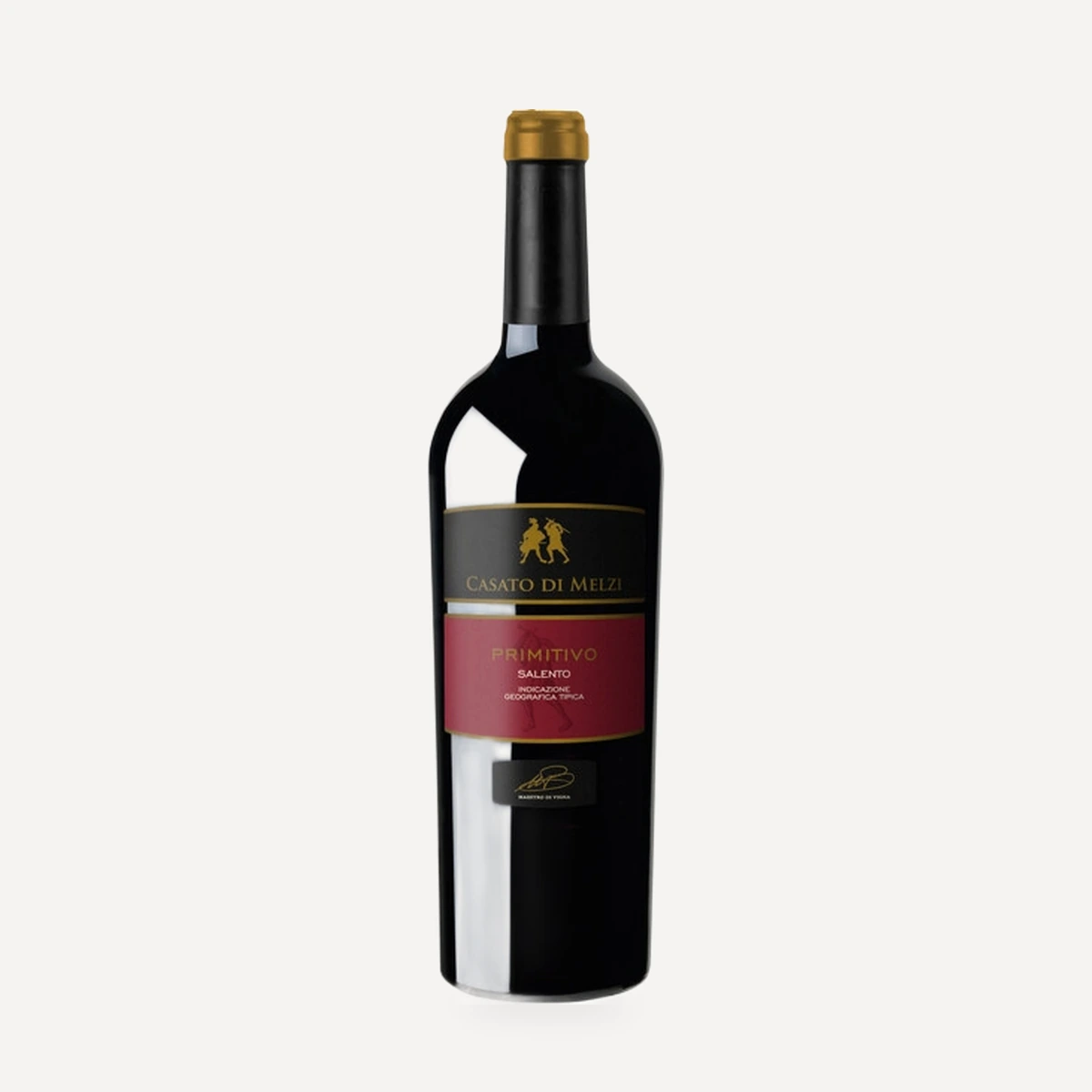
Casato di Melzi Primitivo Salento IGT
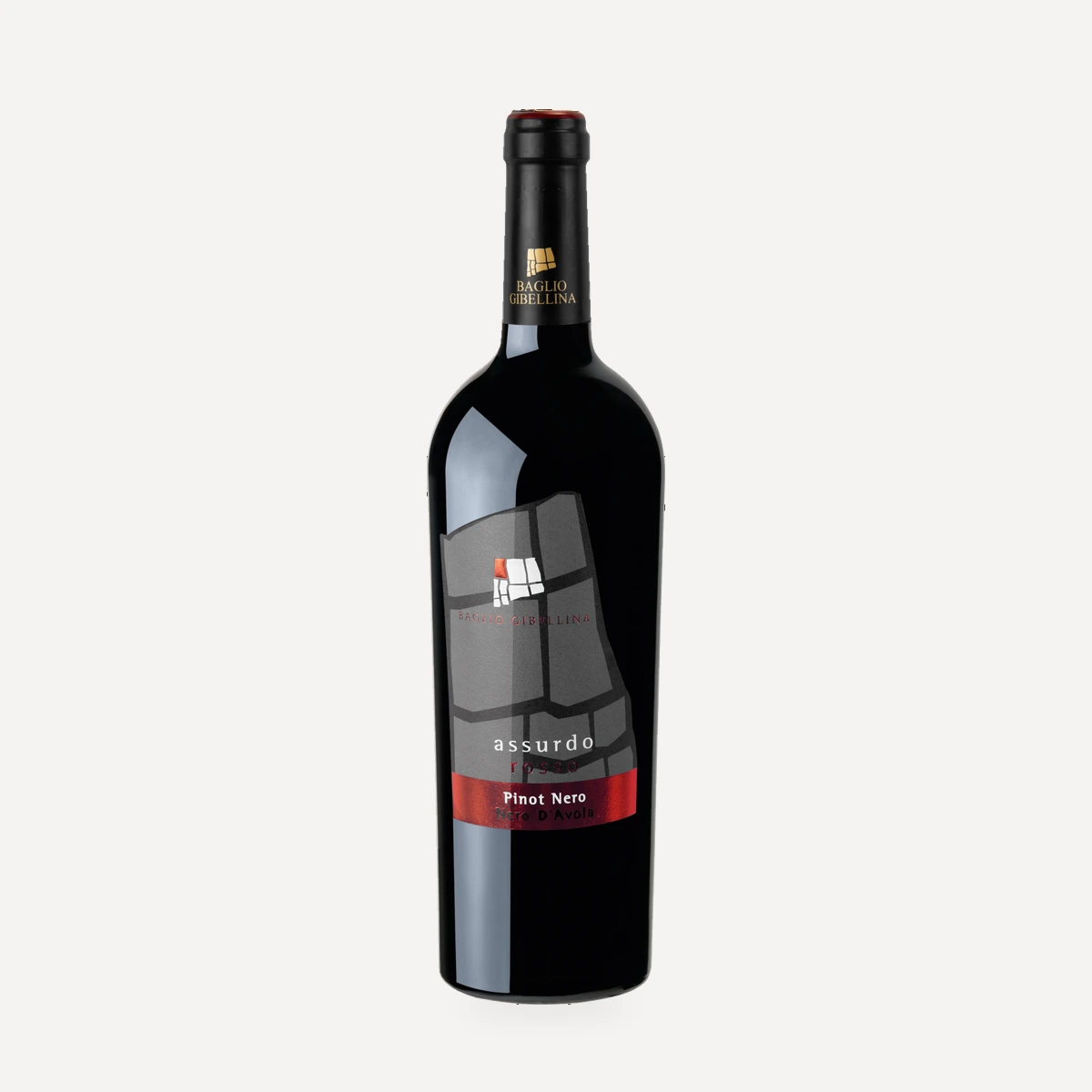
Assurdo Rosso Pinot Nero Nero d'Avola
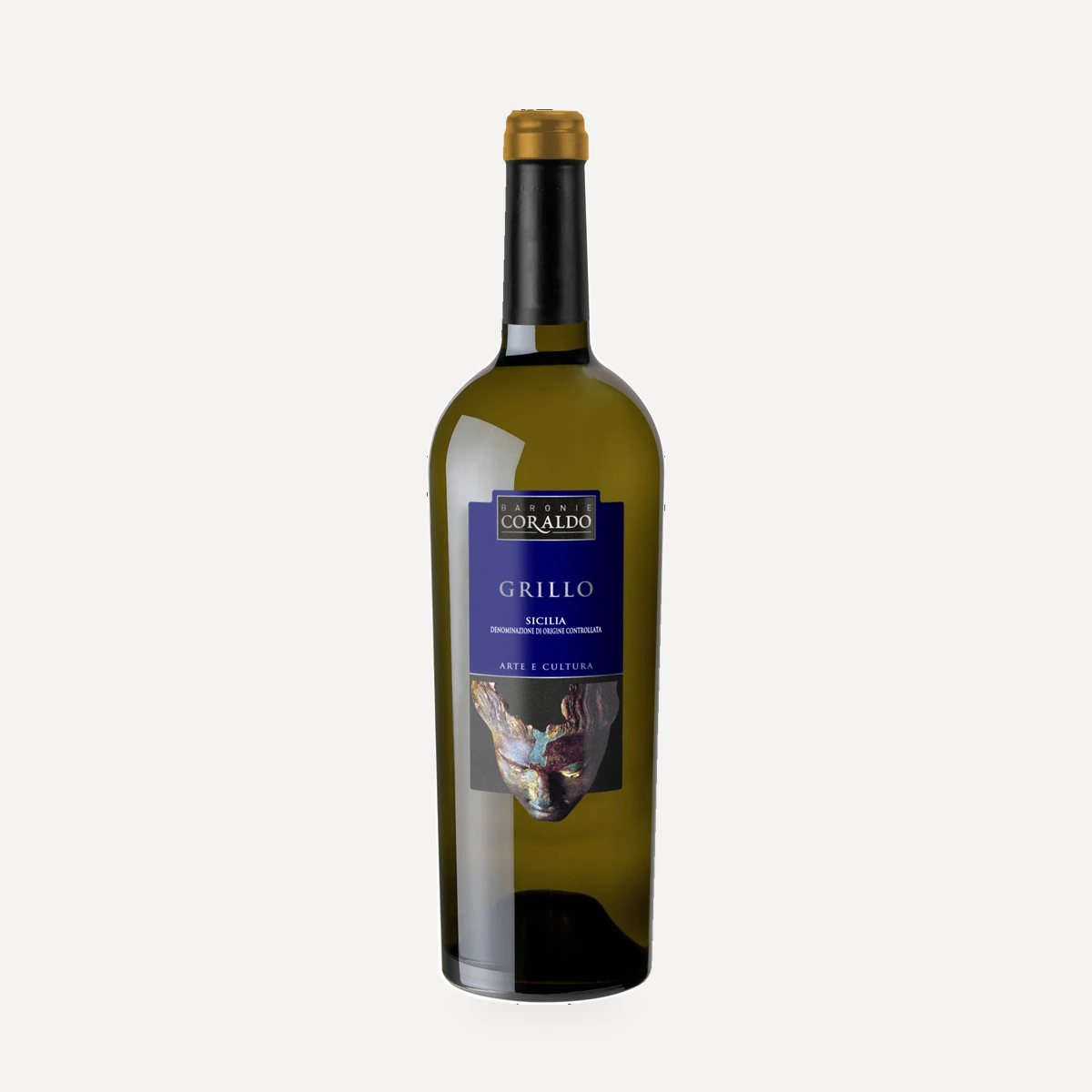
Baronie Coraldo Grillo DOC Sicilia
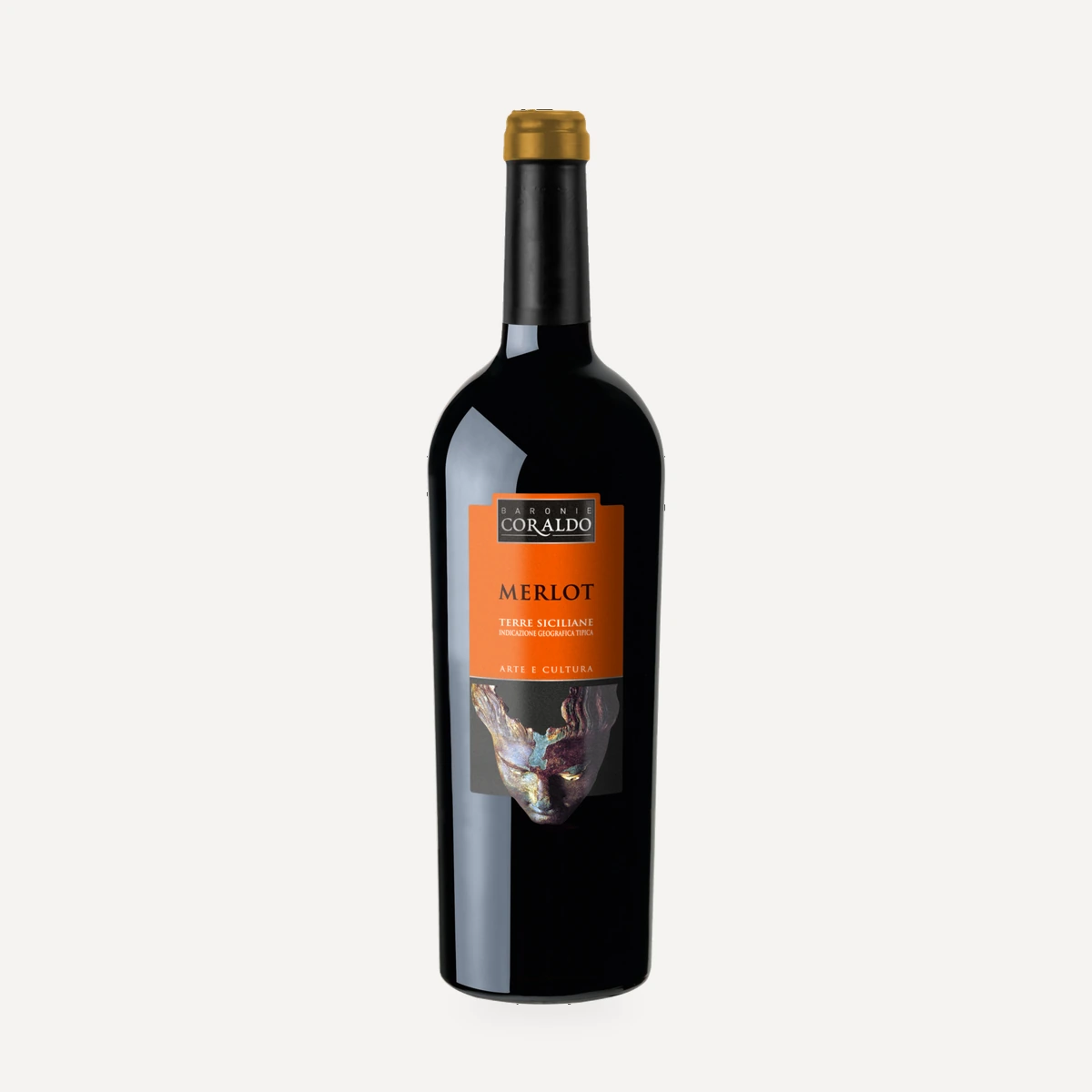
Baronie Coraldo Merlot DOC Sicilia
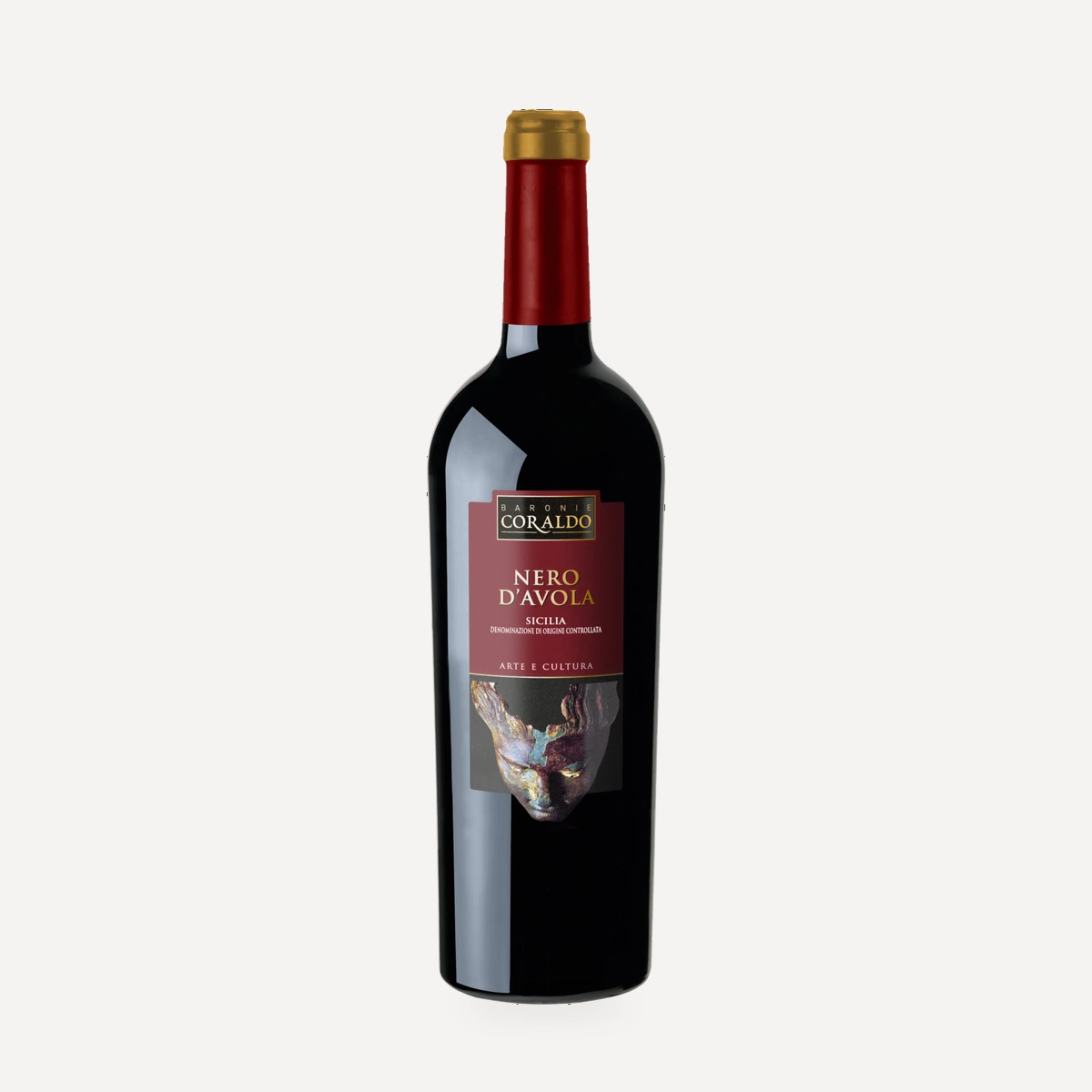
Baronie Coraldo Nero d’Avola DOC Sicilia
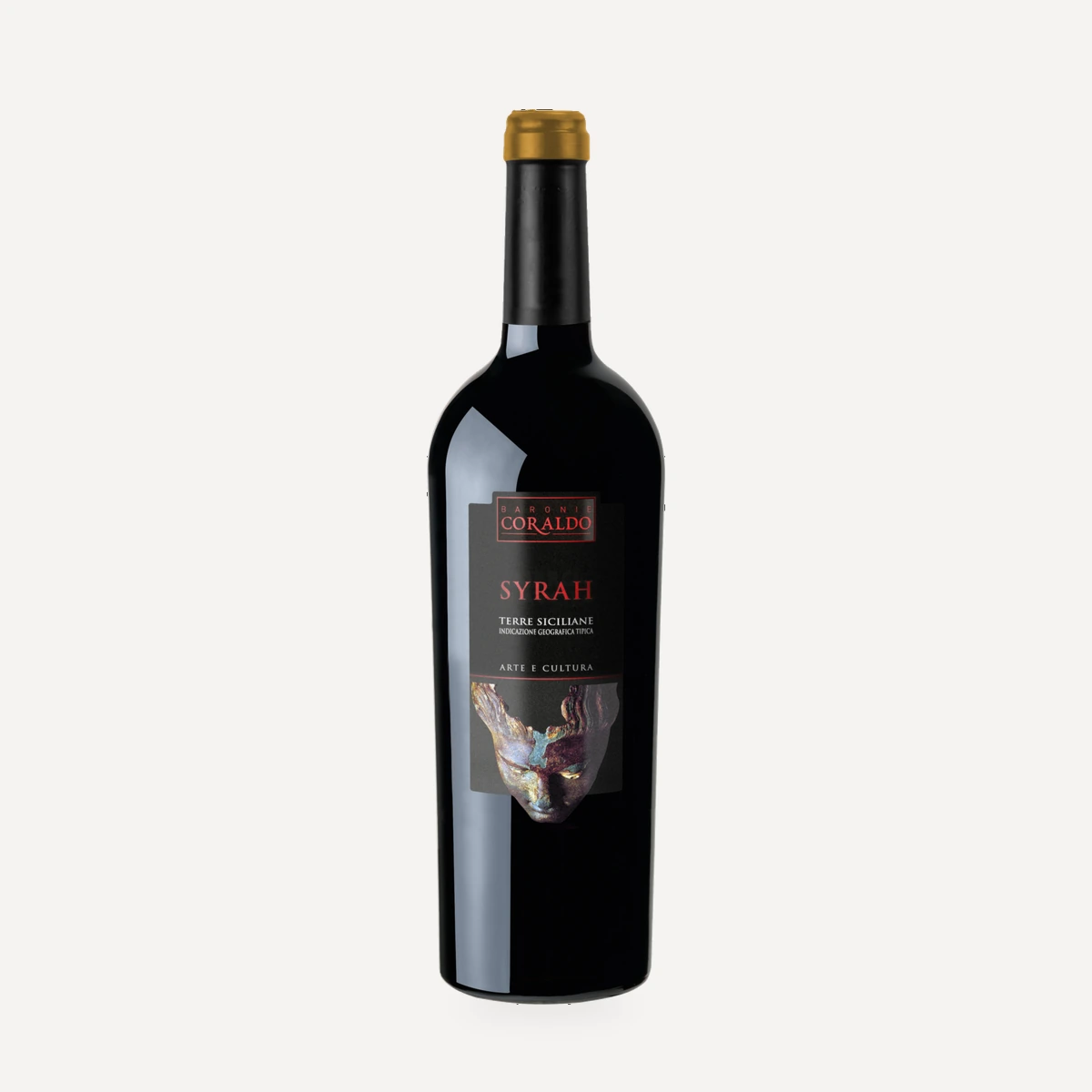
Baronie Coraldo Syrah IGT Terre Siciliane
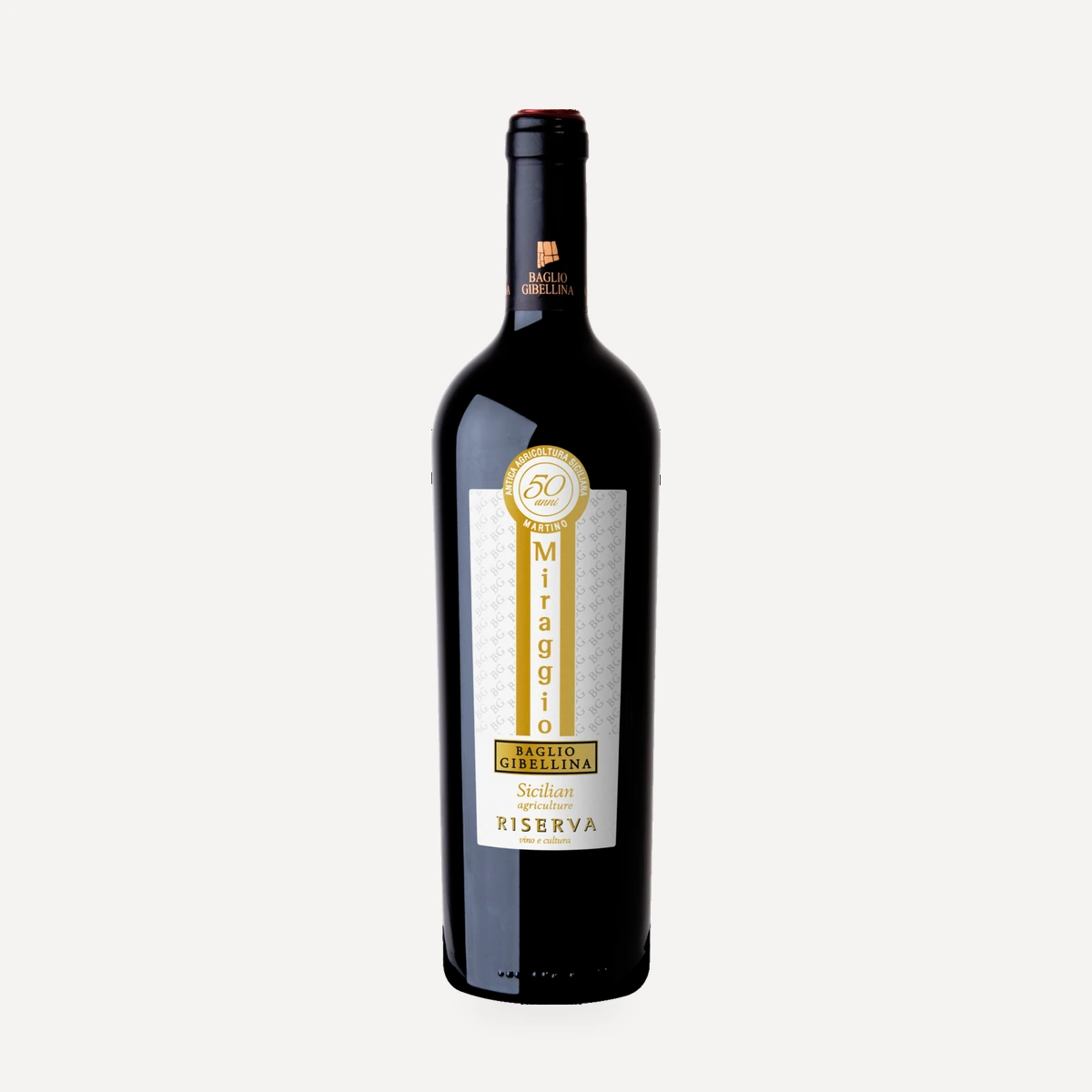
Miraggio Sicilia Riserva Nero d’Avola – Perricone - Frappato
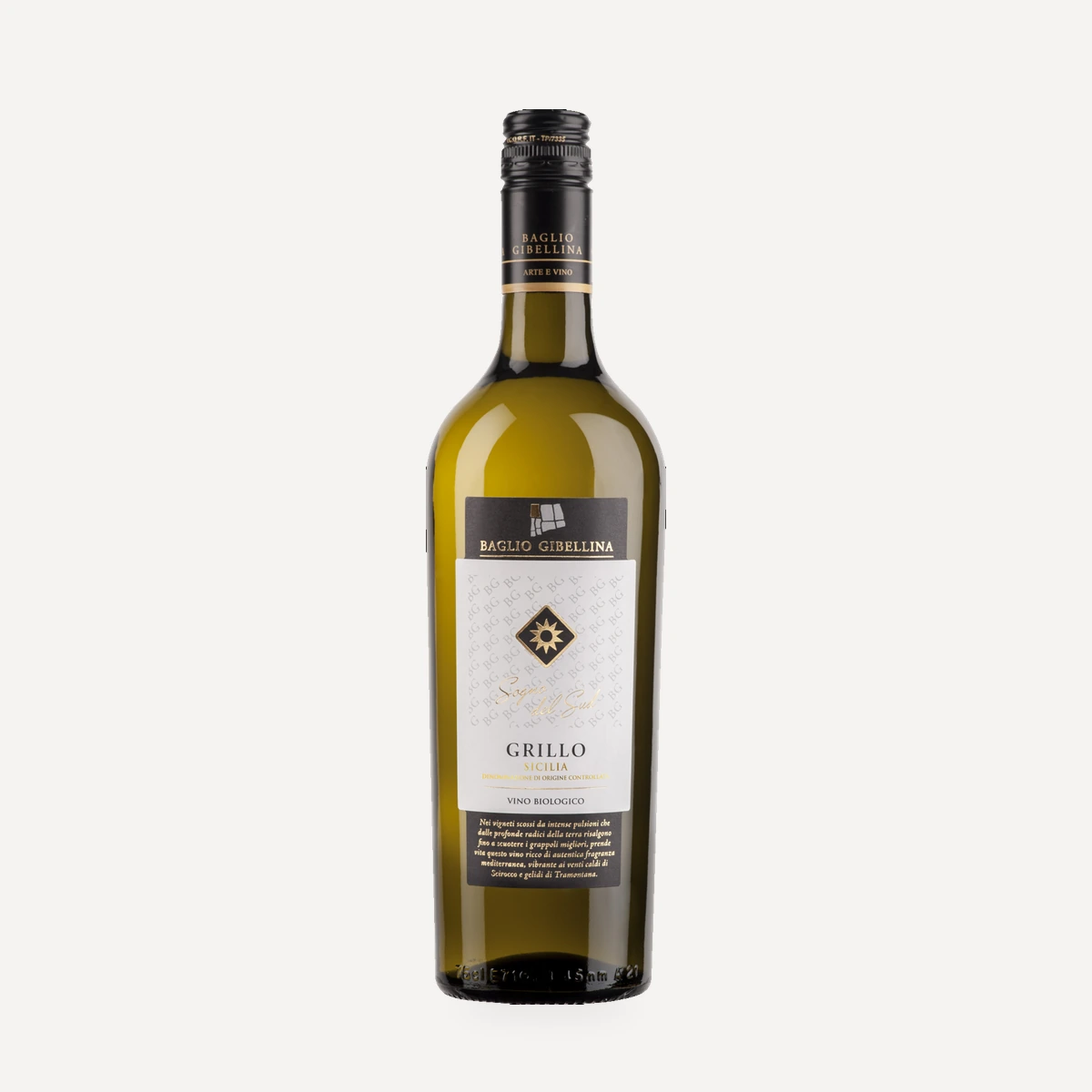
Sogno del Sud Grillo Biologico DOC Sicilia
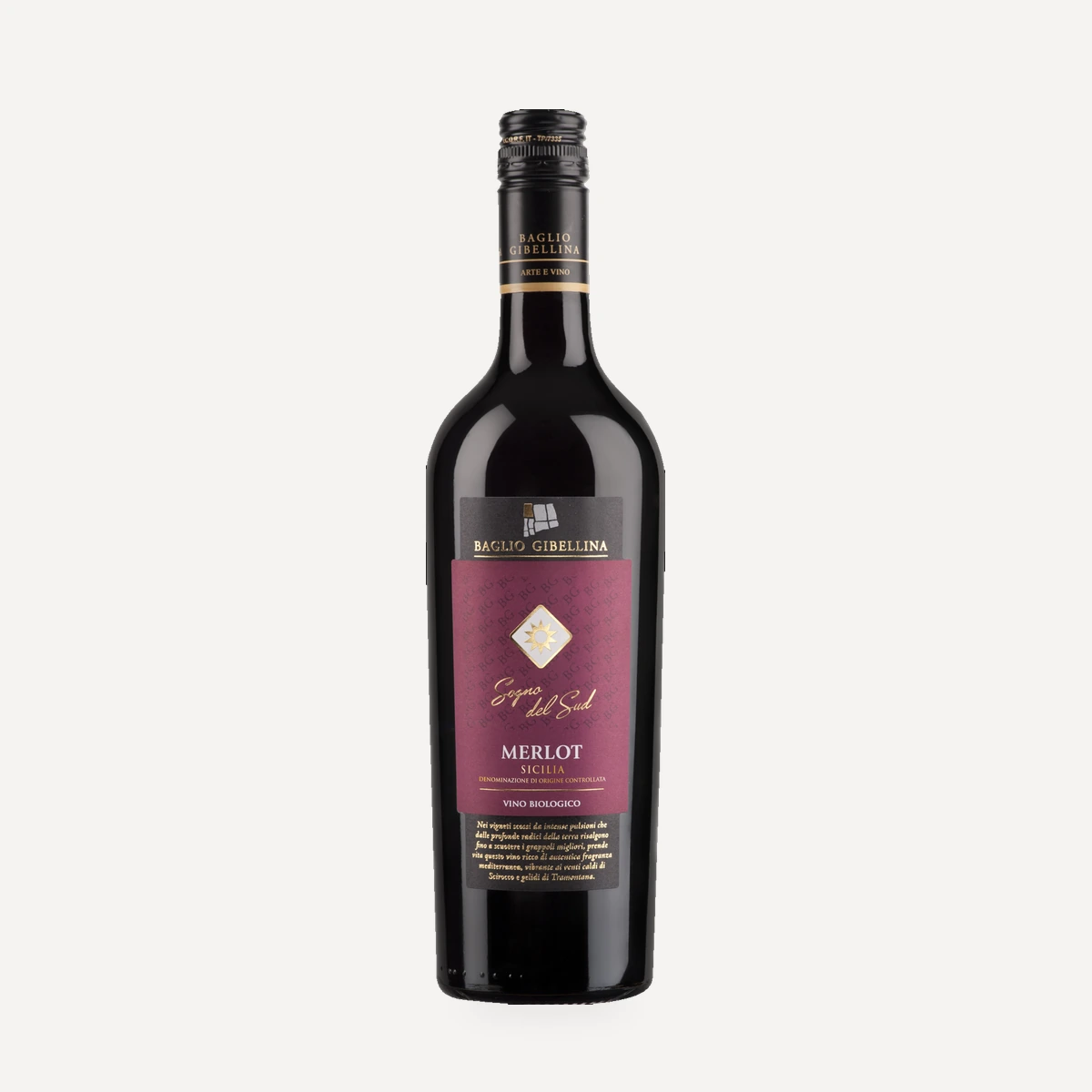
Sogno del Sud Merlot Biologico DOC Sicilia
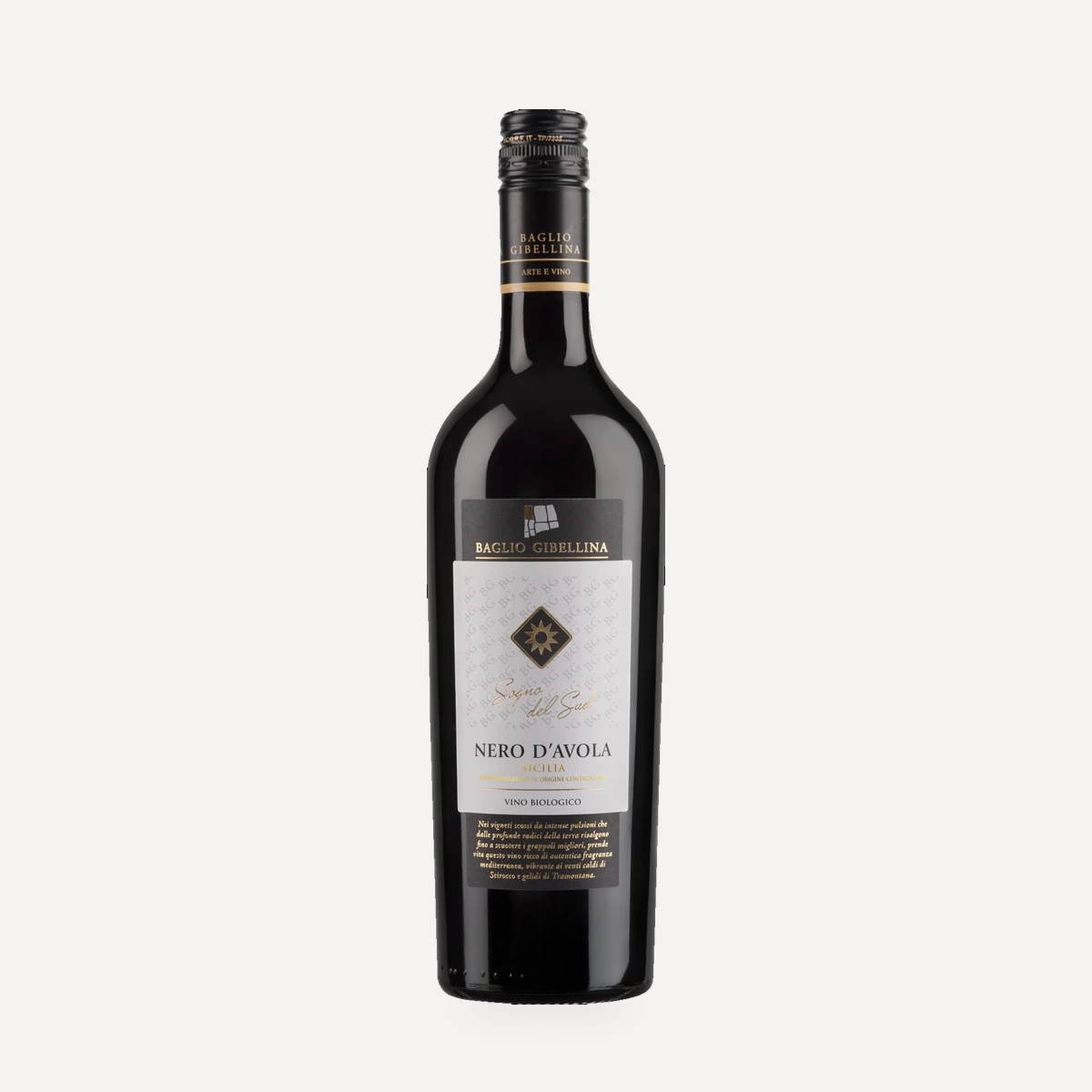
Sogno del Sud Nero d’Avola Biologico DOC Sicilia
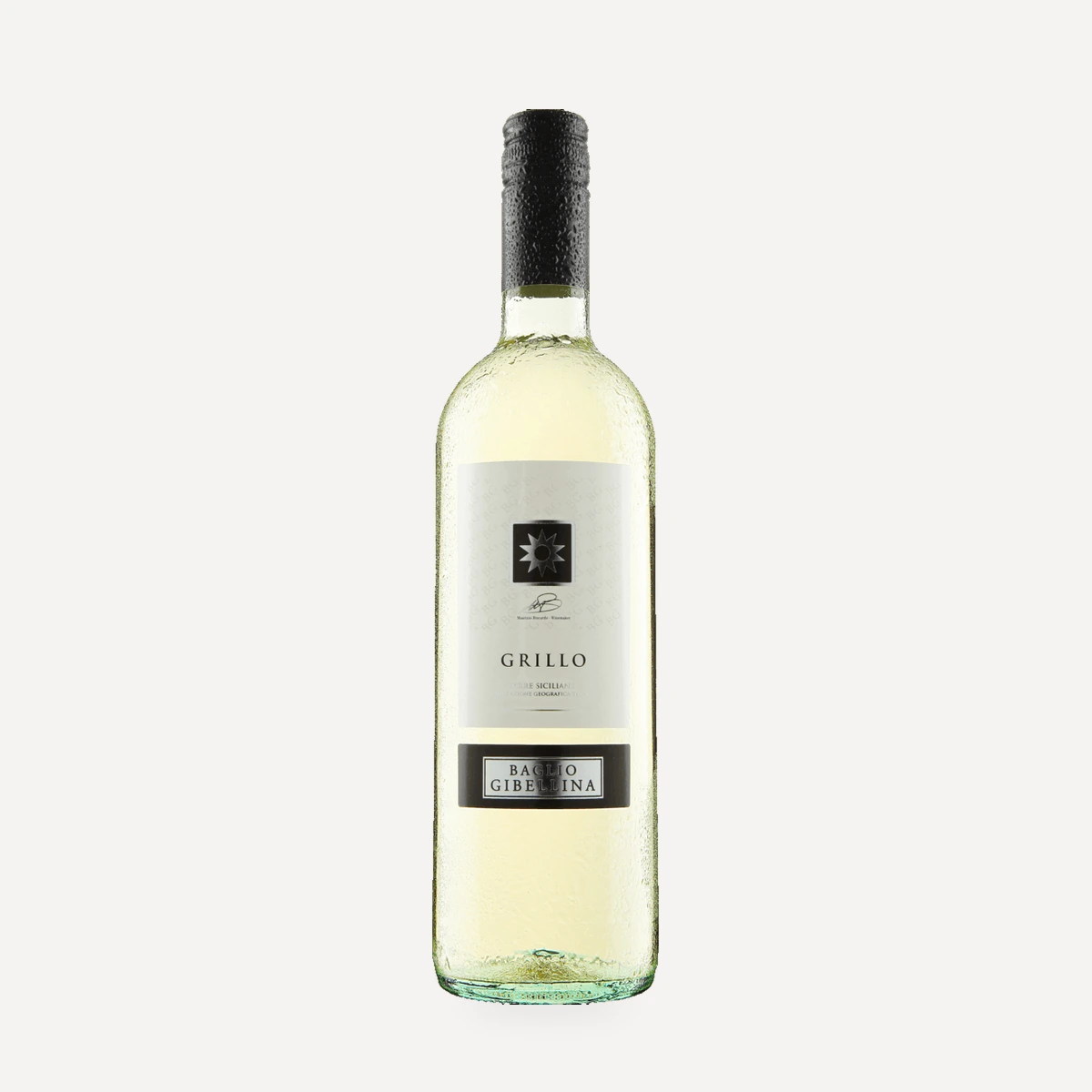
Grillo IGT Terre Siciliane
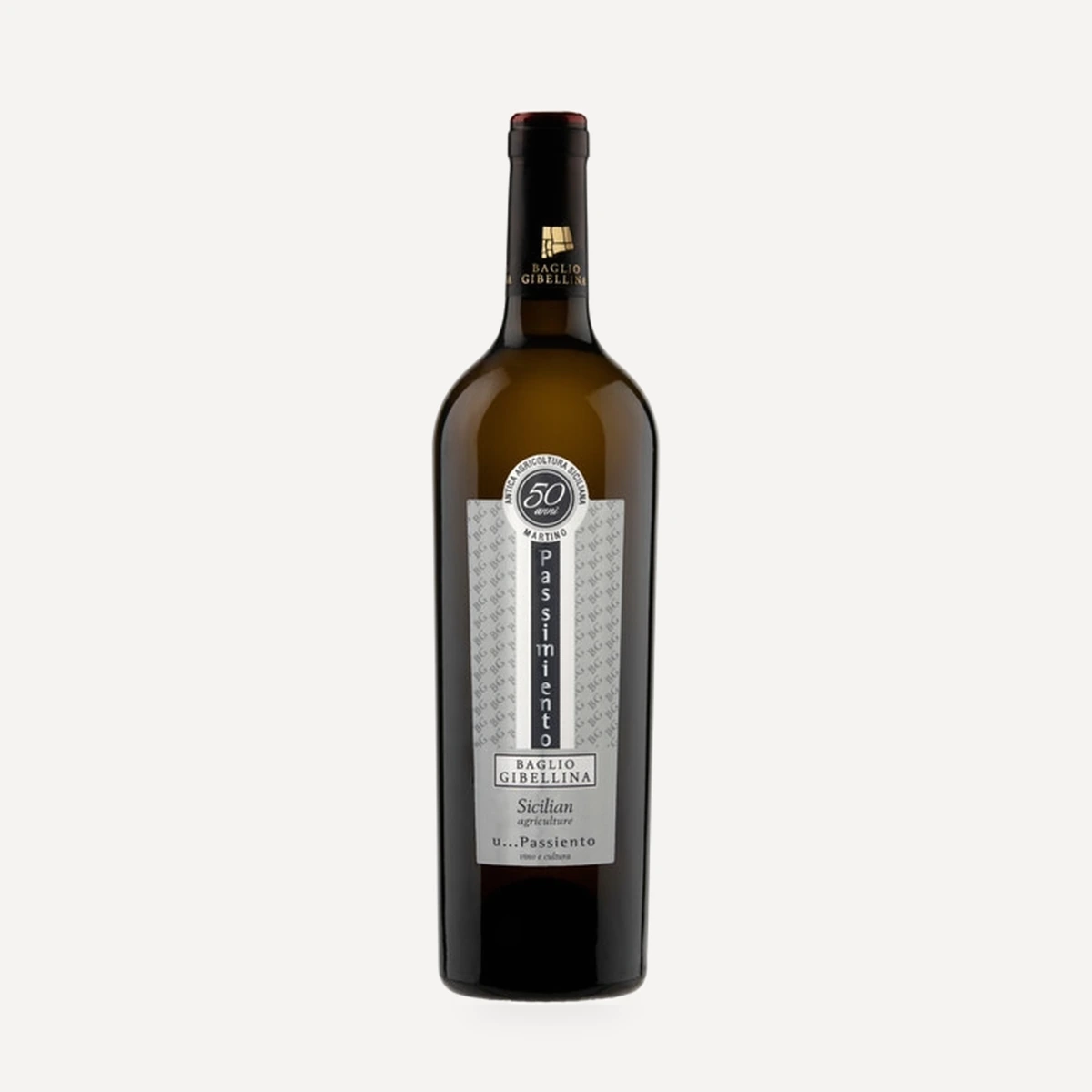
U...Passimiento Bianco Sicilia DOC