Storia
Agricultural origins and Don Pino
Giuseppe Laudicina, later universally known as “Don Pino,” was born in Marsala in 1928. His family worked in agriculture, harvesting grapes and producing base material for the local Marsala wineries. Following his father’s death, the young Giuseppe inherited the family’s first plots and continued the agricultural activity with indispensable help from his elder brother.
Economic necessity also led him to an apprenticeship with a local jeweller. Over time, the craft became a second vocation alongside agriculture.
1957: jewellery finances agricultural growth
After years of apprenticeship and sacrifice, Don Pino opened Gioielleria Laudicina in 1957. It stood opposite the Purticeddra, one of the four historic gateways to central Marsala and a busy commercial location because of the neighbourhood market.
The jewellery business grew quickly. Don Pino reinvested its proceeds in agriculture, buying additional land and vineyards and increasing the family’s grape production. This gradual expansion laid the material foundations for his ambition to produce wines expressing both his family and its territory. The jewellery activity was subsequently passed to his children and grandchildren.
2008: creation of Baglio Oro
Baglio Oro was established in 2008 through the restoration of the family’s old agricultural compounds and farms in Contrada Perino, in the hills of Marsala. Don Pino, his son Francesco Laudicina and his son-in-law Michele Cottone participated in the project. Francesco and Michele transformed the old holdings into a modern winery and rehabilitated the surrounding 100 hectares of vineyards, while Don Pino supplied the vision and became the project’s driving force.
The name joins the two activities that shaped Don Pino’s life. “Baglio” denotes the traditional agricultural complex—with its broad courtyard—where farming and grape processing took place. “Oro,” meaning gold, recalls the jewellery enterprise founded in 1957, whose success made the family’s wine project possible.
From the outset, the guiding principle was to innovate while respecting the territory and tradition. Modern winemaking technology was introduced within the restored historic complex, while its ancient, thick tuff walls were preserved for their ability to regulate interior temperatures naturally.
2022: formal sustainability commitments
In 2022 Baglio Oro joined Fondazione SOStain Sicilia and adopted the SOStain and VIVA sustainability framework. This formalised a programme encompassing organic fertilisation, biodiversity and soil nutrition, renewable energy, environmental measurement and lower-impact packaging.
2024: production and hospitality expansion
The modernisation of the baglio was completed in 2024. Further areas of the building were restored and assigned to expanded production and wine-tourism hospitality, creating spaces in which the family history and its relationship with wine could be shared with visitors.
The present generation
The family legacy is now being carried forward by Don Pino’s grandchildren Giuseppe, Gianluca and Valeria. They guide the estate’s development with a contemporary outlook while the restored baglio serves simultaneously as a working winery, visitor destination and event venue. Hospitality, environmental responsibility and the exclusive use of renewable energy form part of this current phase.
Terroir
Western Sicily
Baglio Oro is based in Contrada Perino in the hills overlooking Marsala, at Sicily’s westernmost end. Its vineyards extend beyond a single elevation or soil type, from the low-lying Stagnone lagoon to inland and hill sites and, in the case of Contrada Xiggiari, into the neighbouring municipality of Paceco.
Sun and maritime influence
The vineyards receive sustained sunshine through the year. Constant maritime winds moderate that exposure, helping create grapes described by the estate as particularly rich in character, sugars and aromas. The climate identified for the individually documented vineyards is warm-temperate and Mediterranean.
Elevation and soils
Documented sites range from 5–10 metres above sea level in Contrada Spagnola beside the Laguna dello Stagnone to 170 metres in Contrada Zafarana. Broader inland holdings used for some wines reach approximately 250 metres.
The named vineyards reveal considerable soil variation. Contrade Xiggiari, Guarini and Zafarana have medium-textured sandy soils. The low Stagnone site is likewise sandy. Contrada Perino has clay with a predominance of organic matter, while Donza d’Oro, Rassallemi and the higher Spagnola site are clay-dominant. Musciuleo is loamy-clay, and Favarotta combines clay with a substantial presence of pebbles.
The coastal Stagnone zone imparts the saline and marine character associated with the estate’s Grillo wines. The broader portfolio is organised partly around the identity of Marsala’s individual contrade, their soils and their microclimates.
Vinificazione
Vineyard management
Viticulture is described as attentive and rigorous. Counter-espalier training with Guyot pruning is used throughout the individually documented vineyards. Planting density, where specified, is 4,400 vines/ha. Typical reported yields are 60–80 q/ha, falling to approximately 60 q/ha in sites where bunch thinning is practised and to 30–40 q/ha for the late-harvest Favarotta vineyard.
Soil nutrition and circular use of by-products
The vineyards are managed to protect biodiversity and preserve the soil’s natural nutrient cycles. Chemical substances are avoided for vineyard nutrition. Fertilisation relies exclusively on organic materials of vegetable or animal origin.
Grape pomace from the harvest is returned to the vineyards together with biomass supplied by local producers. These nitrogen- and mineral-rich by-products are used to make the soils softer and more porous and to provide nutrients for long-term vine development. This closes part of the production cycle by turning waste into an agricultural resource.
Harvesting and selection
Harvest dates vary from early August for Chardonnay and some sparkling-wine grapes to October for late-harvest Zibibbo. Grapes are picked manually, frequently during the coolest hours of the day. Some sites are harvested in two or three separate passes. Selected lots are gathered in small crates, and reserve-quality red grapes are also inspected on a sorting table. Grapes destined for late-harvest or appassimento styles undergo natural concentration on the vine; selection is completed by hand after drying.
The restored cellar
The modern winery was created inside the restored family baglio in Contrada Perino. Contemporary equipment is used to protect grape health throughout transformation, while the ancient, tall and thick tuff walls were retained. Their mass regulates interior cellar temperatures naturally. The 2024 modernisation restored additional rooms for expanded production and hospitality, and the complex includes a barrel cellar.
Reception and white-wine production
Grapes are generally harvested by hand during the coolest part of the day. After destemming, white varieties may receive a short cold maceration of about 12 hours or a longer cold skin contact, depending on the intended wine. Pressing is gentle and gradual. Alcoholic fermentation is slow and temperature controlled; the documented white-wine cycle commonly lasts about 15–18 days.
Many whites mature in stainless steel to retain varietal character. Selected wines remain on their fine lees for three or four months, followed by at least two or three months in bottle. One documented Zibibbo process uses extended skin contact at 6–8°C, a ten-day temperature-controlled fermentation in stainless steel, four months on the lees and at least three months in bottle.
Red-wine production
After destemming, red grapes undergo controlled-temperature maceration and alcoholic fermentation, commonly for 18–25 days, followed by racking. Some reds remain entirely in stainless steel before bottle maturation. Others move from stainless steel into oak and cherry-wood casks for approximately six months and then receive at least six months in bottle.
Reserve Nero d’Avola is hand-picked into small crates, sorted on a table after destemming and macerated for 18–20 days with frequent pump-overs. Racking and very gentle pressing are followed by malolactic fermentation. Maturation lasts approximately 24 months, divided between French-oak and cherry-wood casks and barriques, followed by three months in bottle. This reserve is bottled without filtration.
Sparkling and naturally concentrated styles
Sparkling production uses the Martinotti/Charmat method. Base wines are made by cold skin contact, gentle pressing and slow temperature-controlled fermentation. After lees ageing, secondary fermentation takes place in stainless-steel autoclaves. The longer Charmat treatment documented for Truscè includes 6–8 months on the lees in autoclave and at least two months in bottle.
For late-harvest Zibibbo, grapes naturally concentrate on the vine into October and are manually selected before infusion and temperature-controlled fermentation. Fermentation stops at 14% alcohol, leaving approximately 120 g/l residual sugar, and the wine matures for about 12 months in stainless steel.
The red appassimento process combines drying on the vine and on fruit-drying racks. After destemming and manual selection, the grapes undergo slow temperature-controlled fermentation, gentle pressing and continuous bâtonnage. Maturation takes place for three months in French-oak barriques and three months in bottle.
Filosofia
Baglio Oro defines its approach as innovation practised with respect for territory and tradition. In practical terms, this means combining modern cellar equipment with the preservation of the historic baglio, careful manual work in the vineyards, and winemaking intended to safeguard grape health and varietal identity.
Family continuity is central to the project. Don Pino’s agricultural experience and entrepreneurial work created the foundation; Francesco Laudicina and Michele Cottone converted that legacy into a modern winery; Giuseppe, Gianluca and Valeria now guide its next phase.
The estate’s stated idea of quality begins with healthy grapes and attentive agronomic work. Native varieties are treated as expressions of Sicily and its individual contrade, while international varieties are interpreted through their adaptation to the Marsala environment. Reserve wines foreground selection, time and patient maturation; the more immediate lines prioritise freshness and versatility.
Environmental responsibility extends from soil nutrition to the cellar and packaging. Organic fertilisers, vineyard by-products, photovoltaic power, measurable VIVA performance and locally produced recycled-glass bottles are treated as connected parts of the same production model. Hospitality follows the same outlook, bringing together wine, the family’s history and the slower rhythms of the restored baglio.
Vini
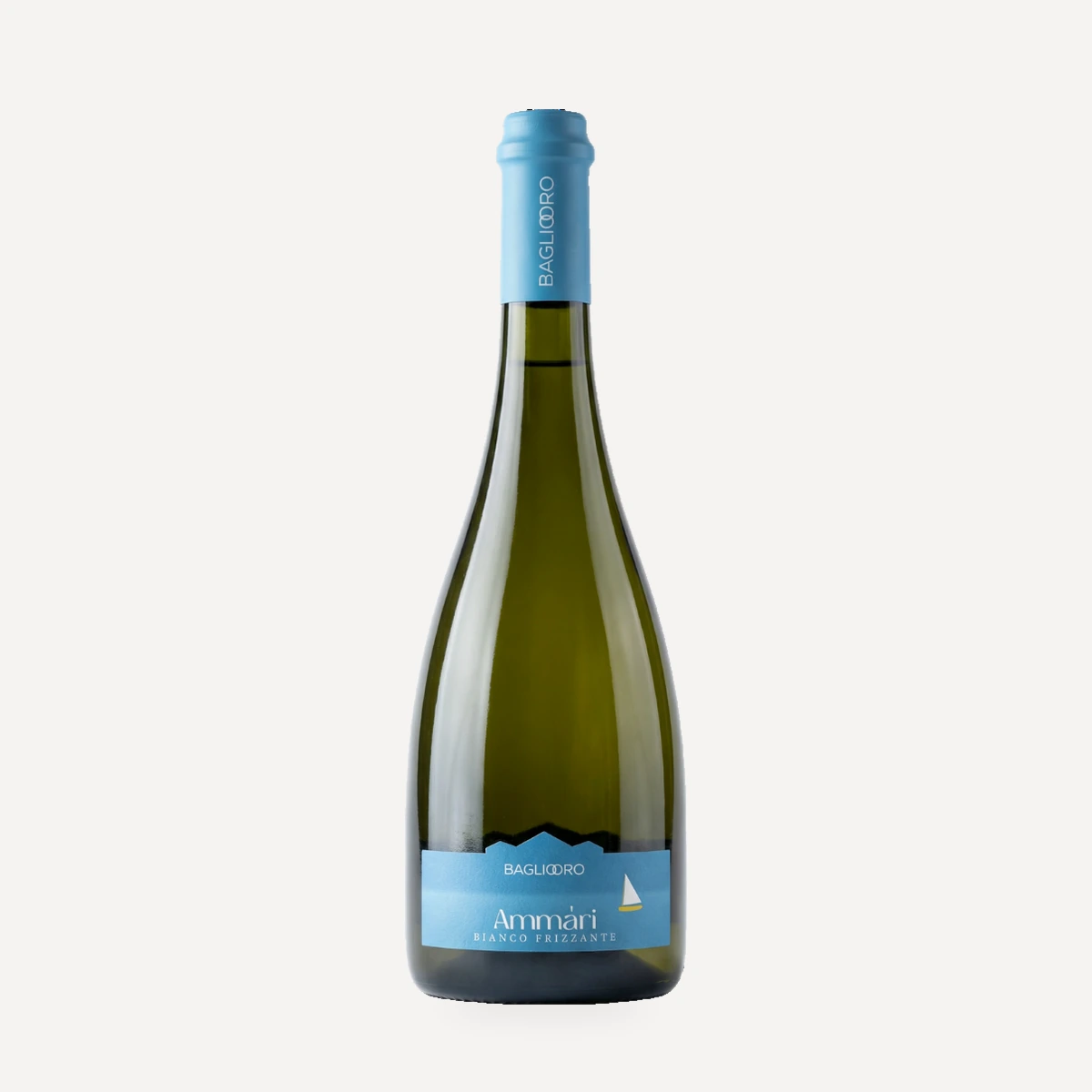
Ammàri
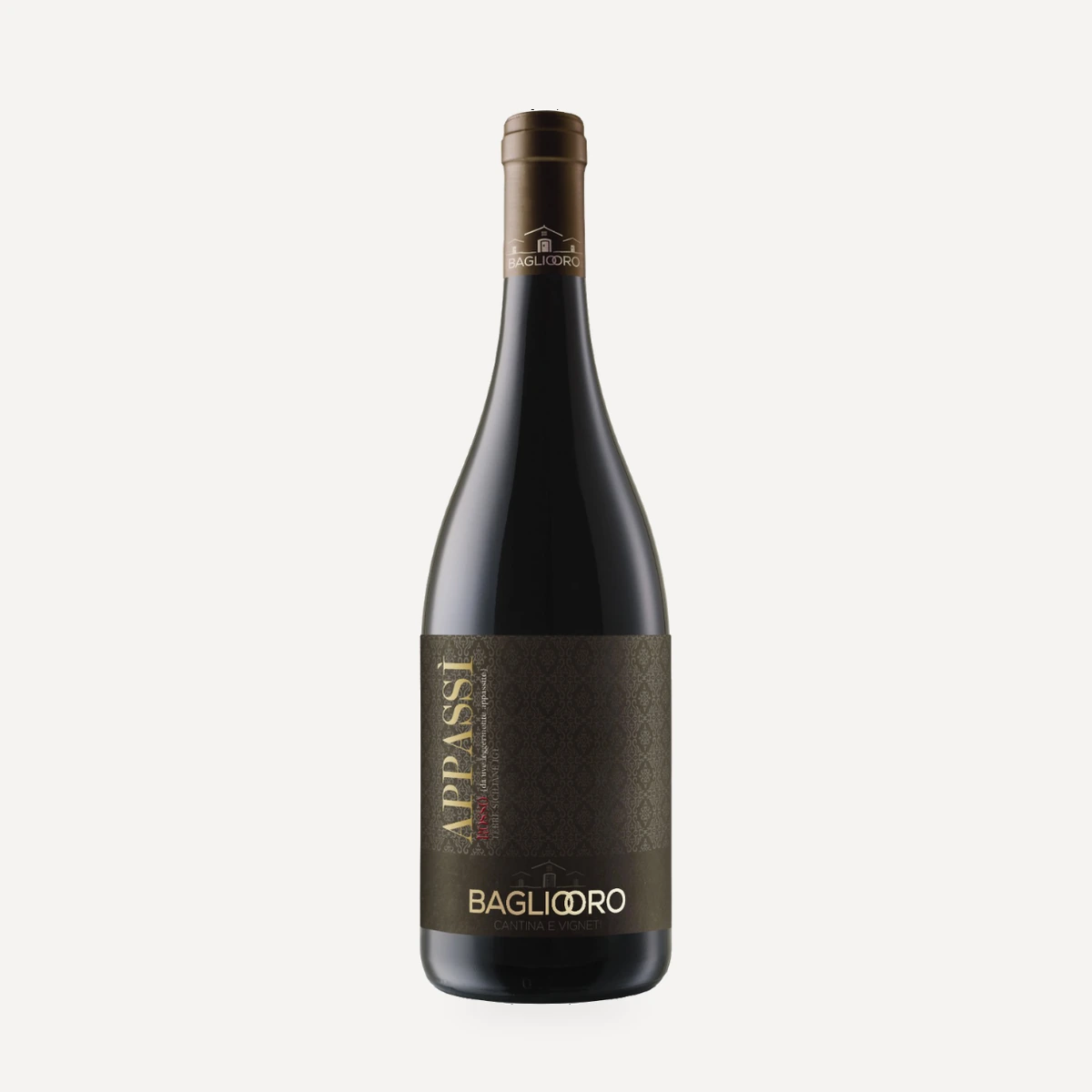
Appassì
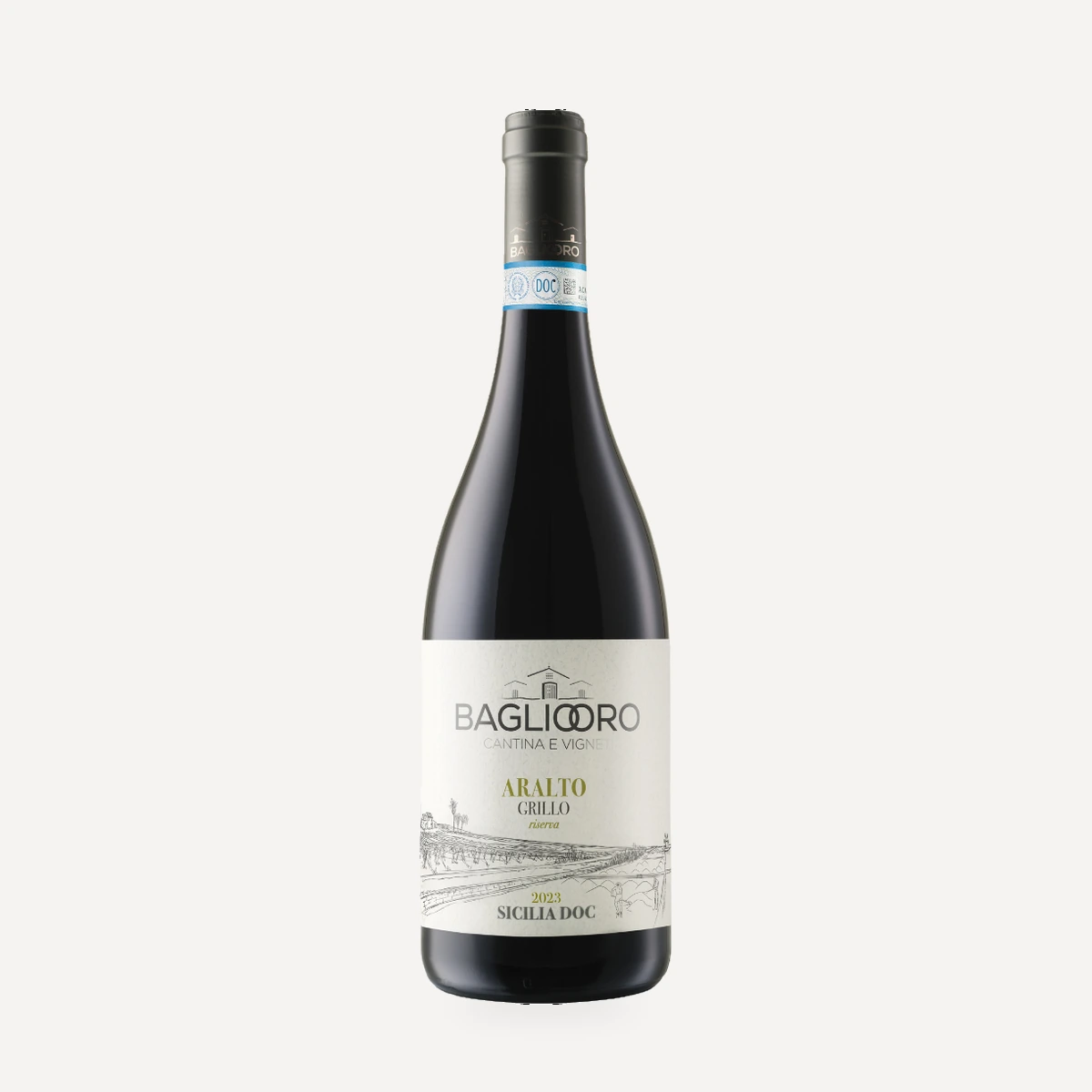
Aralto
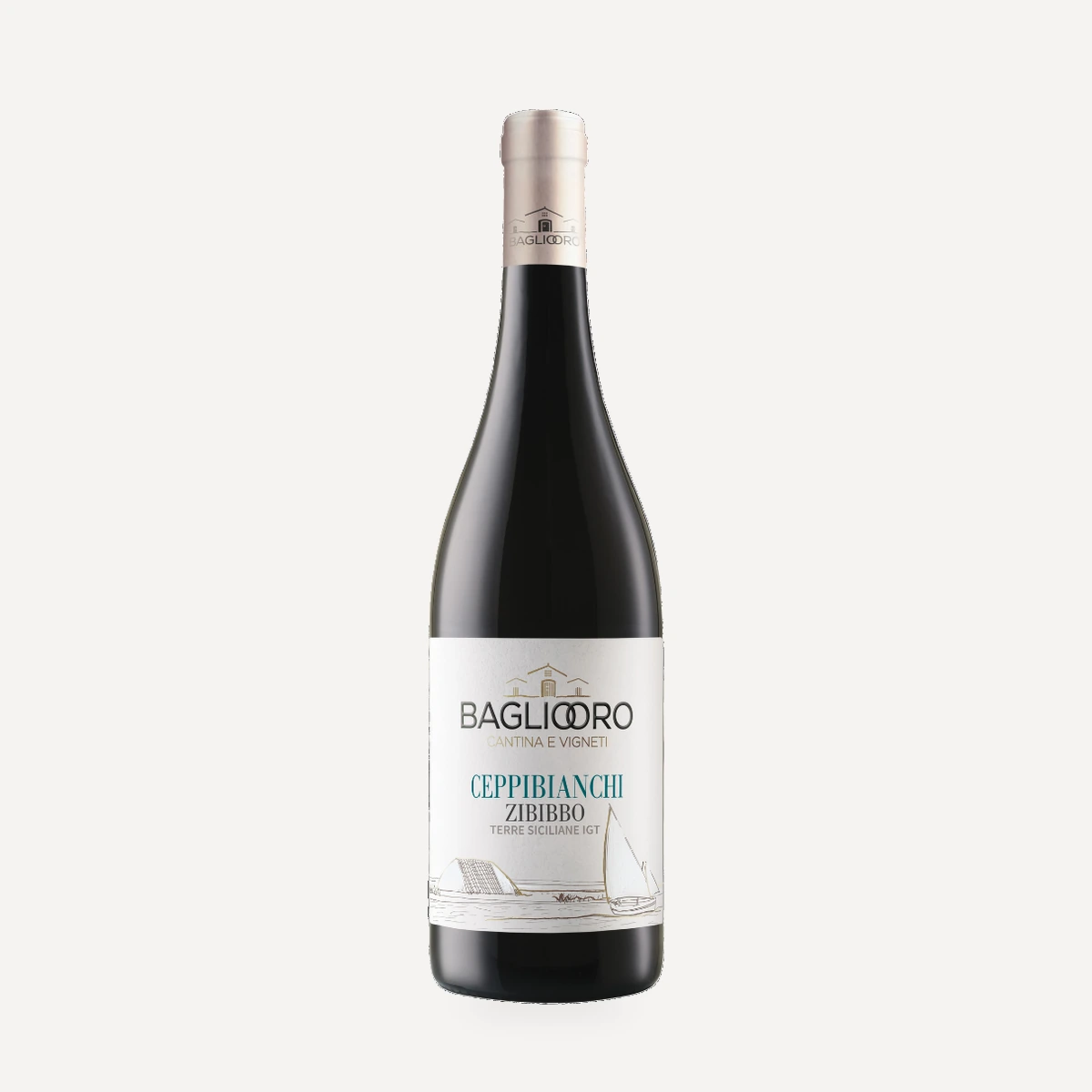
Ceppibianchi
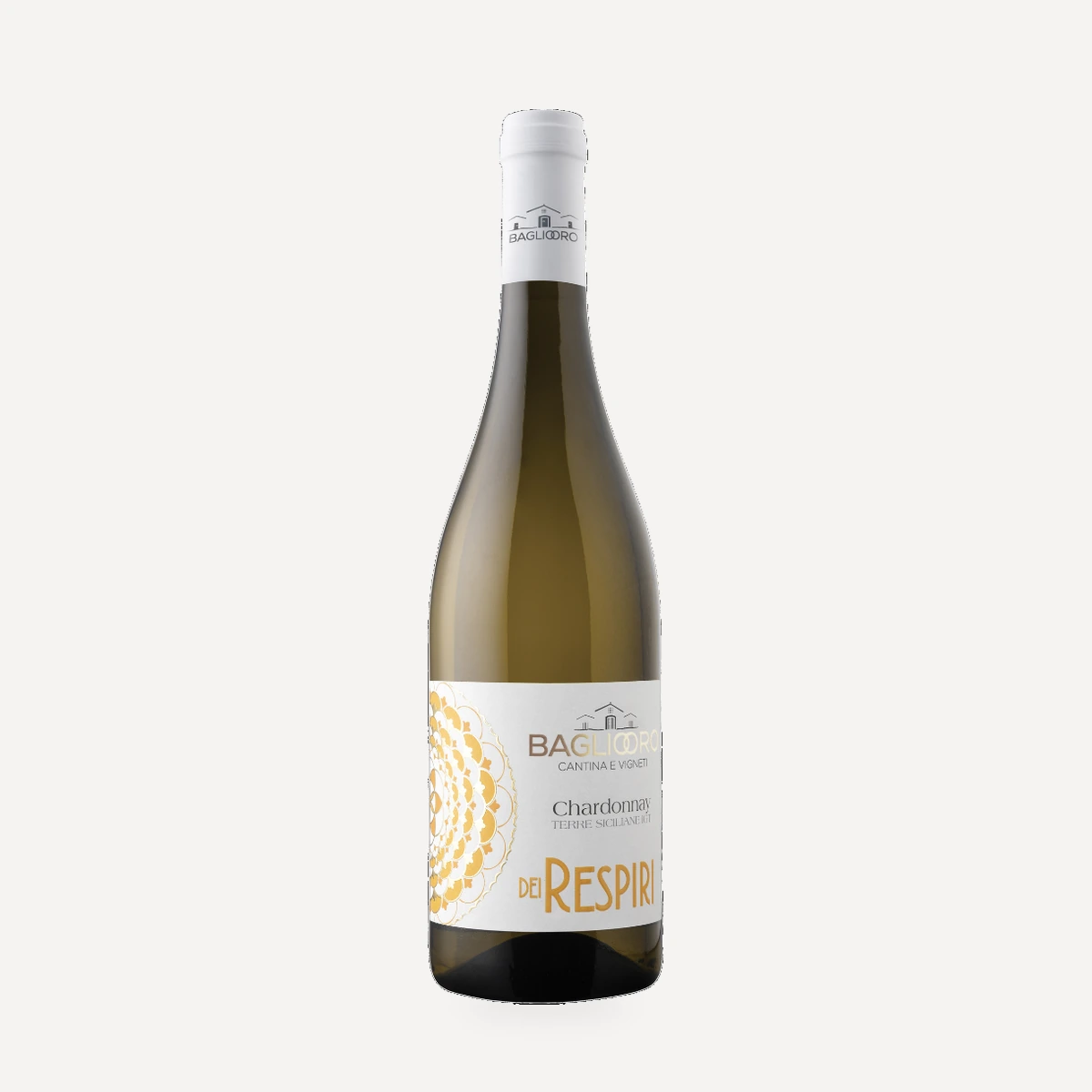
Dei Respiri Chardonnay
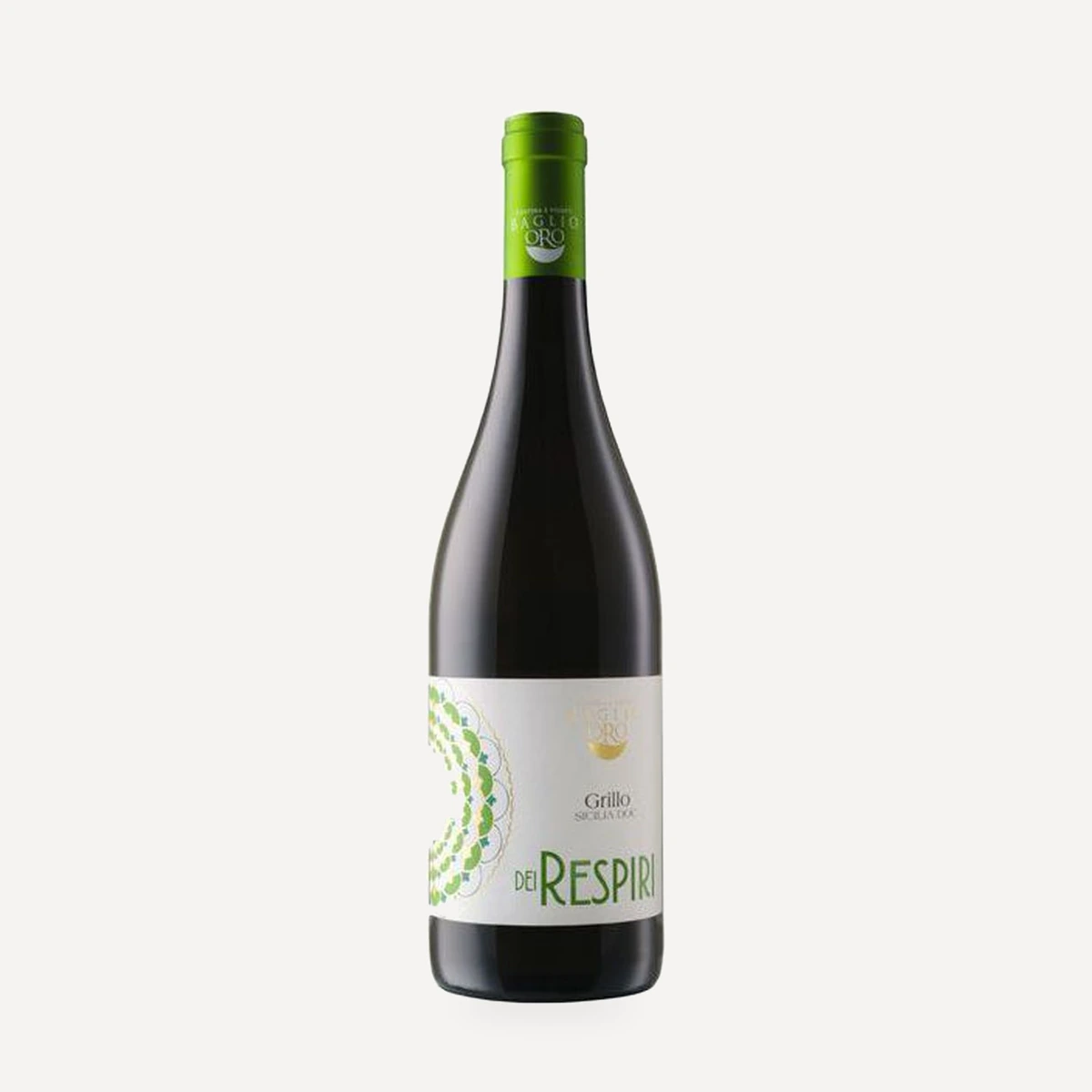
Dei Respiri Grillo
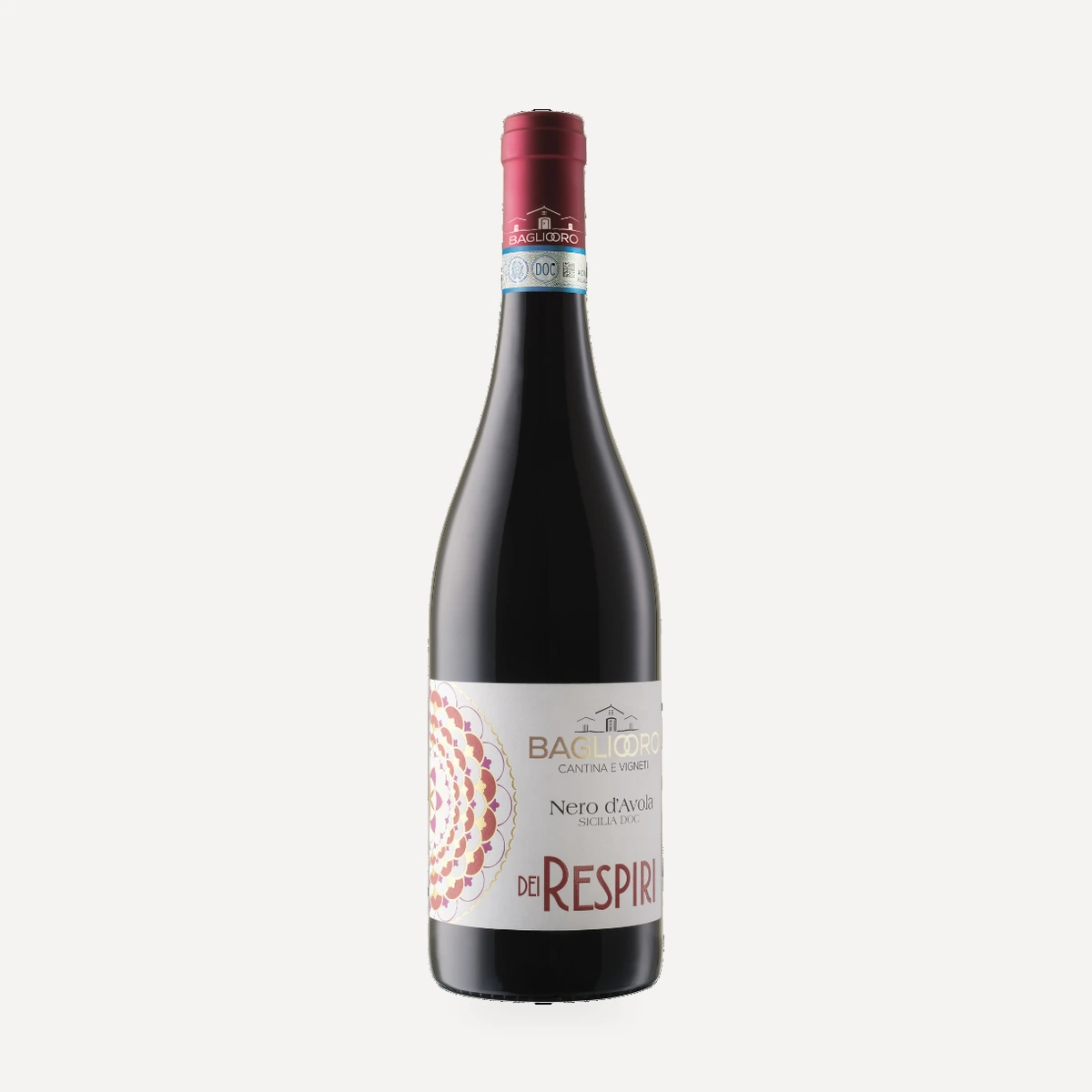
Dei Respiri Nero d’Avola
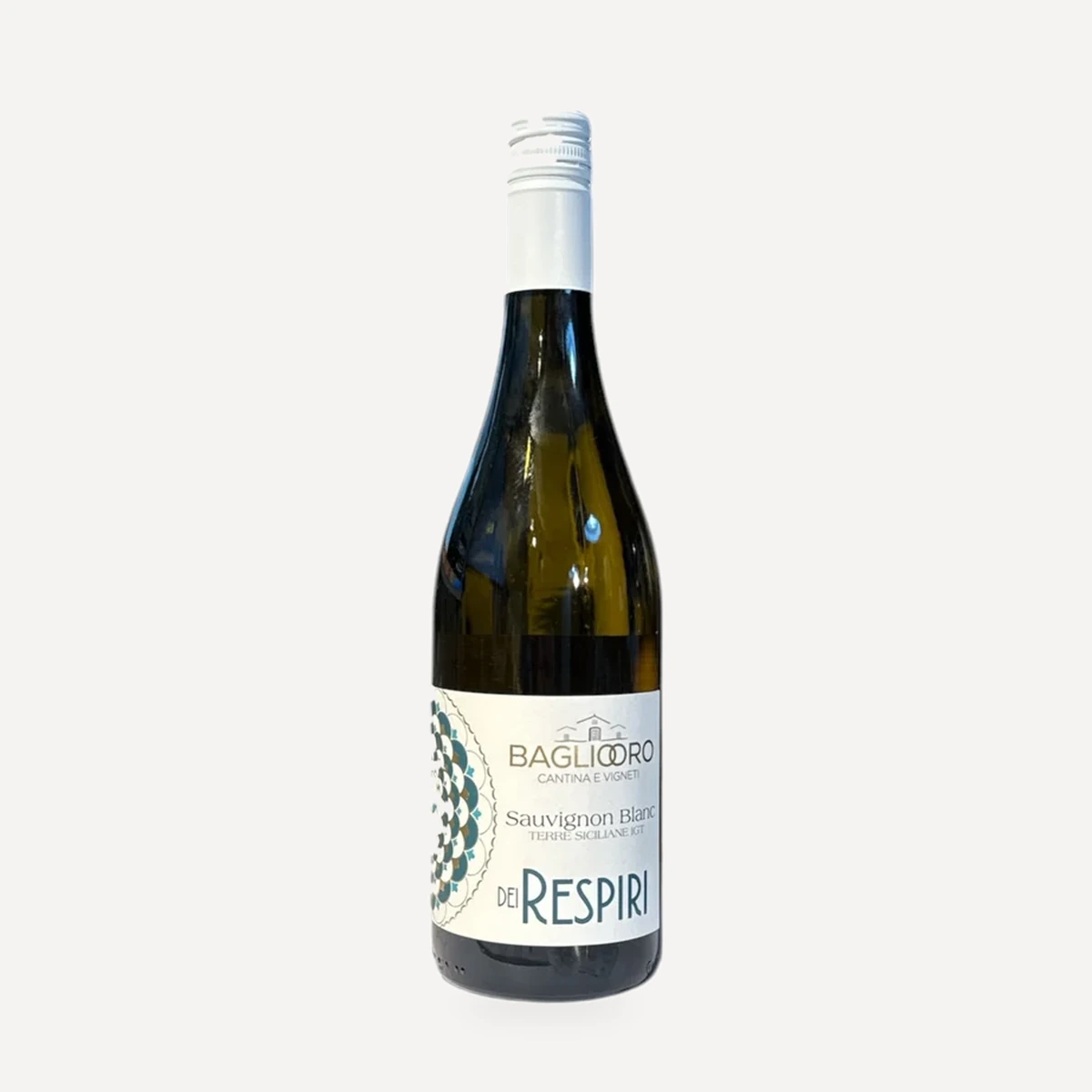
Dei Respiri Sauvignon Blanc
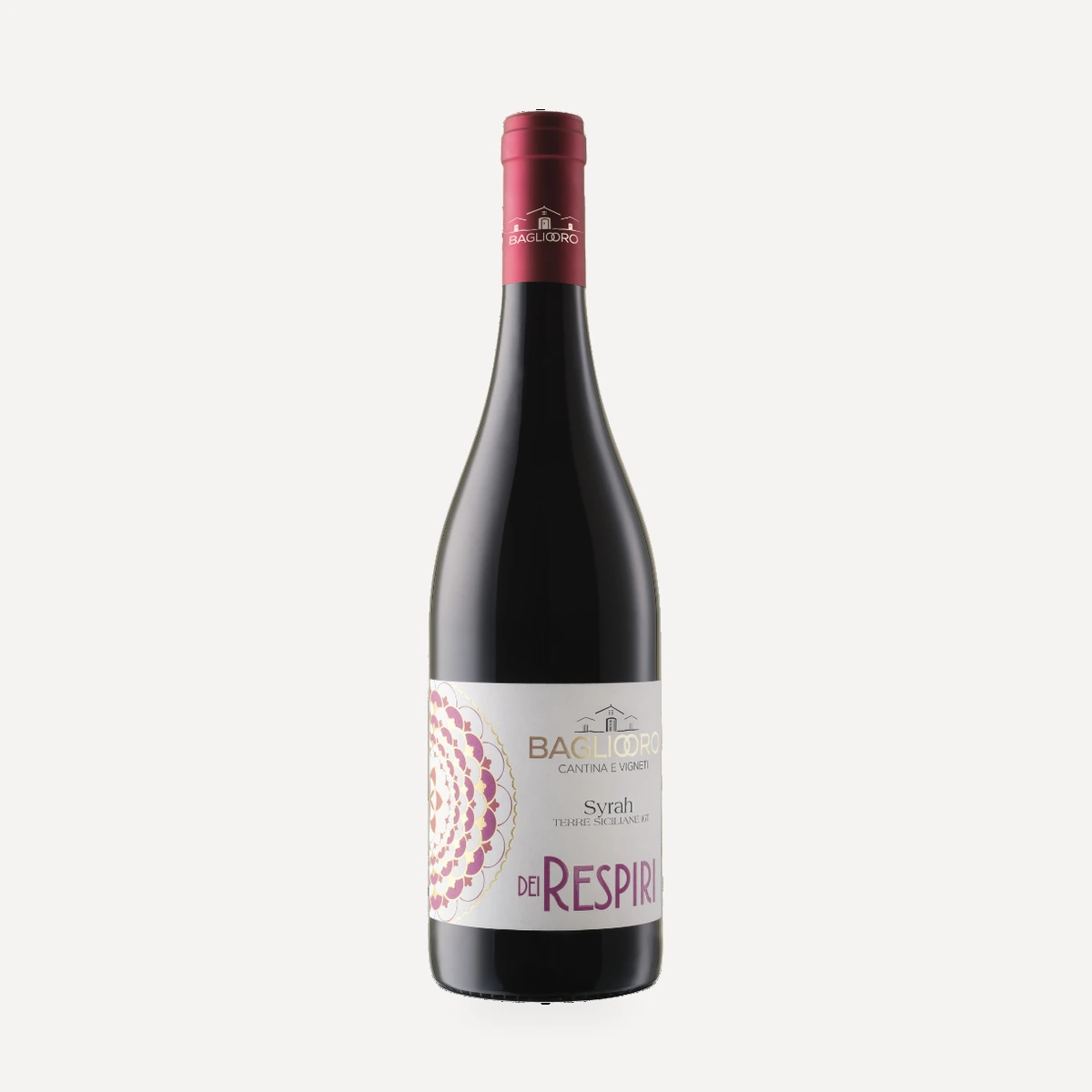
Dei Respiri Syrah
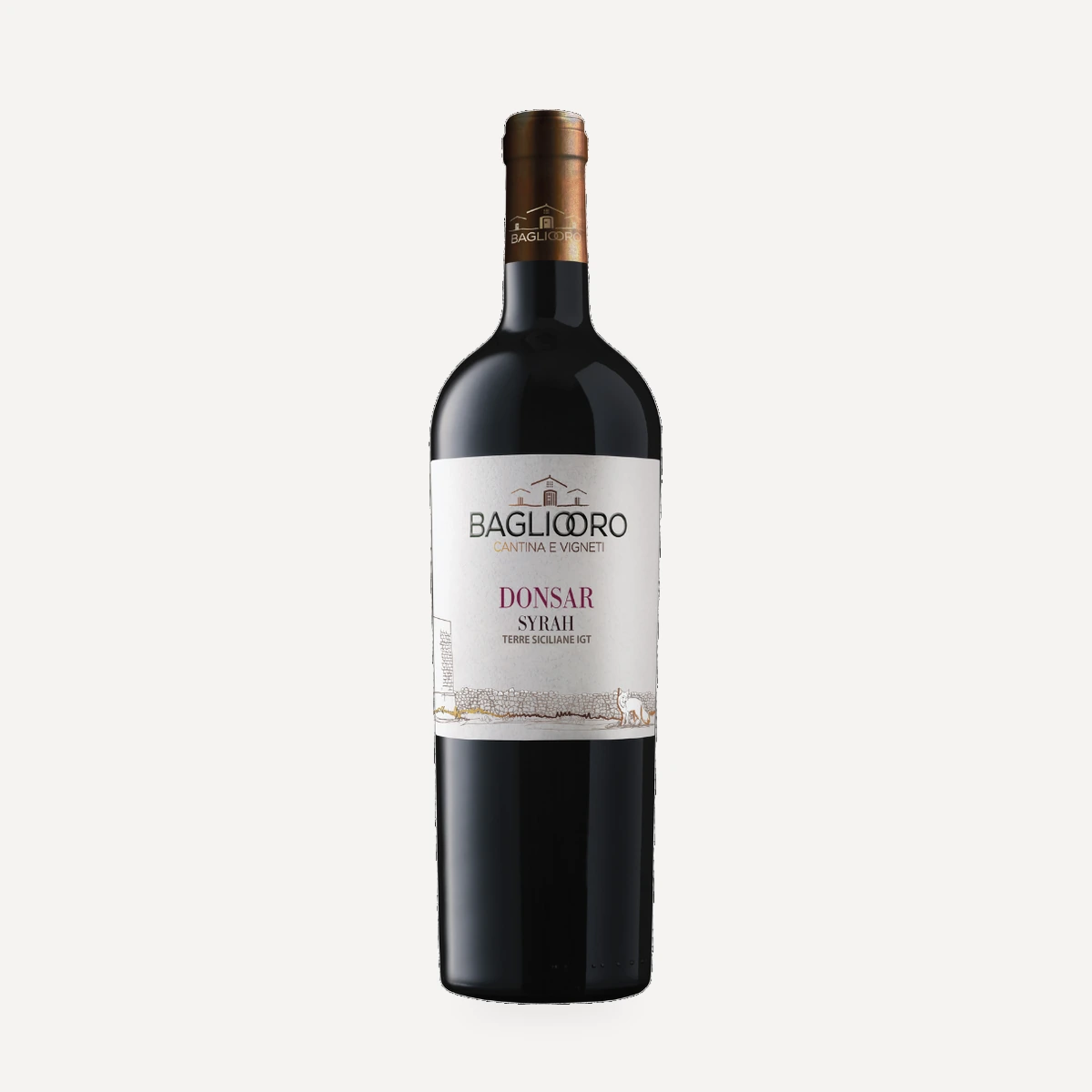
Donsar
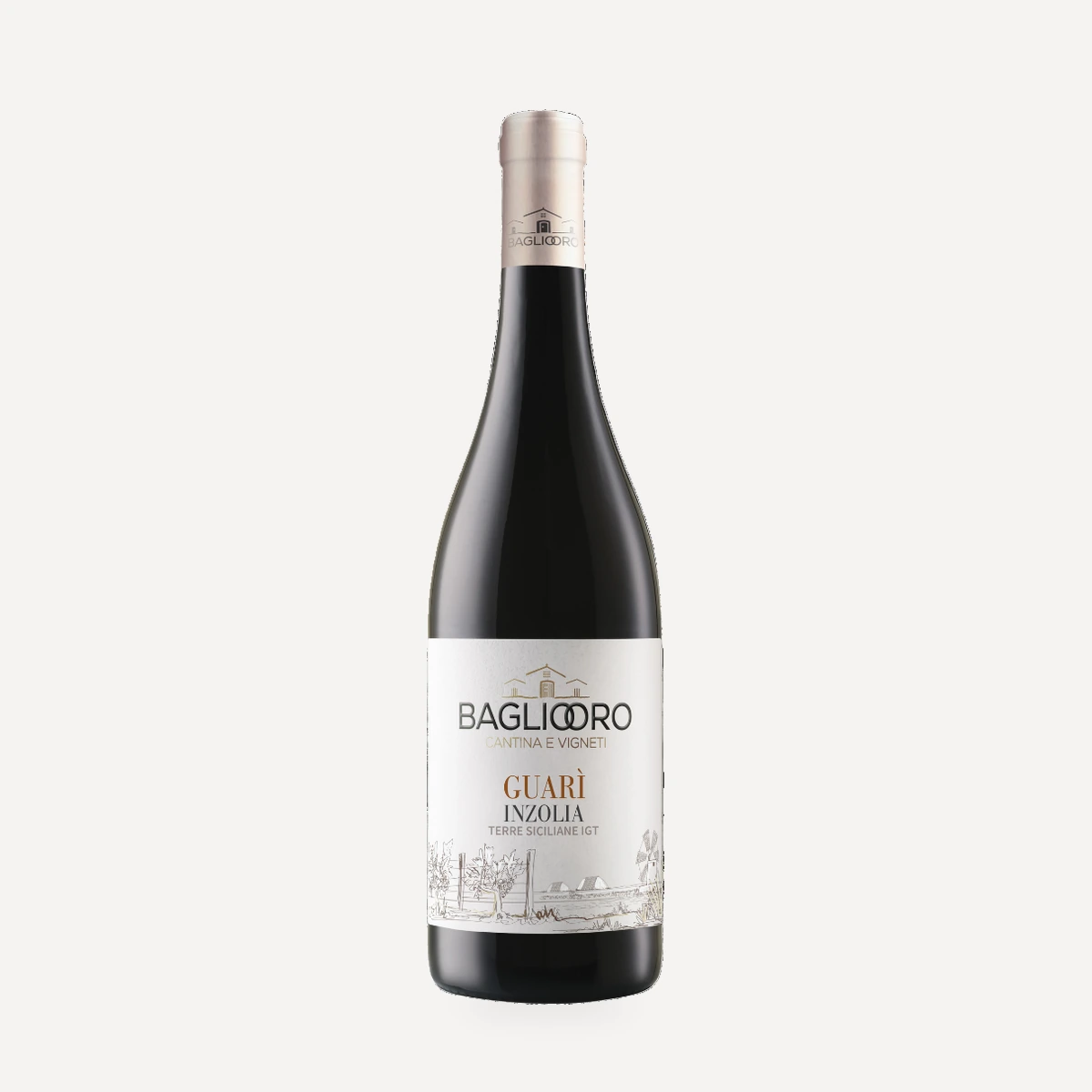
Guarì
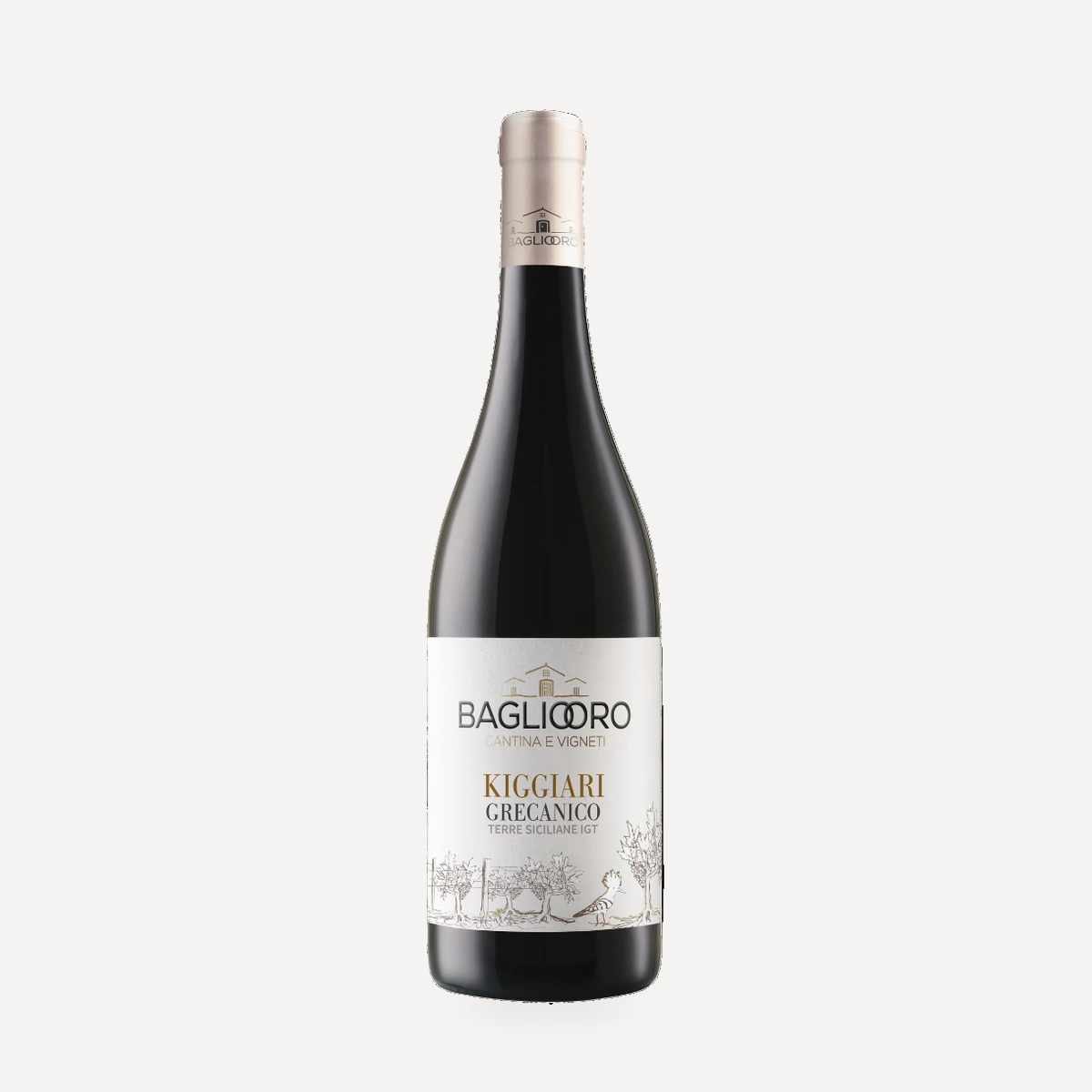
Kiggiari
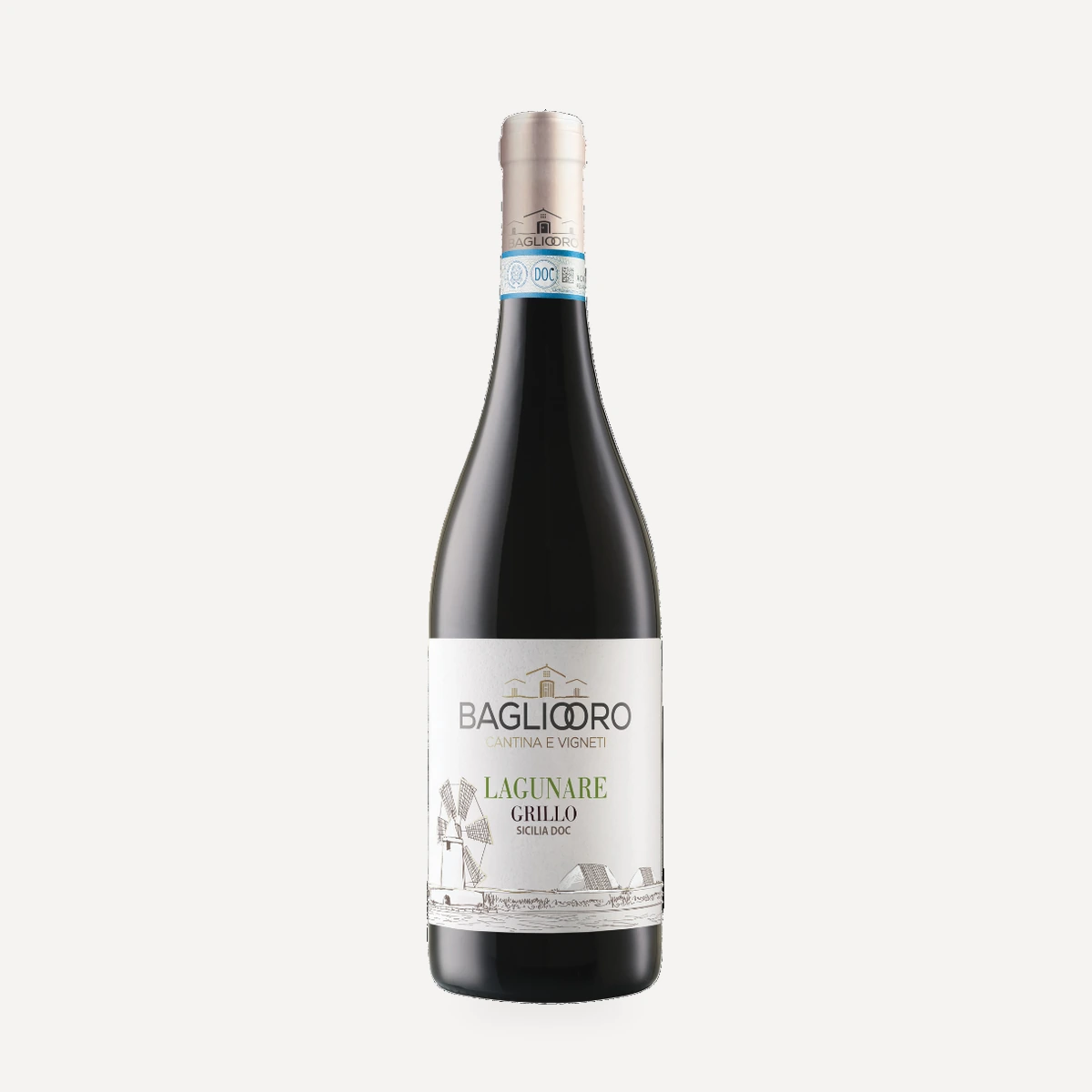
Lagunare
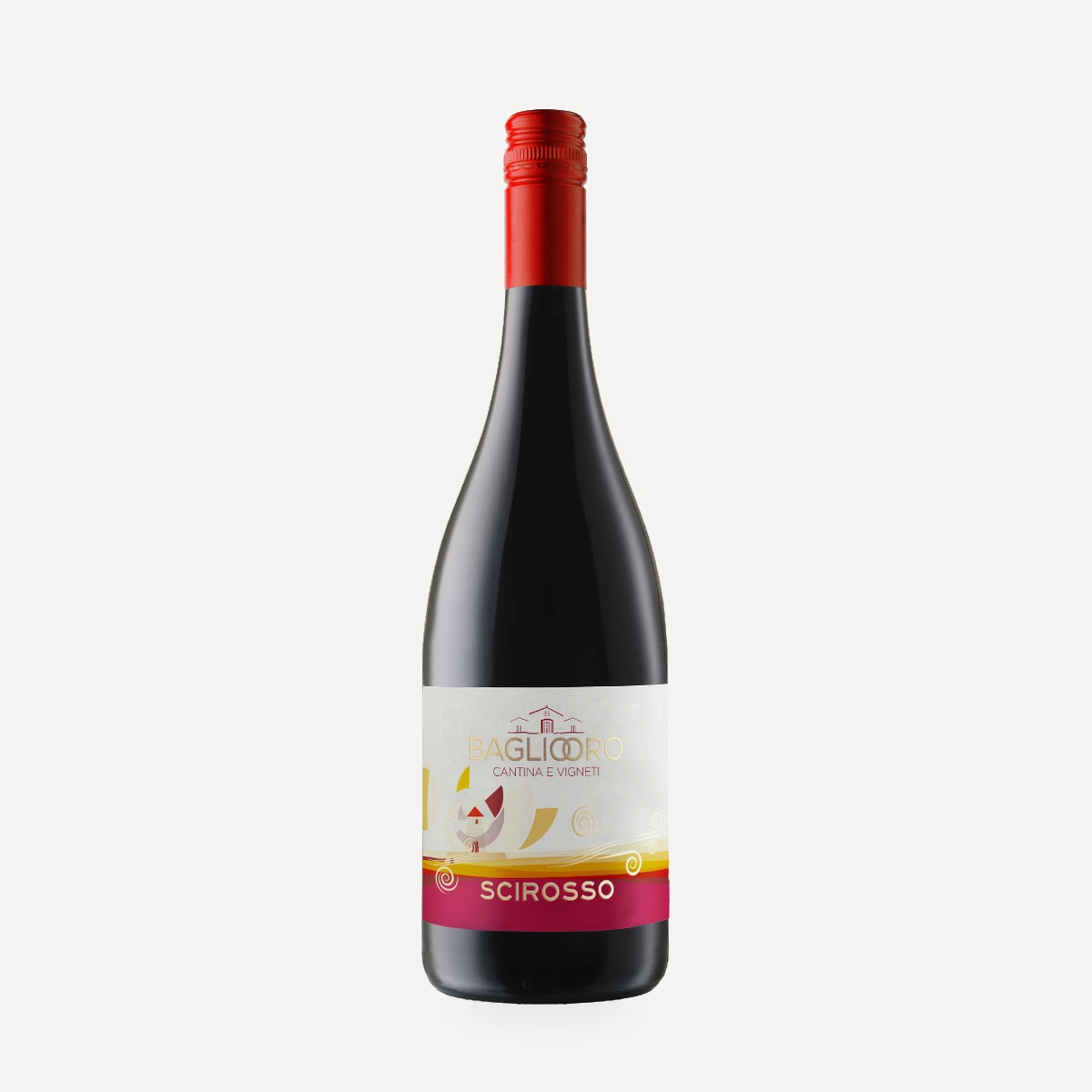
Scirosso
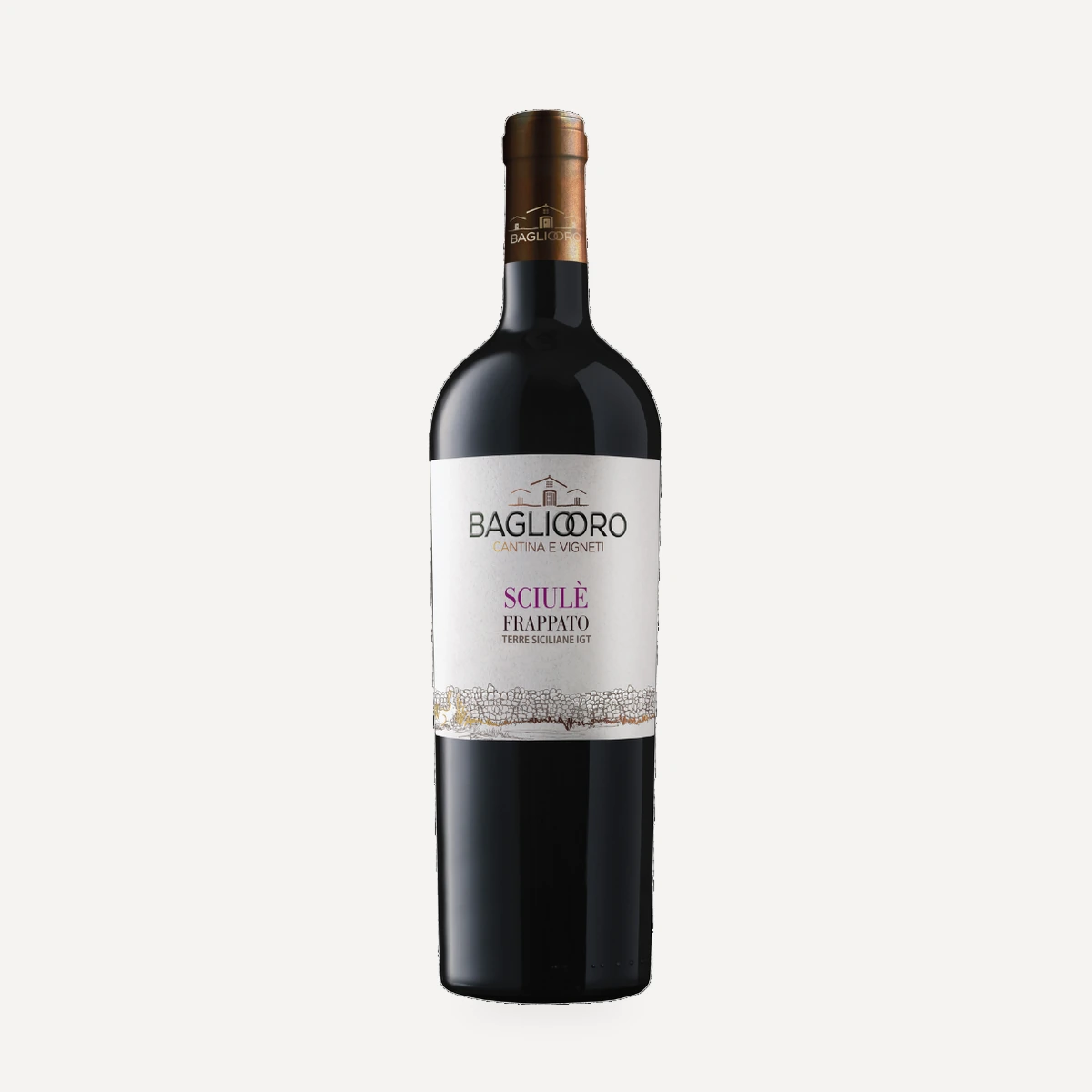
Sciulè
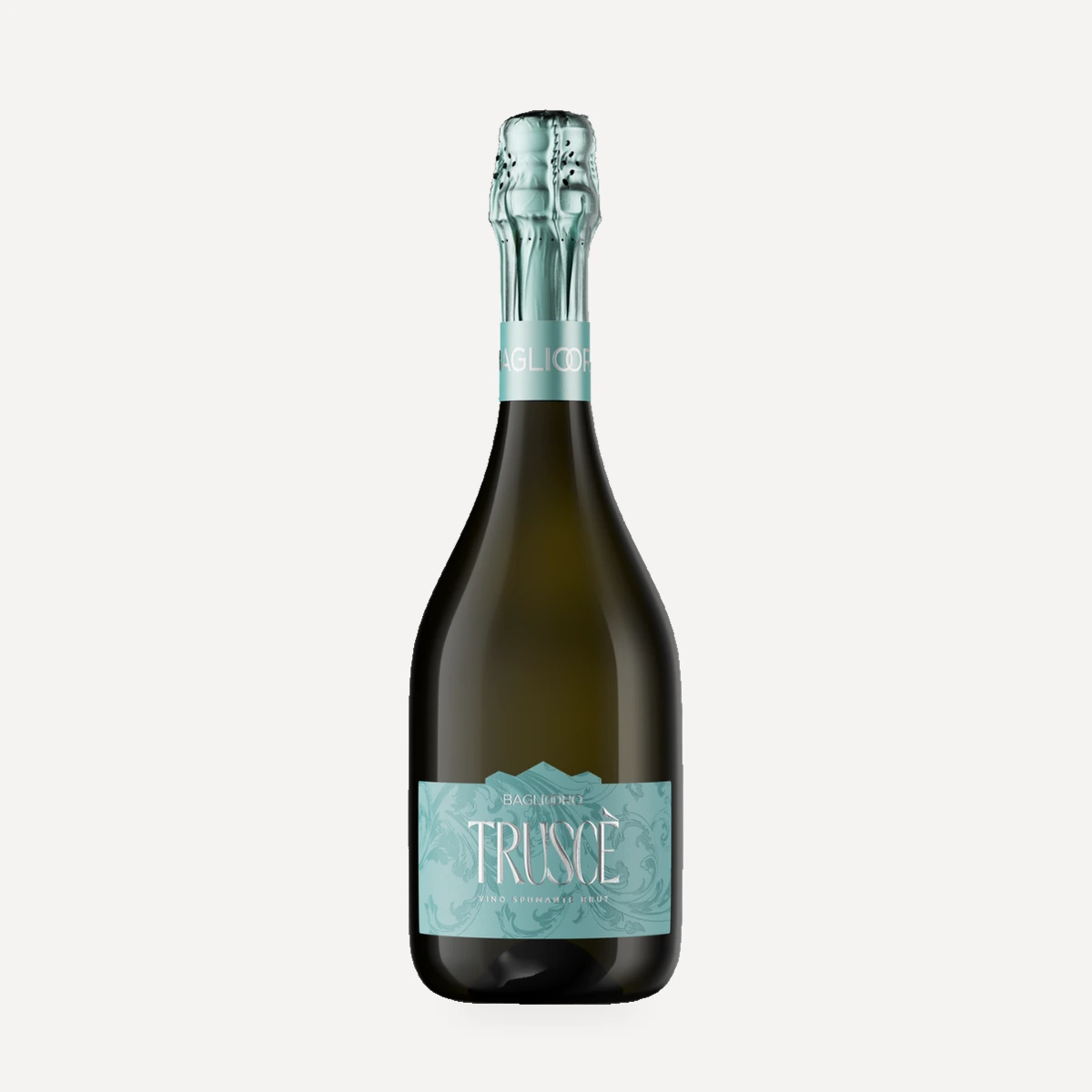
Truscè
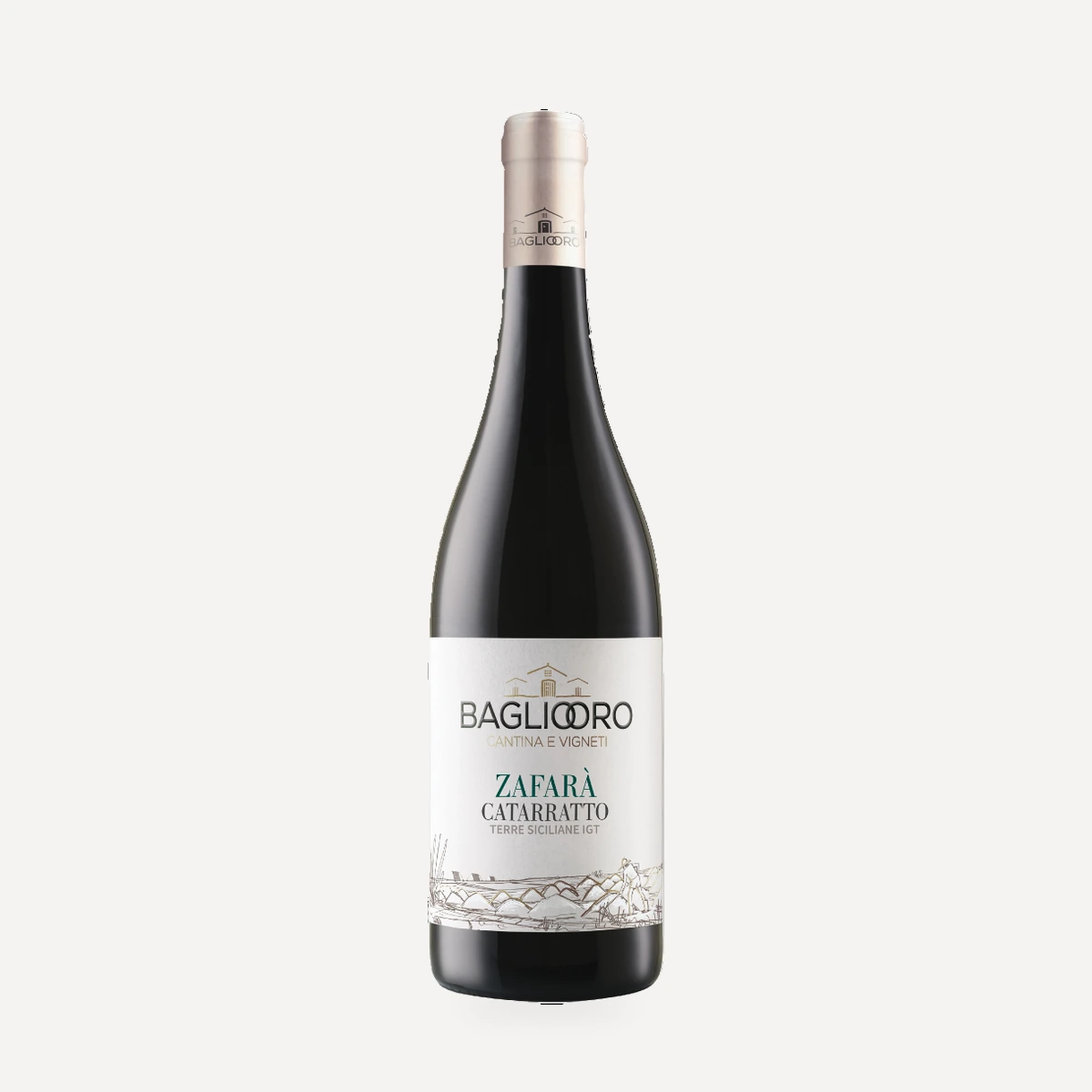
Zafarà