Storia
The historical barony
The territory around Trapani, Marsala, Erice and Salemi has long been divided among agricultural and feudal estates associated with viticulture. Vineyards in the district were already renowned for grape quality in the sixteenth century; by the first half of the nineteenth century, the feudal domains of the area included more than 15,000 ha under vine.
In 1624, during the plague in Sicily, Don Giovanni Antonio Marrocco y Orioles was Lord of Serramarrocco and Captain of Justice of Salemi. He provided the affected population with shelter and assistance; a later account preserved by the estate adds that he paid for medical care, accommodation and hot meals for hundreds of people while overseeing local ports and landing places exposed to Ottoman piracy.
King Philip IV of Spain and Sicily rewarded this service by elevating the Lordship of Serramarrocco to a barony, with the privilege described as mero e misto imperio. The king also granted Don Giovanni Antonio a Royal Domain to be held in baroniam Serrae Marrocco. The estate was already known for its extensive vineyards and the quality of grapes traditionally reserved for wines made for the Royal Court of Sicily.
Family continuity and the modern project
The family estate endured through subsequent centuries. Marco di Serramarrocco’s grandfather, identified as Barone Marrocco, served as the last aide-de-camp to King Umberto II. Marco’s father, Marcello, was a journalist and head of crime reporting at Corriere della Sera during Italy’s Years of Lead. Producing fine wine from the family land was Marcello’s ambition, but he died in 1996 at the age of 57. Marco’s paternal grandmother, Maria Carmela, had meanwhile preserved older Bordeaux-derived vines on the property and passed to him a strong conception of the relationship between humanity and nature.
Marco was born and raised in Rome and spent thirteen years abroad for his studies and professional career. His training included Trinity College, Cambridge, followed by legal studies and insurance-broking positions in London. He worked at Lloyd’s and in international insurance management, also undertaking management and business studies in New York and at Harvard. He eventually left finance to return to the family land and pursue winegrowing full time.
The modern reorganization is dated to 2001 in the current estate history. Marco consolidated the core of the former feudal holding, studied its soils and climate, and undertook a microzonation program. Approximately 22 ha within the roughly 60-ha property were replanted or reconverted as high-density vineyards. Varieties, clones, rootstocks, planting densities and training systems were selected in relation to the identified soils and mesoclimates. The restructuring reversed local conventions centered on volume: Marco pursued low yields per vine and densities reaching 9,524 vines/ha.
Cabernet Sauvignon and Cabernet Franc material connected with the Bordeaux collection preserved on the estate was recovered, while further Cabernet clones from the Pauillac area were planted. The native program added or renewed Pignatello, Nero d’Avola, Grillo and Zibibbo, alongside other native grapes cultivated experimentally.
First releases and vineyard recognition
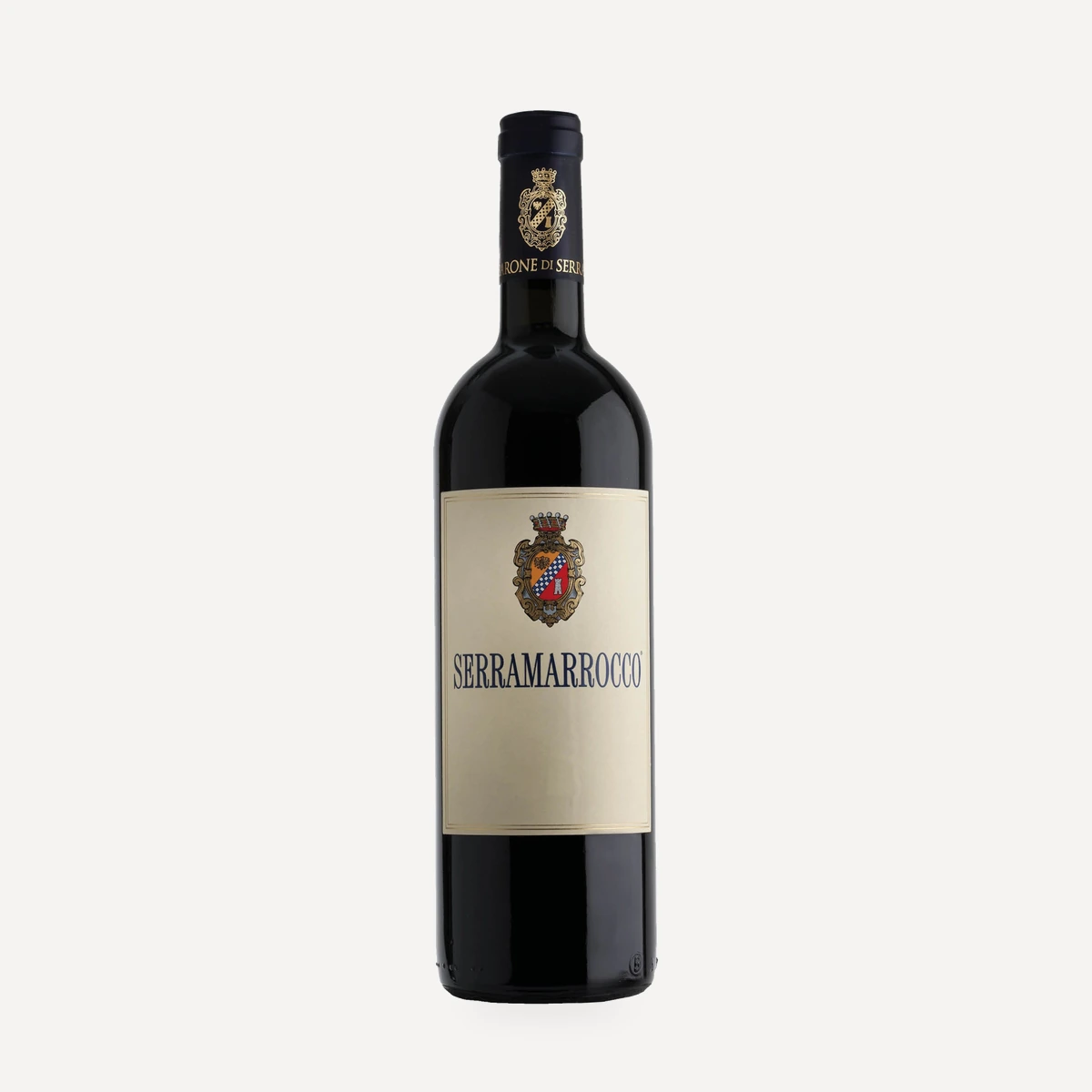
The first harvest of Serramarrocco, the Cabernet-based blend, was 2001. Its first bottling took place on 8 July 2003. On the night before bottling, Marco found a booklet in his father’s library entitled Consigli sul metodo di coltivazione della vite. It contained a dedication expressing Marcello’s hope of fulfilling his dream of becoming a winegrower. Marco discovered that he was then exactly the same age as his father had been when the dedication was written: 35 years, six months and one day.
The first harvest of Nero di Serramarrocco followed in 2002. Baglio di Serramarrocco and the Grillo bottling began with the 2003 harvest, Barone di Serramarrocco with 2006, and dry Zibibbo from Vigna delle Quojane with 2009. Enologist Nicola Centonze participated in the 2009 decision to bottle the dry Zibibbo. Sammarcello was introduced with the 2015 harvest.
On 2 July 2013, Sicilian regional decree D.D.G. No. 3198 protected the estate terroir under the name Vigna di Serramarrocco. It became the first individually recognized vineyard of Erice DOC/PDO and the first such recognition in the Province of Trapani. The designation encompasses six estate crus: Vigna del Capitano, Vigna Sammarcello, Vigna Sammichele, Vigna delle Quojane, Vigna Sakkara and Vigna del Baglio.
A severe late-summer flood in 2013 damaged the crop sufficiently that no Serramarrocco vintage was produced that year. The estate nevertheless continued its high-density, low-yield program, combining the recovered Bordeaux material with native Sicilian varieties and vinifying each vineyard separately.
Terroir
The estate lies near Fulgatore in the Province of Trapani, on the western side of Sicily at the foothills of Mount Erice and along the Erice wine route. Its hillside landscape combines sloping vineyard parcels with wooded areas. The vineyards stand mostly between 325 and 345 m, while the estate-wide description gives an average altitude of approximately 350 m.
The position is exposed to persistent maritime breezes and winds from the direction of the Egadi Islands. The resulting maritime microclimate is marked by substantial differences between daytime and nighttime temperatures. Vigna delle Quojane is particularly associated with this combination of wind and thermal variation. The vineyards look toward the Egadi Islands and the wooded Montagna Grande; the temple and amphitheatre of Segesta are about 6 km away.
Estate soils are heterogeneous but broadly clay-rich and calcareous. Clay and calcareous sandstone occur with marly limestone, while the vineyard-wide profile is described as medium-textured calcareous-clayey silt rich in coarse material, scattered gravel and stones. The land was covered by the sea in the distant geological past. Marine-derived soils and fossils—including shells and seahorses—are associated with mineral microelements available to the vines. Vigna Sakkara is specifically rich in potassium, calcium and magnesium.
Microzonation mapped the environmental variation created by morphology, exposure, elevation and soil composition. This study guided the placement of varieties, clones and rootstocks and confirmed that several historically favored areas were particularly well suited to the varieties replanted there. At the top of the serra, the ruins of the seventeenth-century Baglio di Serramarrocco overlook the vineyards and the Egadi Islands.
Vinificazione
Viticulture is organized around high planting density, low yield per vine and adaptation of each variety to the soil and mesoclimate of its cru. Density ranges from 6,250 to 9,524 vines/ha. The close spacing creates deliberate root competition: roots meet laterally and are driven deeper through the stony, marine-origin soils in search of nutrients. This approach also limits the space available to machinery, reinforcing the estate’s reliance on manual work.
Soil fertility is maintained exclusively with organic compost. Mechanical cultivation is used beneath the rows, without herbicides. When crop protection is necessary, biological treatments are combined with products selected for low environmental impact. No organic or biodynamic certification is identified.
The vegetative cycle and ripening are monitored throughout the season. Green pruning removes surplus production and provides an initial qualitative selection. Phenolic development is followed for both quantity and extractability.
Harvesting takes place from the final days of August through the second half of September, depending on parcel and variety. All grapes are cut by hand with scissors and placed in boxes or harvesting containers. The estate describes two successive selection passes: experienced older workers first conduct a “negative harvest,” removing or excluding bunches that should not enter the cellar; younger pickers then collect the retained fruit. A further selection takes place at the winery before vinification.
The production process is designed to preserve the physical integrity and phenolic potential of the fruit. After the hand harvest and cellar selection, grapes are gently destemmed to avoid tearing stalks and seeds or damaging skins and polyphenols.
Each vineyard is vinified separately. Fermentation takes place in temperature-controlled stainless-steel tanks. Red grapes receive extended skin maceration, generally at 26–28°C, to extract tannins, color and anthocyanins for stability and ageing capacity. Frequent pump-overs support extraction during alcoholic fermentation, while délestage introduces measured oxygen and assists the extraction and integration of tannins and anthocyanins.
Malolactic fermentation follows alcoholic fermentation. The general protocol maintains the wine near 20°C in temperature-conditioned tanks; individual production protocols also use concrete vats for alcoholic and malolactic fermentation. White grapes are fermented under temperature control at approximately 14–16°C.
Wines from Vigna del Capitano, Sammarcello, Sammichele and Sakkara may mature in medium-toasted Tronçais oak from the Allier forest. Depending on the selection, the estate uses first- and second-fill vessels of 300 or 500 L for periods from 6 to 18 months. This stage provides gradual micro-oxygenation, encouraging tannin polymerization and the stabilization of anthocyanins and color while retaining the fruit’s original character. Other selections remain in steel or concrete and proceed to bottle maturation.
Filtration is not automatic. When required, it is carried out with restraint to preserve structural complexity. Bottle maturation varies by selection and follows the cellar stage.
Filosofia
Barone di Serramarrocco’s guiding objective is to preserve the integrity of the grapes and translate the distinct identity of each cru into wine. Microzonation, variety and clone selection, high planting density, low yield, separate vinification and restrained filtration form a single site-focused approach.
Marco di Serramarrocco explicitly contrasts his project with a production culture centered on volume. His aim is quality through healthy competition between vines rather than stress for its own sake. In his formulation, the vineyard should “rejoice,” not suffer: close root spacing encourages the plants to explore deeper layers of the marine-derived soil while low yields concentrate each vine’s contribution.
The estate combines family continuity with deliberate restructuring. Preserved Bordeaux-derived material and methods inspired by Bordeaux coexist with Pignatello, Nero d’Avola, Grillo, Zibibbo and experimental native varieties. Technology is used for temperature control, gentle handling and phenolic monitoring, while vineyard selection and harvest remain dependent on experienced manual labor.
The family narrative is also central. The modern project resumes Marcello’s unfulfilled ambition to become a winegrower, Maria Carmela’s respect for the natural world and the agricultural history attached to the barony. Environmental measures—organic compost, no herbicides, mechanical soil management and low-impact crop protection—support the wider aim of preserving the land and fruit rather than functioning as a separate marketing claim.
Vini
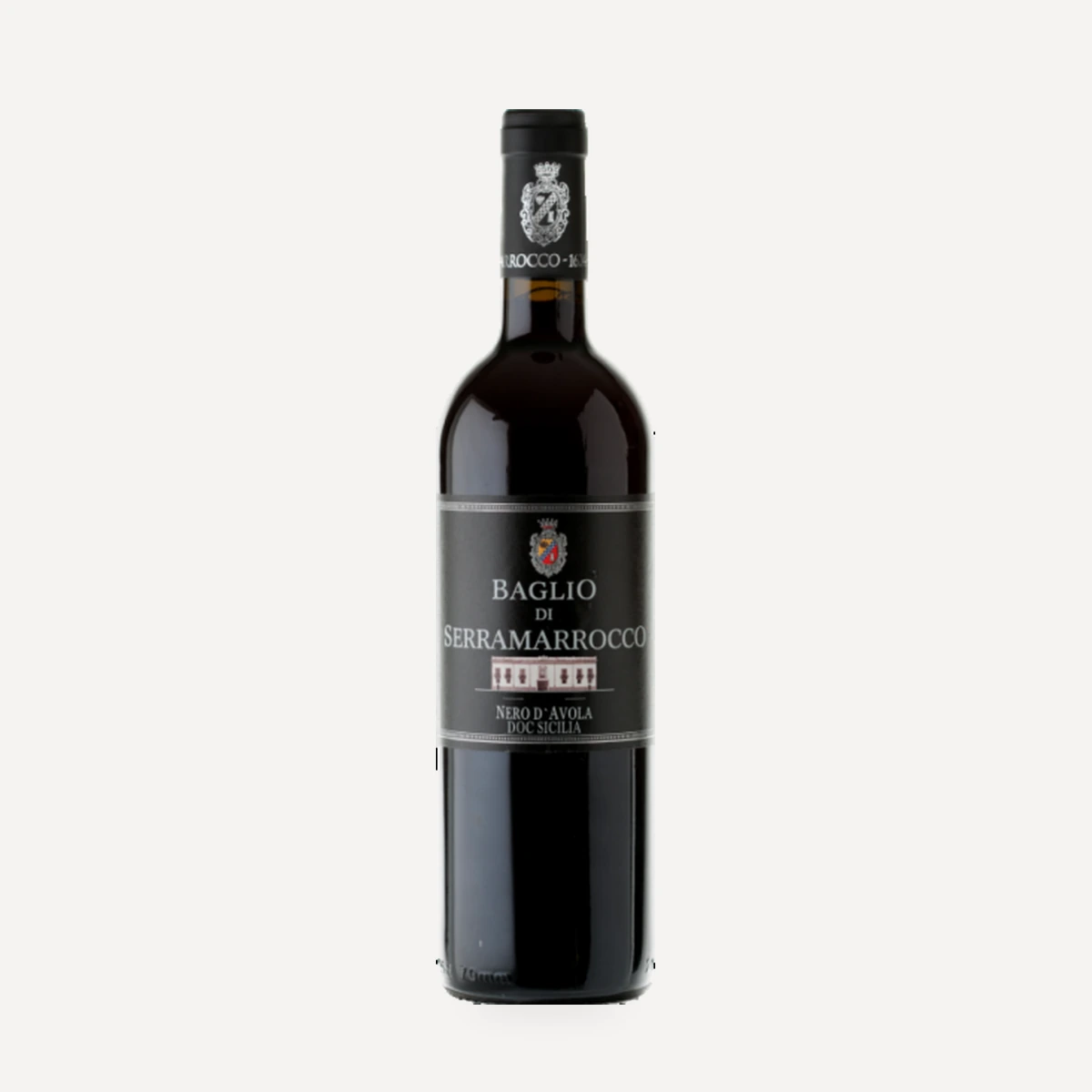
Baglio di Serramarrocco
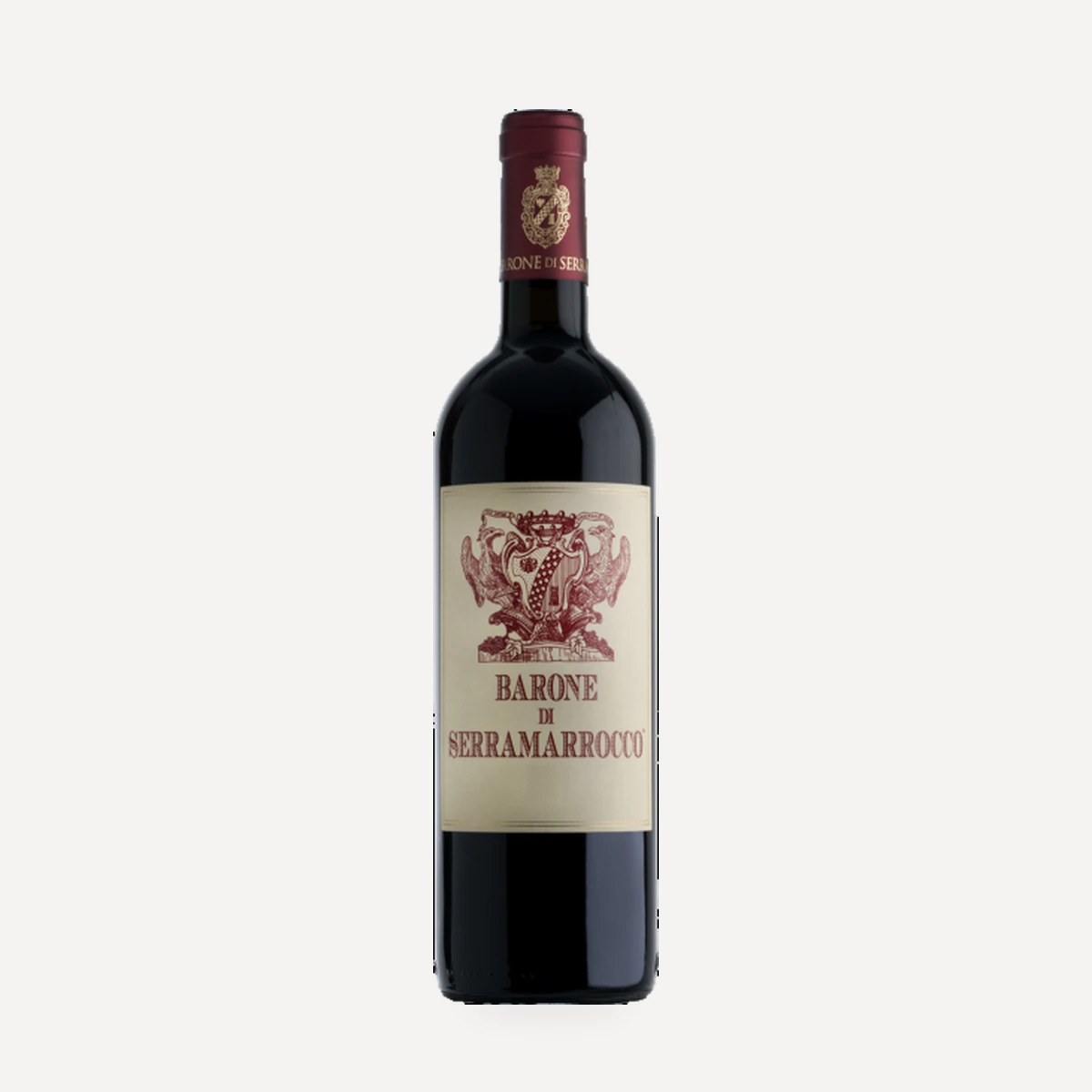
Barone di Serramarrocco
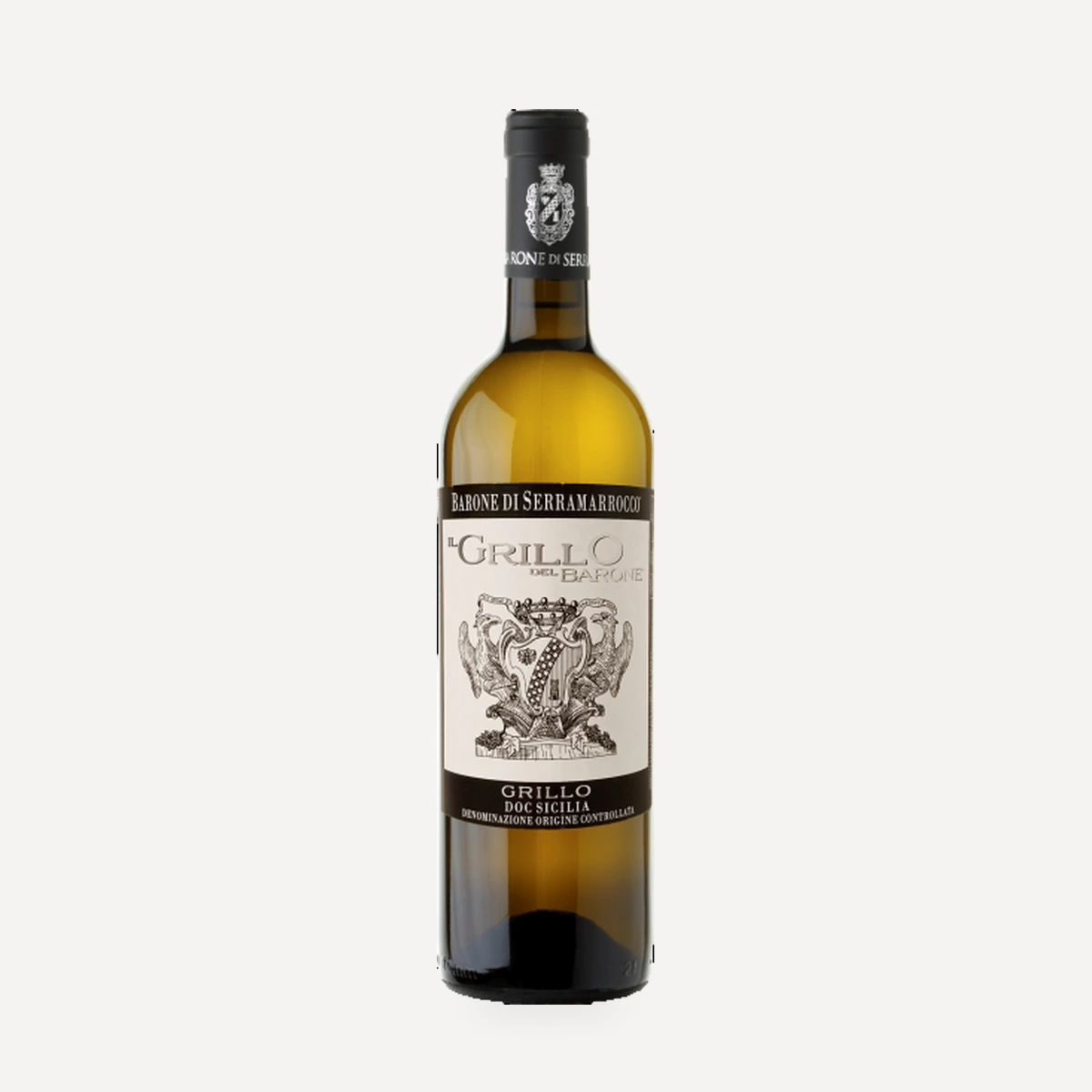
Grillo del Barone
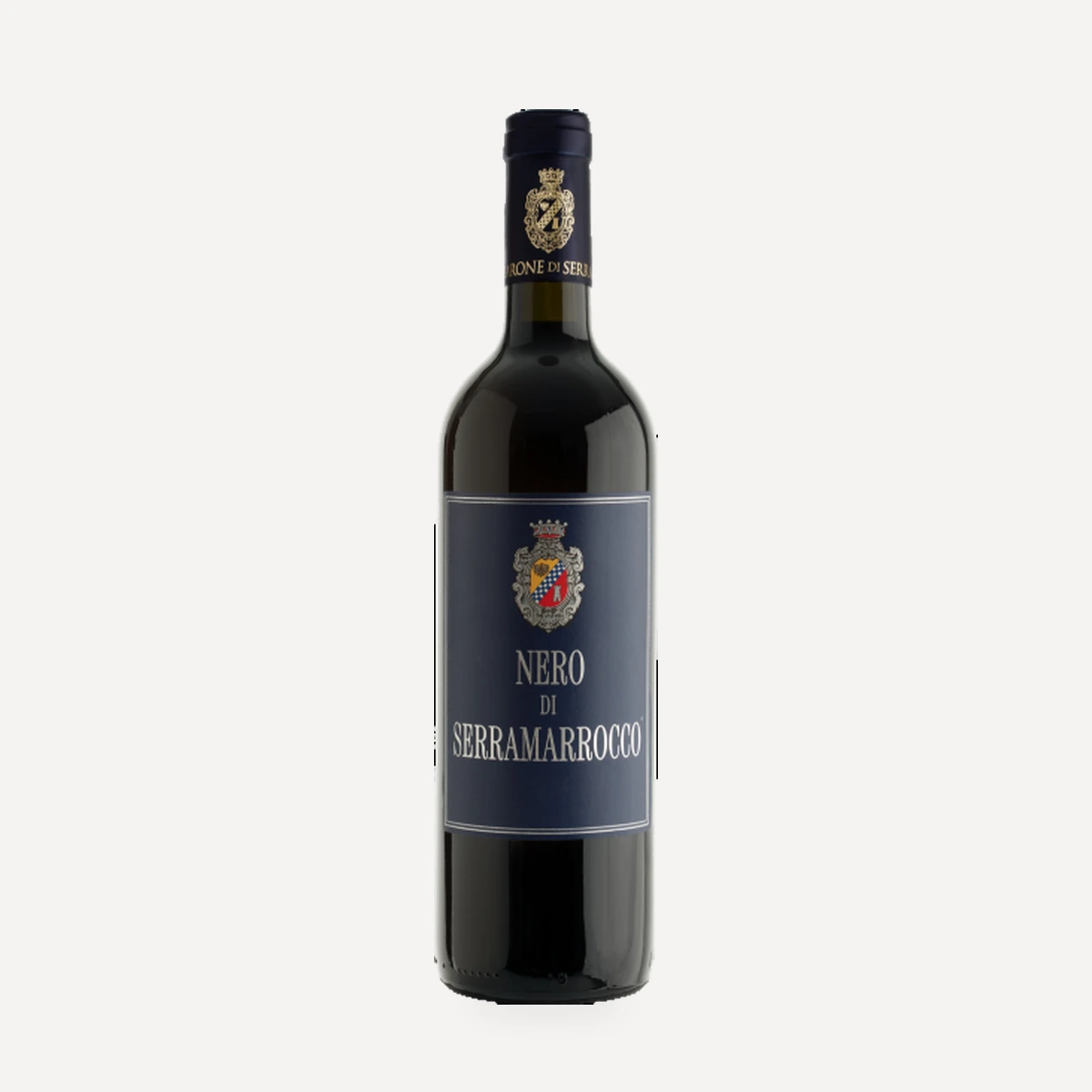
Nero di Serramarrocco
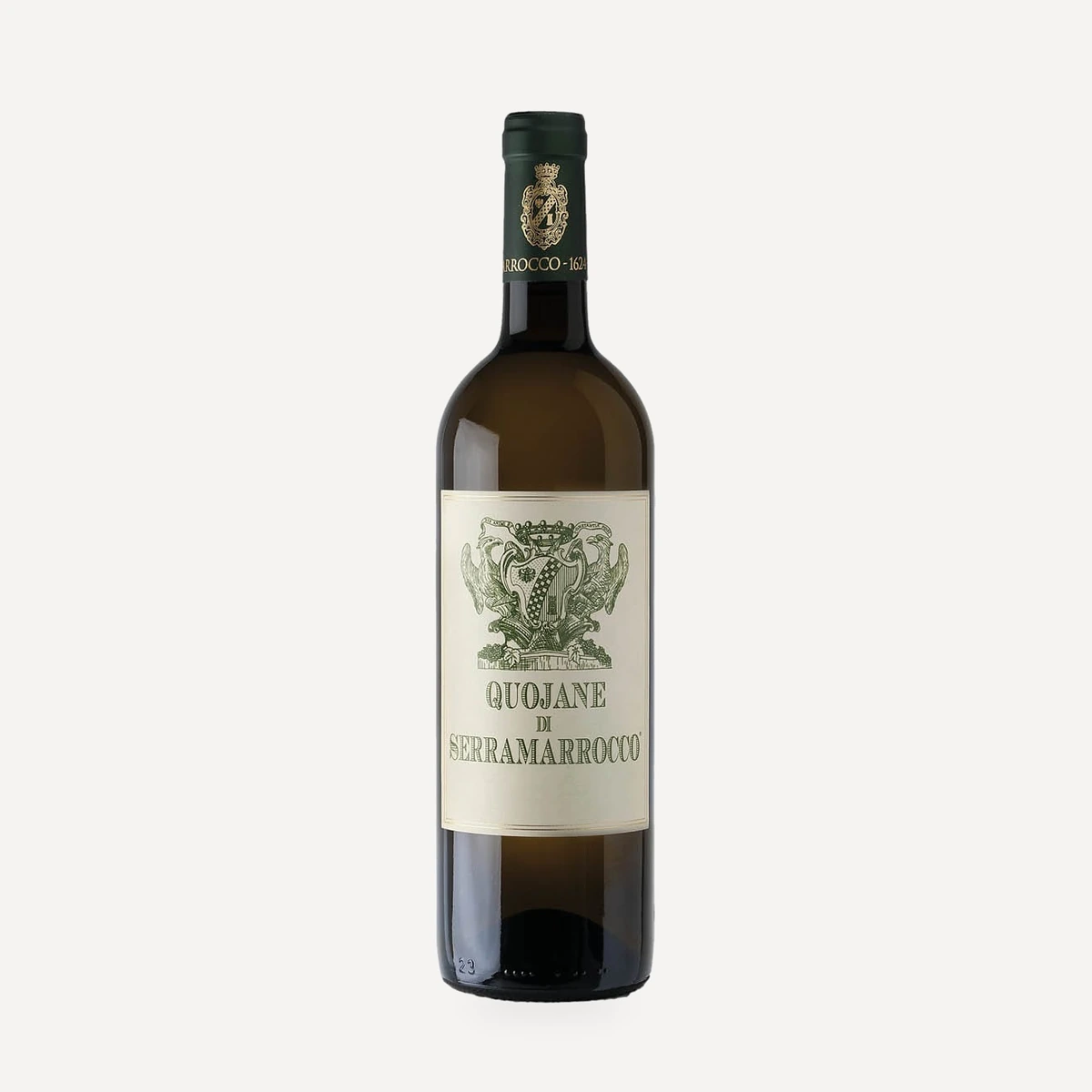
Quojane di Serramarrocco
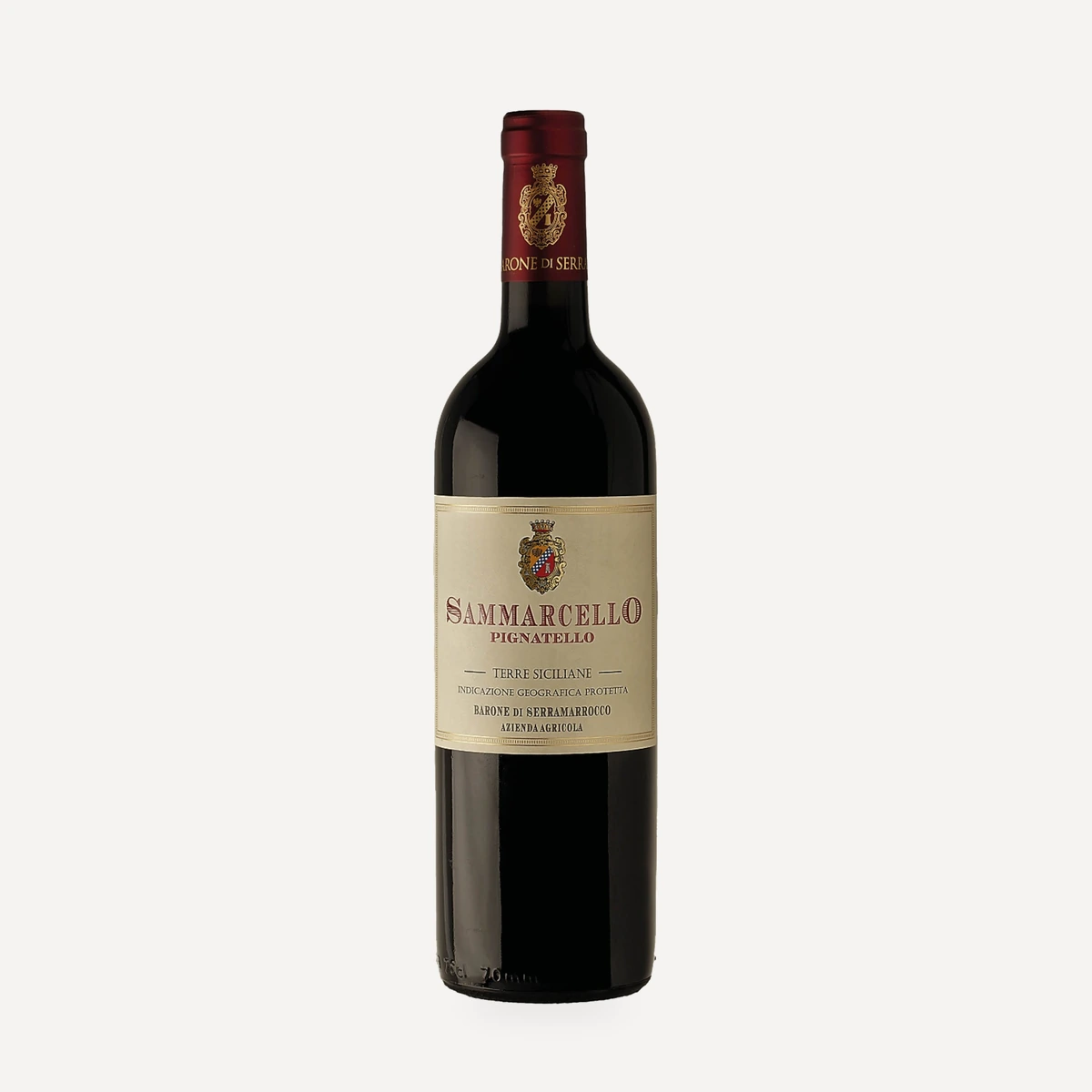
Sammarcello