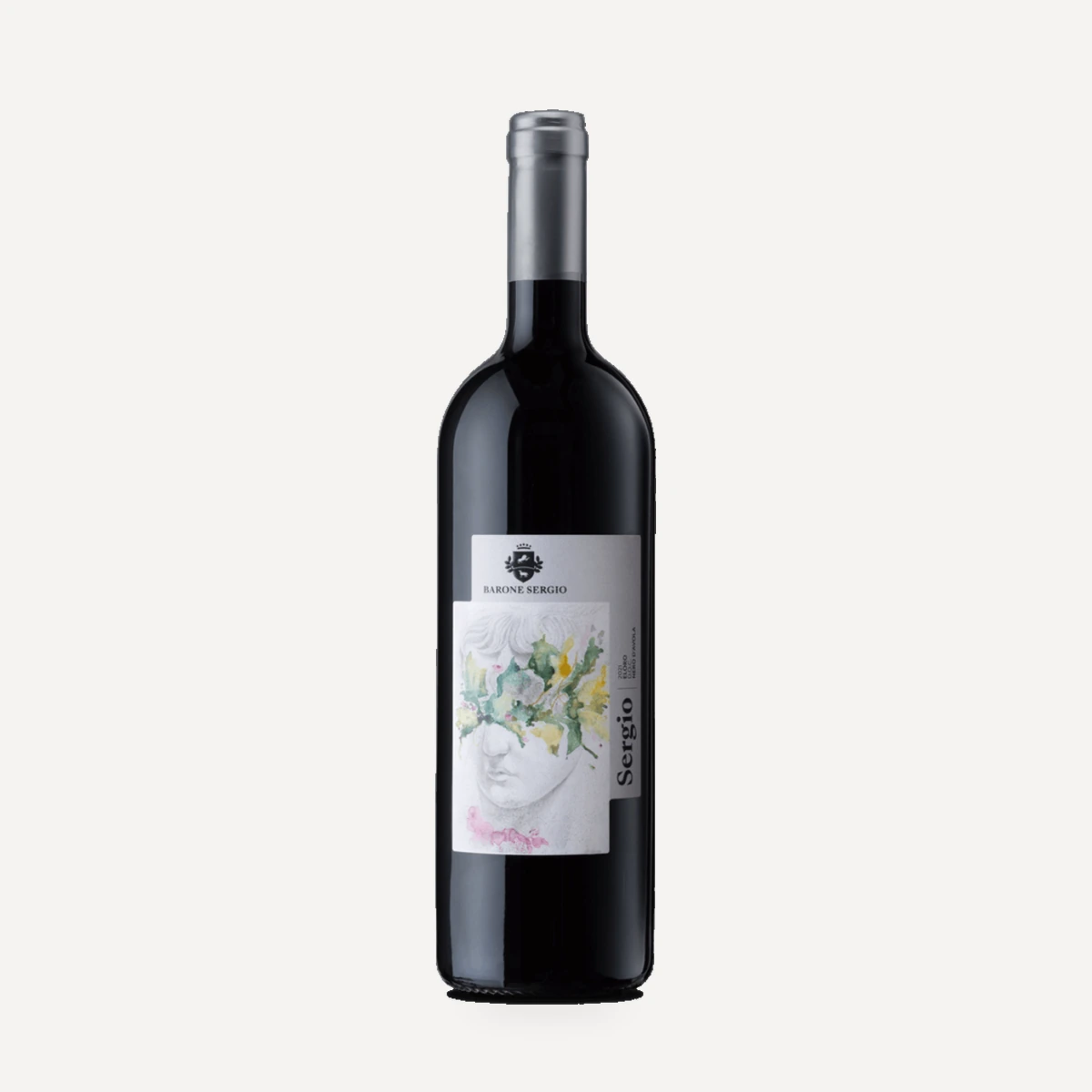
Storia
More than three centuries of family stewardship
Barone Sergio is a historic family estate whose land has remained part of the family story for more than 300 years. The family is now in its sixth generation of management. Nineteenth-century documents discovered by the family have helped reconstruct parts of this history, while stories, earlier decisions and films left by Luigi—the grandfather of the present generation—preserve the connection between the family, the estate and the wider Pachino area.
Luigi is remembered for his attachment to the land, its people and local life. He also acquired a small coastal property as a place of rest; now known as Acqua delle Colombe, it lies about five minutes from both Marzamemi and Portopalo.
Giovanni and the sixth generation
Giovanni has directed the estate for years, with a close personal knowledge of its 130 hectares and a strong focus on the quality of everything carrying the family name. His daughters, Luigia and Angela, represent the sixth generation and describe the present transition as a continuing exchange between youthful experimentation and accumulated practical experience.
Luigia returned to Sicily after working at an advertising agency. By November 2024, she had been back for four years and was learning the business from the ground up while bringing an individual, exploratory outlook. Angela previously practised law and pursued an academic career in air law. She found her place in the estate when her initiatives converged with those of her sister; her work includes logistics, physical estate work and long-distance travel connected with the business.
Revival of Lucignola
In 2018, the family decided to recover Lucignola, a surviving Sicilian relic variety formerly found alongside varieties such as Inzolia nera and Orisi. One hectare was planted at Pachino to reconnect the estate with both its family history and its territory. The variety has medium productivity and early ripening. The project reached a further milestone in 2021, when Lucignola was described as having been reborn and became the basis of Reliquia, as well as one of the estate’s new pillars.
New uses for the estate
During the 2021 harvest, a suggestion from estate staff member Kaled to spread gravel in the harvest area led the family to notice the site’s unobstructed sunset view over the vineyards. The space, positioned between two murals and the vines, was developed into Baronetto, an open-air terrace used for sunset tastings, music and gatherings.
The family has also expanded its activities through hospitality, art and other agricultural products. LaBaronz, an Italian Grape Ale made with early-harvested Moscato Bianco grapes, linked brewing with the estate’s viticultural traditions; its 2022 edition received recognition at the international IGA Beer Challenge. Murals and artist collaborations have progressively transformed the cellar, warehouse, amphorae and exterior walls into public-facing cultural spaces.
Terroir
The vineyards lie at Pachino on Sicily’s extreme southeastern tip, on the 36th parallel—the same latitude as Tunis—and between the Mediterranean and Ionian seas. This position is described as Italy’s last southeastern frontier.
The vines grow at approximately 70 m above sea level. The soils are medium-textured and contain a strong presence of limestone rock. Intense light with an African character supports photosynthesis and fruit ripening. The setting is defined by open vineyard views and prominent sunsets, particularly from the Baronetto terrace.
Vinificazione
The vineyards are cultivated without chemical products, reflecting a stated commitment to respect both the vines and the people who drink the wines. Vineyard work is treated as the foundation of wine quality.
The estate works with established Sicilian varieties such as Nero d’Avola, Moscato Bianco, Perricone and Grillo, alongside Lucignola. The Lucignola recovery project began with a one-hectare planting in 2018. The variety is described as resilient and versatile, with medium productivity, early ripening and the capacity to retain balanced fruit character.
For LaBaronz Italian Grape Ale, Moscato Bianco is harvested early before being incorporated into fermentation with beer wort. Visitors can explore the vineyards and learn about the estate’s training systems during guided tours.
The cellar receives and processes fruit from the estate’s native-variety vineyards and forms part of the guided visitor experience. The family presents soil, time and cellar work as the three elements behind its wines. Detailed cellar architecture, general fermentation protocols, vessel capacities and estate-wide ageing practices are not described.
Filosofia
Barone Sergio’s outlook combines family continuity with experimentation. The values identified with the estate are simplicity, respect, stubbornness, courage, sharing, and love for what is good and beautiful. Roots and inherited experience are treated as stabilising forces, while the sixth generation contributes new ideas and a willingness to test different approaches.
The family’s agricultural position is that respect for vines and consumers requires cultivation without chemical products. Quality is understood as beginning in the vineyard rather than being created only in the cellar. Natural rhythms remain central to the way the family describes its relationship with land cultivated for more than three centuries.
Hospitality is conceived in domestic rather than formal terms: family members personally oversee tastings and the ingredients offered to guests, including produce from the estate garden. Art follows a similarly open principle. Local artists are invited to use walls, amphorae and bottles as canvases because the family believes beauty should be free, accessible and shared rather than confined to conventional exhibition spaces.
Generational change is approached as a productive tension between experimentation and experience. The enthusiasm of Luigia and Angela is balanced by Giovanni’s practical knowledge, while his willingness to support perspectives different from his own allows the estate to evolve without abandoning its family identity.
Vini
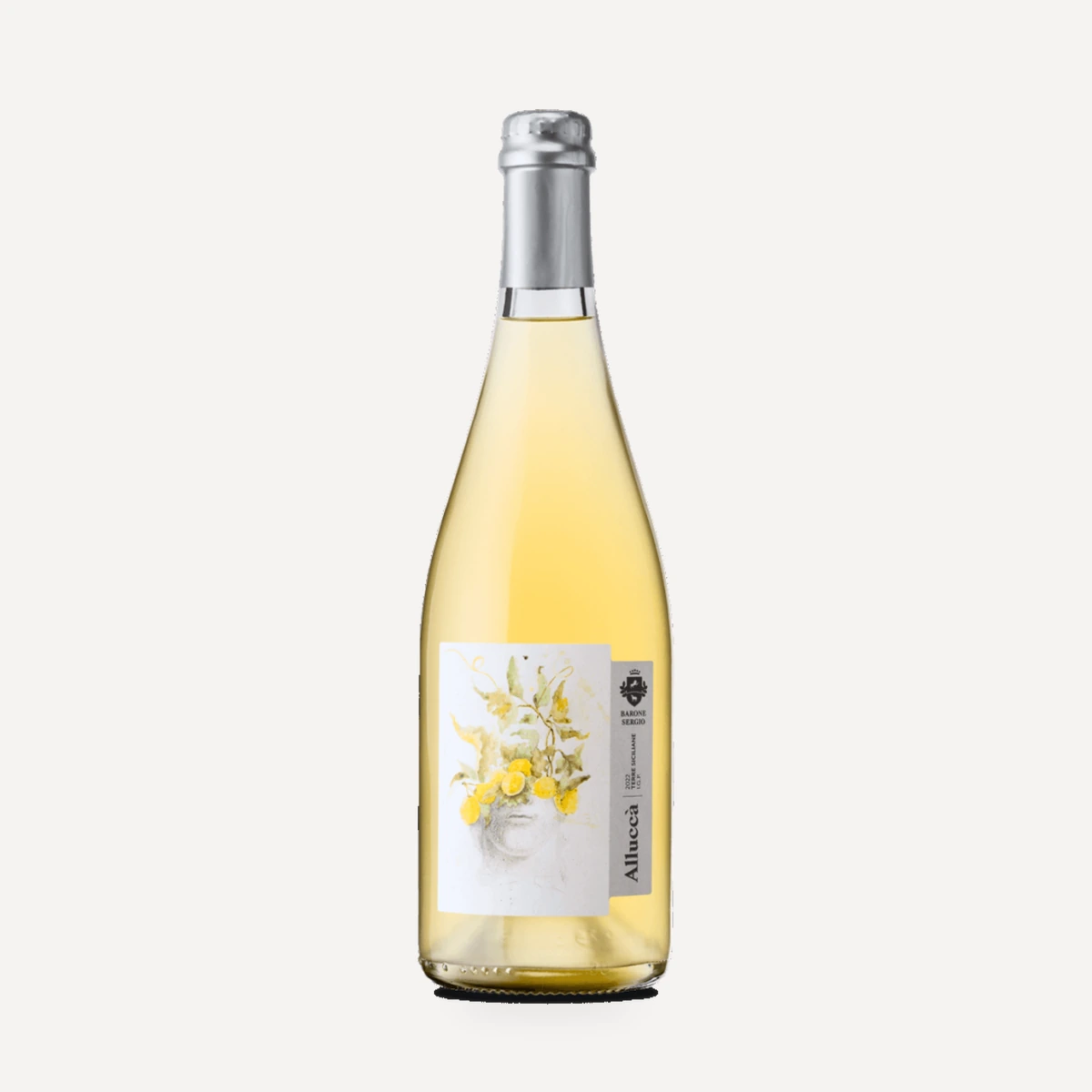
Alluccà
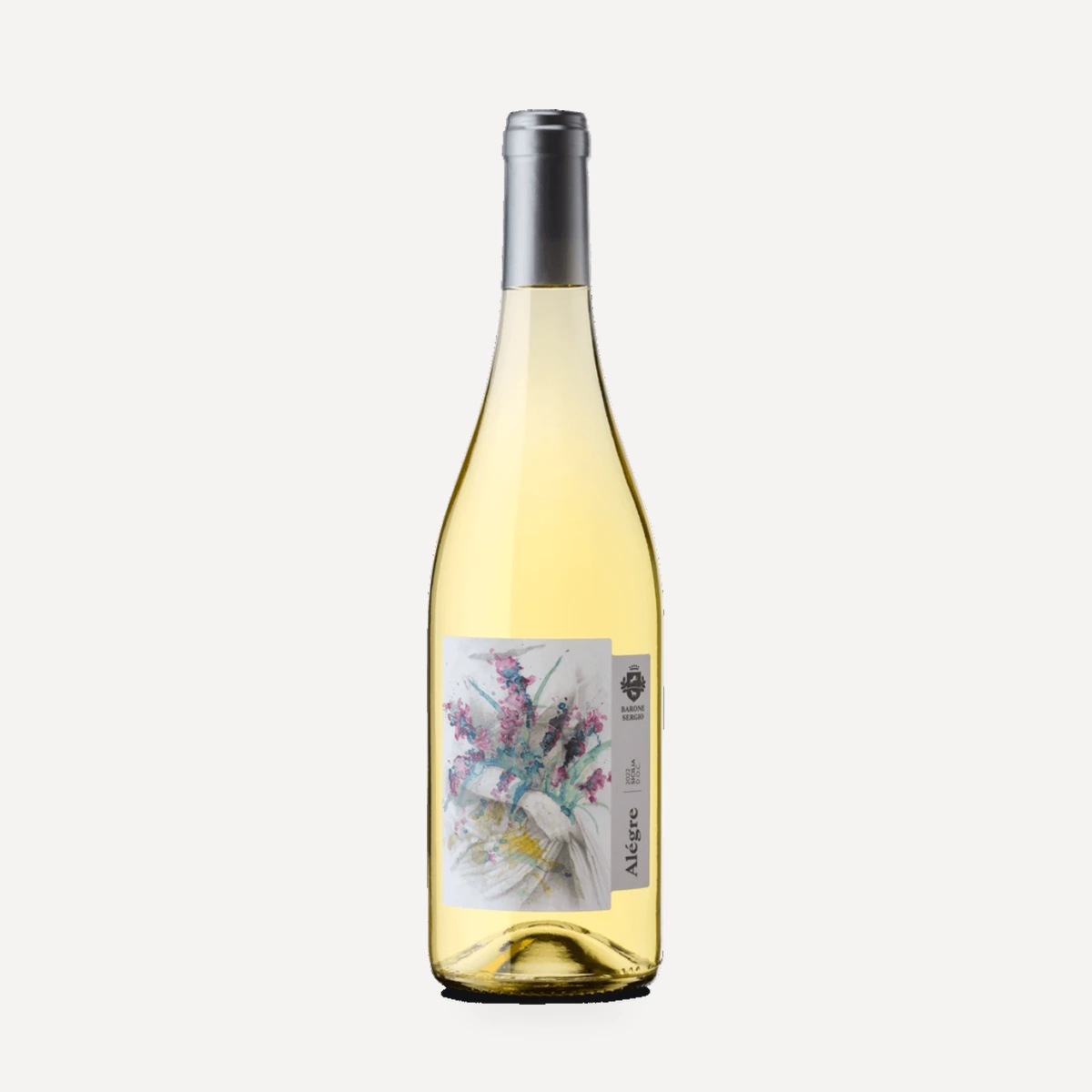
Alègre
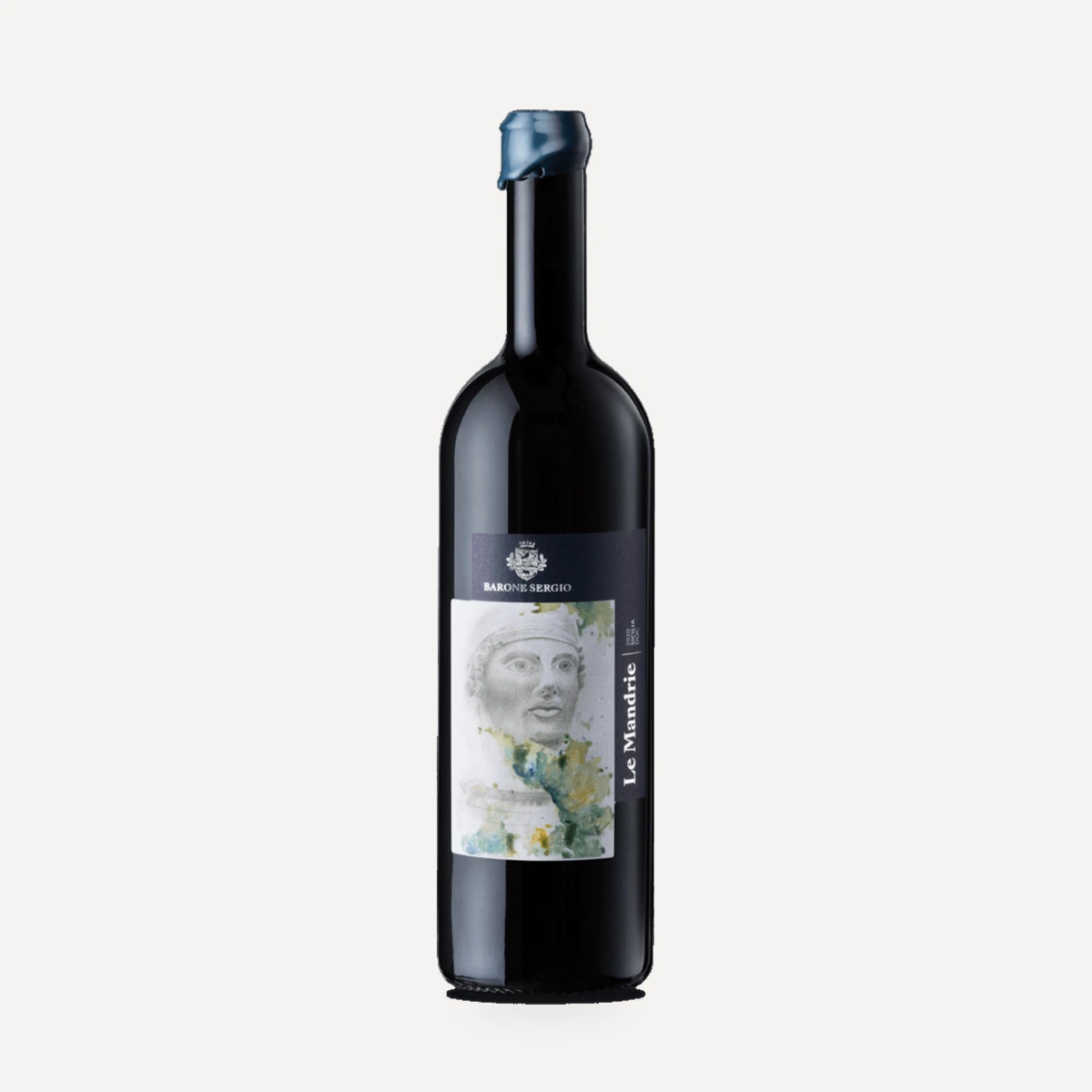
Le Mandrie
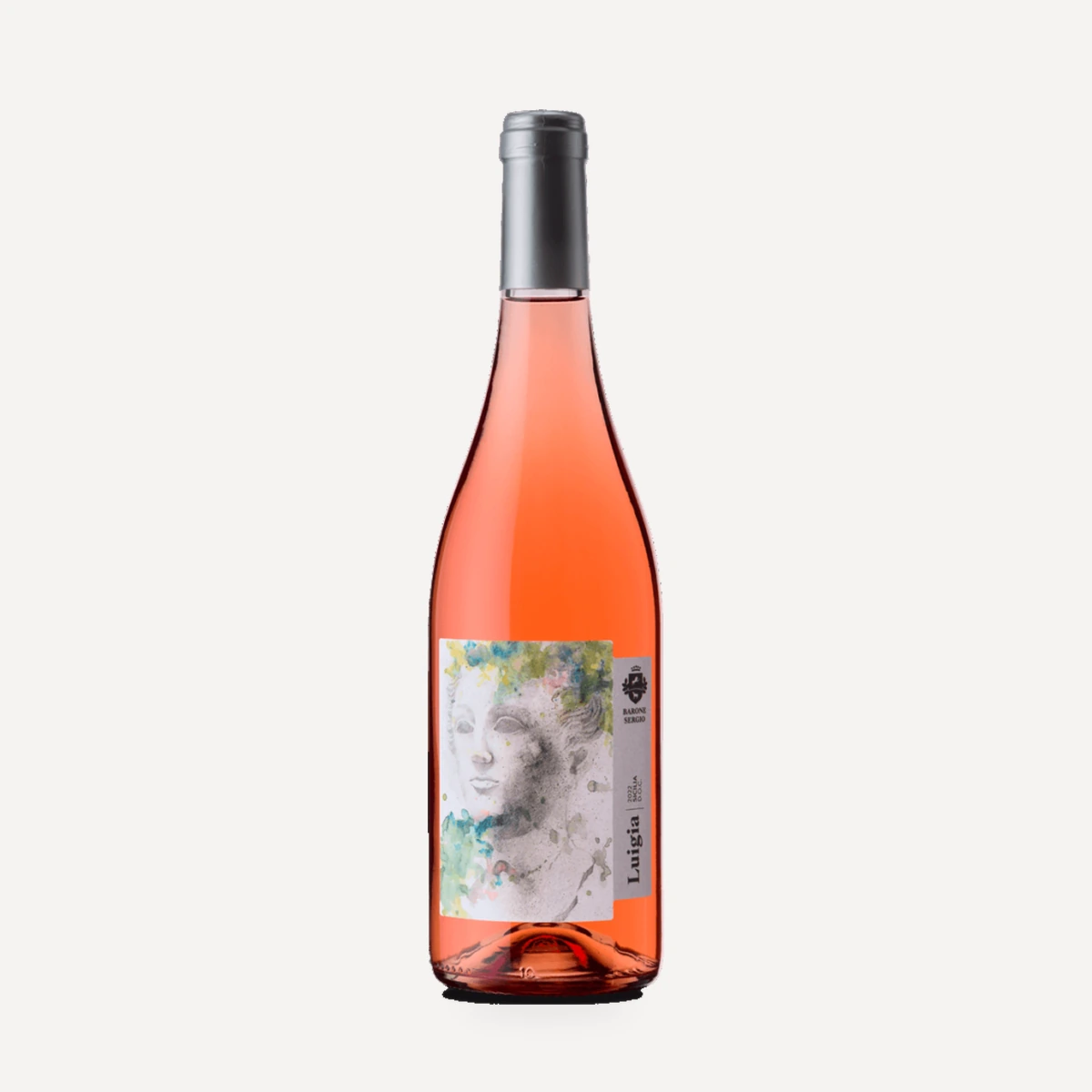
Luigia
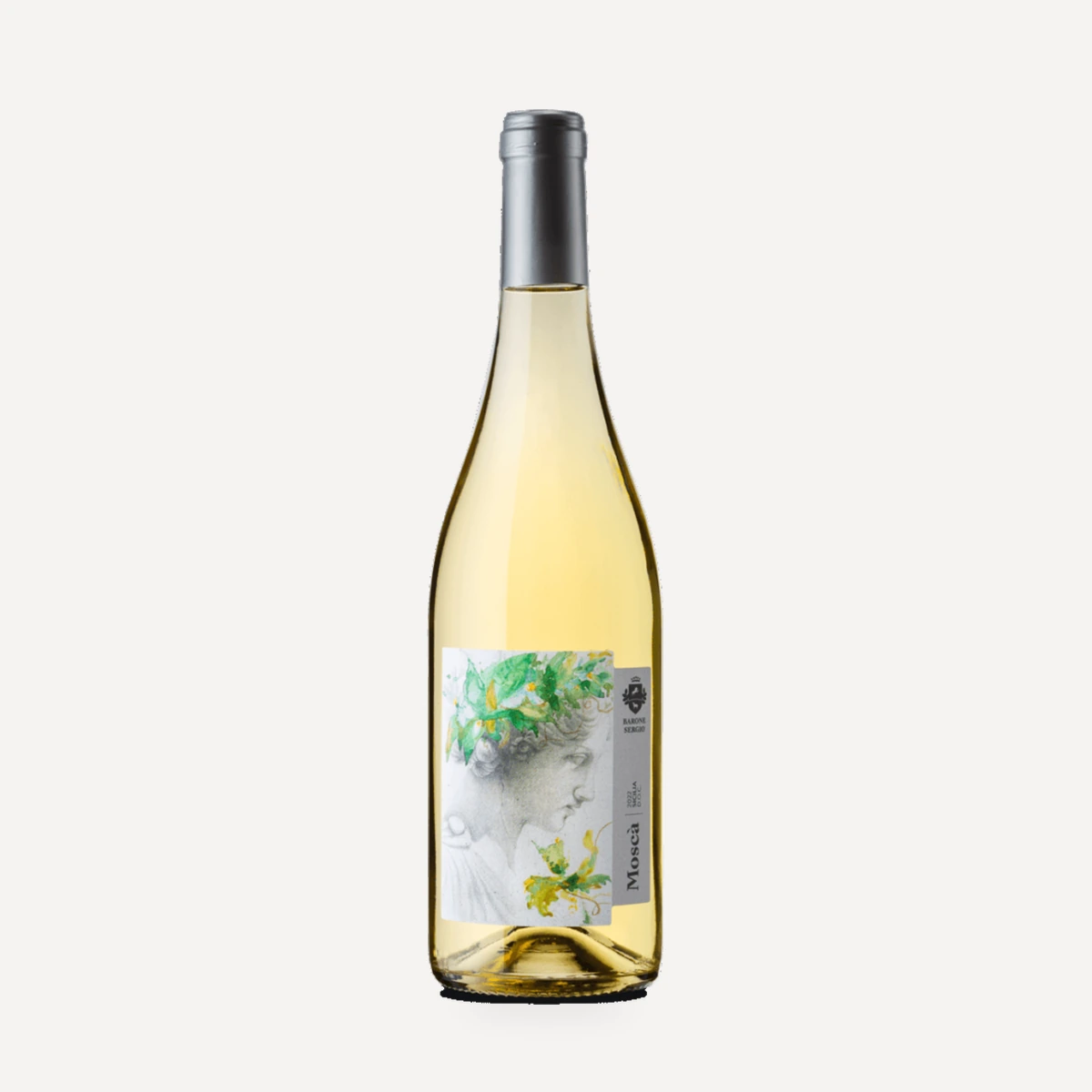
Moscà