Storia
Family vineyard roots
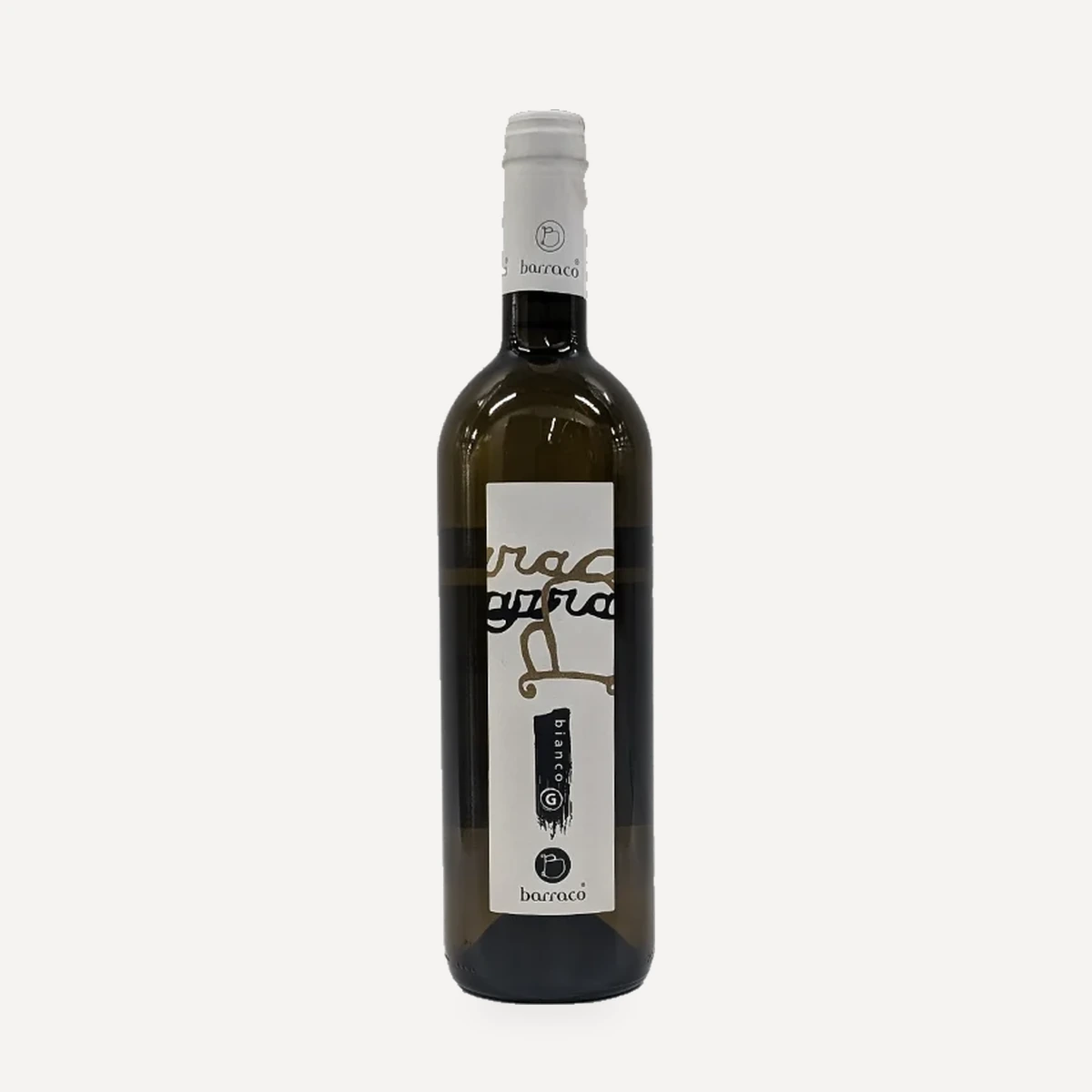
Barraco’s agricultural background predates the winery itself. Rina Vecchia, the family’s oldest vineyard, was planted in 1975 in the Triscina area and has always belonged to the family. Its sandy, red-veined ground and early harvest later became part of the identity of the estate’s Bianco G.
2004 — the beginning of the winery
Nino Barraco began his wine project in 2004. Together with Angela, he founded the winery and turned a shared passion for wine into a long-term family project. Nino drew on his family’s farming knowledge and the winemaking culture of Marsala, setting out to make wines that expressed western Sicily’s native grapes and the distinctions among their growing places.
From the outset, Nino involved himself in the complete chain of work: cultivation, vinification, bottling and the selection or presentation of varieties. The project combined respect for inherited practice with continuing research, experimentation and innovation from one harvest to the next.
2005 — Zibibbo at Contrada Casazze
In 2005 Barraco began cultivating Zibibbo at Contrada Casazze, at 120 metres above sea level. The site’s clay-limestone ground became the estate’s dedicated setting for this uneven-ripening, delicate-skinned aromatic variety.
2009 — Altogrado
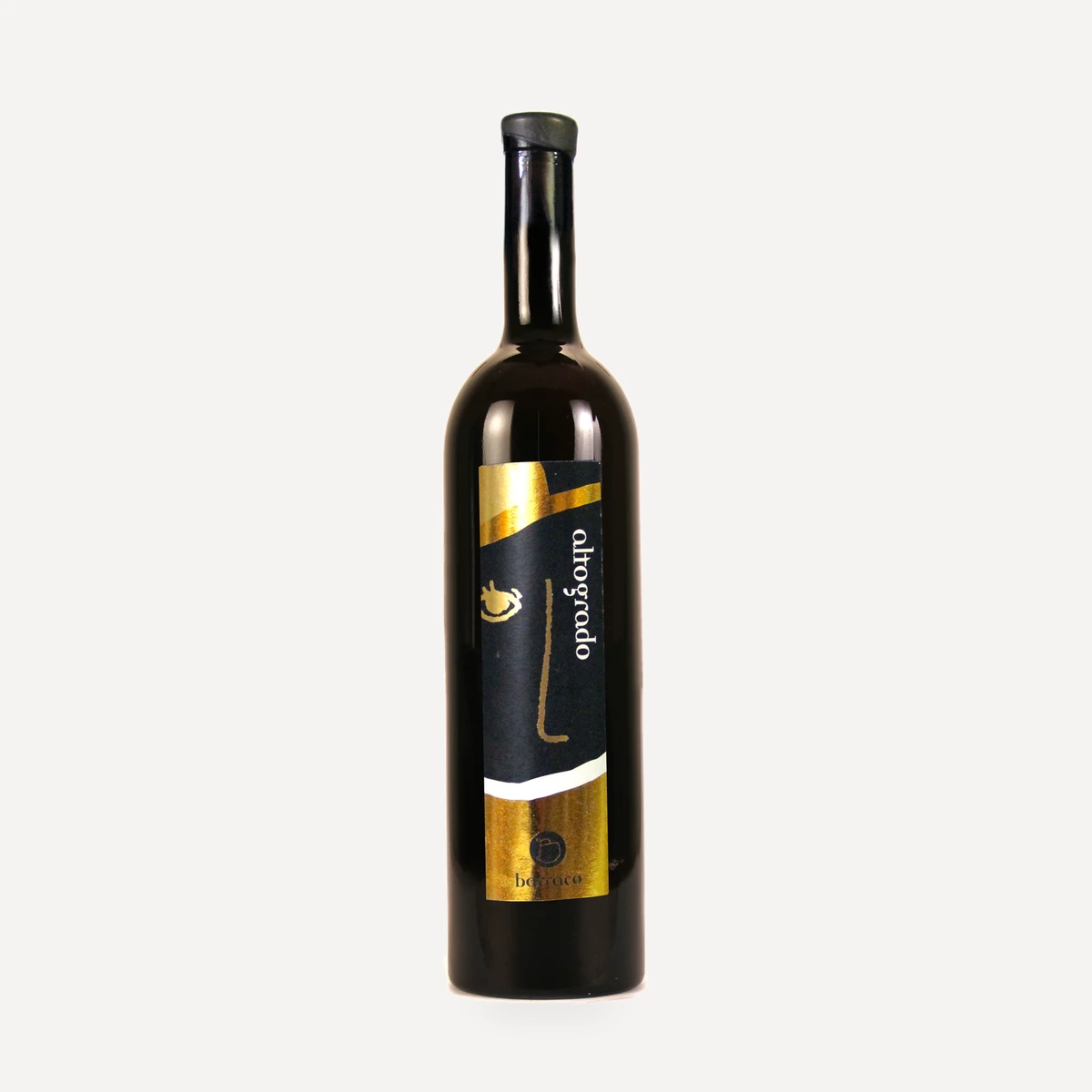
In 2009 Nino Barraco presented Altogrado, his interpretation of the oxidative wine historically called Vecchio Marsala, Altogrado or Stravecchio. Barraco’s account distinguishes it from both the perpetual method and solera: each wine came from one vintage and one grape variety and matured oxidatively for seven years in small barrels, without blending different harvests. The project was conceived as a recovery and reinterpretation of the area’s pre-fortification wine culture.
2024 — Altogrado across the native varieties
By 2024 Barraco was producing Altogrado from all the native grape varieties cultivated by the estate. The expansion made the range a broader study of how individual western Sicilian varieties respond to long oxidative maturation while retaining the single-vintage, single-variety concept.
Terroir
Barraco’s principal vineyards occupy six distinct places across the wider Marsala area, extending from the winery at Contrada Bausa to Petrosino south of Marsala, Triscina, Contrada Casazze and Carcitella in Mazara del Vallo. The sites range from a vineyard only 30 metres from the sea to elevations of approximately 150 metres.
Marine and coastal influences
Contrada Bausa has clay ground rich in locally named cuti, stones bearing coastal sediments and interpreted as traces of an ancient seabed. Petrosino, known within the estate as Vignammare, lies just 30 metres from the coast. Its sandy, calcareous ground can contain seaweed. Posidonia oceanica protects the shore, while the southeasterly Scirocco can carry seaweed among the vines and the northwesterly Maestrale can return it toward the coast.
Rina Vecchia’s ground resembles a marine sand dune: pale sand, called rina in Sicilian, crossed by veins of red earth. At Rinazzello, marl and calcarenite act like sponges, taking in water and releasing it gradually. This drainage and water-holding behaviour helps the vines withstand very hot, dry conditions.
Inland and elevated sites
Contrada Casazze lies at 120 metres above sea level on clay-limestone soils. Carcitella, in Mazara del Vallo, reaches about 150 metres and is characterised as the estate’s “black earth,” rich in stones described as volcanic in origin as well as cuti. Across these contrasting sites, the soils include clay, sand, limestone, marl, calcarenite, red earth and dark stony ground.
Vinificazione
Barraco practises dry farming, growing vines without irrigation and encouraging their roots to seek moisture deep underground. The intended results are stronger, deeper root systems, respect for the natural cycle of the ground and reduced water use.
The estate concentrates exclusively on native varieties. Alberello marsalese is a preferred traditional training system: the plant develops in a low, circular form toward the ground, protecting bunches from intense sunlight and strong wind and creating a sheltered microclimate. Training nevertheless varies by variety and site. At Contrada Bausa, Perricone uses alberello marsalese, while Nero d’Avola and Catarratto are trained to Guyot.
Harvest timing responds to the individual site. Carcitella opens the harvest in the first days of August. Rina Vecchia is picked by mid-August at the latest, at dawn, entirely by hand, with selection of the best fruit. Contrada Casazze’s Zibibbo is harvested in September after a prolonged period of care necessitated by uneven ripening and delicate, disease-sensitive skins. Cultivation is identified as organic, although no certifying body or certification date is given.
Nino Barraco remains involved throughout the production chain, from cultivating the vines and making the wine to bottling and work with individual varieties. Giulio, the estate’s oenologist, oversees vinification, while the wider team follows vineyard and cellar work with artisanal attention to nature and to the time required by each stage.
The clearest estate-level expression of the cellar approach is Altogrado. Introduced in 2009, it reinterprets the local oxidative tradition without the perpetual or solera systems and without blending different vintages. Each Altogrado is made from a single harvest and a single grape variety, followed by seven years of oxidative maturation in small barrels. By 2024 the method was being applied to every native variety cultivated by Barraco.
The portfolio also demonstrates work with stainless steel, chestnut casks and bottle fermentation. Still wines may be fermented or matured in steel, while selected oxidative or semi-oxidative wines use chestnut or smaller wooden barrels. The Metodo Classico range undergoes its second fermentation and lees ageing in bottle. These techniques are applied according to the individual label rather than presented as one uniform process for every Barraco wine.
Filosofia
Nino Barraco’s stated objective is not technical perfection as an end in itself, but wines capable of conveying emotion and possessing a recognisable personality. His only declared limits are respect for nature and the territory.
The winery seeks to express Sicily—and Marsala in particular—by strengthening the bond between each grape variety and its place of origin. Native grapes are therefore treated not as a single regional category but as interpreters of distinct soils, coastal influences and microclimates.
Research, experimentation and innovation are given space at every harvest, but without erasing what earlier work has established. This balance is paired with a return to the local idea of making wine from grapes alone and with the recovery of traditional practices such as alberello marsalese and the area’s oxidative-wine culture.
Nino and Angela describe Barraco as a shared life project. Vineyard and cellar choices are guided by respect for the identity of the wine and the Marsala territory, while the team follows each stage with artisanal attention to nature and time.
Vini
Fior di Bianco
Fior di Rosso
altogrado catarratto
altogrado grillo
altomare
biancammare
bianco G
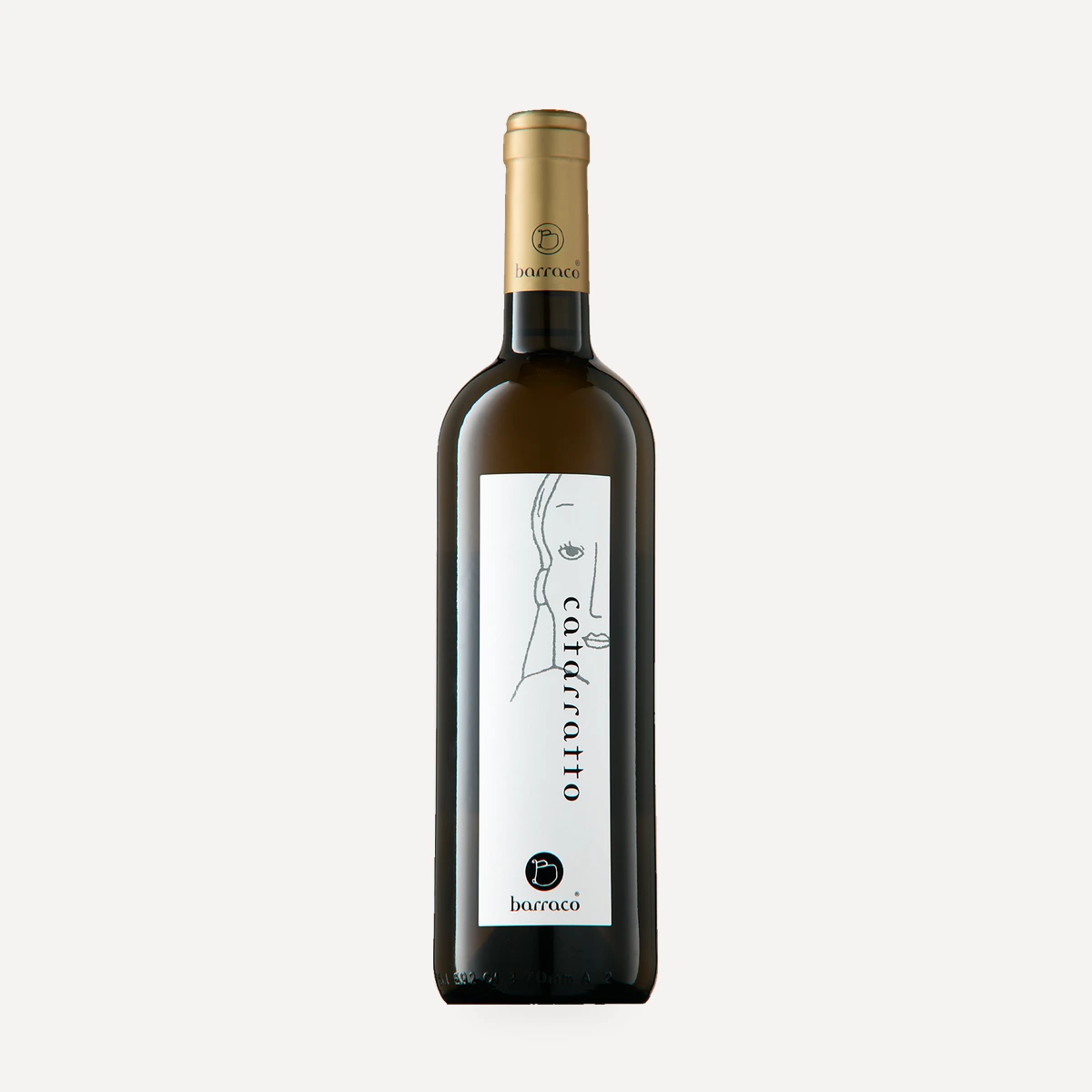
catarratto
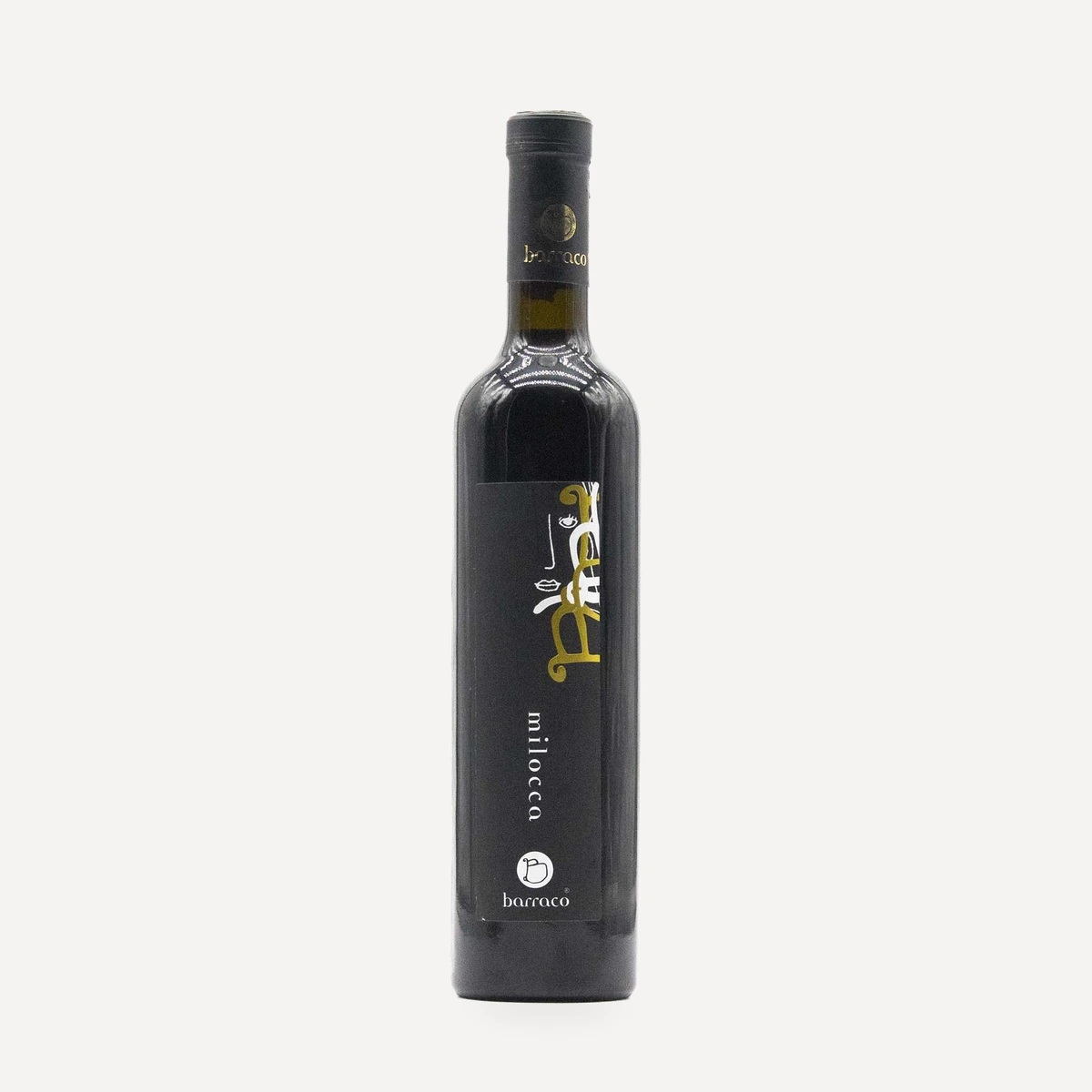
milocca
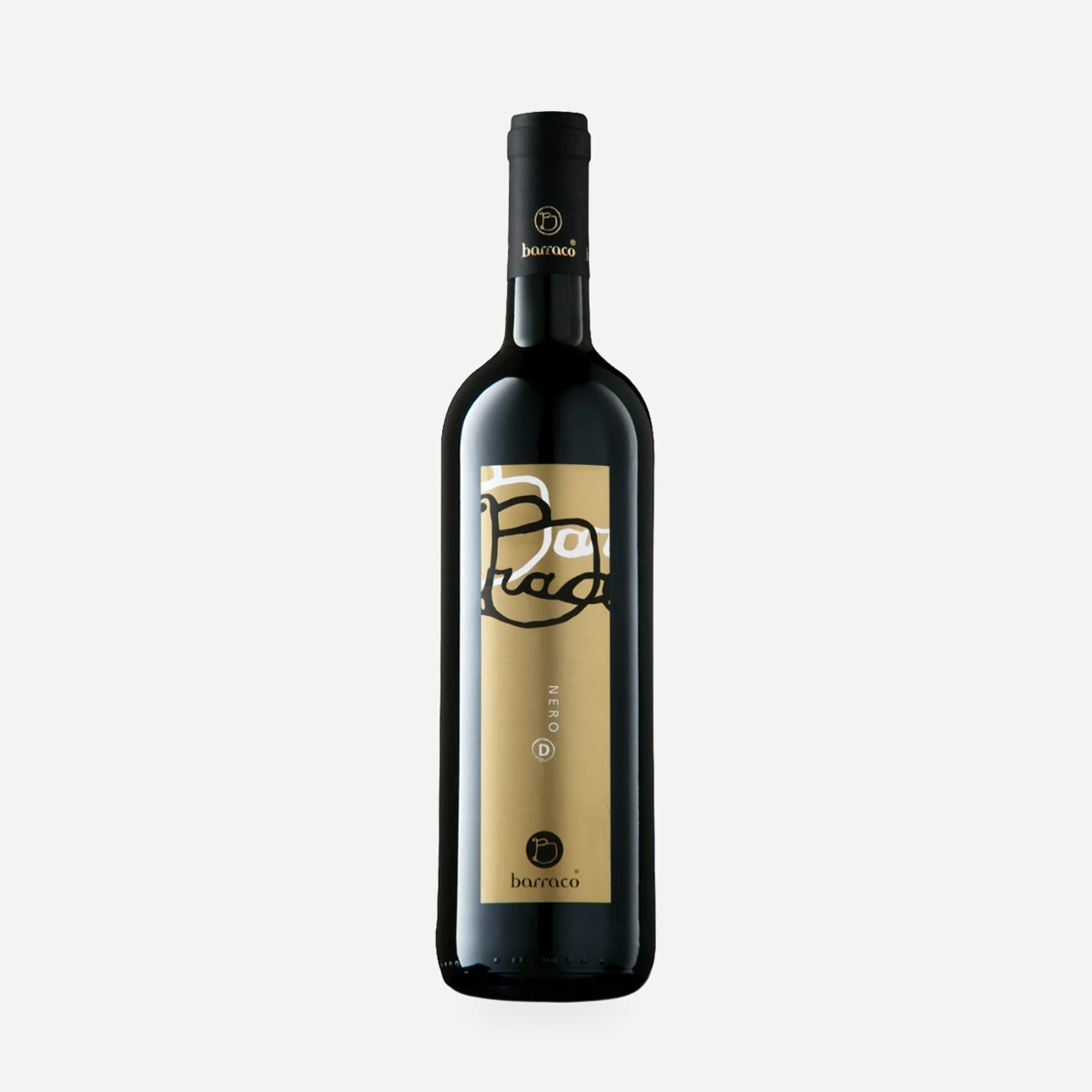
nero D
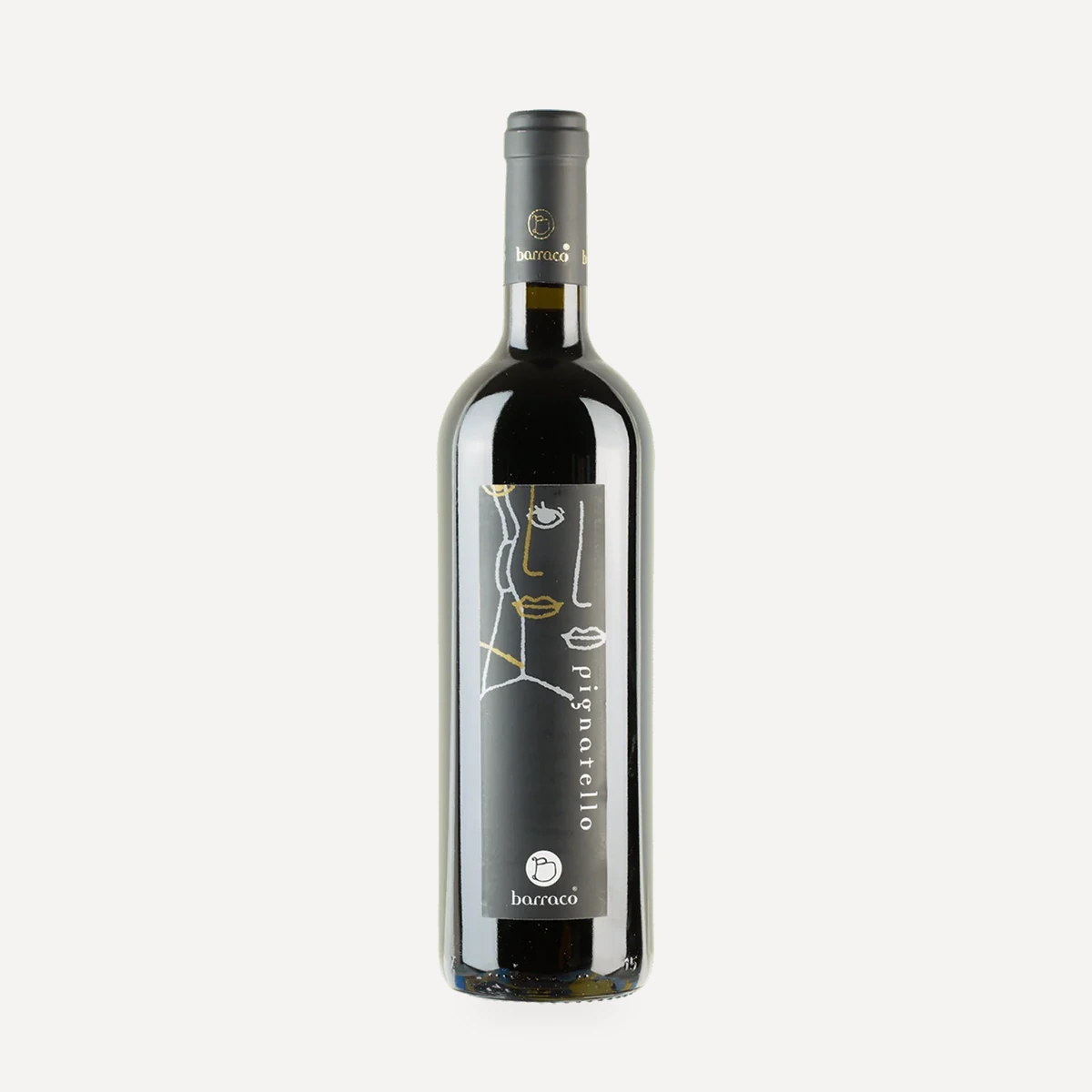
pignatello
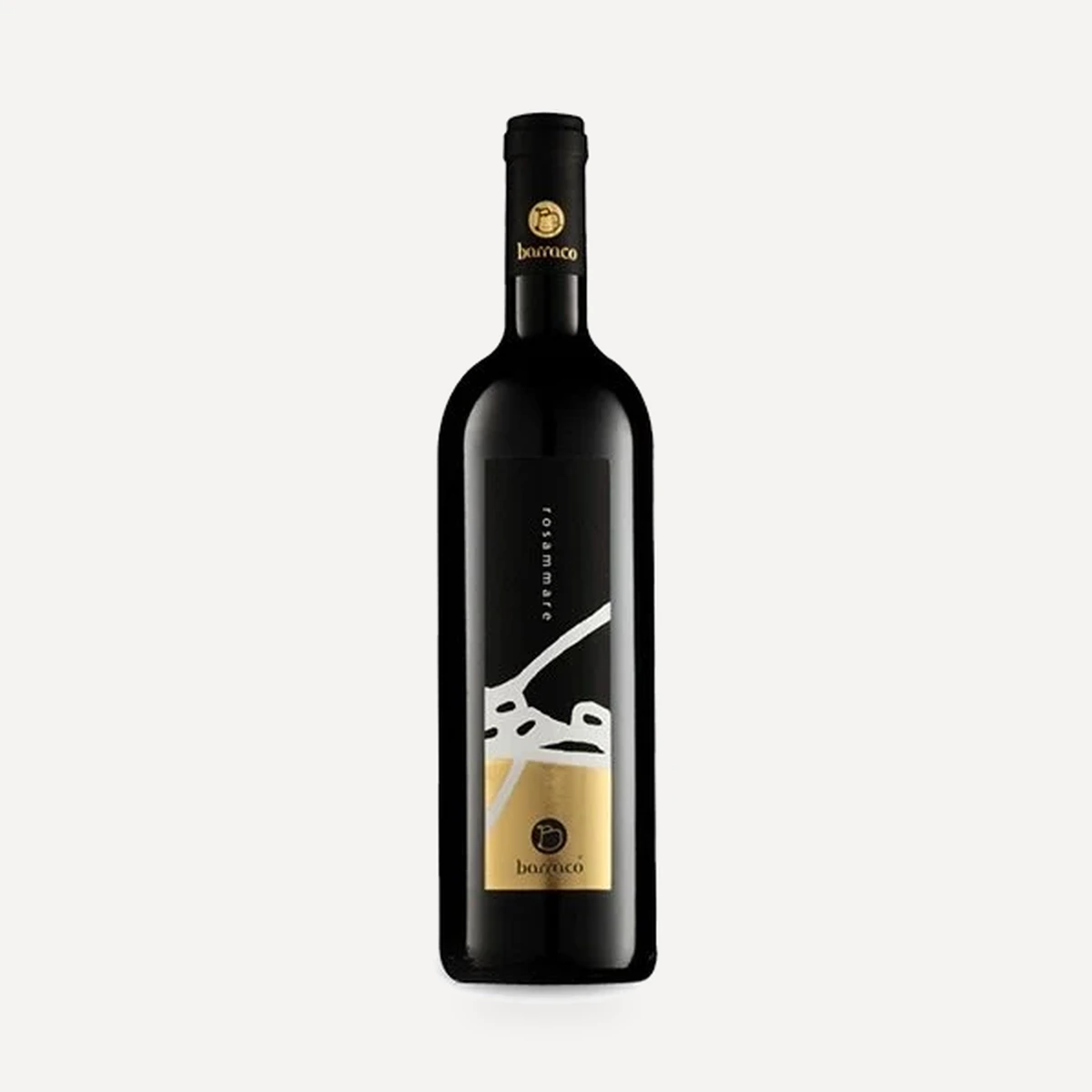
rosammare
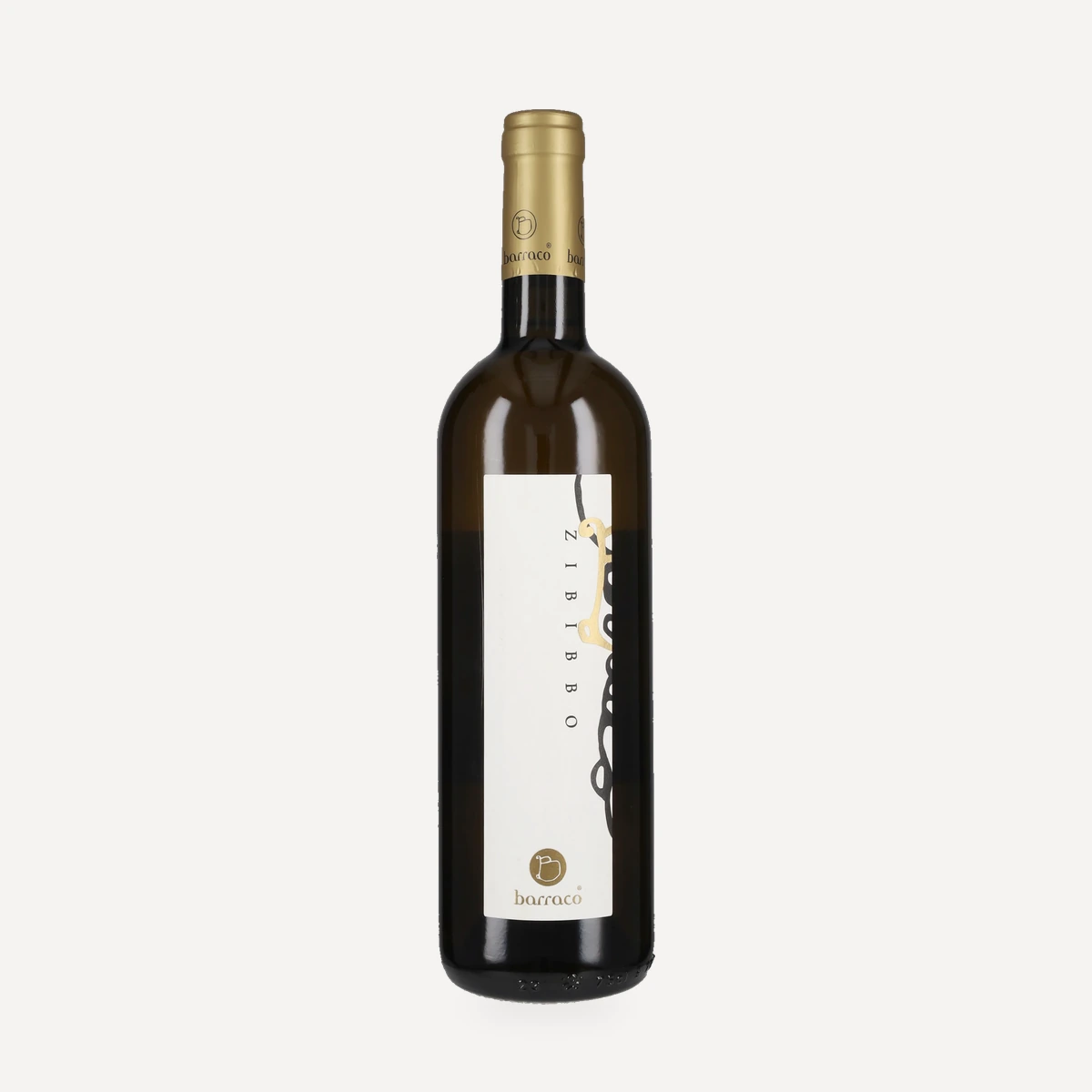
zibibbo