Storia
From Italian grocer to wine merchant, 1698–1896
Berry Bros. & Rudd began in 1698, when the woman remembered as the Widow Bourne opened an Italian grocery at No.3 St James’s Street. Whitehall Palace had burned that year, prompting the Royal Court and its circle to move to St James’s Palace opposite the new shop. Bourne sold imported spices, Asian tea, snuff and coffee to the affluent neighbourhood and its fashionable coffee houses.
Coffee became closely associated with the business. A coffee-mill emblem hung above the premises, giving No.3 the alternative address “At the Sign of the Coffee Mill.” The shop’s scales, originally used for tea and coffee, subsequently became a means of weighing customers for amusement. Weight ledgers survive from 1765 and include royal princes, Lord Byron, Beau Brummell, William Pitt the Younger and the Aga Khan.
Bourne’s daughter Elizabeth married William Pickering, who died in 1734. Elizabeth and the Pickering family continued the business. In 1731, landlord Sir Thomas Hanmer, Speaker of the House of Commons, granted the family a lease enabling them to rebuild No.3 and the houses behind it. The court, formerly Stroud’s Court, became Pickering Place. Elizabeth managed the enterprise after her husband’s death; her sons John and William Pickering Jr later ran both the shop and an adjacent heraldic-painting business serving the gentry. Following John’s death in 1754, William Jr brought their relation John Clarke into partnership.
The firm began supplying the British Royal Family during the reign of George III, with 1760 given as the beginning of that relationship. John Clarke’s grandson George Berry travelled from Exeter to London in 1803 at the age of 16. His name appeared across the front of No.3 by 1810. He progressively concentrated the business on wine and spirits as consumer tastes changed.
The business also became connected with prominent figures and unusual episodes in nineteenth-century London. Napoleon III, a friend of the first George Berry, used the cellars beneath No.3 for private meetings while planning his return to France. The Texas Legation occupied rooms at No.3 from 1842 to 1845, when Texas was still an independent republic; it departed without paying its final rent. In 1986, during the Texas sesquicentennial, 26 visiting Texans ceremonially settled the debt with $160 in a Republic of Texas note.
George Berry’s sons George Jr and Henry eventually assumed control after their father’s death. The name Berry Brothers & Co. was then adopted and remained in use until the Second World War. The two brothers passed their roles to their respective children, cousins Henry Berry and Henry Percival Berry. Thereafter, representatives of the two family branches managed the business together until the final descendant of Henry Berry retired in 1941.
Wine and spirit sales grew gradually alongside the grocery trade. The earliest surviving record of an own-label commercial spirit bottling dates from 1853 and concerns Scotch whisky. The 1882 stock book records Scotch and Irish whiskey held in both bottles and barrels, including an Islay whisky. Glenavon appeared by name in 1897 and was described as “our Glenavon” by 1902. The remaining grocery stock was finally sold in 1896, completing the transition to a dedicated wine and spirits merchant under second cousins Francis Berry and Charles Walter “Walter” Berry.
Royal connections and Atlantic trade, 1903–1923
In 1903, Berry Bros. & Rudd received its first Royal Warrant as wine merchant to King Edward VII. That year, the King’s physician asked the firm to devise something warming for Edward VII to drink when travelling in his motor car. Henry Berry was credited with creating a brandy-and-ginger cordial; it was renamed The King’s Ginger Liqueur in 1934.
By 1907, the whisky trade was sufficiently important for the firm’s price lists to include bottles such as 1897 Macallan Glenlivet and 1885 Talisker. A shipment of 69 cases of wine and spirits was lost aboard RMS Titanic in April 1912. A White Star Line telegram notifying Berry Bros. of the loss is preserved at No.3.
A dedicated American price list was produced in June 1916. Prices included delivery in New York or Boston, or within 80 kilometres of either city. In the absence of temperature-controlled transport, shipments were scheduled chiefly for spring, early summer and autumn. Customers were advised to rest newly arrived wines for several months.
Major Hugh Rudd came from a Norwich wine-merchant family established by his grandfather in 1851. He had worked in the family concern and abroad before fighting in the First World War, developing particular knowledge of Bordeaux and German wine. With Norwich’s wine trade diminished after the war, he moved to London and joined Francis and Walter Berry in 1920.
Francis Berry visited Nassau in 1921, where Berry Brothers spirits were already popular during American Prohibition. He appointed local agents, and he and Hugh Rudd conceived a lighter blended whisky suited to contemporary preferences. At a 1923 lunch in the Parlour at No.3, Scottish artist James McBey proposed the name Cutty Sark, after the tea clipper, and sketched the ship for its label. A printing error produced the label’s distinctive bright yellow colour. The whisky found a strong market through the Bahamas and subsequently in the United States.
War, reconstruction and the Rudd name, 1924–1967
In 1924, Berry Bros. & Rudd supplied the miniature cellar of Queen Mary’s Dolls’ House with 1,200 individually filled bottles at 1:12 scale. Champagne from Veuve Clicquot and Louis Roederer was included, with the bubbles removed to suit the tiny bottles.
During the 1940s, Berry Bros. & Co became a limited company and adopted the name Berry Bros. & Rudd Ltd in recognition of Hugh Rudd’s central role. The Second World War disrupted European supply, leaving the business unable to replenish its wine stock. Valuable furniture was moved from No.3 to Walter Berry’s country home. In February 1944, four bombs fell between King Street and Pall Mall. No.3 survived, but fire damaged its upper floors and destroyed many pre-war records. The shop front was protected in part by its old wooden shutters, which were later used again during the 2020 Covid-19 lockdowns.
The war also brought family losses. Francis Berry’s eldest son, George Gilbert Berry, died while leading a charge in North Africa. Hugh and Ethel Rudd’s son Brian was killed in Italy at the age of 20. The export office and several employees were temporarily relocated to Hugh and Ethel’s country home.
Hugh Rudd died in 1949 at 66. His widow Ethel became Non-Executive Chair and guided the business through post-war rationing and depleted stocks. Francis Berry’s younger son Anthony became a partner from 1950, earlier than expected because of the wartime deaths. The family retained ownership at a time when many comparable firms were being sold and also began appointing non-family directors. Ethel remained Chair until 1965, when Anthony Berry succeeded her.
No.3 Magazine first appeared in 1954 and was presented as the first periodical devoted entirely to wine. After a 22-year interruption, it was revived in 2016.
Cutty Sark became a major engine of growth in the 1960s and 1970s. Within three years of Prohibition’s repeal, 80,000 cases had been exported. In 1961, it became the first Scotch whisky to sell more than 12 million bottles in the United States in a single year. The firm sponsored the Cutty Sark Tall Ships Races during the 1970s and 1980s.
Berry Bros. & Rudd bought No.3 St James’s Street in 1966 for £175,000, 268 years after first beginning trade there. In 1967, Christopher Berry Green opened a purpose-built warehouse in Basingstoke after redevelopment forced the company out of its London Bridge cellars. Located between the port of Southampton and London, it was the first purpose-built, temperature-controlled facility established outside London by an independent London wine merchant.
Storage, retail and digital expansion, 1967–2017
Merchant bottling continued at St James’s Street until the 1960s. The final wine bottled by the company was a Sherry handled in Basingstoke during the 1990s. As En Primeur purchasing and customer storage expanded, two additional warehouses were added near Basingstoke; one was almost filled by the 2005 Bordeaux vintage alone.
A Basingstoke shop opened in 1991. In 1994, the company opened the first of four Heathrow duty-free wine shops and launched the first online shop operated by a wine merchant. The Heathrow outlets were ultimately closed in 2006. The original computer associated with the 1994 online launch remains in a desk at No.3.
The company received a Royal Warrant from Queen Elizabeth II in 1995 and another from the Prince of Wales in 1997 during preparations for its 300th anniversary. Its first sustained Asian presence began in 1998 with the Hong Kong Wine Club and a local online operation. The first overseas shop opened in Harry Street, Dublin, later in 1998.
Between 1999 and 2001, the historic vaulted cellars beneath No.3 and rooms around Pickering Place were renovated for private events and the Wine School. The Napoleon Cellar opened in 1999. In 2001, the Fine Wine room, Stills Room and Wine Shop rooms made it possible to display wines inside No.3 for the first time in the company’s history.
Simon Berry, a seventh-generation family member, became Chairman in 2005. That year the purchase of the final building around Pickering Place, at No.5 St James’s Street, completed the company’s ownership of the square. Simon was appointed Clerk of the Royal Cellars in 2008.
The company expanded into Tokyo in October 2008. Its wine blog was relaunched and an iPhone application introduced in 2009–2010. In 2010 it launched BBX, its online fine-wine trading exchange, adding live bids in 2012. The same year saw publication of Jasper Morris MW’s Inside Burgundy, subsequently an André Simon Award winner. Berry Bros. & Rudd sold Cutty Sark to The Edrington Group in 2010.
A new corporate identity was introduced in 2013, when Berry Bros. & Rudd also became the first major UK retailer to give Chinese wines a permanent place in its range. The Basingstoke shop was redesigned in 2014, the Sussex Cellar opened in 2015, and the company hosted 1,000 events beneath St James’s Street in 2016.
The premises at 63 Pall Mall had formerly housed the Cutty Sark export office. After the adjoining building became available in 1996, both structures were ultimately demolished and rebuilt as a single property, with two subterranean levels for additional cellar and kitchen space and six office floors above. Construction concluded in 2016, and the new London Wine Shop opened on the ground floor in 2017. That year also brought the launch of The Wine Merchant Range, the sale of The Glenrothes Speyside whisky to Edrington and Simon Berry’s retirement. Lizzy Rudd became Chair on 1 December 2017.
A family business in the twenty-first century
Lizzy Rudd had joined the company in the 1980s, initially working in Cutty Sark marketing. After time away to raise her family, she joined the Board as a Non-Executive Director and became Deputy Chair in 2005. Her chairmanship encompassed the Covid-19 pandemic and a greater formal emphasis on sustainability and positive impact.
Berry Bros. & Rudd began using the B Corp framework as a decision-making reference in 2019. At the 2020 Family AGM, Lizzy Rudd proposed amending the Articles of Association to place people and the planet alongside profit. The first Sustainability Report followed in 2021. The business achieved B Corp certification in 2025.
A new purpose-built storage centre named Jubilee was developed near Andover after a search beginning around 2020. Constructed in roughly nine months, it has generator-backed temperature control and capacity for approximately 14 million bottles. Solar panels were planned to cover the roof, although limitations in the local electrical grid initially allowed only one-third of the intended array to be installed.
The first dedicated Spirits Shop opened at No.1 St James’s Street in 2024. Created with Mowat & Co, Sibyl Colefax & John Fowler and contractor EC1, it extended the retail presence across the company’s St James’s properties.
In November 2025, Berry Bros. & Rudd opened its first United States shop and office at 888 17th Street NW, Washington, DC, supported by a dedicated American online operation and private-client team. The Washington operation marked its first anniversary with public tastings in November 2026.
From October 2026, the Hong Kong, Singapore and Japan online operations were consolidated into one regional Asian home. The local offices and teams remained in place, while online purchasing for local delivery ended and the regional focus shifted to advice, UK-held En Primeur and In Bond purchases, cellar management and withdrawal from Private Reserve.
Berry Bros. & Rudd remains managed by members of the Berry and Rudd families. It trades from its historic St James’s address, operates shops in London, Basingstoke and Washington, and maintains teams in Hong Kong, Singapore, Tokyo and Dublin. Its continuing activities encompass wine and spirit buying, private-client advice, storage, auctions, BBX, education and events.
Vinificazione
Berry Bros. & Rudd historically performed the traditional work of a wine merchant-bottler. Wine arrived in barrels and was transferred into bottles at St James’s Street, a practice that continued there until the 1960s. Bottling continued at Basingstoke until the 1990s, when the last wine handled in this way was a Sherry.
The contemporary business sources finished wines from independent producers rather than operating an estate vineyard or a single winery. Its production-related infrastructure is therefore centred on authentication, bonded storage and controlled maturation. The original Basingstoke facility, opened in 1967, pioneered purpose-built, temperature-controlled storage for an independent London merchant. Later warehouses expanded this capacity, while the Jubilee facility near Andover added generator-backed temperature control and space for approximately 14 million bottles.
Filosofia
Berry Bros. & Rudd frames its role as connecting the people who make wine with those who drink it. Its core quality test is expressed as a direct question: whether a wine or spirit is good to drink. Producer relationships, drinks expertise, provenance, storage and individual advice form the practical expression of that principle.
The business presents continuity and adaptation as complementary rather than opposing ideas. Historic premises, family ownership and long-standing producer relationships are retained alongside digital commerce, BBX, international offices, modern storage and changing customer expectations.
Family ownership encourages decisions over generational rather than quarterly horizons. The declared ambition is to hand a resilient and responsible business to the next generation. Since 2019, B Corp criteria have provided a structure for examining governance, colleague welfare, supply-chain resilience, community impact and environmental risk. Certification is treated as an accountability framework rather than an end in itself.
The environmental and social programme is built around long-term stewardship, fairness, responsibility and measurable improvement. It includes formal Board-level consideration of people and planet, support for regenerative viticulture, emissions reductions, lower-impact logistics and packaging, charity funding, volunteering, mental-wellbeing initiatives and greater diversity. The wider aim is to connect people with nature and one another while protecting the environments on which wine and spirits depend.
Vini
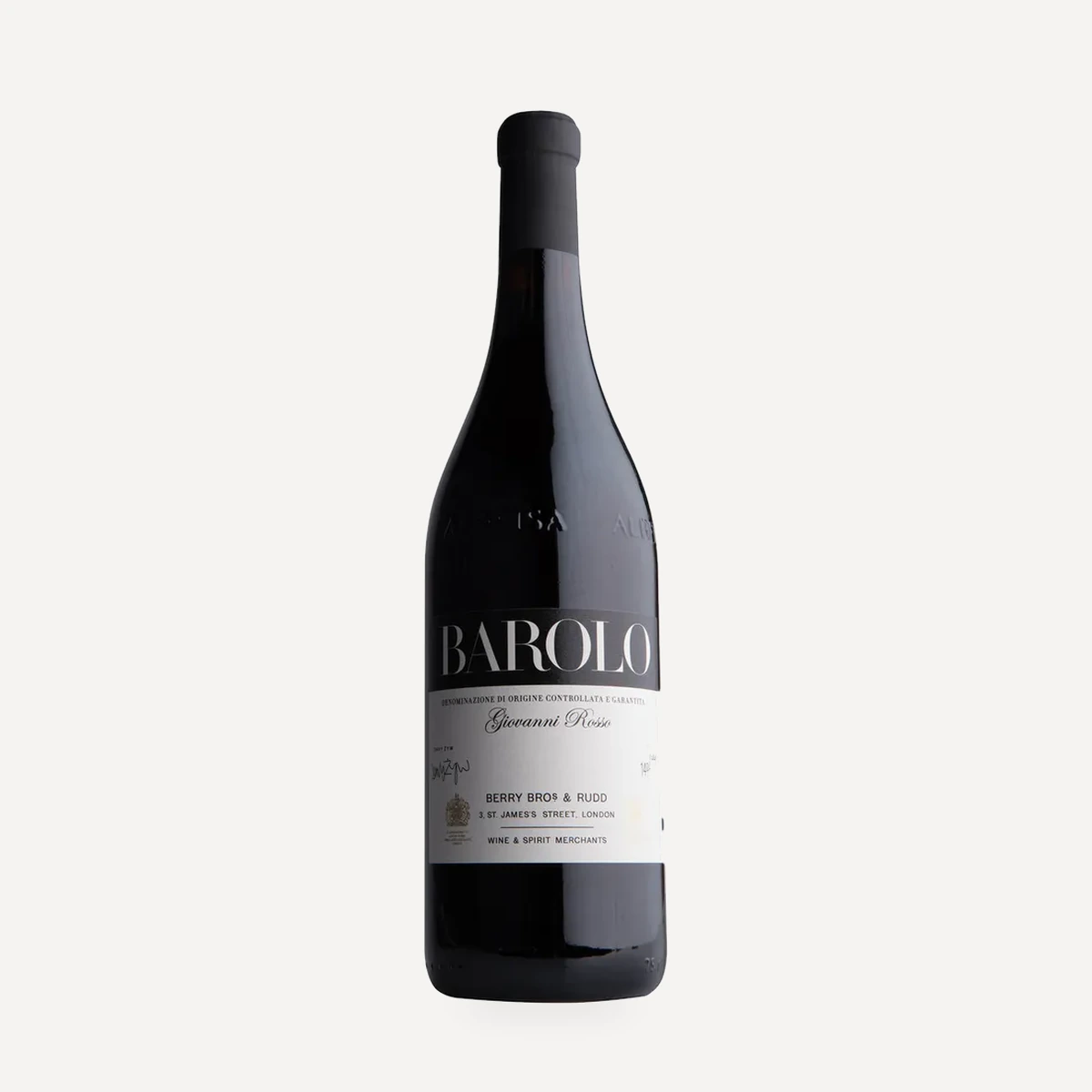
Berry Bros. & Rudd Barolo by Giovanni Rosso, Piedmont, Italy
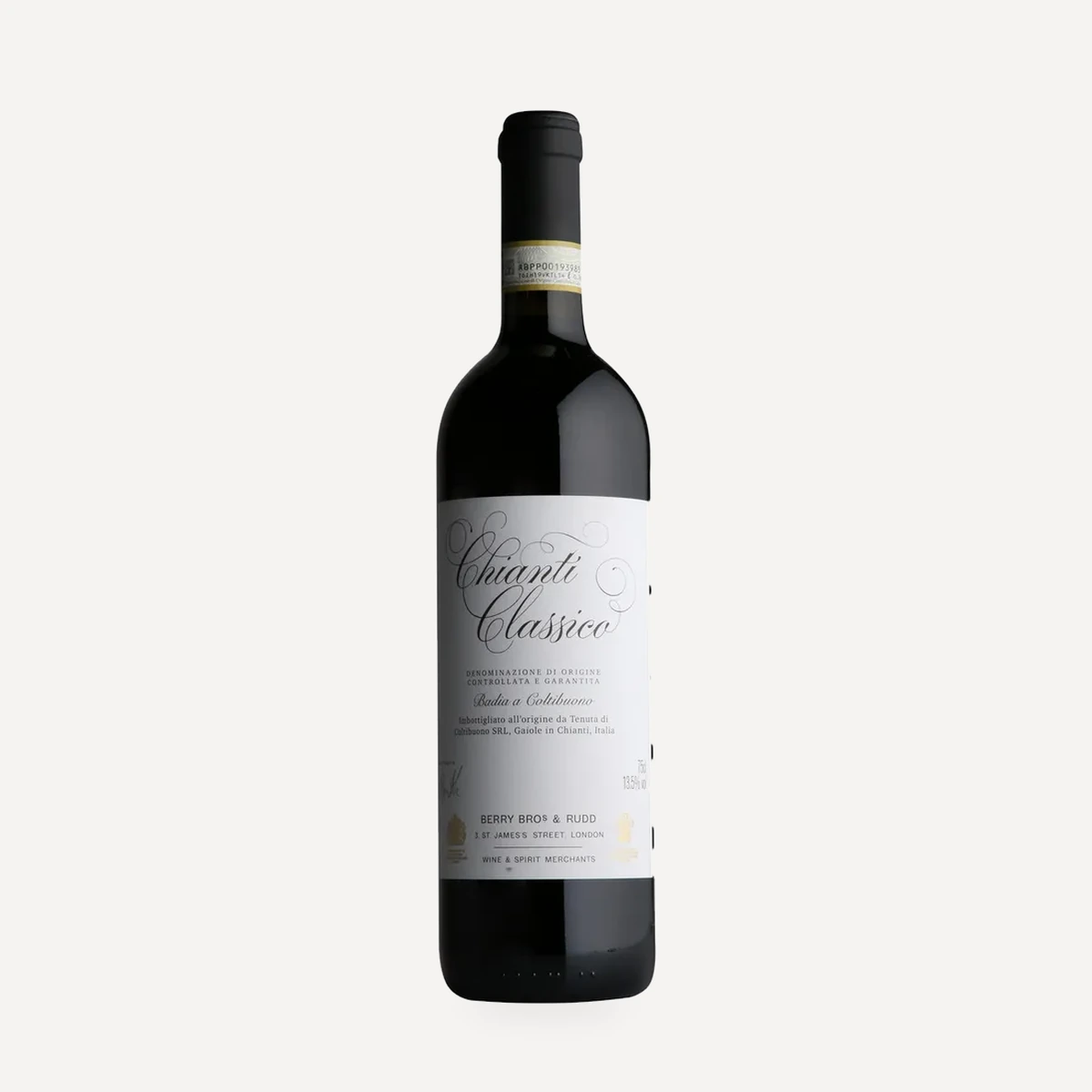
Berry Bros. & Rudd Chianti Classico by Badia a Coltibuono, Tuscany, Italy
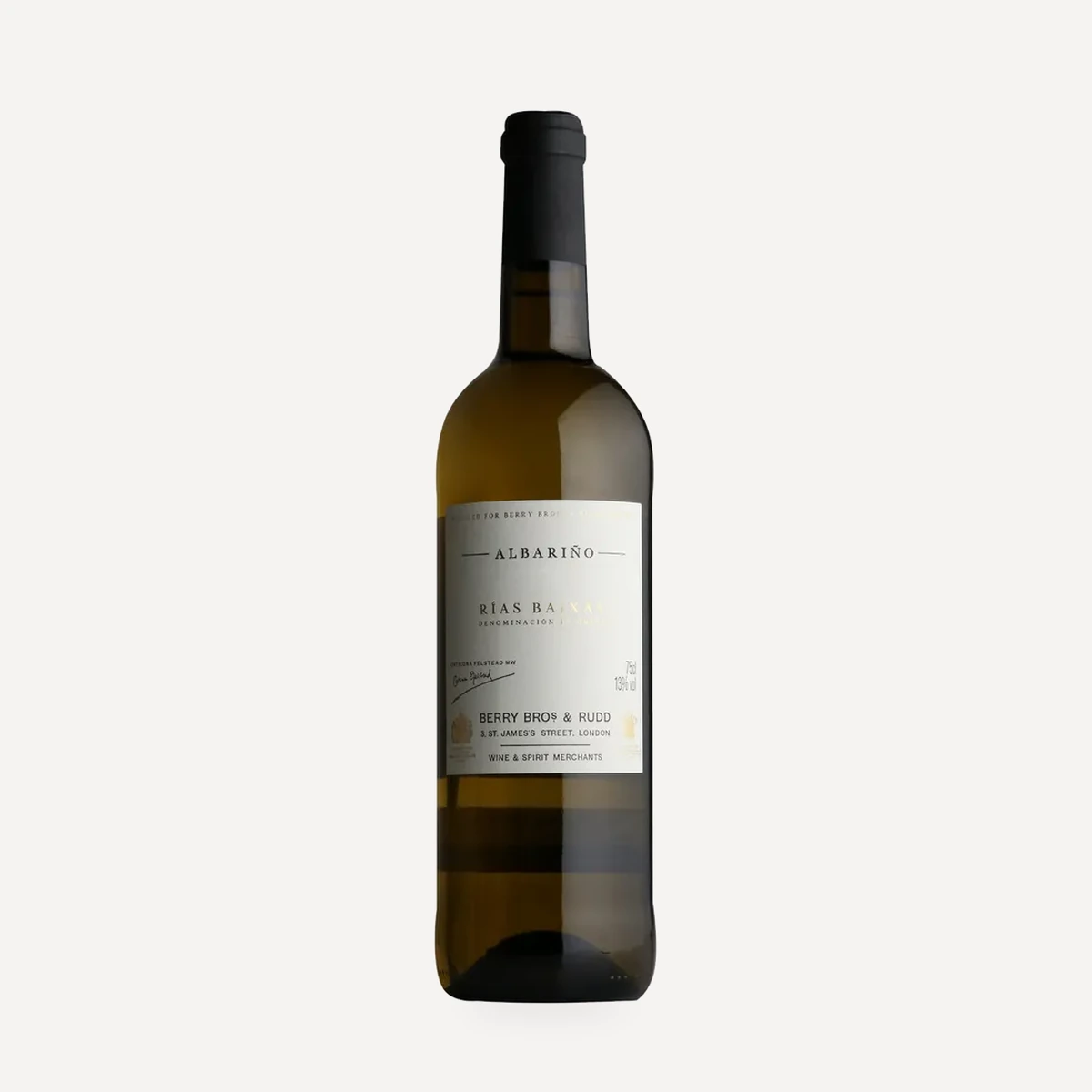
Berry Bros. & Rudd Albariño by Bodegas Sucesores de Benito Santos, Rías Baixas, Spain
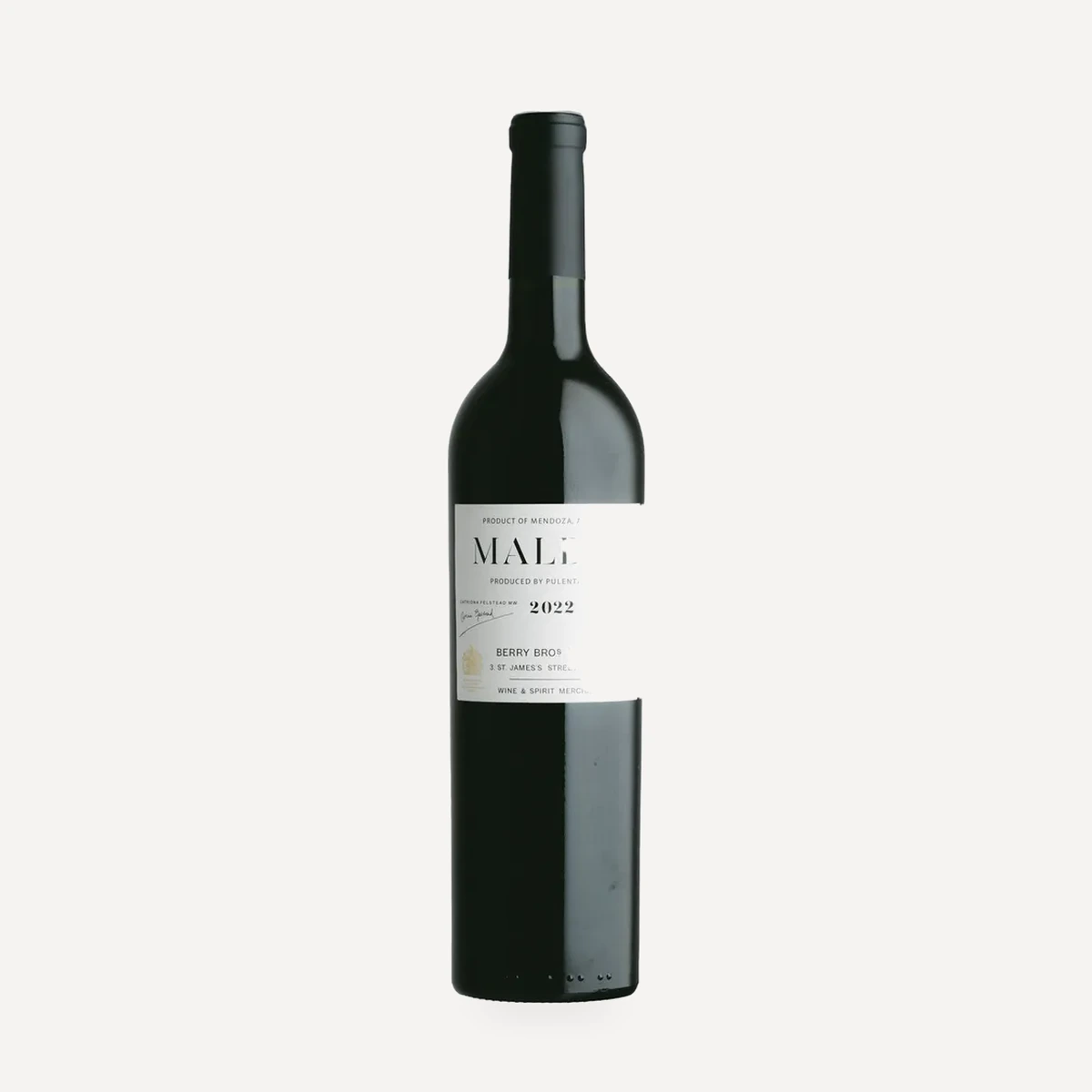
Berry Bros. & Rudd Argentinian Malbec by Pulenta, Mendoza
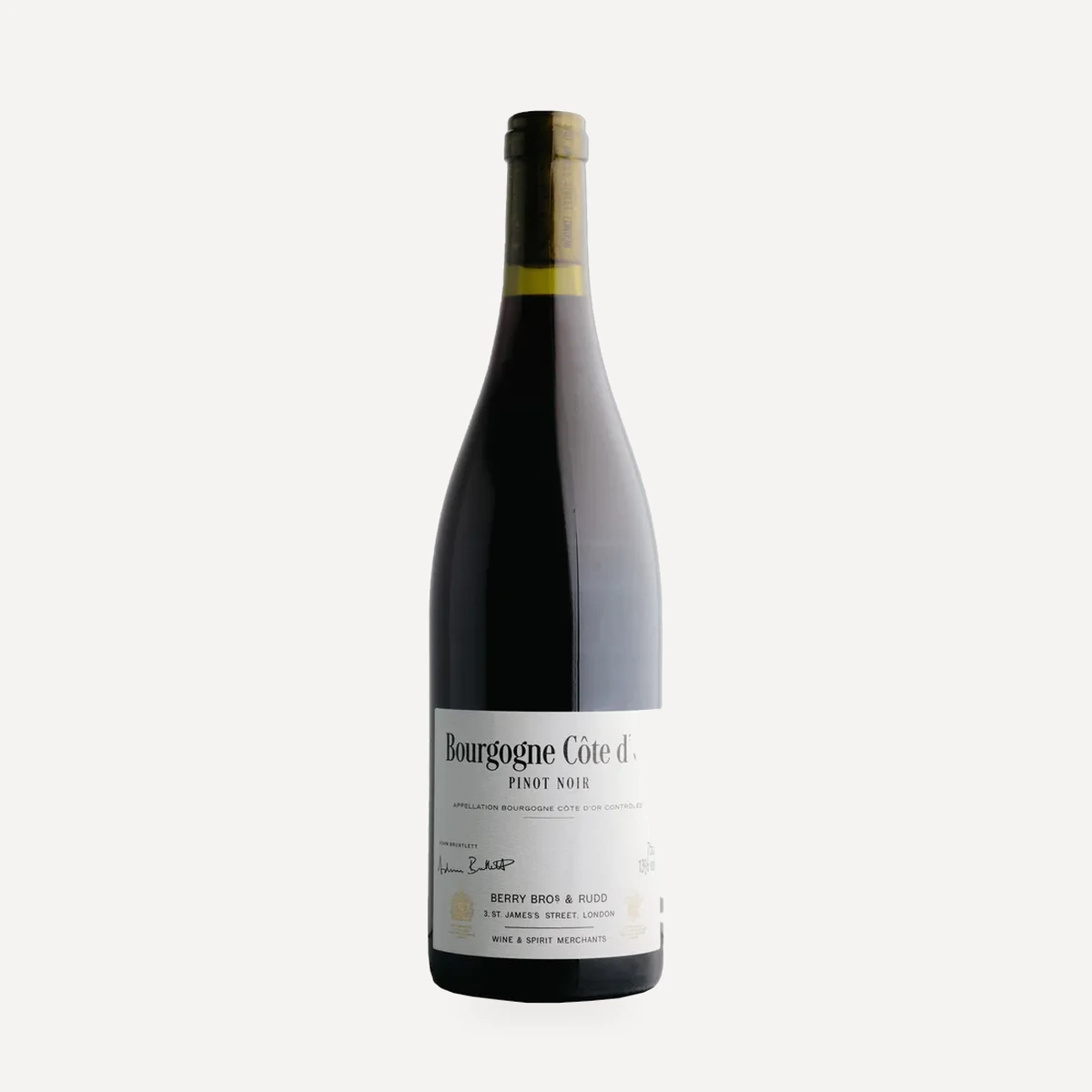
Berry Bros. & Rudd Bourgogne Côte d'Or Pinot Noir by Benjamin Leroux
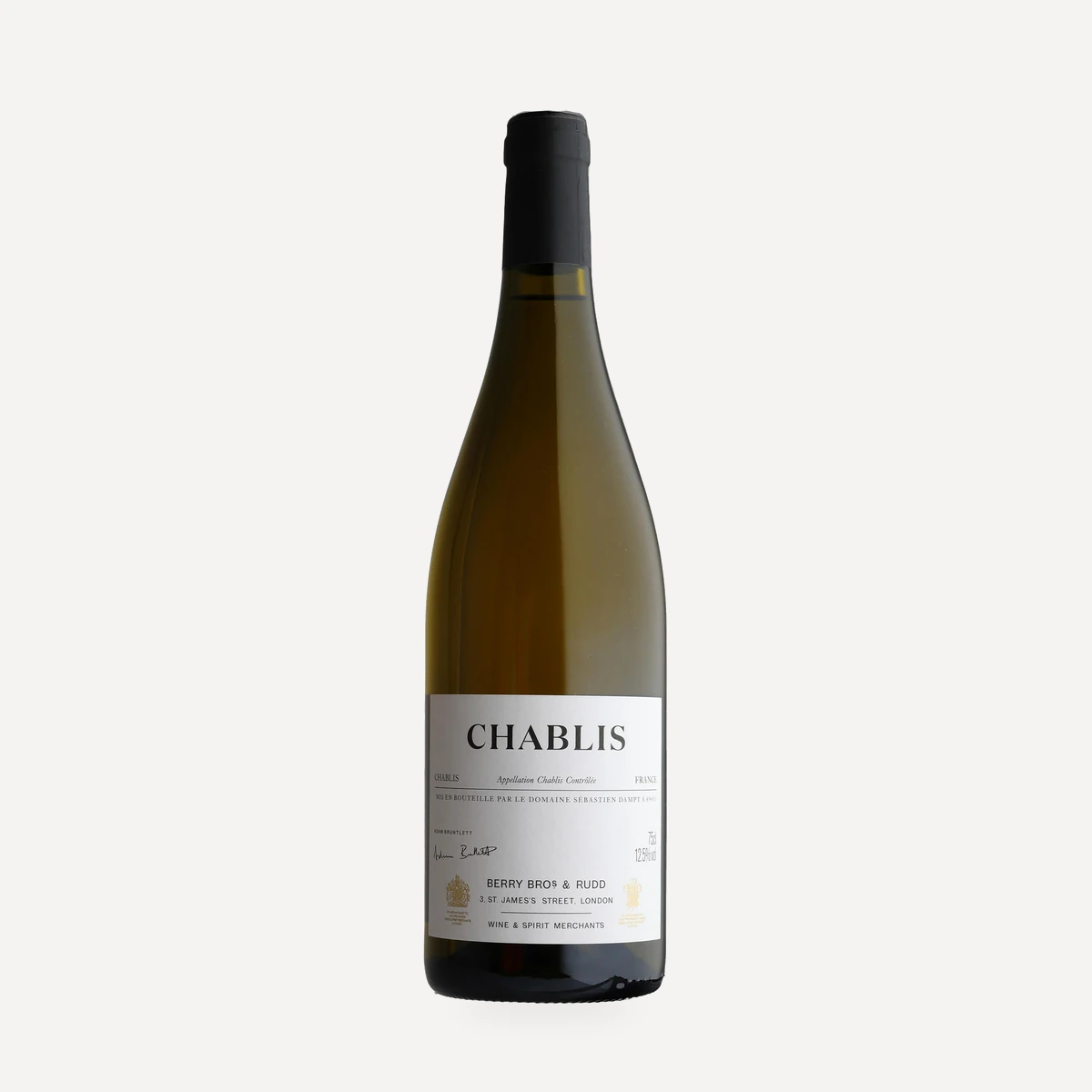
Berry Bros. & Rudd Chablis by Domaine Sébastien Dampt, Burgundy
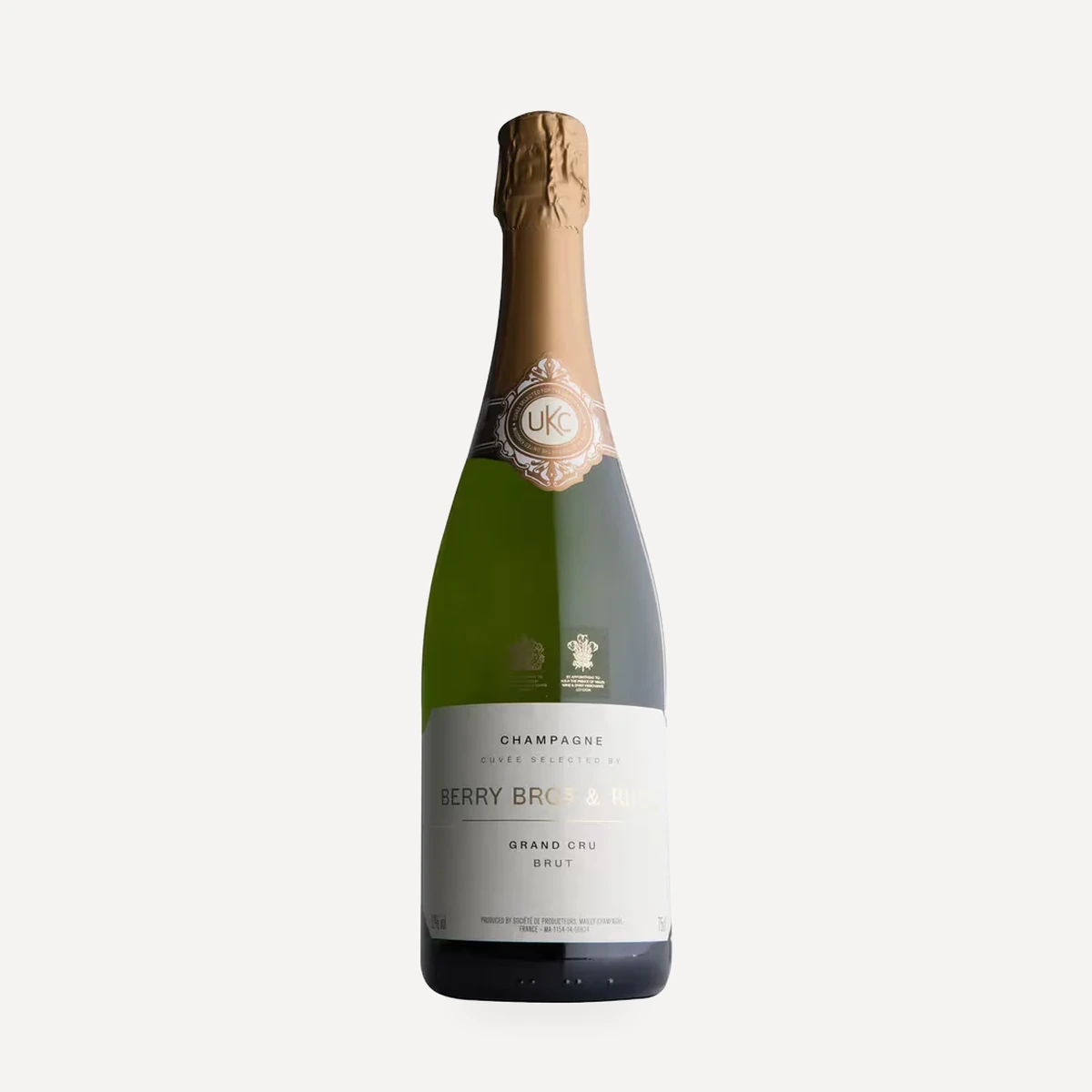
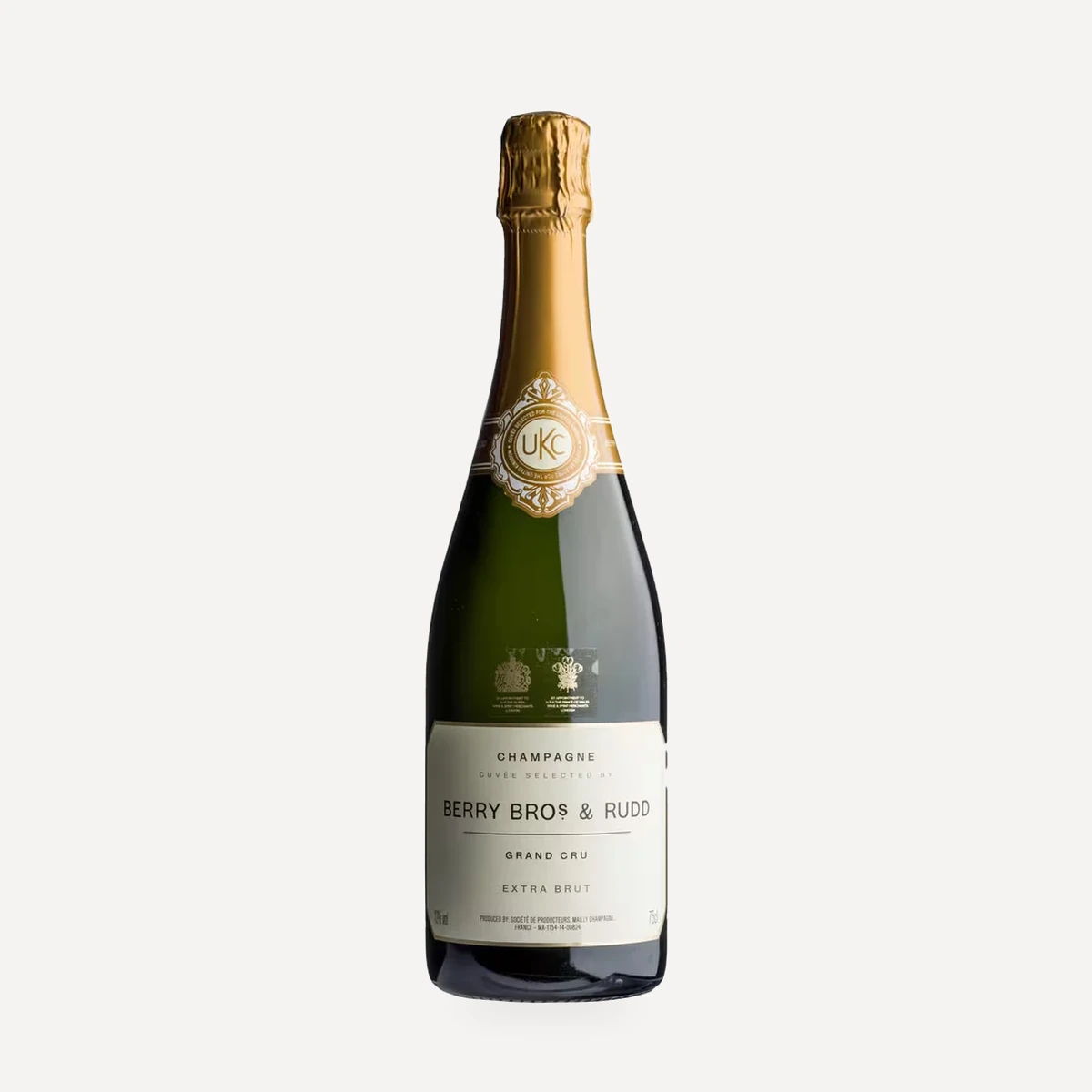
Berry Bros. & Rudd Champagne by Mailly, Grand Cru, Brut
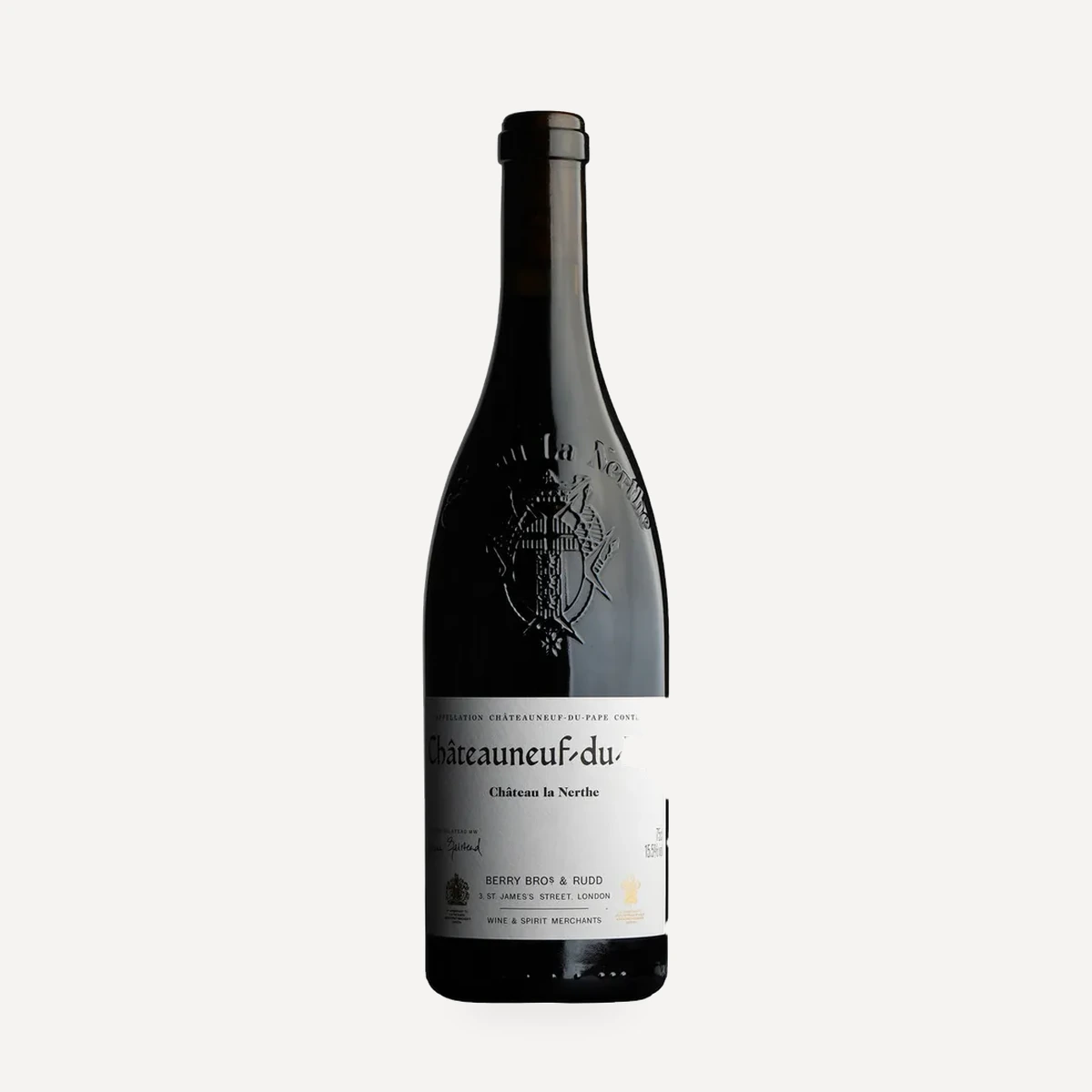
Berry Bros. & Rudd Châteauneuf-du-Pape by Château la Nerthe, Rhône
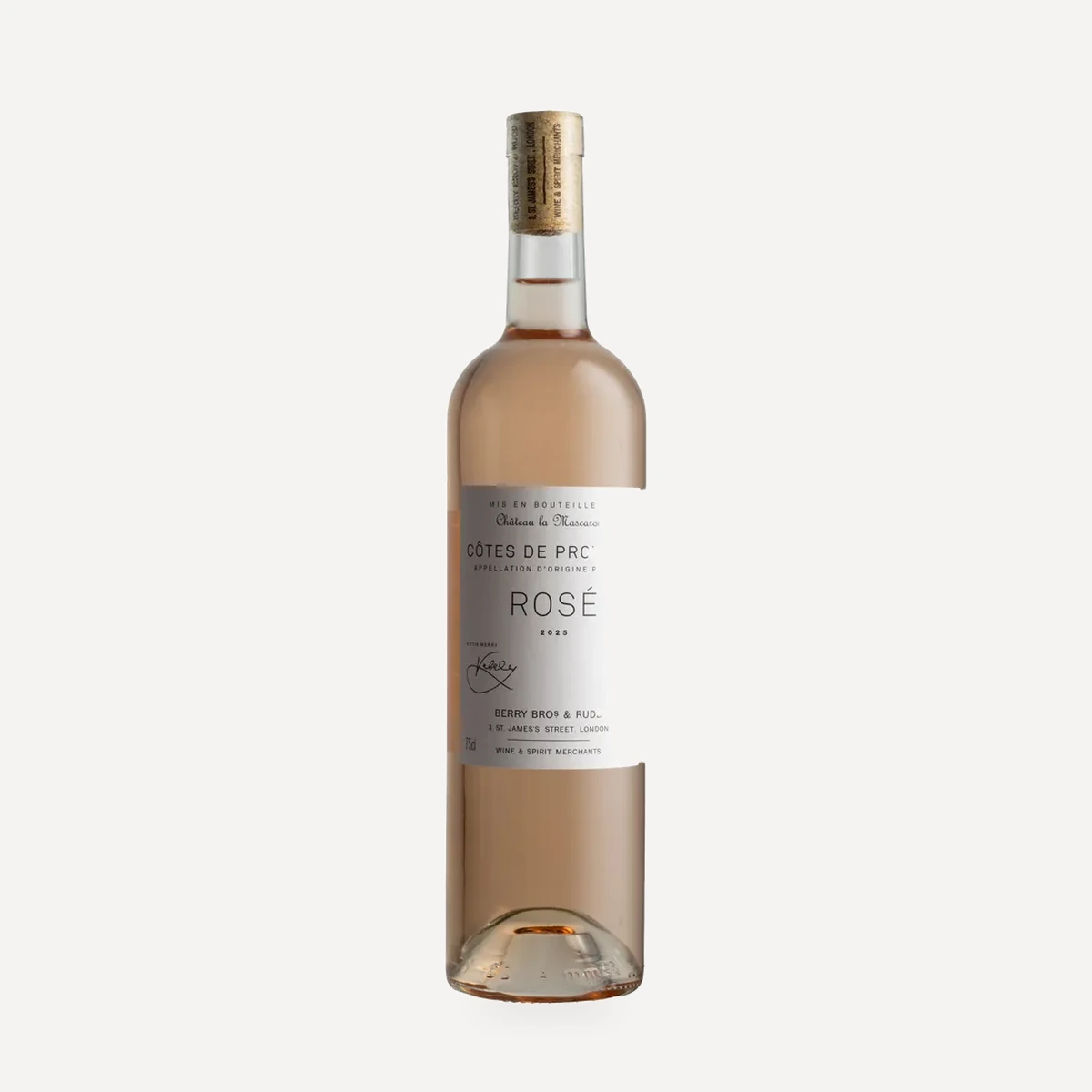
Berry Bros. & Rudd Côtes de Provence Rosé by Château la Mascaronne
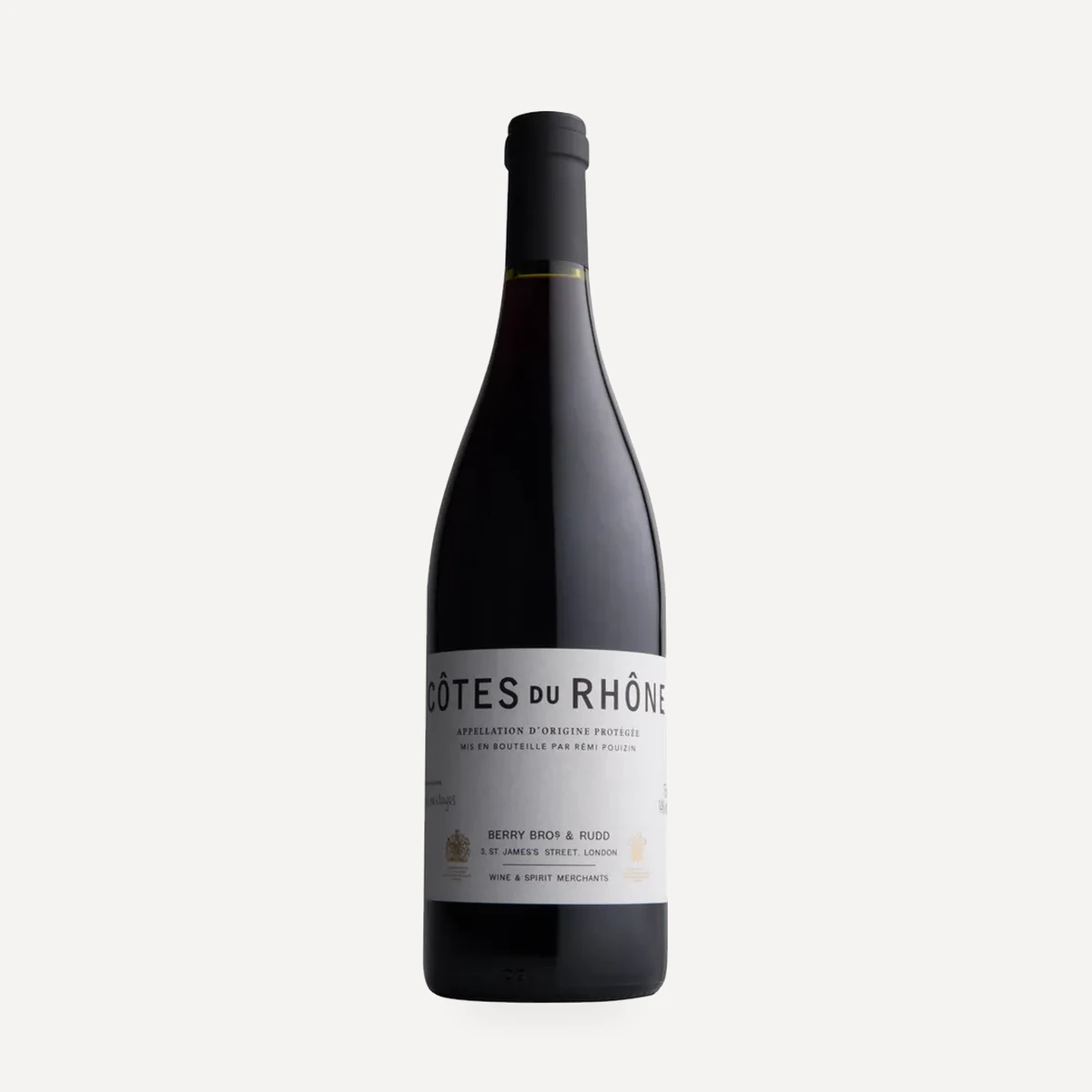
Berry Bros. & Rudd Côtes du Rhône Rouge by Rémi Pouizin
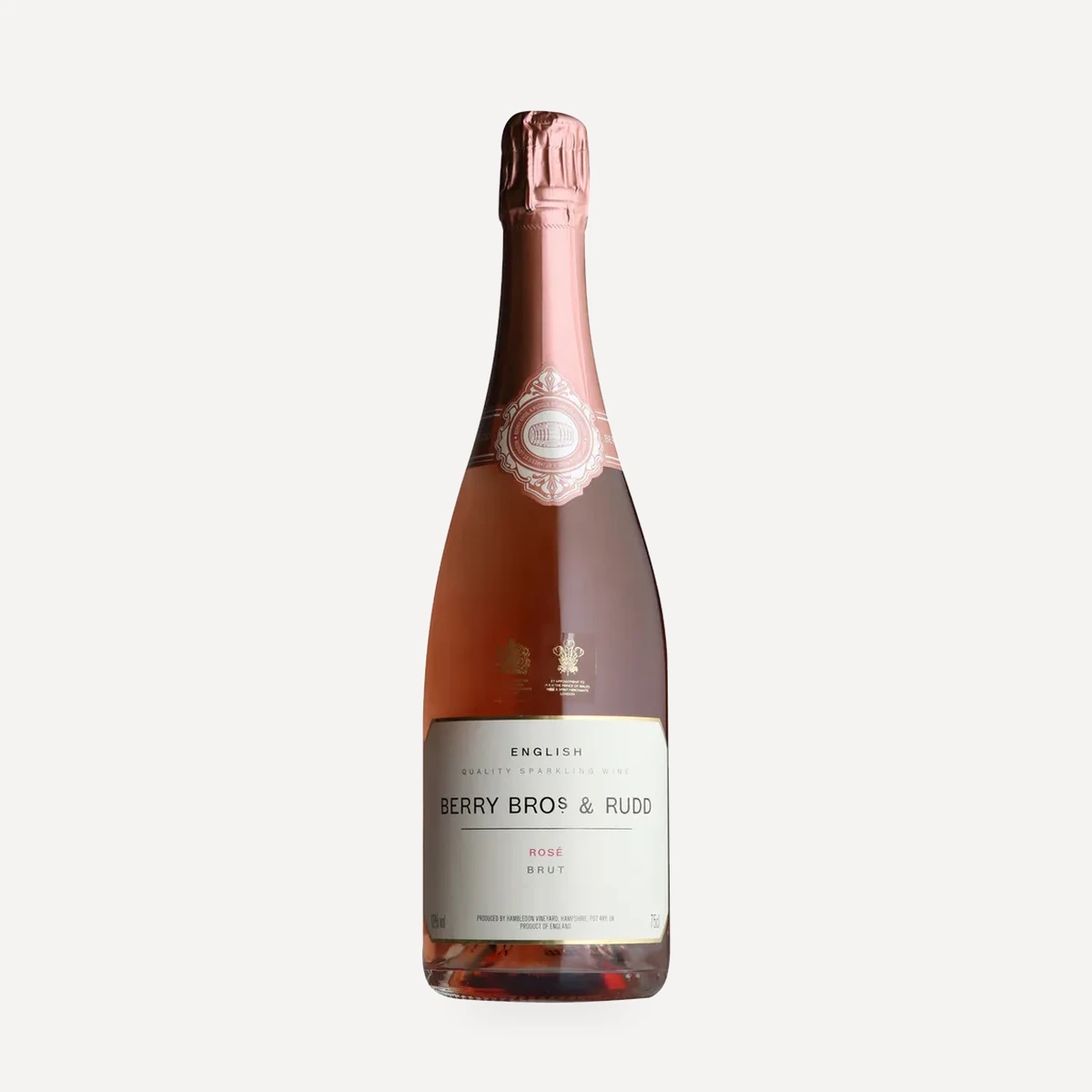
Berry Bros. & Rudd English Sparkling Rosé by Hambledon, Hampshire, England
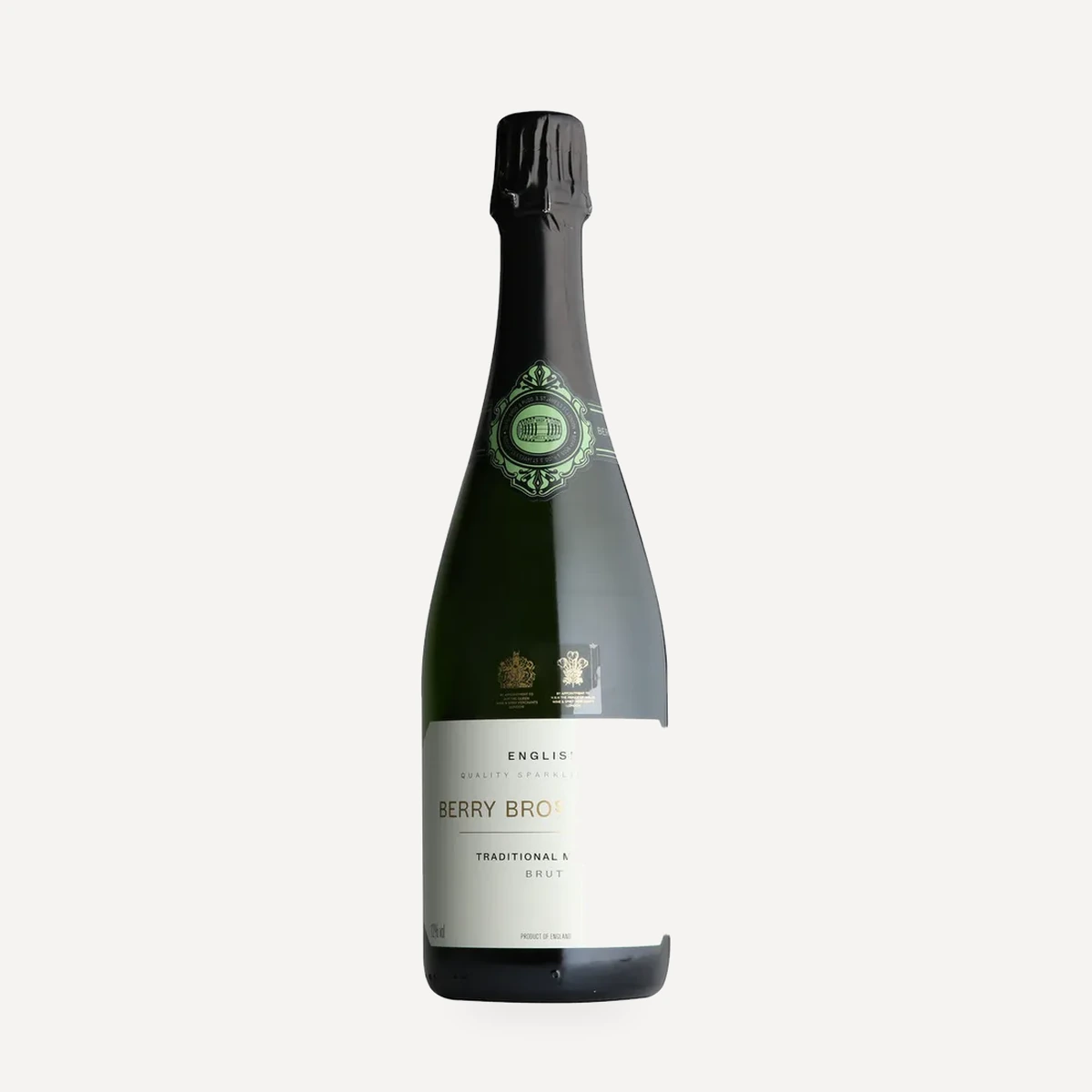
Berry Bros. & Rudd English Sparkling Wine by Hambledon, Hampshire, England
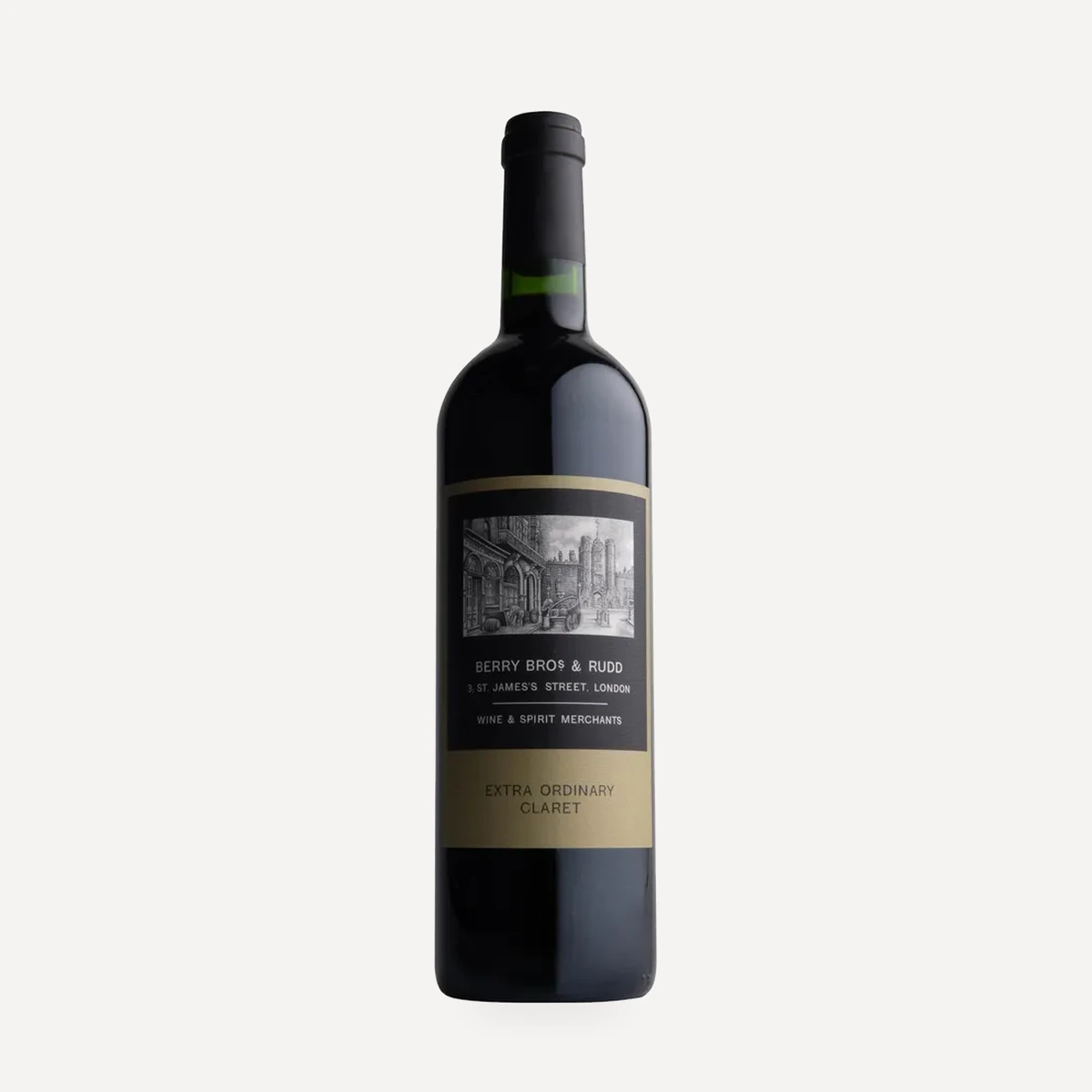
Berry Bros. & Rudd Extra Ordinary Claret by Château Villa Bel-Air, Bordeaux
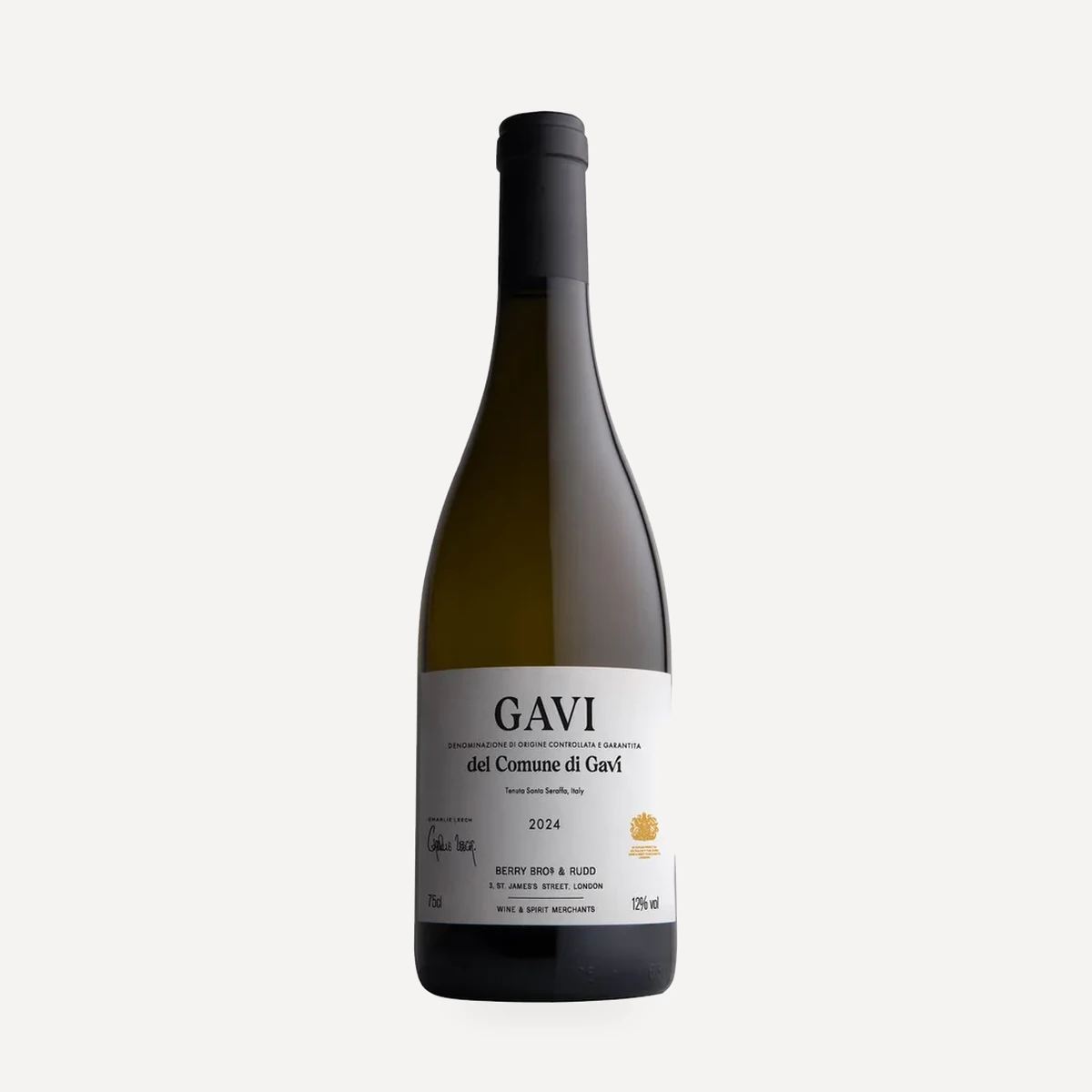
Berry Bros. & Rudd Gavi di Gavi by Tenuta Santa Seraffa, Piedmont, Italy
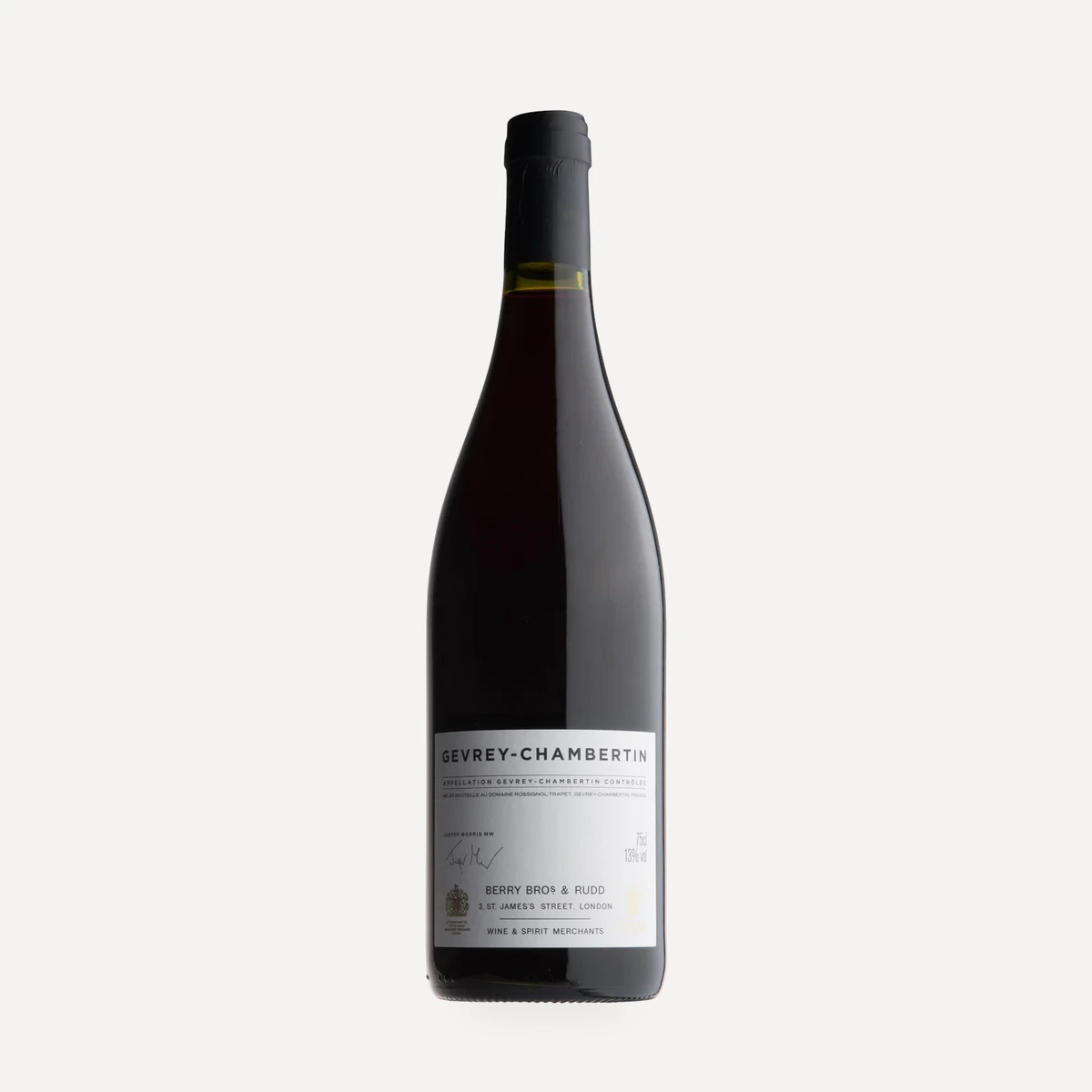
Berry Bros. & Rudd Gevrey-Chambertin by Rossignol-Trapet, Burgundy
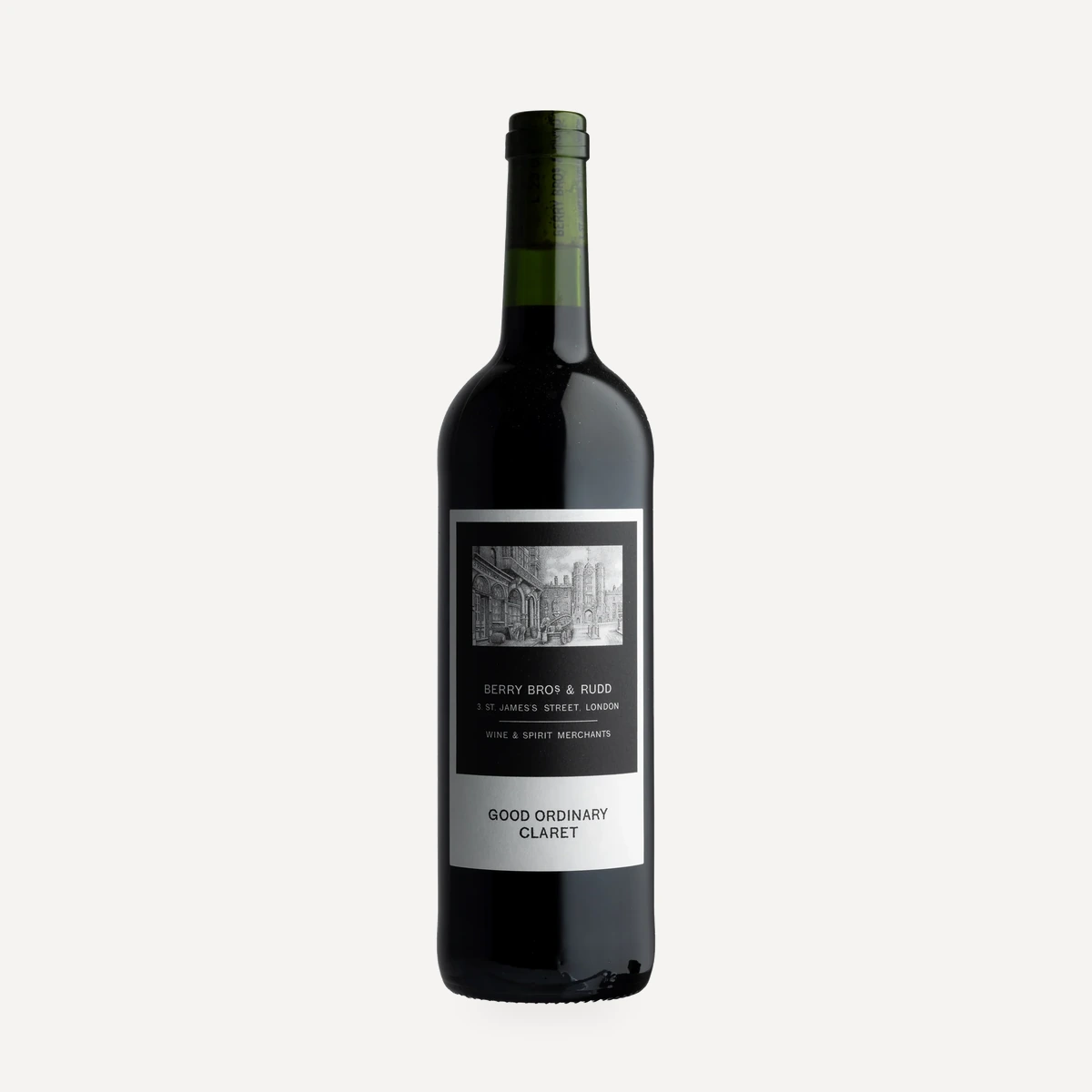
Berry Bros. & Rudd Good Ordinary Claret by Dourthe, Bordeaux
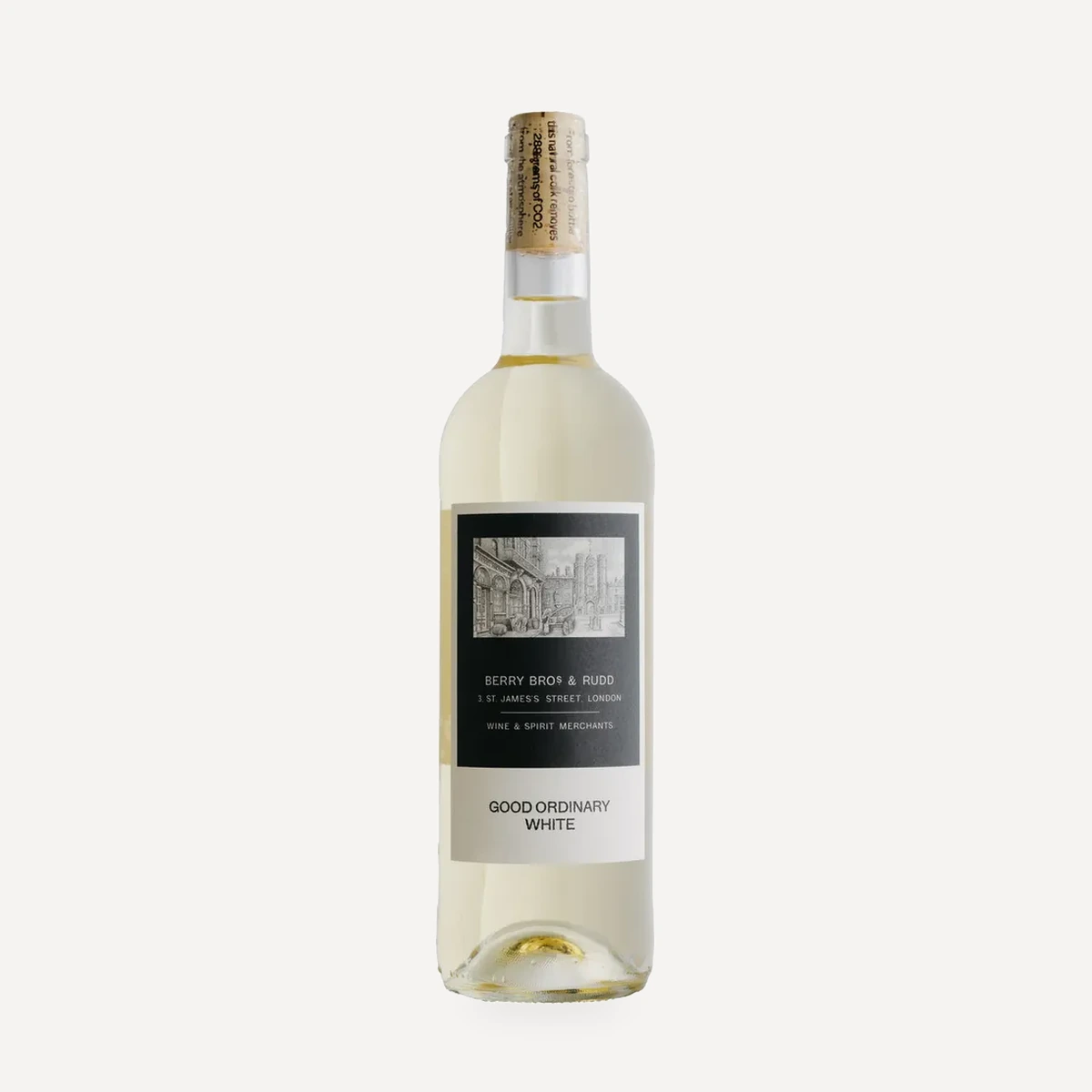
Berry Bros. & Rudd Good Ordinary White by Dourthe, Bordeaux
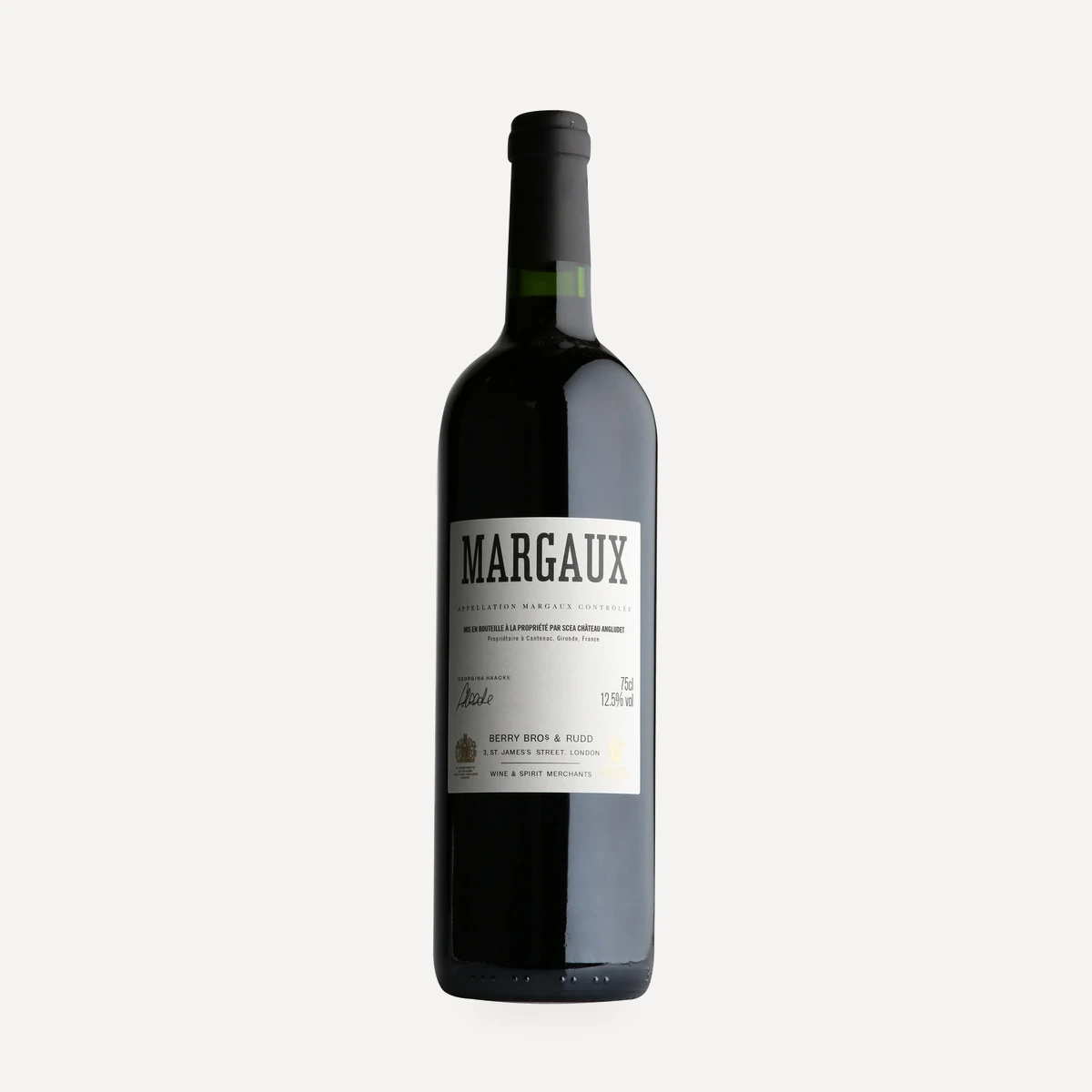
Berry Bros. & Rudd Margaux by Château Angludet, Bordeaux
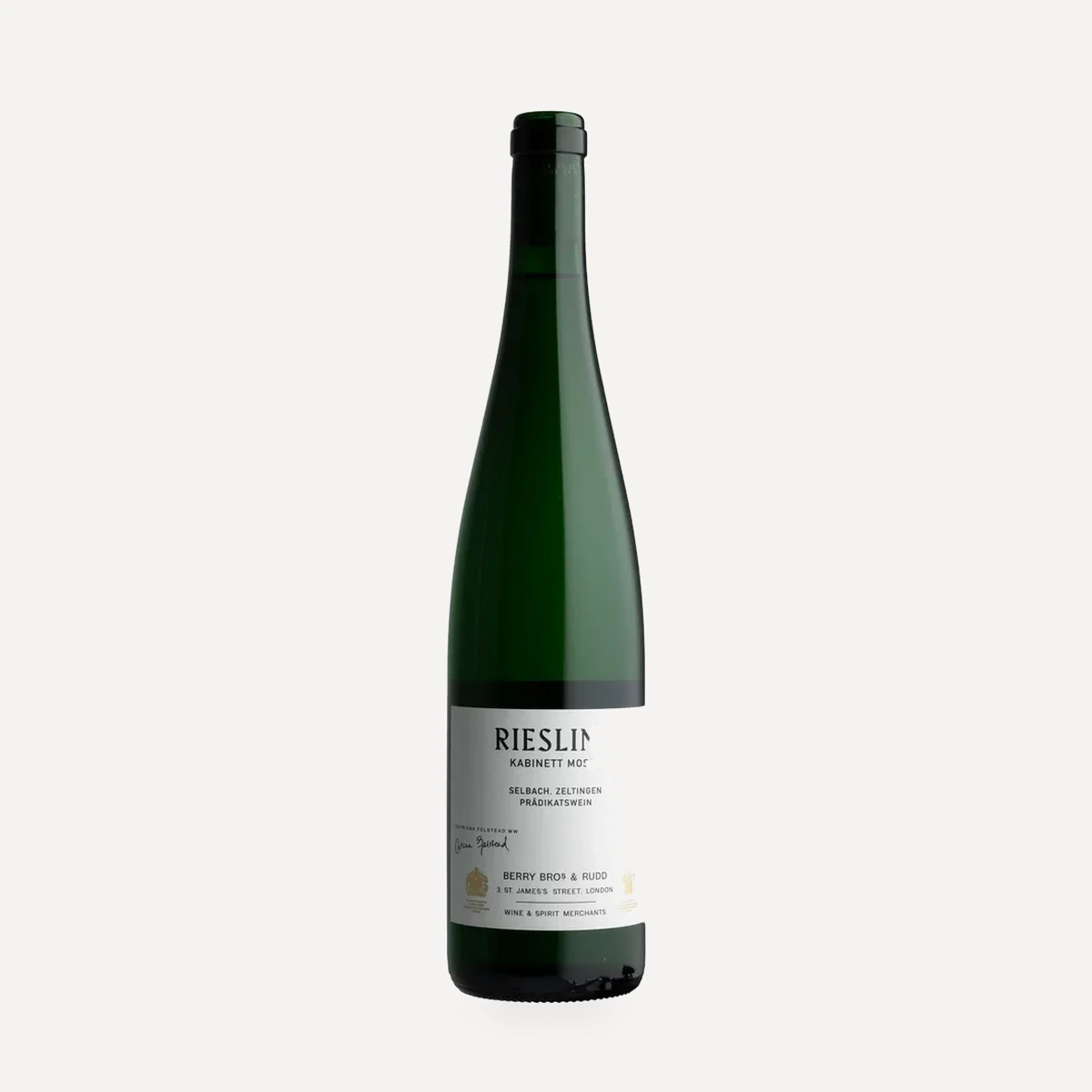
Berry Bros. & Rudd Mosel Riesling Kabinett by Selbach-Oster, Germany
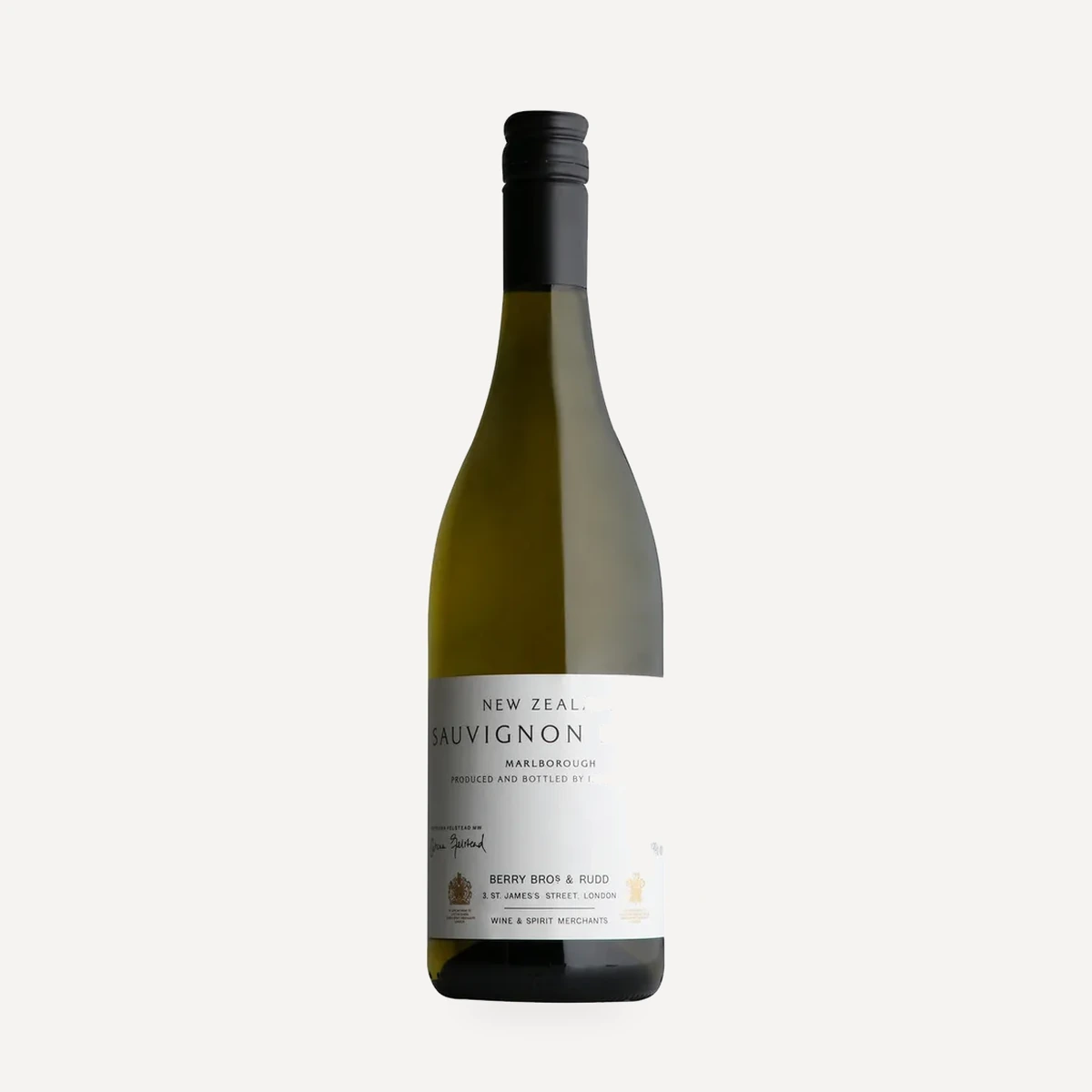
Berry Bros. & Rudd New Zealand Sauvignon Blanc by Isabel Estate, Marlborough
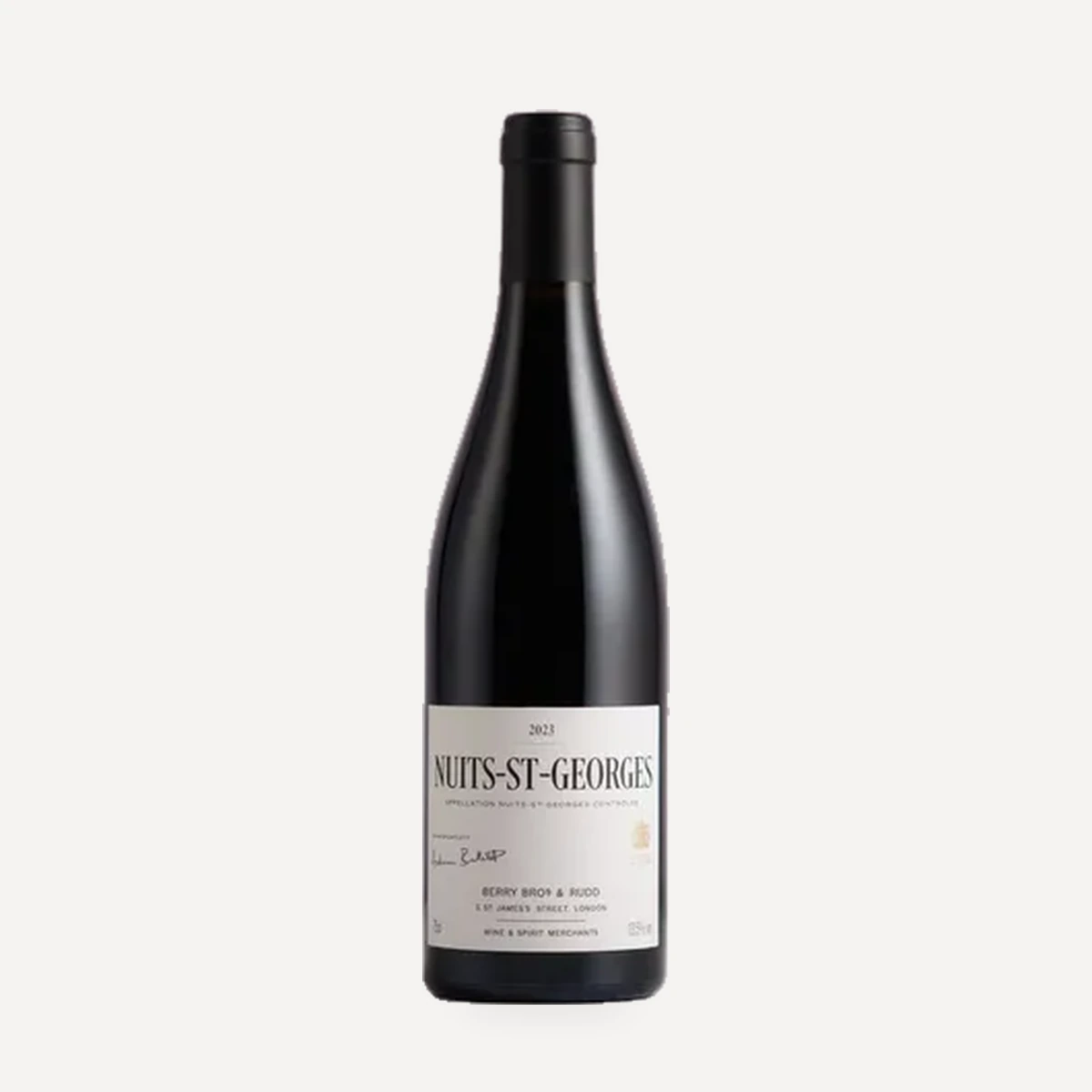
Berry Bros. & Rudd Nuits-St Georges by Domaine Jean Chauvenet, Burgundy
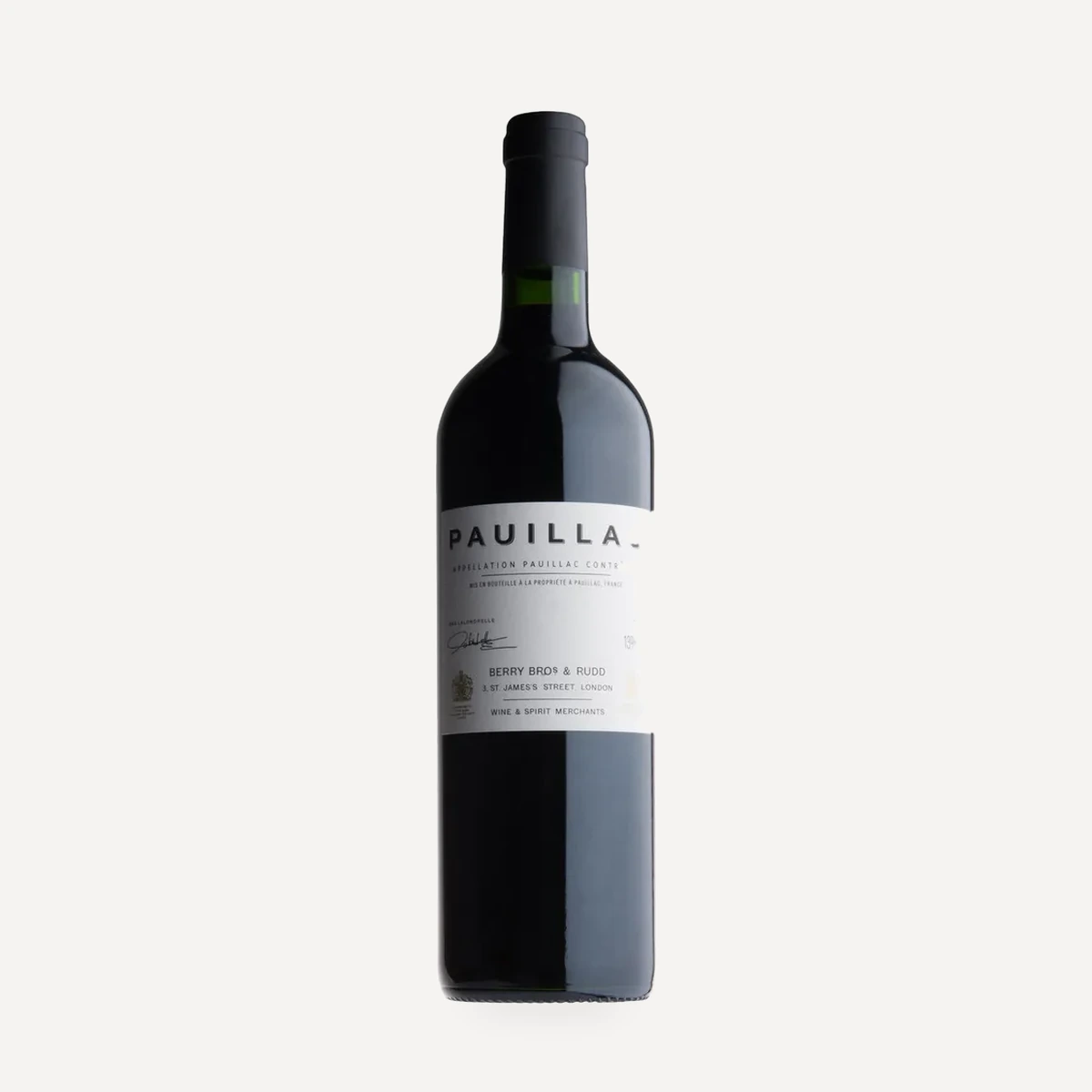
Berry Bros. & Rudd Pauillac by Château Lynch-Bages, Bordeaux
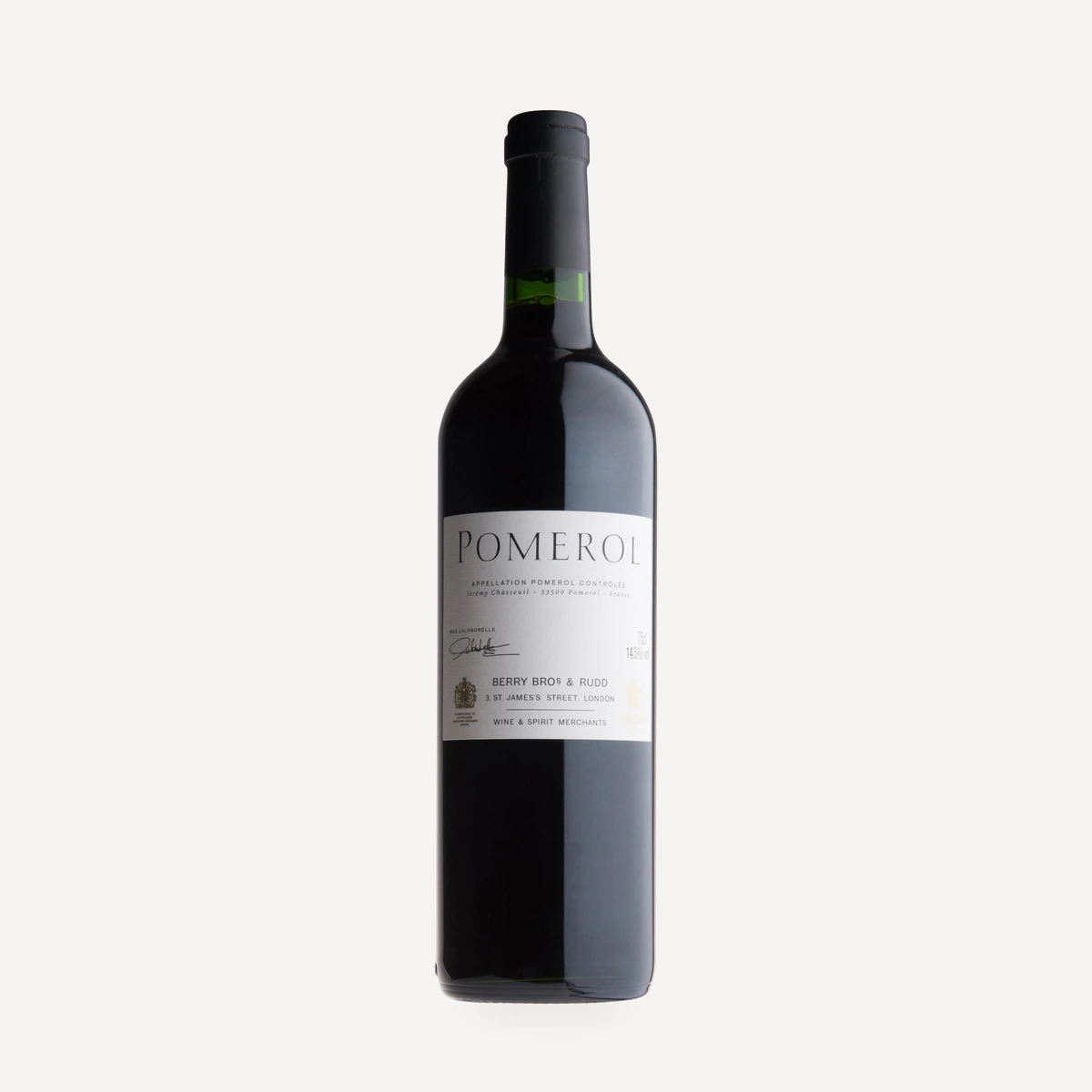
Berry Bros. & Rudd Pomerol by Château Feytit-Clinet, Bordeaux
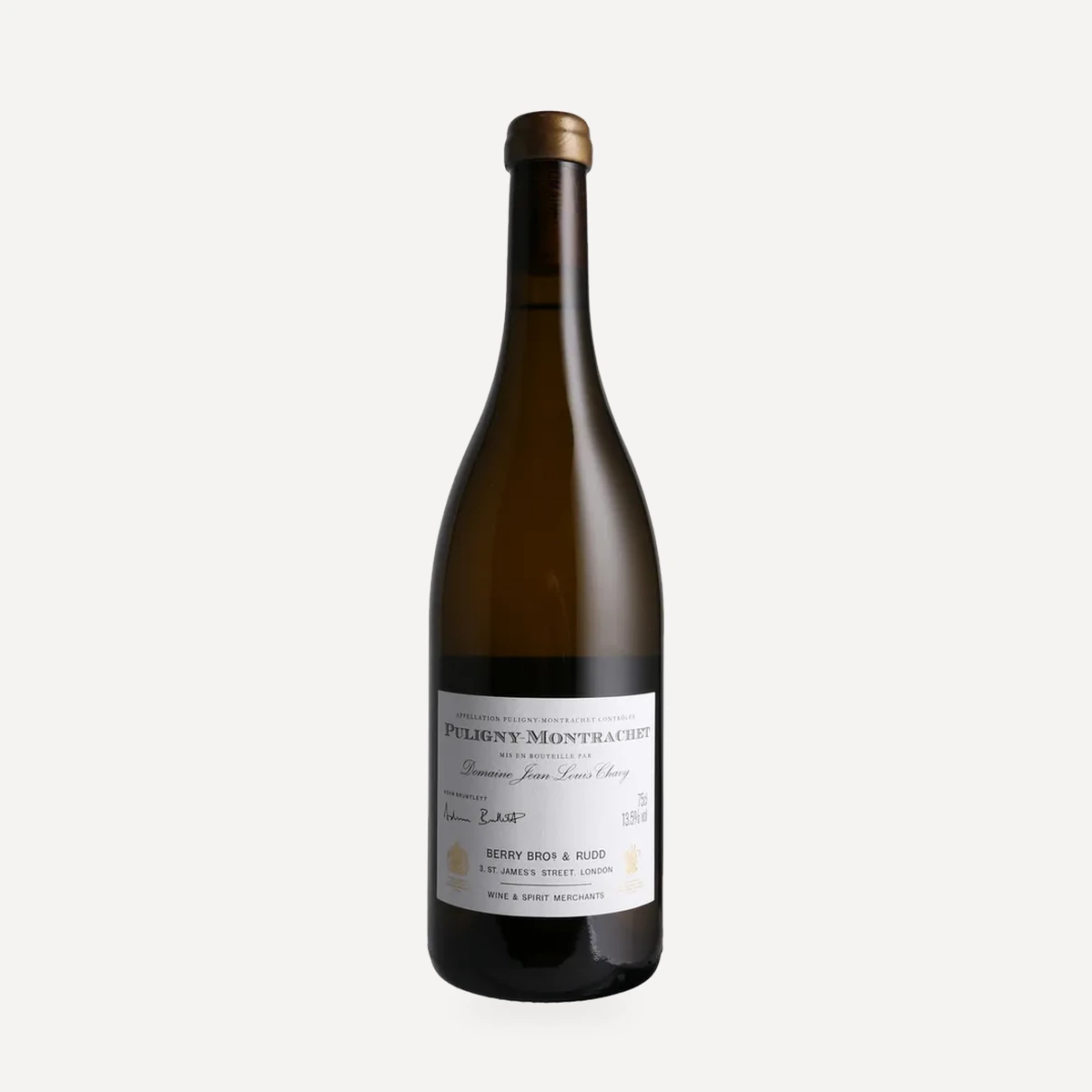
Berry Bros. & Rudd Puligny-Montrachet by Domaine Jean-Louis Chavy, Burgundy
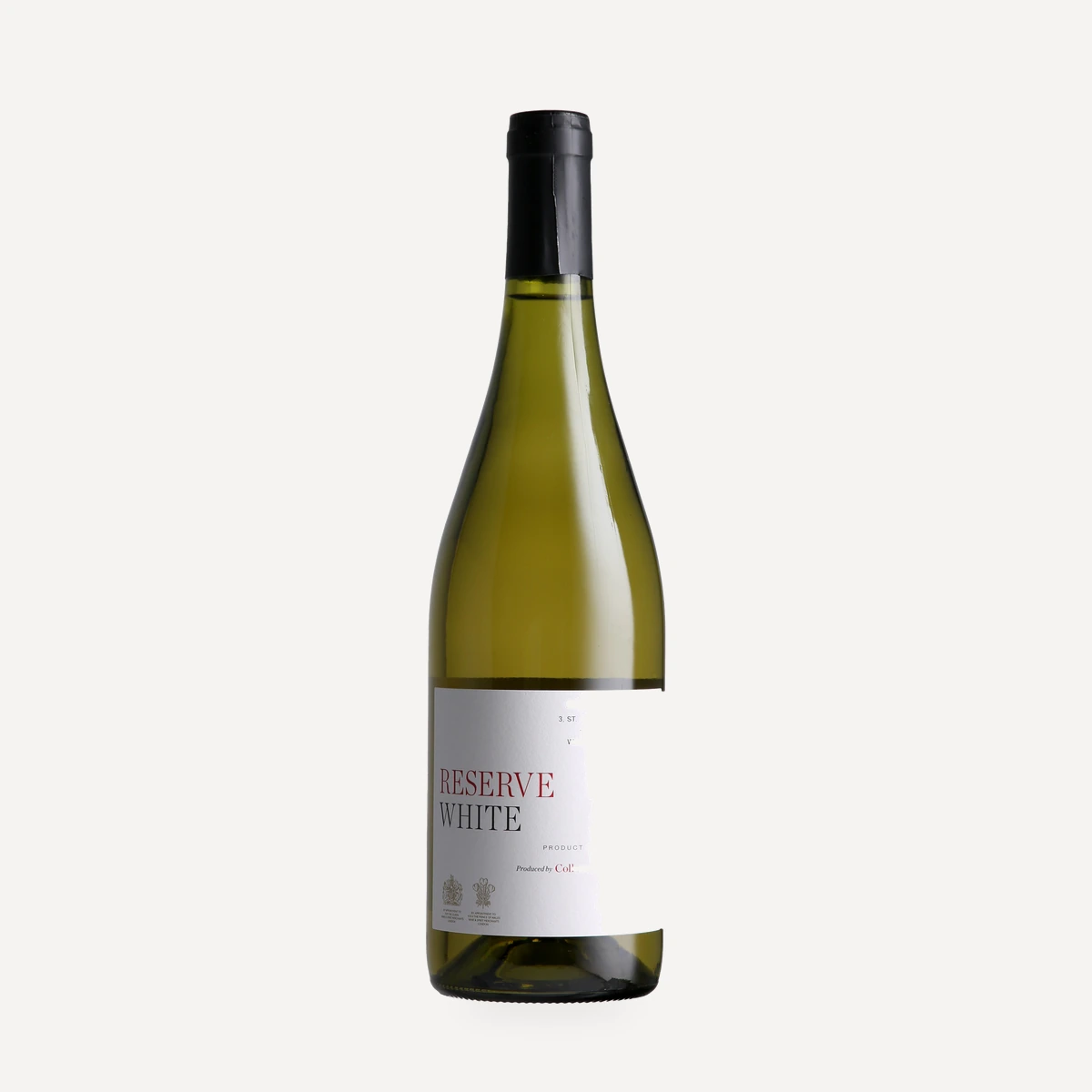
Berry Bros. & Rudd Reserve White by Collovray & Terrier
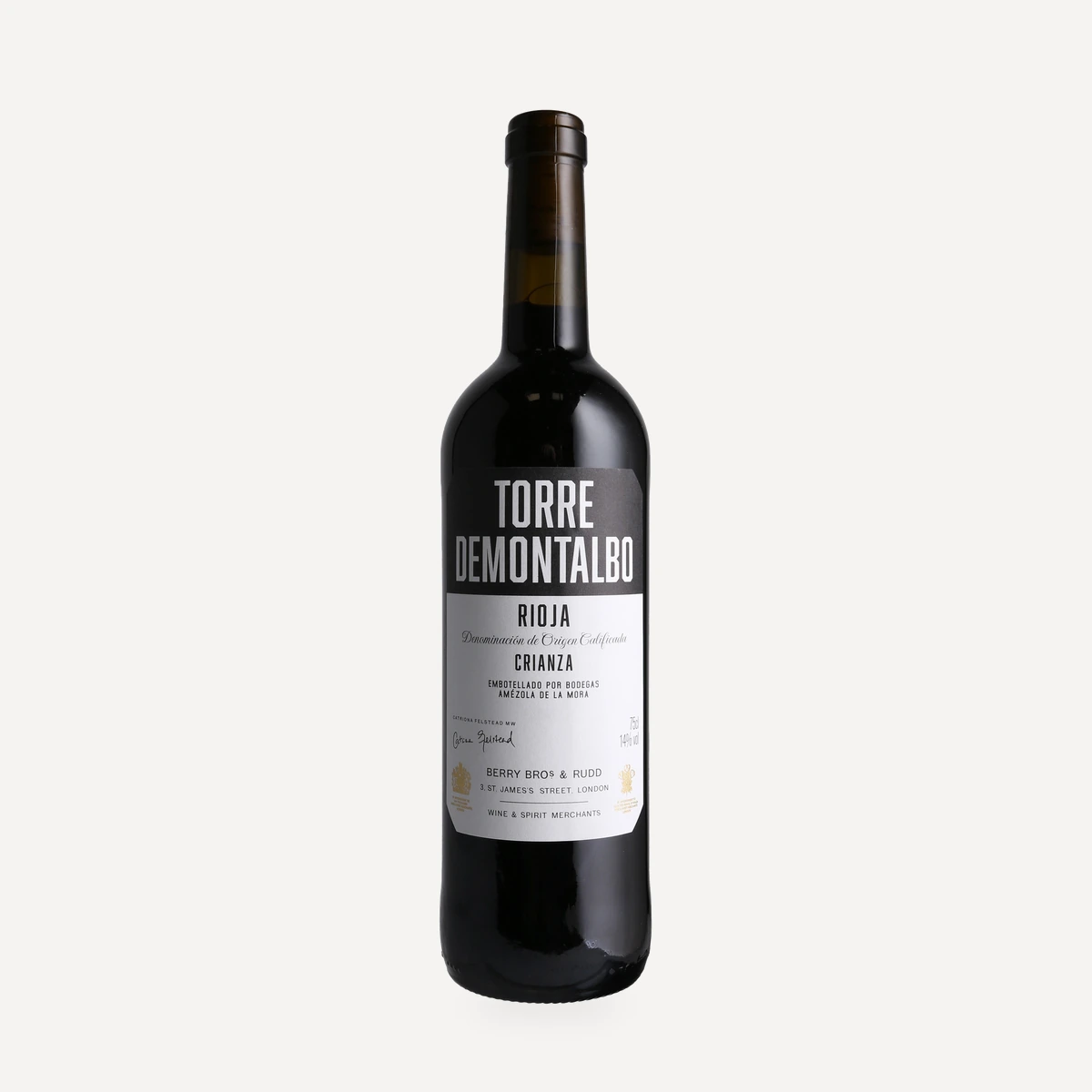
Berry Bros. & Rudd Rioja by Bodegas Amézola de la Mora, Spain
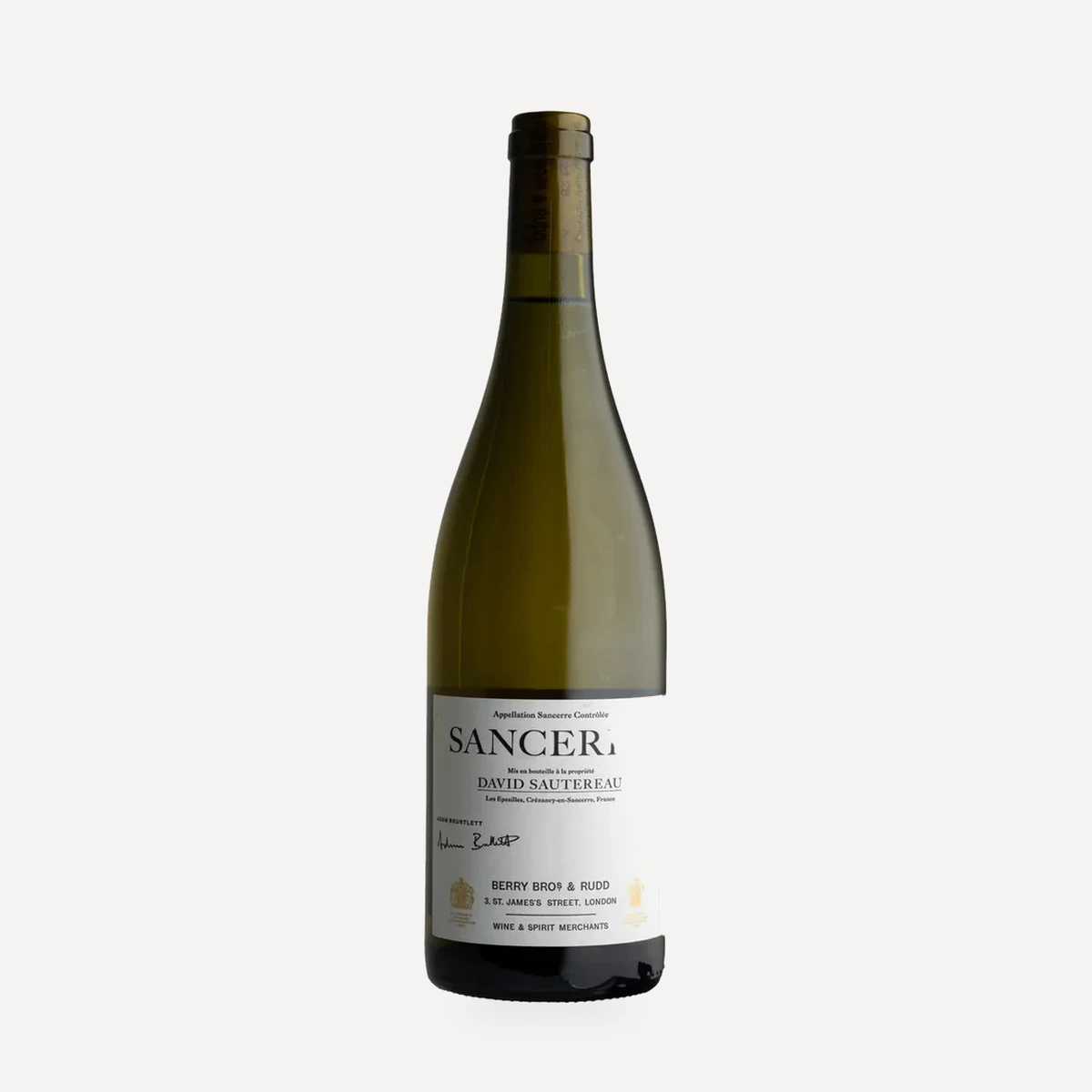
Berry Bros. & Rudd Sancerre by Domaine David Sautereau, Loire
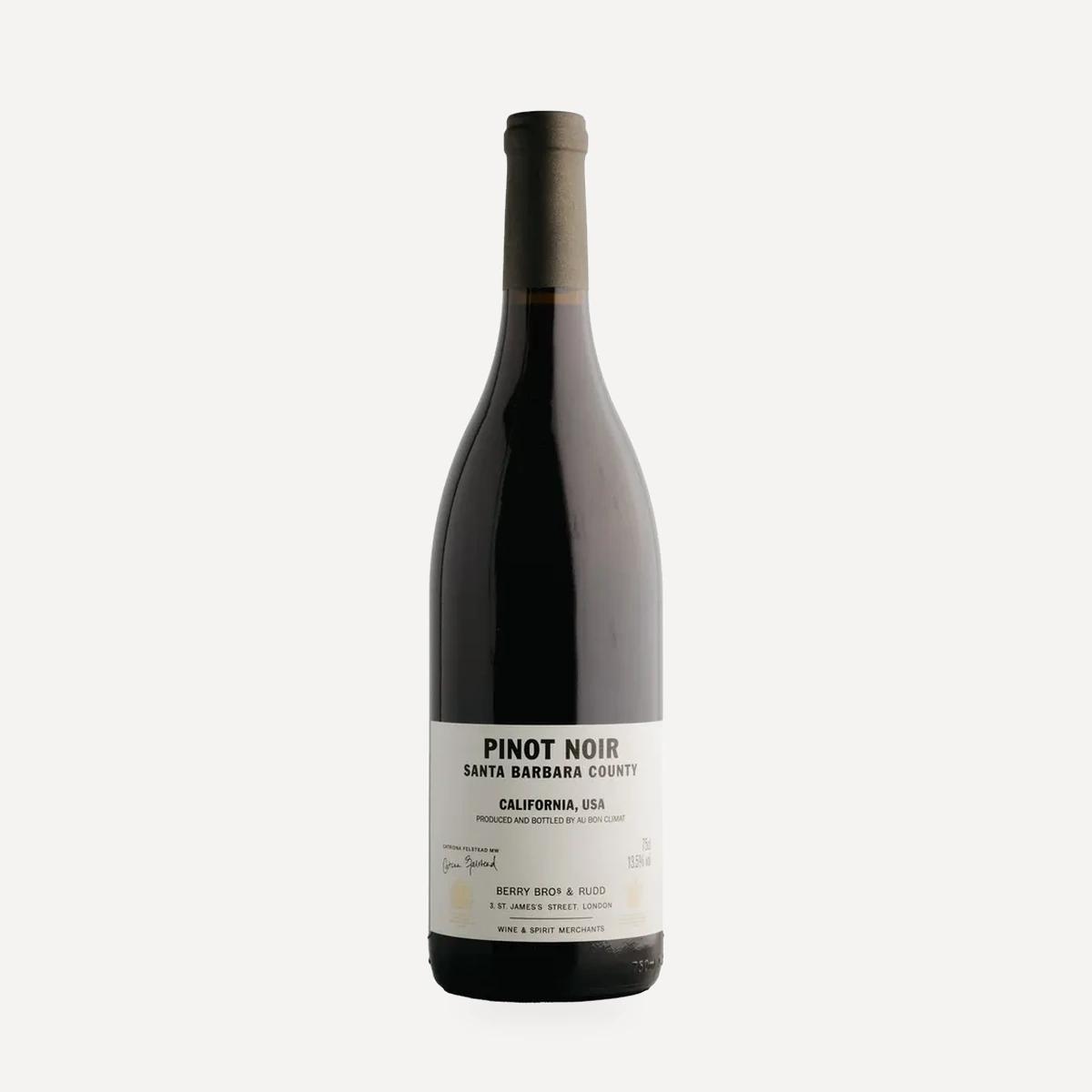
Berry Bros. & Rudd Santa Barbara County Pinot Noir by Au Bon Climat, California, USA
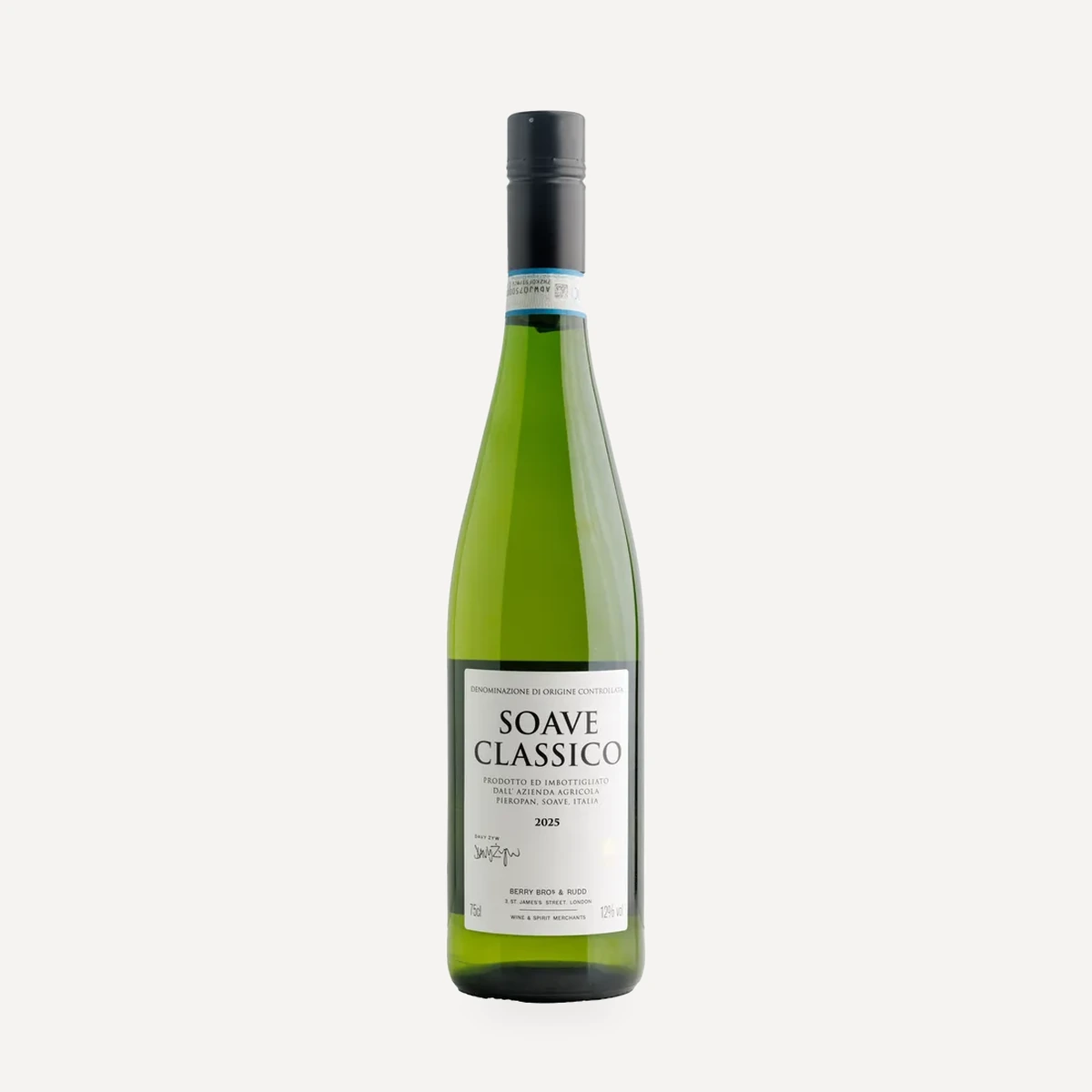
Berry Bros. & Rudd Soave Classico by Pieropan, Veneto, Italy
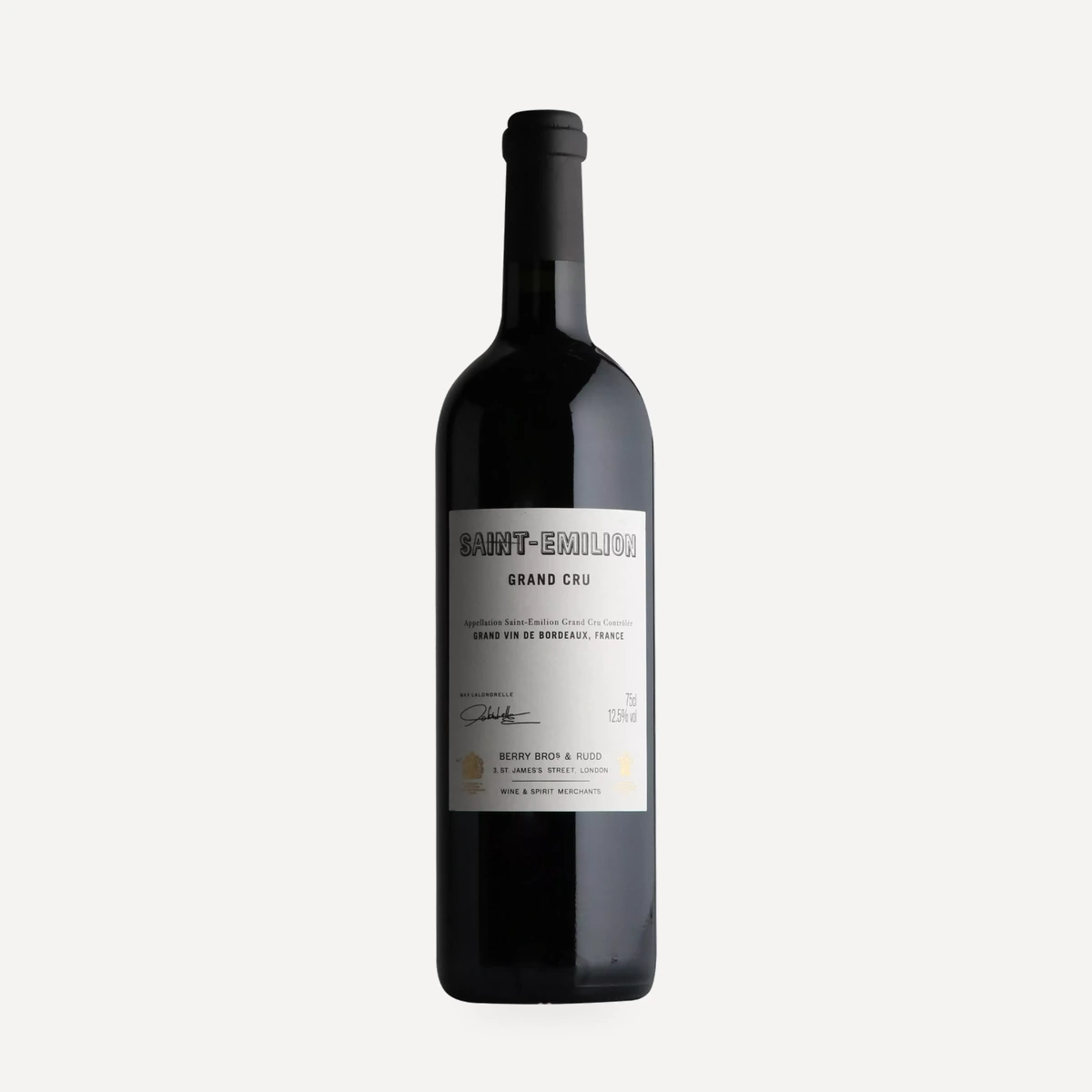
Berry Bros. & Rudd St Emilion by Château Simard, Bordeaux
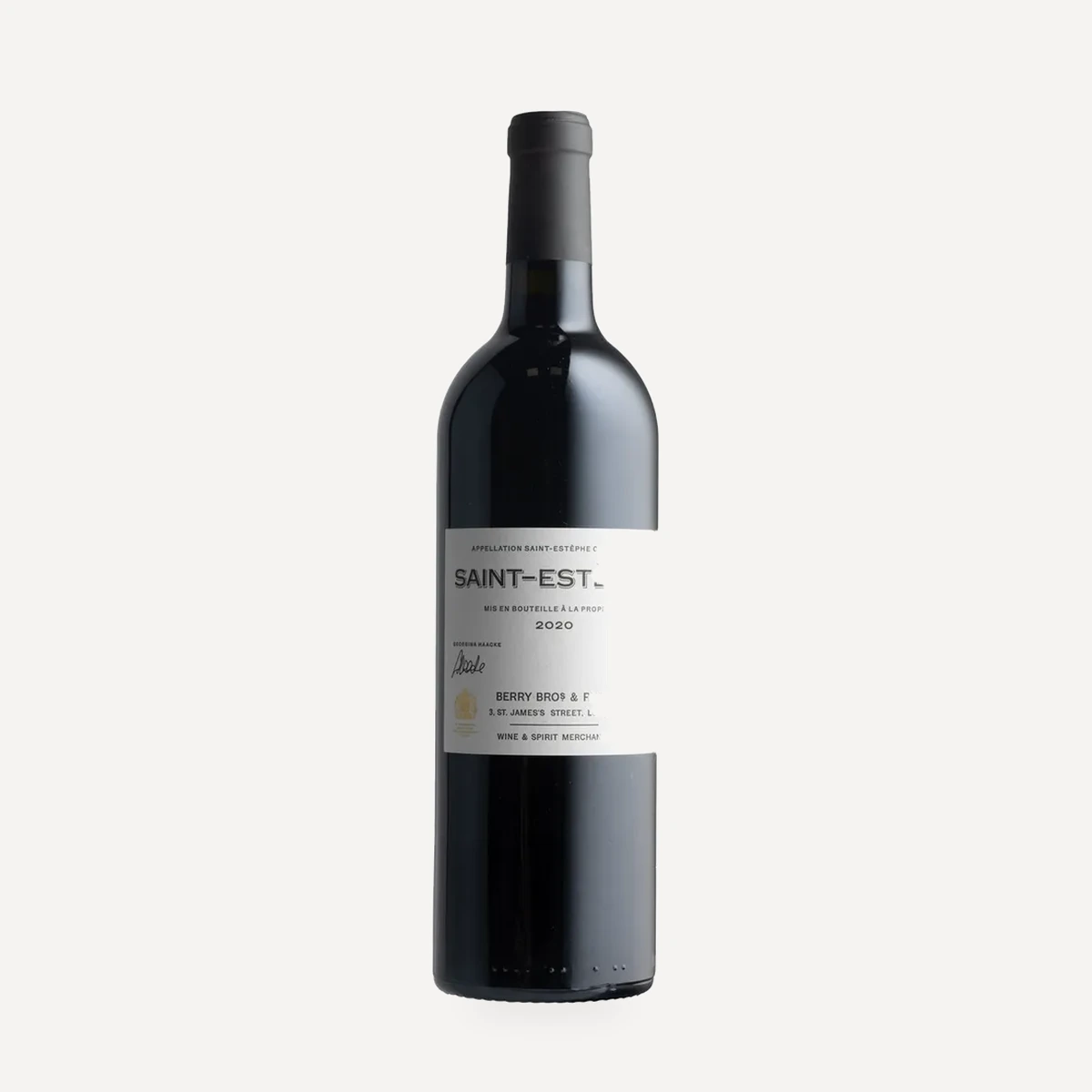
Berry Bros. & Rudd St Estèphe by Château de Pez, Bordeaux
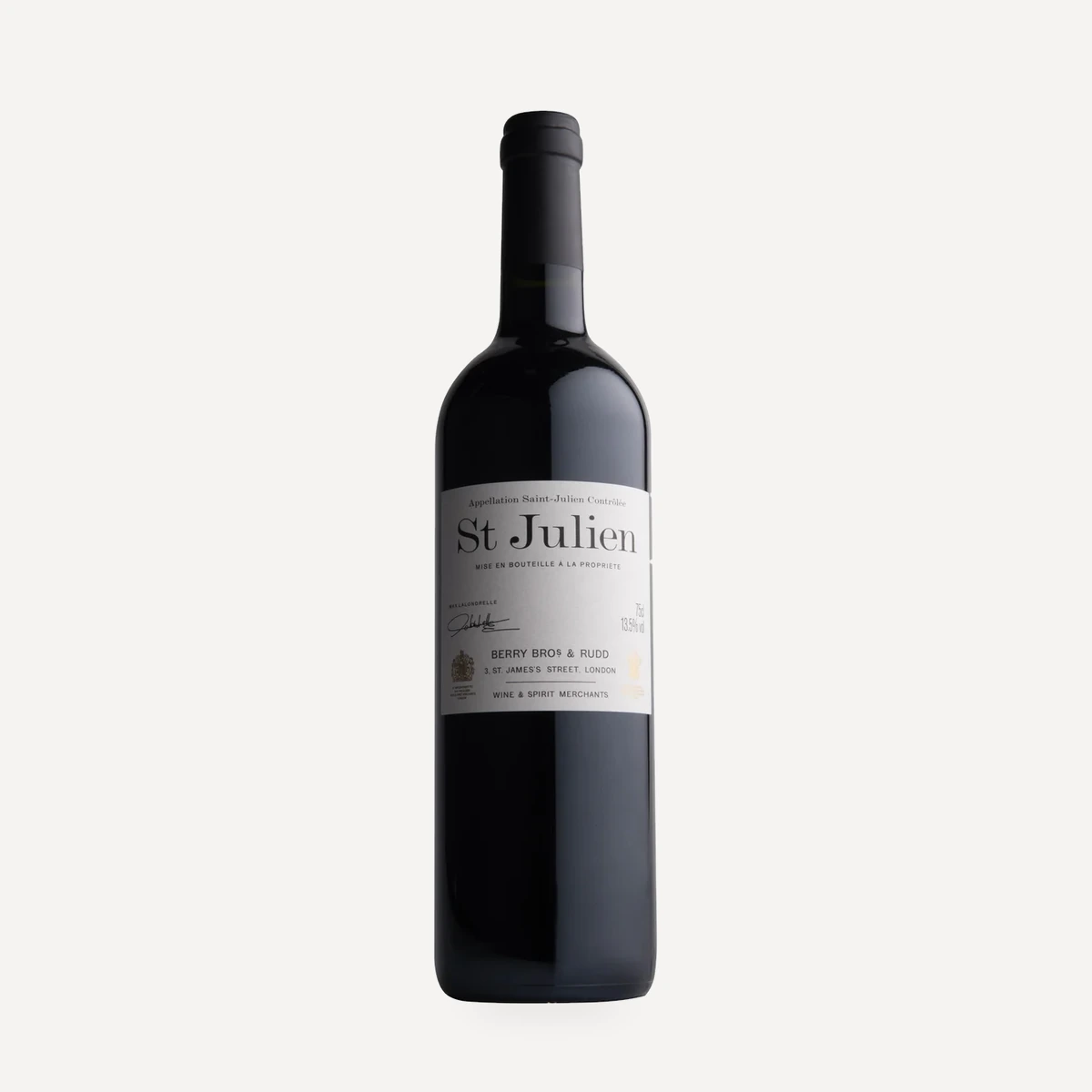
Berry Bros. & Rudd St Julien by Château Branaire-Ducru, Bordeaux
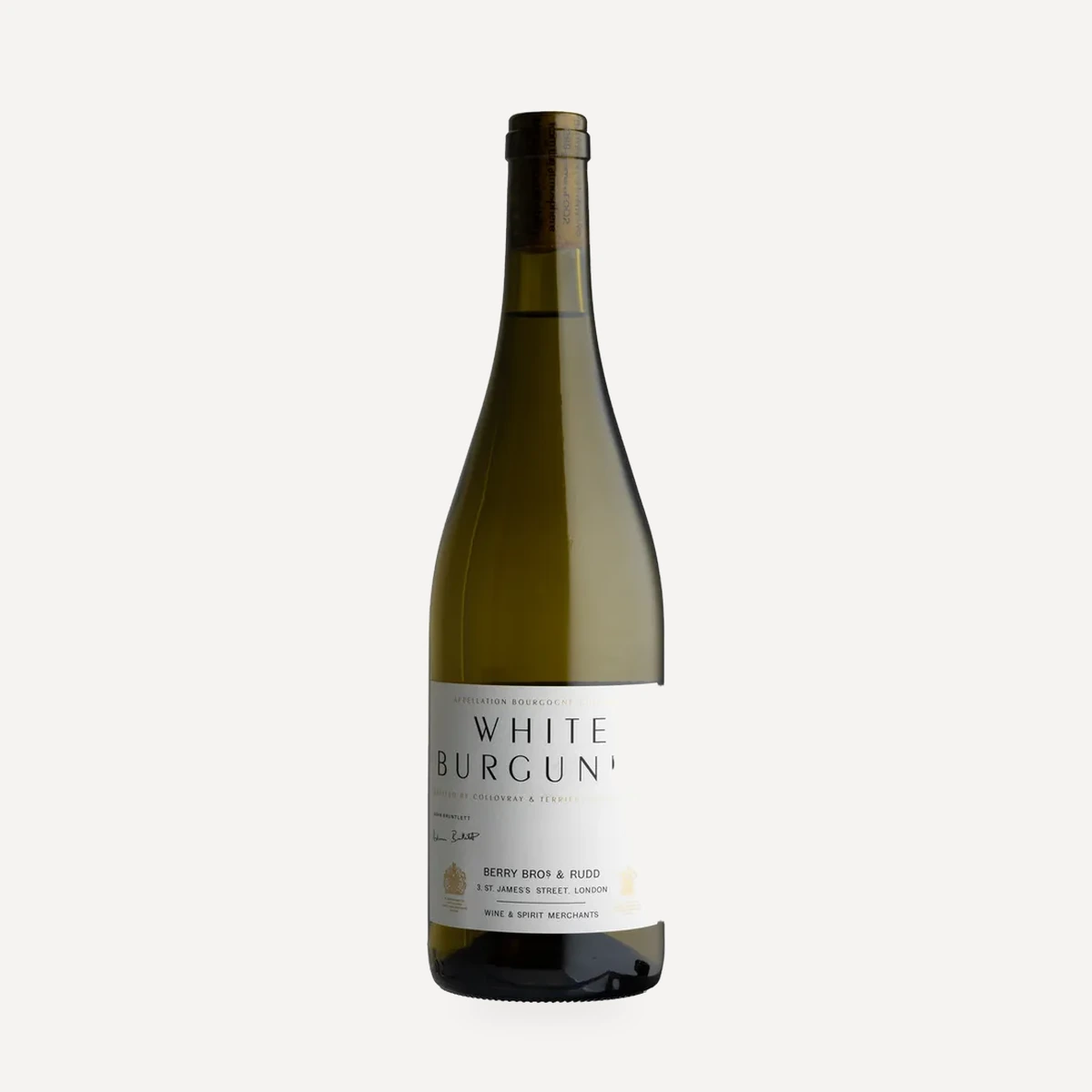
Berry Bros. & Rudd White Burgundy by Collovray & Terrier
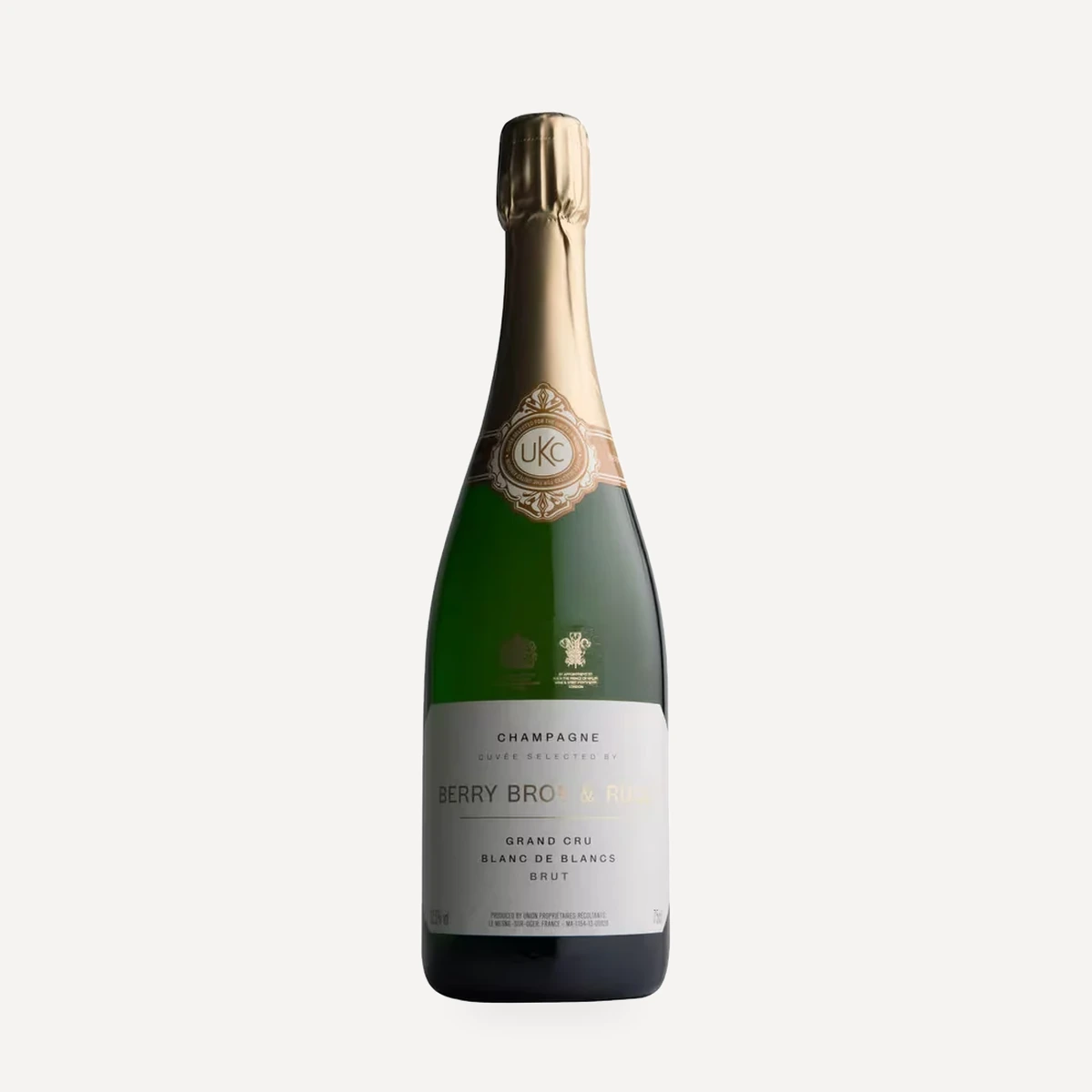
Berry Bros. & Rudd Blanc de Blancs Champagne by Le Mesnil, Grand Cru, Brut
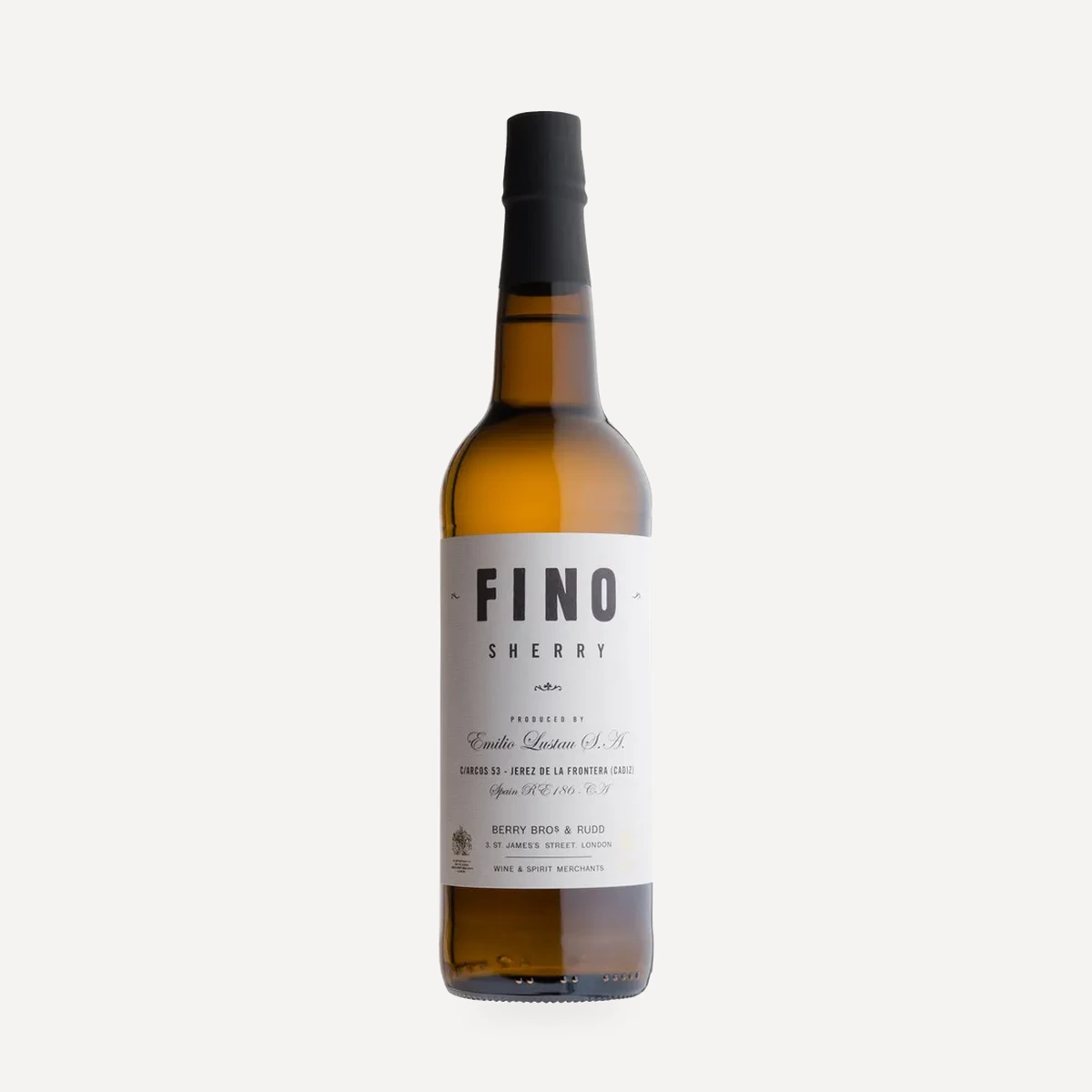
Berry Bros. & Rudd Fino by Bodegas Emilio Lustau
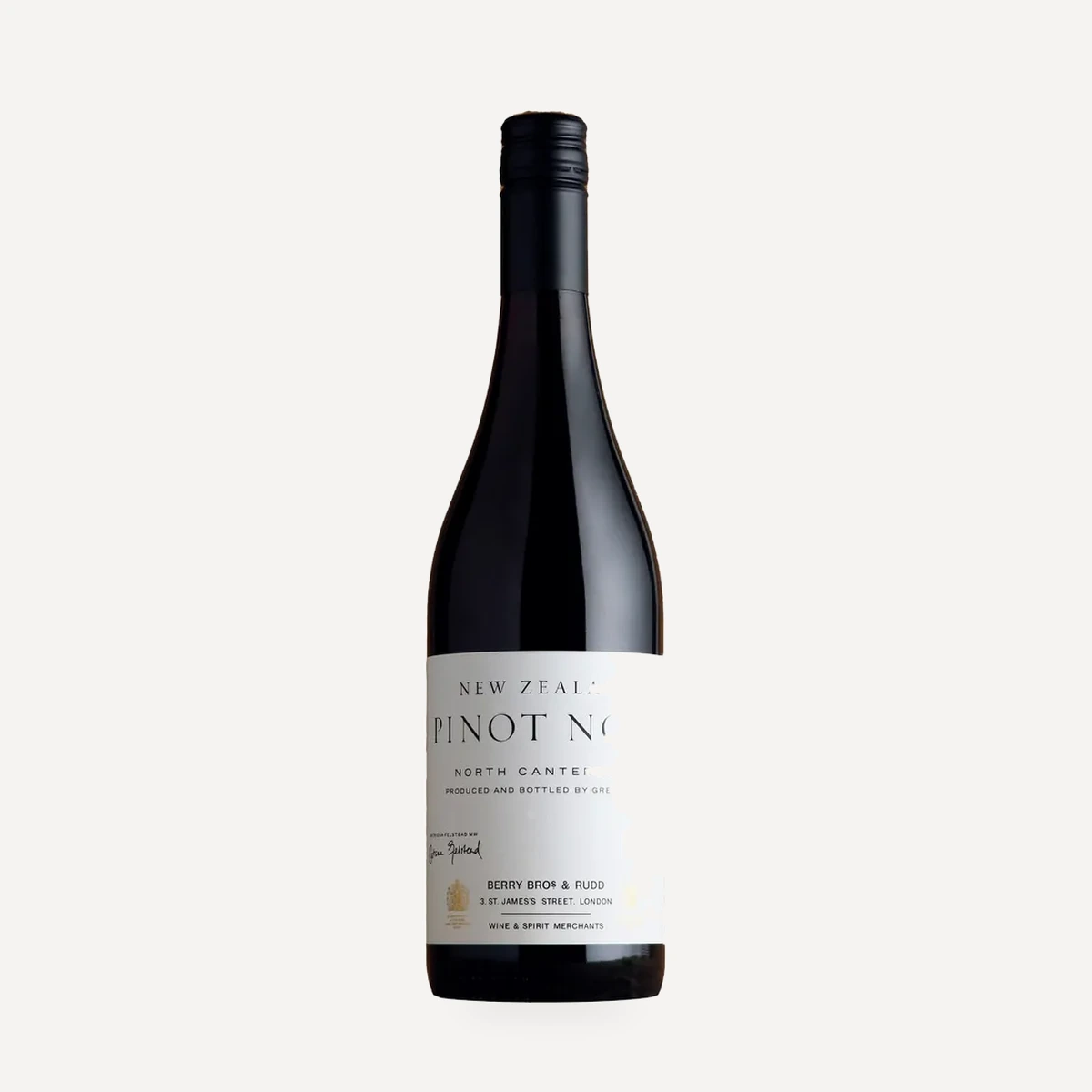
Berry Bros. & Rudd New Zealand Pinot Noir by Greystone Wines, North Canterbury
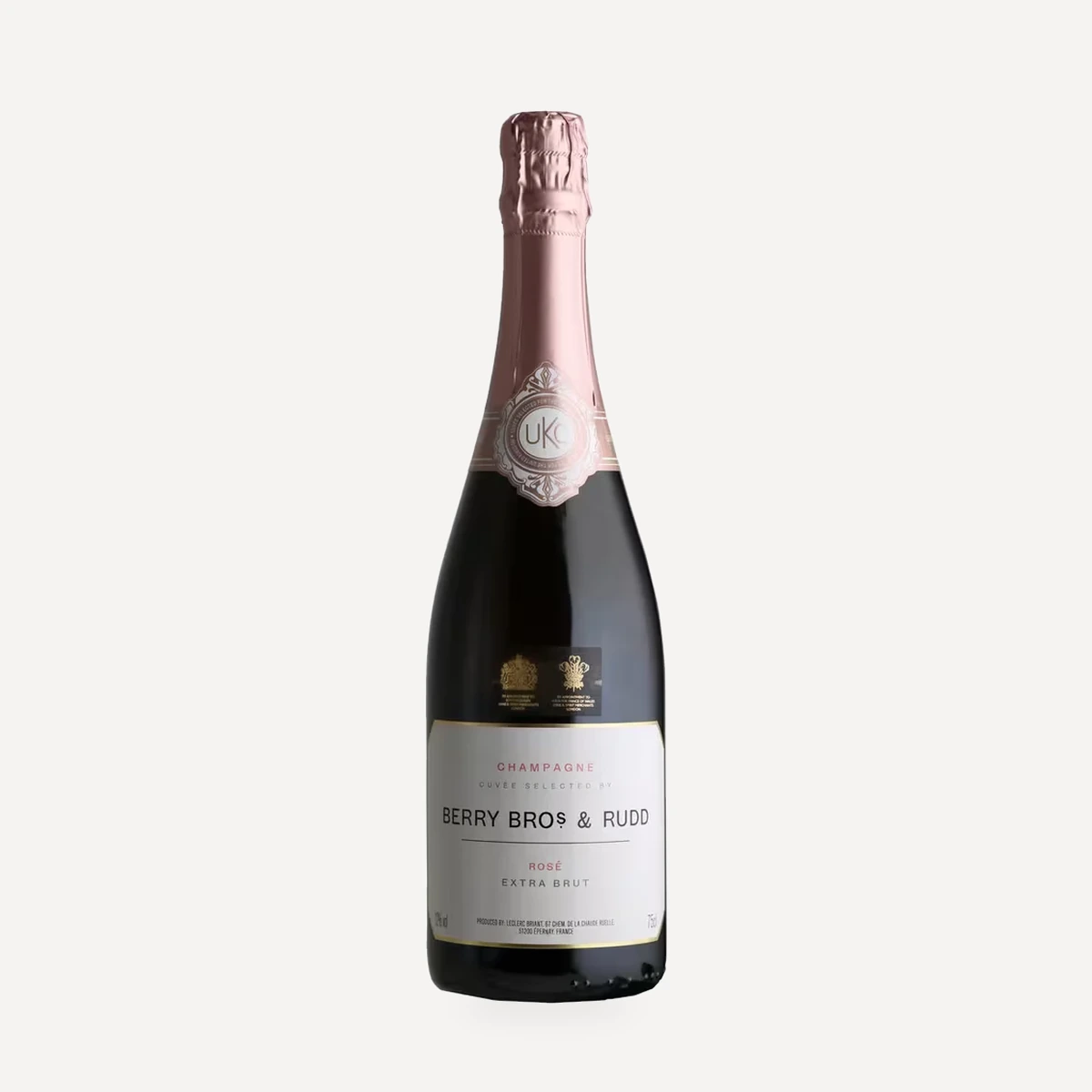
Berry Bros. & Rudd Rosé by Champagne Leclerc Briant, Extra Brut
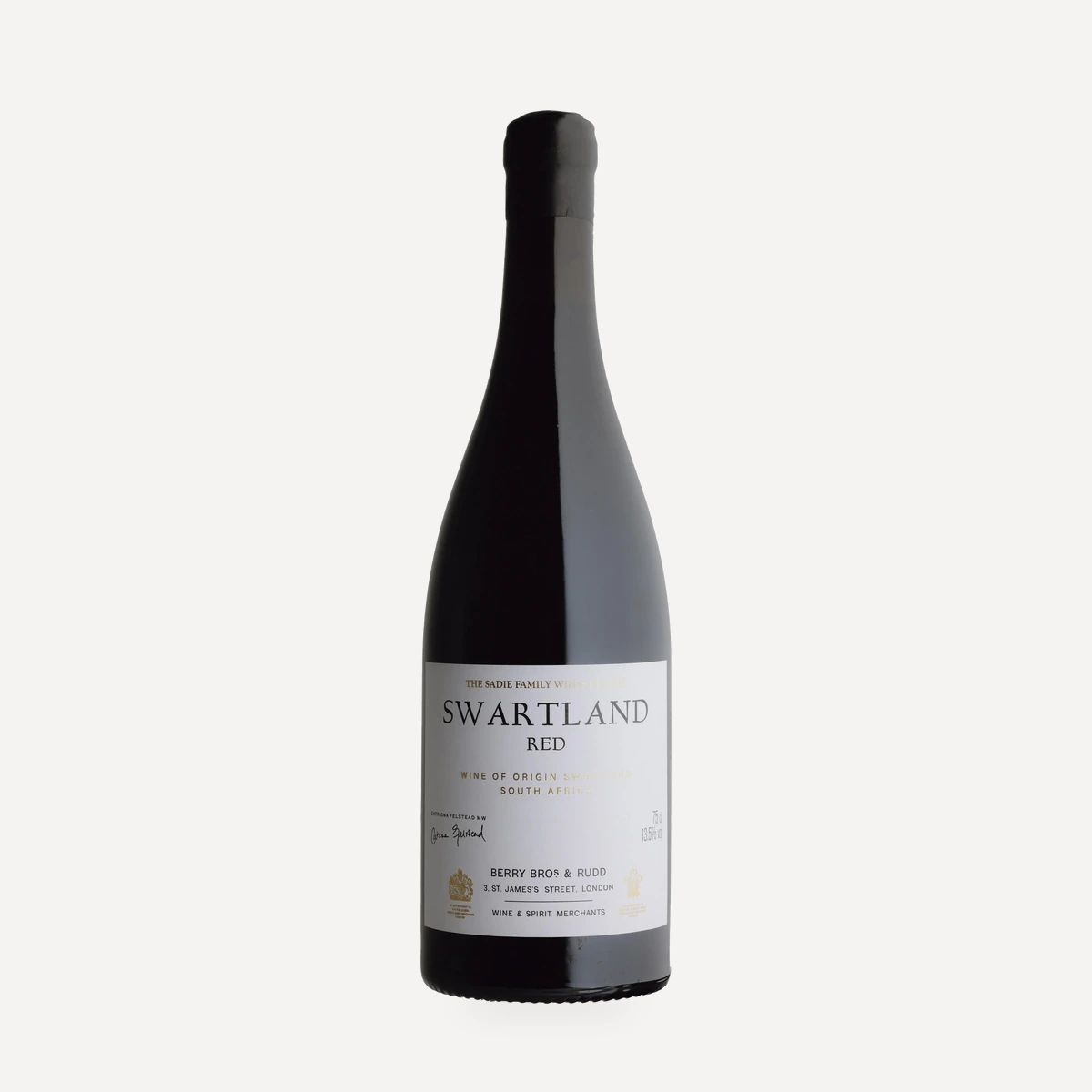
Berry Bros. & Rudd Swartland Red by The Sadie Family Wines, South Africa
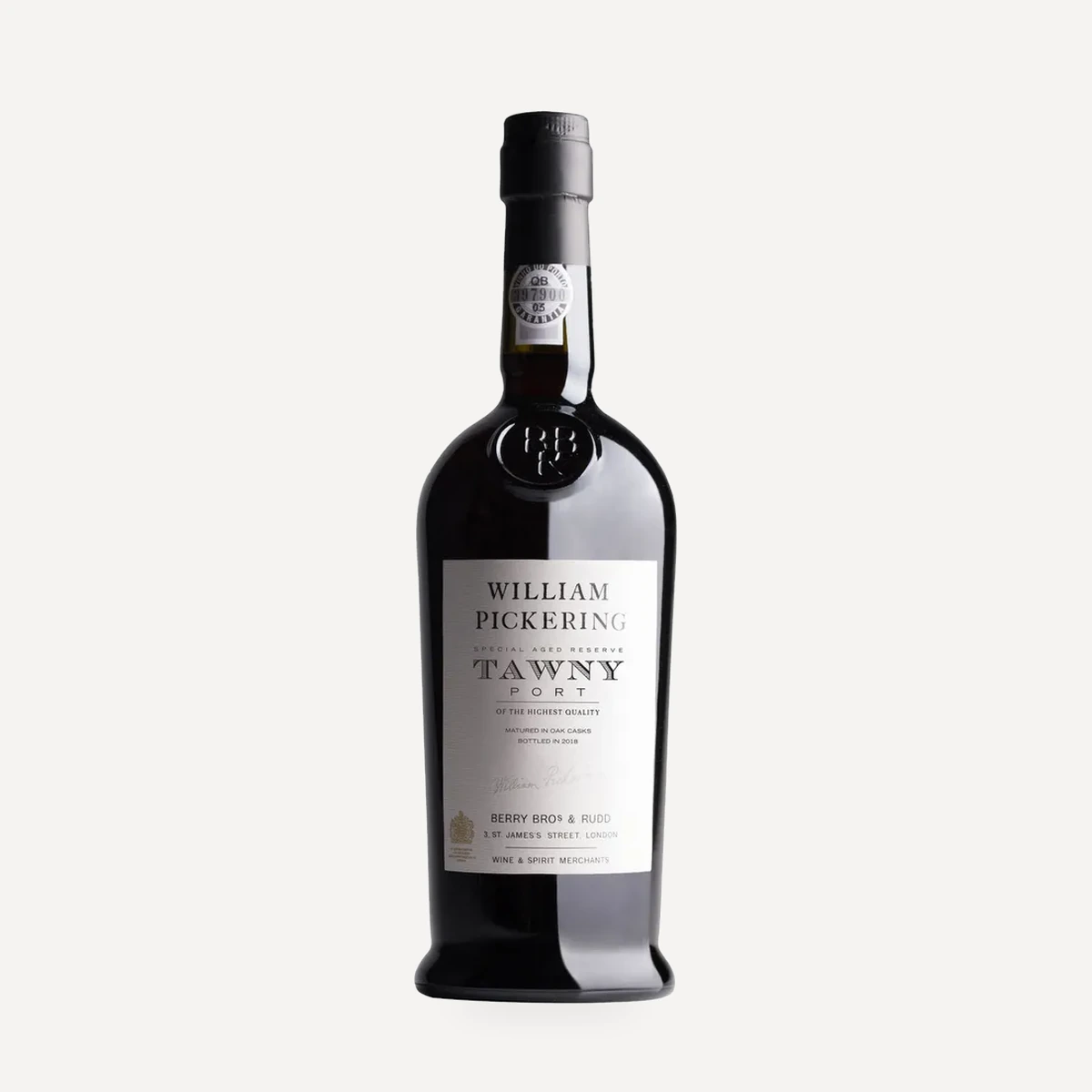
Berry Bros. & Rudd William Pickering, Tawny Port by Quinta do Noval