Storia
Origins
Bertolino grew from the shared attachment of two brothers, Salvatore and Gabriele Bertolino, to their home territory in western Sicily. Salvatore is the elder brother and Gabriele the younger. Their project is rooted particularly in the Lilibetano area around Marsala, a landscape closely associated with viticulture and Marsala production.
The brothers developed the farm in response to two related concerns: the decline affecting Marsala production and the progressive abandonment of cultivated land. Protection and renewed appreciation of the local agricultural landscape therefore became central to the enterprise from its beginnings.
Development of the estate
The holding comprises 3 hectares distributed between Marsala and Mazara del Vallo. Rather than treating these vineyards as a uniform block, Bertolino distinguishes five parcels—Pellegrino, Calamita, Bucari, Busala and Alfaraggi—by cultivar, soil composition, elevation and microclimate. The planted varieties are Catarratto, Grillo, Parpato and Sangiovese.
The brothers chose a low-impact model based on organic farming and organic winemaking. Many vineyard operations are performed by hand without agricultural machinery. Harvesting is also manual, with the fruit placed in boxes. In the cellar, selected yeasts are rejected in favour of spontaneous fermentation driven by indigenous yeasts.
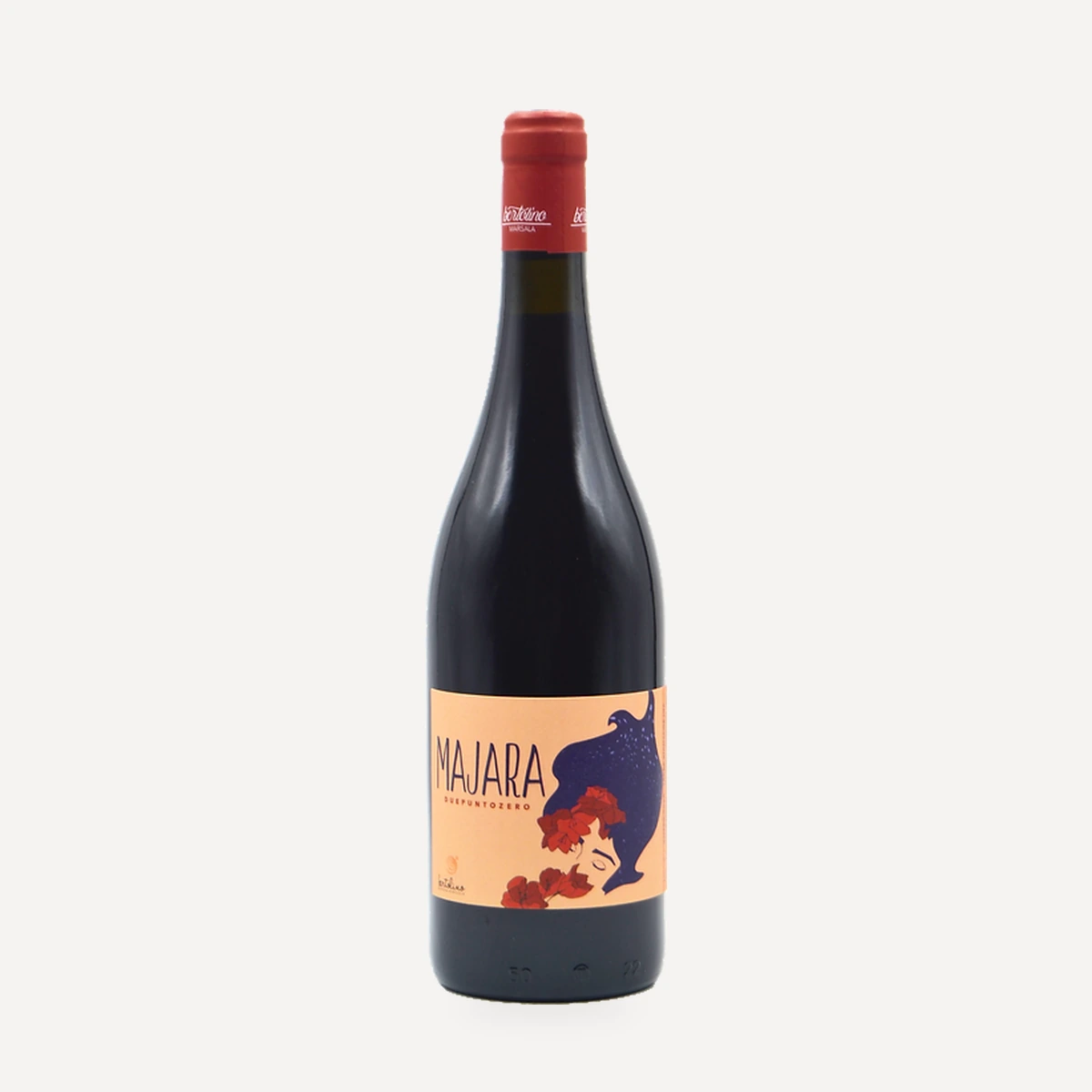
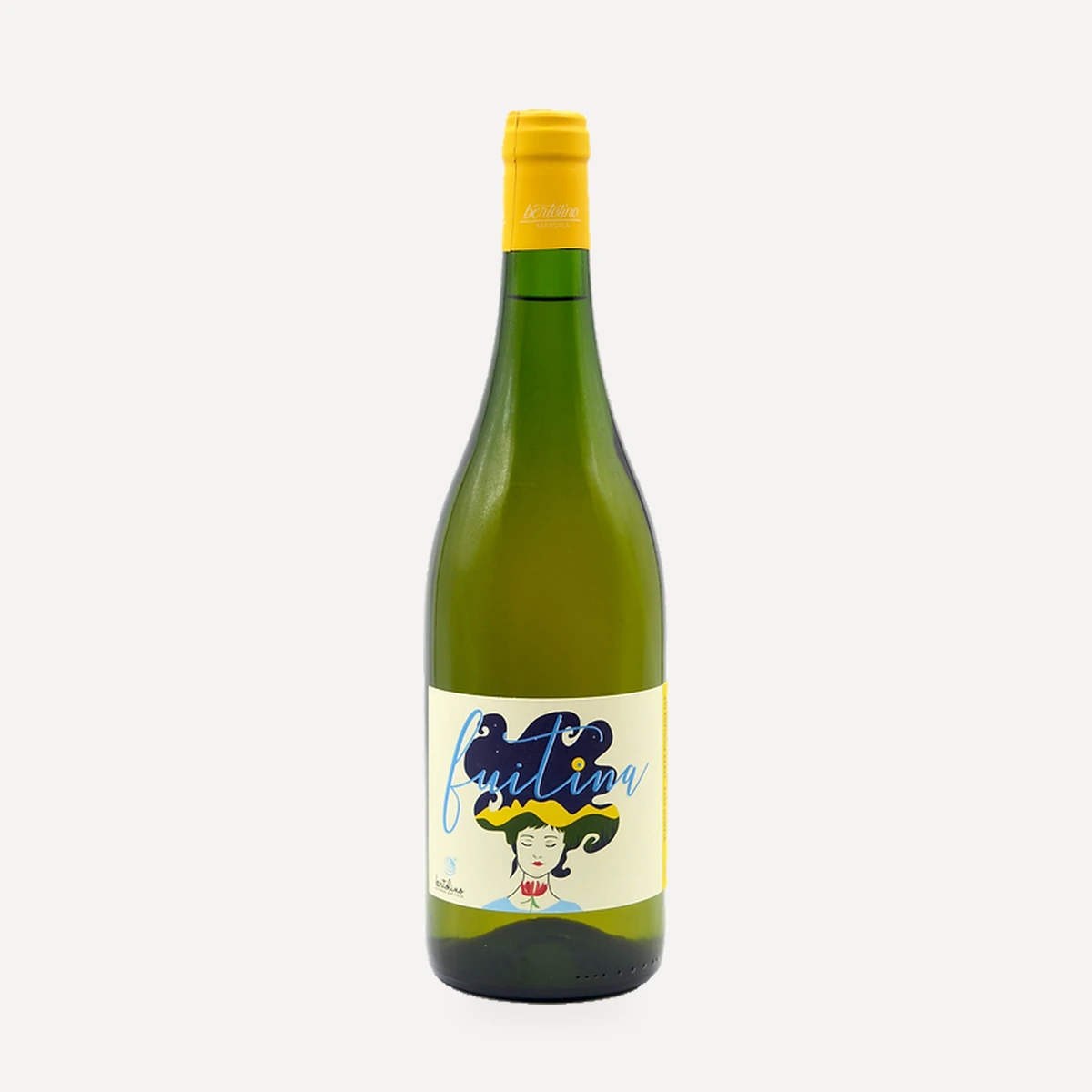
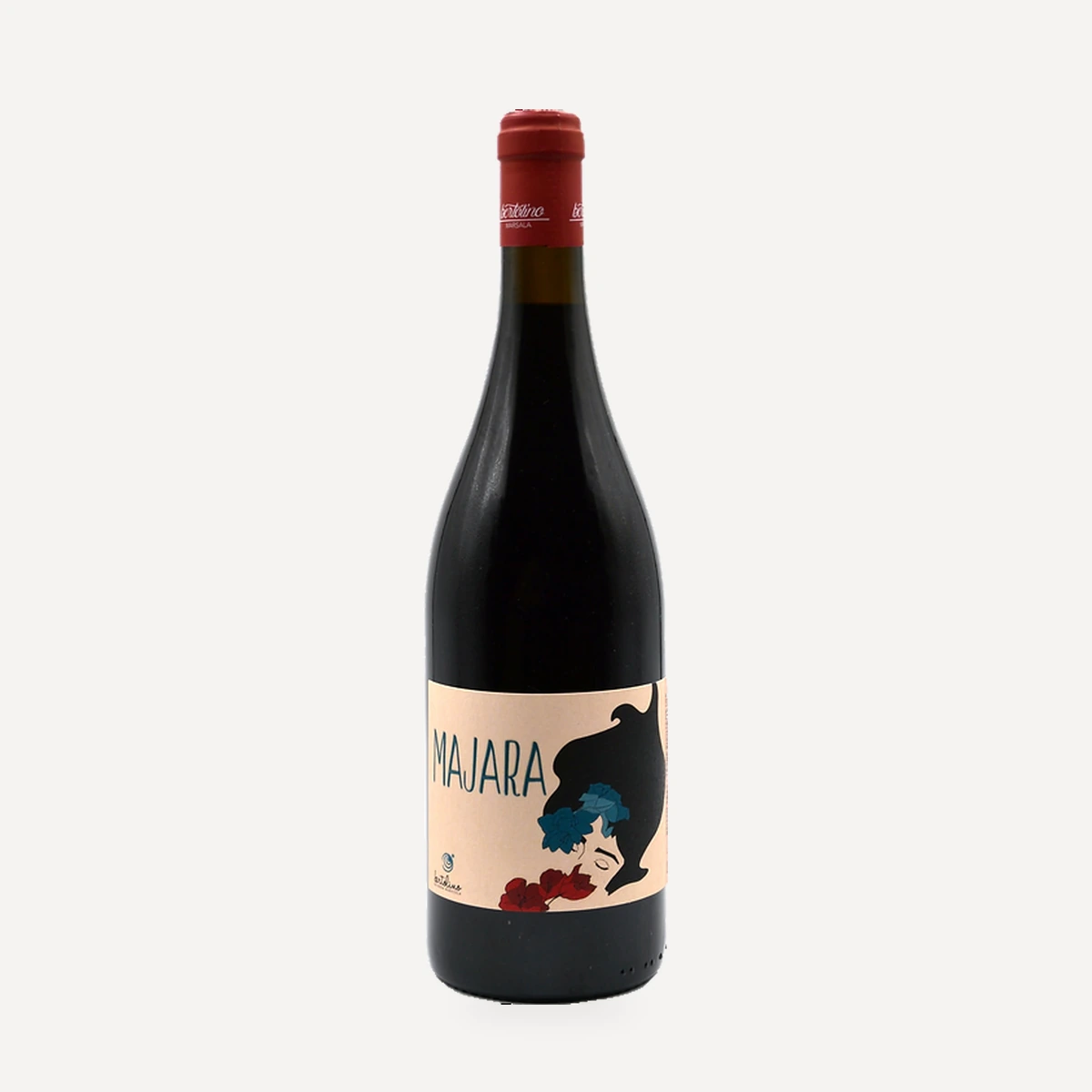
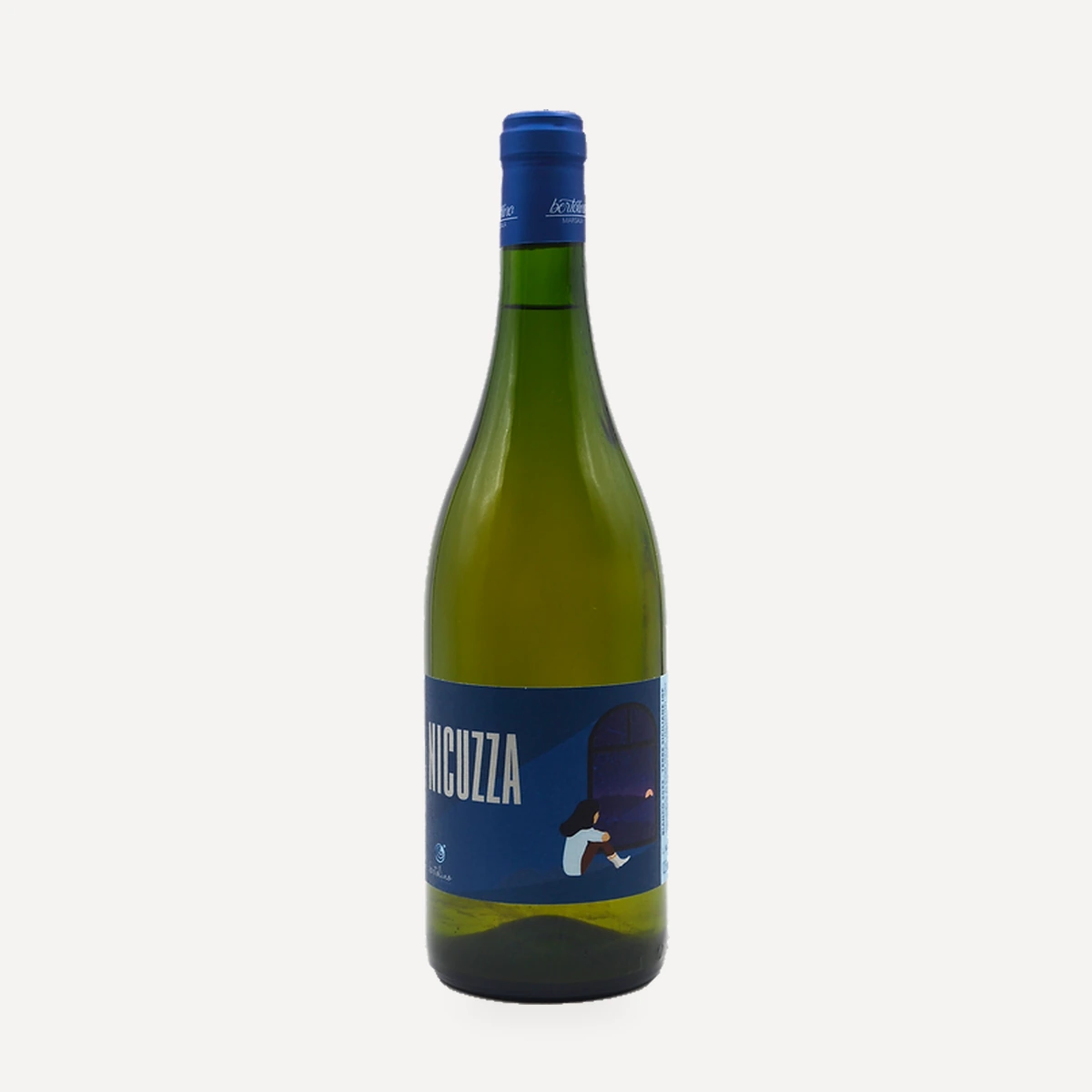
The production portfolio developed around four Terre Siciliane IGP wines: Fuitina, Nicuzza, Majara and Majara 2.0. Together they represent Catarratto and Grillo whites and Parpato and Sangiovese reds. The enterprise reports production of 16,000 bottles.
Agricultural diversification and family continuity
Bertolino subsequently extended its agricultural work beyond wine with Nonna Carmela, a ready-to-eat sauce made from organically grown pizzutello tomatoes. The sauce commemorates Carmela, remembered within the family as a mother, grandmother and teacher who passed on an attachment to food, tradition and the weekly family table. The tomatoes were grown through a dry, hot summer, harvested and selected by hand with Nonno Totò and other family members, then processed and bottled as a family product.
Terroir
Bertolino’s 3 hectares are distributed across western Sicily in the corridor between Marsala and Mazara del Vallo, with a particular cultural connection to the Lilibetano area. The holdings are divided into five named parcels whose cultivars, soils, elevations and microclimates differ.
The vineyard landscape is low-lying, with parcel elevations described between 50 and 150 metres above sea level. Its soil diversity includes calcareous marl at Pellegrino, leached brown soil at Calamita, clay vertisol at Bucari, sandy calcareous-clayey soil at Busala and red clay at Alfaraggi. This mosaic supports Catarratto, Sangiovese, Grillo and Parpato.
Bertolino regards these differences in soil and microclimate as important contributors to the character of its wines. The wider territory is closely tied to viticulture and the production of Marsala, while the progressive abandonment of cultivated fields forms part of the agricultural context that motivated the brothers’ project.
Vinificazione
Bertolino follows an organic farming regime and describes the cultivation of its wine grapes as natural. The objective is to limit environmental impact while protecting and maintaining cultivated land in the Lilibetano area.
Many vineyard operations are carried out by hand without agricultural machinery. Harvesting is manual across the wine range, and grapes are collected in boxes. The harvest calendar extends from the first ten days of August for Sangiovese, through the second ten days of August for Parpato and the final ten days of August for Grillo, to the first ten days of September for Catarratto.
The same agricultural commitment extends to the family’s pizzutello tomatoes, which are organically cultivated, hand-picked and manually selected for the Nonna Carmela sauce.
Bertolino applies organic winemaking and relies on spontaneous fermentation with indigenous yeasts rather than selected commercial yeasts. Stainless steel is the principal fermentation and maceration vessel described across the range.
The two white-wine processes use short skin contact in steel: two days for one lot and three days for another. Both are pressed with a vertical hydraulic press. Red-wine methods vary more widely. One process employs a five-day stainless-steel maceration divided between one-third whole bunches, one-third whole berries and one-third conventional red fermentation on the skins. Another uses nine days of whole-bunch carbonic maceration followed by gentle pressing.
Fine-lees maturation follows fermentation. Three wines mature on their fine lees for eight months, while one remains on fine lees for nine months. Across the four-wine range, the production model therefore combines hand-harvested fruit, spontaneous fermentation, steel vessels, measured skin contact and extended fine-lees ageing.
Filosofia
Bertolino’s philosophy begins with dedication to the protection and renewed appreciation of western Sicily’s cultivated landscape. The brothers connect their work to the Lilibetano area and to concern over the crisis affecting Marsala production and the resulting abandonment of farmland.
Low environmental impact is pursued through organic farming and winemaking, manual craftsmanship in the vineyards and the avoidance of agricultural machinery for many operations. In the cellar, spontaneous fermentation with indigenous yeasts reflects the same preference for processes driven by the fruit and its place rather than selected yeast cultures.
The five parcels are treated as distinct sites rather than a homogeneous estate. Differences in cultivar, soil and microclimate are understood as sources of wine character. Family values also extend beyond wine: the Nonna Carmela sauce links organic agriculture with inherited food traditions, manual harvesting and the memory of the family table.
Vini
Fuitina
Majara
Nicuzza