Storia
From city life to the Etna countryside
Floriana Marta Cosentino and her partner Pasquale left city life to devote themselves fully to farming, vines and wine on Etna. They acquired an old vineyard in the territory of Zafferana Etnea, on the volcano’s east–southeast flank. Its vines were already more than 80 years old and trained as alberello on traditional terraces.
Recovery of the old vineyard
Floriana and Pasquale began restoring and enhancing the vineyard while retaining the features inherited from earlier Etna agriculture: terraced cultivation, lava-stone retaining walls, tightly spaced vines and field grafting. The planting arrangement makes mechanization impractical, so they work the vines personally and by hand.
Their recovery project also preserves the vineyard as a mixed agricultural landscape. Native pear, apple, peach, olive and cherry trees remain among the vines, sustaining biodiversity alongside the local grape varieties. The couple links this work not only to wine quality but also to ethical labor, environmental responsibility and protection of Etna’s historic landscape.
Terroir
Cantina Malopasso lies in the territory of Zafferana Etnea on Etna’s east–southeast flank, overlooking the sea. The old vines occupy traditional terraces retained by small lava-stone walls. The earth is described as loose or sandy and volcanic in origin, with abundant microelements.
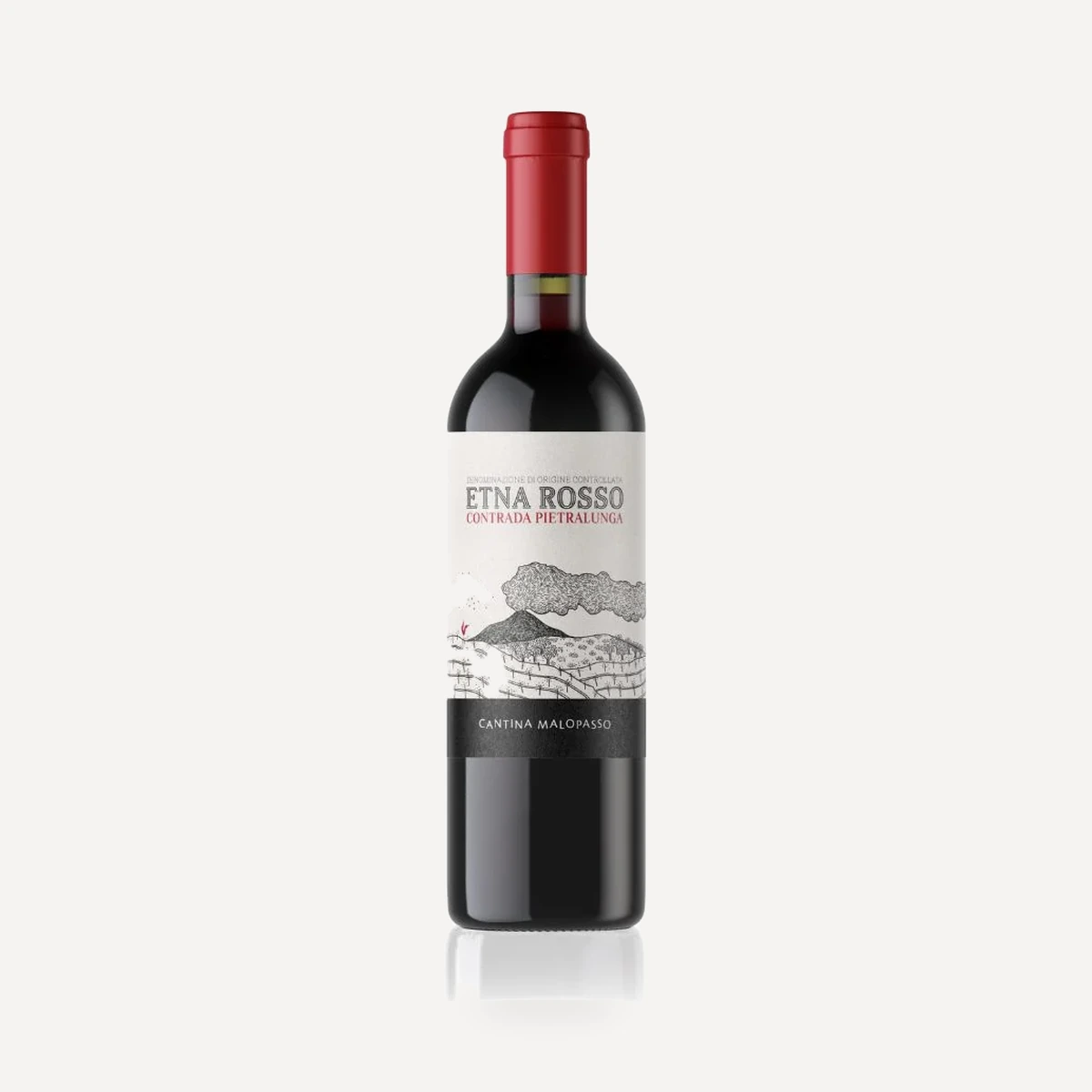
C.da Pietralunga is recorded at 600 m above sea level with an east–southeast exposure and loose volcanic soil. A separate description places hand-cultivated Minnella Bianca and Nerello Mascalese at 750 m above sea level.
The vineyard landscape contains native pear, apple, peach, olive and cherry trees among the vines. This mixed planting contributes to biodiversity and is considered part of the distinctive environment surrounding Carricante and Nerello Mascalese.
Vinificazione
The vineyards are cultivated personally by Floriana and Pasquale. The traditional terraces, small lava-stone retaining walls, alberello vines and tight 80 × 80 cm arrangement restrict or exclude mechanization, so cultivation is carried out by hand.
The approach is uncertified but follows organic principles and excludes synthetic products. Floriana and Pasquale describe their commitment as broader than compliance with organic rules, incorporating ethical labor, environmental respect and protection of the historic agricultural landscape.
Field grafting is retained as part of the old vineyard’s identity. Pear, apple, peach, olive and cherry trees—described as native varieties—are preserved among the vines to promote biodiversity. In C.da Pietralunga, red-grape yields are approximately 0.7 kg per vine. Harvesting is manual, with fruit collected in crates; the red harvest begins in the second week of October.
The cellar works with spontaneous fermentations and indigenous yeasts. The technical information for the red-wine process explicitly excludes selected yeasts and identifies stabilization as natural. Soft pressing is also employed.
Vinification and maturation vessels include stainless steel and chestnut tonneaux. Chestnut is deliberately used in place of French oak for the estate’s principal red maturation, with ageing lasting at least 12 months. Skin contact is adapted to the intended style, ranging from very brief contact for rosé production to longer maceration for red and skin-fermented white grapes.
The range is made from the estate’s local varieties, including mixed plantings in which principal grapes are accompanied by small proportions of other native cultivars.
Filosofia
Floriana and Pasquale regard the recovery of old Etna vineyards as a form of landscape stewardship. Their work seeks to retain terraces, lava-stone walls, alberello vines, field grafting and mixed fruit-tree plantings rather than simplify the land for mechanized cultivation.
They characterize organic farming alone as too narrow a description of their approach. Although the property is not certified, synthetic products are excluded, and the farming philosophy extends to ethical working practices, environmental respect and protection of the agricultural landscape.
The old, closely rooted vines are valued as carriers of the land’s history. Field grafting and the biodiversity created by native fruit trees are considered contributors to the differing expressions of Nerello Mascalese and Carricante. Manual work is accepted as an integral consequence of preserving the vineyard’s traditional layout.
Vini
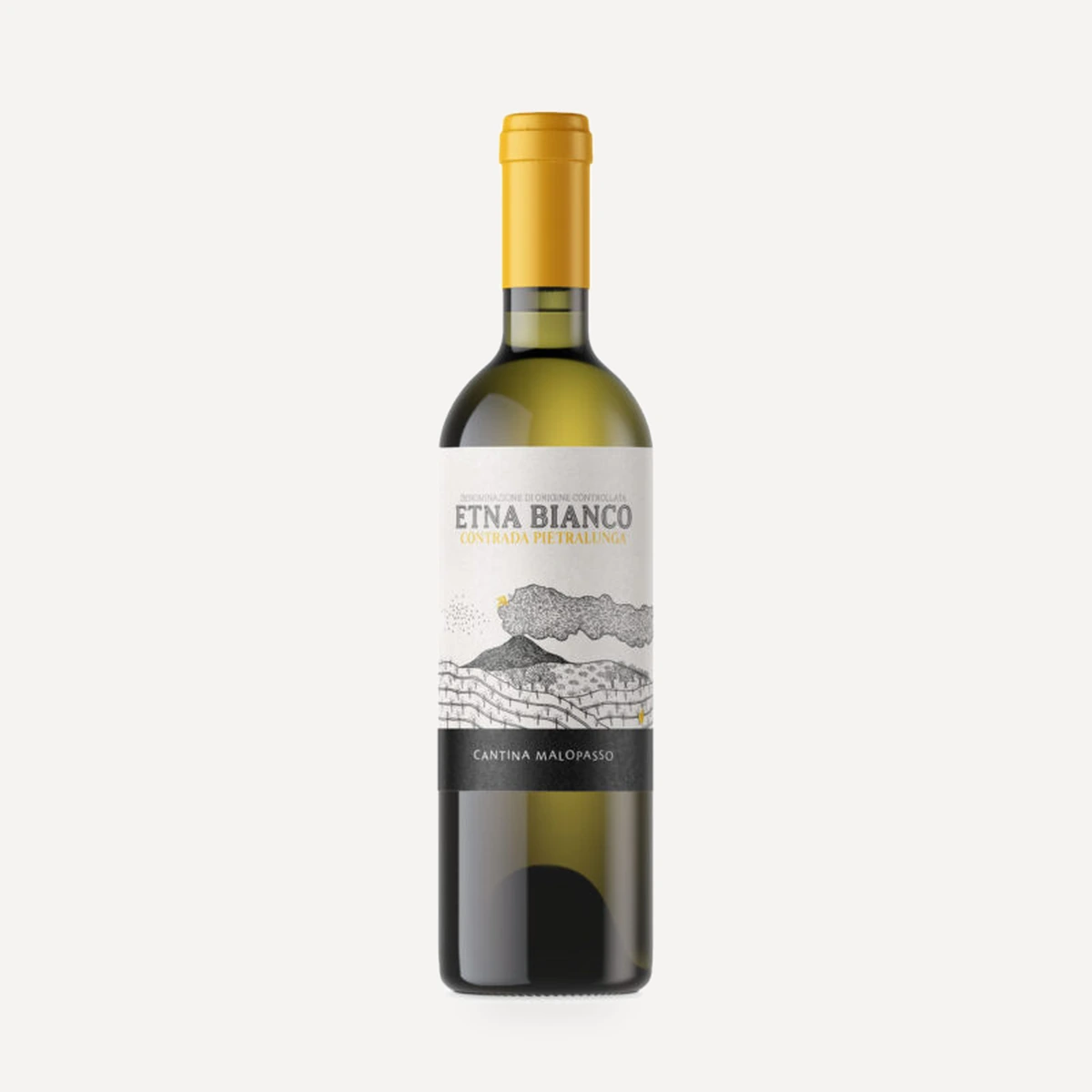
Etna Bianco DOC “Contrada Pietralunga”
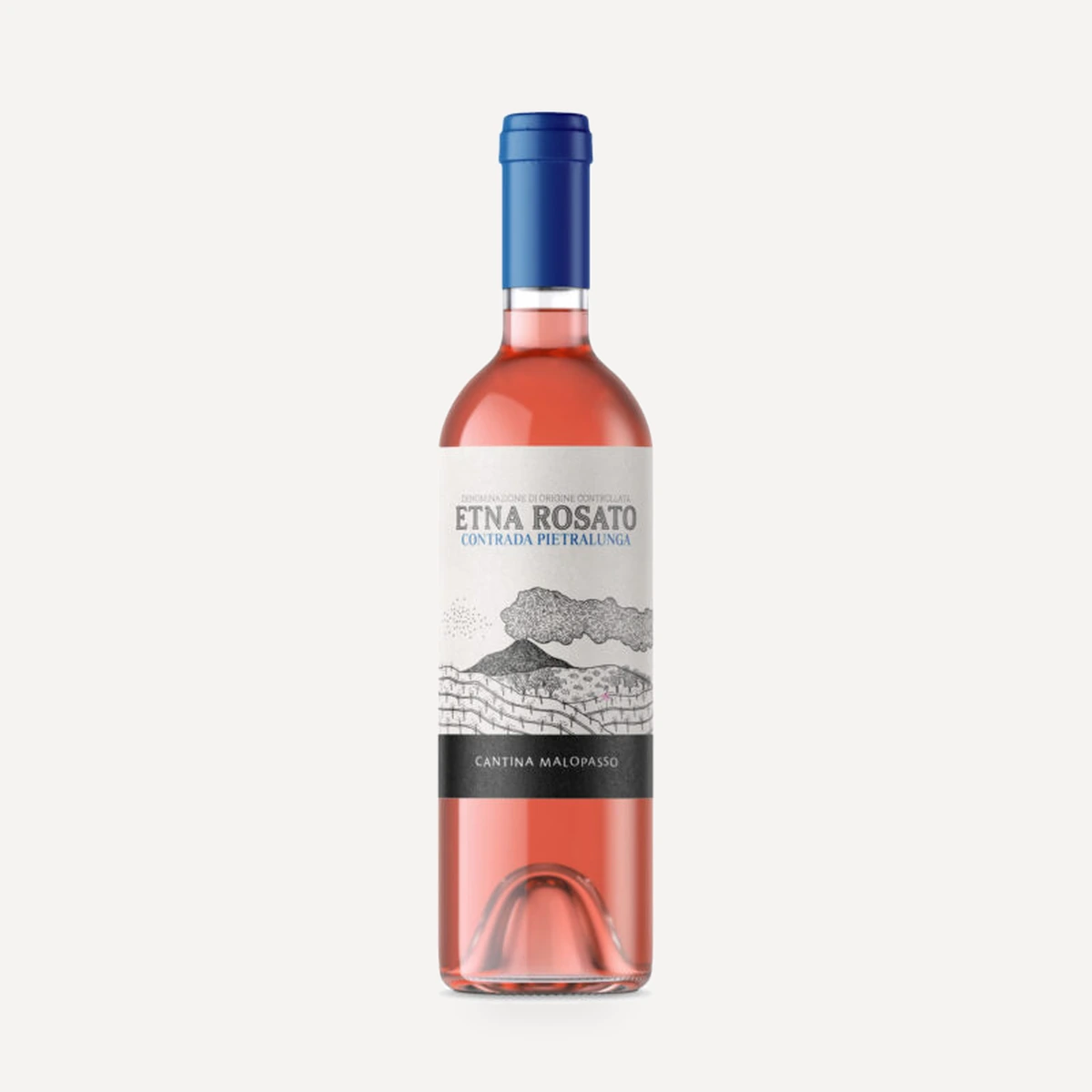
Etna Rosato DOC “Contrada Pietralunga”