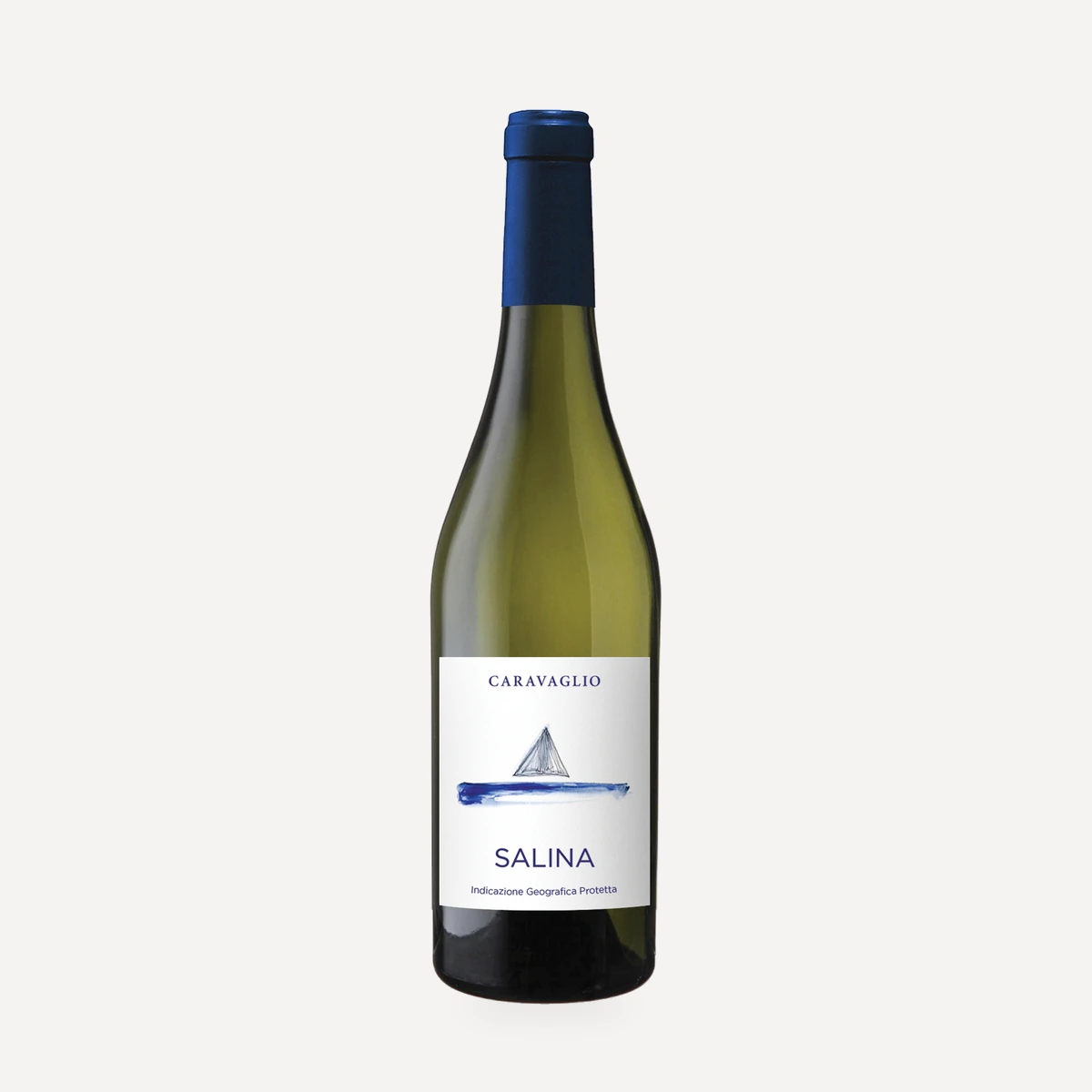
Storia
Origins in 1989
Antonino “Nino” Caravaglio founded the estate in 1989 with the aim of renewing viticulture in the Aeolian Islands through quality, environmental responsibility, and renewed attention to native grape varieties. The project began with 2 hectares inherited from his father. Organic farming was adopted from the outset, and the estate obtained organic certification in the same year.
Gradual expansion
Additional plots were progressively leased or purchased. By 2017, the holding comprised approximately 20 hectares divided among roughly 30 plots on Salina and Lipari. The principal varieties at that stage were Malvasia di Lipari, Corinto Nero, and Nerello Mascalese. Twenty small, sandy, volcanic plots on Salina contributed to the estate’s dry white production, while its Lipari holdings included ungrafted Corinto Nero surviving in the extinct crater of Fossa del Monte.
At Fossa del Monte, the ash-, sand-, and pumice-rich ground protected part of the vineyard from phylloxera. The documented holding included approximately 0.5 hectare of century-old, ungrafted vines and 1 hectare of replanted, grafted vines. This preserved a direct-rooted component of the Aeolian Islands’ viticultural heritage.
A four-island estate
The vineyard footprint subsequently expanded beyond Salina and Lipari to Vulcano and Stromboli. Caravaglio now cultivates Malvasia di Lipari on Salina and Stromboli, Corinto Nero on Lipari, and Carricante on Vulcano. The Stromboli work includes a collaboration with Andrea Montanari and Azienda Agricola VignediMare, conceived to recover viticulture in island landscapes where it had nearly disappeared.
The contemporary cellar
Production is centered on a modern underground winery on Salina. Integrated into the landscape and overlooking the sea toward Stromboli, the structure was designed around environmental sustainability and harmony with its setting. It also serves as the base for tastings, vineyard visits, and island-focused wine programs.
Caravaglio’s present direction retains the principles established in 1989: certified organic agriculture, manual vineyard work, native varieties, spontaneous fermentation, and limited cellar intervention. The longer-term objective is to strengthen the position of Aeolian wines in national and international markets while maintaining an agricultural identity rooted in the islands.
Terroir
Aeolian setting
Caravaglio works on Salina, Lipari, Vulcano, and Stromboli, four islands formed by volcanic activity and exposed to the influence of the Tyrrhenian Sea. The wider Aeolian arc extends for almost 200 kilometres and includes both emerged islands and submarine volcanic mountains. Craters, lava flows, fumaroles, volcanic sands, ash, pumice, and continuing volcanic activity—particularly on Stromboli—shape the physical context of the vineyards.
The islands have a mild climate, abundant sunlight, clean air, and persistent wind. Marine breezes are especially important on Lipari, while the wind is presented as a defining influence on Stromboli. The generally dry conditions and low humidity also favour caper cultivation without treatments or fertilization.
Salina
Salina is the greener and more water-associated of the four vineyard islands. Malvasia di Lipari grows on terraced slopes overlooking the sea, among Mediterranean scrub and dry-stone walls. The volcanic soils contain organic matter and minerals. Higher vineyards experience marked day–night temperature variation, encouraging slower ripening and helping preserve freshness and aromatic integrity.
Sites range from approximately 50 metres near Malfa to 350 metres at Valdichiesa and Piano della Croce. The latter lies in the saddle between Monte Fossa delle Felci and Monte Porri and is particularly exposed to temperature variation. The estate associates Salina’s Malvasia with aromatic intensity, elegance, freshness, and marine salinity.
Lipari
The Lipari vineyards occupy sandy volcanic soils shaped by lava flows and pyroclastic deposits. Intense light and constant sea breezes accompany ripening. At Fossa del Monte, vines grow inside the crater of an extinct volcano in soil composed of ash, sand, and pumice.
These loose volcanic materials protected part of the Corinto Nero vineyard from phylloxera. Century-old vines survive ungrafted on their original roots at approximately 300 metres, creating a direct connection between the variety and the volcanic ground.
Vulcano
Carricante is cultivated at Località Piano on Vulcano at approximately 400 metres. The landscape is characterized by black volcanic sand and ash. These dark, highly draining soils encourage the vines to root deeply. The resulting expression is associated with tension, freshness, mineral character, and pronounced salinity.
Stromboli
Malvasia di Lipari grows between two lava ridges at approximately 60–120 metres. The soil is a young volcanic mixture of sand and pumice, continually renewed by volcanic material. Air and wind are treated as the island’s defining elements, contributing to an intense, saline, and vertical expression of Malvasia.
Vinificazione
Caravaglio has practiced certified organic agriculture since its foundation in 1989. The approach was chosen to connect wine quality closely with the Aeolian environment and to protect an island landscape considered both fragile and exceptional.
All vineyards are worked manually and managed in accordance with natural cycles and biodiversity. The estate’s premise is that wine quality begins with healthy fruit harvested at the appropriate maturity; sound grapes permit respectful, minimally invasive vinification. Harvesting is carried out by hand across the current range, and older production material also records careful selection of healthy, intact grapes before vinification.
On Salina, cultivation preserves the traditional agricultural landscape of terraces, Mediterranean vegetation, and dry-stone walls. Caper plants are integrated along vineyard margins and on steeper ground. Some grow spontaneously, while others are propagated from cuttings using knowledge passed down through the family.
The mild climate, sunshine, clean air, and limited disease pressure were identified at the estate’s founding as favourable to low-input agriculture. For capers specifically, volcanic soil, constant wind, and very low humidity allow cultivation without treatments or fertilization.
Caravaglio’s production cellar is an underground structure on Salina, integrated into the landscape and designed around environmental sustainability. It overlooks the sea and the profile of Stromboli.
The cellar philosophy follows the vineyard approach: ripe, healthy fruit is transformed through respectful, non-invasive methods. Fermentations are spontaneous and rely on indigenous yeasts rather than selected commercial strains. Temperature control and racking are the principal technological aids specifically identified, while the wider approach emphasizes minimal intervention and the avoidance of forced manipulation.
The estate works with stainless steel, oak vessels of different capacities, tonneaux, and, historically, terracotta amphorae. Current production methods represented across the range include whole-cluster pressing; 24-hour static settling of must; fermentation in stainless steel or 500- and 800-litre oak vessels; brief, 10-day, and approximately 30-day skin macerations; partial whole-cluster red fermentation; ageing on lees until spring; maturation in stainless steel, oak, or tonneaux; a single racking followed by light filtration; and additional bottle ageing.
For passito production, ripe Malvasia di Lipari and Corinto Nero are harvested by hand and dried outdoors on traditional cannizzi mats for approximately 20 days before indigenous-yeast fermentation. The current version matures for nine months in stainless steel followed by bottle ageing.
Filosofia
Caravaglio’s central premise is that wine is made first in the vineyard and only afterward in the cellar. Excellent raw material is treated as non-negotiable: grapes must be healthy and reach the appropriate maturity so that vinification can remain respectful and non-invasive.
The estate presents native varieties, organic farming, manual work, biodiversity, and spontaneous fermentation as interconnected means of preserving the integrity of the Aeolian volcanic terroir. Selected yeasts are rejected because they are considered capable of weakening the relationship between wine and its place of origin. Cellar technology is assigned a supporting role rather than used to standardize the wines.
Innovation is understood as preserving the essential character of the islands while giving it a contemporary expression. The stated future direction combines sustainable organic farming and production with a stronger presence for Aeolian wines in national and international markets. Vintage, island, variety, sea, wind, and volcanic ground are intended to remain visible rather than be suppressed by cellar intervention.
Vini
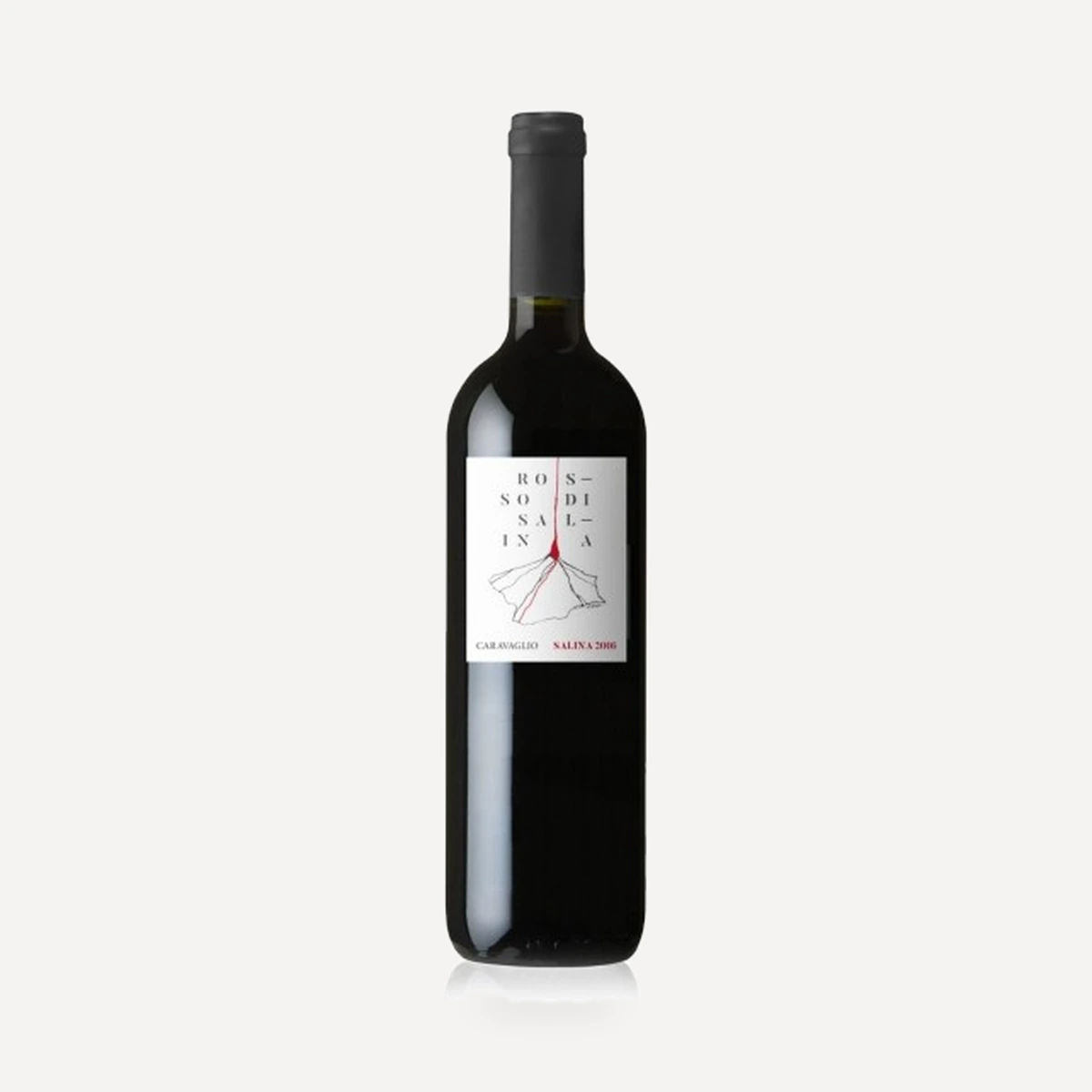
Rosso di Salina
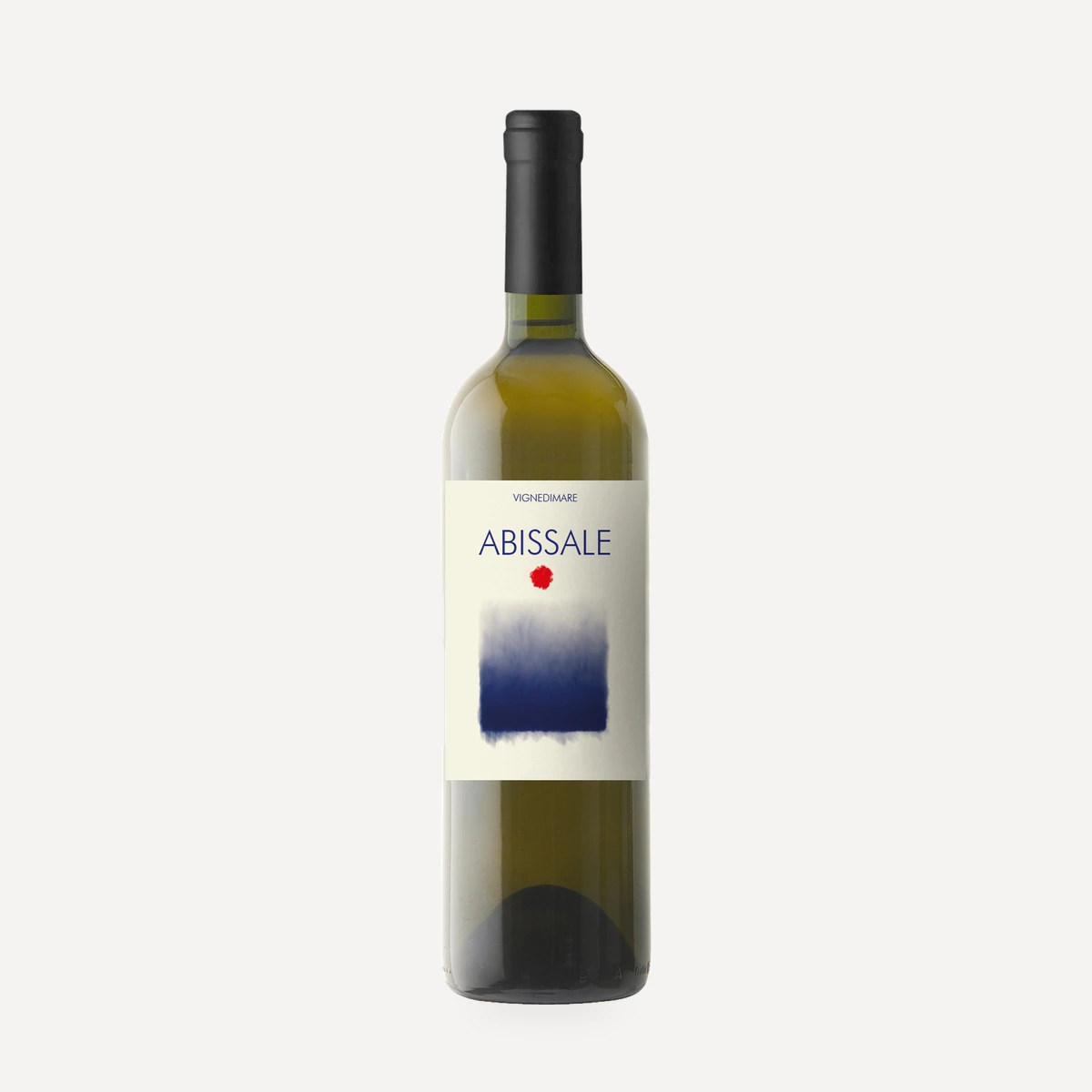
Abissale Salina
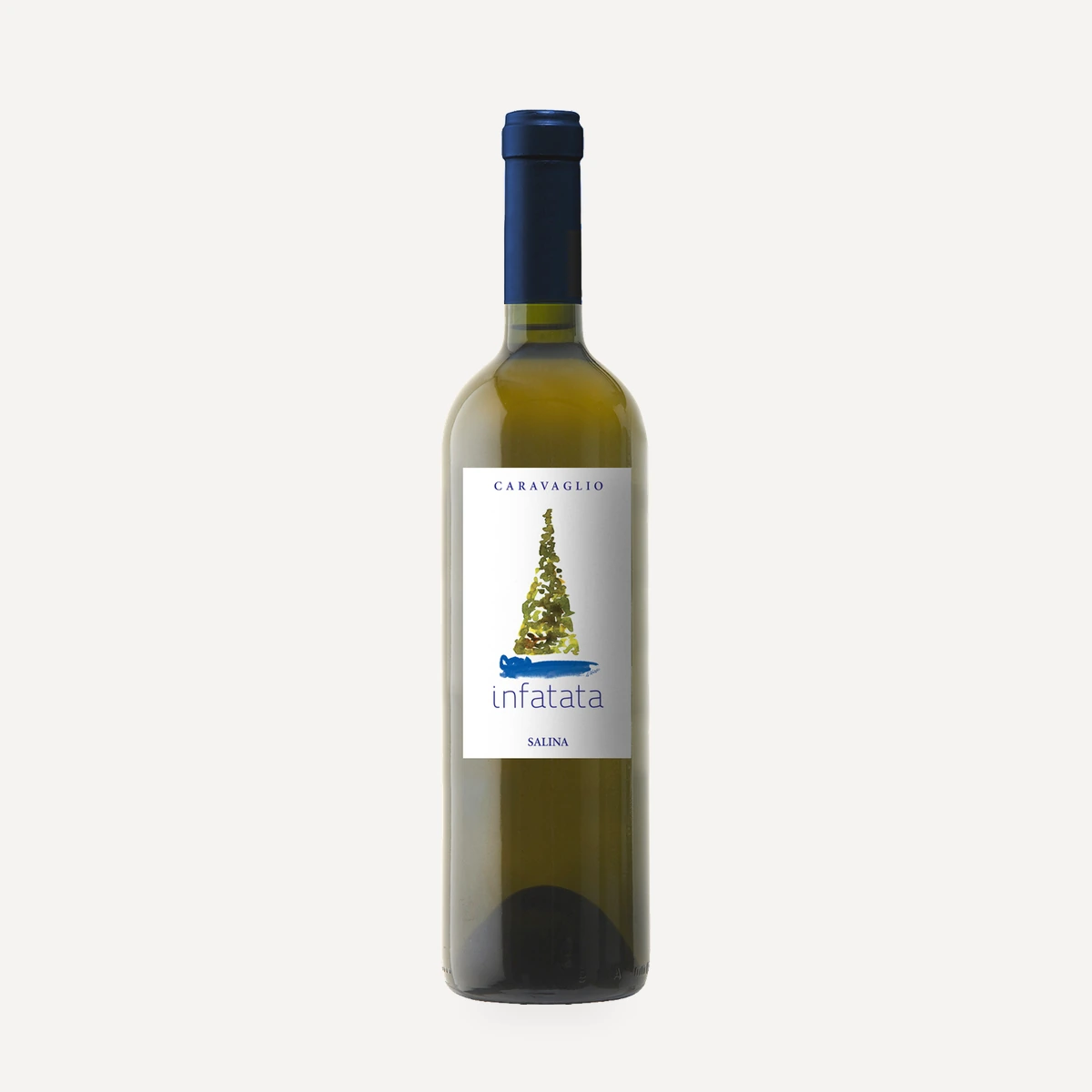
Infatata Salina
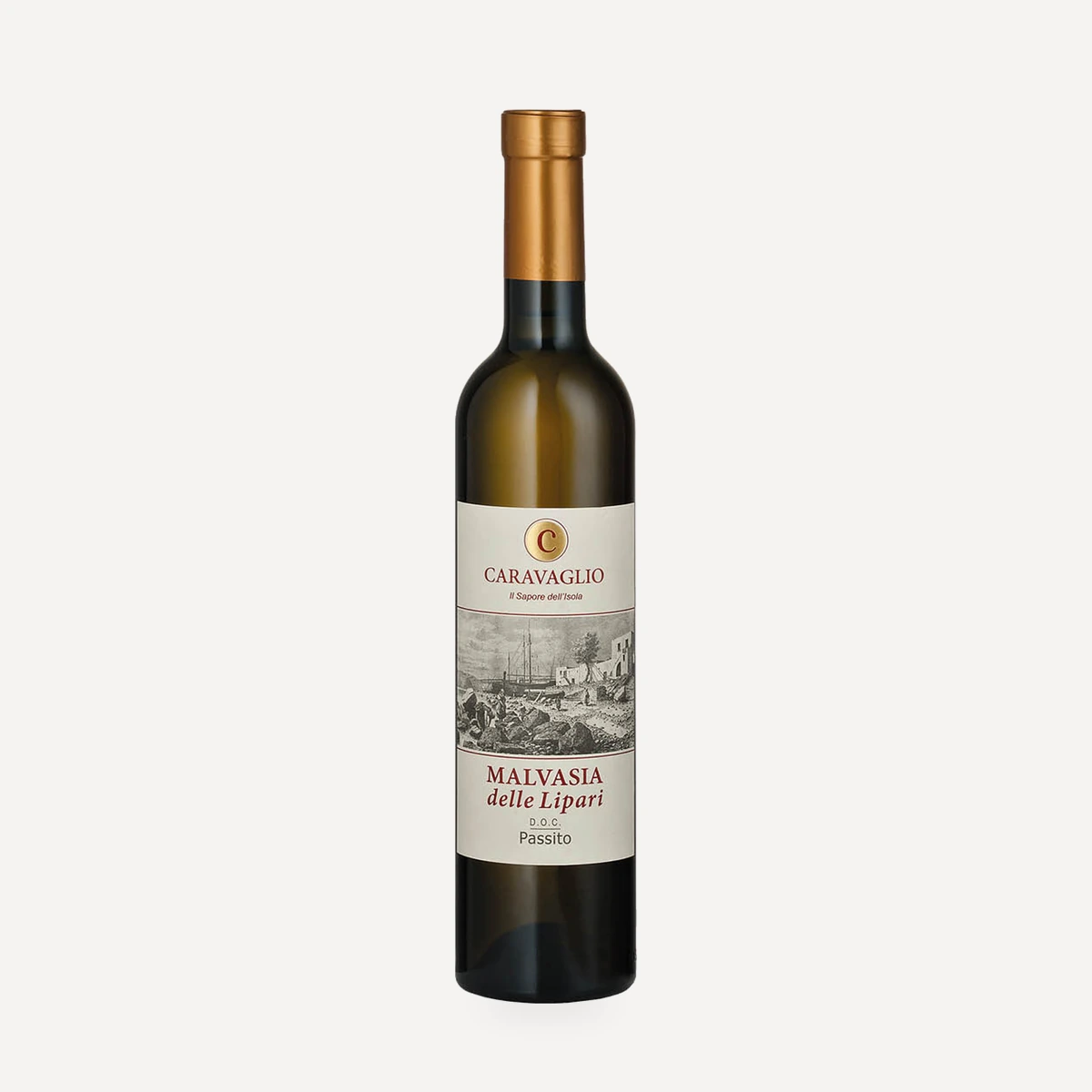
Malvasia Passito
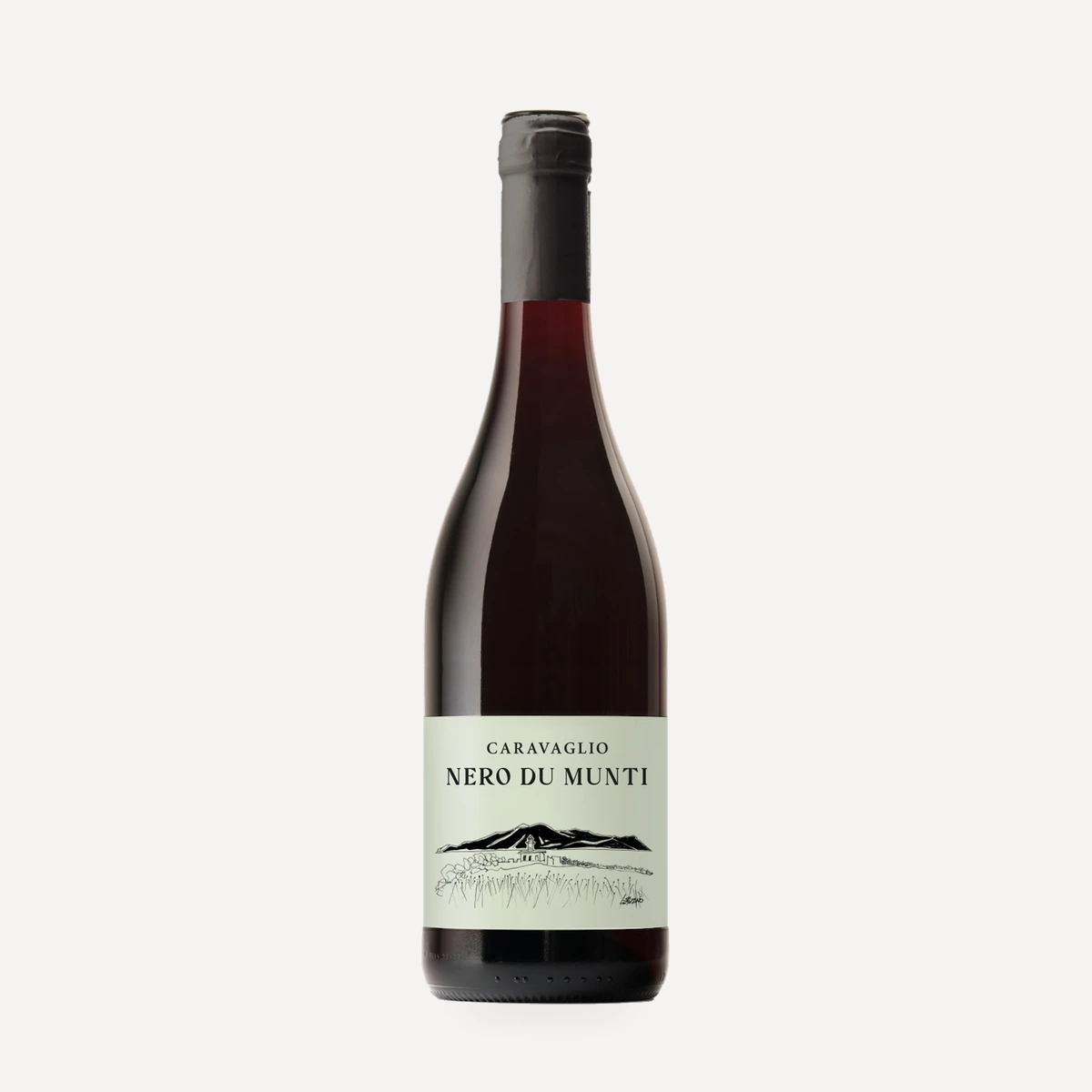
Nero Du Munti
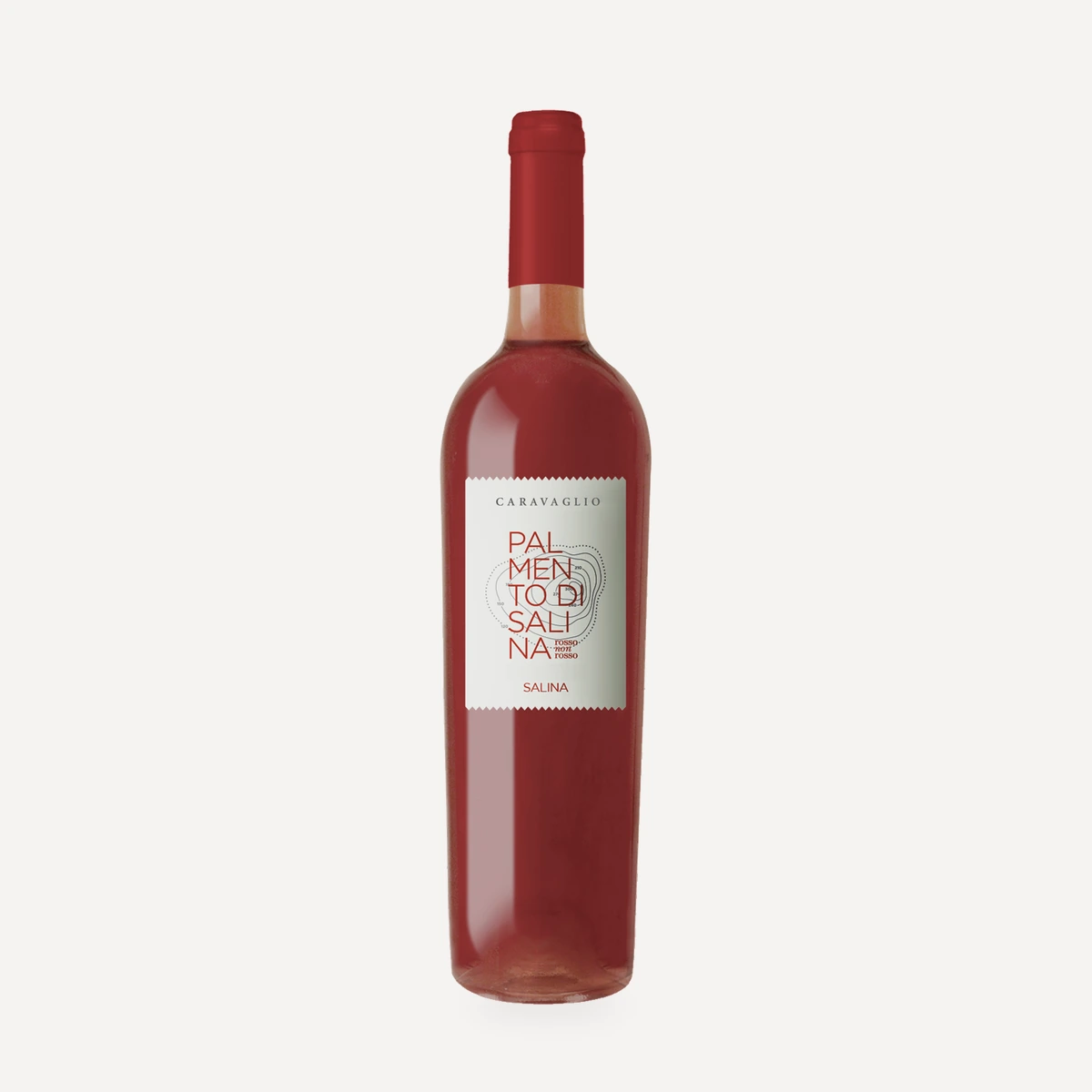
Palmento Di Salina
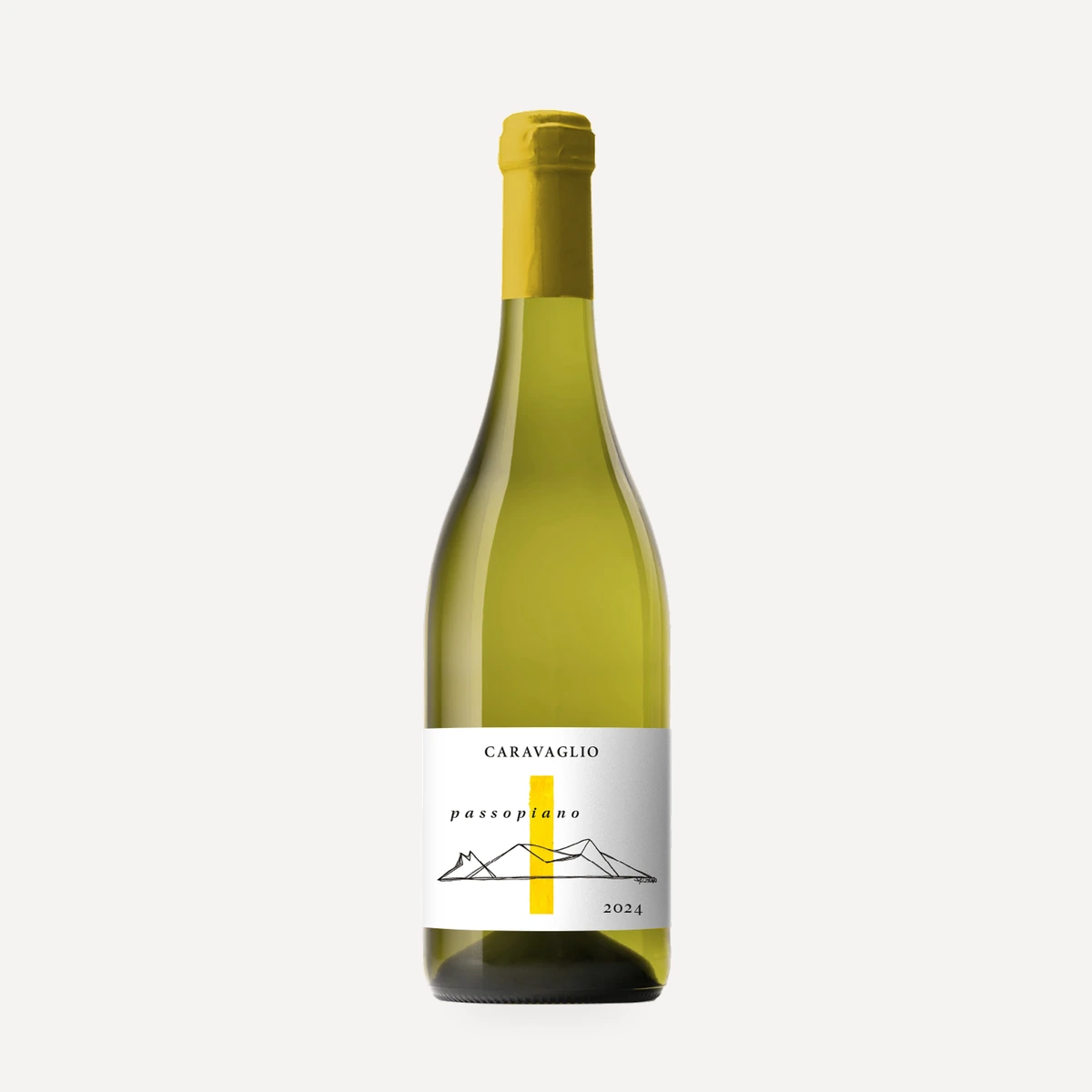
Passopiano
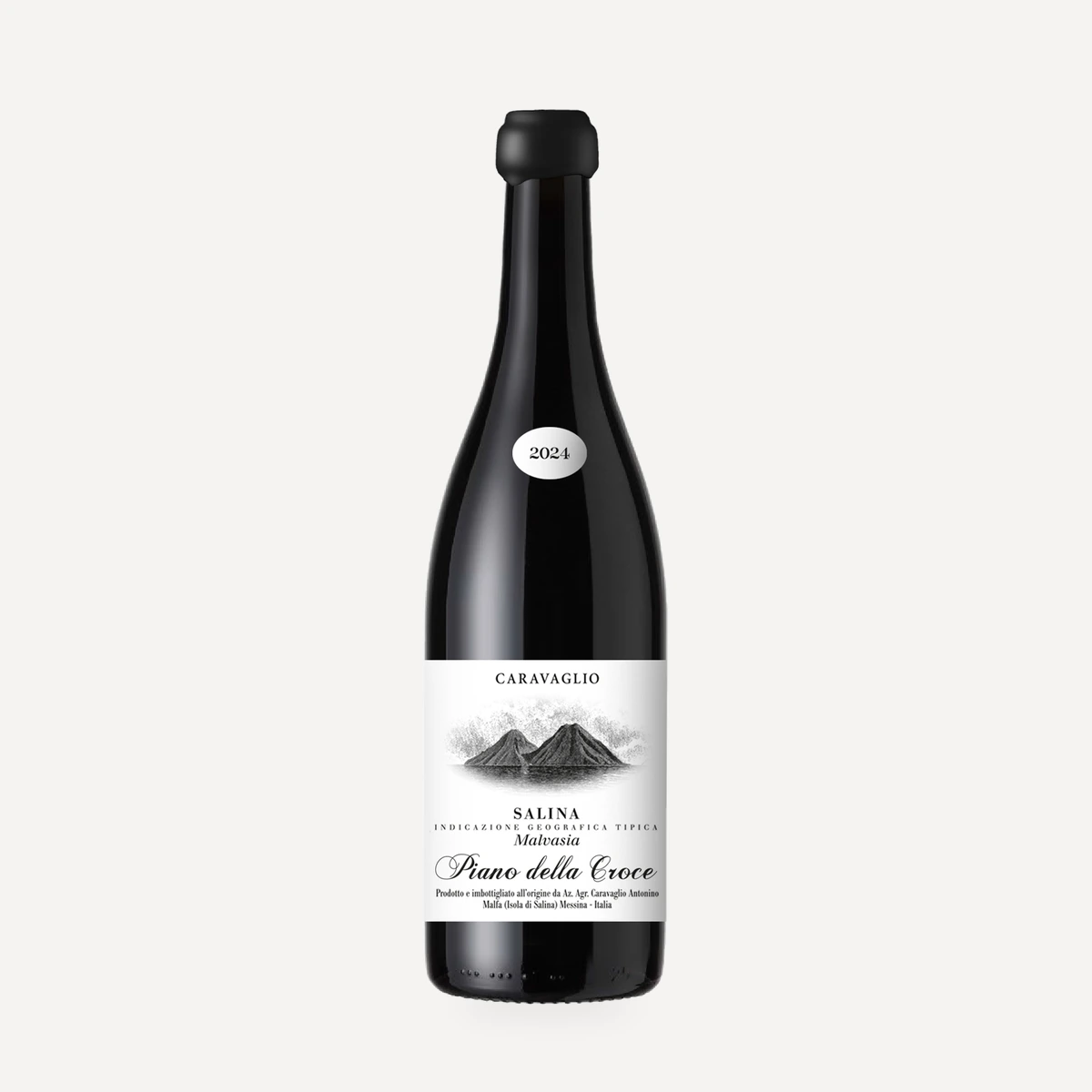
Piano della Croce
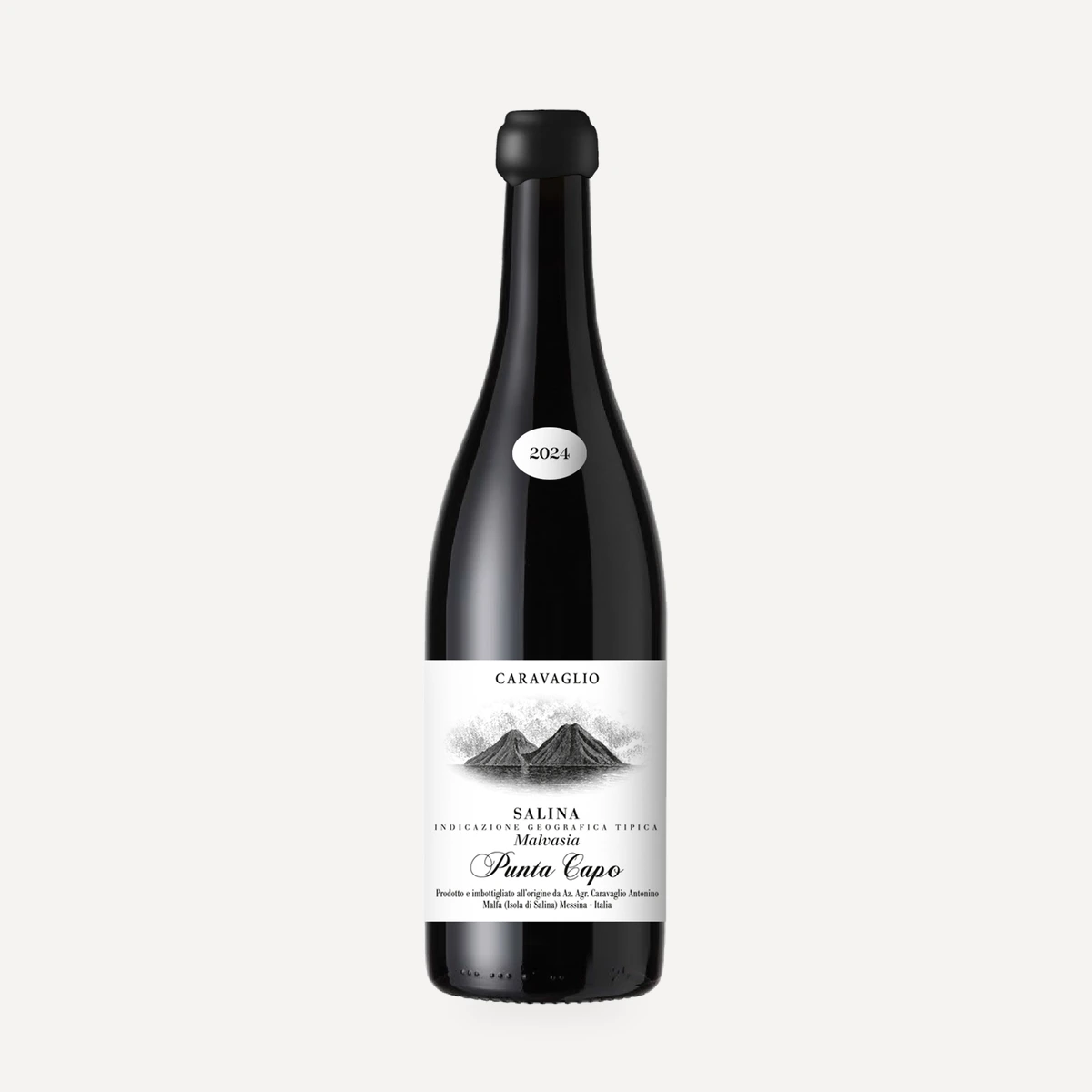
Punta Capo
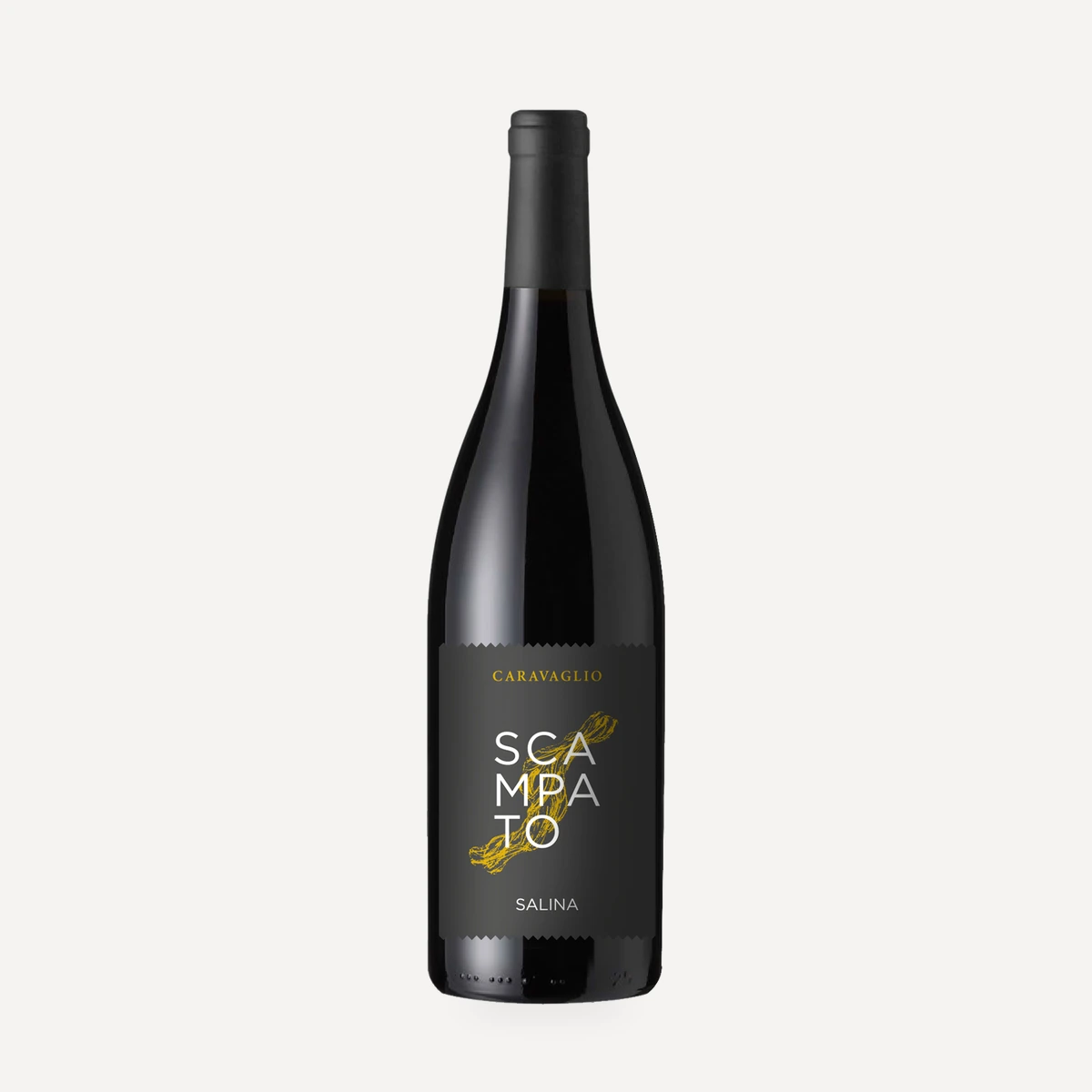
Scampato Salina
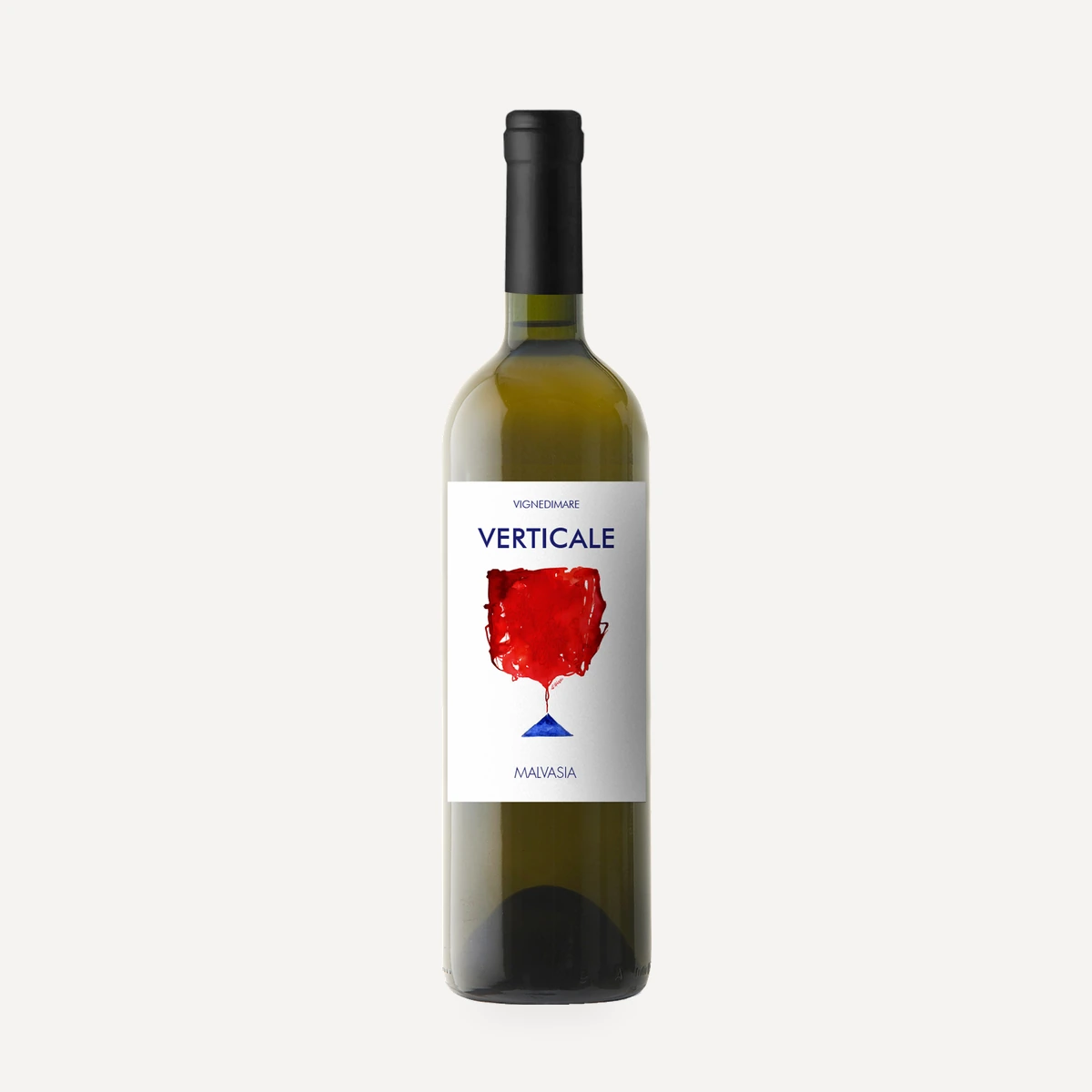
Verticale Salina
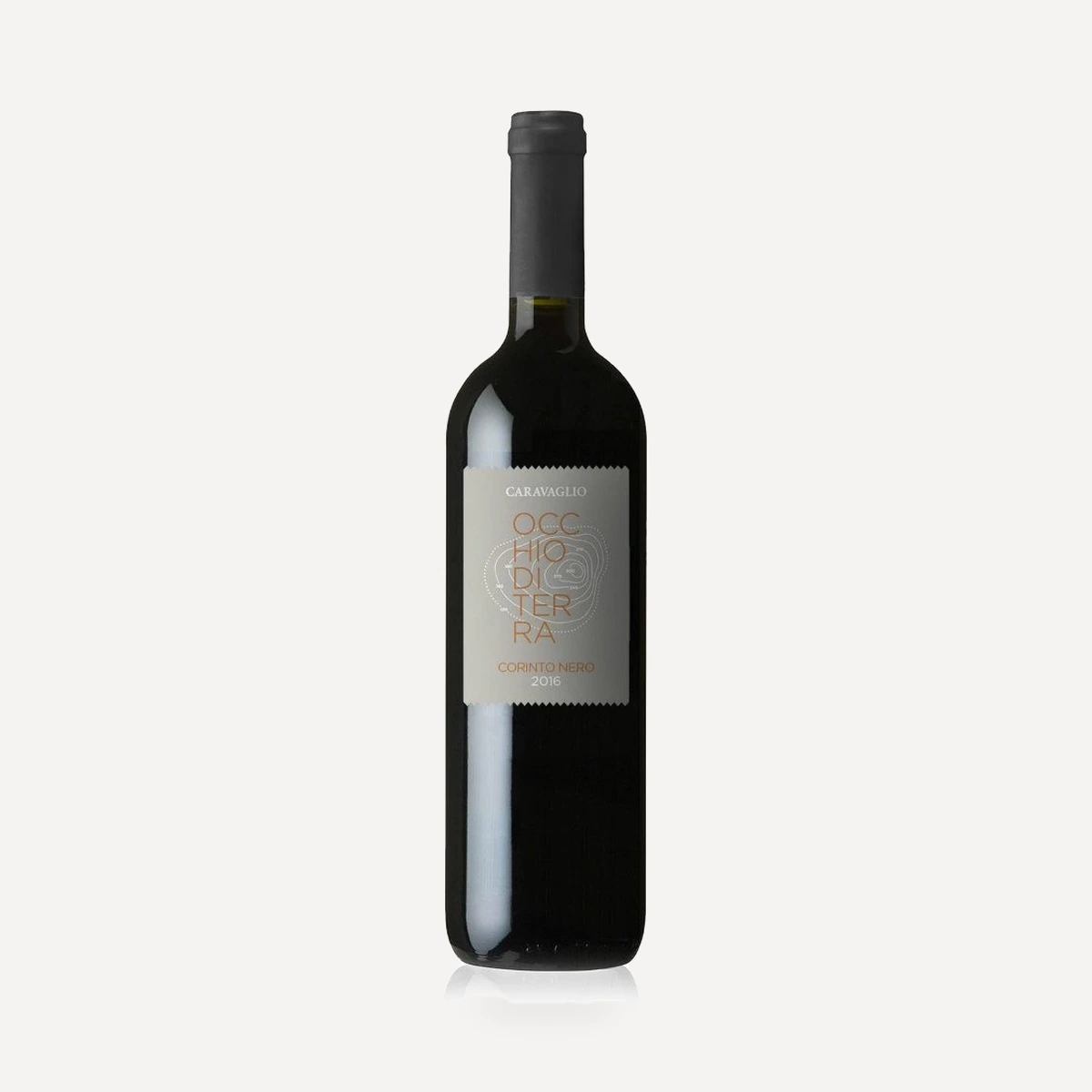
Occhio di Terra Corinto Nero