Storia
Viticulture before Castellucci Miano
Viticulture in the feudo Valle dell’Olmo is documented from 1570. By the middle of the nineteenth century, vineyards covered 530 hectares and supplied wine to surrounding towns. Perricone was particularly widespread on the high ground around Valledolmo during the pre-phylloxera nineteenth century. Only small alberello vineyards survived from that former expanse, later becoming the focus of recovery work.
1961: the cooperative foundation
Castellucci Miano began in 1961 as Cooperativa Produttori Vinicoli Riuniti Castellucci Miano, created collectively by local winegrowers to end the practice of selling their grapes below cost. It was among Sicily’s early cooperative wineries and became a reference point for Valledolmo’s wine sector for more than four decades.
1995–1996: response to crisis and a new territorial framework
In 1995, capital was reinvested to overcome the period’s economic crisis. Recognition of the Contea di Sclafani DOC in 1996 subsequently encouraged a broader restructuring project.
2005: corporate and technical transformation
In 2005, the cooperative’s 125 members converted the business into a Società per Azioni. The change was intended to move the winery toward a quality-led market position while retaining the collective principles that had prompted its foundation. The winery and its equipment were comprehensively renewed, and new production technology was introduced with the assistance of oenologist Tonino Guzzo.
The transformation also included detailed vineyard selection. For the first Shiarà project in 2005, Guzzo visited more than 80 vineyards and tasted grapes site by site. Twelve high-altitude alberello plots, then described as lying between 800 and 1,000 metres and containing vines more than 70 years old, were selected. The 2005 Shiarà was released in a run of approximately 6,000 bottles.
2006–2012: expansion, experimentation and indigenous varieties
By 2008, the renovated company was emphasizing Catarratto and Perricone alongside a broader range that also included Inzolia, Syrah, Chardonnay and Nero d’Avola. Catarratto became the leading variety in the renewal programme and was also used for a short-Charmat sparkling wine. During the first two years following restructuring, the price paid to members for Catarratto and Perricone grapes doubled.
A 2010 project proposed using carefully selected Perricone for a sweet, Recioto-inspired wine. Tonino Guzzo envisaged drying the grapes for 40–50 days and producing the wine only in years when the fruit remained sufficiently intact. The project was presented as experimental rather than as an established release.
By the 2011–2012 period, the company still comprised 125 members. Its profile recorded eight wines, 130 hectares, the exclusive use of its own grapes and production of 165,000 bottles. Antonino Piazza was president, Tonino Guzzo was oenologist and Pietro Buffa managed commercial activity.
The Castellucci Miano – Glocally Yours identity was introduced to connect the protection of local varieties, traditions and agricultural culture with an international outlook. The winery was expanding in the United States and several European markets, while an international tasting tour visited the United States, Germany, Poland, Great Britain, Belgium and the Netherlands. A further Catarratto sparkling-wine development using a traditional bottle-fermentation approach was announced for 2013.
2016 and the present direction
In 2016, Catarratto and Perricone were made central varieties in the revised DOC Valledolmo–Contea di Sclafani rules, formalizing their historical connection with Valledolmo.
Castellucci Miano’s present vineyard base comprises 75 hectares on the mountain slopes and basins around Valledolmo. The contemporary programme concentrates on monovarietal Catarratto, Perricone, Frappato and Nero d’Avola wines. Its identity rests on recovering old alberello vineyards, preserving indigenous genetic and agricultural diversity, practicing mountain viticulture and applying an environmentally, socially and economically framed sustainability programme.
Terroir
Castellucci Miano’s vineyards occupy slopes, basins and small agricultural gardens in the mountains surrounding Valledolmo, on the flanks of the Madonie. The contemporary vineyard mosaic extends from approximately 700 to 1,050 metres above sea level, with individual winegrowing sites spanning distinct bands within that range.
The named districts are Castellucci, Rovittello, Miano, Sprella, Contrasto, Cifiliana, Acqua del Corvo and Sciarazzi. The broader landscape opens between Pizzo Sampieri and Monte Campanaro toward the mountain of Cammarata. Vineyard exposures vary; one documented Catarratto site faces southeast and southwest.
Soils are repeatedly characterized as sandy and clay-rich, of medium texture, with an alkaline reaction caused by active limestone. Some sites are described more simply as clay. The combination of elevation, multiple exposures, small plots and differing positions on slopes and in basins creates marked variation within the vineyard holdings.
The cultivated landscape is not a continuous monoculture. Many old-vine plots are interspersed with fruit and olive trees, forming a mixed agricultural mosaic around Valledolmo.
Vinificazione
The vineyard programme combines historic alberello plantings with newer espalier vineyards. Recovery of old bush-trained plots is central to the estate’s approach: these surviving microvineyards preserve material from Valledolmo’s formerly extensive vineyard landscape and are treated as reservoirs of local biodiversity.
Many plots are agricultural gardens of less than one hectare, where vines grow alongside fruit and olive trees. This mixed landscape supports the goal of maintaining the territory’s biological and agricultural diversity rather than replacing it with a uniform vineyard system.
Viticulture is described as natural organic agriculture within a broader environmental-sustainability philosophy. Grapes are harvested by hand; at least one documented Catarratto selection is picked into small crates. Vineyard selection is continuous, with the best grapes chosen from numerous small sites at different elevations and exposures.
The estate has obtained SOStain certification from DNV, an independent third party, and authorization from Fondazione SOStain Sicilia to use the SOStain label. Certification confirms compliance with the programme’s ten sustainability requirements. The stated objective is environmental protection that is also socially equitable and economically viable.
The winery underwent a comprehensive technical renewal in 2005, including replacement or modernization of its equipment and the introduction of new production technology. The transformation combined the members’ accumulated winegrowing experience with experimentation and a more selective, quality-oriented production model.
The contemporary range is based on monovarietal wines. Grapes are selected carefully and continuously from small vineyards whose elevation, age, exposure and training systems differ. Low sulfite content is identified as one of the defining production principles.
Historical production materials show temperature-controlled fermentation, stainless-steel maturation and bottle ageing for Catarratto wines, while red-wine work included traditional fermentation with pump-overs and complete malolactic fermentation. These techniques were applied according to the individual wine rather than as a single protocol for the whole range. The cellar has also worked with pressure-tank secondary fermentation for sparkling Catarratto and with partial, humidity- and temperature-controlled grape drying for selected Perricone.
Filosofia
The courage to be different
Castellucci Miano defines its starting point as the courage to pursue a different path: studying Valledolmo, recovering old vineyards and revealing the less familiar qualities of Catarratto and Perricone. Its production philosophy grew from the restoration of surviving alberello plots and the conviction that their wines should express a recognizable territorial identity.
Indigenous varieties and biodiversity
Local varieties are treated as a cultural and agricultural inheritance to protect, defend and communicate. Old vines, small mixed-crop plots and the variability among high-altitude vineyards are valued as safeguards against standardized wine production. The stylized alberello used in the estate’s visual identity symbolizes this commitment to biodiversity.
Mountain viticulture
The estate presents mountain viticulture as the link between its experience, winemaking tradition and contemporary experimentation. Elevation, difficult cultivation conditions, old training systems and careful grape selection are considered sources of distinction rather than obstacles to uniformity.
Sustainability
Environmental sustainability is framed together with social fairness and economic viability. SOStain certification formalizes this approach through ten requirements verified by DNV. The aim is to protect the territory while maintaining a viable agricultural economy for the community connected with it.
Local identity with an international outlook
The “Glocally Yours” concept joins protection of local identity, traditions and agricultural culture with participation in international markets. The estate’s position is that territory depends on history and tradition, but that these values should be communicated beyond their place of origin.
Vini
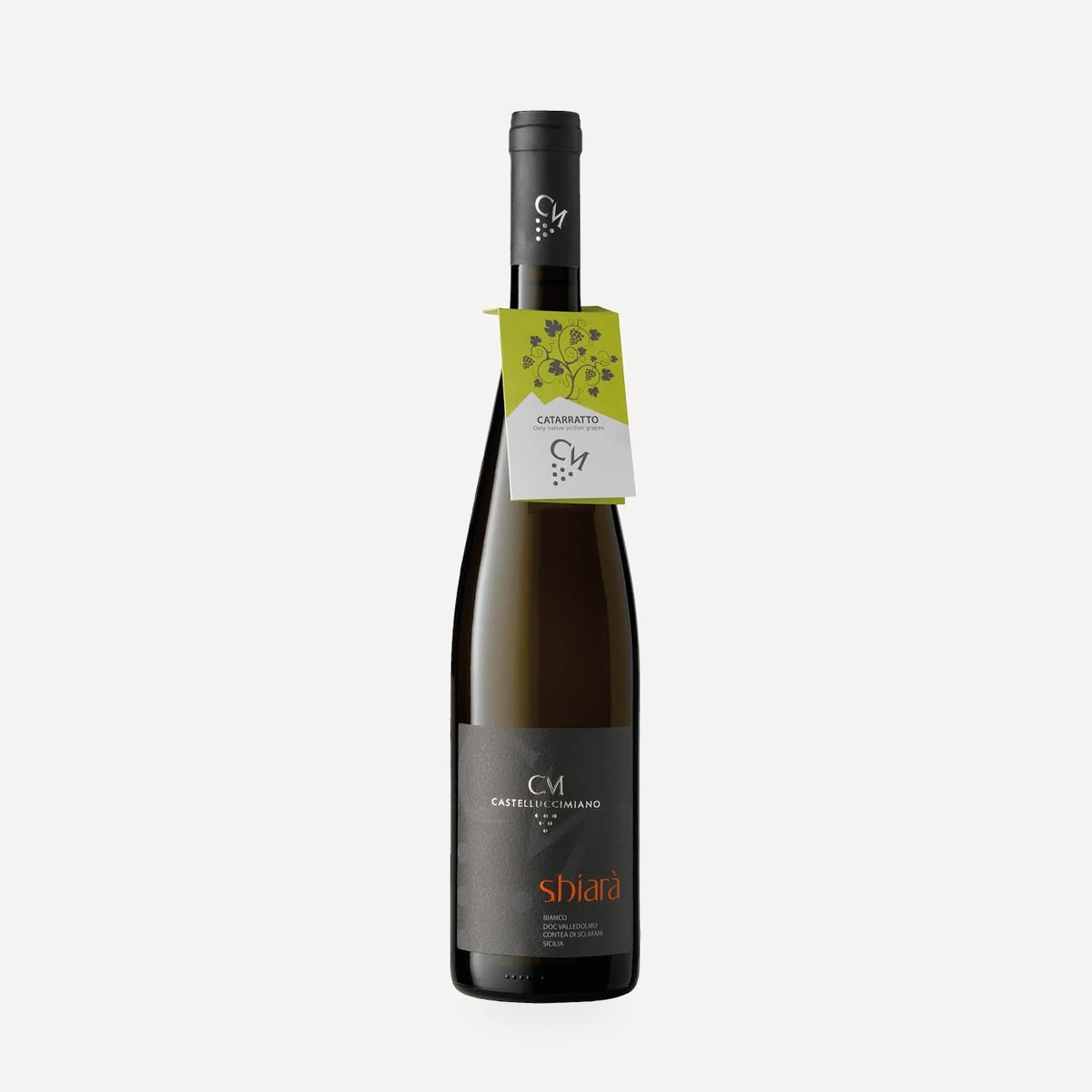
Shiarà Doc Valledolmo - Contea di Sclafani - Sicilia
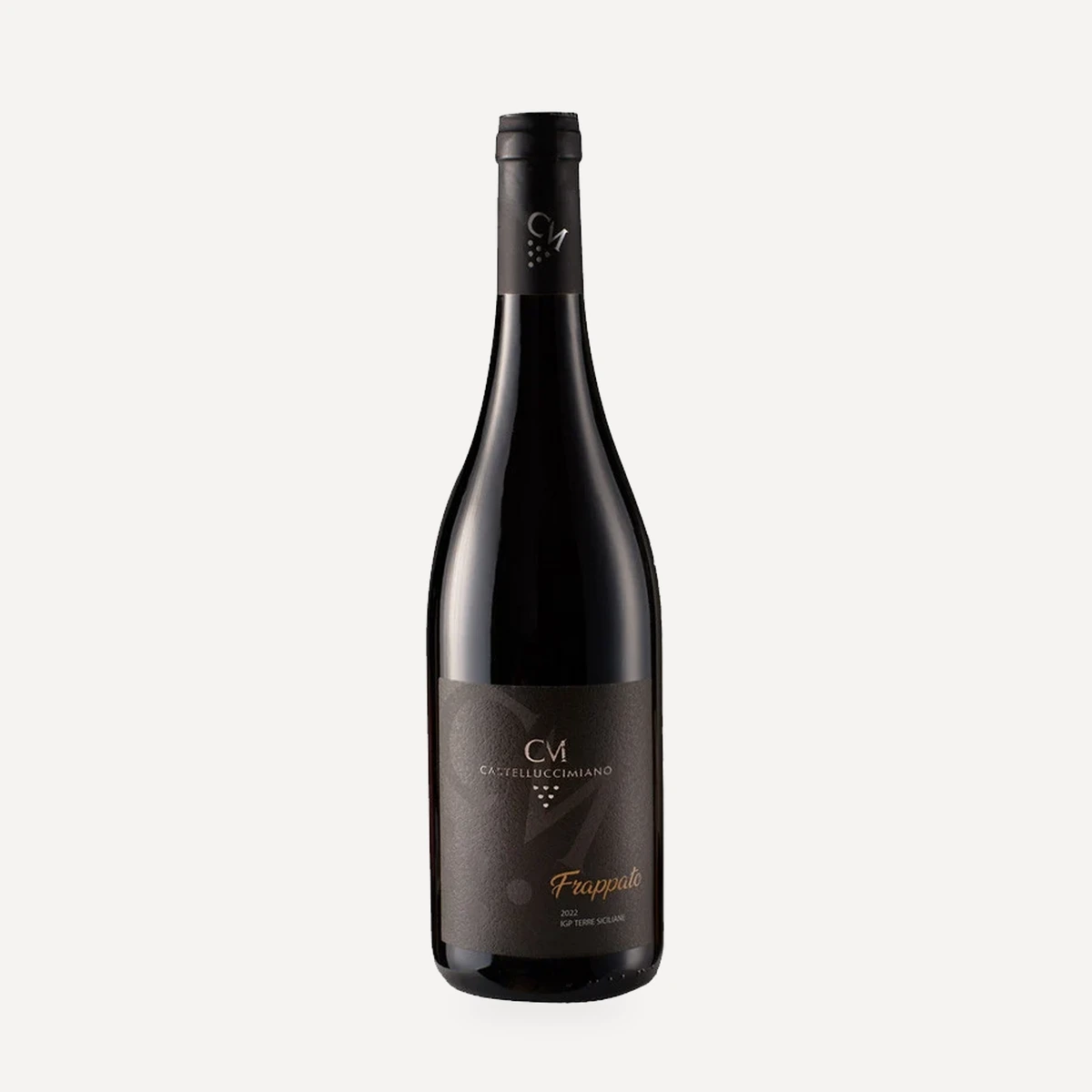
Frappato IGP Terre Siciliane
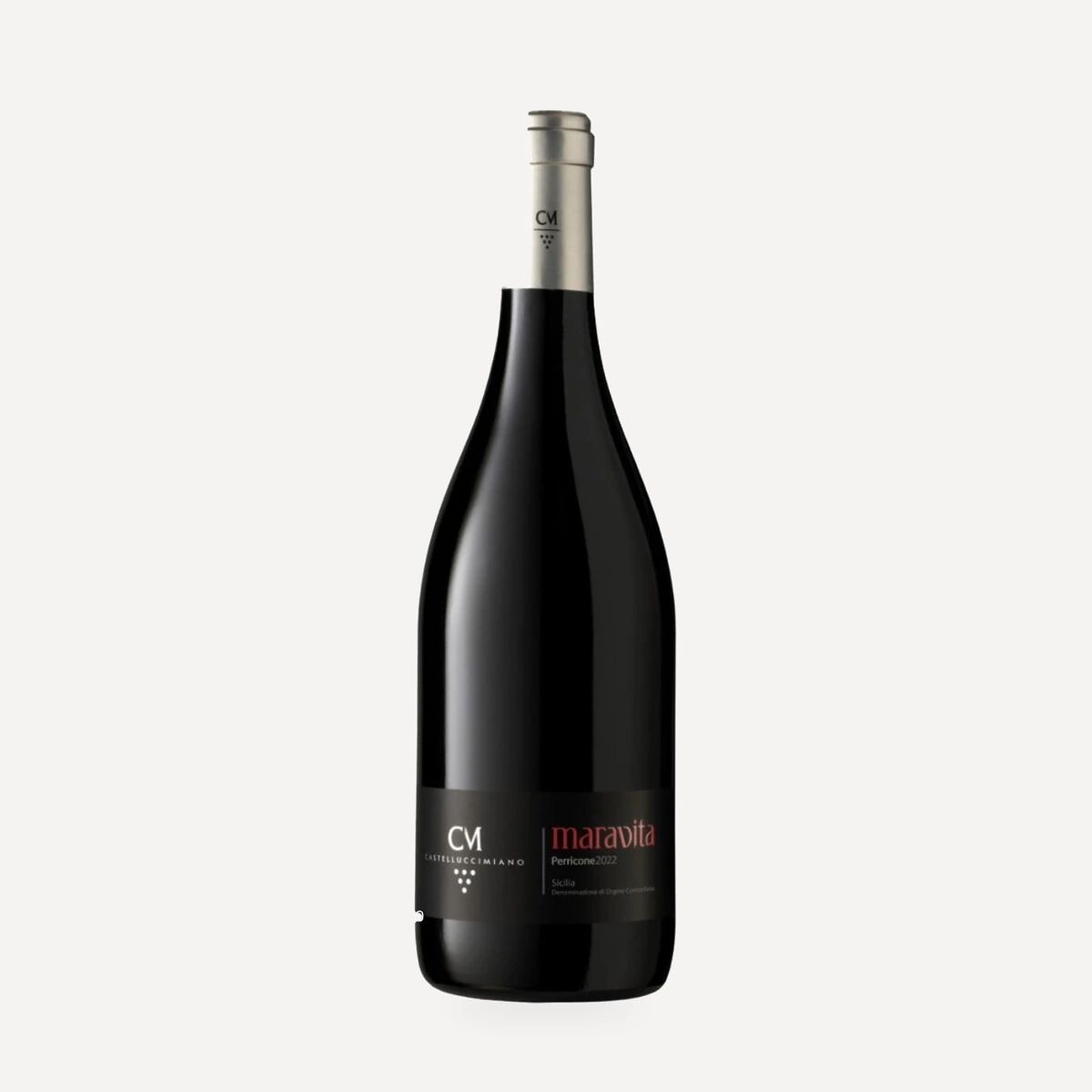
Maravita Doc Sicilia
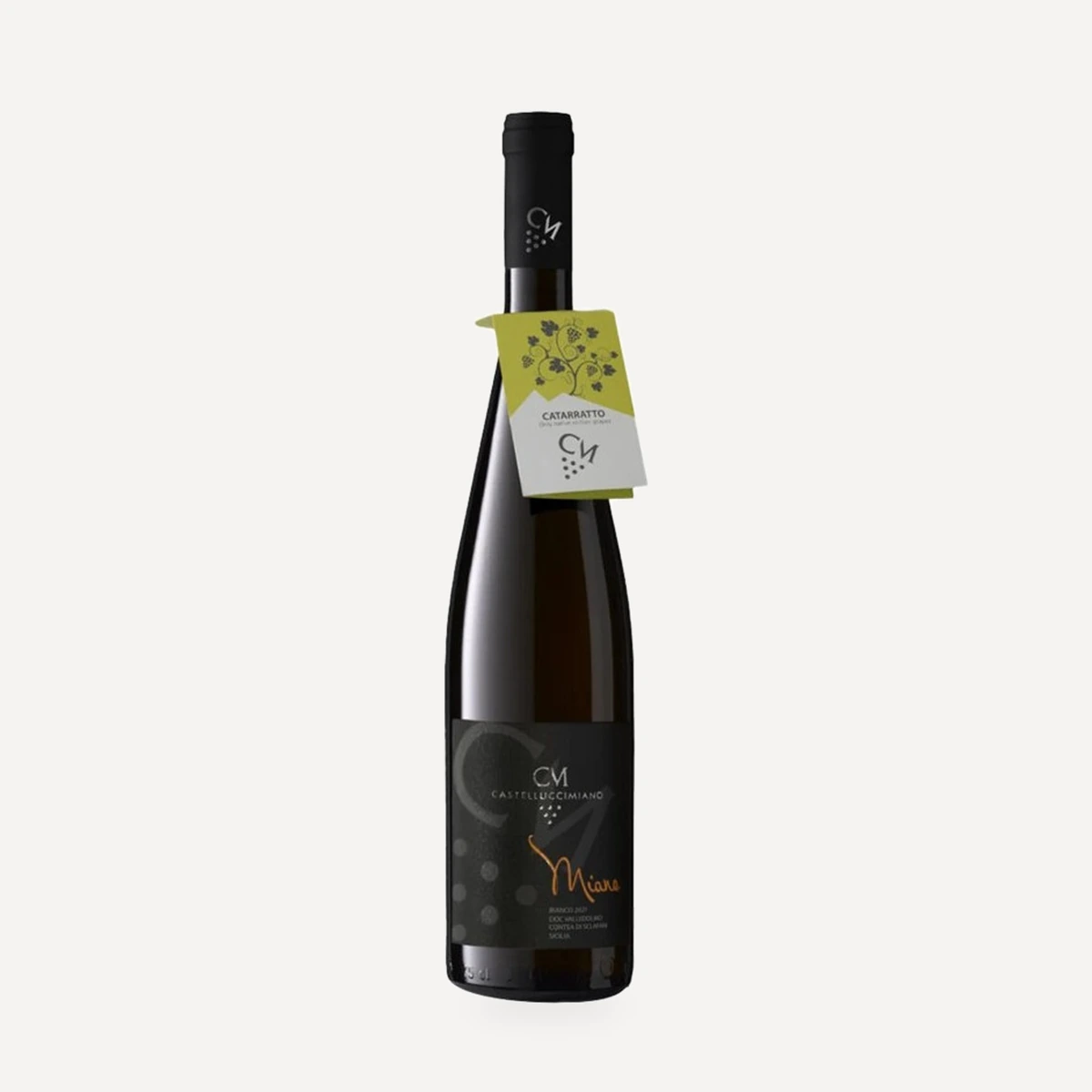
Miano Doc Valledolmo - Contea di Sclafani - Sicilia
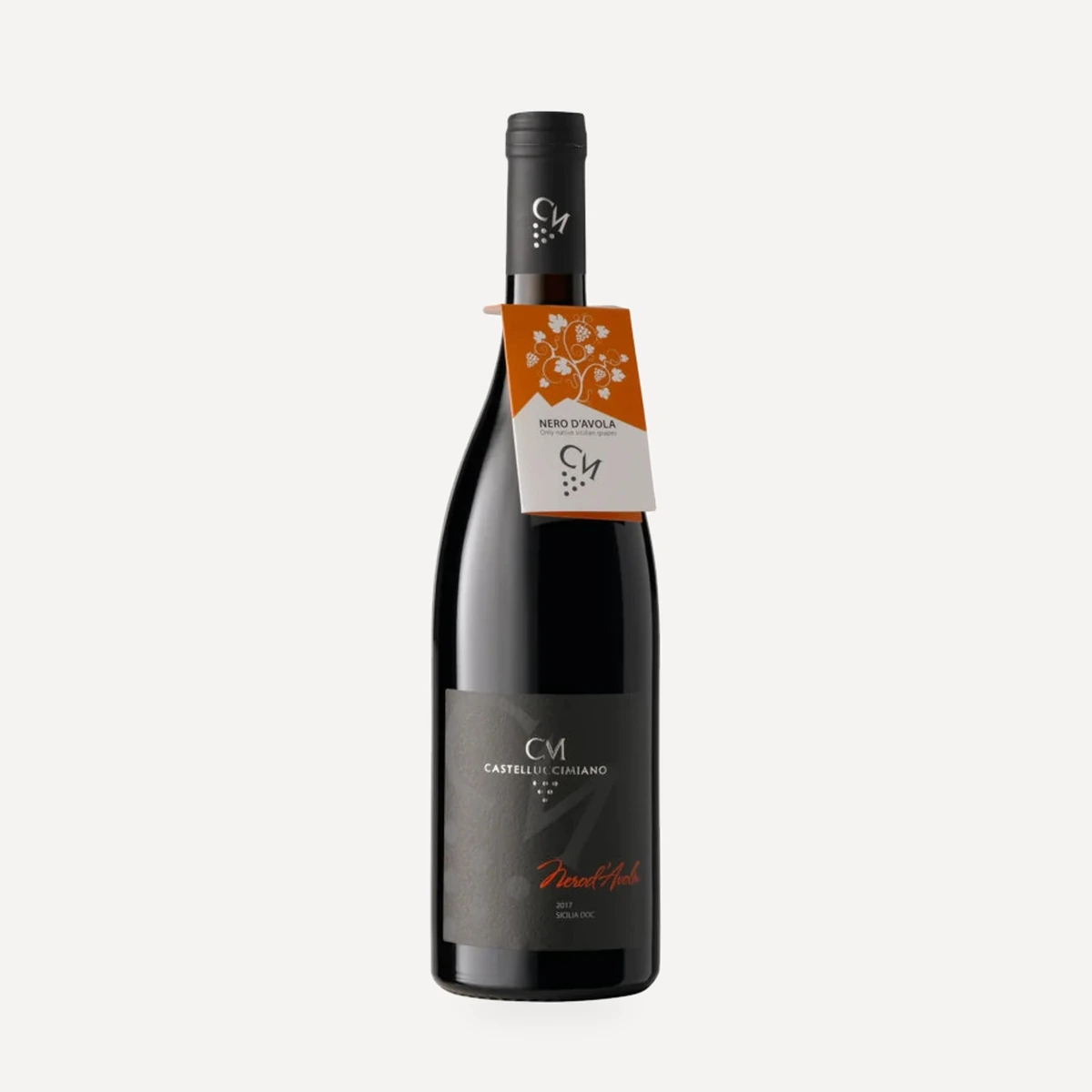
Nero D'Avola Doc Sicilia
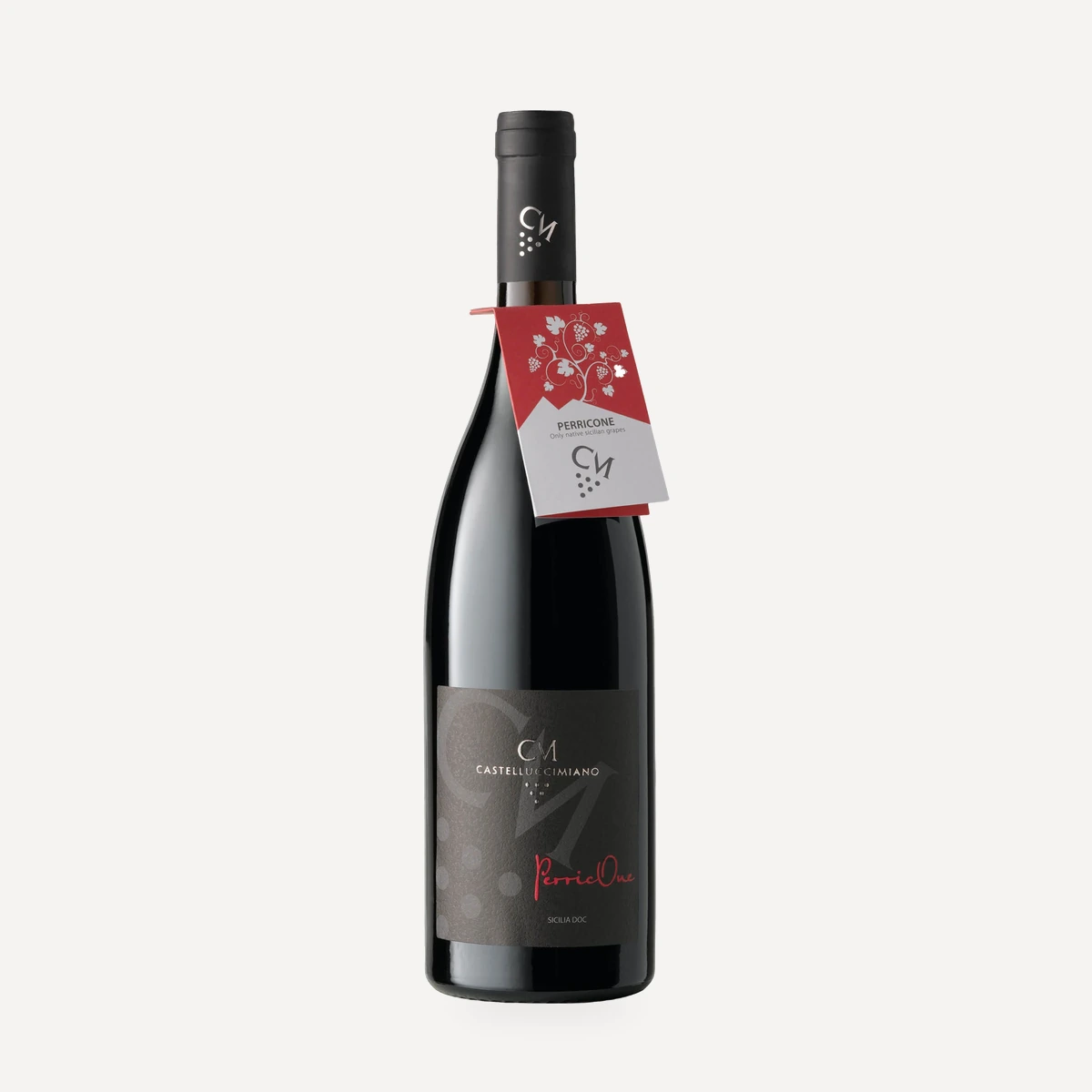
Perric.One Doc Sicilia
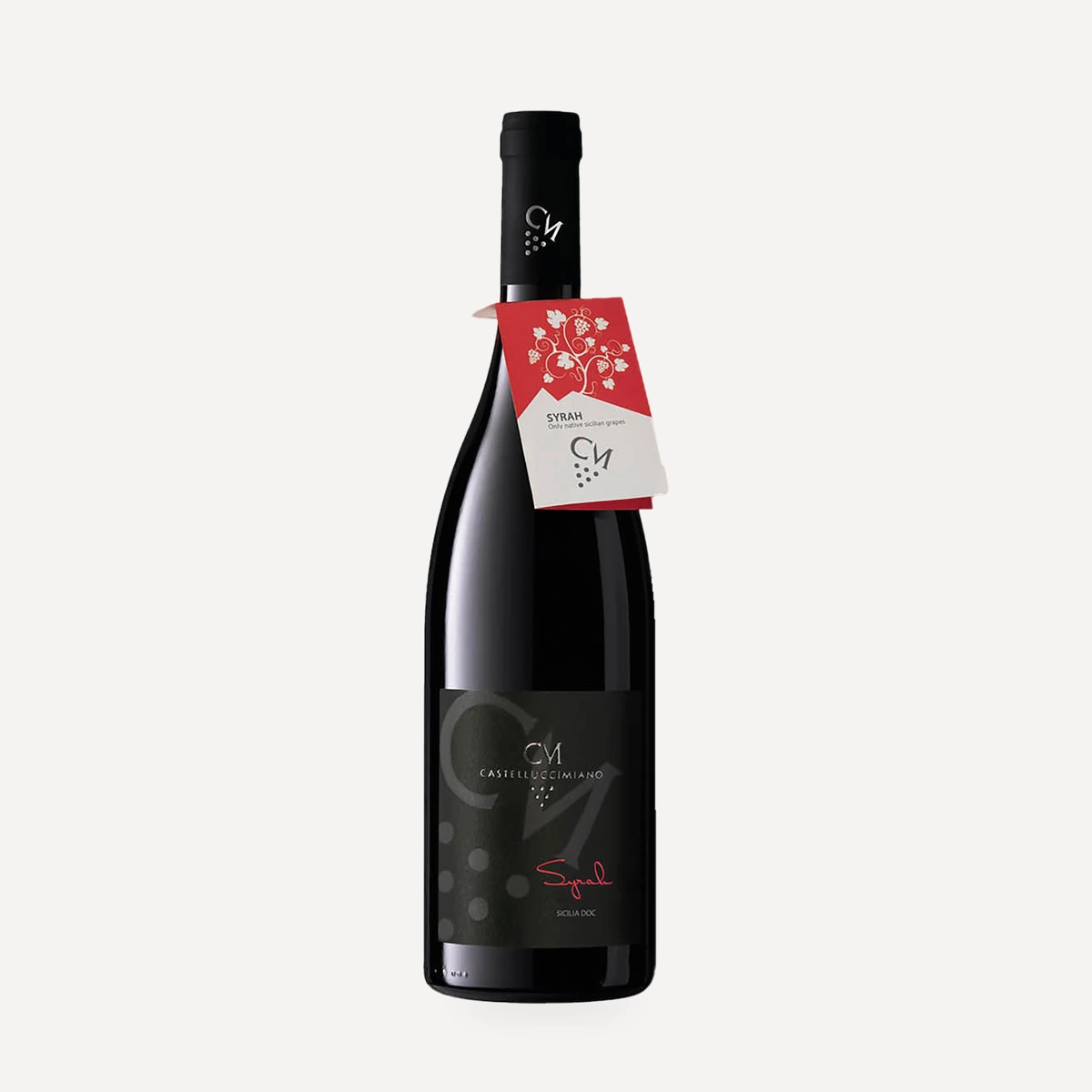
Syrah IGT Sicilia