Storia
A wine project on confiscated land
Centopassi is the winemaking entity of the Libera Terra cooperatives cultivating land confiscated from the mafia in Sicily. Its identity is therefore inseparable from the agricultural recovery of confiscated properties and their return to productive, cooperative use. The cellar operates at Contrada Don Tommaso in San Cipirello, while the documented vineyards extend through Monreale, San Giuseppe Jato, San Cipirello and Casteltermini.
The properties came from several former holders connected with different confiscation proceedings: Simonetti of the Riina clan, the Genovese family of the Brusca clan, the Grizzaffi family associated with the Riina or Brusca clans, Giovanni and Bernardo Brusca, Giuseppe Agrigento, Guccione and Vincenzo Licata. The individual confiscation dates are not given.
The vineyards before the Centopassi project
Some vines substantially predate their incorporation into Centopassi. Trebbiano Toscano was planted at Cerasa and Fontanafredda in 1976. Giambascio’s Catarratto dates from 1989, while the Trebbiano Toscano at Muffoletto was planted in 1996. These older plantings became part of a broader recovery effort; in particular, the old pergola-trained Trebbiano vines had been abandoned after confiscation and were restored through a long, gradual programme.
Expansion and replanting
Pietralunga, Tagliavia and Saladino were planted in 2004. Don Tommaso followed in 2007, Verzanica in 2009, Feotto in 2010 and the high-altitude alberello vineyard of Ginestra in 2011. New planting phases continued at Kaggio in 2018 and 2019, at Cerasa in 2019 and at Celso in 2019.
This development produced a highly varied group of vineyards, from the 140-metre Fontanafredda property to Ginestra at 950 metres. It also broadened the varietal base beyond the older Trebbiano and Catarratto vines to include Grillo, Carricante, Perricone, Nero d’Avola, Nerello Mascalese, Nocera, Nerello Cappuccio, Lucignola, Catanese Nero, Frappato, Chardonnay, Cabernet Sauvignon, Merlot and Syrah.
Contemporary direction
Centopassi now works all its individually described vineyards under certified-organic management. Pruning and vine structure are managed according to the Simonit & Sirch method. The project seeks to express the distinctions among vineyards, soils and grape varieties while placing freshness, fruit expression, savouriness, elegance and drinkability at the centre of both vineyard and cellar decisions.
Terroir
Alto Belice Corleonese
The principal vineyard landscape is the Alto Belice Corleonese plateau behind the mountains of Palermo. Open terrain and exposed limestone peaks characterize a high inland setting in which vineyard elevations range from roughly 300 to 950 metres. Thermal variation, wind, altitude and the interaction between individual varieties and soils are central features of the growing environment. Ginestra, the highest documented vineyard, reaches 950 metres and looks across the broad horizon of the Jato Valley towards the sea.
The plateau originated from a silico-carbonate depression, reflected in the white calcium-carbonate mountains surrounding it. Geological evolution and erosion by wind, air and water created marked pedological variability. Clay predominates, but chemical composition, permeability, limestone content, rock fragments and organic matter vary substantially. Sandstone and red-sand sectors also occur.
The individual sites range from highly impermeable clay and sandy-clay soils to looser red soils rich in iron oxides. Calcareous brown regosols with abundant exposed rock occur at Ginestra, while Kaggio and Cerasa combine clay, limestone and considerable coarse material. Pietralunga is likewise rocky and clay-rich. Verzanica is sandier, non-calcareous and relatively poor in organic matter. Fontanafredda, at 140 metres near Casteltermini, is geographically and altitudinally distinct from the principal plateau group and has calcareous, gypsum-bearing clay.
Vinificazione
All individually documented vineyards are under certified-organic management. The certification body and certification date are not identified.
Training systems are adapted to vineyard age and site. Espalier is the most widespread, generally pruned to simple Guyot. Older Trebbiano blocks at Muffoletto, Cerasa and Fontanafredda retain the tendone system with bilateral Guyot, while high-altitude Ginestra and part of Kaggio use free-standing alberello vines with short pruning. Vine structure and pruning are managed according to the Simonit & Sirch method throughout the documented properties.
Planting densities range from 1,200–1,300 vines/ha in tendone vineyards to 3,200–5,200 vines/ha in espalier and alberello sites. Reported average yields range from 4 t/ha at Pietralunga to 10 t/ha at Muffoletto. Harvesting is manual, commonly into boxes, and the overall picking period extends from early or mid-August for the earliest white varieties to late September or early October at Ginestra.
Fruit is harvested manually, frequently into boxes. White-wine processing across the range includes gentle pressing followed by fermentation in stainless steel. Red varieties are destemmed and fermented in stainless steel after maceration, with published examples ranging from approximately 8 to 32 days. Rosé processing includes destemming, gentle crushing and cold settling before stainless-steel fermentation.
Stainless steel is the principal fermentation and maturation vessel. Selected white lots mature on their own lees, sometimes divided between steel and clayver vessels. Red-wine maturation may combine steel with used Taransaud tonneaux or employ used and new Taransaud tonneaux; an oak cask is also used for part of one red lot. Depending on the selection, maturation ranges from about four months in steel to more than a year in tonneaux, followed in some cases by several months of bottle refinement.
These methods are applied selectively according to vineyard and variety, with the broader aim of maintaining freshness, fruit expression, savouriness, elegance and drinkability rather than imposing a uniform cellar recipe.
Filosofia
Centopassi presents wine as an expression of distinct vineyards, soils and grape varieties rather than as a generalized Sicilian style. Its stated ambition is to understand the land, vineyards and native grapes more deeply each year and to produce wines with a recognizable identity capable of evoking their places of origin.
The Alto Belice Corleonese landscape, its high plateaus and its varied soils form the basis of this approach. Elegance, savouriness, freshness, fruit expression and drinkability guide decisions from detailed vineyard care to cellar work. The cru programme interprets individual portions of vineyards through the varieties best suited to them and is intended to produce slowly maturing wines with longevity.
The social purpose is equally central. Cultivating confiscated land places wine production within the cooperative recovery of territory, work and civic life. Vineyard and wine names preserve memories of trade unionists, anti-mafia campaigners, educators, farmers, teachers, cultural workers and victims of mafia violence.
Vini
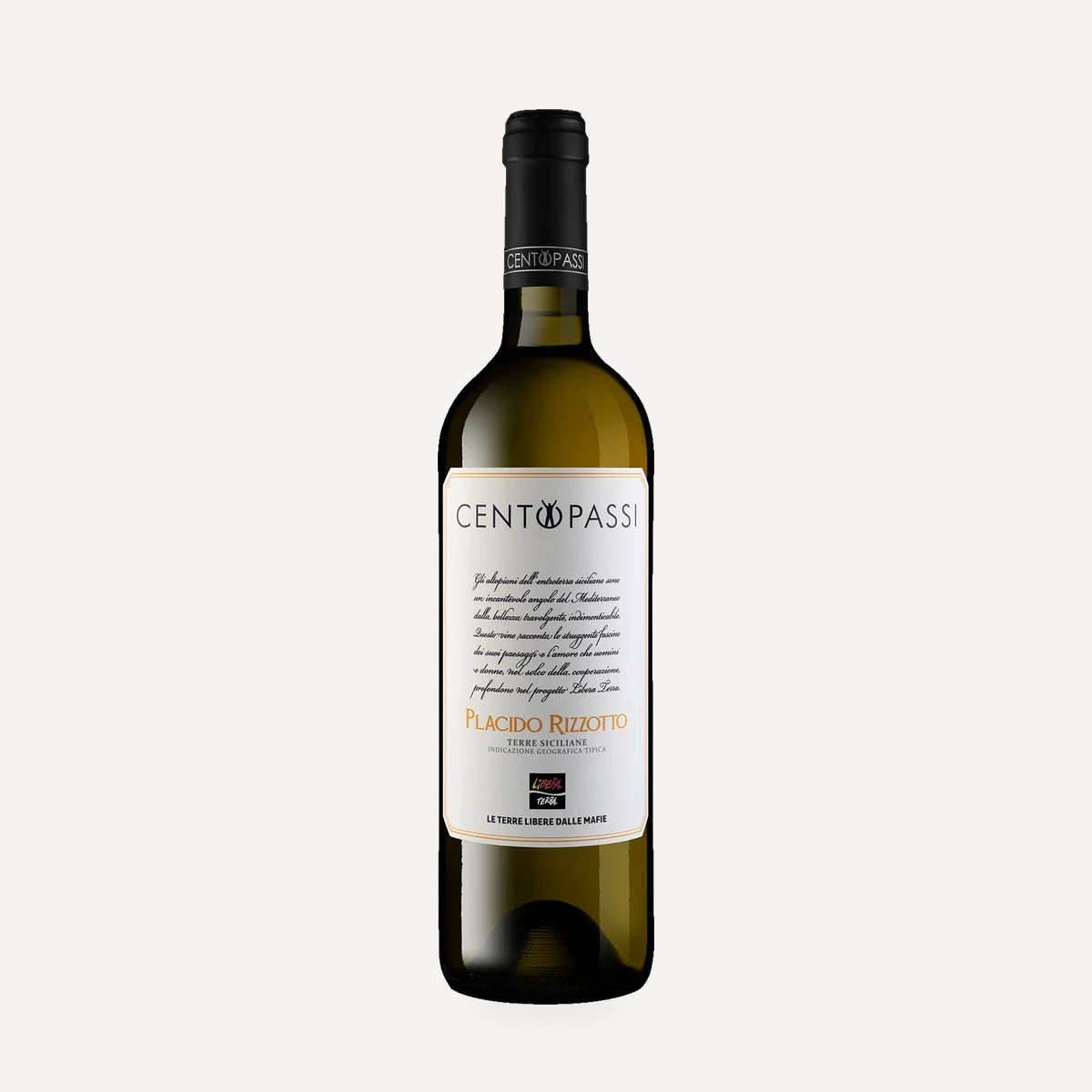
Placido Rizzotto Bianco IGT Terre Siciliane
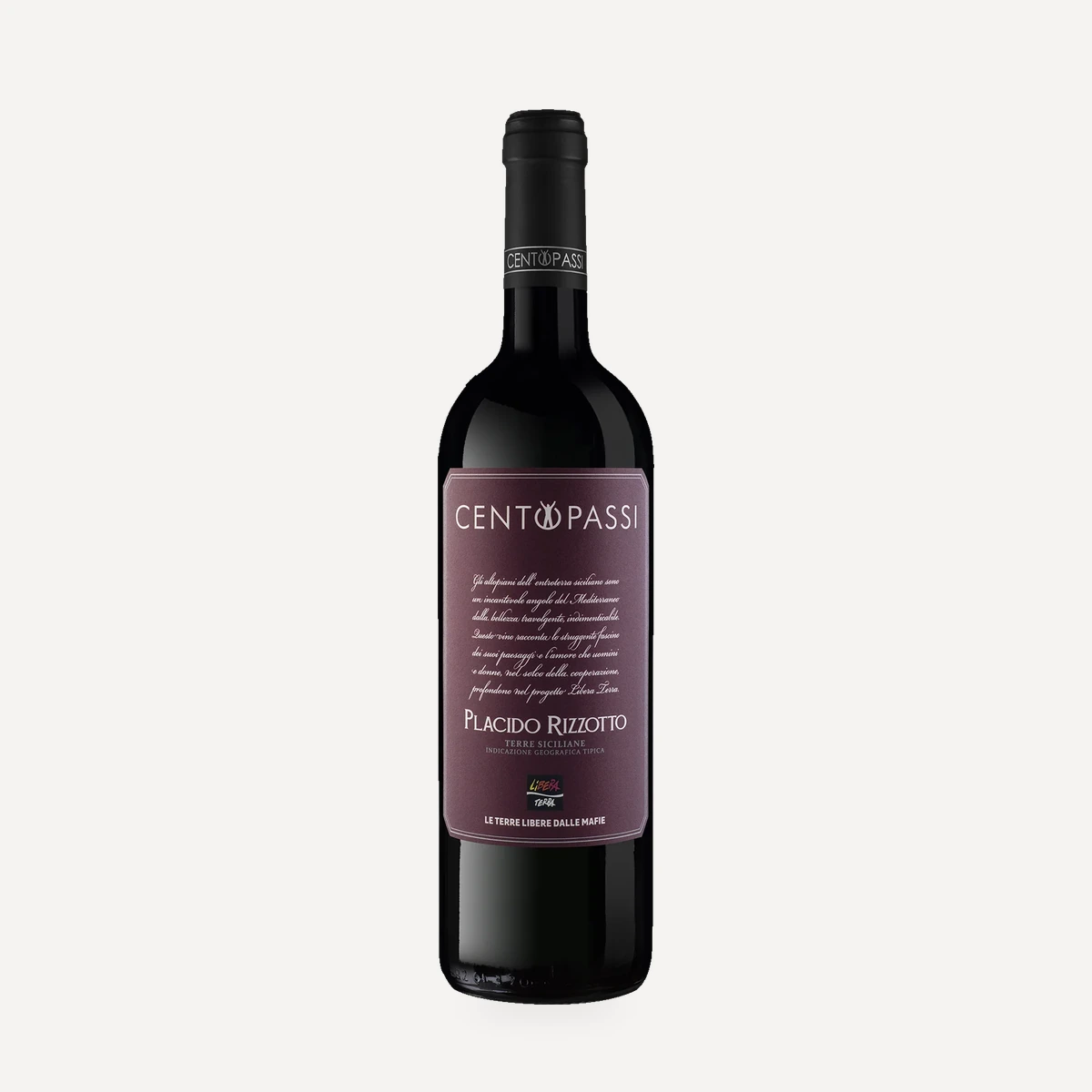
Placido Rizzotto Rosso IGT Terre Siciliane
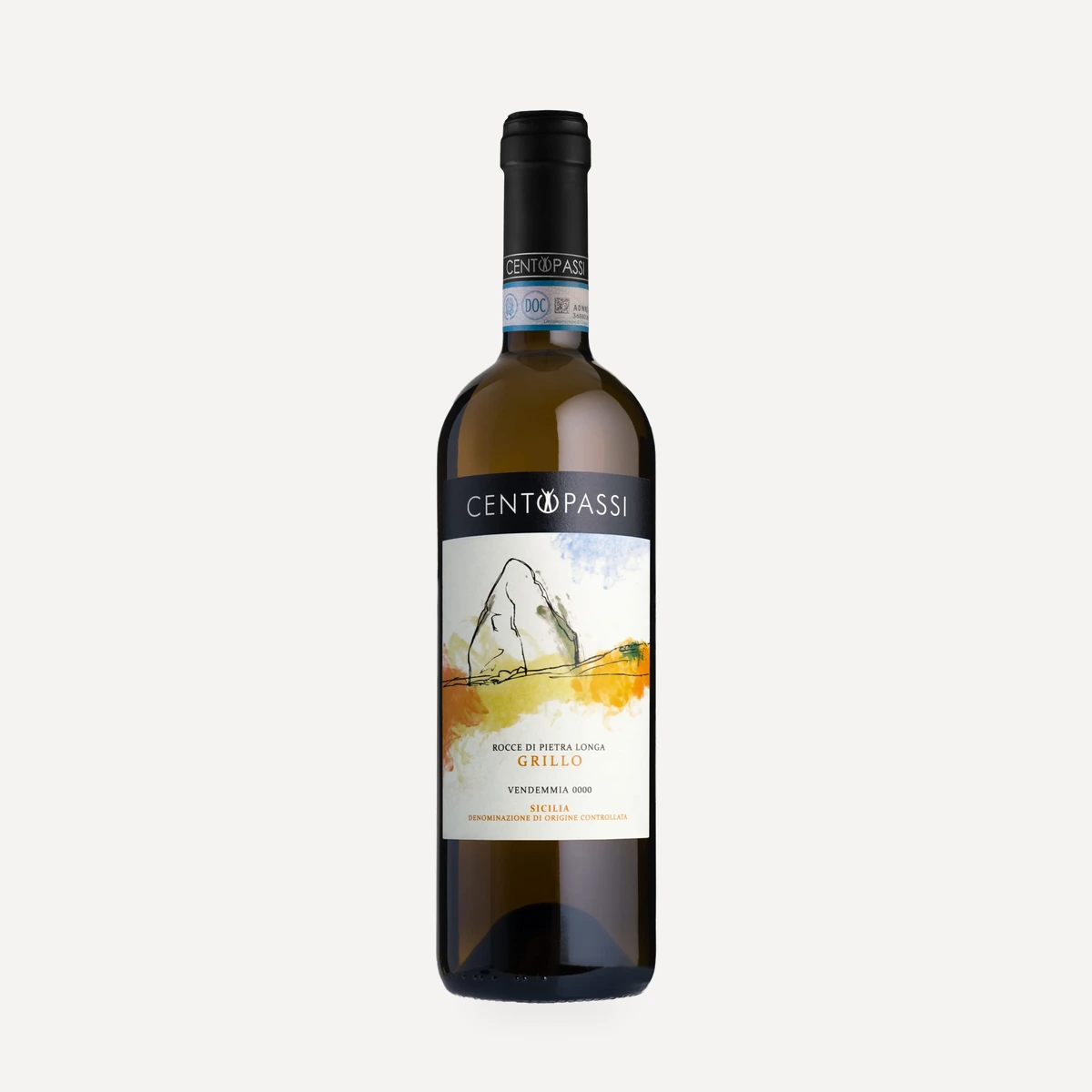
Rocce di Pietra Longa Grillo DOC Sicilia
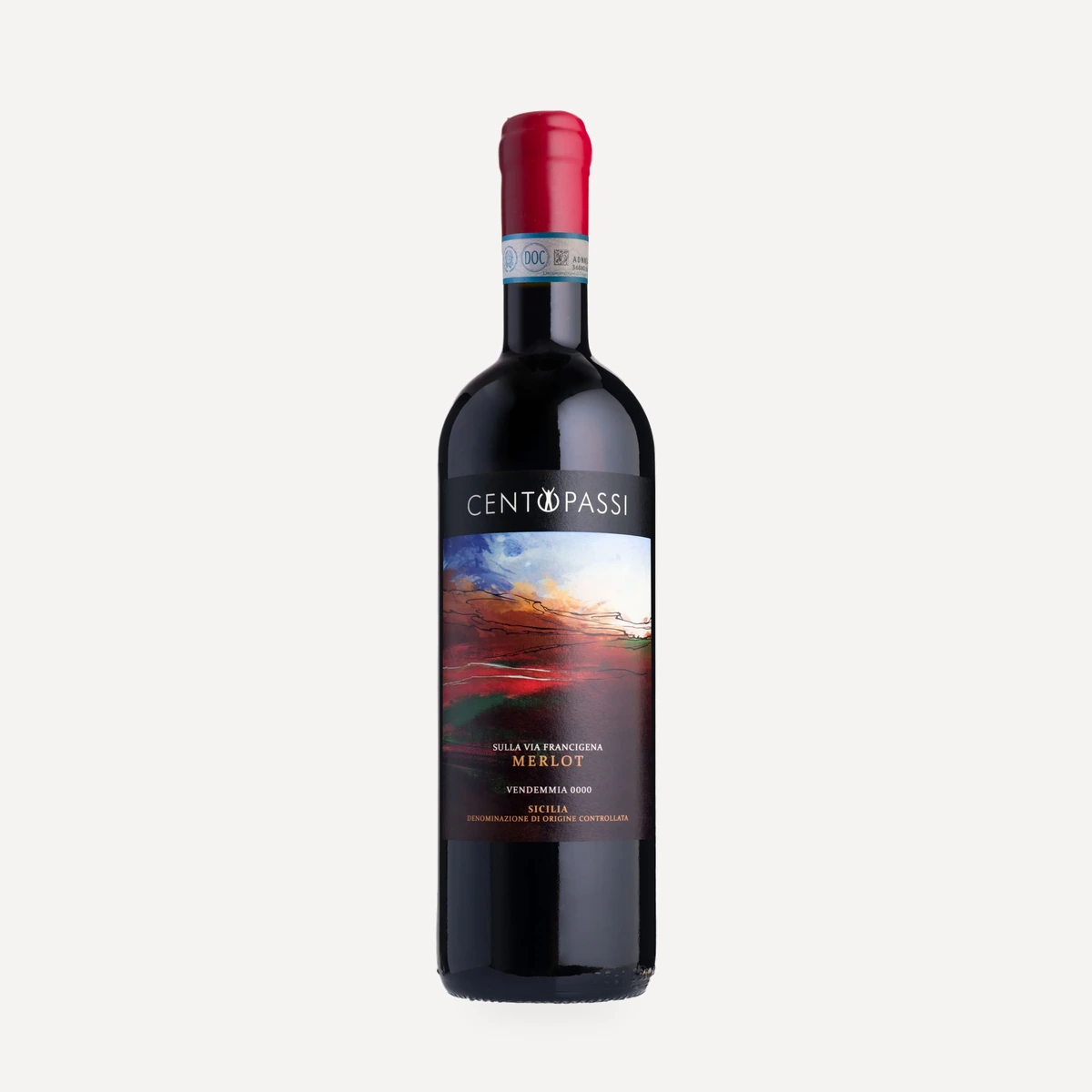
Sulla Via Francigena Merlot DOC Sicilia
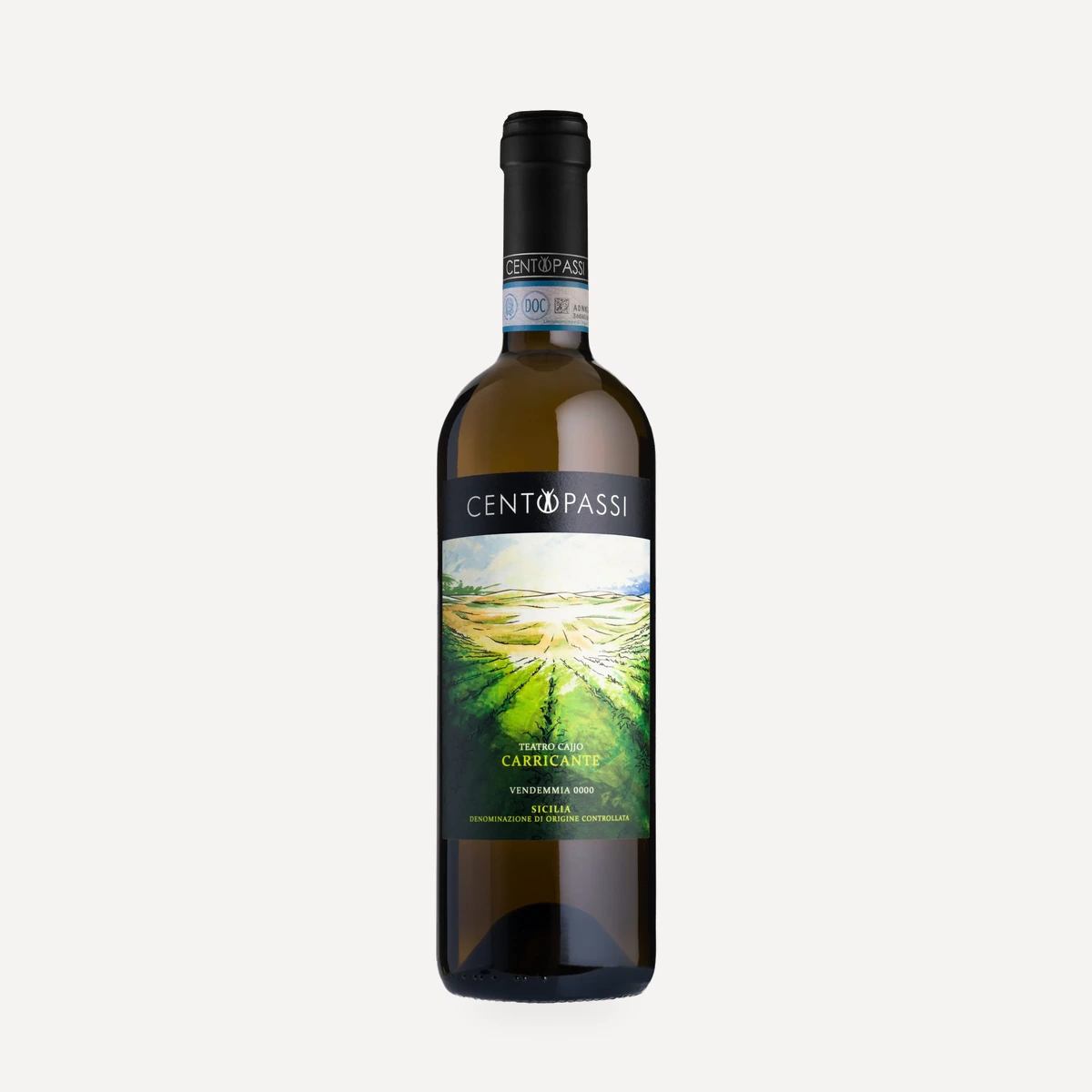
Teatro Cajjo Carricante DOC Sicilia
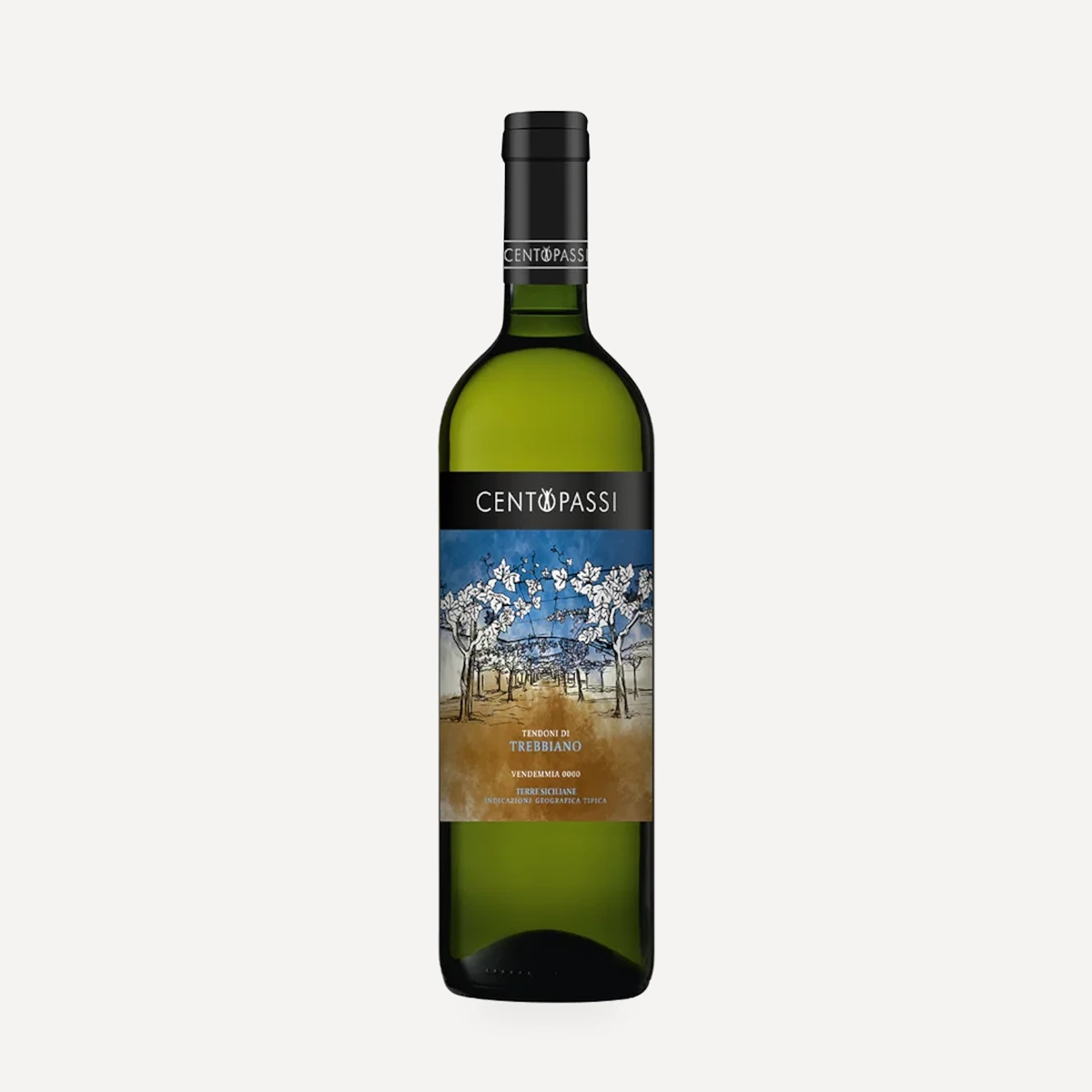
Tendoni di Trebbiano IGT Terre Siciliane
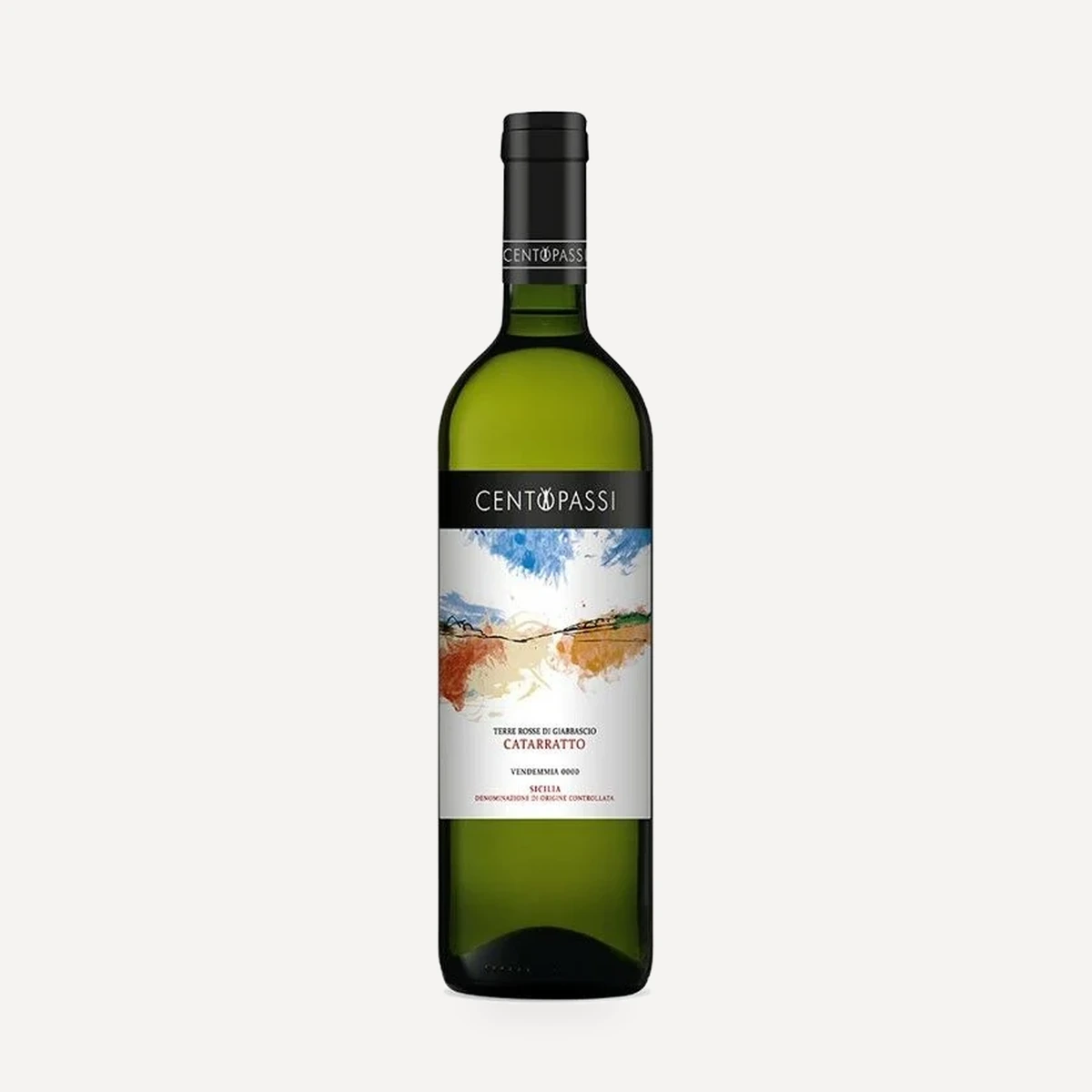
Terre Rosse di Giabbascio Catarratto DOC Sicilia
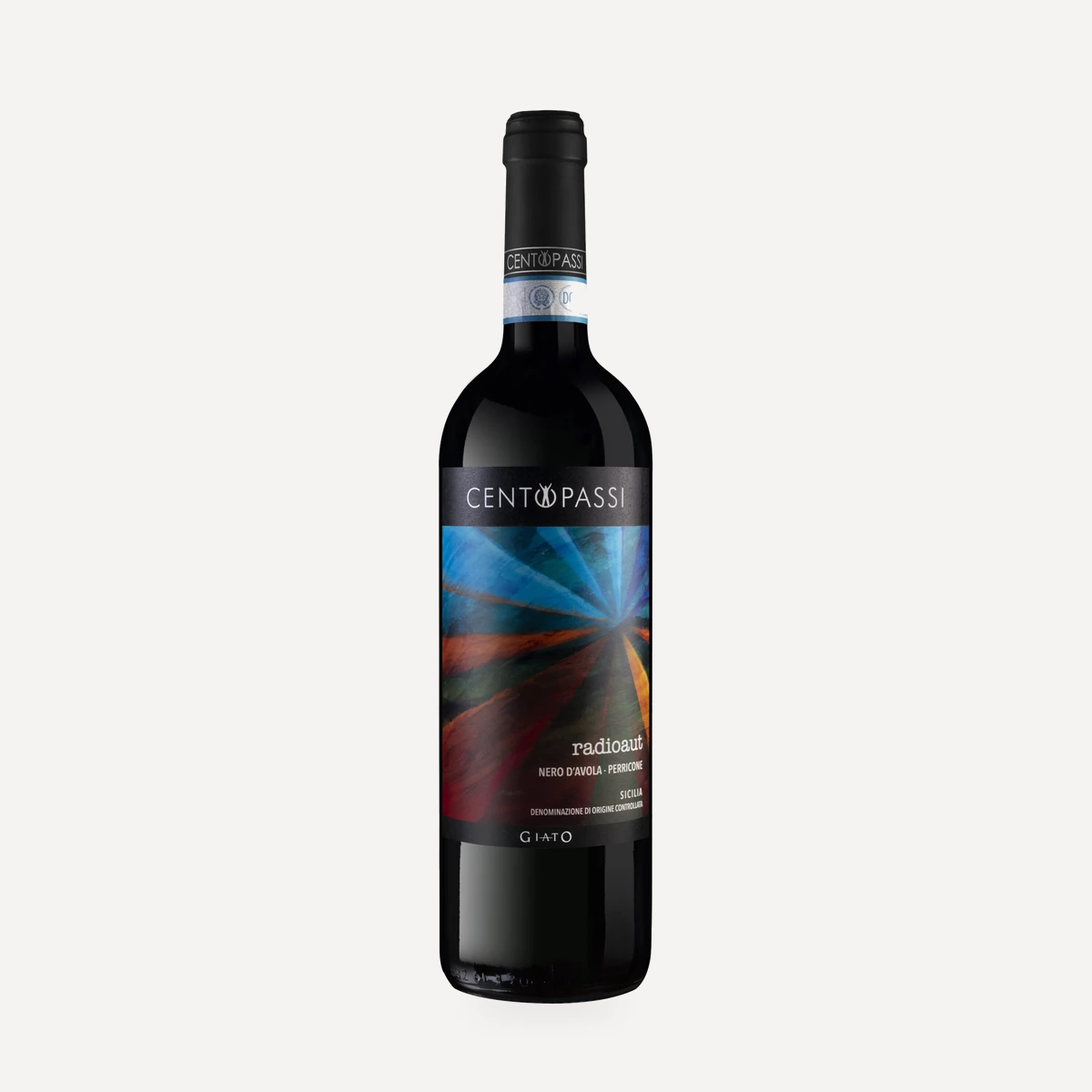
radioaut Giato Nero d’Avola - Perricone DOC Sicilia