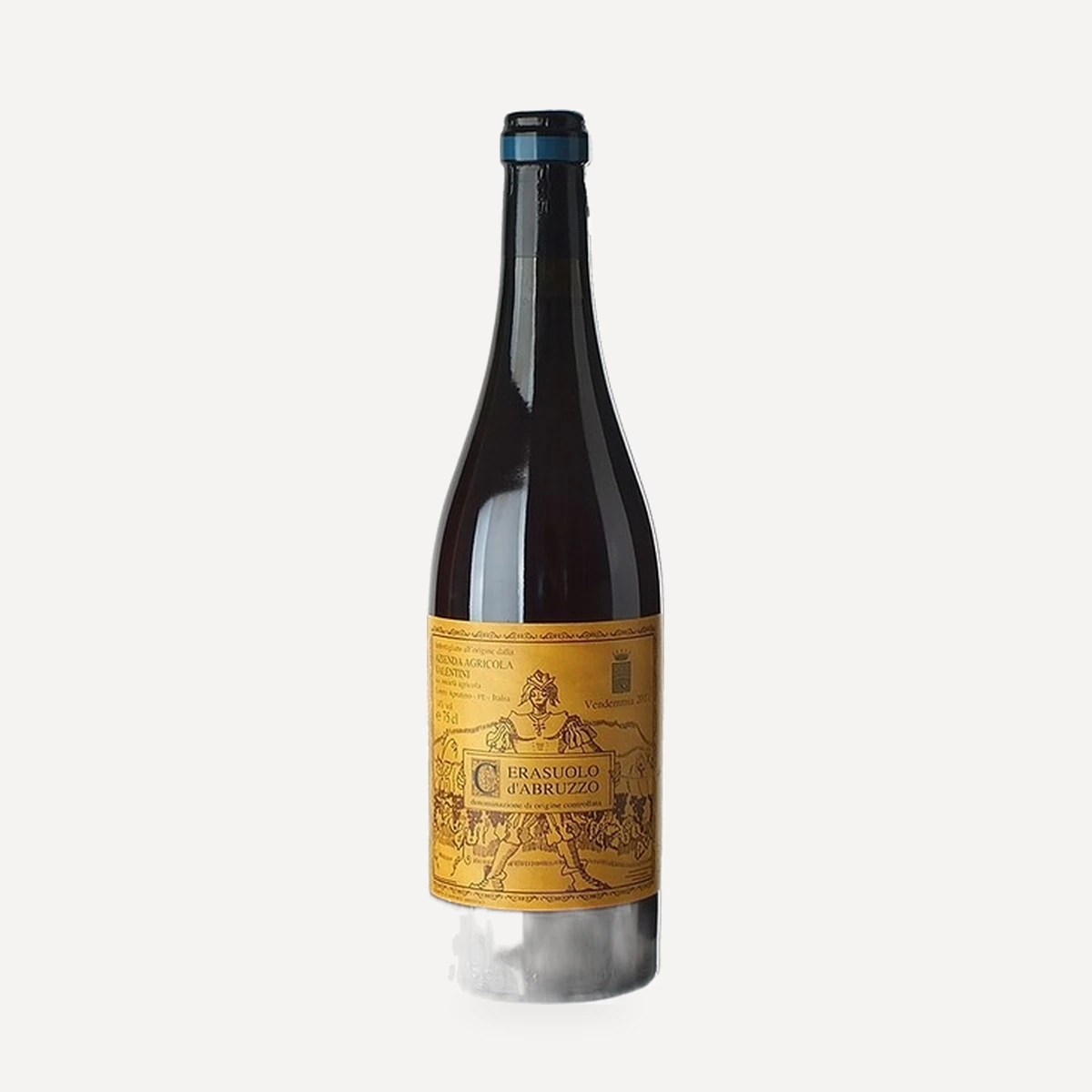
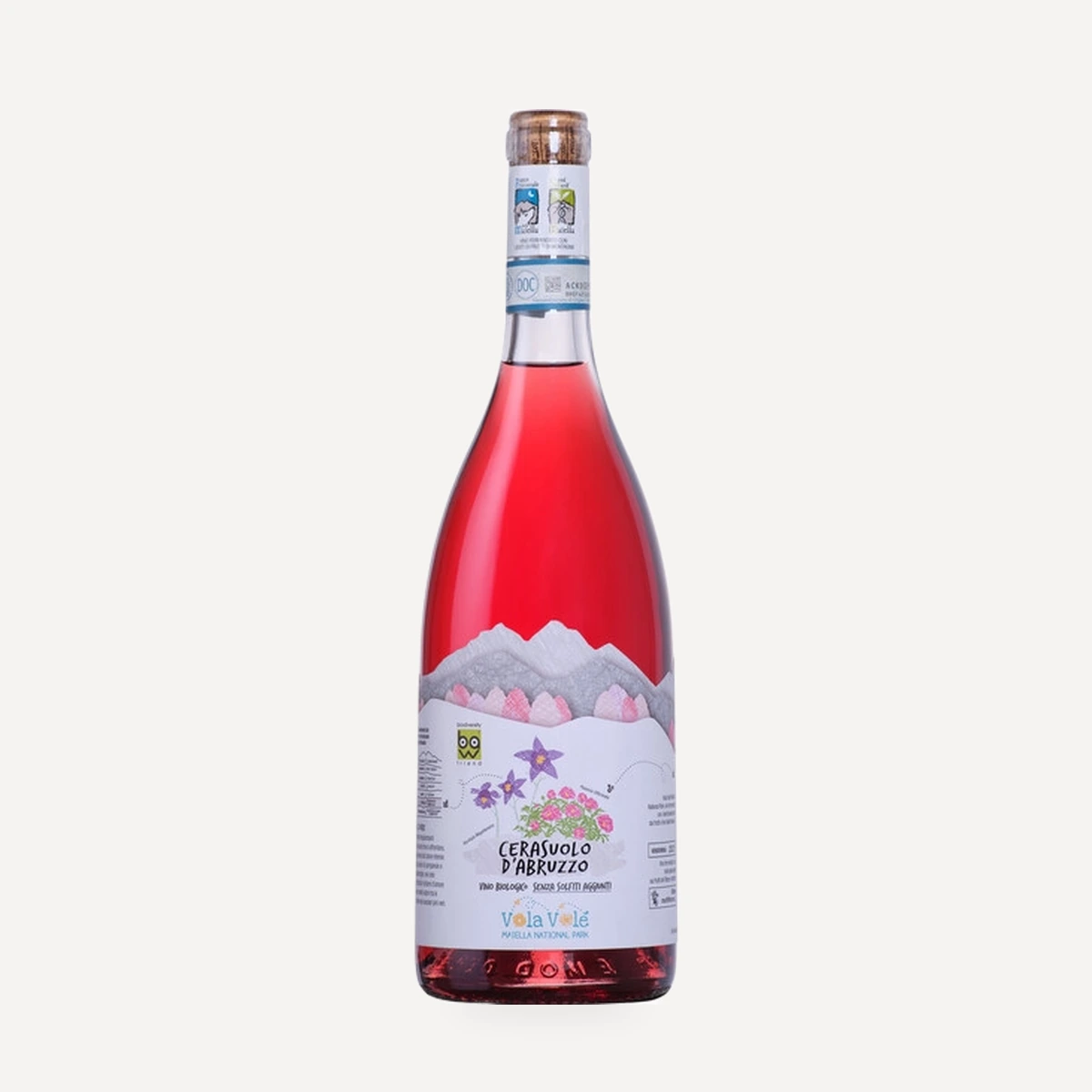
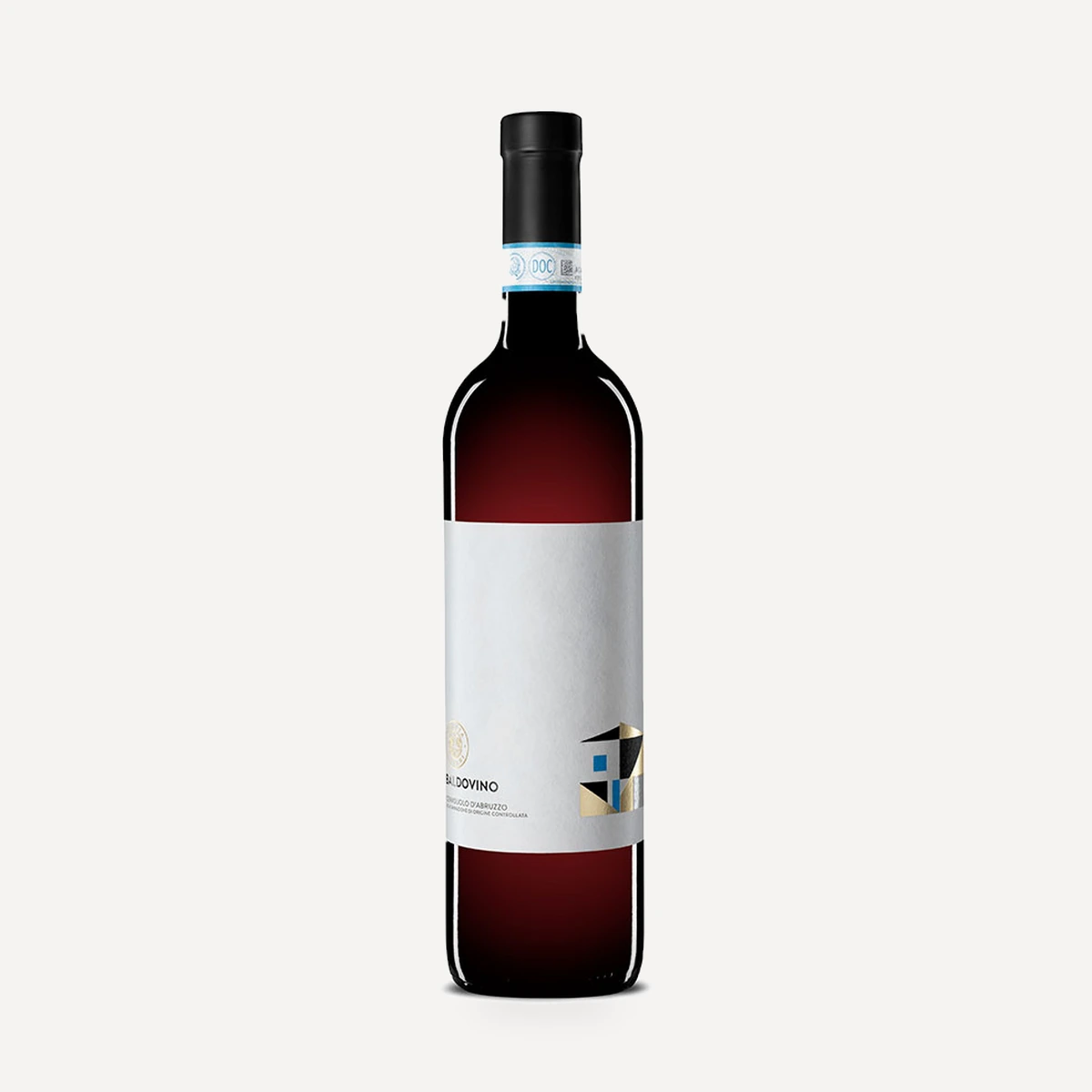
Questo vino
Vineyard and terroir
The 2024 wine comes from Loreto Aprutino at 250 m. Montepulciano nero is grown under the pergola abruzzese system in a vineyard planted in 1980. The soil combines clay, sand and limestone, and integrated farming is practised. Yield was 90 q/ha.
Grapes
100% Montepulciano nero. The fruit was harvested by hand in the final third of September.
Vinification
One portion of whole grapes was softly pressed, statically settled and fermented as a white wine in small 8–15 hl stainless-steel tanks. A second portion was destemmed and crushed, received a brief maceration in concrete, and was then drained into terracotta amphorae for fermentation. Fermentation was spontaneous, initiated with a pied de cuve prepared from the same grapes, and proceeded without temperature control in naturally cool rooms.
Ageing
The amphora component remained on its fine lees. Final blending and bottling took place in late spring.
Technical data
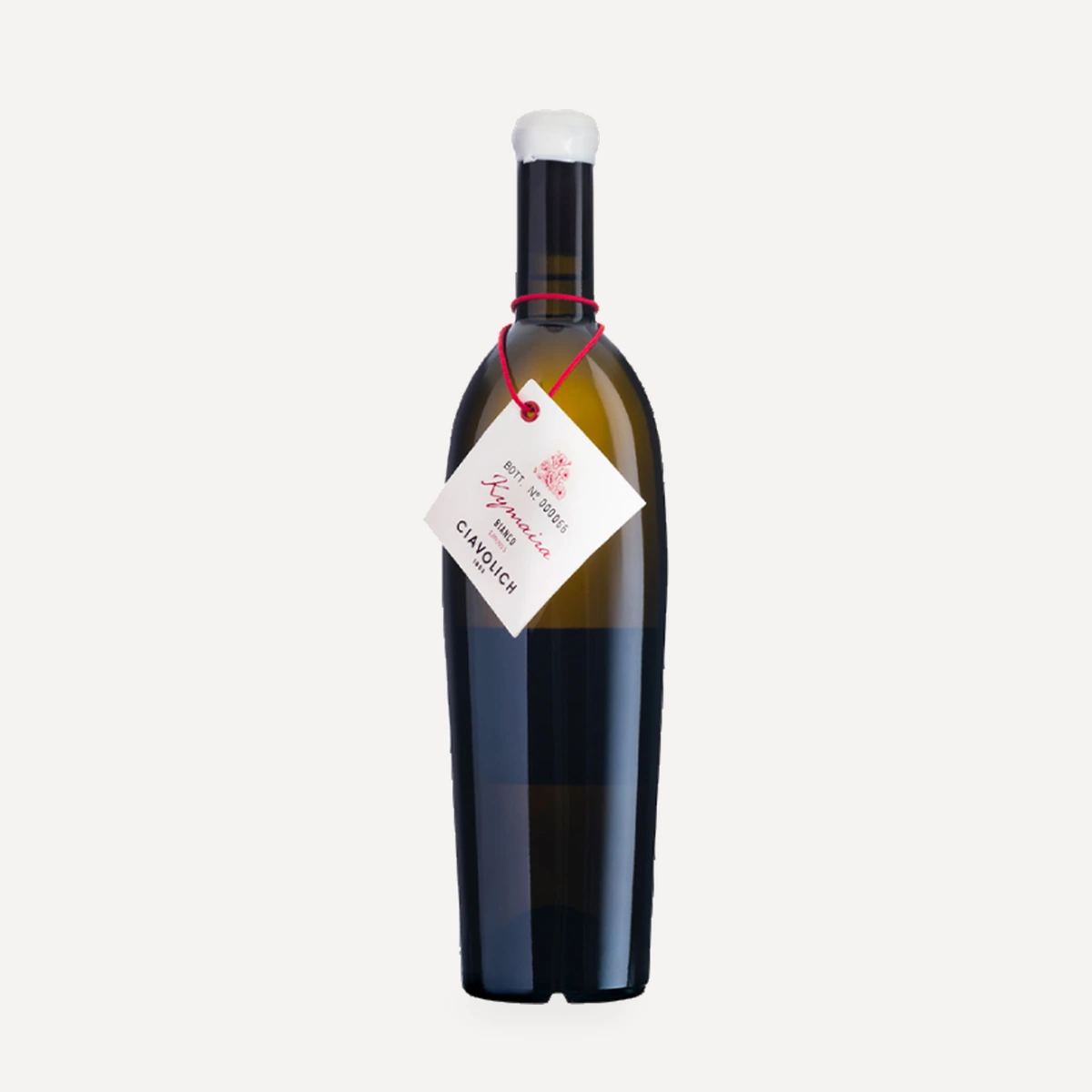
Alcohol: 13%. Approximately 3,900 bottles were produced and individually numbered.
Tasting profile
Deeply coloured red-rosé with purple-to-garnet reflections. Yellow-fruit and citrus aromas are joined by ethereal nuances and medicinal-herb notes. The palate is decisive, full and balanced, with freshness and a savoury vein.
Serving and pairing
Serve at 14–16°C.
Vintage notes
The 2024 season brought an unusually warm winter followed by prolonged summer drought and above-average temperatures, reducing vine vigour and yields. Inland hillside vineyards fared better because of their greater water-holding capacity, cooler nights, occasional late rainfall and limited emergency irrigation. The pergola-trained Montepulciano retained useful acidity particularly well. Harvest was brought forward to avoid excessive sugar and declining acidity.