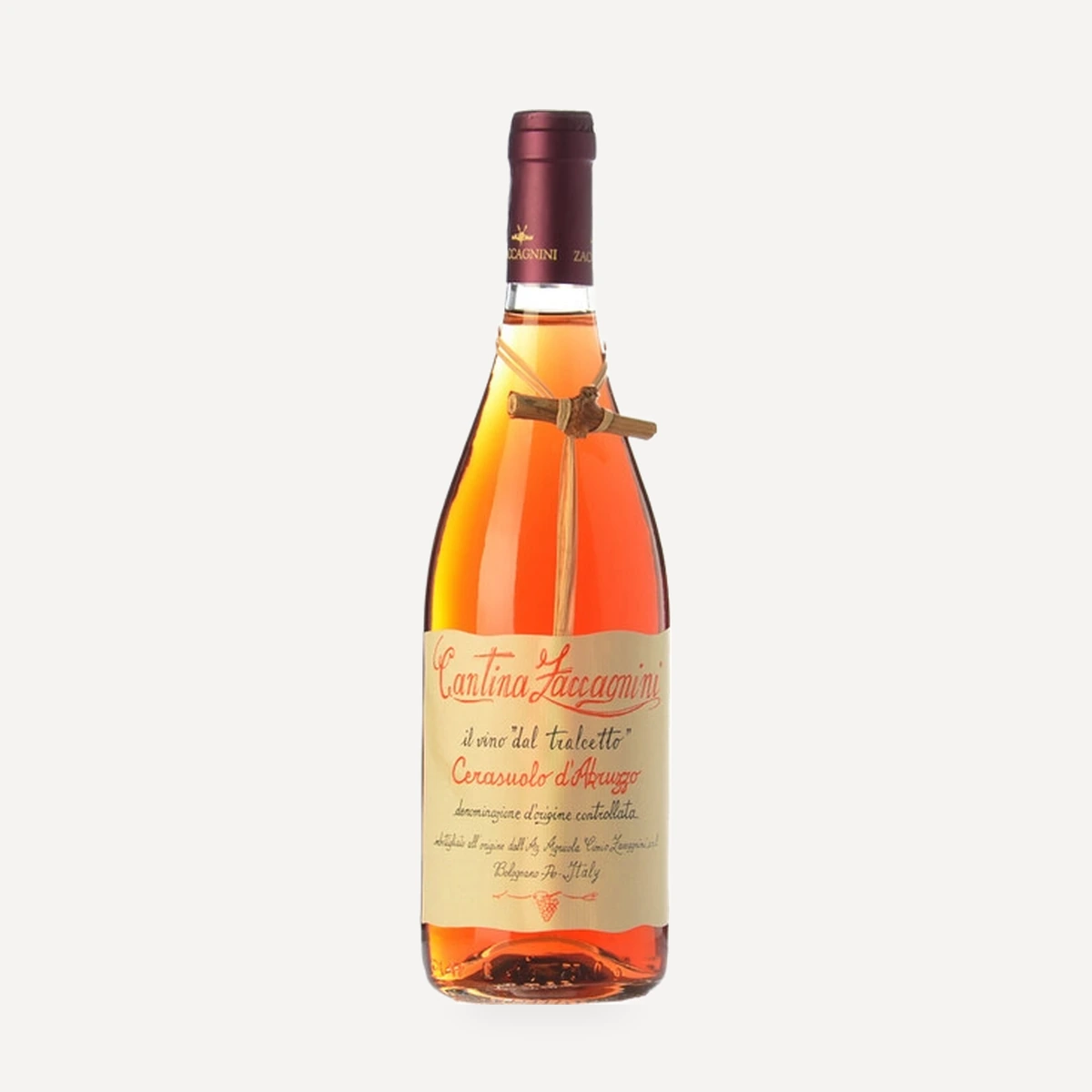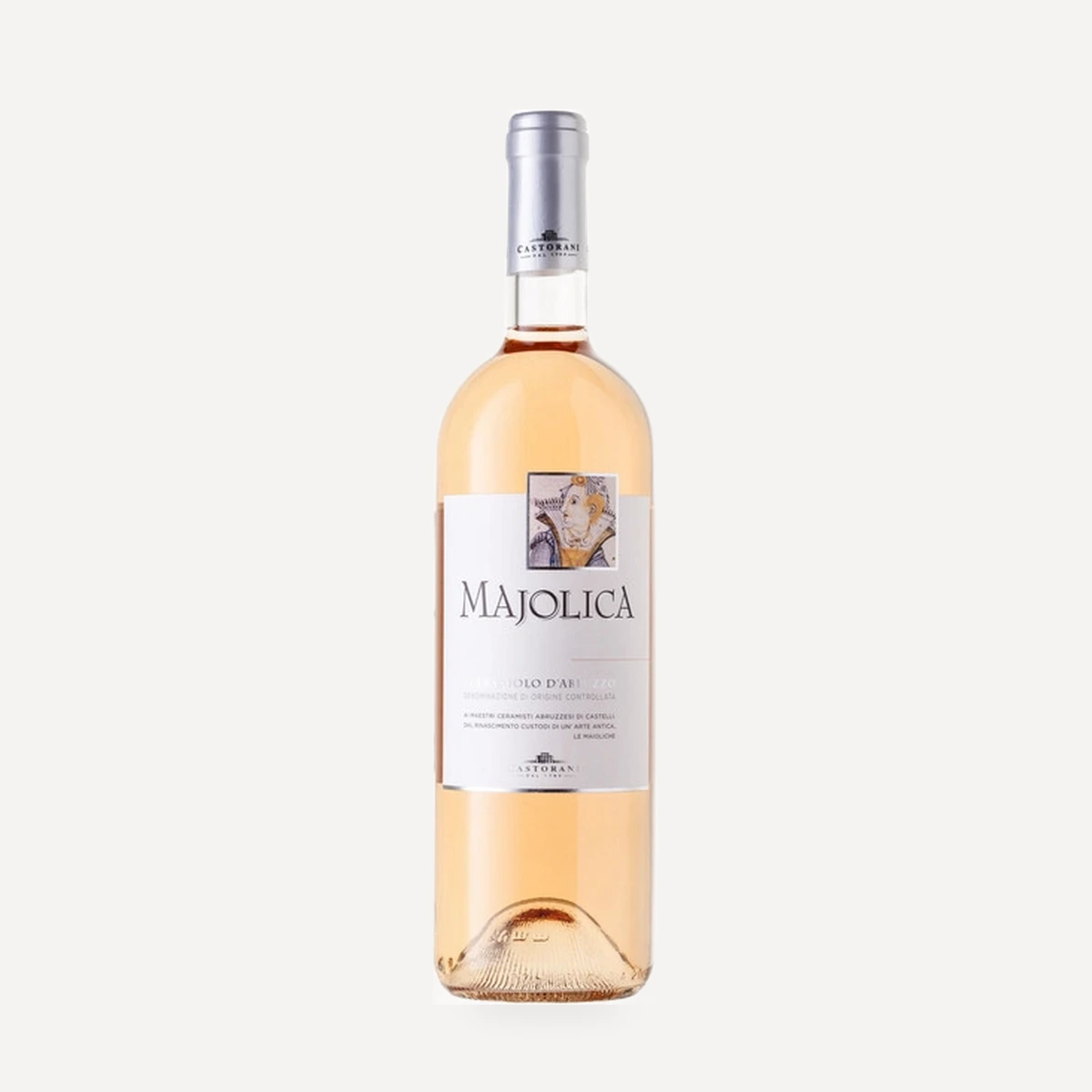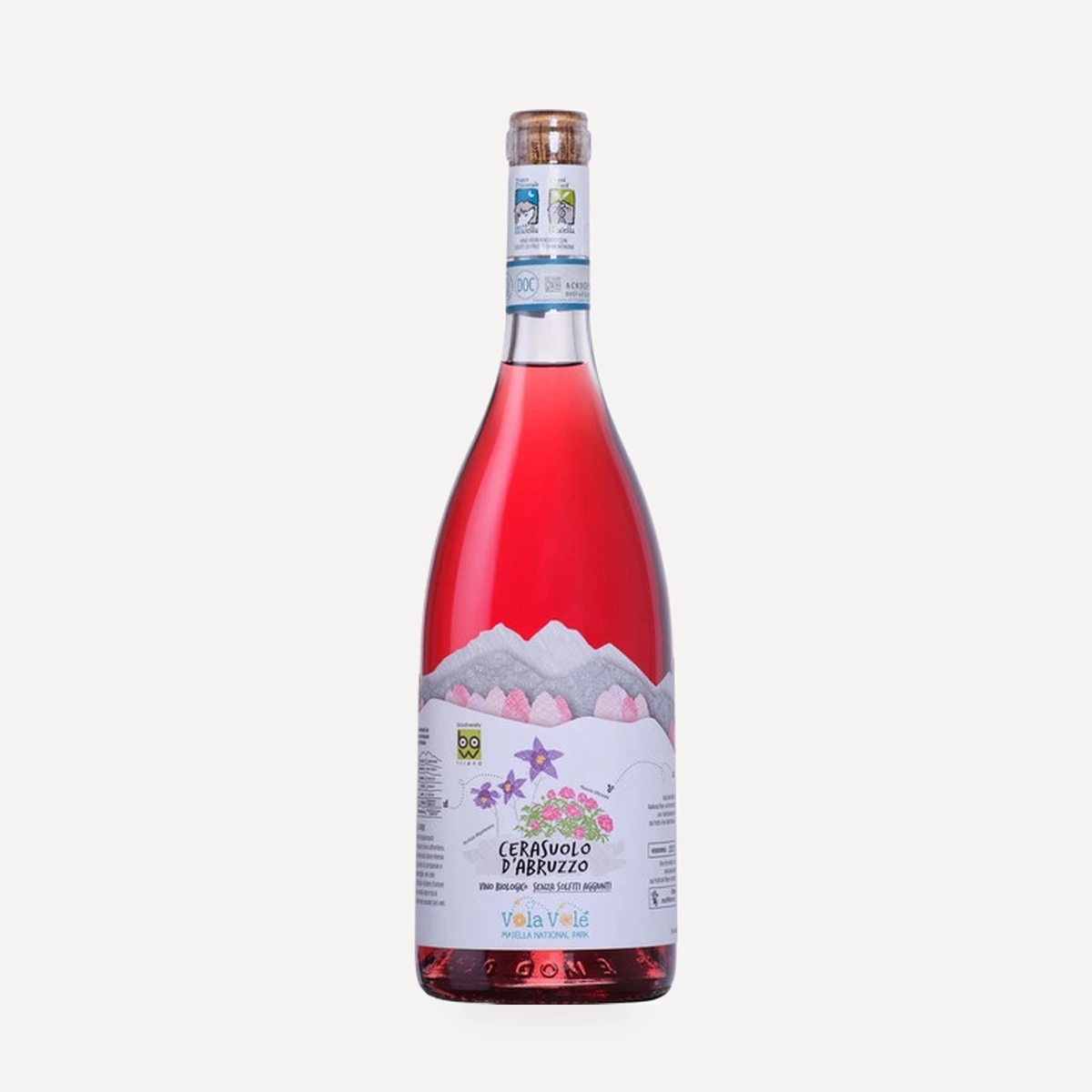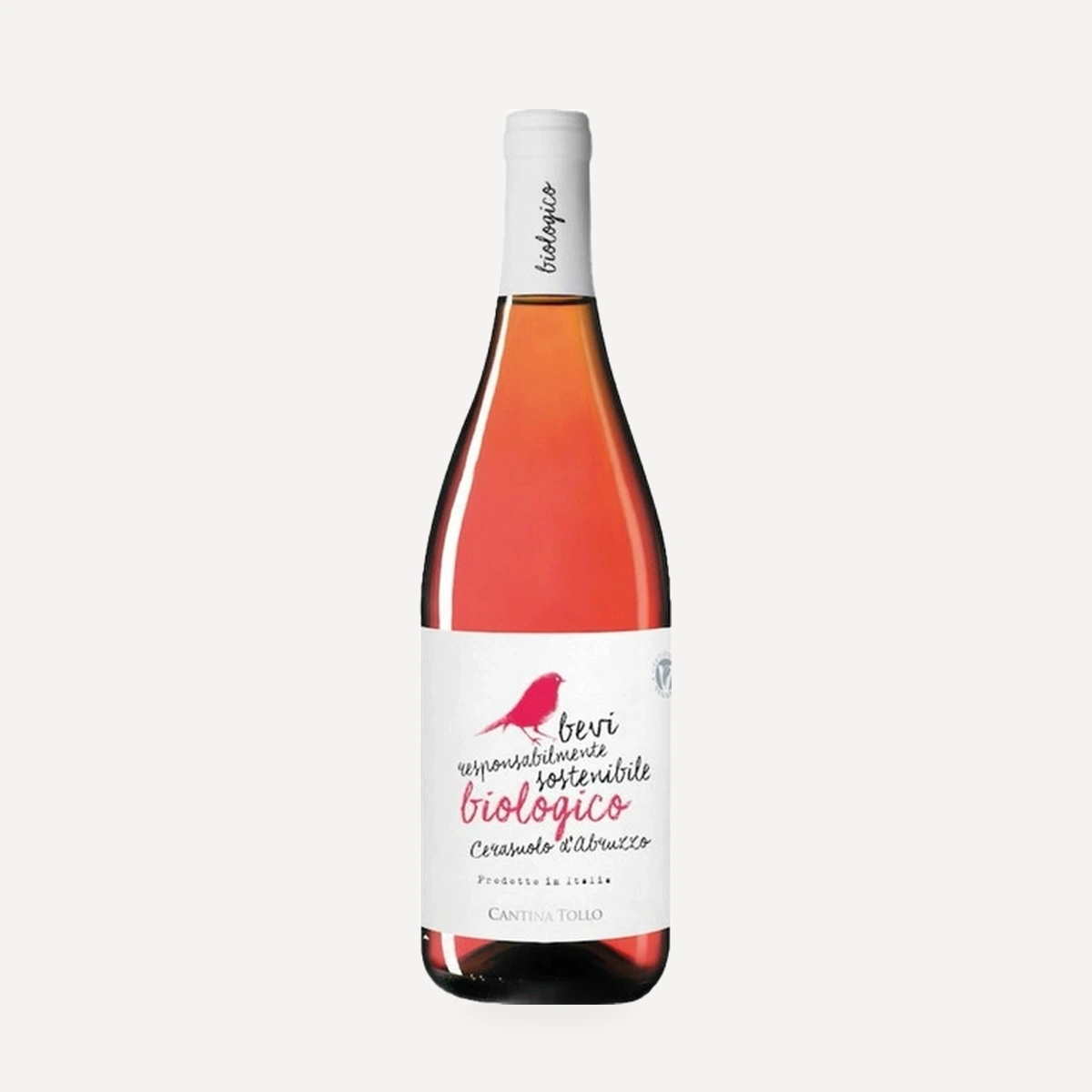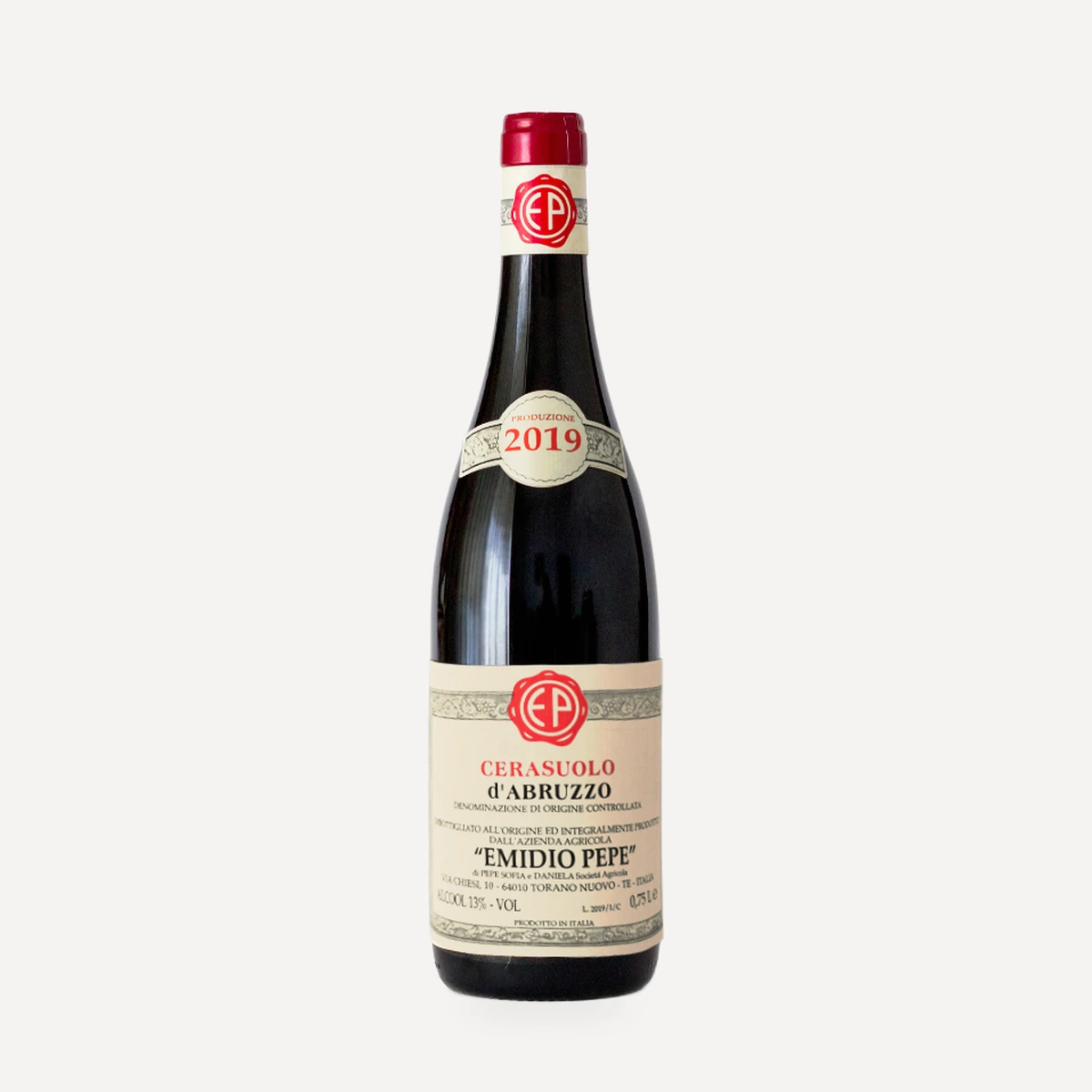
Questo vino
Vineyard and terroir
The estate farms 17 hectares of indigenous varieties in small parcels around Torano Nuovo, between the Adriatic Sea and Gran Sasso. Clay-limestone soils, broad solar exposure, marked day-to-night temperature changes and persistent winds support slow ripening and a balance between sugars and acidity. Most vines are trained to the traditional Pergola Abruzzese. Farming uses biodynamic preparations and cover crops, with no chemical products.
Grapes
Cerasuolo is made from Montepulciano d’Abruzzo grapes.
Vinification
The fruit is harvested by hand and selected. Grapes are crushed by foot and treated in the manner of a white wine: the must ferments without the skins. Fermentation is spontaneous, with no selected yeasts or aroma-enhancing enzymes.
Technical data
The 2025 declaration gives 331 kJ / 79 kcal and 1.1 g carbohydrate per 100 ml, with no sugar declared. The ingredients are organically grown grapes, sulphites and sulphur dioxide; the wine is bottled under protective atmosphere.
Tasting profile
An intense rosé with fresh, enveloping flavours, brightness and energy.
Vintage notes
The 2024 growing season began with a warm, windy winter and persistent water stress. Rain finally arrived between the white- and red-grape harvests, extending Montepulciano’s phenolic ripening. Fruit health was impeccable. Fermentations remained relatively cool and energetic; red-wine macerations were extended by two days, although Cerasuolo itself ferments without skins.