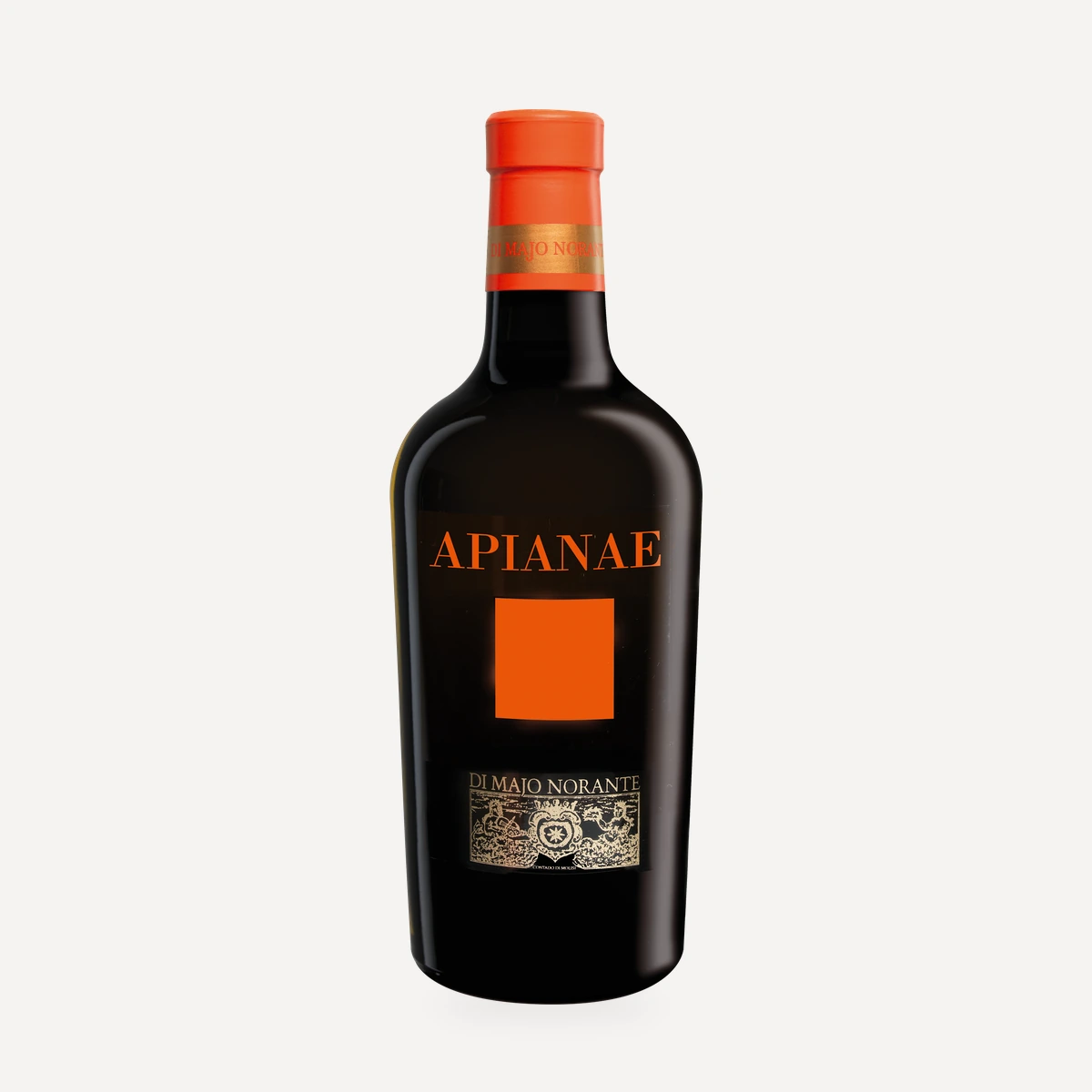
Questo vino
Vineyard and terroir
The grapes come from old Moscato vines and are harvested in late October after drying slightly on the vine. The estate is in Campomarino on the Adriatic coast, where the climate is well suited to viticulture.
Vinification
After harvest, the grapes undergo cold maceration and gentle pressing to enhance their aromatic intensity. Fermentation proceeds slowly for 20–25 days at a controlled temperature. Malolactic fermentation is only partial.
Ageing
The wine matures for one year in stainless-steel tanks, followed by six months in bottle.
Tasting profile
The bouquet is fresh and aromatic. The palate is elegant and moderately sweet, with characteristic Muscat notes.
Label / history
Moscato has been cultivated in Italy since 200 BC. Wine from these vines was known as Apicia or Apianae and was traditionally prized by the Pope.
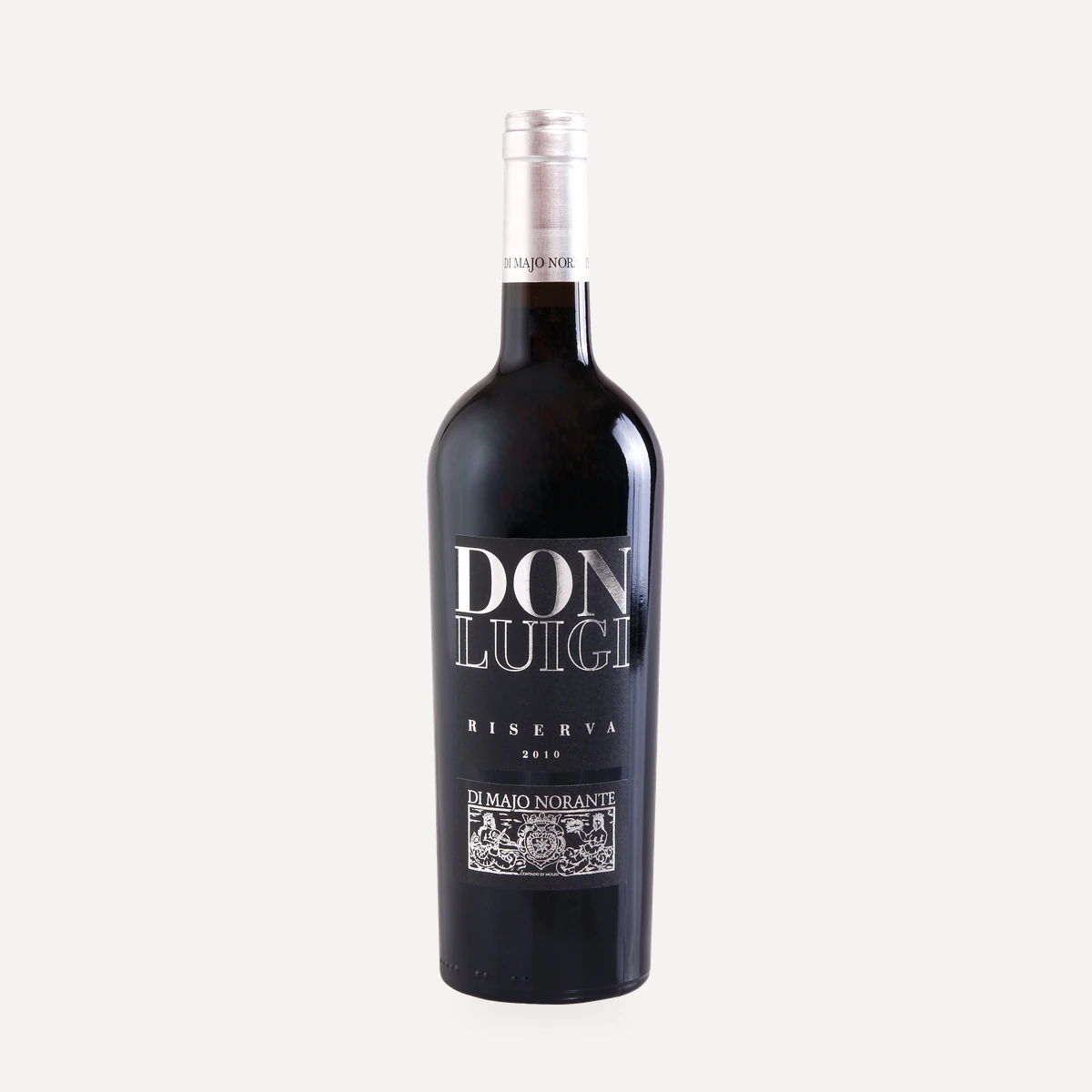
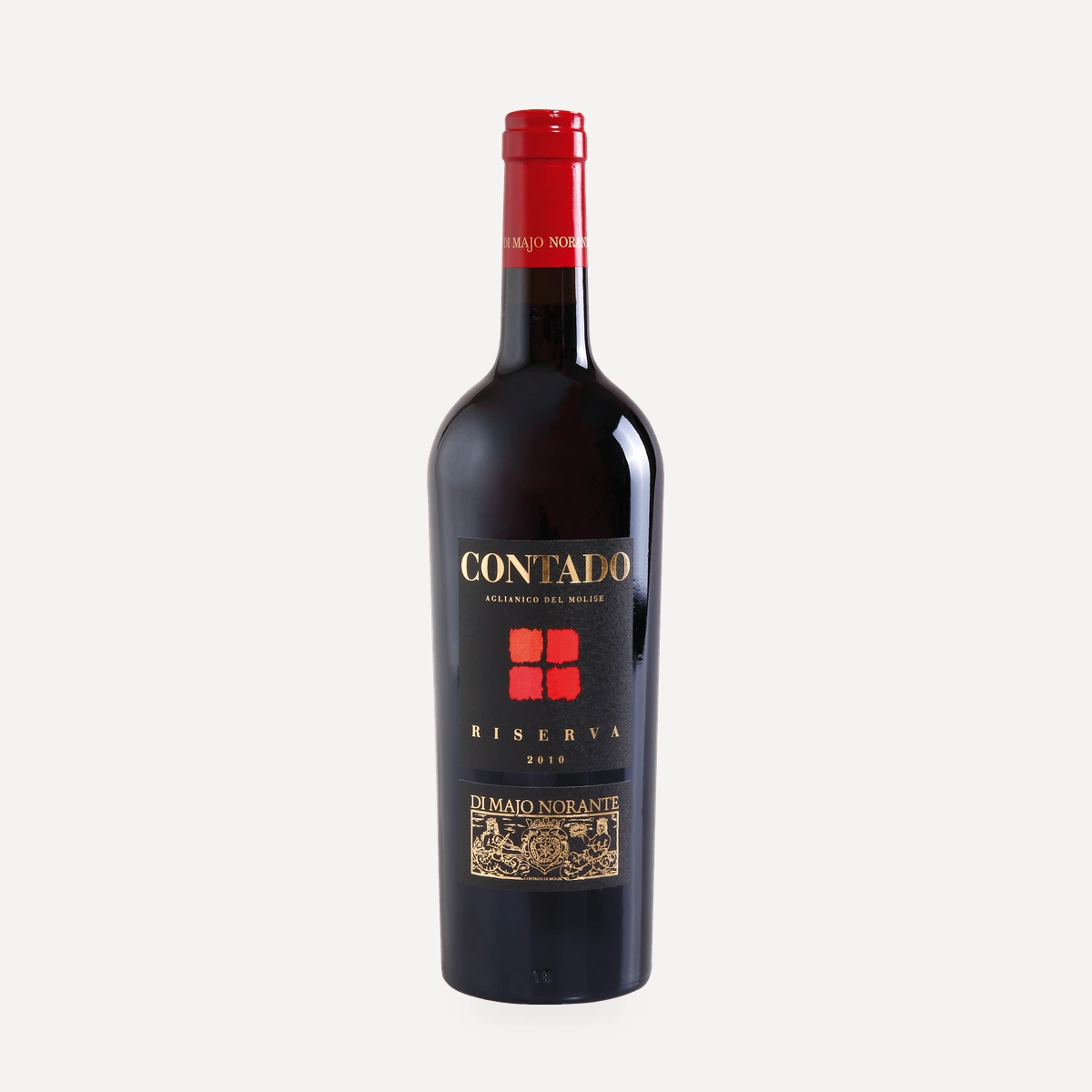
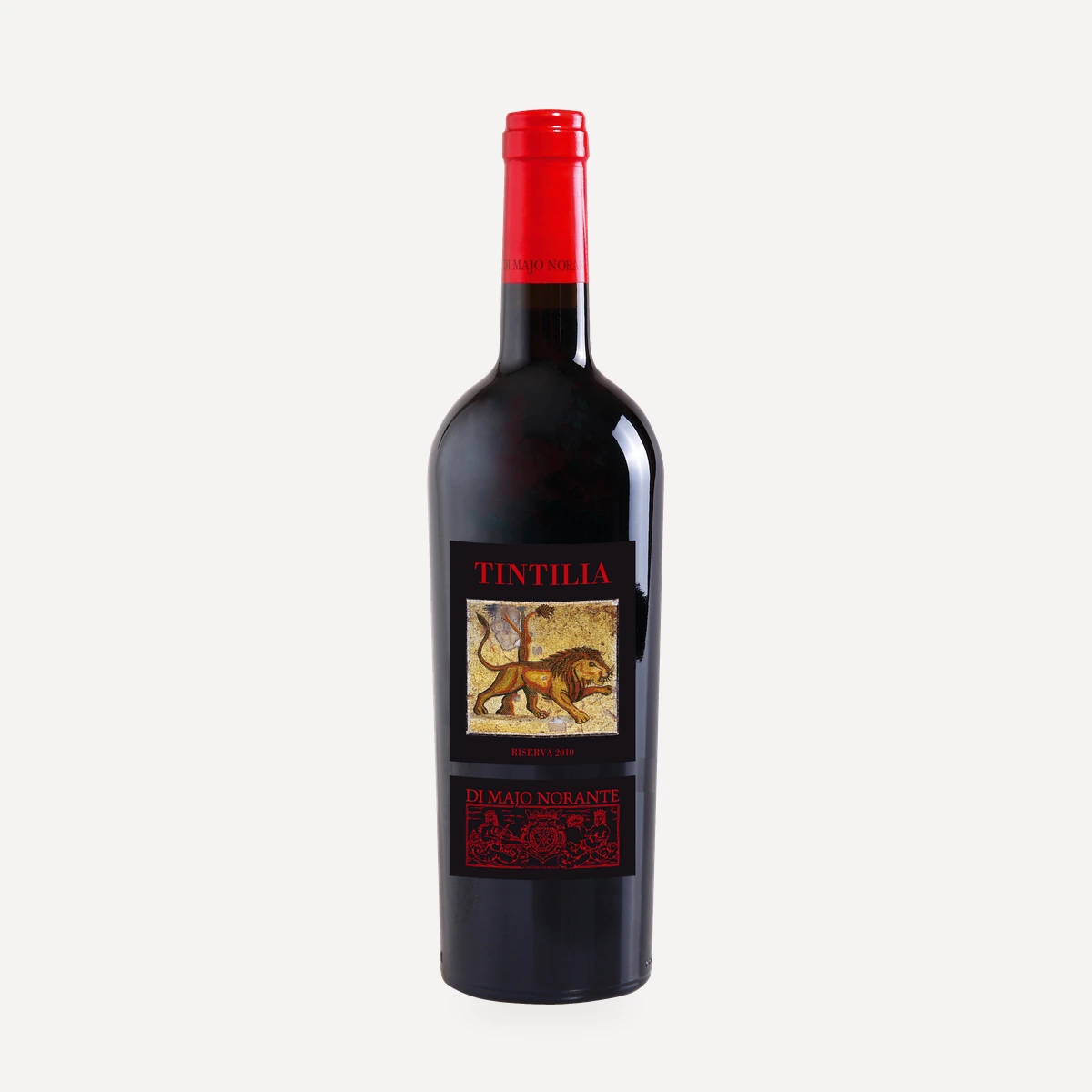
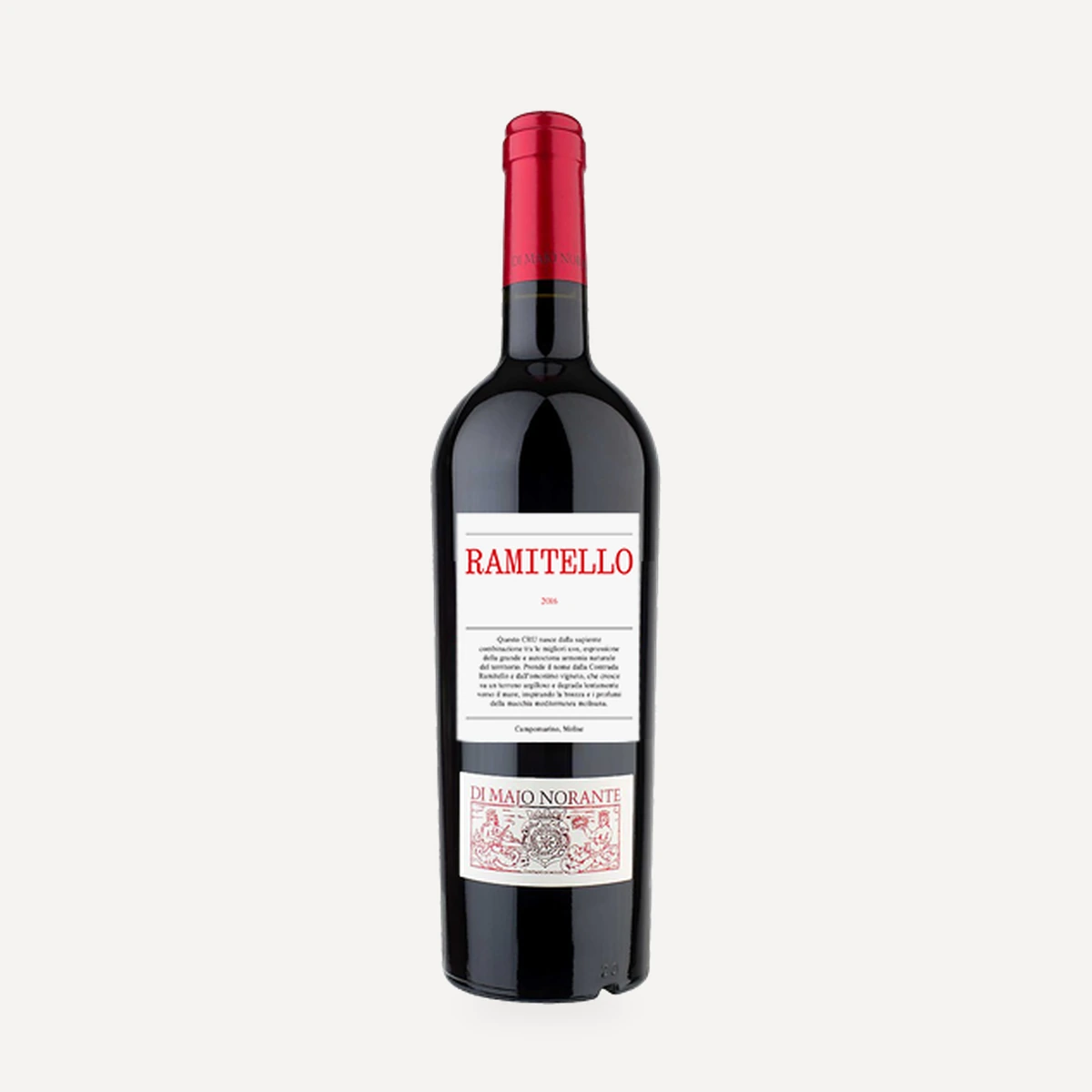
The Di Majo family has produced DOC wines since 1968, although its history stretches back more than two centuries. Vines were grown at Campomarino by the early nineteenth century, as evidenced by the ruins of an old winery beneath the old central square. A new winery was built in the 1960s and later equipped with modern technology. The family’s winemaking traditions have passed through successive generations, and the winery is now headed by Alessio di Majo.