Storia
The first custodians and the old Tai vines
The 90-hectare estate forms a single contiguous holding. Its Tai vines are approximately 90 years old. The first owners cared for these vines without pesticides or other chemical products, an approach attributed to their respect for the land. The old planting subsequently passed to Diotisalvi with this legacy intact.
A change of direction inspired by nature
Many years ago, during a journey, the people behind Diotisalvi encountered a natural environment in which every element appeared to have an essential role within a wider equilibrium. That experience became the conceptual starting point for a new path based on placing human activity within, rather than above, the balance of nature.
Organic methods have formed part of the vineyard approach from the beginning. More than fifteen years before the present account, these methods were still met with scepticism, but the resulting harvests were considered comparable with those from conventional, chemically treated cultivation.
Adoption of biodynamics
The decisive transition came with the adoption of Rudolf Steiner’s biodynamic principles alongside organic farming. The objective shifted towards actively restoring life, fertility and balance to the soil so that vines could obtain adequate nourishment, grow strongly and improve their own resilience.
Diotisalvi later became the first grower in its local territory to plant Bronner, a resistant PIWI variety that had not previously been established on these hills. Its early ripening and resistance became part of both the vineyard programme and the development of dedicated cellar practices.
The underground winery
The new winery was developed after extended discussion and dozens of design simulations. Its organizing idea was to strengthen the life beneath the plant: because the roots and the soil’s living population are central to biodynamic practice, the winery itself was placed completely underground. The building was conceived as a place where grapes and wine could be handled beneath the vineyards while its form retained a visual relationship with the sky and surrounding hills.
Demeter-certified harvests and circular production
Selected wines identify grapes as Demeter certified from the 2020 harvest. The production cycle also incorporates an energy-recovery plant. Grapes, skins and stems remaining after processing are fermented as biomass, producing methane-rich gas used for electricity and heat. At the end of that cycle, the biomass returns to the fields as an organic soil conditioner.
Terroir
Diotisalvi works with vineyards in Farra di Soligo, Susegana, Santa Lucia di Piave, Lison Pramaggiore and the Colli Euganei.
Rive di Farra
Rive di Farra is a south-facing hillside parcel with an exceptionally steep gradient; the vineyard specification gives the slope as 75°. The ground is rocky, and grapes mature slowly on the hill. Strong day–night temperature variations in September, following the hot summer, intensify aromas and flavours. In suitable conditions, the summit affords views towards the bell tower of Venice, nearby Friuli and the Croatian coast.
Colli Euganei
The Colli Euganei holdings comprise volcanic ground with thermally warm spots. One 2-hectare planting lies at approximately 400 m above sea level, while a separate 1-hectare planting lies at approximately 100 m above sea level.
Other vineyard locations
The old Tai material is associated with a 90-hectare contiguous estate, while the corresponding wines identify 3 hectares at Lison Pramaggiore. Further stated holdings include Bronner at Santa Lucia di Piave and Lison Pramaggiore, Glera and other white hillside grapes at Susegana, and additional biodynamically cultivated vines at Lison Pramaggiore.
Vinificazione
All vineyards follow an organic protocol, described as having been integral to the approach from the beginning. The estate subsequently combined organic farming with Rudolf Steiner’s biodynamic principles. The central viticultural objective is a fertile, balanced soil rich in organic matter and biological life. Root-system health is treated as a primary indicator of successful biodynamic work, while the active population beneath the vines is regarded as essential to the plants’ nutrition and resilience.
Biodynamic work continues throughout the year and requires consistency, study, comparison of experience and extensive manual labour. Organic and biodynamic Prosecco vineyards are deliberately managed at low yields and require separation from conventional cultivation. Rive di Farra’s 75° slope is worked entirely by hand.
Bronner was introduced as the first planting of this resistant PIWI variety in the local hills. It is cultivated without treatments and ripens earlier than the other varieties, producing fruit described as aromatic and high in sugar under biodynamic care.
Harvesting is manual into crates. The timing is set according to the condition and maturity of each variety and site, and the best bunches are selected plot by plot. Grapes are moved carefully to avoid premature berry breakage and to preserve suitable temperatures. Individual processing protocols are revised annually in response to the growing season and analyses of ripening fruit.
All Diotisalvi wines are certified Organic and Vegan. Selected releases identify Demeter-certified grapes, including certification from the 2020 harvest where explicitly dated.
The cellar works with protocols tailored to each grape variety and revised every year according to vineyard conditions and ripening analyses. Fruit is harvested manually into crates and transferred with particular care: berries should remain intact until the intended stage, and suitable temperatures are maintained during reception.
Pressing practices include whole-cluster pressing, very slow pressing intended to preserve aroma, soft pressing at yields below 55%, and in-press maceration at 8°C for approximately 12 hours. Bronner receives extended skin contact as part of the effort to retain its aromatic character. Rapid 12-hour settling is used after whole-cluster pressing of Tai.
Fermentation methods across the range include natural fermentation, natural fermentation followed by malolactic fermentation, oak-barrel fermentation and fermentation with maceration in unlined concrete. The stated oak fermentation lasts about two weeks at 20–22°C. Red grapes may ferment and macerate in unlined concrete for about two weeks at approximately 25–26°C.
The maturation vessels encompass stainless steel, unlined concrete, diamond-shaped concrete, French-oak barriques, conventional oak barrels and specially designed oval-chamber barrels. Practices include approximately nine months on fine lees, approximately one year in concrete on fine lees, and maturation in diamond-shaped concrete without added sulphites. Oval vessels support spring bottling sur lie with native yeast following the harvest.
Sparkling production encompasses the traditional method, springtime Martinotti processing and bottle refermentation. One traditional-method expression remains on its yeasts for 30 months. The range also includes a bottle-refermented white and a bottle-refermented Bronner.
Diotisalvi continues to study available cellar technologies and develop its own solutions for grape processing, vessel shapes, vessel materials and maturation. After vinification, berries, skins and stems enter an energy-recovery plant. Fermentation of this biomass generates methane-rich gas for electricity and heat; the digested biomass is subsequently returned to the fields as an organic soil conditioner.
Filosofia
Restoring balance
Diotisalvi’s guiding idea is to place humanity back within nature rather than treat nature as something external to be controlled. The project arose from an experience of natural harmony in which each element appeared to occupy an essential place and participate in a reciprocal exchange.
Life beneath the vine
The estate’s biodynamic philosophy focuses on increasing life beneath the plant. Soil should be fertile, biologically active, rich in organic matter and balanced; healthy roots are treated as evidence that the work has succeeded. This principle also shaped the underground winery, connecting grape handling and maturation symbolically and physically with the living soil.
Organic farming and biodynamics
Organic cultivation is presented as the long-standing foundation, with Rudolf Steiner’s biodynamics marking the decisive evolution of the approach. The purpose is to bring life into the countryside rather than remove it, enabling vines to nourish themselves, grow strongly and develop resilience.
Manual work, study and adaptation
Biodynamics is understood as a continuing path requiring persistence, manual effort, study and exchange of experience. Vineyard and cellar decisions are adjusted to the conditions of each growing season. Processing protocols change in response to field performance and analyses of ripening grapes, while cellar technology is studied and adapted rather than adopted as a fixed formula.
Circularity
The production cycle aims to return organic matter to the land. Residual fruit, skins and stems are used to produce energy, after which the biomass becomes a soil amendment. This closes a loop between vineyard, winery, energy production and soil fertility.
Vini
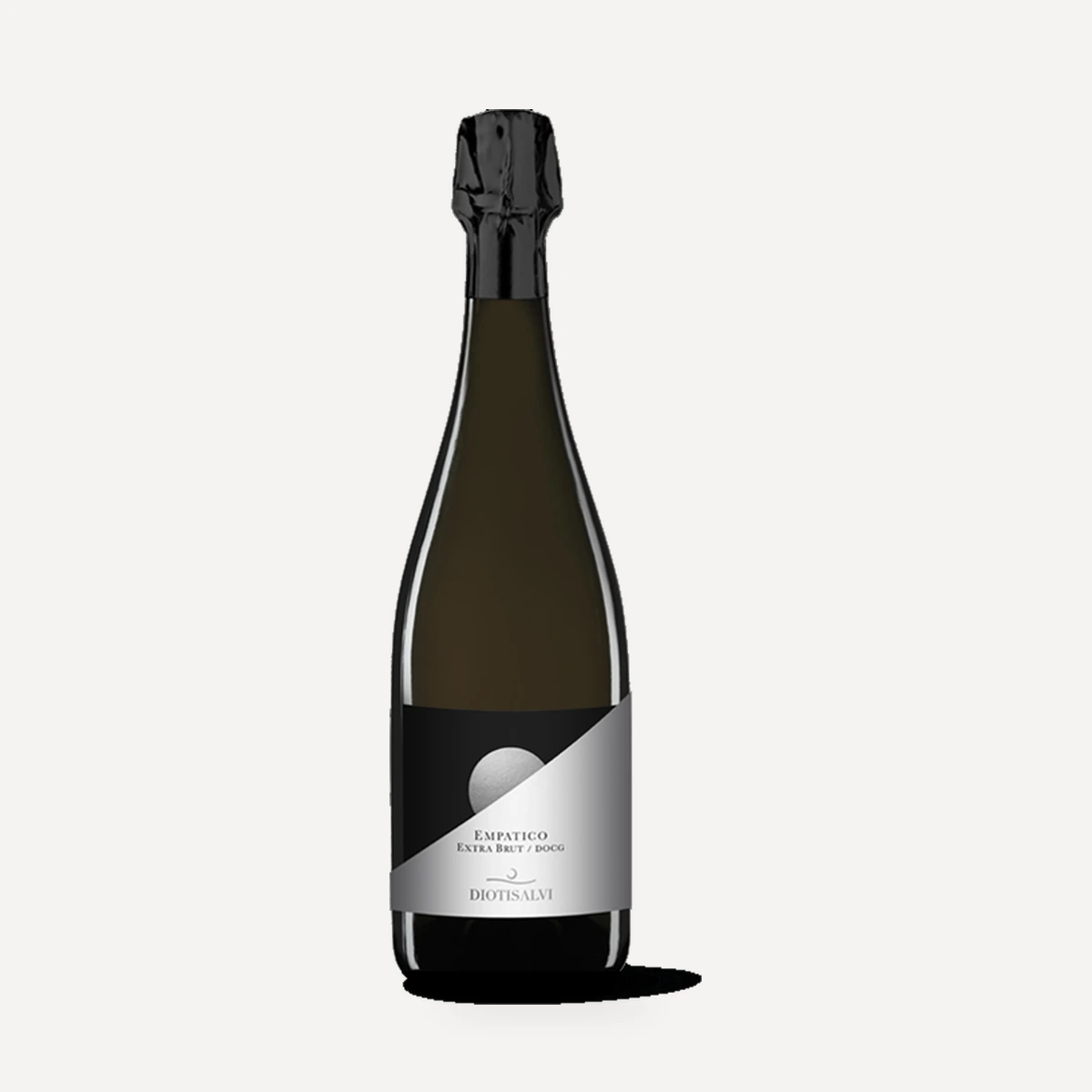
Empatico Prosecco DOCG Brut / Biodinamico
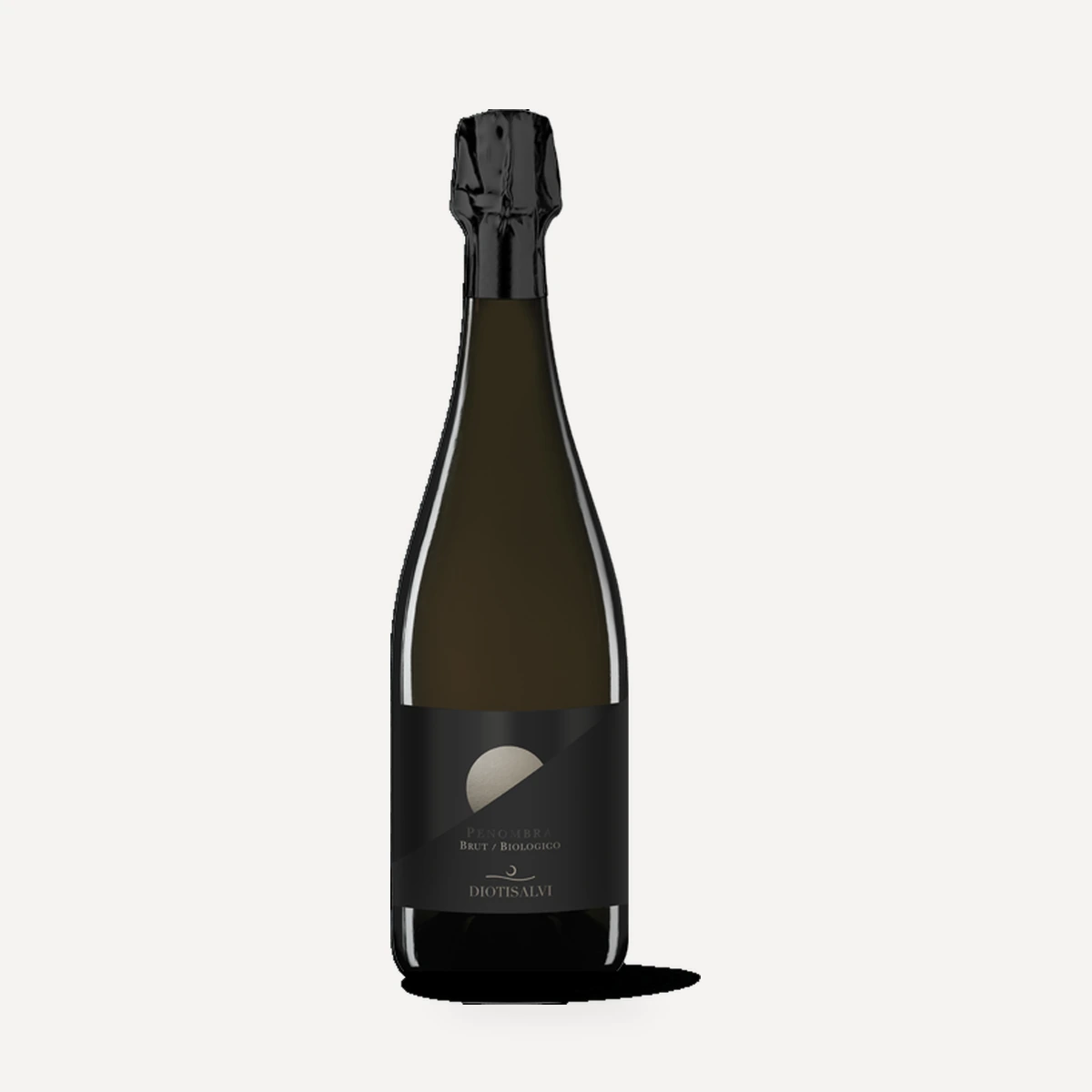
Penombra Prosecco DOC Brut
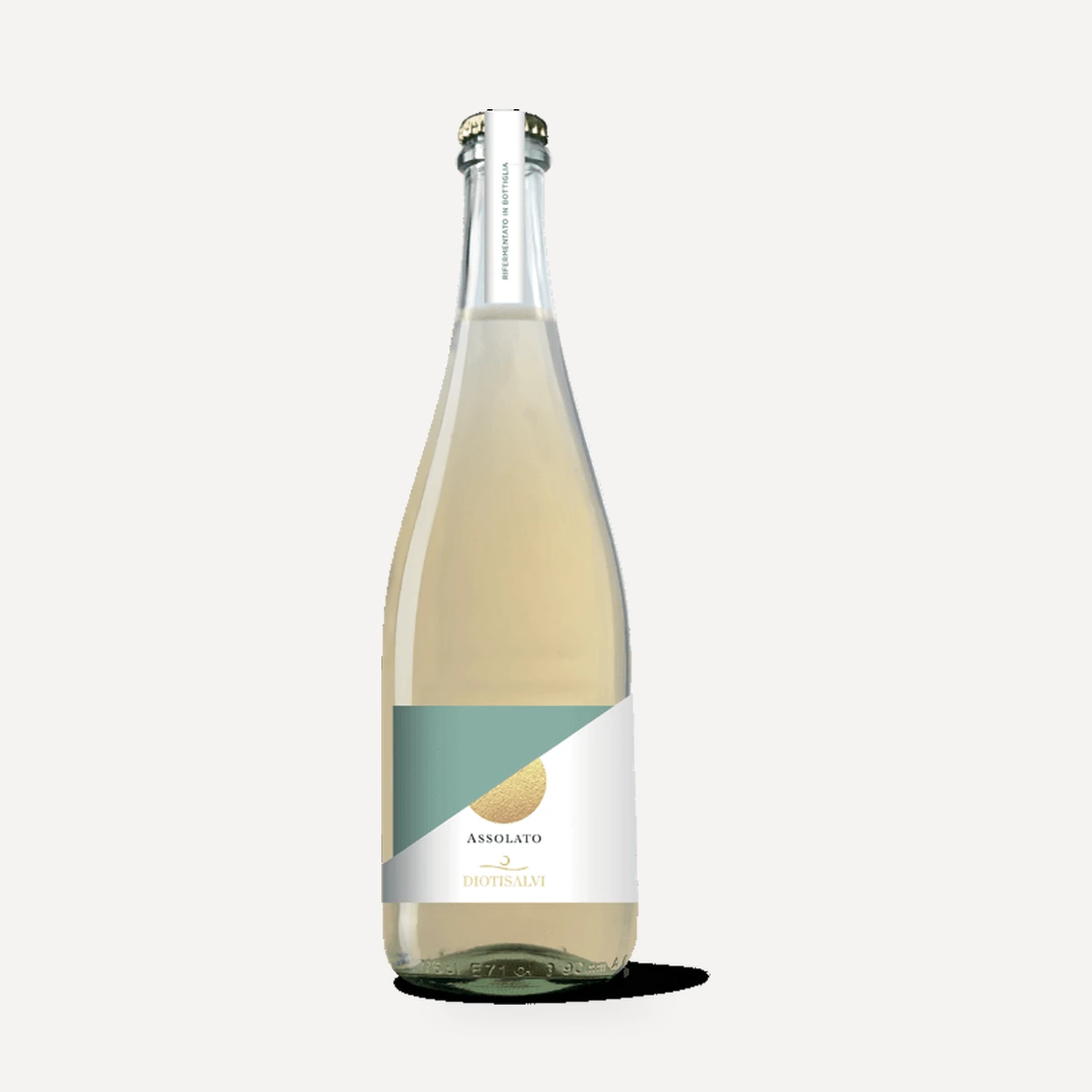
Assolato Vino frizzante Rifermentato in bottiglia
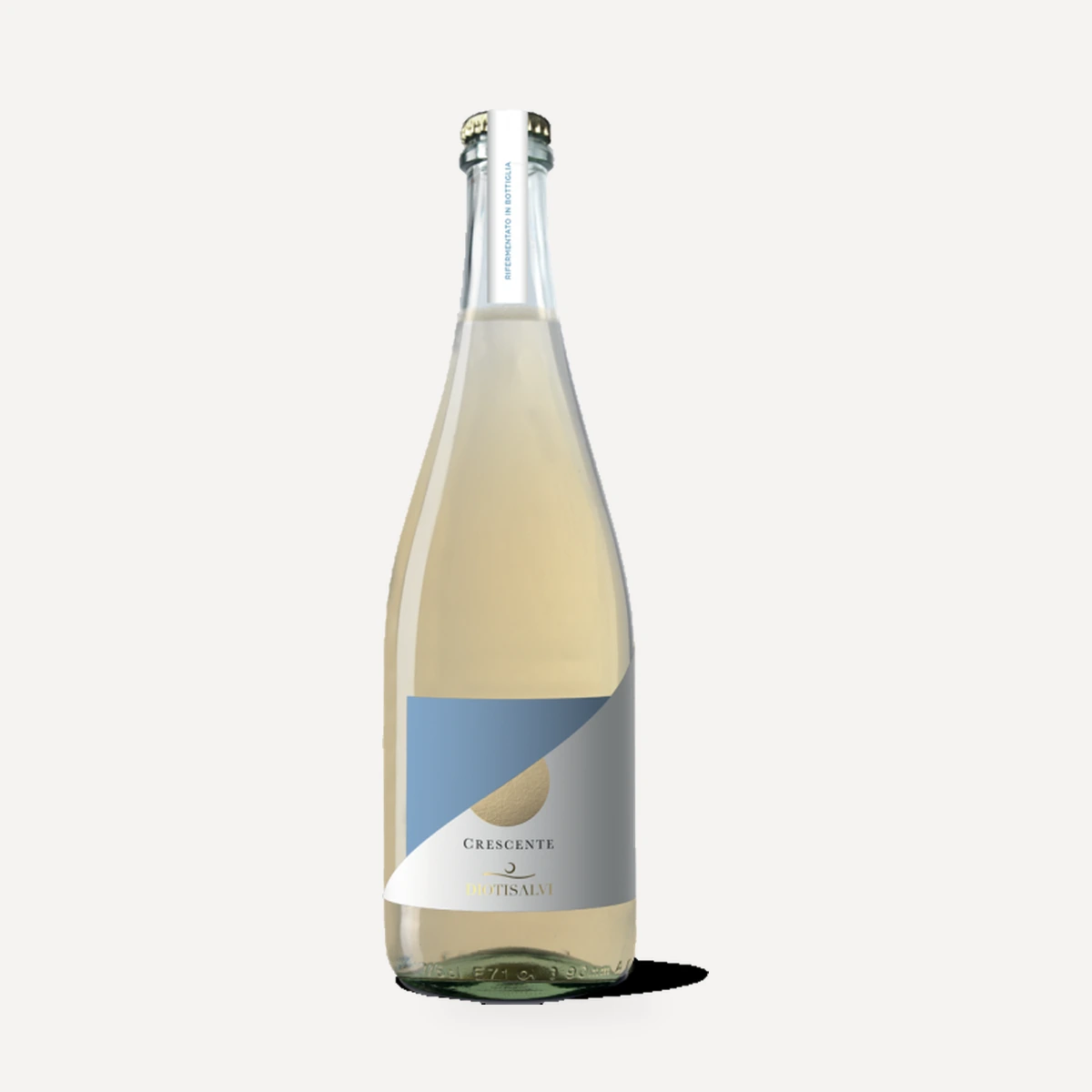
Crescente Vino bianco frizzante Rifermentato in bottiglia
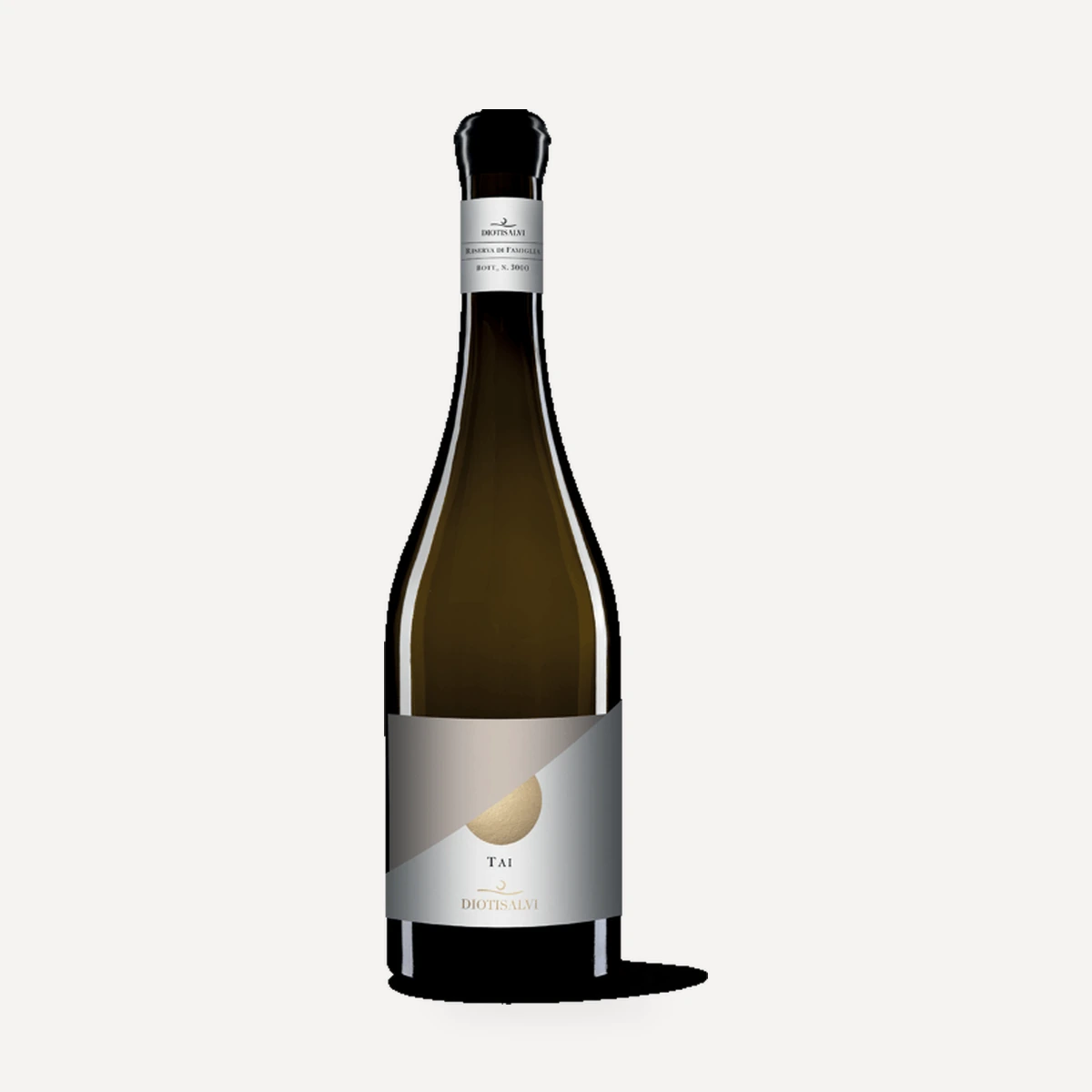
Tai IGT VENETO Riserva di Famiglia
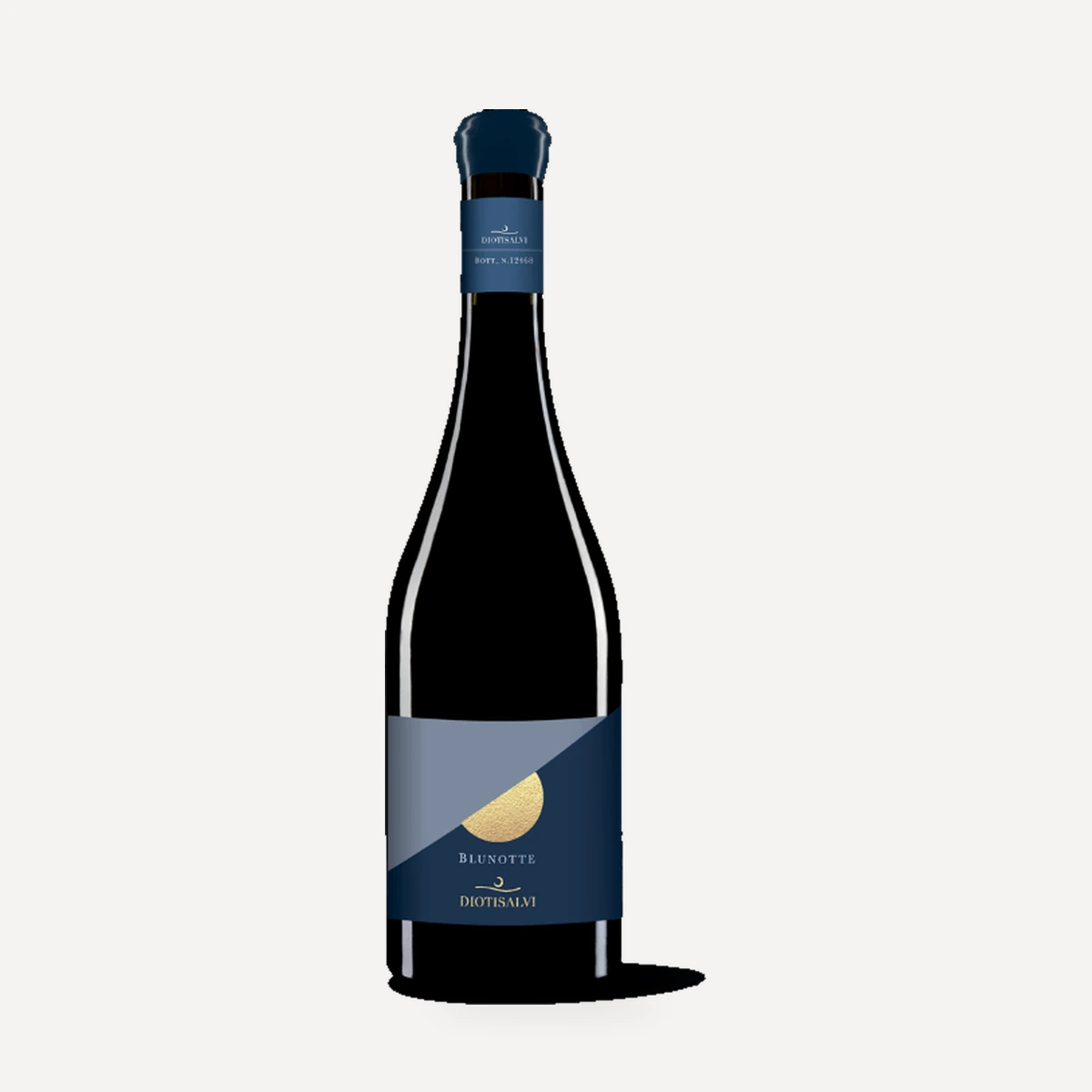
Blunotte
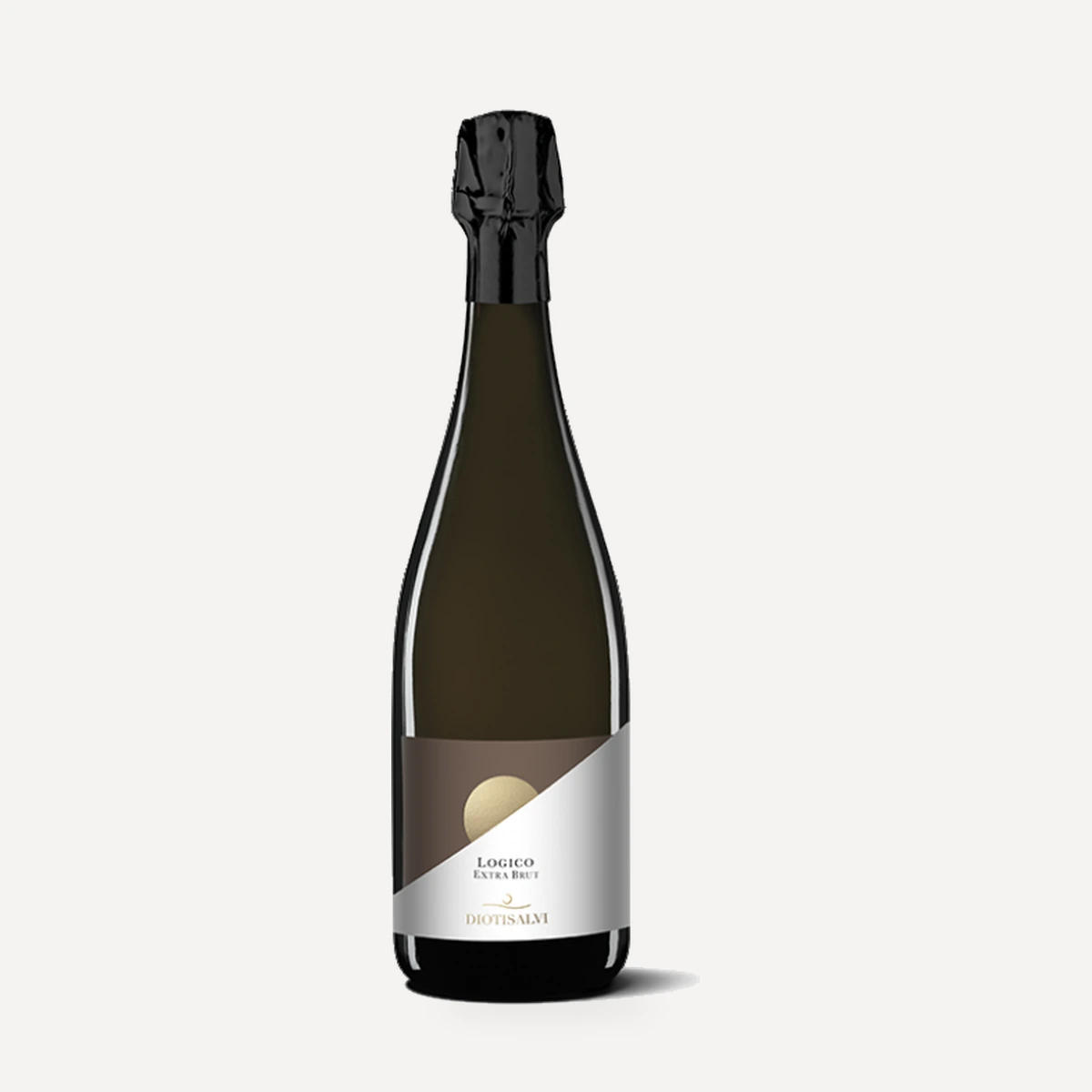
Logico
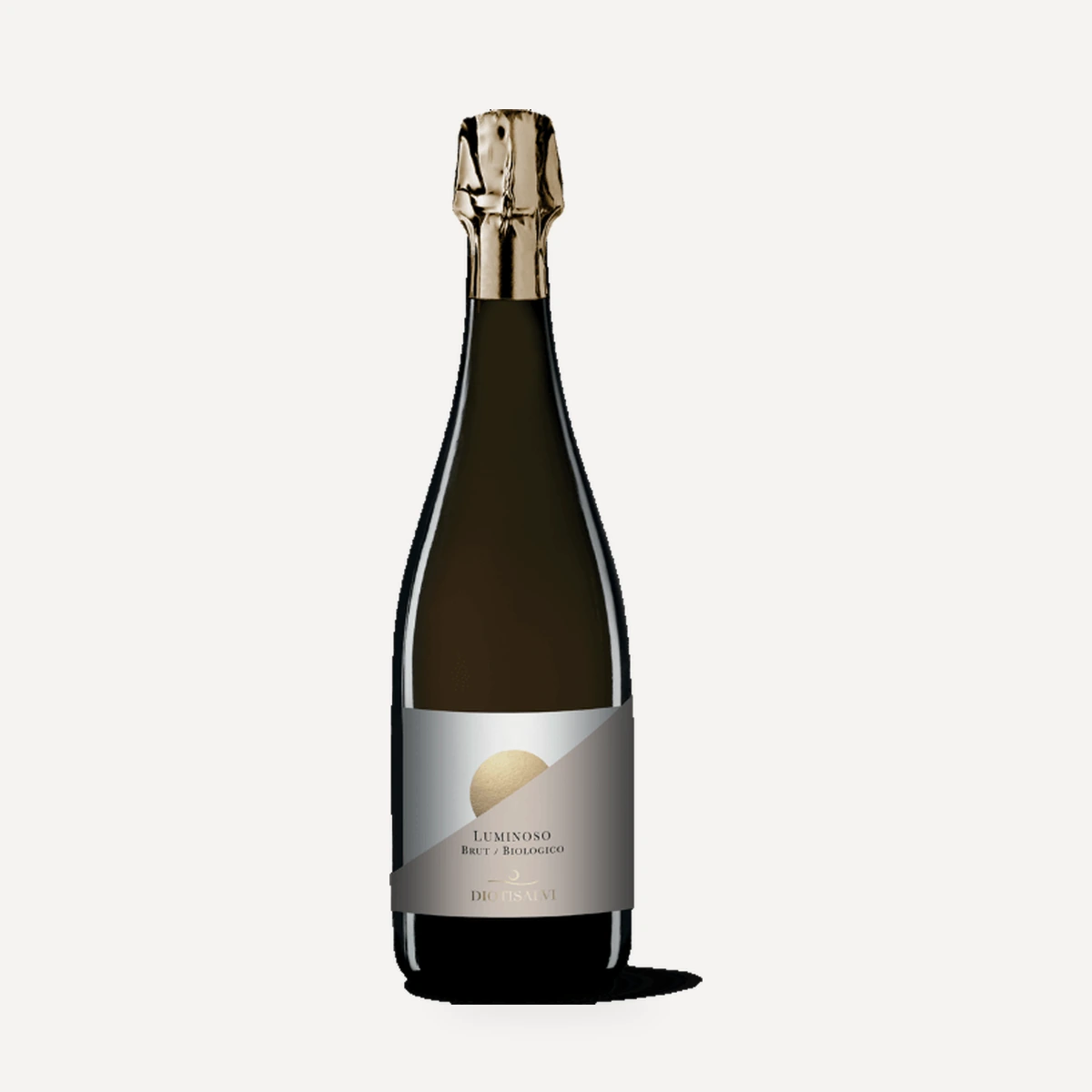
Luminoso Metodo classico Brut
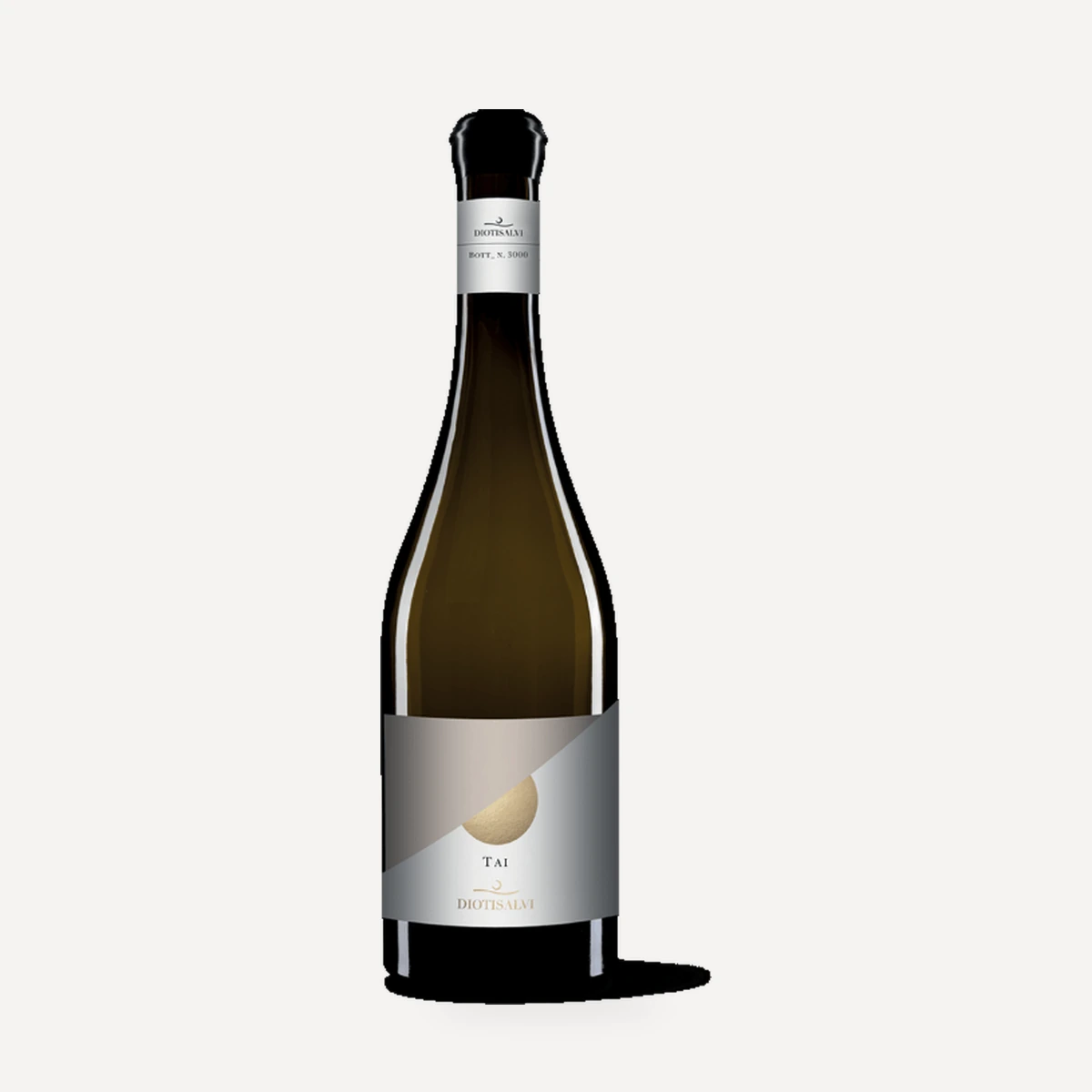
Tai IGT VENETO