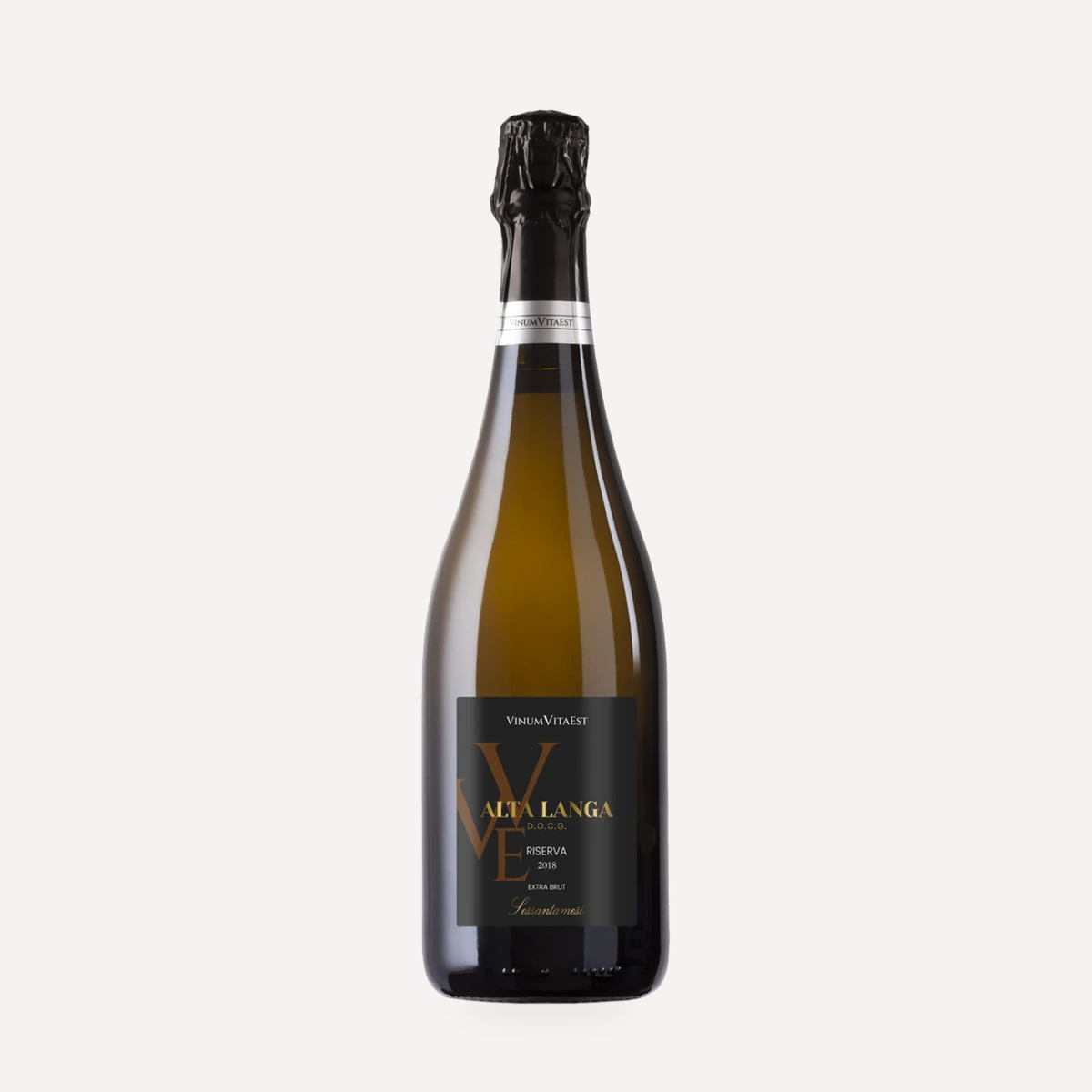
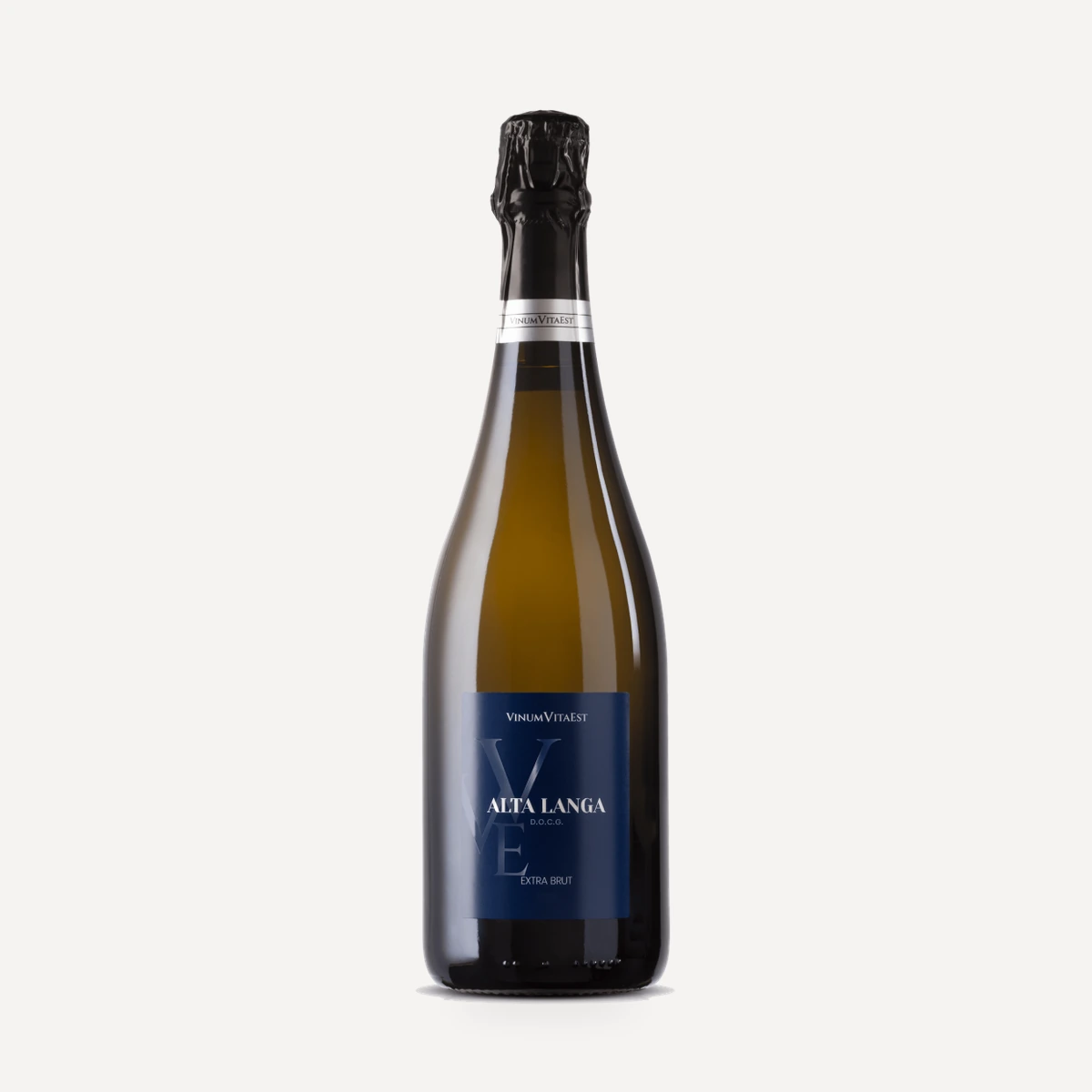
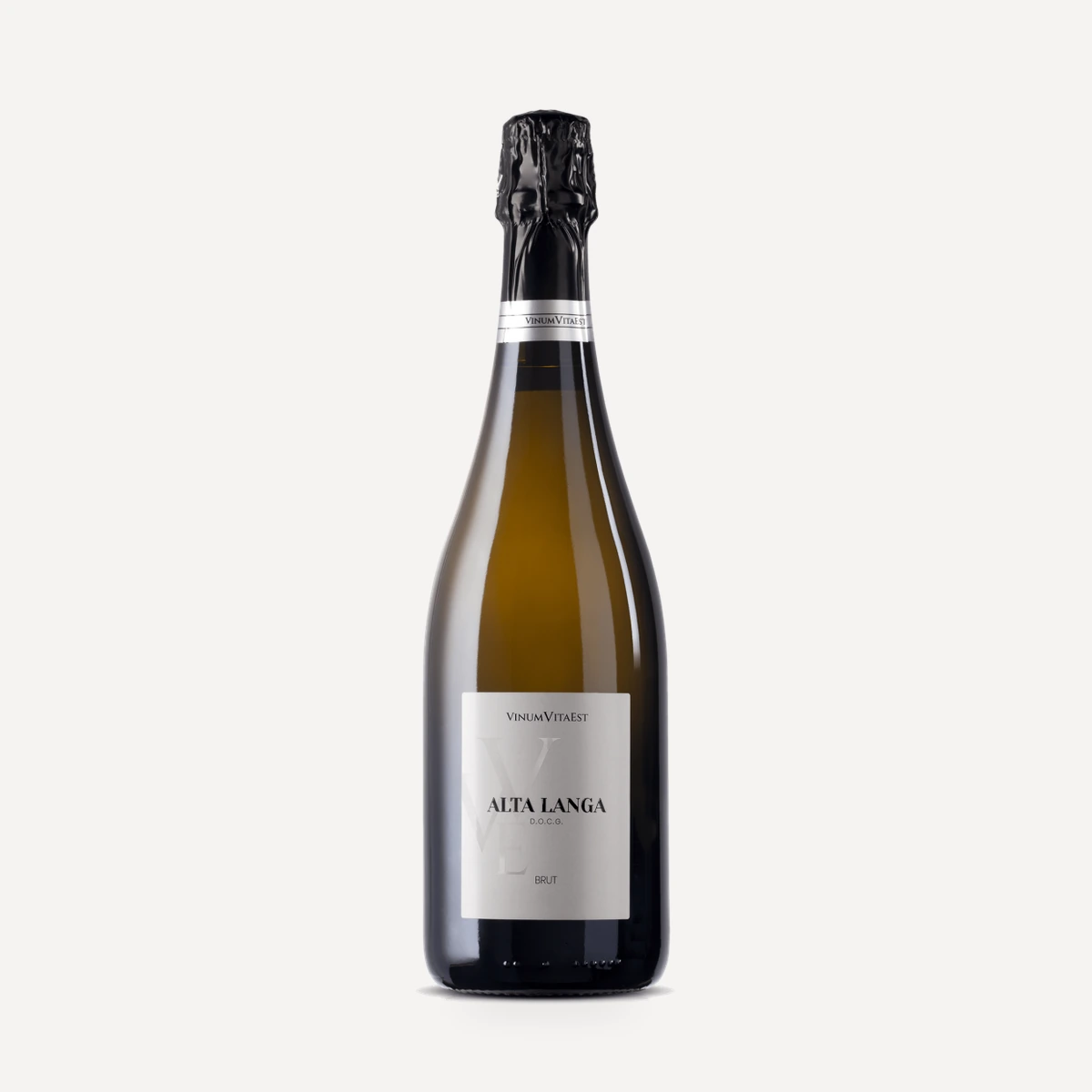
Questo vino
Vineyard and terroir
The grapes come from Alta Langa vineyards in Mango, Trezzo Tinella, Loazzolo, San Giorgio Scarampi, Vesime and Bubbio. The vines grow at 300–550 metres above sea level on clay-limestone soils, with east, southeast, west and northwest exposures. They are 15–25 years old, trained to Guyot and managed according to sustainable viticulture practices.
Grapes
The Millesimato 2020 blend is 85% Pinot Noir and 15% Chardonnay. Paolo Giacosa is the winemaker.
Vinification
The grapes are harvested entirely by hand in crates. Whole bunches are hand-sorted on a vibrating table and softly pressed under inert nitrogen, yielding 55% free-run must. Screw conveyors are excluded from the process to minimise handling. The must ferments in temperature-controlled stainless-steel vats and remains on its lees for 6 months with bâtonnage.
Secondary fermentation takes place in bottle according to the traditional method. Four disgorgements are performed for each vintage. After disgorgement, a liqueur d’expédition made from reserve wines and sugar is added; it contains no spirits.
Ageing
The wine spends at least 36 months on its lees in bottle; the first disgorgement of the 2020 vintage followed 36 months on the lees.
Technical data
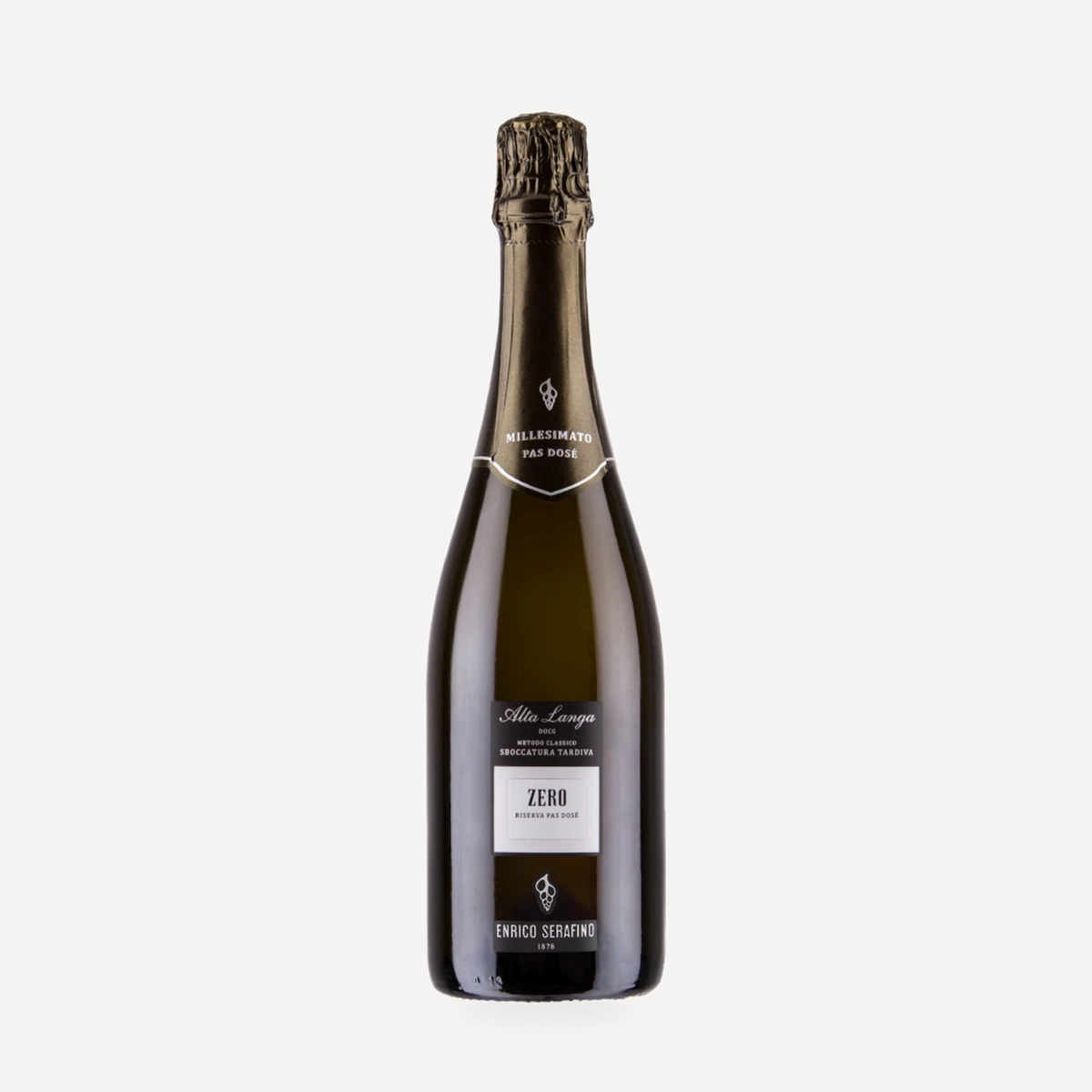
Alta Langa DOCG Brut, Metodo Classico Millesimato 2020. Alcohol is 12.5% vol. Dosage is 6 g/L, placing the wine in the Brut category.
Tasting profile
Straw yellow with golden highlights, with a fine, persistent perlage. The aroma is complex yet delicate, combining yellow flowers, white-fleshed fruit, bread crust and mineral nuances. The palate is multifaceted, linear and dry, with citrus freshness, an elegant yet intense profile, rich texture and a long mineral finish. Aroma and palate show close affinity.
Serving and pairing
Serve at 4–6 °C. It works as an aperitif, accompanies fish and shellfish, and can be served throughout a meal. Cellaring potential is 4–6 years.
Vintage notes
The 2020 season began with a mild winter, followed by fine, relatively dry weather in March and April. Substantial rain in May and June slowed vegetative development before the season returned to balance. The vintage produced intensely aromatic, elegant and well-balanced wines. The published materials give conflicting starting dates for the Alta Langa harvest: 16 August on the English wine page and 21 August in the 2020 technical sheet.
Label / history
Oudeis derives from the Greek “Odysseus” and means “no one.” The name expresses the idea that no individual creates the wine’s complexity; that role belongs to the terroir. The wine is conceived as an approachable expression of Alta Langa’s complex terroir and prolonged lees ageing.