Alta Langa
36 cantine e 29 vini. Piedmont's answer to Champagne is made only by second fermentation in the bottle, and only from the high ground. Alta Langa stretches in a long band of hills south of the Tanaro across the provinces of Cuneo, Asti and Alessandria, and no vineyard may sit lower than 250 metres; in practice most lie between 280 and 550, where the sun is moderate, the nights cool and the air dry. Continua a leggere ↓
- Livello
- DOCG
- Regione
- Piemonte
- Uve
- Pinot Nero, Chardonnay, Nebbiolo
- Tipologie
- Spumanti
- Produttori
- 36
Cantine che producono Alta Langa
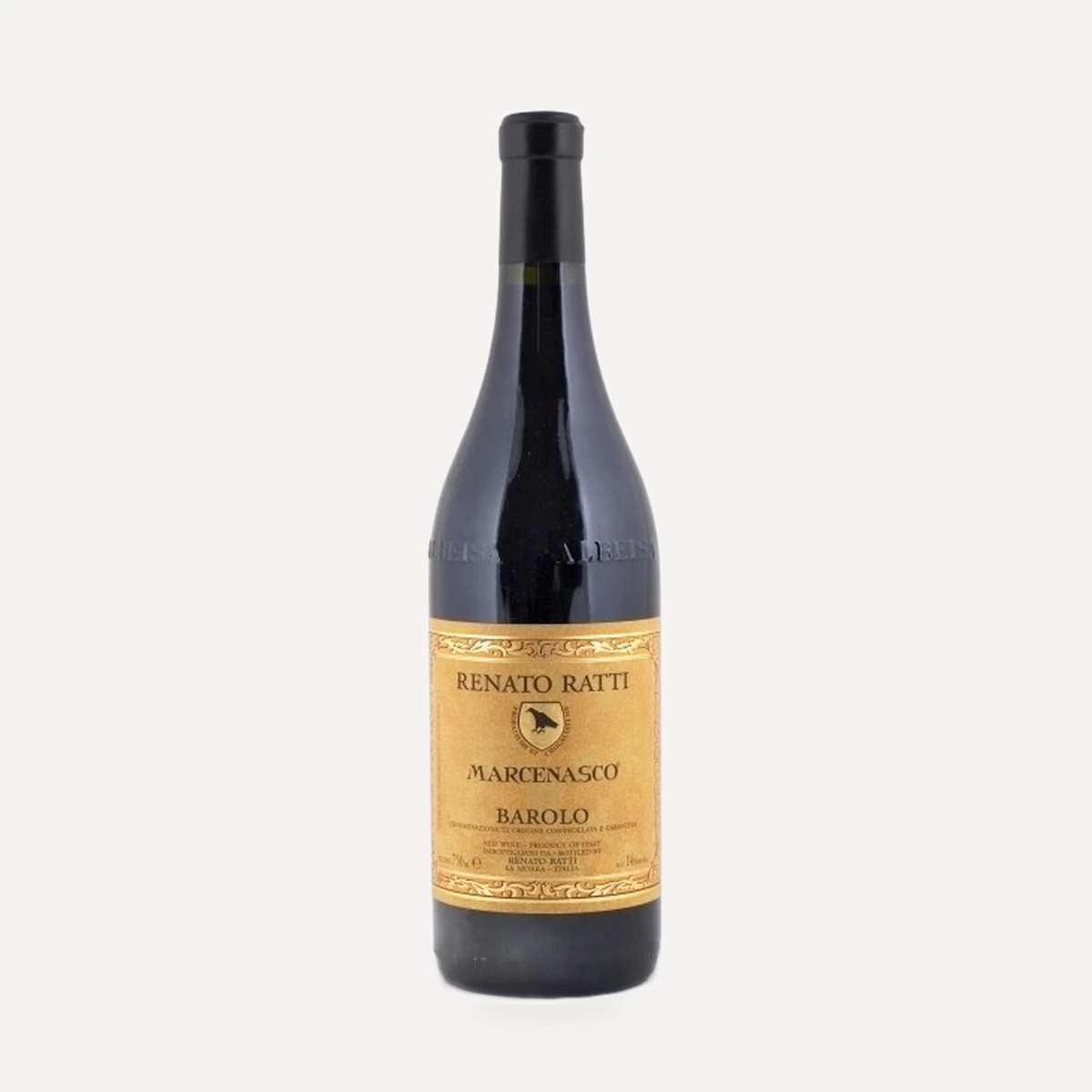 Renato Ratti Barolo · 15 vini6 premi DWWA, l’ultimo nel 2026 · Marcenasco Barolo DOCGTerre da Vino 30 viniPiemonte Cortese DIECI + 1 DOC
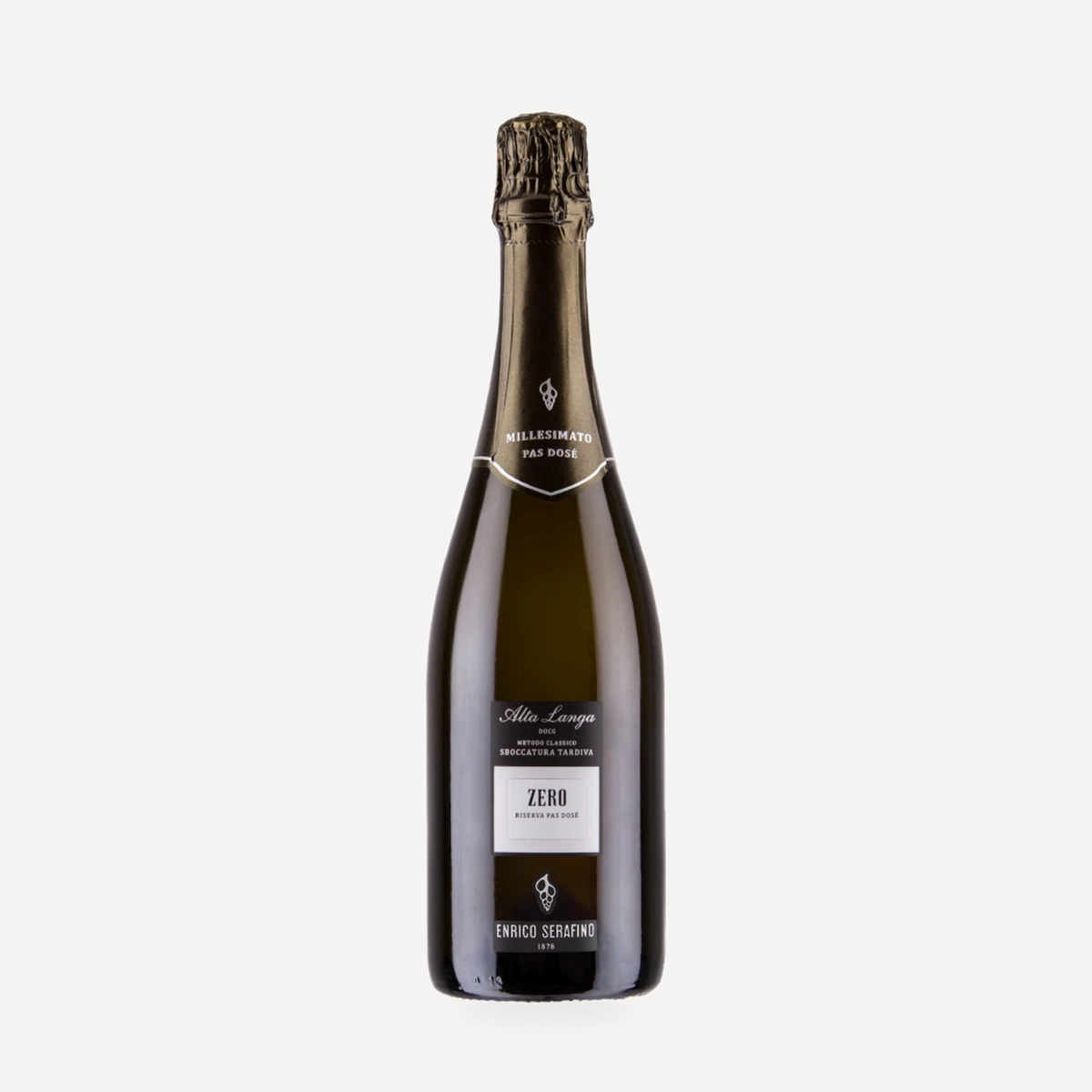 Enrico SerafinoAlta Langa · 29 vini5 Tre Bicchieri, l’ultimo nel 2023 · Zero Pas Dosé Alta Langa DOCG
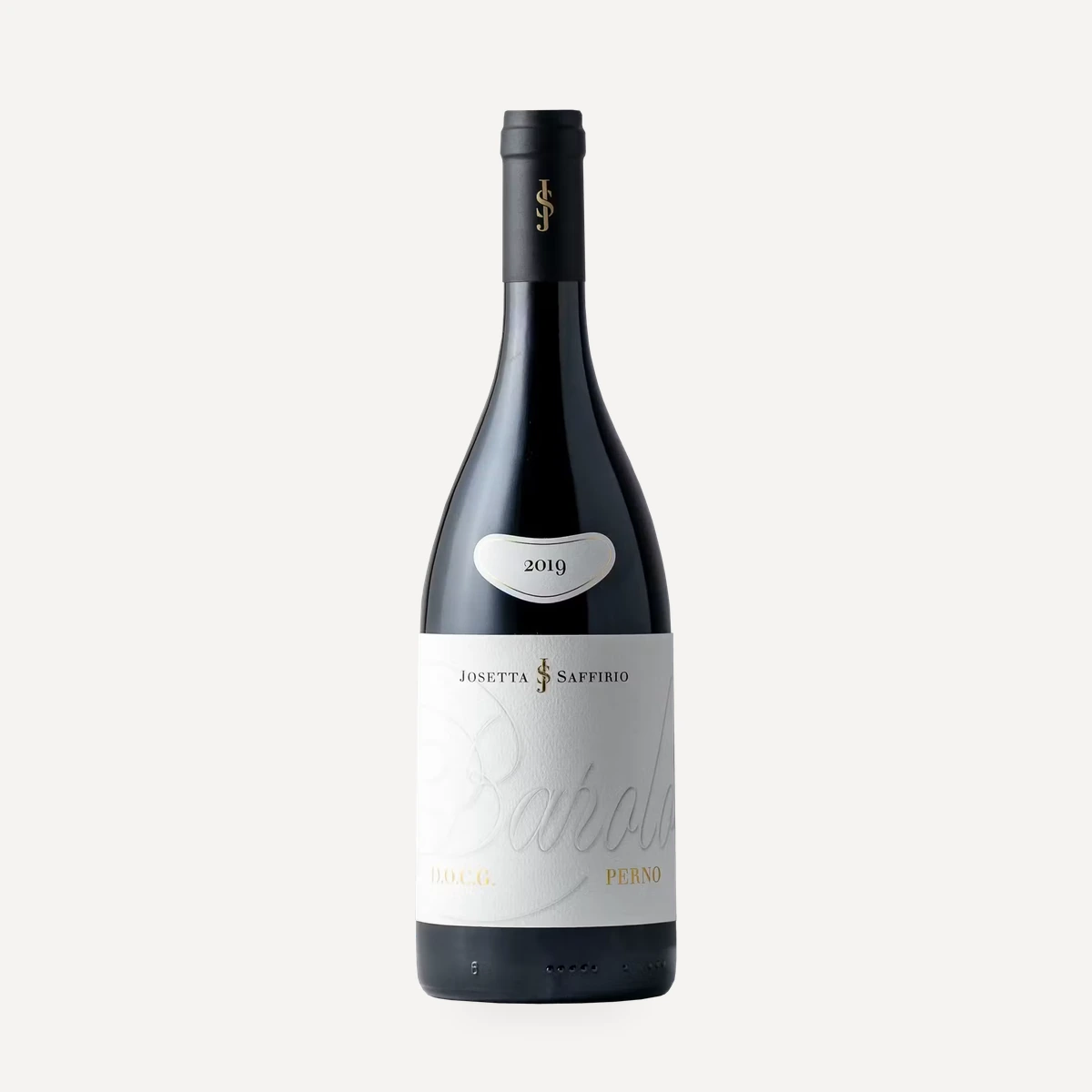 Josetta SaffirioBarolo · 14 vini9 premi DWWA, l’ultimo nel 2026 · Barolo Perno
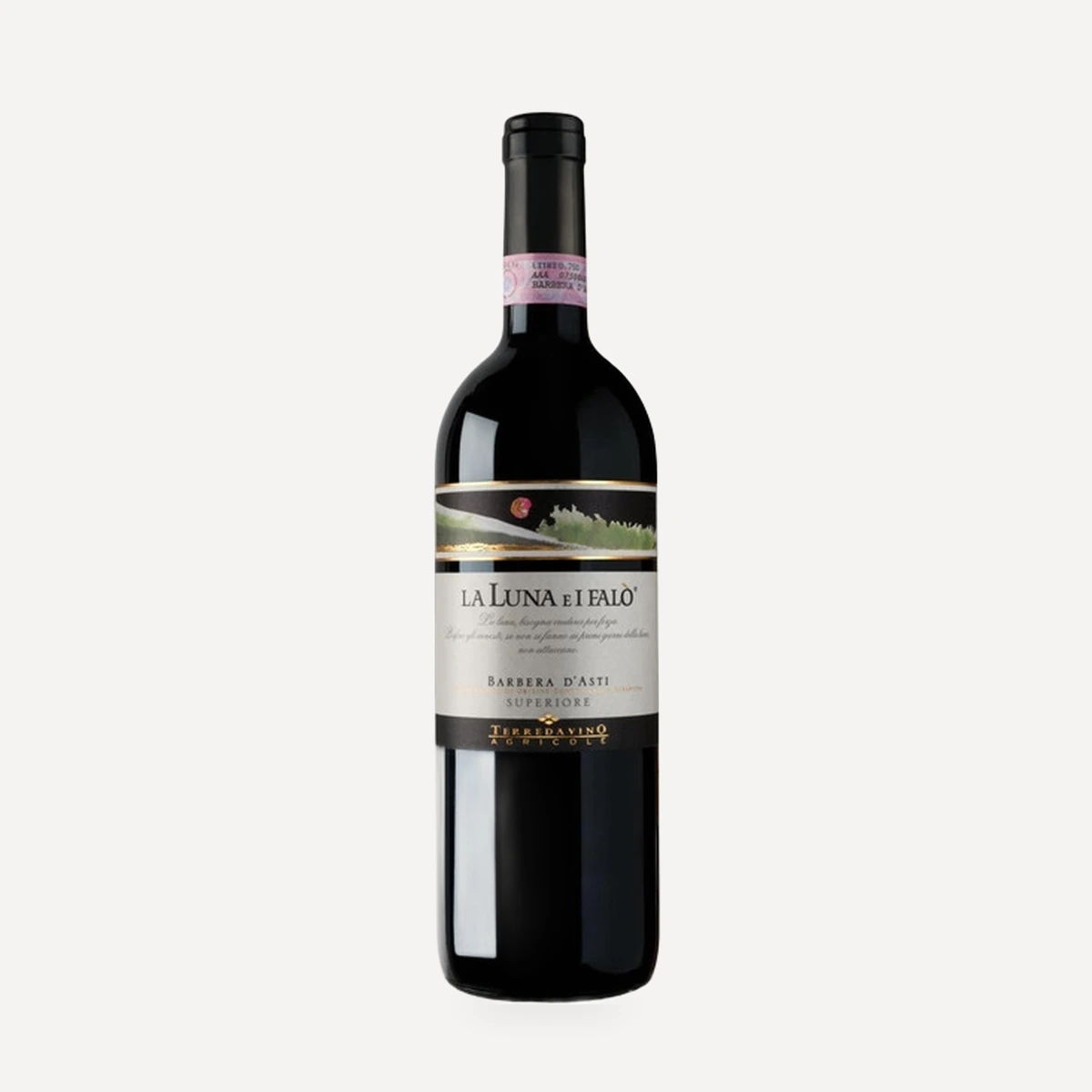 Vite ColteMonferrato · 37 vini18 premi DWWA, l’ultimo nel 2026 · Barbera d’Asti Superiore La Luna e i Falò DOCG
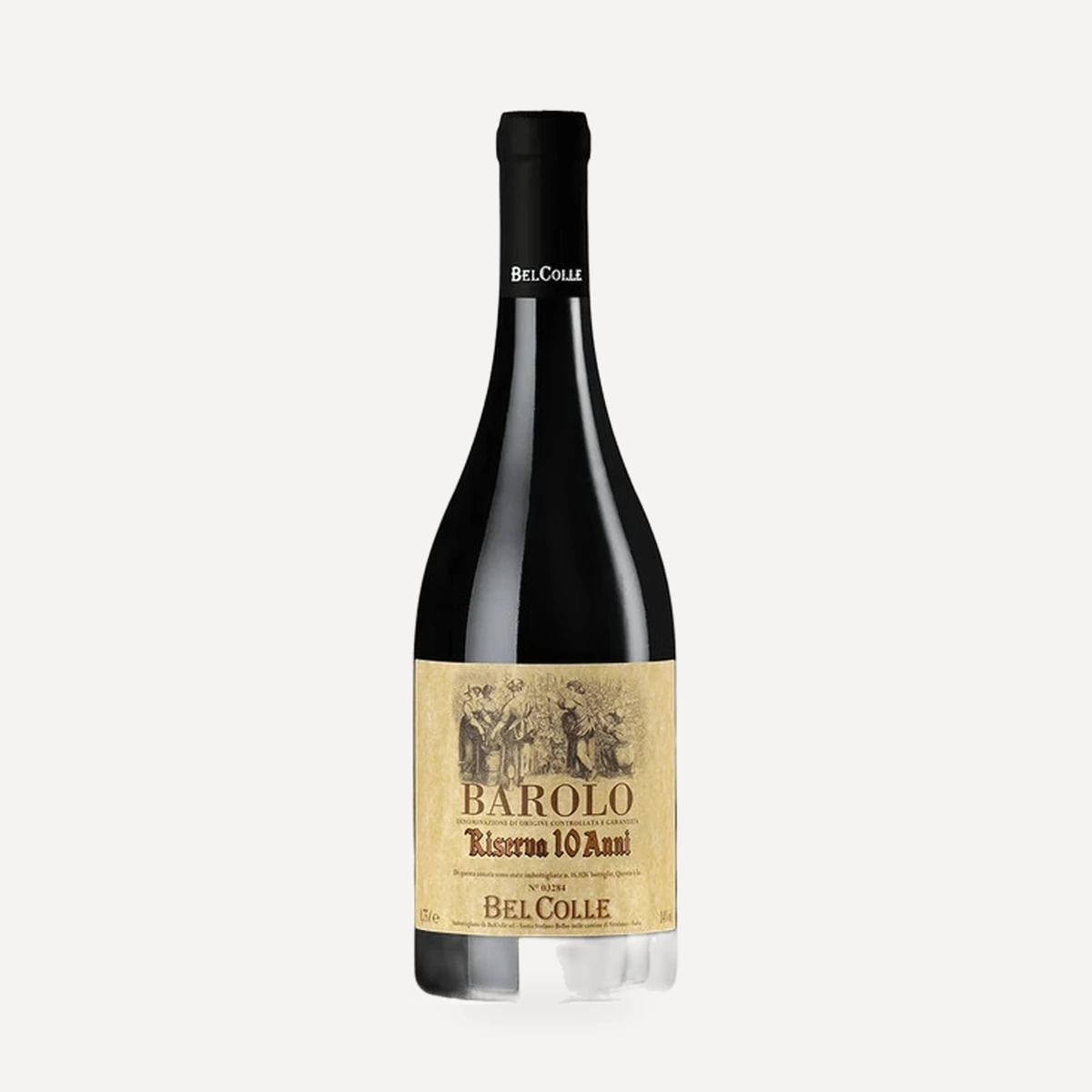 Bel ColleBarolo · 28 vini11 Tre Bicchieri, l’ultimo nel 2026 · Barolo Riserva 10 anni DOCG
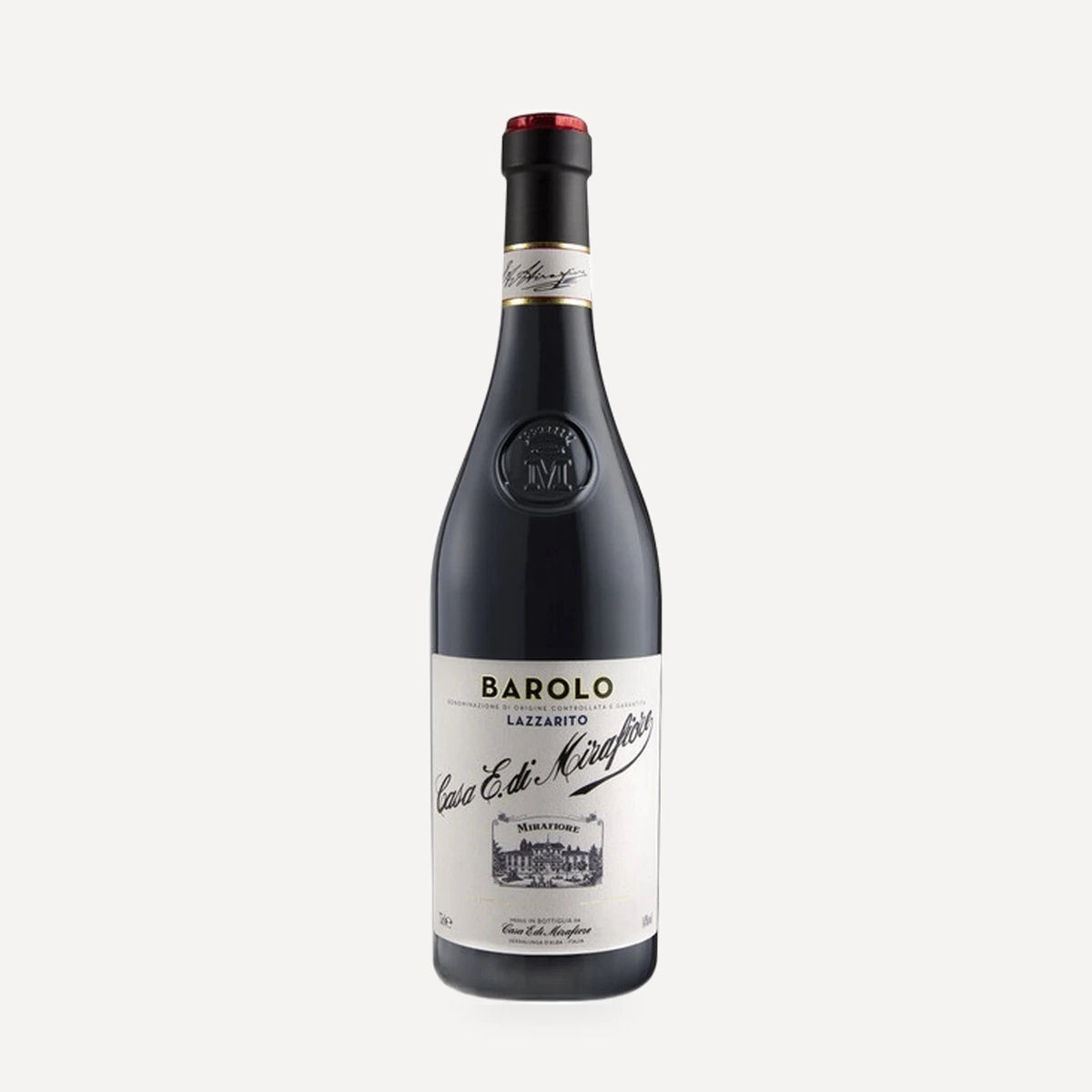 MirafioreBarolo · 22 vini7 premi DWWA, l’ultimo nel 2025 · Barolo Lazzarito
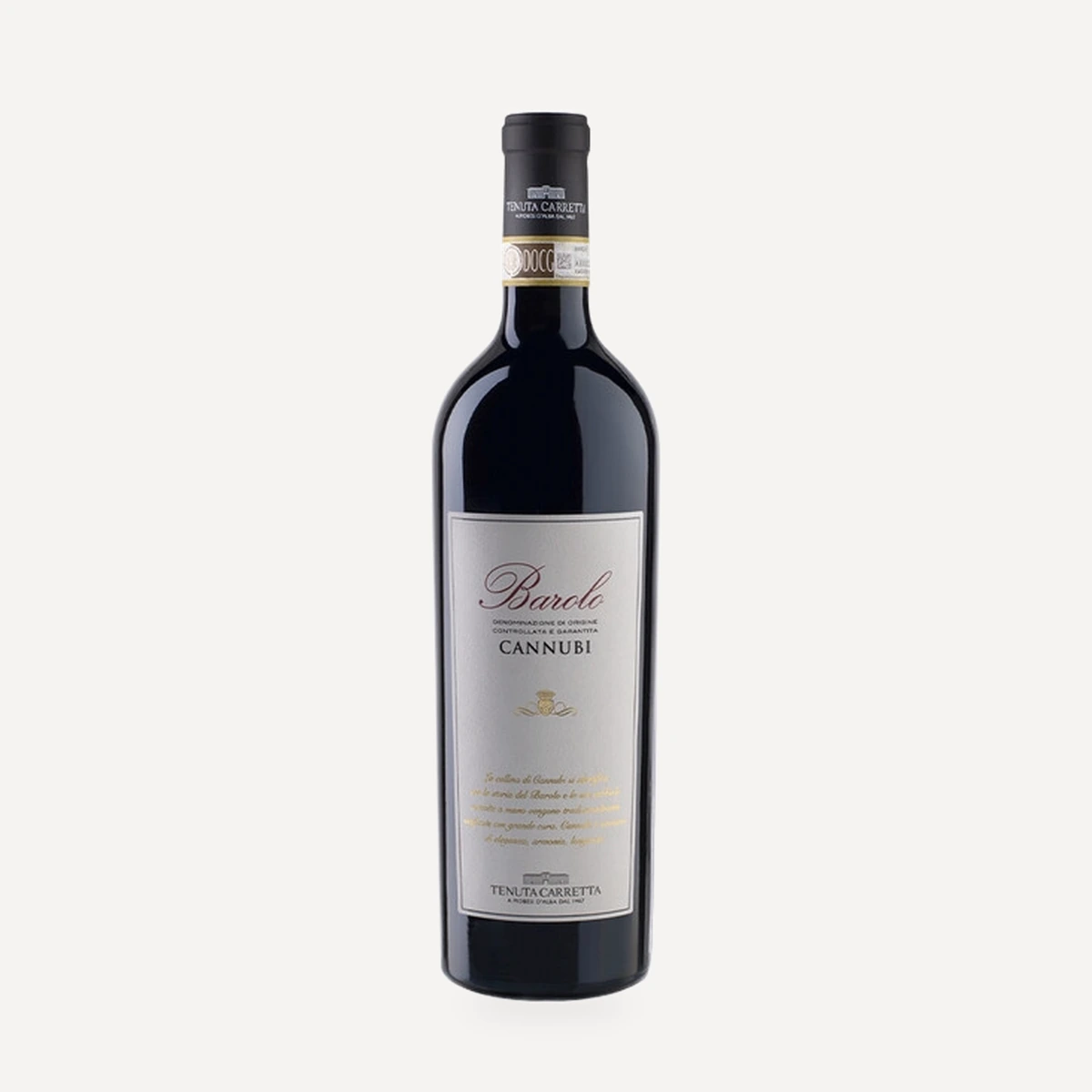 CarrettaLanghe · 29 vini10 premi DWWA, l’ultimo nel 2026 · Cannubi Barolo DOCG
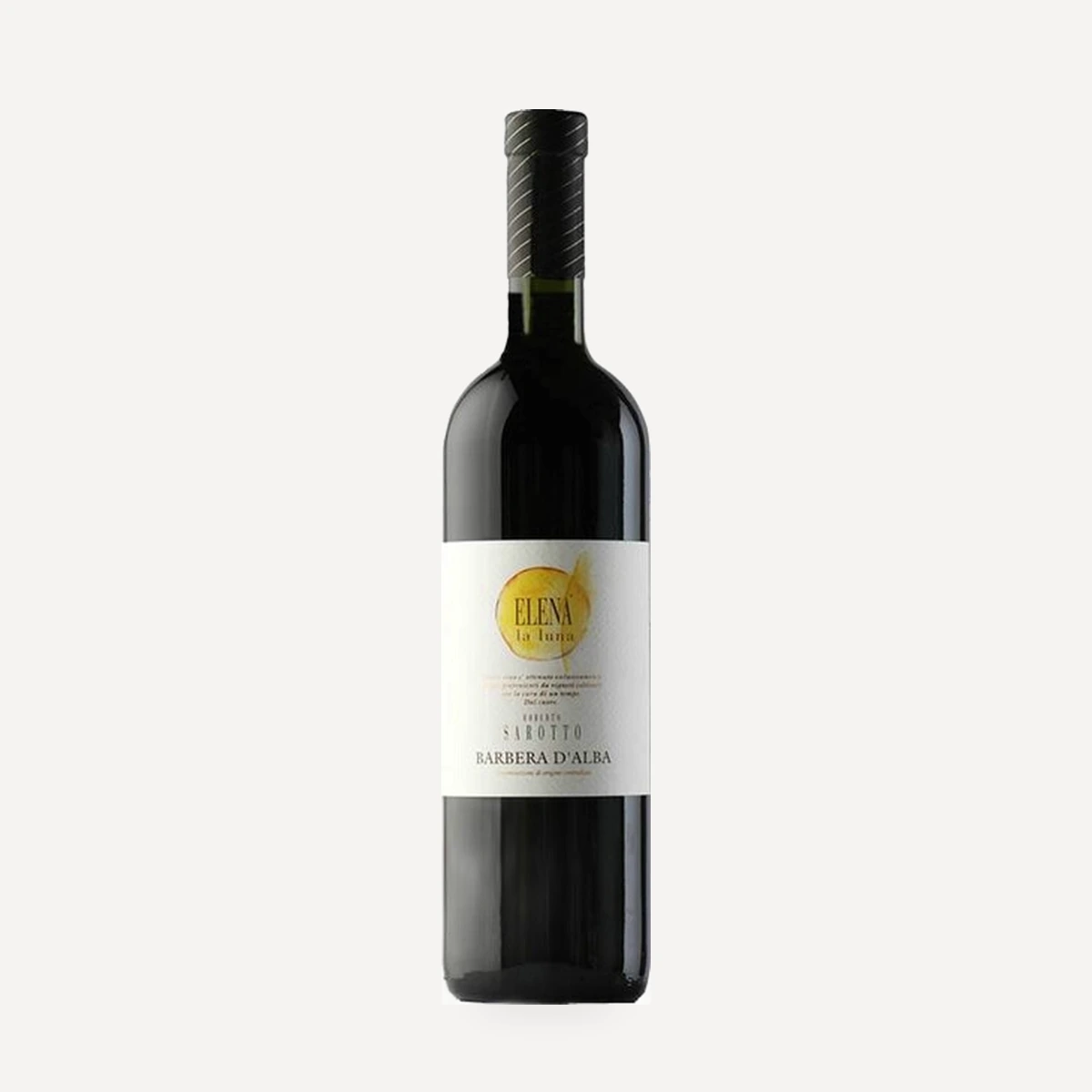 Roberto SarottoLanghe · 44 vini12 premi DWWA, l’ultimo nel 2026 · Barbera d’Alba Elena La Luna 2023 DOC
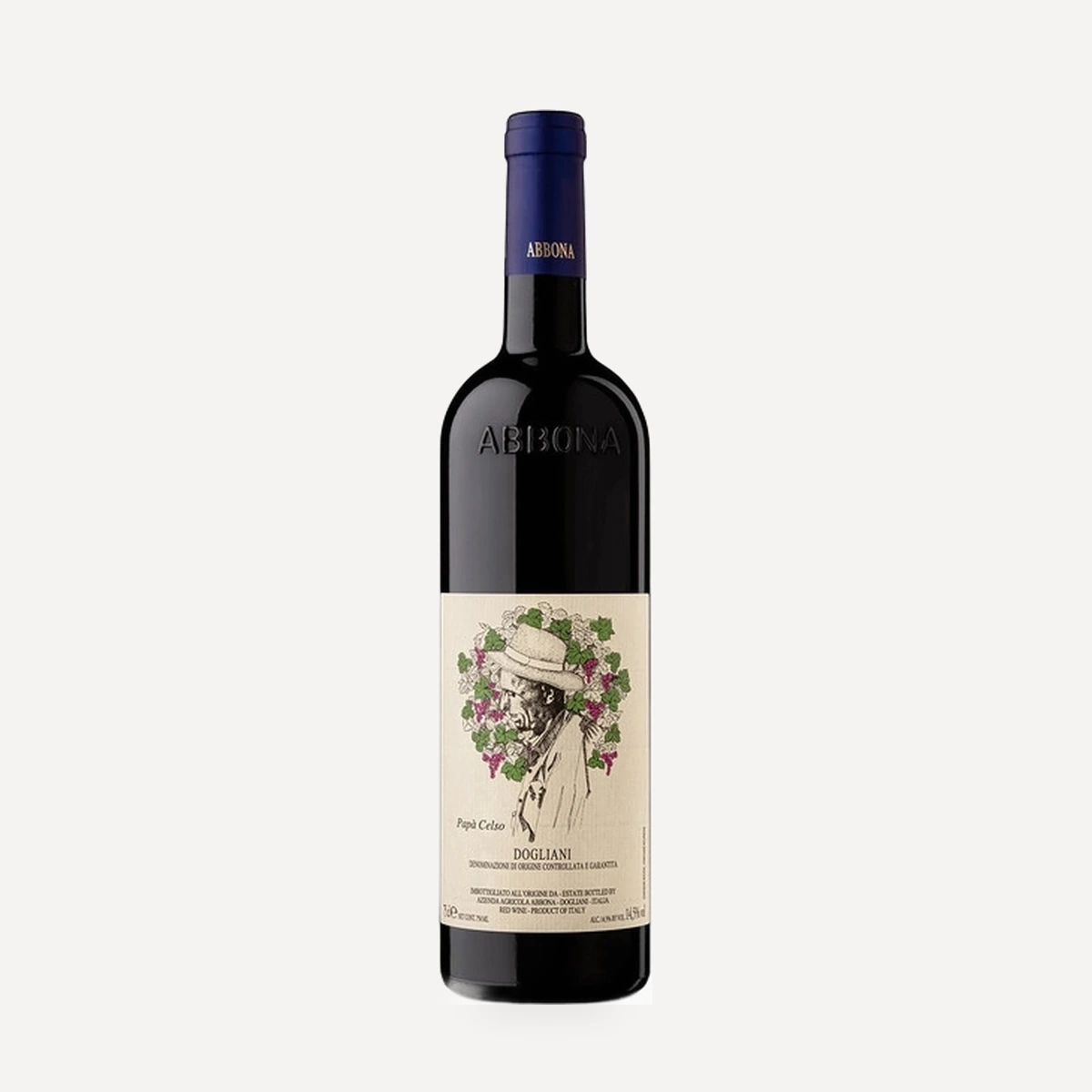 Marziano AbbonaLanghe · 23 vini2 Tre Bicchieri, l’ultimo nel 2026 · Dogliani Papà Celso DOCG
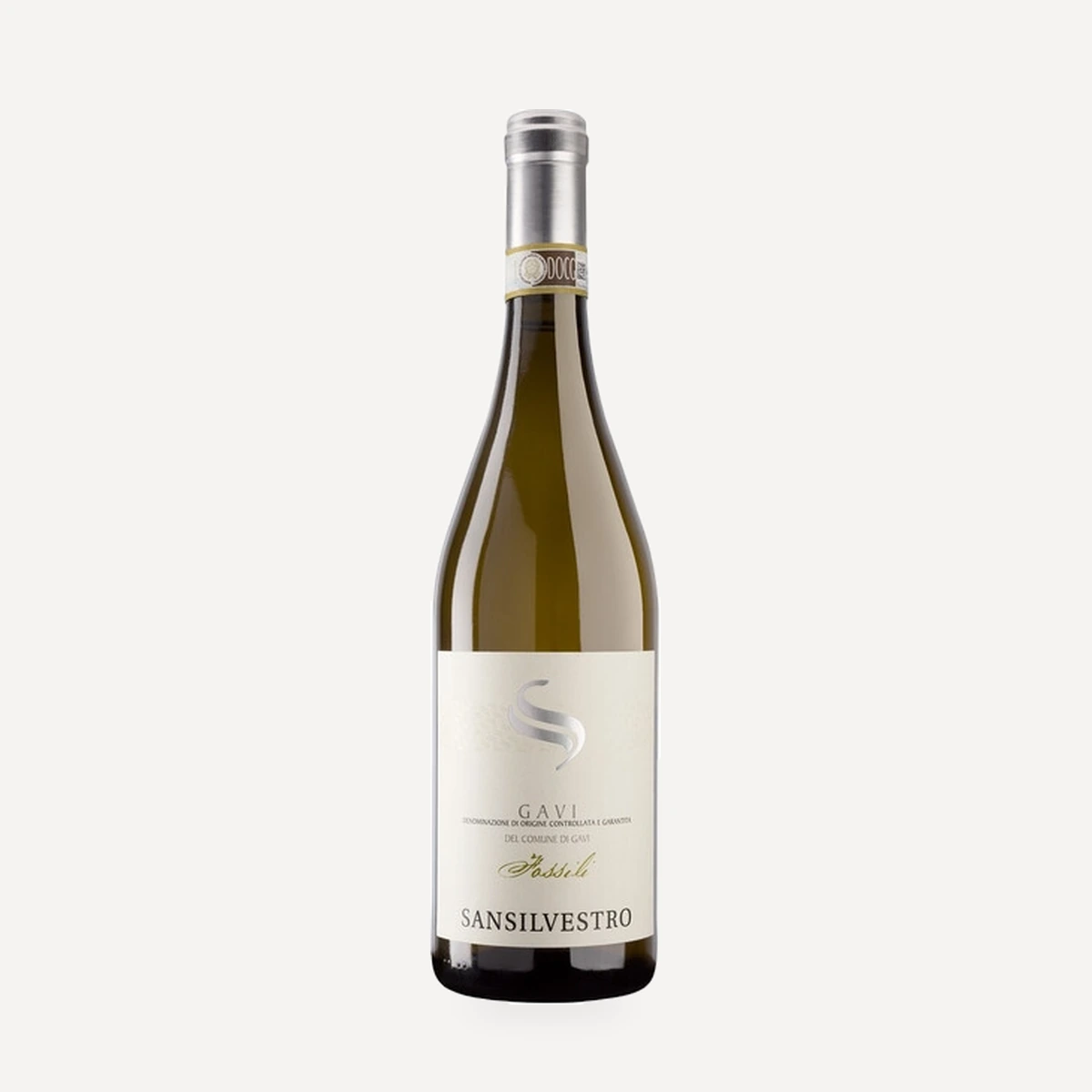 San SilvestroPiemonte · 46 viniGavi del Comune di Gavi Fossili DOCG
 Mauro SebasteBarolo · 19 vini2 premi DWWA, l’ultimo nel 2026 · Trèsüri Barolo DOCG
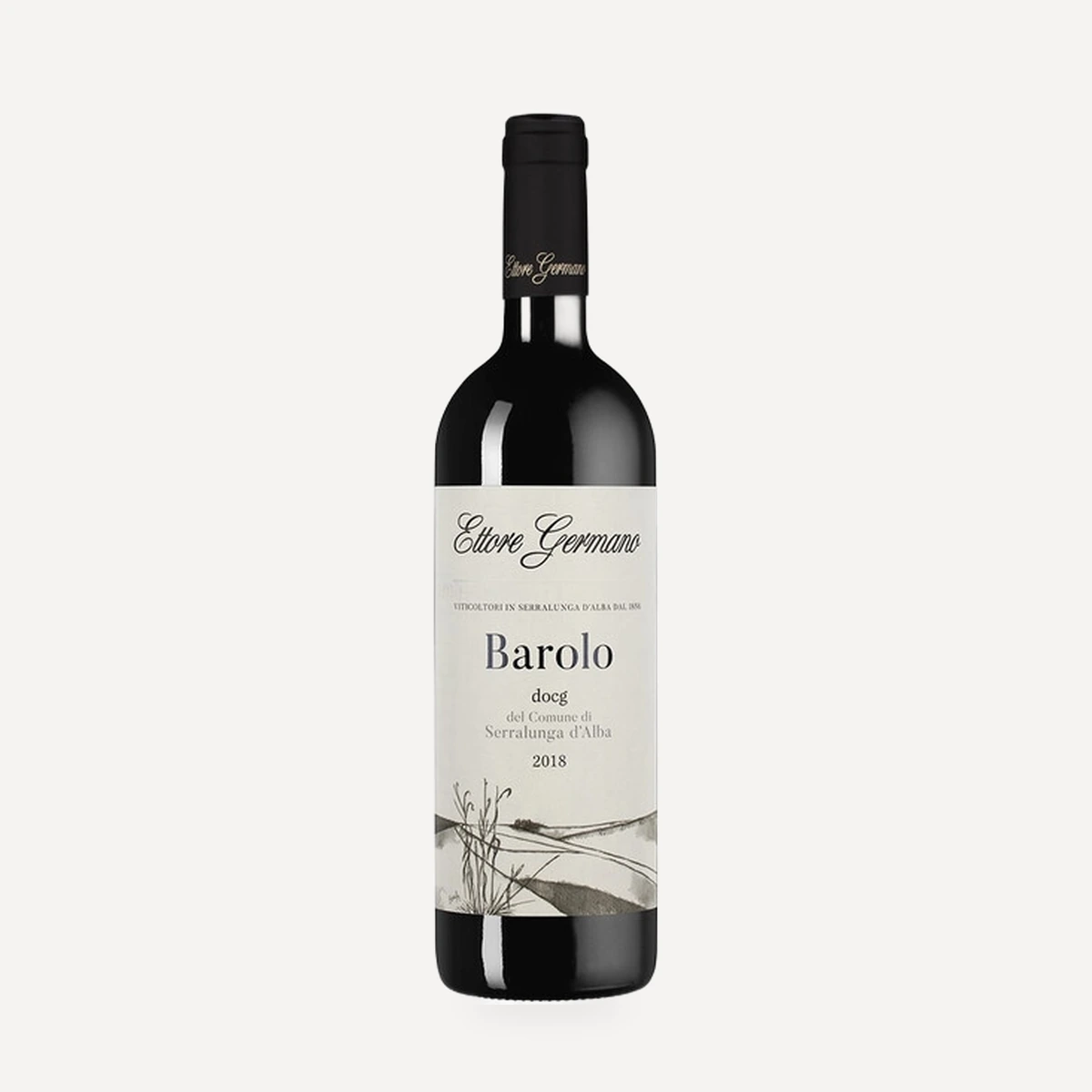
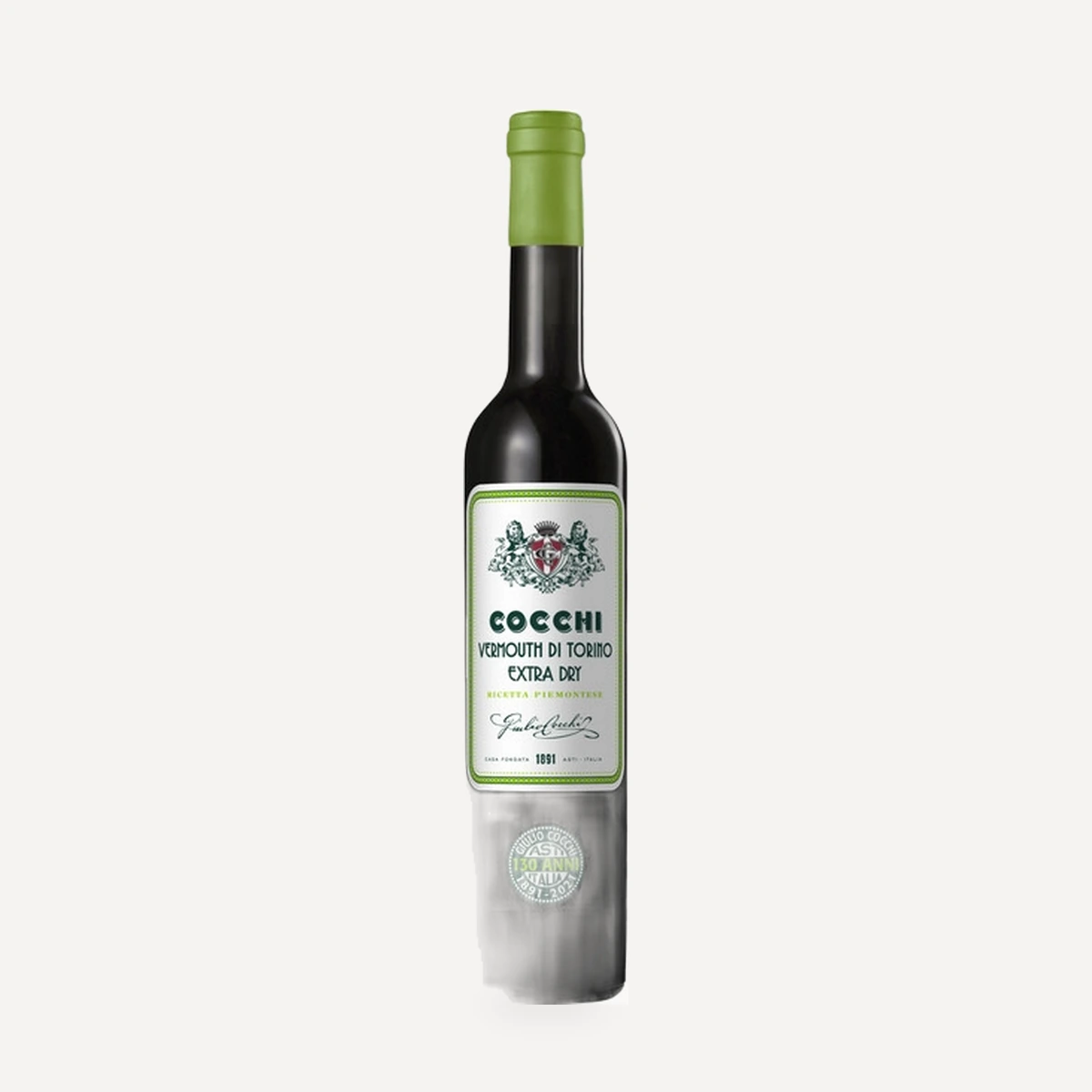
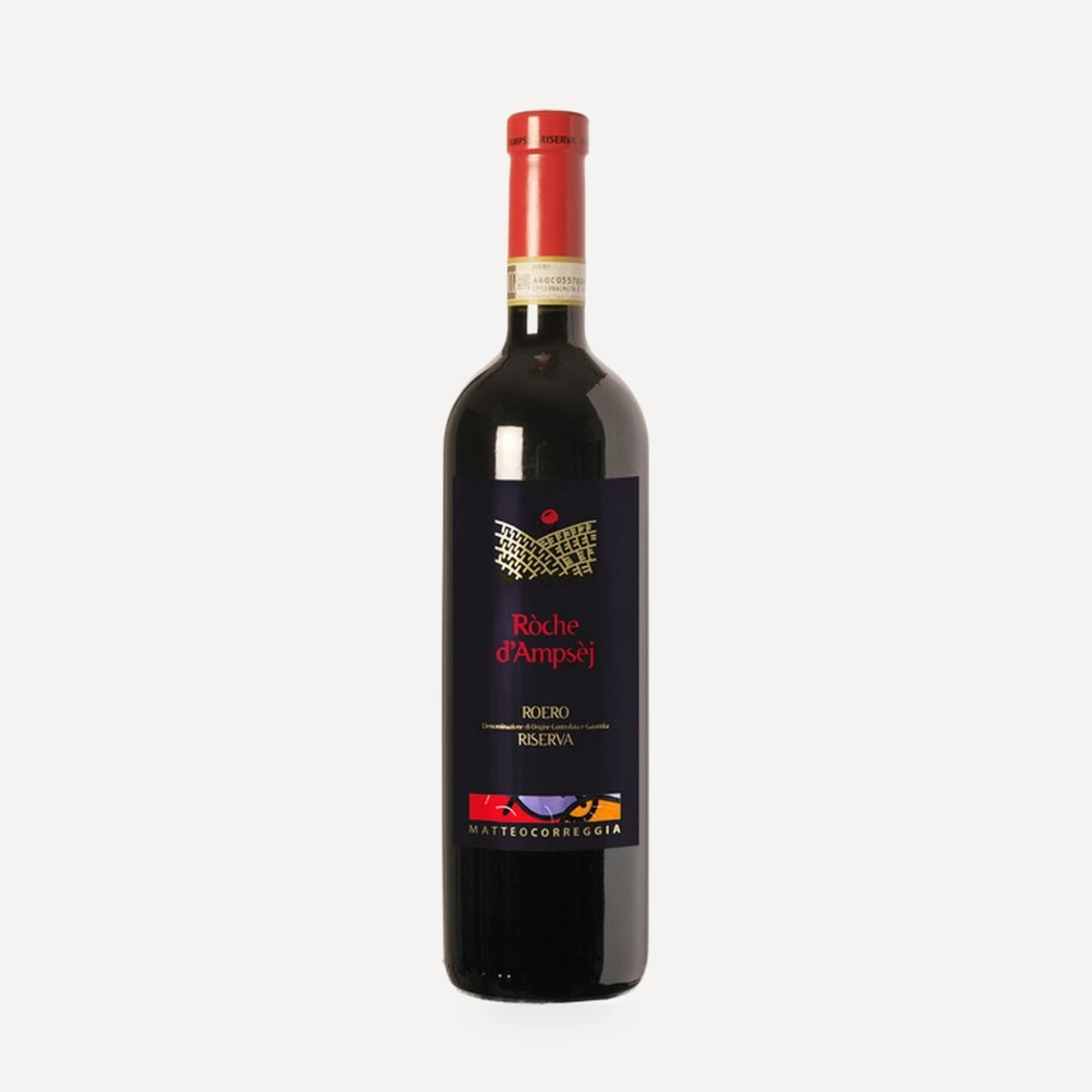
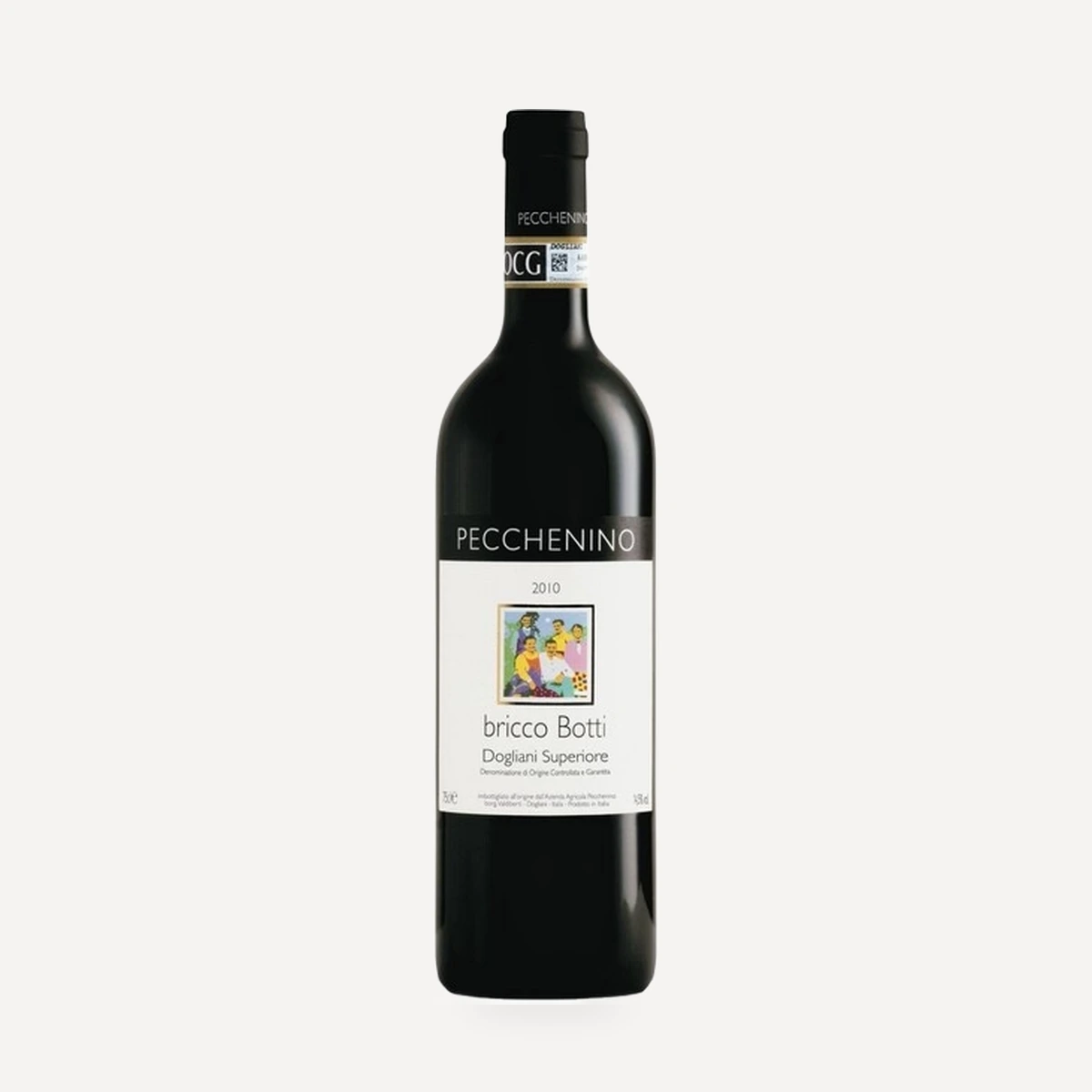
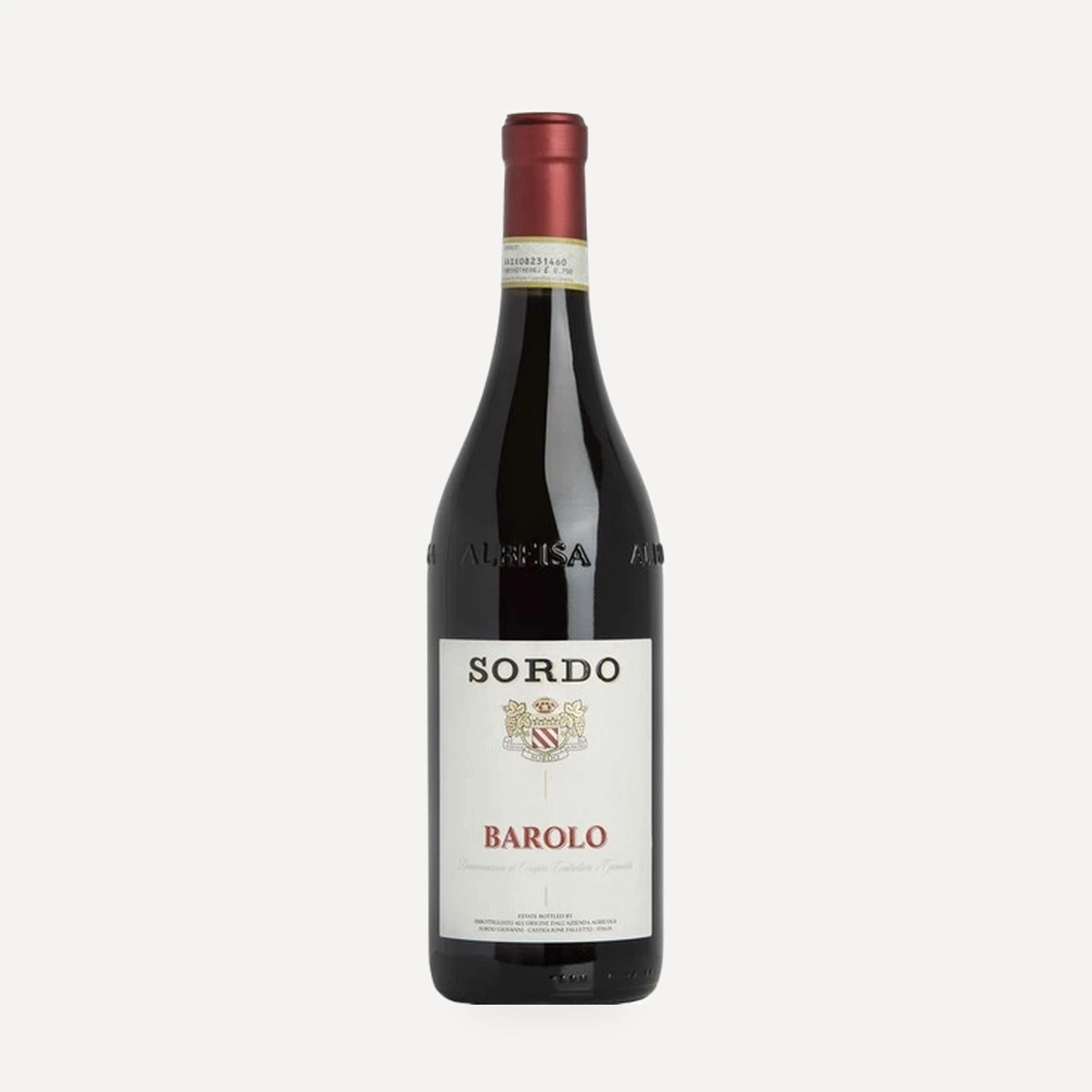
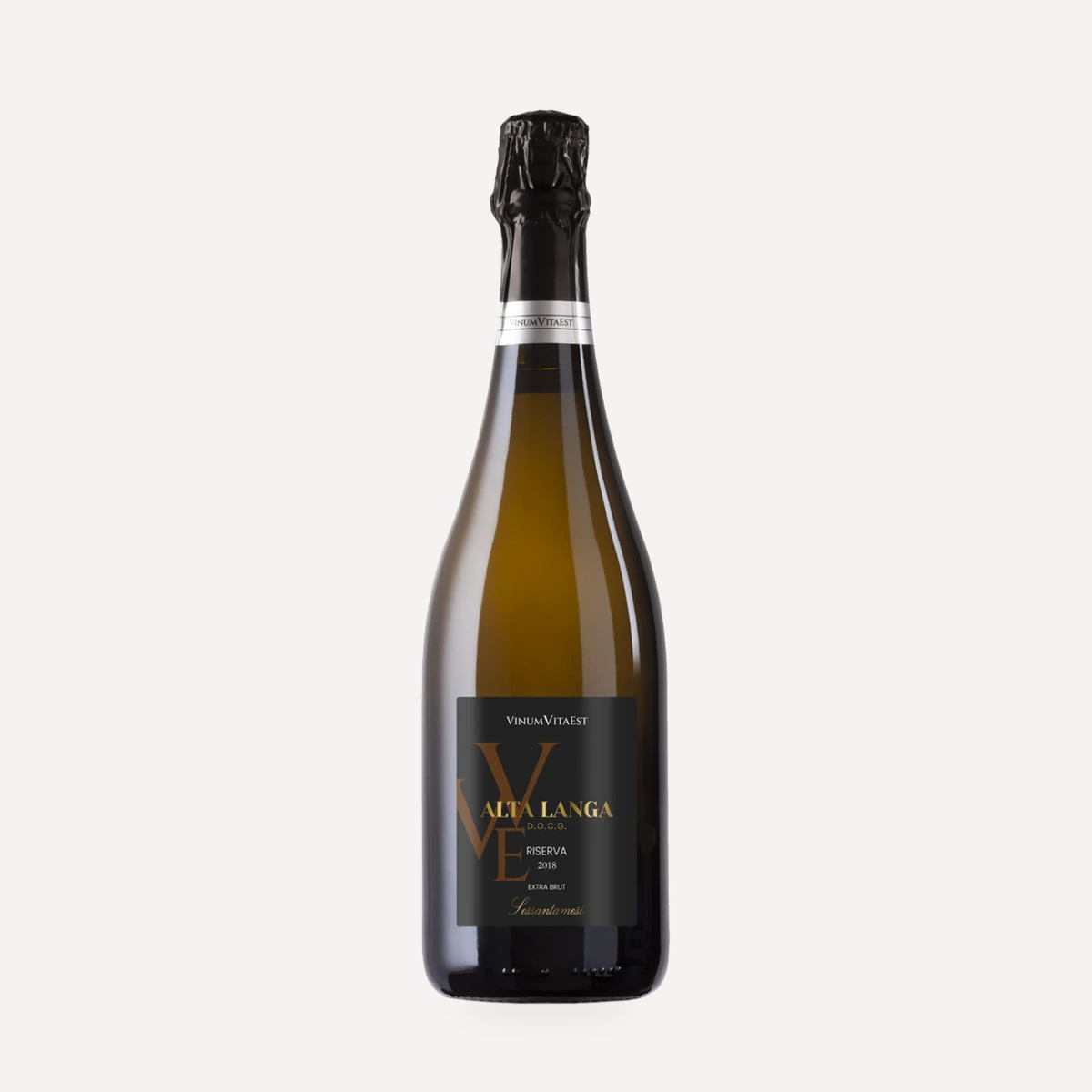
Vini di Alta Langa
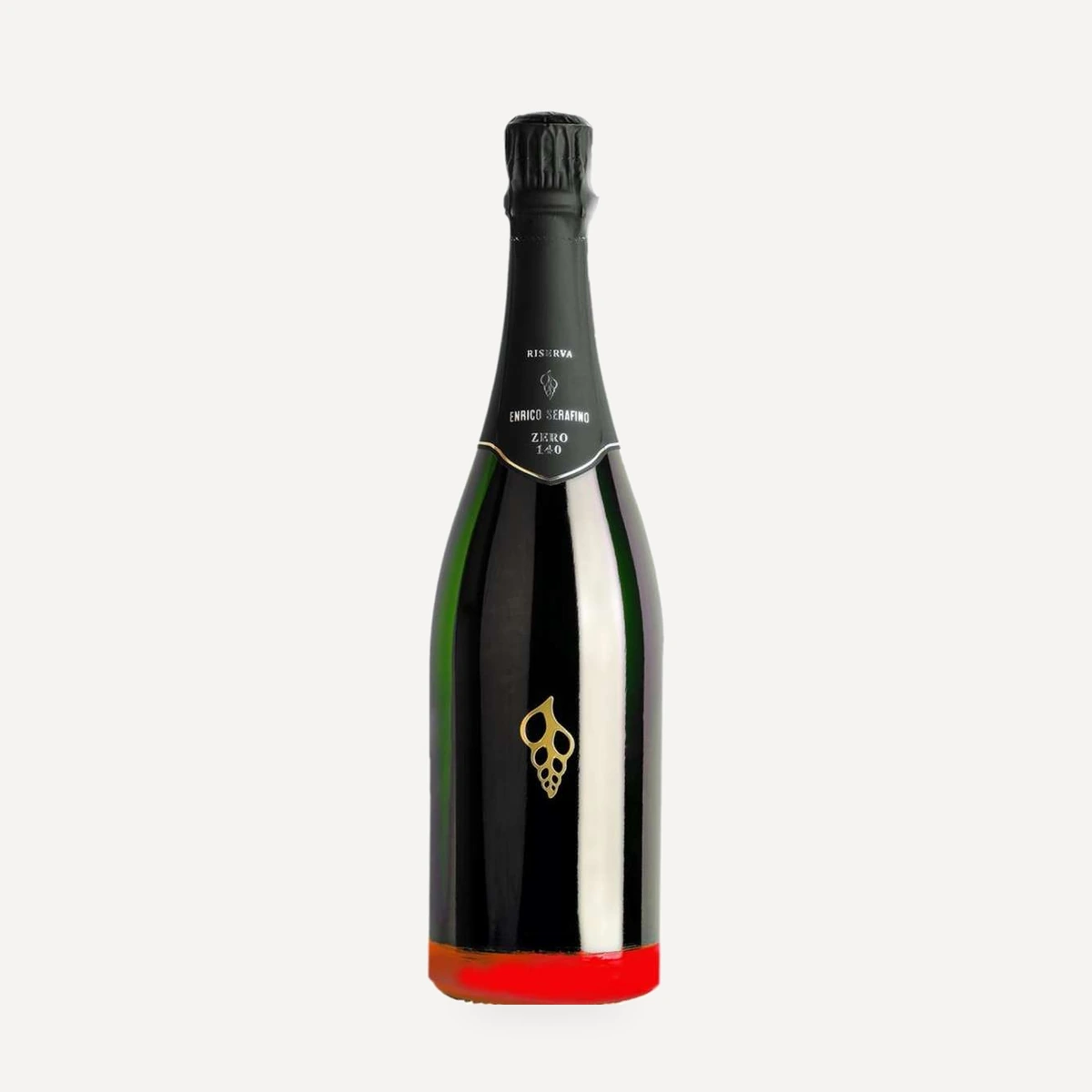
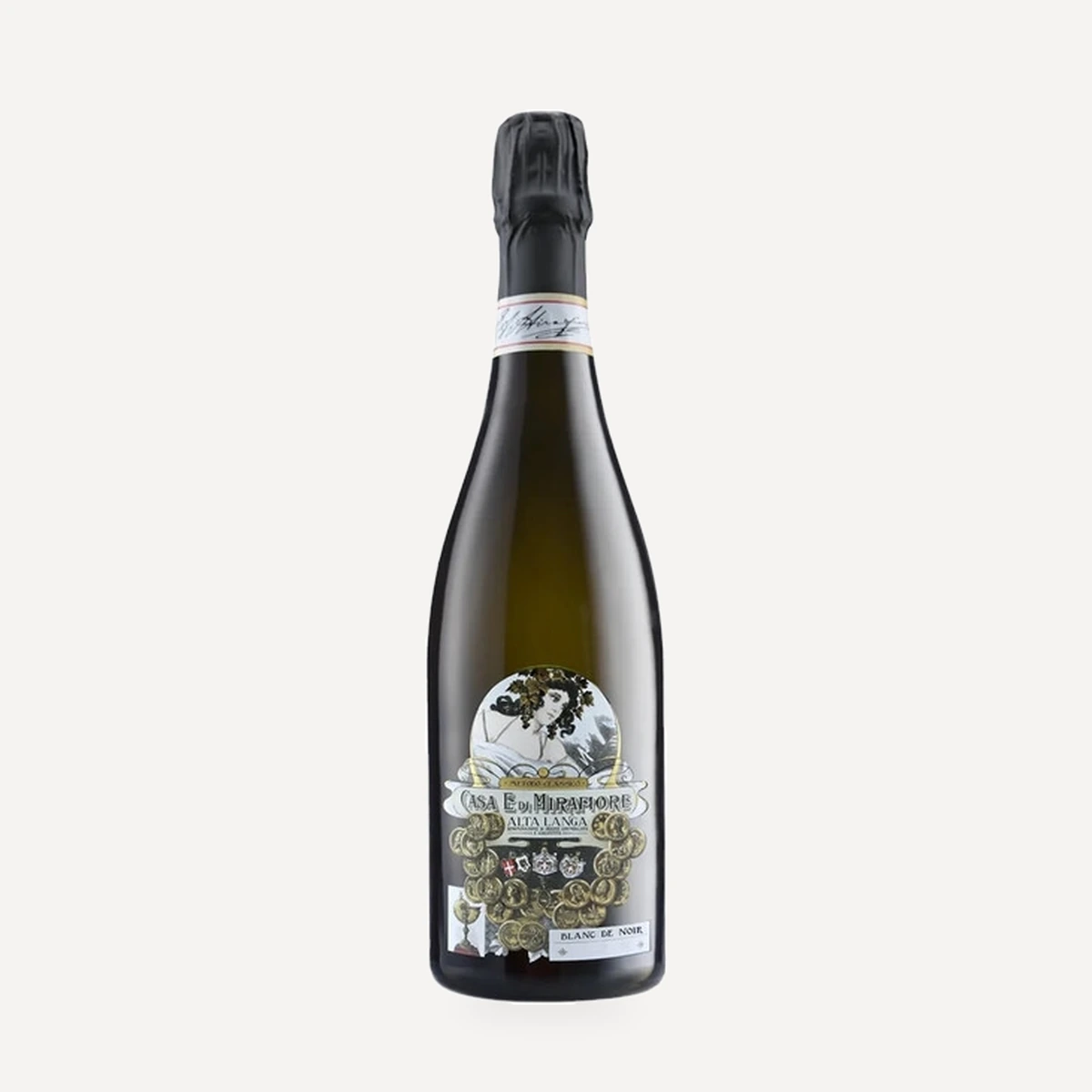
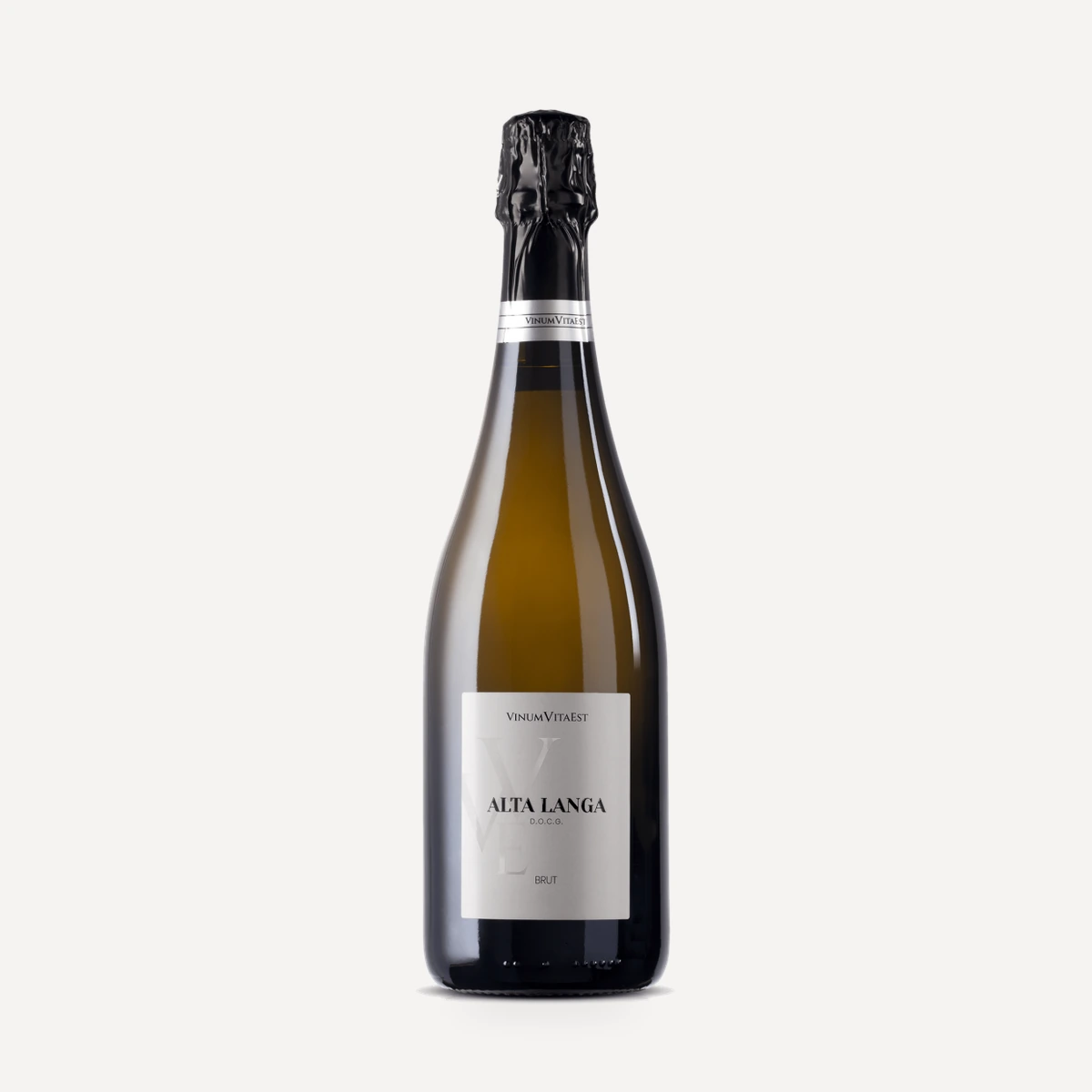
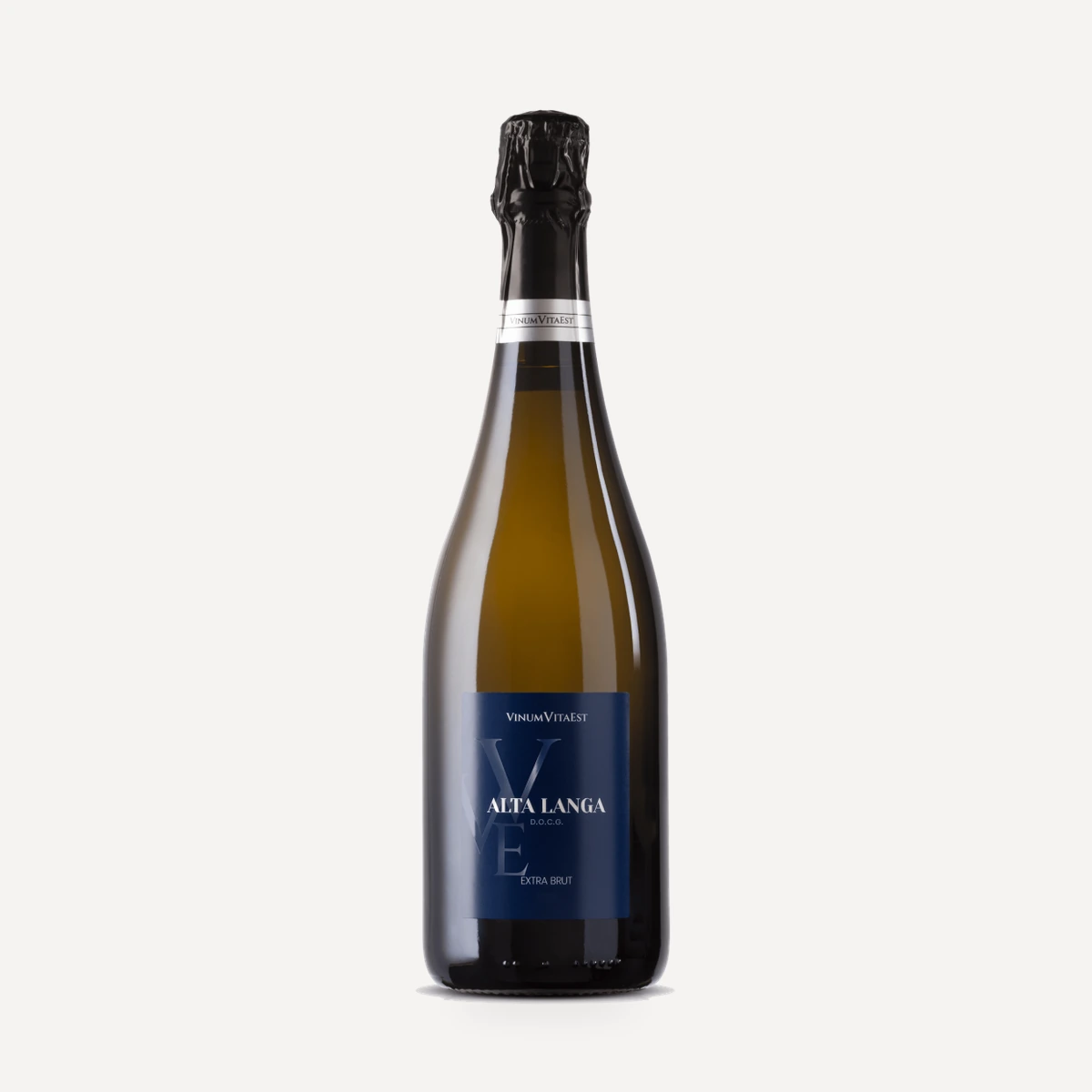
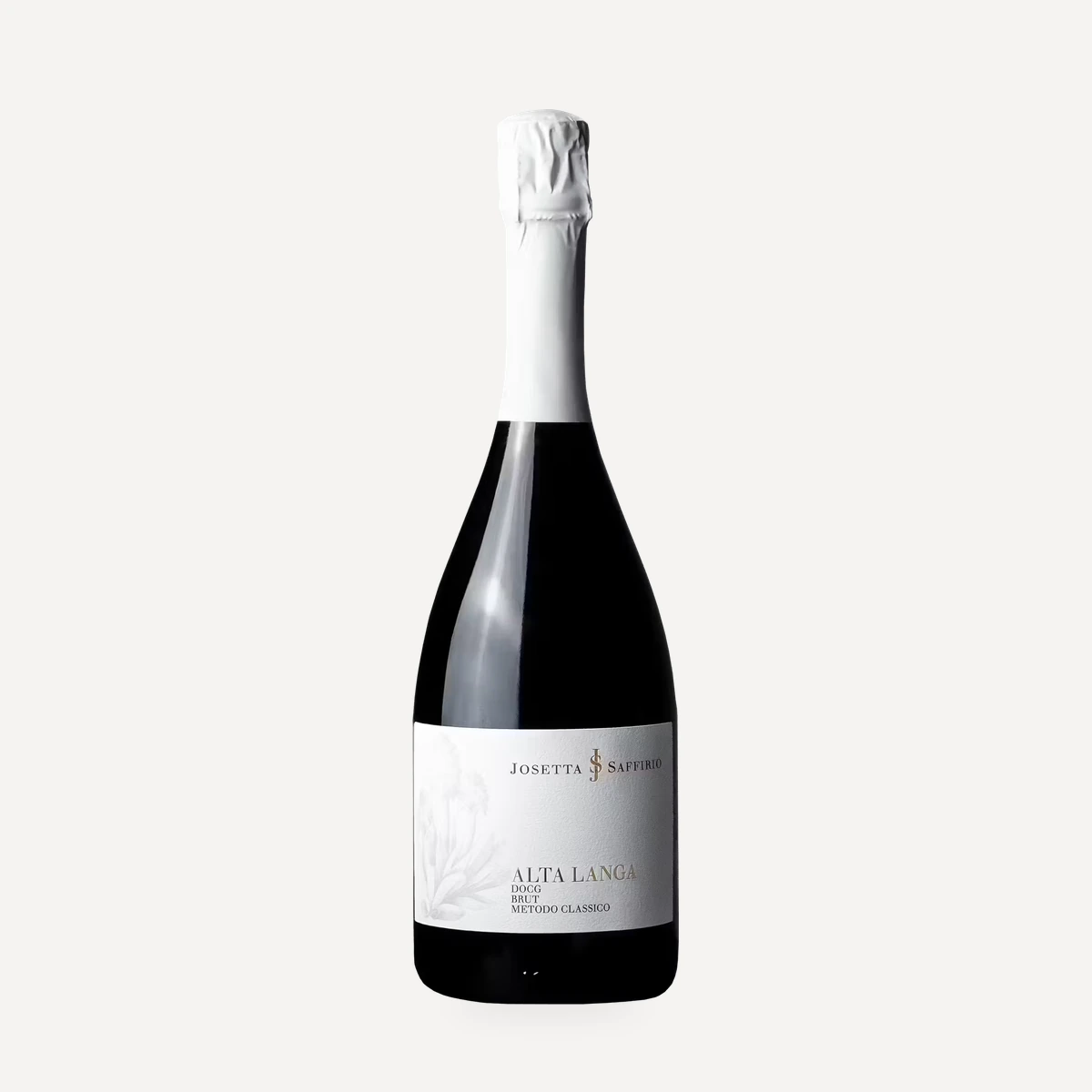

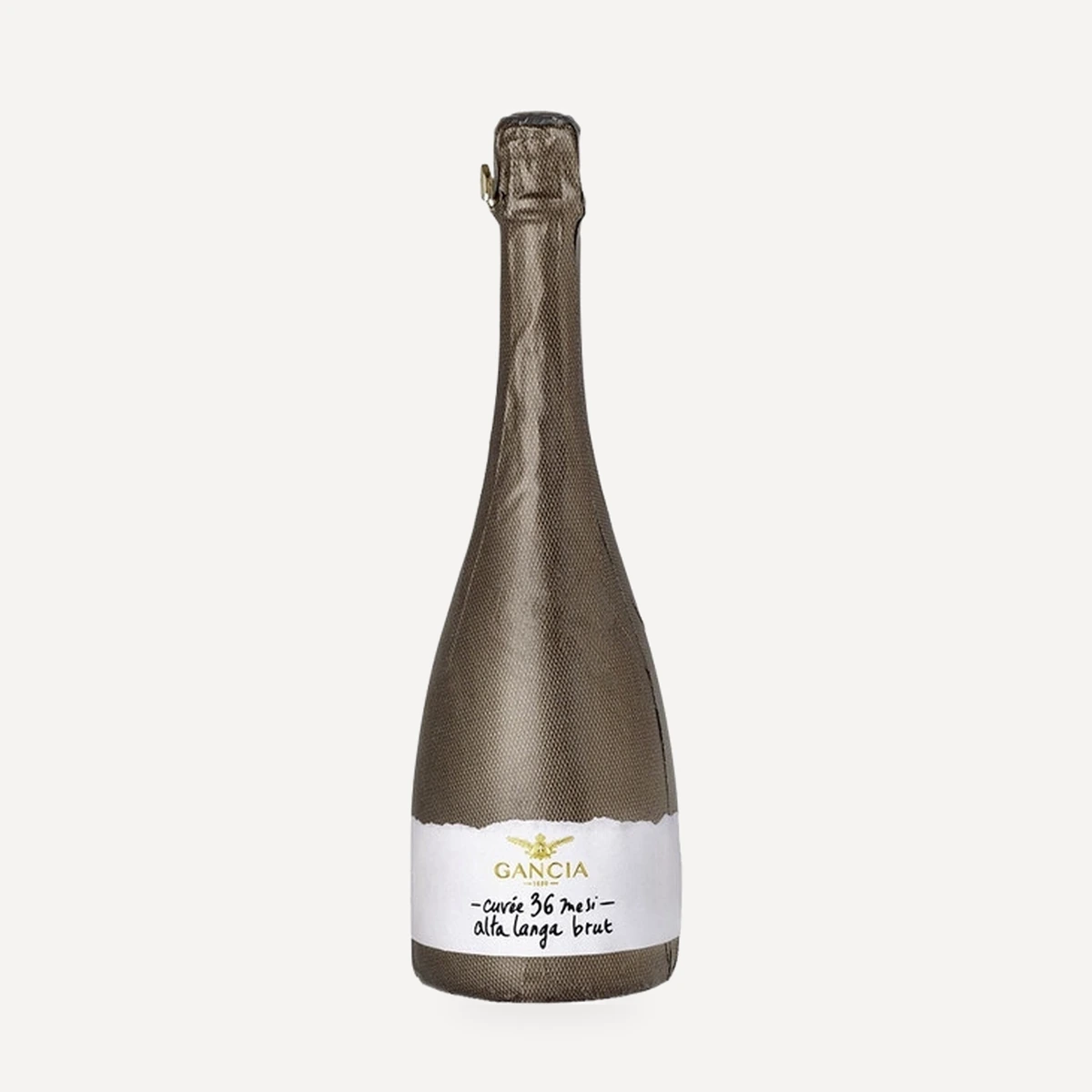
Alta Langa in breve
The grapes are Pinot Nero and Chardonnay, which must make up at least nine tenths of the blend, grown on calcareous, clay-rich marls and never on damp valley floors. They are picked by hand into small perforated crates and pressed gently in stages, each fraction of juice kept apart.
The wine may be white or rosé. Every Alta Langa spends at least 30 months from the start of its second fermentation on the lees before release, and a Riserva at least 36. The name became a DOC in 2002 and a DOCG in 2011, but the rules point to a much longer local habit of ageing sparkling wine on its lees to see how it develops.