Questo vino
Vineyard and terroir
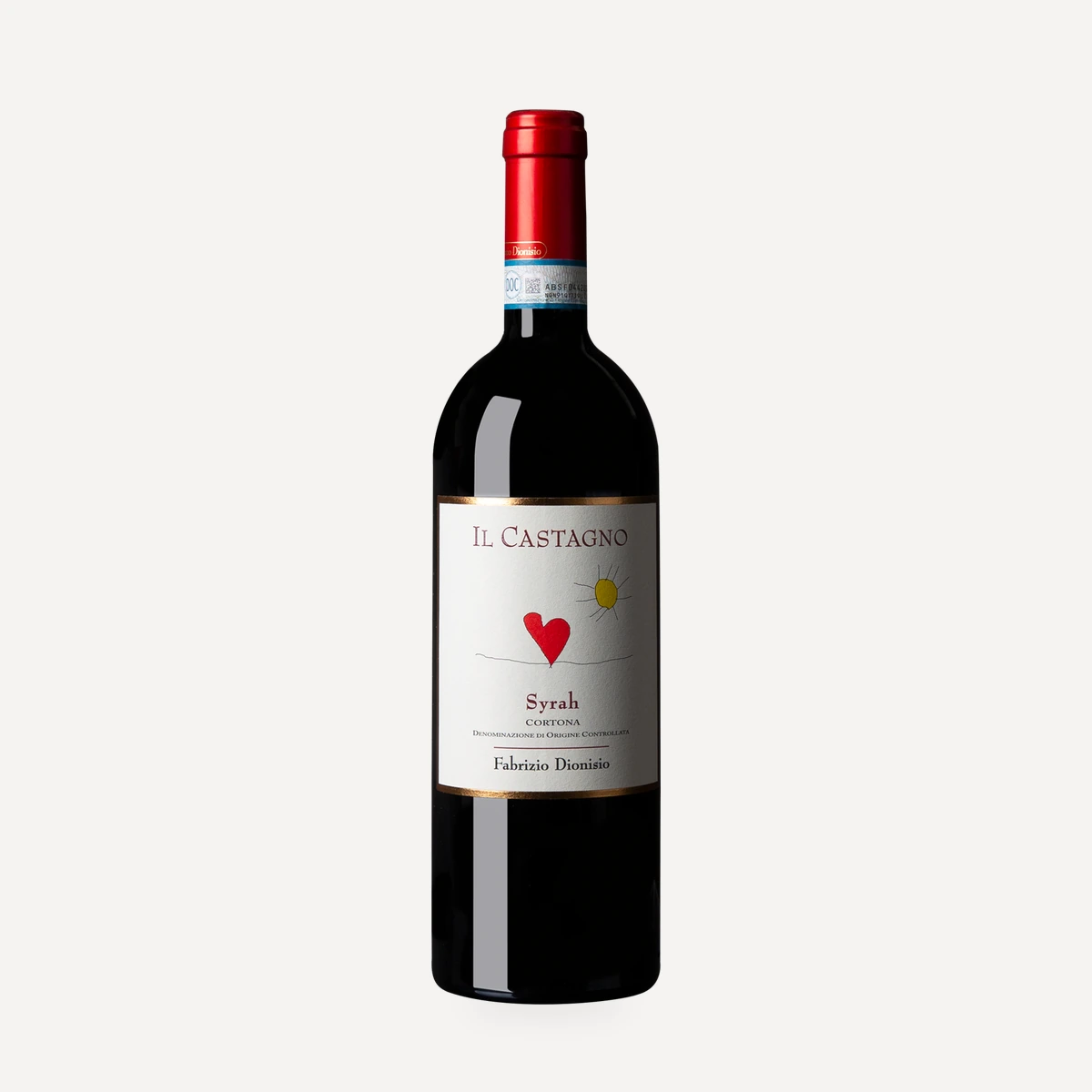
Linfa is produced in a very small quantity from the same estate parcels that supply Il Castagno and Cuculaia. Yields are capped at 50 quintals per hectare from 5,000 vines.
Grapes
100% Syrah. A small proportion may be vinified as whole bunches depending on the vintage.
Vinification
Harvest usually falls in the last ten days of September, when the grapes have reached optimum ripeness. Following destemming that leaves the berries intact, alcoholic fermentation takes place entirely in terracotta jars made in Impruneta and elsewhere in Italy. A small share of whole bunches may be included according to vintage conditions. Punch-downs are performed entirely by hand, and malolactic fermentation occurs in the same jars.
The wine remains in contact with the skins for several months, until racking. This extended skin contact also helps protect it from oxidation.
Ageing
After racking, the wine undergoes a short homogenization period in a concrete vat. It is then bottled and aged for approximately another year.
Technical data
Annual production is approximately 2,500 bottles, exclusively in 750 ml format. Alcohol is 13.5%. The colour is clear ruby red with purple reflections.
Tasting profile
The aromatic profile includes dried violet, fern, woodland undergrowth, blackcurrant, blackberry, thyme, bay leaf, liquorice root and gentle spice. The palate is supple and moderately warm, with freshness, velvety tannins and an overall balanced close.
Serving and pairing
Serve at 16 °C.
Vintage notes
The 2020 was described as bright, energetic and fruit-driven, with terracotta ageing emphasizing fruit purity. The 2019 showed dark concentration with dried blackberry, plum and spicy-tobacco tones.
Label / history
Linfa emerged after two to three years of trials exploring Syrah fermented and matured in terracotta rather than wood or concrete alone. Its name is an acronym formed from the names of Fabrizio Dionisio and his family: Alessandra, Isotta, Lavinia and Niccolò. The use of clay vessels also reflects Fabrizio Dionisio’s maternal Armenian heritage and the ancient winemaking traditions associated with that part of the Caucasus.