Storia
Agricultural origins
Feudo Vagliasindi traces its agricultural activity back through centuries of cultivation in Contrada Feudo Sant’Anastasia, where the land has produced both olives and grapes. The property retains an old cellar and one of the older historic palmenti of the Etna area. Original barrels dating from the 19th century are still preserved in the cellar.
The estate house
The present hospitality property occupies an early-20th-century villa built in the Art Nouveau style. Its spaces formerly belonged to the manor of an old agricultural estate. The villa was subsequently restored throughout while retaining its original architecture; minimalist interiors, a restaurant, bar, terrace and swimming pool were added as part of its conversion into Hotel Feudo Vagliasindi.
Recent documented vintages and estate activity
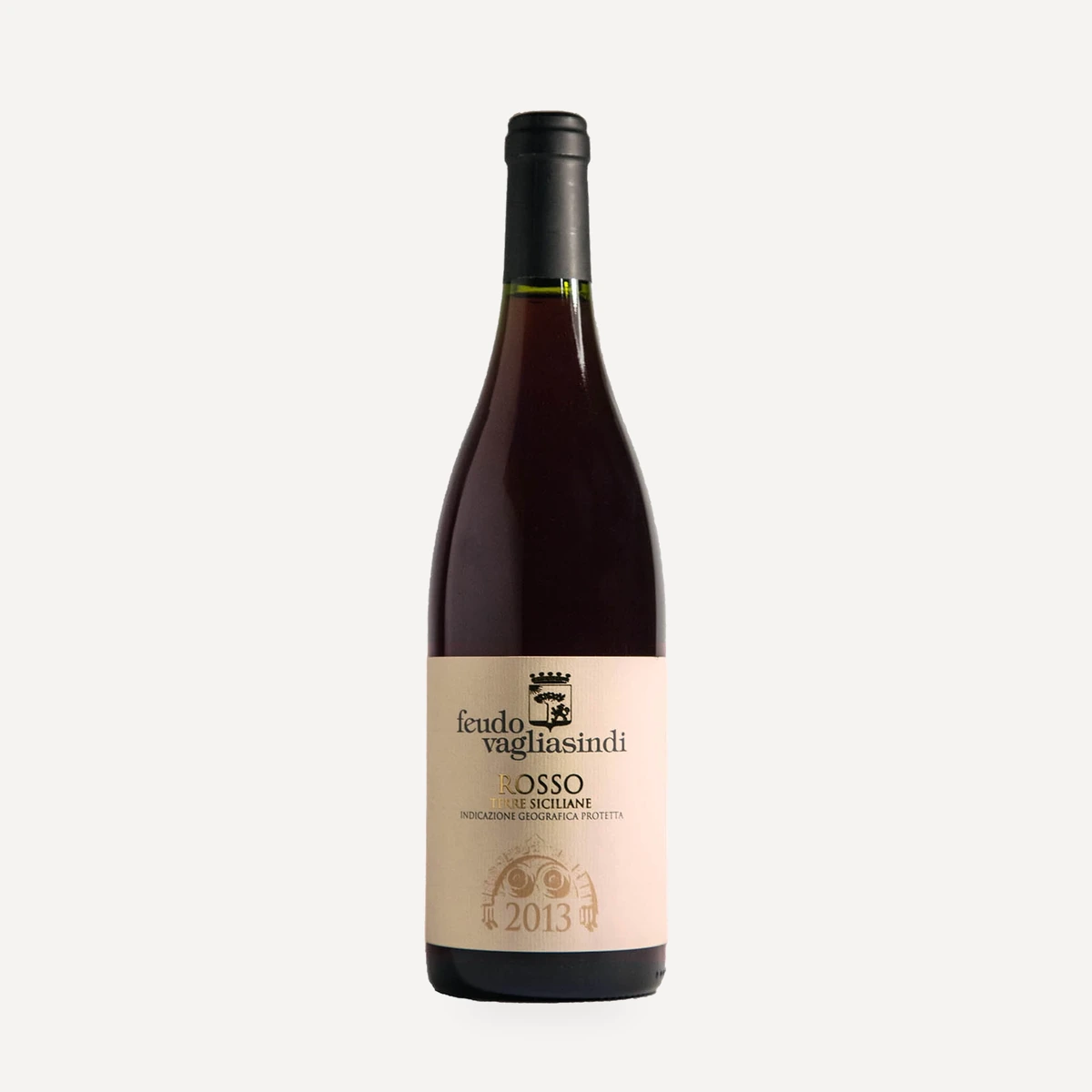
The 2013 growing season was marked by abundant rainfall. In 2014, conditions were particularly mild. Wines from these two harvests formed the documented Etna DOC and Terre Siciliane IGP offerings associated with the estate’s tasting programs.
The agricultural property now extends over 10 hectares. Most of this land is devoted to an irrigated organic olive grove, while the remaining area carries the estate’s vineyards. A further plot is cultivated as a chemical-free kitchen garden supplying vegetables to the restaurant.
Terroir
Feudo Vagliasindi lies in Contrada Feudo Sant’Anastasia, approximately five kilometres from Randazzo and at the foot of Mount Etna. The property borders the Etna Park, the Alcantara nature reserve and the Nebrodi Park.
The agricultural setting is repeatedly associated with Etna’s fertile volcanic environment. Mount Etna and volcanic terrain form the immediate landscape, while the estate’s imagery also identifies lava or basaltic stone among the physical features of the property. Vintage records describe abundant rainfall in 2013 and particularly mild weather during the 2014 growing season.
Vinificazione
The estate cultivates Nerello Mascalese, Nerello Cappuccio and Carricante, identifying all three as native varieties. The vineyard rows employ two training systems: traditional alberello bush vines and spalliera trellising.
Organic cultivation is specifically documented for the irrigated olive grove, while vegetables for the restaurant are grown without chemical substances in a dedicated kitchen-garden plot. No equivalent organic status is assigned to the vineyards.
The production complex includes an old cellar and a historic palmento, described as one of the older and more authentic surviving examples in the Etna area. Original 19th-century barrels remain preserved in the cellar as part of the estate’s winemaking heritage. Vineyard-and-cellar visits take guests through the vines, the palmento and the historic cellar.
Filosofia
Feudo Vagliasindi presents agriculture, hospitality and food as connected expressions of the same land. Its declared food philosophy emphasizes respect for the local environment, human health and long-standing Sicilian agricultural traditions.
This approach is most explicit in the estate kitchen garden: a plot is reserved for vegetables used by the restaurant, with environmental sustainability, chemical-free cultivation and a return to direct work with the soil identified as guiding principles. The restaurant follows the same estate-to-table approach through fresh seasonal ingredients, estate olive oil and wines produced by the agricultural property.
The preservation of the historic cellar, 19th-century barrels, traditional alberello vines and the old palmento reflects a parallel commitment to maintaining the estate’s agricultural heritage alongside restored hospitality spaces and contemporary visitor experiences.
Vini
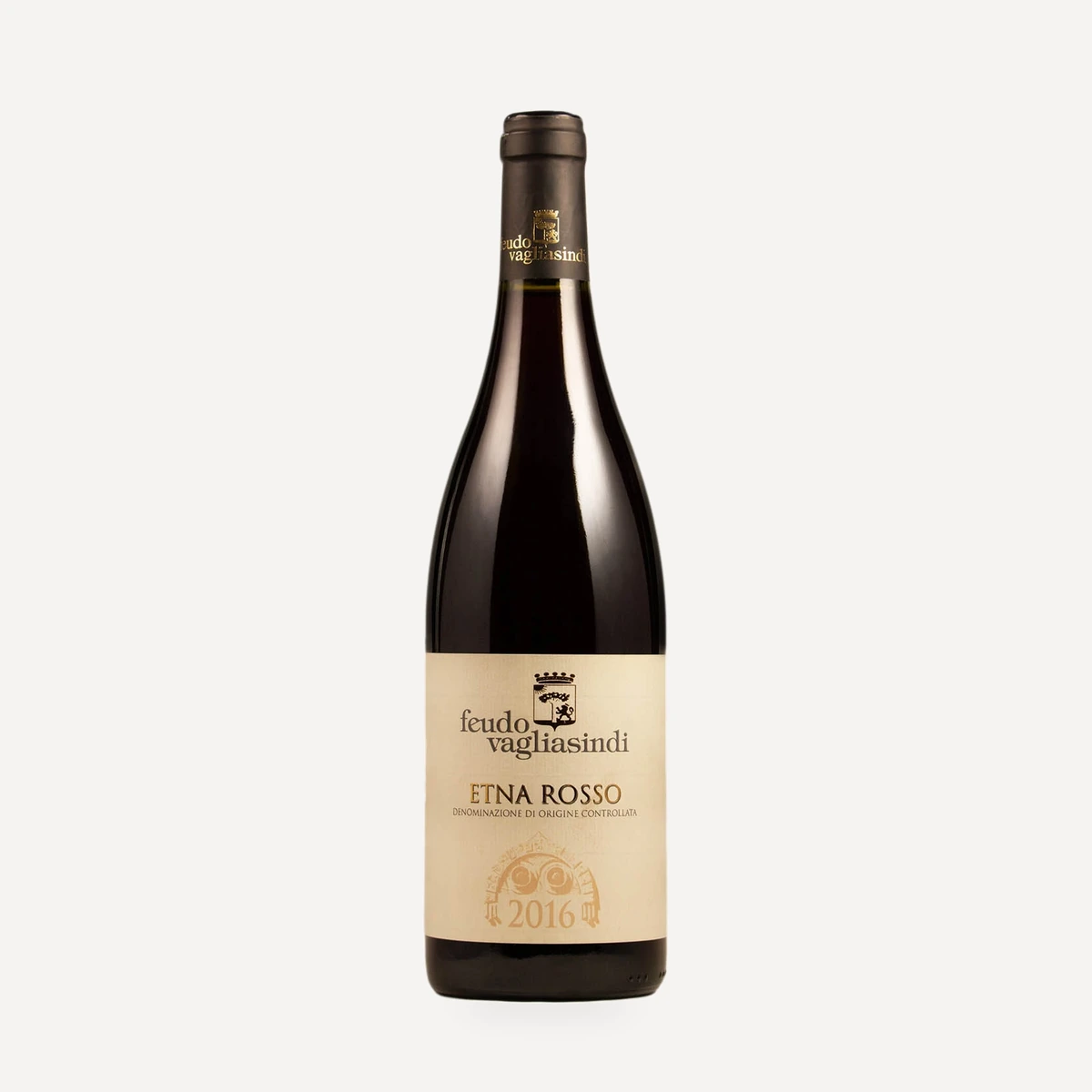
Etna Rosso DOC