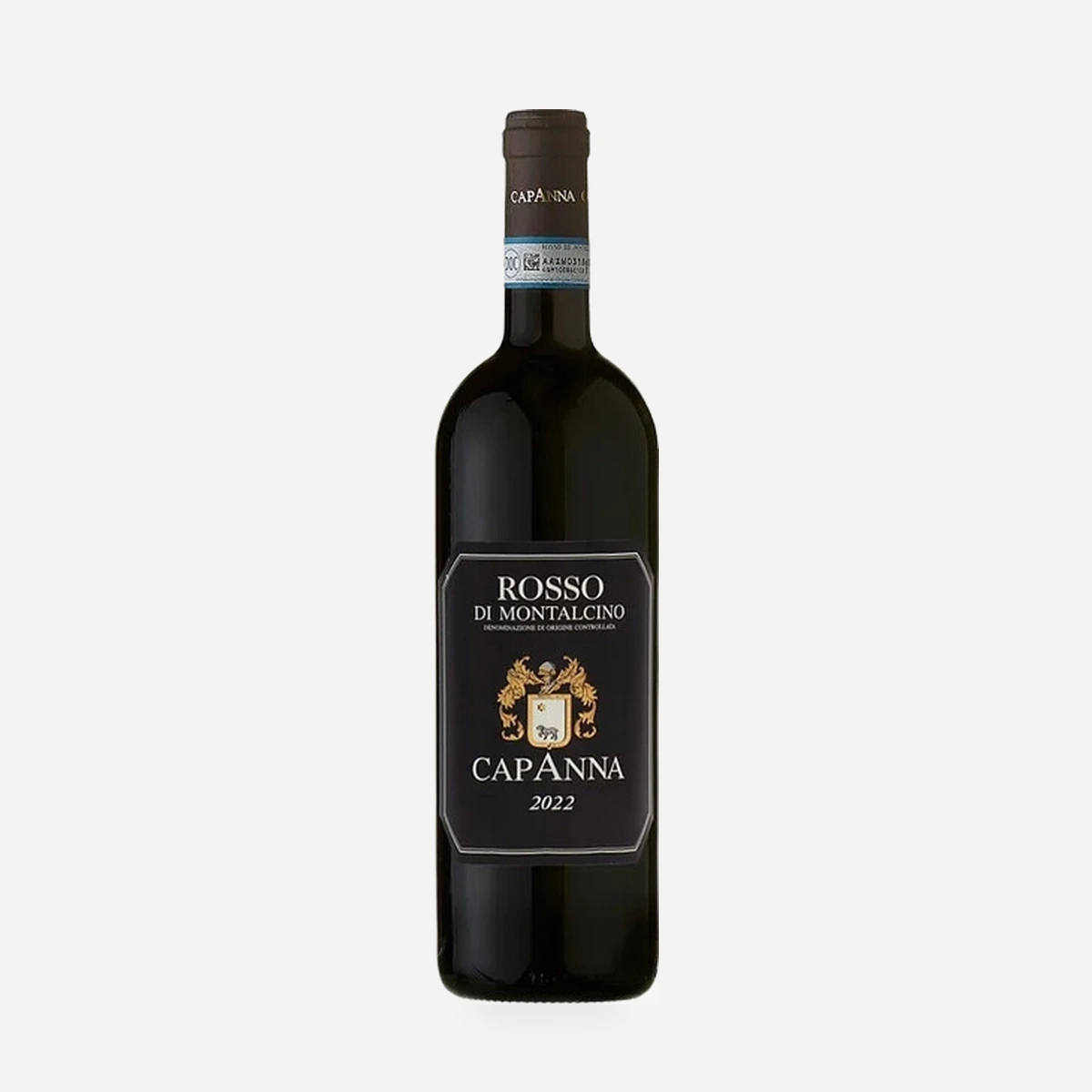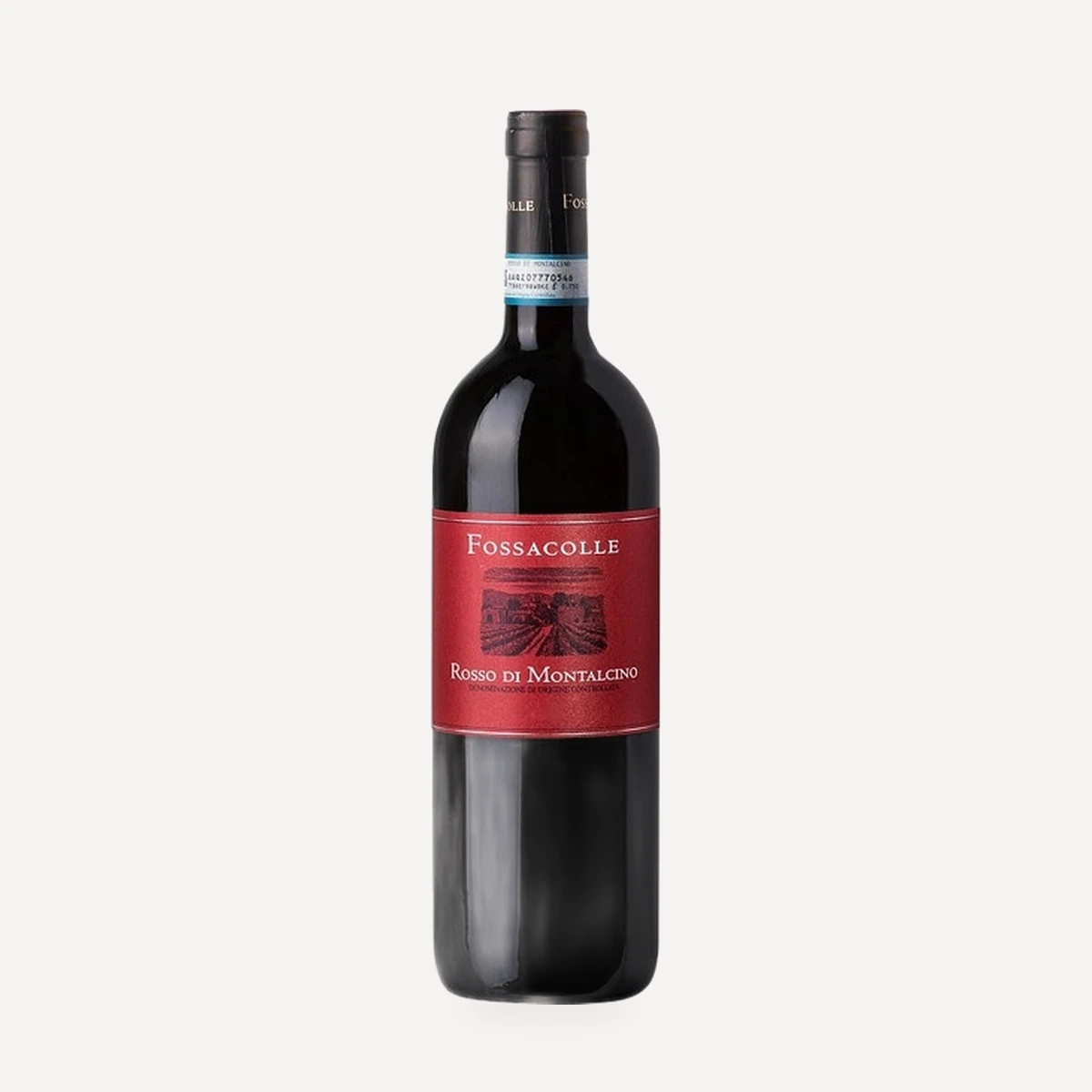
Questo vino
Vineyard and terroir
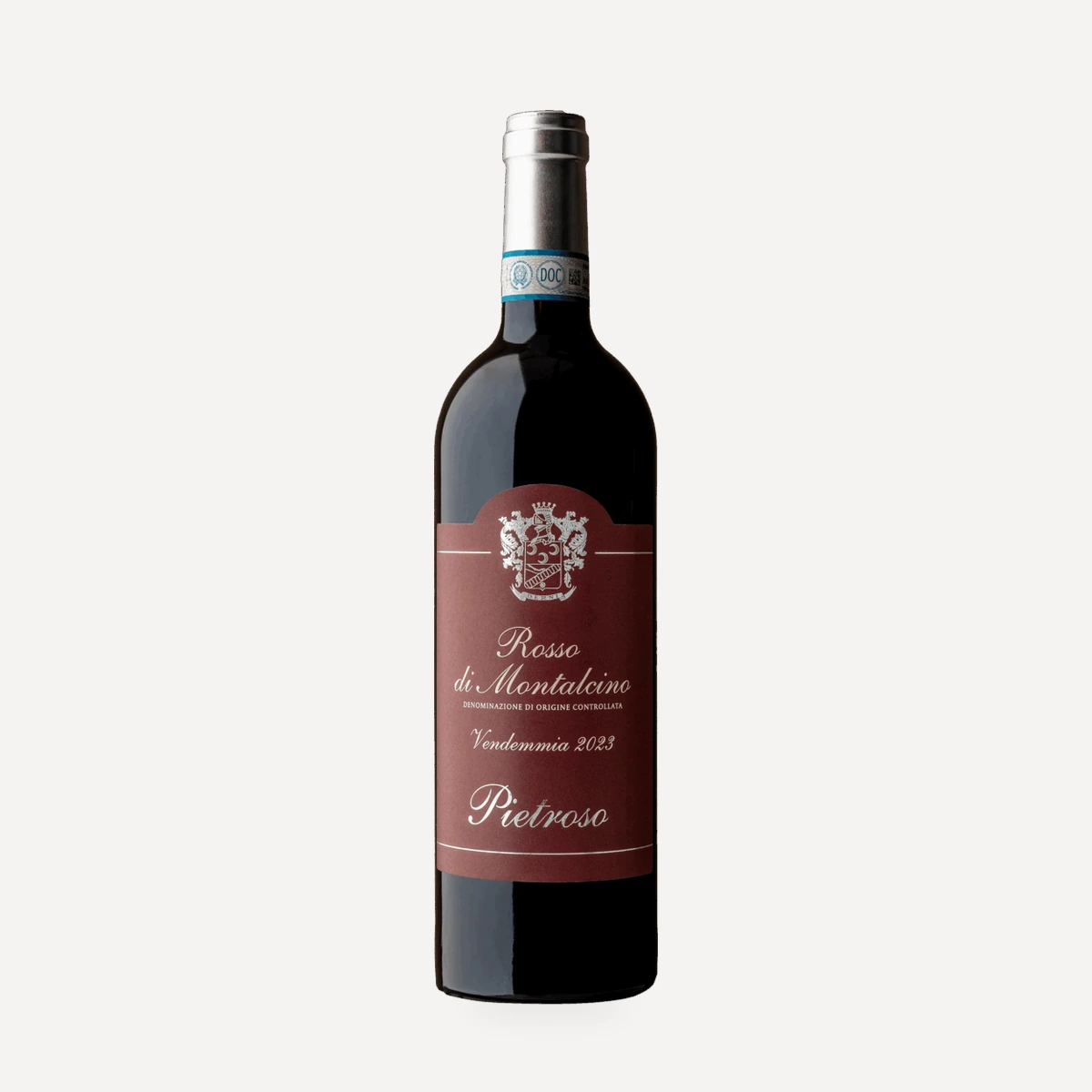
The Sangiovese comes from the estate's oldest vineyards, where olive trees have grown alongside the vines for more than 300 years, forming a rich ecosystem that influences the wine's quality and character.
Vinification
The grapes are harvested by hand in the second half of September. After gentle pressing, the must goes through a cold pre-fermentation stage in stainless steel tanks, followed by 16 days of skin contact. Malolactic fermentation begins once maceration is complete.
Ageing
The wine is aged in second- and third-use 225-litre French oak barrels and in concrete vats.
Tasting profile
Elegant and well balanced. Sangiovese wines of the year show classic red cherry notes with the grape's characteristic spice.
Vintage notes
2023 in Tuscany began with a relatively mild winter and little rainfall. Spring was mild apart from severe frosts in April. Late in the season heavy rain caused flooding across the region and greatly raised the risk of vine disease. Hail followed and reduced yields even though the buds had already opened. Hot weather then protected the vines from mould-related diseases but brought the threat of drought and sunburn. A second severe hailstorm later damaged some of the ripened fruit. The Tuscan harvest was nevertheless completed successfully, and the fruit that survived was of exceptionally high quality.
Label / history
Rosso di Montalcino is often called the "younger brother" of Brunello di Montalcino, as both are made from Sangiovese, known locally as Brunello.